How to Prevent Pickleball Injuries and Recover Safely

May 2026
主横幅装饰
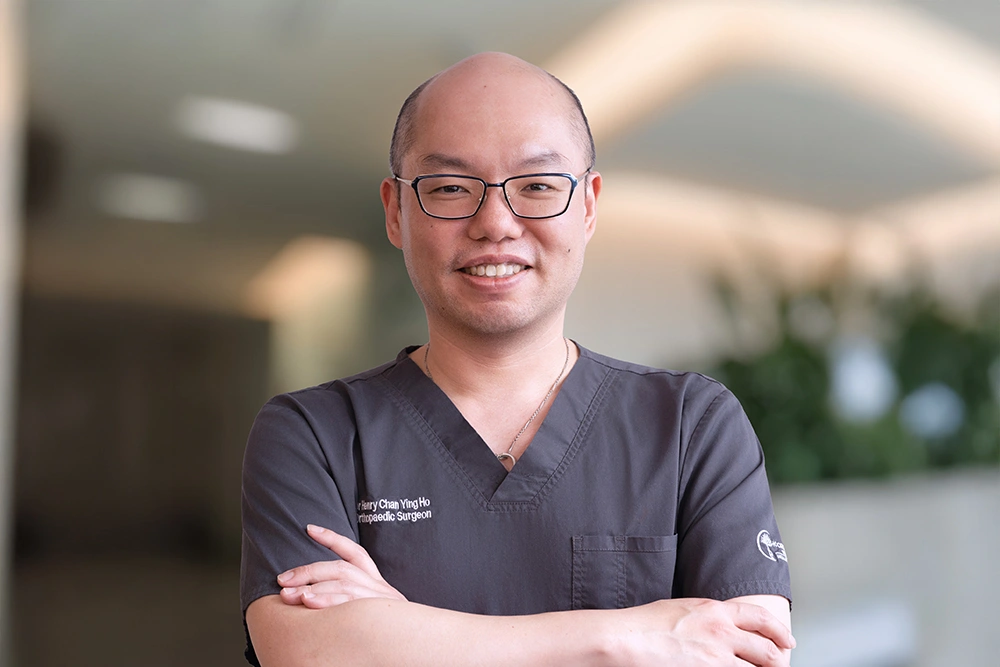
骨科医生 陈亨利医生
陈英豪医生
医疗总监兼骨科高级顾问医生
内外全科医学士(新加坡),皇家外科医学院会员(爱丁堡),骨外科医学硕士,皇家外科医学院院士(爱丁堡)
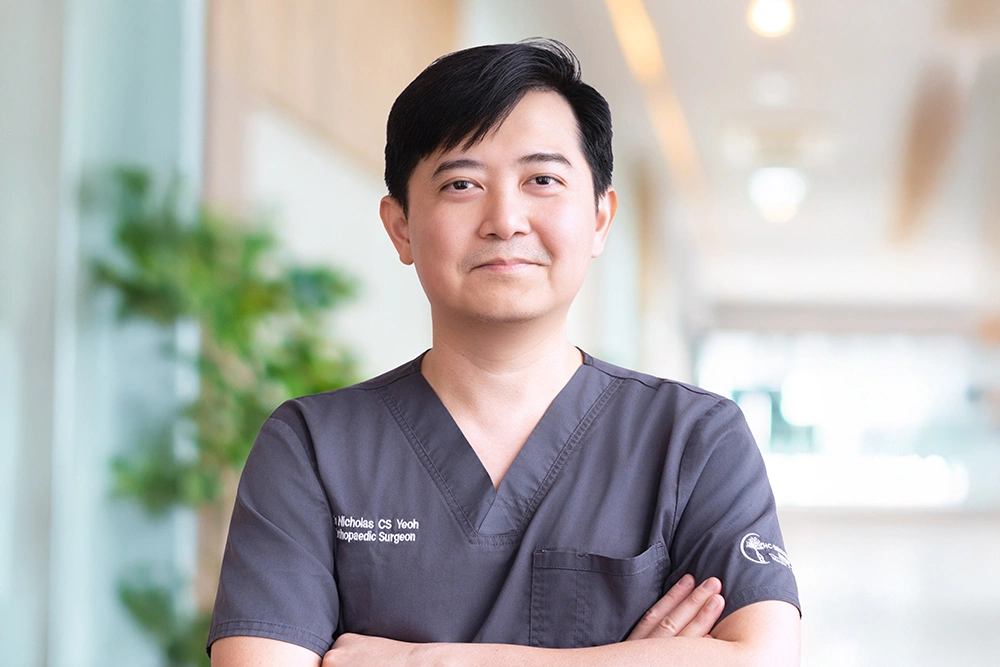
骨科医生,杨进勋医生
杨进勋医生
骨科高级顾问医生
内外全科医学士(爱丁堡),皇家外科医学院会员(爱丁堡),骨外科医学硕士,皇家外科医学院院士(爱丁堡)
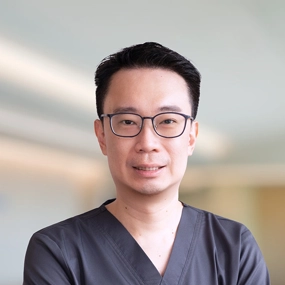
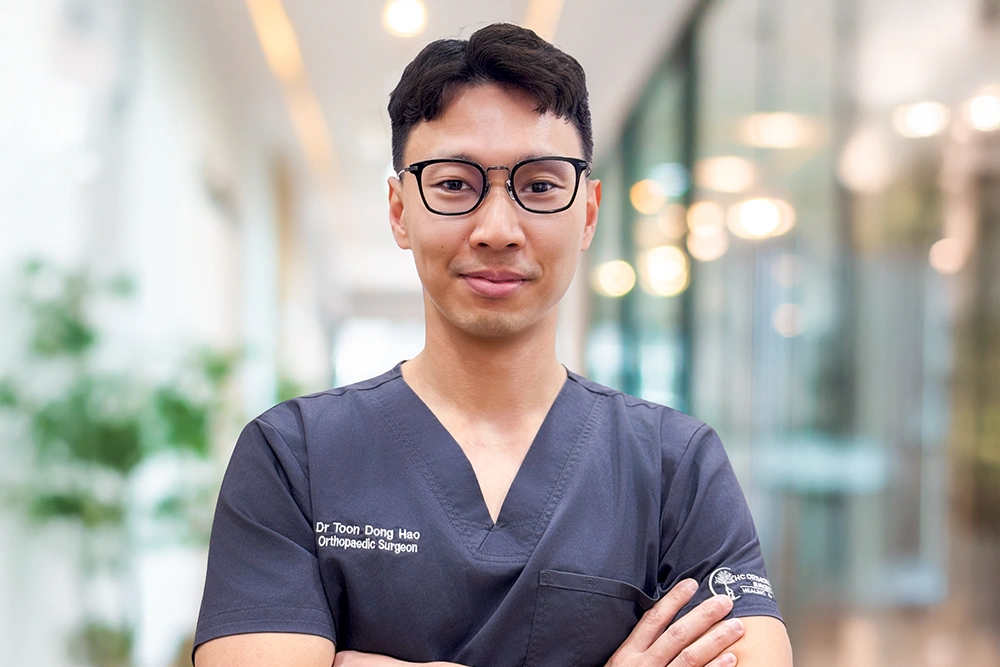
骨科医生,童东豪医生
童东豪医生
骨科高级顾问医生
内外全科医学士(利兹),皇家外科医学院会员(爱丁堡),骨外科医学硕士,皇家外科医学院院士(爱丁堡)
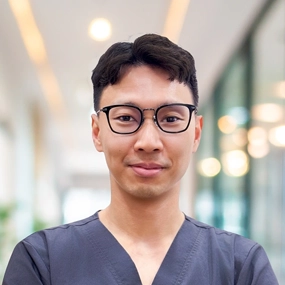
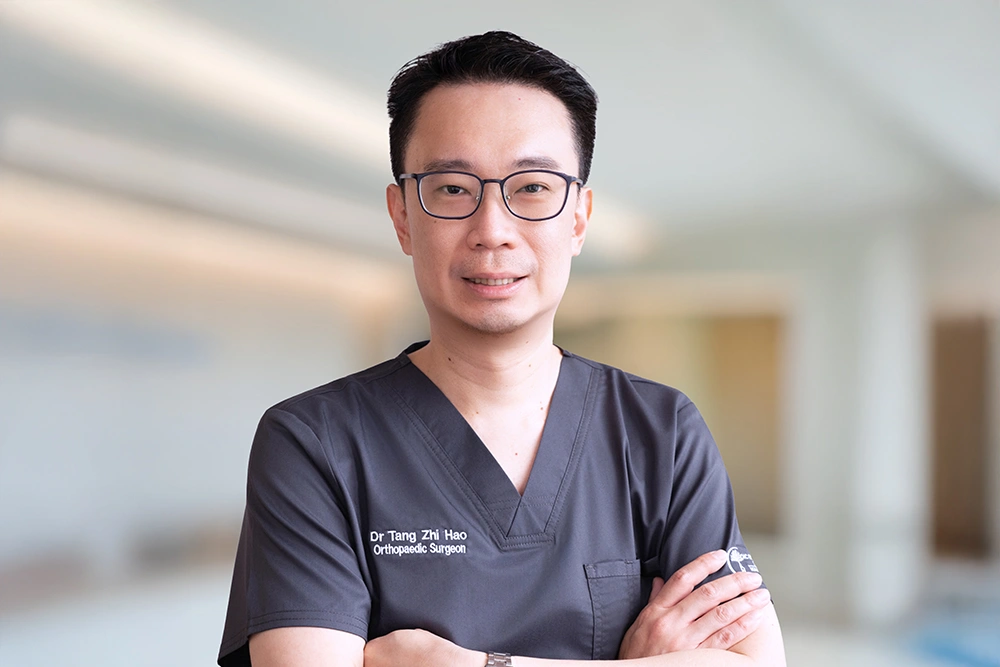
骨科医生,邓智浩医生
邓智浩医生
骨科高级顾问医生
内外全科医学士(新加坡),皇家外科医学院会员(爱丁堡),骨外科医学硕士,皇家外科医学院院士(爱丁堡)
How to Prevent Pickleball Injuries and Recover Safely
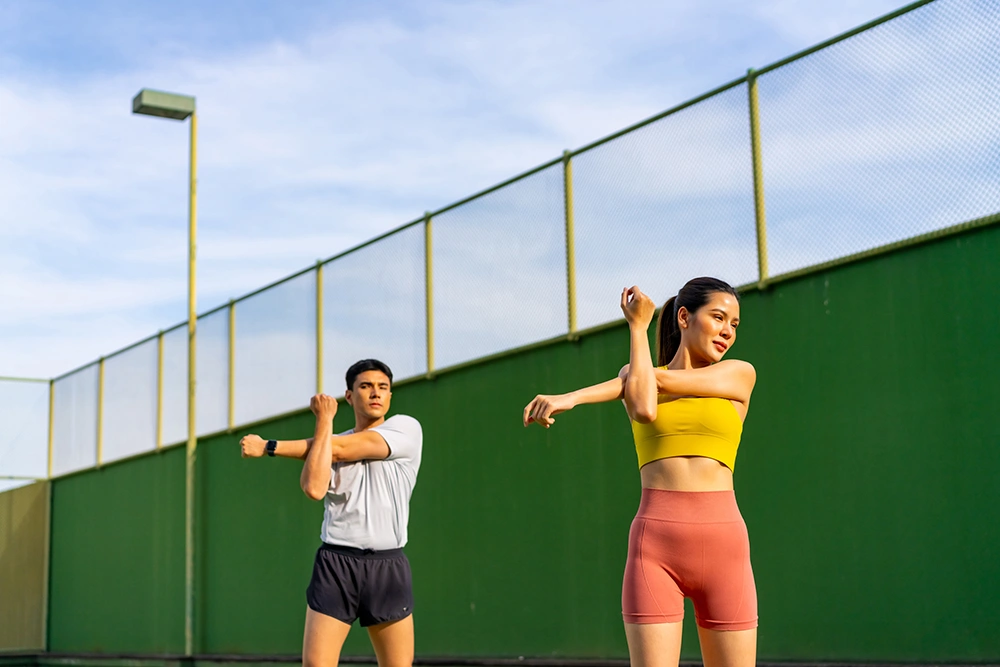
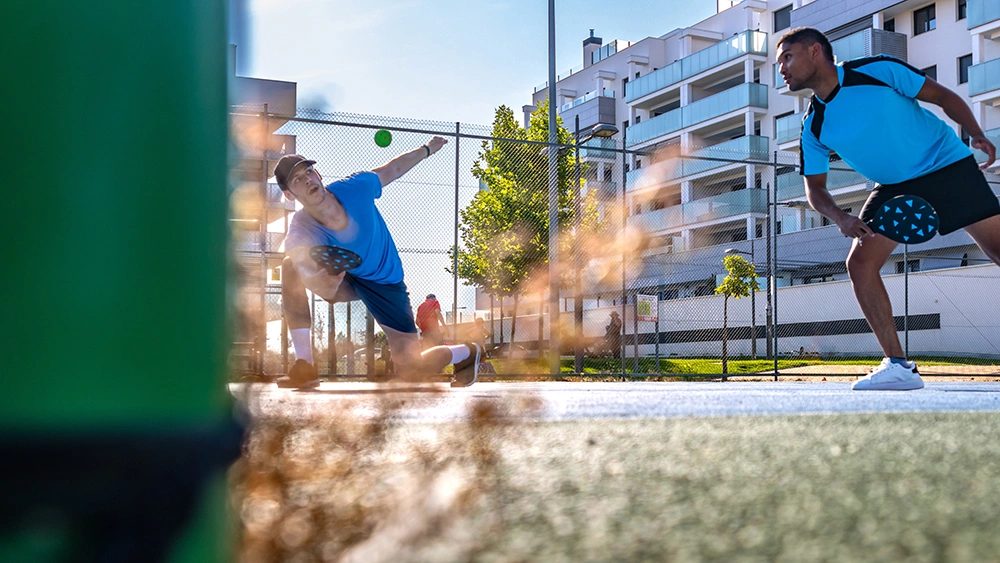
Two athletes playing pickleball on a sunny day.

Pickleball is rapidly becoming one of Singapore’s most popular sports, drawing everyone from young professionals to active older adults onto the court. With more courts appearing across community centres, condominiums and sports facilities, the sport’s fast-paced and social nature continues to fuel its growing appeal.

But while pickleball is often described as a low-impact activity, that does not mean it is risk-free. Quick pivots, repetitive swinging motions and sudden bursts of movement can place significant strain on the joints, muscles and tendons. Injuries such as tennis elbow, ankle sprains, shoulder strains and knee pain are becoming increasingly common, especially among players who skip proper warm-ups or return to play too quickly after an injury.

The good news is that many pickleball injuries are preventable. With the right preparation, playing habits and recovery strategies, players can reduce injury risk, recover more safely and continue enjoying the sport over the long term.

Common Pickleball Injuries to Watch Out For

Like many racquet sports, pickleball can lead to a range of sports injuries involving the muscles, joints and tendons. These injuries can affect different parts of the body depending on a player’s movement patterns, fitness level and playing frequency. Some injuries develop gradually from repetitive stress, while others happen suddenly during fast-paced rallies or awkward movements on the court.

  • Sprains and Strains

    Muscle strains and ligament sprains commonly affect the ankles, calves, hamstrings and lower back. These injuries may occur during sudden lunges, overstretching or quick directional changes.

  • Shoulder Injuries

    Repeated swinging and overhead movements can strain the shoulder joint and surrounding tendons. Players may develop rotator cuff strains, tendon inflammation or shoulder impingement, leading to pain, stiffness or reduced range of motion.

  • 网球肘

    Repetitive racket use can irritate the tendons around the elbow, resulting in a condition known as tennis elbow. Symptoms may include aching pain, weakness and discomfort during gripping or swinging movements.

  • Knee and Ankle Injuries

    The knees and ankles absorb significant force during lateral movements and abrupt stops. Players may develop injuries such as ankle sprains, meniscus tears, patellar tendonitis (jumper’s knee) or ligament strains. These movements may also aggravate existing arthritis, leading to pain, swelling and reduced mobility.

  • Falls and Fractures

    Loss of balance or slipping on the court may result in falls that cause wrist, shoulder or hip fractures. Older adults may face a higher risk of serious injury from falls.

  • Achilles Tendon and Calf Injuries

    Quick acceleration and explosive footwork can strain the calf muscles and Achilles tendon. In severe cases, sudden tears or ruptures may occur during pushing or pivoting movements.

Two athletes stretching on the pickleball court.

How to Prevent Pickleball Injuries

While some injuries may happen unexpectedly, many pickleball-related problems are linked to inadequate preparation, poor technique or repetitive strain over time. Taking proactive steps to protect the body can lower the risk of common injuries and help players continue enjoying the sport safely over the long term.

  • Warm Up Before Every Game

    A proper warm-up increases blood flow to the muscles and improves joint mobility before intense movement. Light cardio, dynamic stretches and movement drills can help prepare the body for quick reactions and directional changes during play.

  • Wear Proper Footwear and Supportive Gear

    Court shoes with good grip and lateral support help improve stability and reduce the risk of slips or ankle injuries. Some players may also benefit from braces or compression supports if they have previous joint problems or recurring strains.

  • Improve Strength, Flexibility and Balance

    Strengthening the legs, core and shoulders helps support the body during repetitive movements and sudden pivots. Flexibility and balance exercises may also improve coordination and reduce the likelihood of falls or muscle tightness.

  • Practise Proper Playing Technique

    Using proper swing mechanics and footwork can reduce unnecessary strain on the elbows, shoulders and knees. Beginners may benefit from coaching to develop safer movement patterns and avoid overloading certain joints.

  • Avoid Overplaying and Listen to Your Body

    Playing through fatigue or persistent pain increases the risk of overuse injuries. Scheduling rest days and recognising early warning signs such as swelling, stiffness or soreness can help prevent more serious problems.

  • Stay Hydrated and Recover Properly

    Hydration and adequate recovery support muscle function and reduce fatigue during prolonged games. Cooling down, stretching and getting enough rest after playing may also help minimise post-game soreness and injury risk.

How to Recover Safely After a Pickleball Injury

Even with proper precautions, injuries can still happen during play. Recovering safely involves more than simply waiting for pain to subside. Appropriate treatment, guided rehabilitation and a gradual return to activity are important for restoring mobility, rebuilding strength and reducing the risk of re-injury.

  • Manage the Injury Early

    Stopping play early and addressing symptoms promptly may help prevent a minor injury from worsening. Initial treatment often includes rest, ice, compression and elevation to reduce pain and swelling. Medical evaluation should be considered if there is severe pain, joint instability, significant swelling or difficulty bearing weight after the injury.

  • Rebuild Strength and Mobility Gradually

    While rest is important in the early stages of recovery, prolonged inactivity can lead to stiffness and muscle weakness. Physiotherapy and rehabilitation exercises may help restore joint function, improve flexibility and rebuild strength in the affected area. Recovery plans are often tailored according to the type and severity of the injury.

  • Return to Play Safely

    Returning to pickleball too soon may increase the likelihood of re-injury or chronic pain. Players should gradually resume activity only after symptoms have improved and normal movement has returned. Persistent pain, repeated injuries or difficulty returning to sport may require assessment by an orthopaedic specialist, who can advise on appropriate treatment options ranging from rehabilitation and injections to sports surgery when necessary.

指引您走向康复

When to Seek Specialist Care for Pickleball Injuries

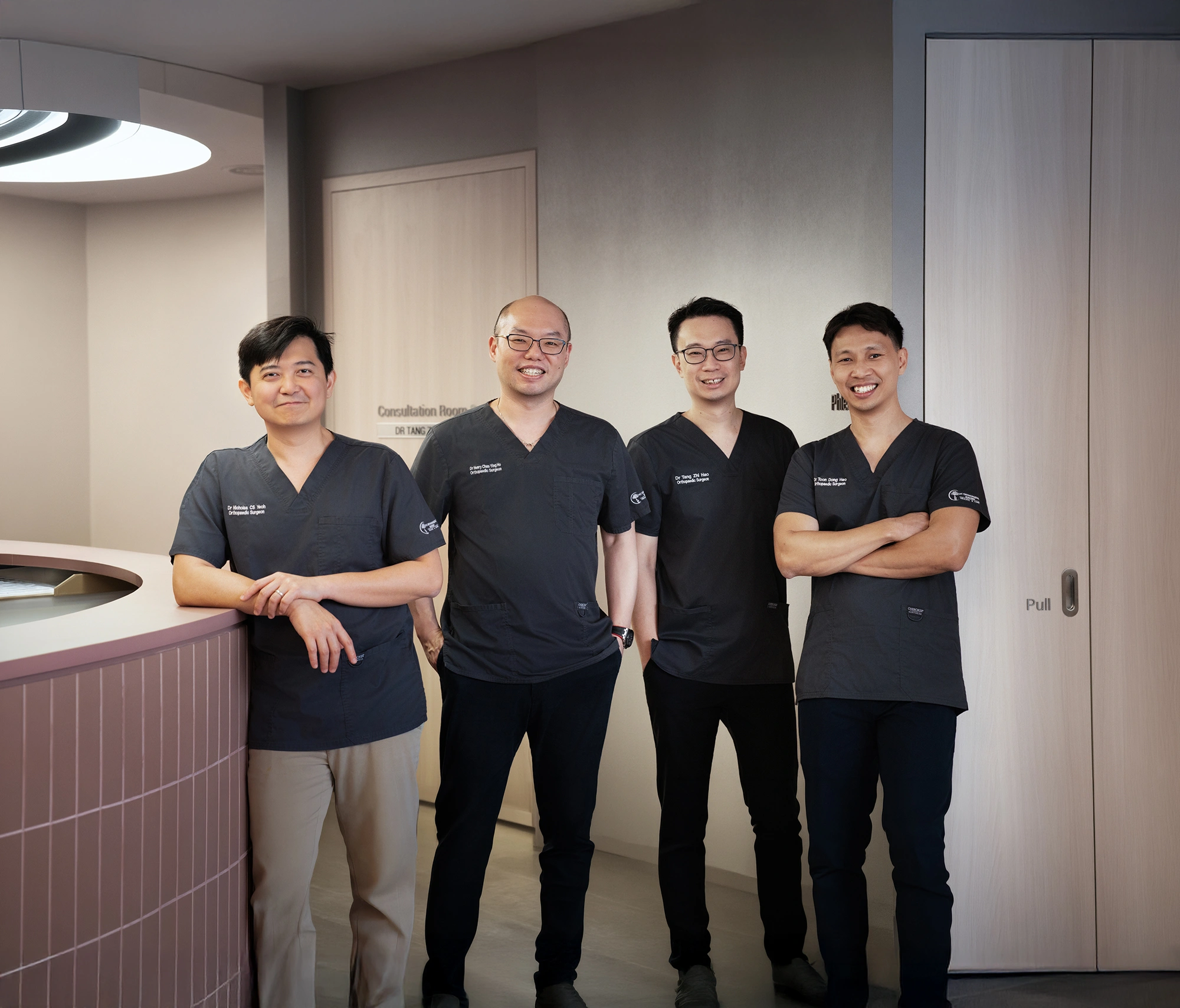
HC Orthopaedic 组合影
Persistent pain, swelling, joint instability or difficulty returning to normal activity after a pickleball injury should not be ignored. While minor strains may improve with rest and rehabilitation, ongoing symptoms could indicate more significant injuries involving the tendons, ligaments, cartilage or joints. Early assessment by an orthopaedic specialist can help identify the underlying problem, prevent further damage and ensure appropriate treatment before the condition worsens.
HC Orthopaedic 标志

我们的专业团队

At HC Orthopaedic Surgery, sports injury care is provided by Dr Henry Chan, Dr Nicholas Yeoh, Dr Toon Dong Hao and Dr Tang Zhi Hao. The team manages a wide range of sports-related conditions, including ligament injuries, tendon problems, joint pain and overuse injuries, with treatment plans tailored to each patient’s activity level and recovery goals. From non-surgical care to advanced surgical treatment where necessary, care is focused on supporting safe recovery and long-term mobility. If your symptoms are not improving or are affecting your ability to stay active, arrange a specialist consultation for a detailed assessment and personalised treatment plan.

常见问题解答

Frequently Asked Questions (FAQs) About Pickleball Injuries

Is pickleball safe for older adults?

Pickleball is generally considered a lower-impact sport compared to activities such as tennis or basketball, which makes it popular among older adults. However, the sport still involves quick movements, balance changes and repetitive motions that may increase the risk of falls, sprains or overuse injuries. Proper warm-ups, supportive footwear, strength training and pacing can help older players participate more safely and reduce injury risk.

How long does it take to recover from a pickleball injury?

Recovery time depends on the type and severity of the injury. Mild muscle strains or tendon irritation may improve within a few weeks with rest and rehabilitation, while ligament injuries, fractures or tendon tears may require several months of recovery. Returning to play too early can increase the risk of re-injury, so recovery should focus on restoring strength, flexibility and pain-free movement before resuming sports activities.

What are the signs that a pickleball injury needs medical attention?

Persistent swelling, severe pain, joint instability, difficulty walking or reduced range of motion may indicate a more significant injury that requires medical assessment. Symptoms such as sudden weakness, a popping sensation, or pain that does not improve with rest should also not be ignored. Early evaluation by an orthopaedic specialist can help identify the underlying issue and prevent the injury from worsening over time.
我们的骨科专家

Meet Our Sports Injury Specialists in Singapore

我们的团队由陈英豪医生、杨进勋医生、童东豪医生和邓智浩医生组成。他们都是经验丰富的骨科医生,拥有各自亚专科领域的专长,并秉持以患者为中心的诊疗理念。

骨科医生 陈亨利医生

陈英豪医生

医疗总监兼骨科高级顾问医生

内外全科医学士(新加坡),皇家外科医学院会员(爱丁堡),骨外科医学硕士,皇家外科医学院院士(爱丁堡)

陈英豪医生是一位经验丰富的骨科医生,专攻关节置换及复杂翻修手术。他曾凭借新加坡卫生部(MOH)高阶医学深造计划(HMDP)奖学金,在德国著名的Helios Endo-Klinik接受培训,迄今已完成超过1,000例关节置换手术,并擅长运用计算机辅助及机器人辅助关节置换技术,以确保手术效果精准。

关于陈医生
骨科医生,杨进勋医生

杨进勋医生

骨科高级顾问医生

内外全科医学士(爱丁堡),皇家外科医学院会员(爱丁堡),骨外科医学硕士,皇家外科医学院院士(爱丁堡)

杨进勋医生 卫生部认证的骨科专科医生,同时也是爱丁堡皇家外科医学院的院士。他曾凭借卫生部高层次医疗人才引进计划(HMDP)奖学金,在悉尼接受髋关节和膝关节重建方面的专科进修培训,专攻微创关节置换术、机器人辅助手术以及有助于改善康复效果和手术疗效的先进技术。

关于杨医生
骨科医生,童东豪医生

童东豪医生

骨科高级顾问医生

内外全科医学士(利兹),皇家外科医学院会员(爱丁堡),骨外科医学硕士,皇家外科医学院院士(爱丁堡)

童东豪医生 技术娴熟的骨科医生童东豪医生 爱丁堡皇家外科医学院的院士。童东豪医生 凭借卫生部高层次医疗人才引进计划(HMDP)奖学金,在悉尼接受了肩肘外科高级专科培训。童医生专攻运动损伤、关节镜手术以及复杂的肩、肘和膝关节手术,致力于帮助患者恢复功能和活动能力。

关于童医生
骨科医生,邓智浩医生

邓智浩医生

骨科高级顾问医生

内外全科医学士(新加坡),皇家外科医学院会员(爱丁堡),骨外科医学硕士,皇家外科医学院院士(爱丁堡)

邓智浩医生 接受过专科进修培训的骨科医生邓智浩医生 专攻足部和踝关节疾病。他曾在首尔延世大学医疗系统下属的世卫医院,师从李镇宇教授,完成了足踝外科专科进修。在开设私人诊所之前,他曾在邱德拔医院担任骨科顾问及副主任。

关于邓医生
HC Orthopaedic 标志
联系我们
请通过以下电话号码联系相应的诊所。
伊丽莎白乌节医疗中心
电话:  6732 8848
伊丽莎白诺维娜专家中心
电话:  6950 4828
鹰阁医疗中心
电话:  6265 1088
百汇东医疗中心
电话:  6786 1838
HC Orthopaedic 标志
联系我们的医生
请通过下方的WhatsApp直接联系我们的医生。
骨科医生 陈亨利医生
陈英豪医生
WhatsApp:9755 5366
骨科医生,杨进勋医生
杨进勋医生
WhatsApp:9723 0488
骨科医生,童东豪医生
童东豪医生
WhatsApp:8035 8388
骨科医生,邓智浩医生
邓智浩医生
WhatsApp:8972 2388