





Are you currently preparing for HYROX for the first time, or returning to the race but starting to notice recurring tightness or injuries during training? As one of the most demanding hybrid fitness events, HYROX combines endurance running with high-intensity functional movements that challenge the entire body from start to finish. While this makes for an exciting and competitive race format, it also means that athletes are often exposed to a higher risk of overuse injuries if training is not carefully managed. Understanding how to prepare effectively can help athletes improve performance while reducing the likelihood of setbacks.
Key Takeaways
- HYROX combines endurance running with high-intensity functional movements that increase the risk of overuse injuries
- Common HYROX injuries include shoulder strain, knee tendinopathy, lower back overload, and Achilles irritation
- Sudden increases in training intensity or volume are a major cause of training-related injuries
- Recovery, movement quality, and gradual progression are important for reducing injury risk
- Persistent pain or recurring symptoms during training should not be ignored
What Makes HYROX Physically Demanding?
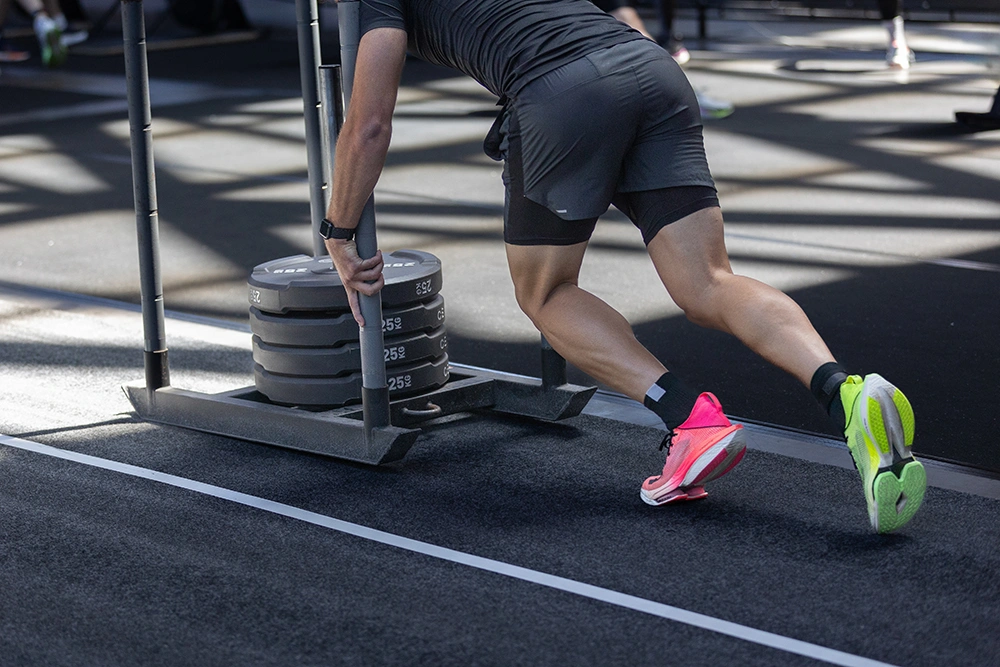
HYROX is a hybrid endurance and strength competition that combines repeated running intervals with functional workout stations such as sled pushes, sled pulls, rowing, burpee broad jumps, wall balls, and farmer’s carries.
Unlike traditional strength training or steady-state cardio, HYROX requires athletes to repeatedly transition between endurance and power-based movements under fatigue. This places continuous stress on multiple muscle groups and joints throughout training and competition.
As fatigue builds, movement quality may begin to decline, increasing stress on the shoulders, knees, lower back, calves, and Achilles tendons. Without adequate recovery or gradual progression, repeated overload may increase the risk of injury.
What Are the Most Common HYROX Injuries?
The repetitive and high-volume nature of HYROX means certain injuries are seen more frequently, particularly in athletes who increase training intensity too quickly.
Shoulder and Upper Limb Strain
Wall balls, rowing, and sled work can place repetitive stress on the shoulders, particularly during high-volume training. Over time, this may contribute to rotator cuff irritation, shoulder impingement, or shoulder pain during overhead movement.
Knee Pain and Patellar Tendon Strain
Knee pain is a common HYROX injury due to repeated running combined with explosive movements such as sled pushes and burpee broad jumps. The patellar tendon in particular can become irritated from constant loading, leading to pain during squatting, running or jumping.
Lower Back Overload
Exercises such as sled pulls, deadlifts, and farmer’s carries place sustained load through the lower back. Fatigue, poor posture, or inadequate core stability may increase strain on the lumbar spine during training.
Achilles and Calf Overuse Injuries
High running volume and explosive transitions increase stress on the calf muscles and Achilles tendon. Tightness, stiffness, or pain in this area may indicate developing overuse injury.

What Warning Signs Should HYROX Athletes Watch For?
Not all soreness during training is a normal part of progression. Certain symptoms may suggest excessive overload or developing injury.
Persistent Pain That Does Not Improve
Pain that continues despite rest or recovery may indicate tendon, muscle, or joint irritation that requires further assessment.
Symptoms That Worsen Under Fatigue
Pain that becomes more noticeable during longer sessions or repeated rounds may suggest reduced movement control or excessive strain under fatigue.
Reduced Strength or Performance
Difficulty generating power, maintaining running form, or completing movements efficiently may indicate underlying overload or injury.
Recurring Tightness or Stiffness
Repeated tightness in the calves, shoulders, knees, or lower back may be an early warning sign of excessive training load or inadequate recovery.
What Training Strategies Help Reduce Injury Risk?
Reducing injury risk in HYROX does not mean reducing effort. Instead, it involves structured training that balances load, recovery and movement quality.
Build Load Gradually
Sudden increases in training intensity or volume are one of the most common causes of overuse injuries. Gradual progression allows tendons, muscles, and joints to adapt more effectively to increasing demands.
Prioritise Movement Quality Under Fatigue
As fatigue builds, technique often begins to break down. Maintaining good movement mechanics during running, squatting, lifting, and overhead exercises may help reduce unnecessary stress on the joints.
Strengthen Supporting Muscle Groups
Strong glutes, core muscles, calves, and upper back muscles help distribute load more efficiently during HYROX training. This may reduce excessive strain on vulnerable areas such as the knees, shoulders, and lower back.
Incorporate Recovery and Deload Phases
Planned recovery days and deload weeks allow the body to repair and adapt between training blocks. Without adequate recovery, repeated tissue stress may gradually accumulate and increase injury risk.
Supporting HYROX Athletes at HC Orthopaedic Surgery
Early assessment and appropriate load management may help prevent minor overuse problems from progressing into more significant injuries that interrupt long-term training.

Supporting HYROX Athletes at HC Orthopaedic Surgery
Early assessment and appropriate load management may help prevent minor overuse problems from progressing into more significant injuries that interrupt long-term training.
我们的专业团队
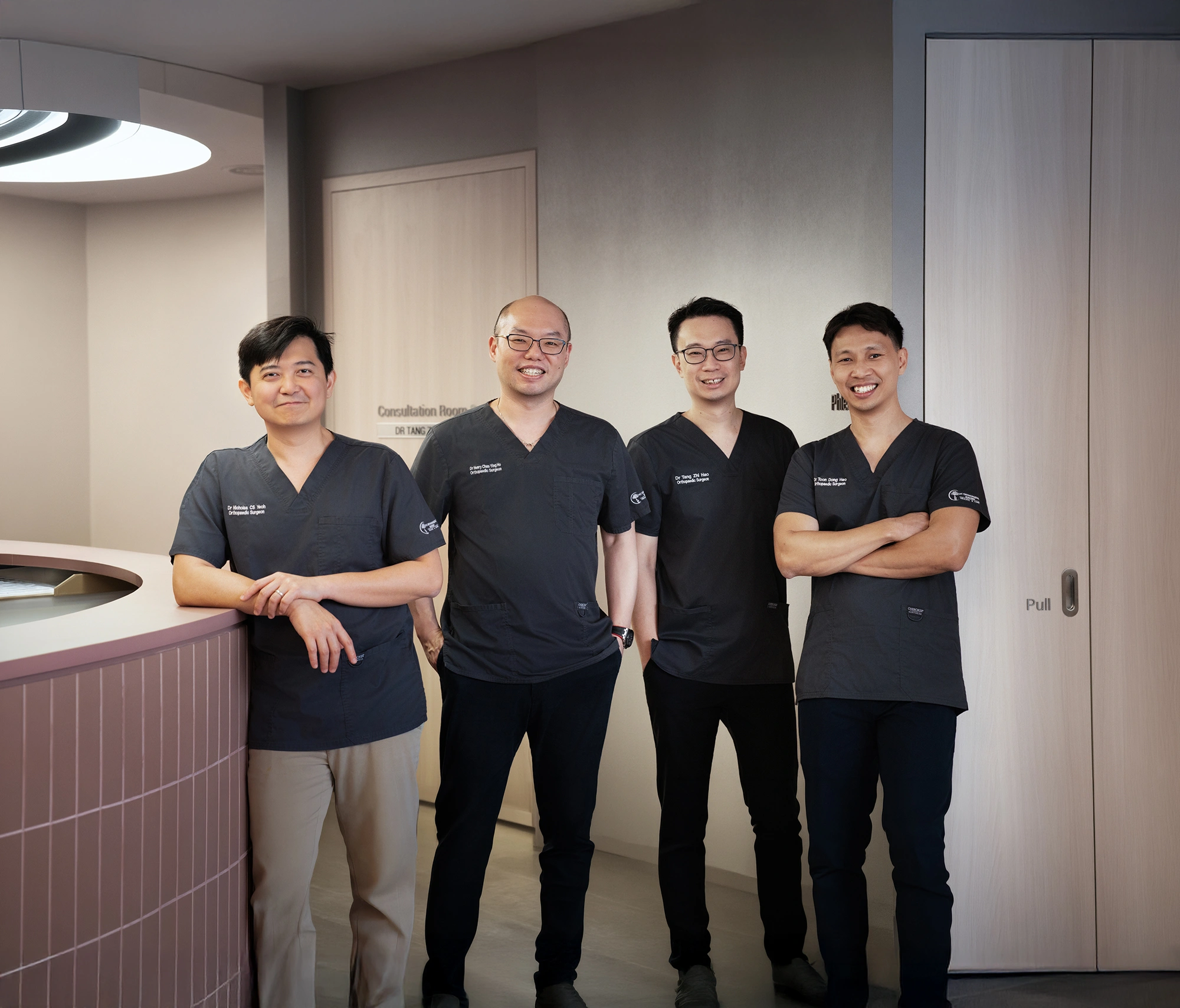
At HC Orthopaedic Surgery in Singapore, care is led by Dr Henry Chan alongside a team of experienced orthopaedic specialists, including Dr Nicholas Yeoh, Dr Toon Dong Hao and Dr Tang Zhi Hao. The team manages a wide range of sports and overuse injuries, supporting patients from initial diagnosis through to rehabilitation and, when necessary, advanced surgical care.
If you are experiencing persistent pain from HYROX injuries, arrange a consultation for a thorough assessment and personalised treatment plan to help you get back to training safely and comfortably.
Frequently Asked Questions (FAQs) About HYROX Injuries
Why Do Some HYROX Injuries Keep Returning?
Why Does Technique Break Down More Easily During HYROX Training?
Can Poor Running Mechanics Contribute to HYROX Injuries?
Are HYROX Injuries More Common in First-Time Competitors?
Why Is Recovery Important During HYROX Training?
Can Strength Training Help Reduce HYROX Injury Risk?
Meet Our Orthopaedic Specialists in Singapore
我们的团队由陈英豪医生、杨进勋医生、童东豪医生和邓智浩医生组成。他们都是经验丰富的骨科医生,拥有各自亚专科领域的专长,并秉持以患者为中心的诊疗理念。

陈英豪医生
医疗总监兼骨科高级顾问医生
内外全科医学士(新加坡),皇家外科医学院会员(爱丁堡),骨外科医学硕士,皇家外科医学院院士(爱丁堡)
陈英豪医生是一位经验丰富的骨科医生,专攻关节置换及复杂翻修手术。他曾凭借新加坡卫生部(MOH)高阶医学深造计划(HMDP)奖学金,在德国著名的Helios Endo-Klinik接受培训,迄今已完成超过1,000例关节置换手术,并擅长运用计算机辅助及机器人辅助关节置换技术,以确保手术效果精准。

杨进勋医生
骨科高级顾问医生
内外全科医学士(爱丁堡),皇家外科医学院会员(爱丁堡),骨外科医学硕士,皇家外科医学院院士(爱丁堡)
杨进勋医生 卫生部认证的骨科专科医生,同时也是爱丁堡皇家外科医学院的院士。他曾凭借卫生部高层次医疗人才引进计划(HMDP)奖学金,在悉尼接受髋关节和膝关节重建方面的专科进修培训,专攻微创关节置换术、机器人辅助手术以及有助于改善康复效果和手术疗效的先进技术。

童东豪医生
骨科高级顾问医生
内外全科医学士(利兹),皇家外科医学院会员(爱丁堡),骨外科医学硕士,皇家外科医学院院士(爱丁堡)
童东豪医生 技术娴熟的骨科医生童东豪医生 爱丁堡皇家外科医学院的院士。童东豪医生 凭借卫生部高层次医疗人才引进计划(HMDP)奖学金,在悉尼接受了肩肘外科高级专科培训。童医生专攻运动损伤、关节镜手术以及复杂的肩、肘和膝关节手术,致力于帮助患者恢复功能和活动能力。

邓智浩医生
骨科高级顾问医生
内外全科医学士(新加坡),皇家外科医学院会员(爱丁堡),骨外科医学硕士,皇家外科医学院院士(爱丁堡)
邓智浩医生 接受过专科进修培训的骨科医生邓智浩医生 专攻足部和踝关节疾病。他曾在首尔延世大学医疗系统下属的世卫医院,师从李镇宇教授,完成了足踝外科专科进修。在开设私人诊所之前,他曾在邱德拔医院担任骨科顾问及副主任。