

Knee osteoarthritis can make everyday movement more difficult, whether it is climbing stairs, walking longer distances or simply standing up after sitting for a period of time. Although the condition is common, it does not mean you need to give up an active lifestyle or accept ongoing discomfort as unavoidable. With the right approach, many people are able to manage their symptoms well and continue enjoying the activities that matter to them. Understanding practical strategies for knee osteoarthritis can help you stay active, mobile and more confident in daily life.
Understanding Knee Osteoarthritis and Why It Happens
Knee osteoarthritis occurs when the protective cartilage within the joint becomes thinner over time. As cushioning reduces, movement may create more friction between the bones, leading to inflammation, discomfort and stiffness.
Ageing is one contributing factor, but it is not the only cause. Previous injuries, excess body weight, family history and repeated strain on the knees can all increase the likelihood of developing the condition. Some people experience gradual changes over many years, while others notice symptoms progressing more quickly.
Recognising the Signs of Knee Osteoarthritis Early
Symptoms of knee osteoarthritis often begin subtly and may come and go in the early stages. Recognising these changes early can help guide timely management.
Pain During Activity
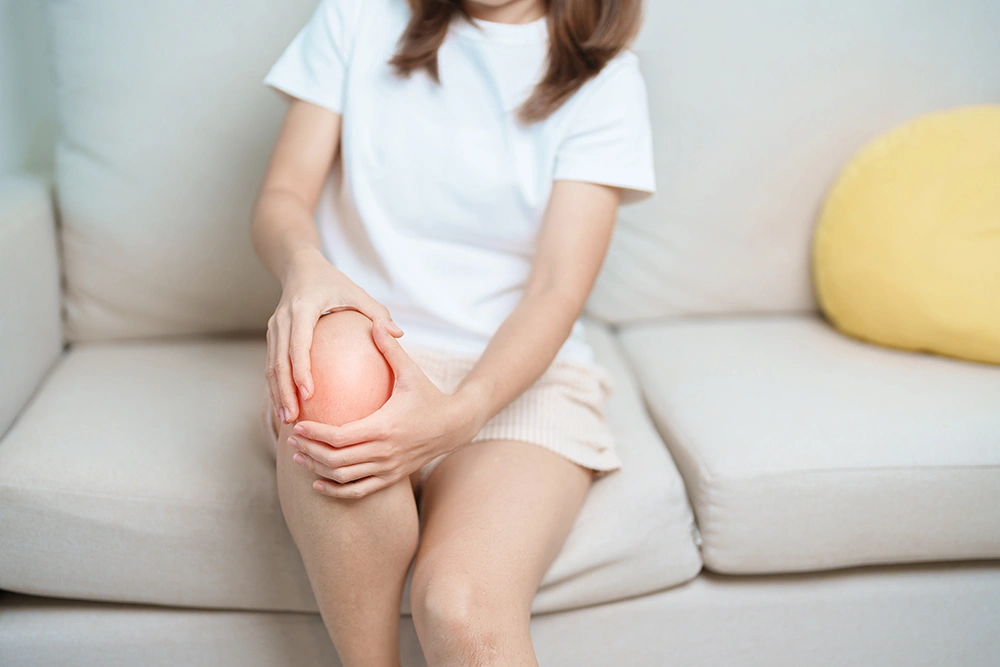
One of the earliest signs is discomfort that appears when the knee is being used more often. This may happen during longer walks, climbing stairs, kneeling or standing for extended periods. The pain often settles with rest, though it may return when activity resumes.
Stiffness After Sitting or Resting
Some people find that the knee feels tight or slow to move after waking in the morning or sitting for some time. This stiffness usually improves once the joint starts moving again, but it can become more noticeable as the condition progresses.
Swelling or Tenderness Around the Joint
Inflammation within the joint may lead to visible swelling, warmth or sensitivity around the knee. These changes can become more apparent after a busy day or increased physical activity.
Grinding Sensations or Reduced Movement
As cartilage wears down, movement may no longer feel as smooth as before. Some people notice clicking or grinding sensations, while others find it harder to bend, squat or fully straighten the knee.

Staying Active with the Right Type of Exercise
Although movement may feel more challenging when the knee is painful, regular exercise remains one of the most effective ways to manage symptoms. Choosing suitable activities can strengthen supporting muscles, maintain flexibility and improve confidence in movement.
Low-Impact Exercise That Keeps You Moving
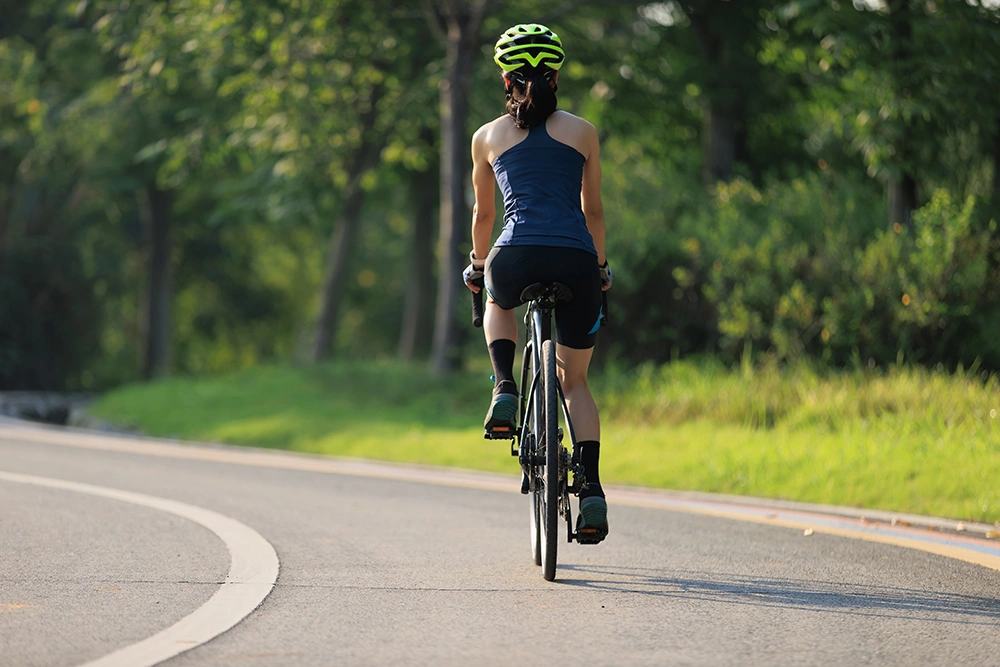
Exercises such as walking on level ground, cycling, swimming and water aerobics are often easier on the knees. They help keep the joint mobile while placing less strain on it than high-impact activities.
力量训练
Building strength in the quadriceps, hamstrings and hip muscles can provide better support for the knee joint. With stronger surrounding muscles, pressure through the knee may be reduced during daily movement.
Flexibility and Balance Work
Gentle stretching can help reduce tightness, while balance exercises may improve coordination and stability. Together, these can support smoother movement and lower the risk of falls.
Everyday Habits That Can Ease Knee Strain
In addition to exercise, simple adjustments in daily routines can make a meaningful difference. Small changes, practised consistently, often help reduce knee pain and improve mobility over time.
Managing Weight to Reduce Joint Load
Where appropriate, maintaining a healthy weight can lessen the load placed on the knees with every step. Even modest changes may help ease symptoms.
Choosing Footwear That Supports Comfort
Shoes with good cushioning and support can improve comfort during walking and standing. Proper footwear may also help distribute pressure more evenly through the lower limbs.
Pacing Activities Throughout the Day
Alternating periods of activity with short breaks can help prevent overloading the joint. This can be especially useful during busy days that involve more walking or standing than usual.
Treatment Options That Can Help You Keep Moving
Knee osteoarthritis treatment depends on the severity of symptoms, lifestyle goals and how much the condition affects everyday activities. Many people respond well to conservative care, while others may benefit from more advanced options after a thorough assessment by a knee specialist.
Non-Surgical Care for Early to Moderate Symptoms
Physiotherapy, medication, bracing and tailored exercise programmes are commonly used to reduce pain and improve function. These approaches are often effective for many individuals.
Injection Therapy for Selected Cases
When symptoms continue despite initial treatment, injections may be considered to help reduce inflammation or provide temporary pain relief.
Surgical Options When Symptoms Become More Limiting
If pain remains significant and mobility is increasingly affected, surgery may be discussed with a knee specialist. Depending on the condition, options can include keyhole procedures, partial knee replacement or total knee replacement.
Staying Active for the Long Term

Staying Active for the Long Term
我们的专业团队
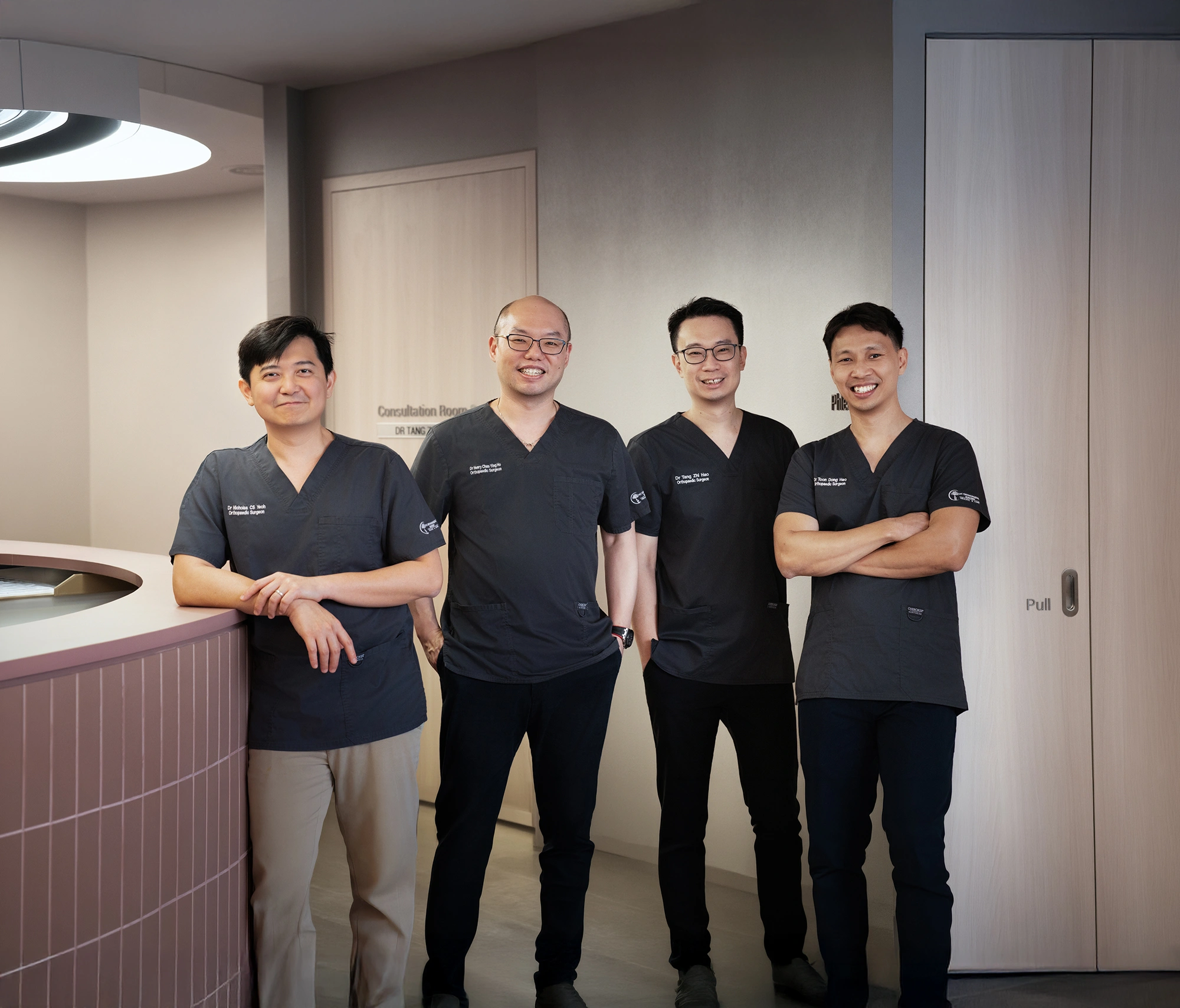
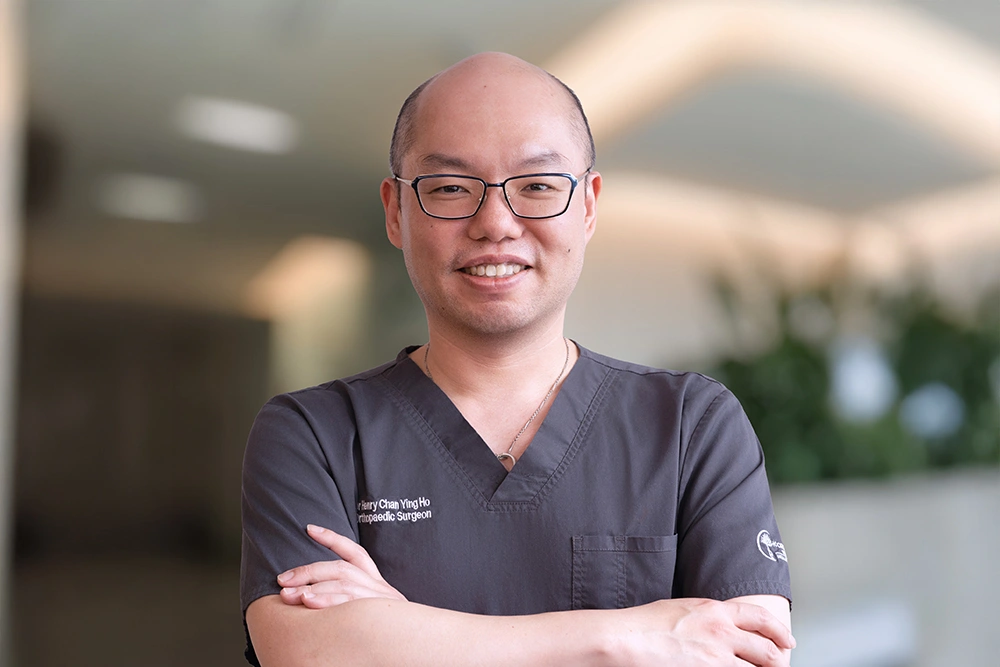
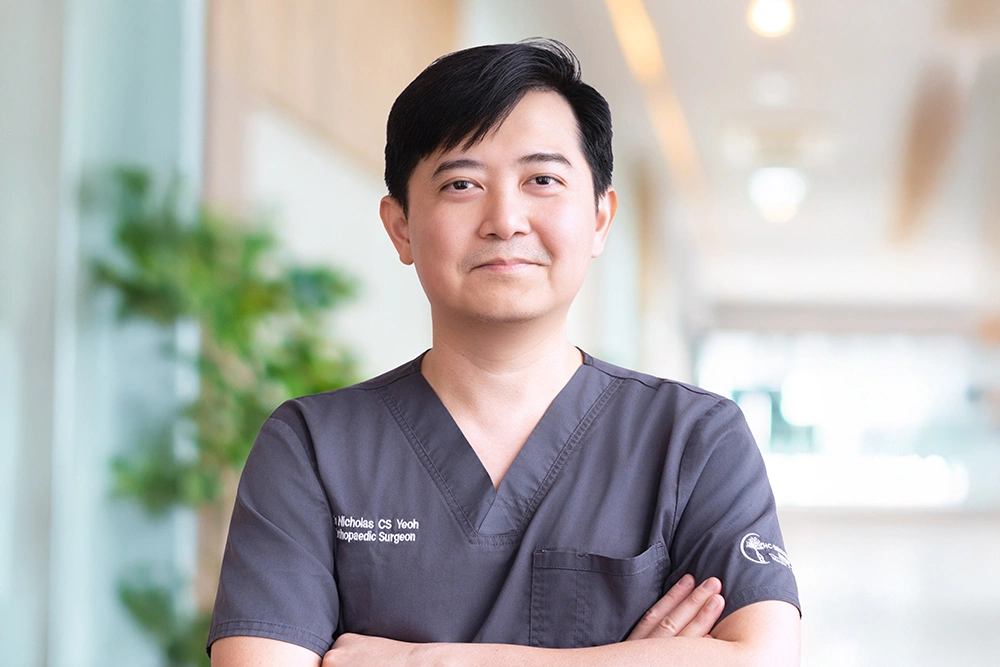
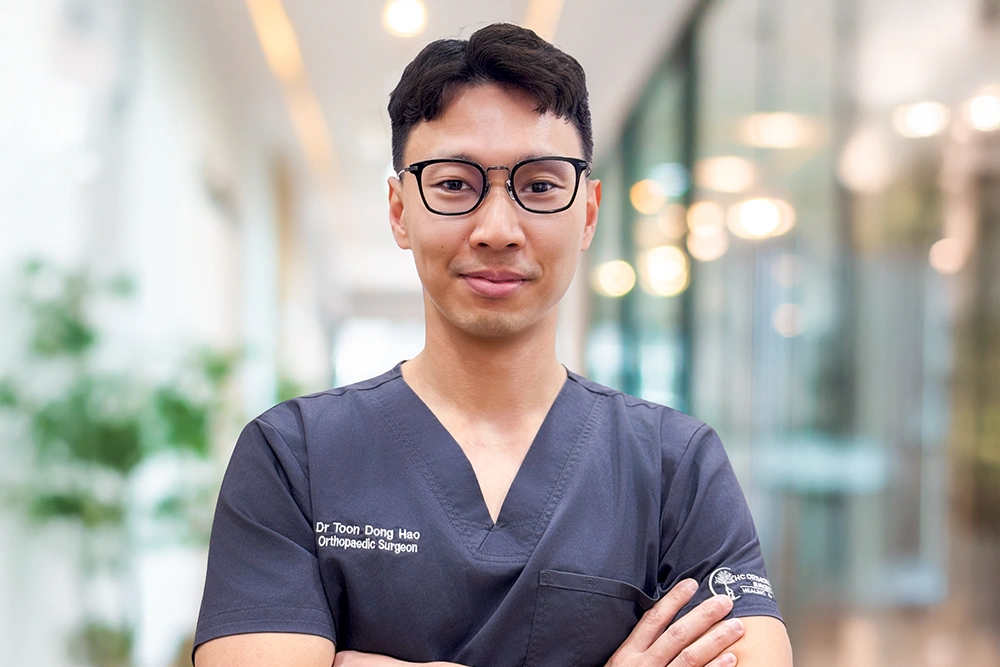
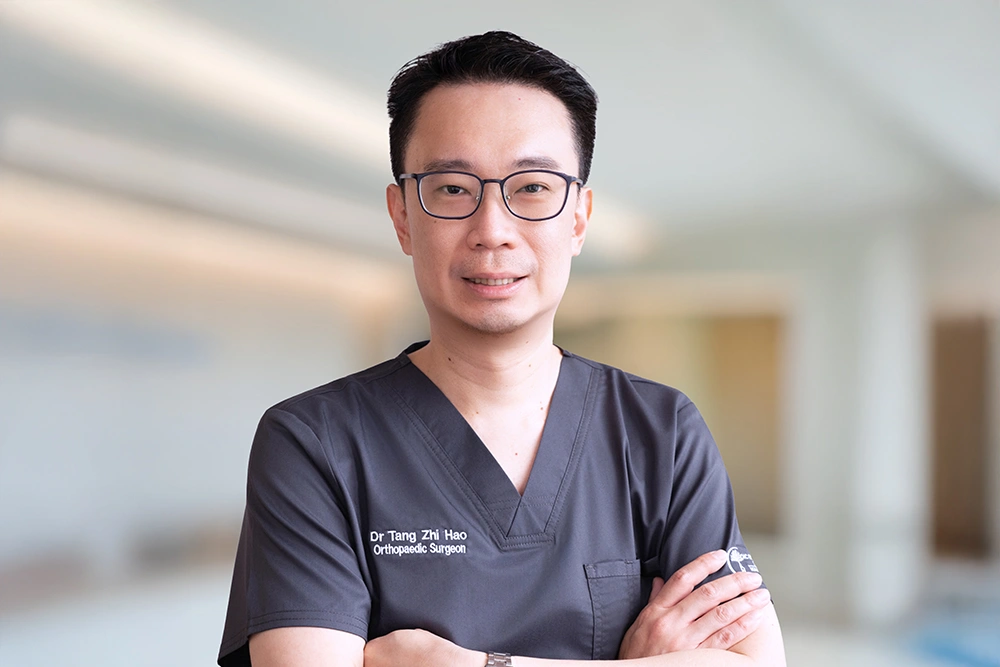
At HC Orthopaedic Surgery, knee care is available through Dr Henry Chan and Dr Nicholas Yeoh, with Dr Toon Dong Hao and Dr Tang Zhi Hao adding further expertise across orthopaedic conditions. The team manages knee problems ranging from sports injuries to degenerative joint issues, with treatment tailored to support both recovery and long-term joint health. If your knee pain is not improving or is affecting your daily movement, arrange a specialist consultation for a detailed assessment and personalised treatment plan.
Meet Our Knee Specialists in Singapore
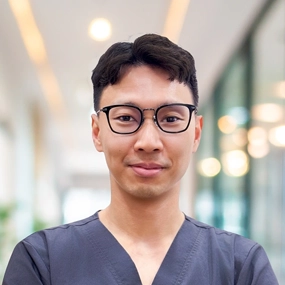
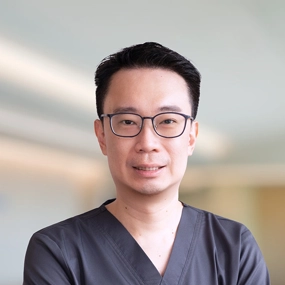
我们的团队由陈英豪医生、杨进勋医生、童东豪医生和邓智浩医生组成。他们都是经验丰富的骨科医生,拥有各自亚专科领域的专长,并秉持以患者为中心的诊疗理念。

陈英豪医生
医疗总监兼骨科高级顾问医生
内外全科医学士(新加坡),皇家外科医学院会员(爱丁堡),骨外科医学硕士,皇家外科医学院院士(爱丁堡)
陈英豪医生是一位经验丰富的骨科医生,专攻关节置换及复杂翻修手术。他曾凭借新加坡卫生部(MOH)高阶医学深造计划(HMDP)奖学金,在德国著名的Helios Endo-Klinik接受培训,迄今已完成超过1,000例关节置换手术,并擅长运用计算机辅助及机器人辅助关节置换技术,以确保手术效果精准。

杨进勋医生
骨科高级顾问医生
内外全科医学士(爱丁堡),皇家外科医学院会员(爱丁堡),骨外科医学硕士,皇家外科医学院院士(爱丁堡)
杨进勋医生 卫生部认证的骨科专科医生,同时也是爱丁堡皇家外科医学院的院士。他曾凭借卫生部高层次医疗人才引进计划(HMDP)奖学金,在悉尼接受髋关节和膝关节重建方面的专科进修培训,专攻微创关节置换术、机器人辅助手术以及有助于改善康复效果和手术疗效的先进技术。

童东豪医生
骨科高级顾问医生
内外全科医学士(利兹),皇家外科医学院会员(爱丁堡),骨外科医学硕士,皇家外科医学院院士(爱丁堡)
童东豪医生 技术娴熟的骨科医生童东豪医生 爱丁堡皇家外科医学院的院士。童东豪医生 凭借卫生部高层次医疗人才引进计划(HMDP)奖学金,在悉尼接受了肩肘外科高级专科培训。童医生专攻运动损伤、关节镜手术以及复杂的肩、肘和膝关节手术,致力于帮助患者恢复功能和活动能力。

邓智浩医生
骨科高级顾问医生
内外全科医学士(新加坡),皇家外科医学院会员(爱丁堡),骨外科医学硕士,皇家外科医学院院士(爱丁堡)
邓智浩医生 接受过专科进修培训的骨科医生邓智浩医生 专攻足部和踝关节疾病。他曾在首尔延世大学医疗系统下属的世卫医院,师从李镇宇教授,完成了足踝外科专科进修。在开设私人诊所之前,他曾在邱德拔医院担任骨科顾问及副主任。