Why Your Knee Injury Is Not Healing and What to Do About It

April 2026
主横幅装饰
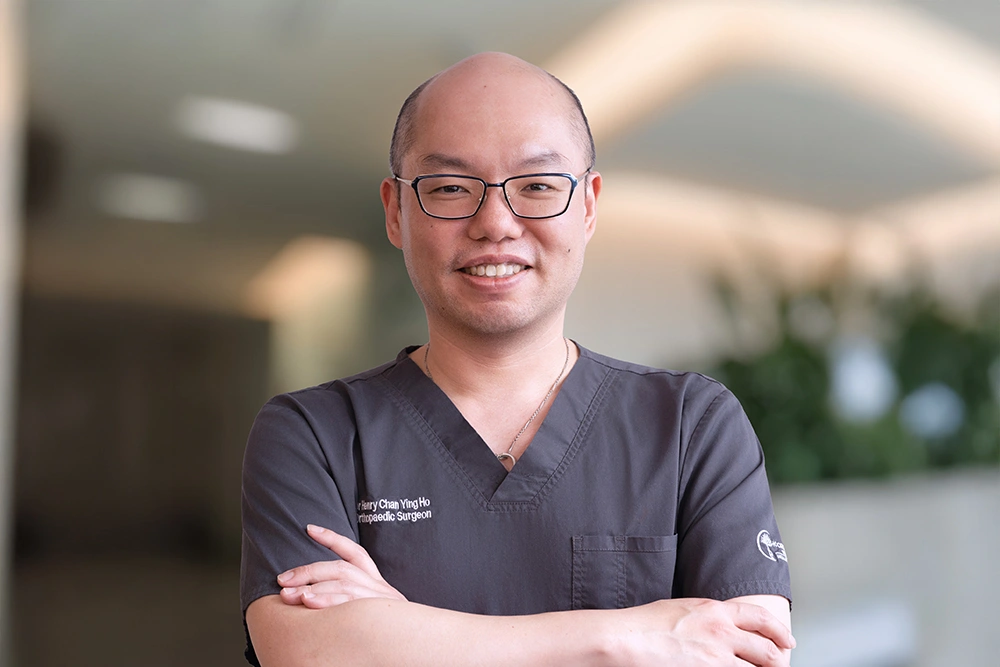
骨科医生 陈亨利医生
陈英豪医生
医疗总监兼骨科高级顾问医生
内外全科医学士(新加坡),皇家外科医学院会员(爱丁堡),骨外科医学硕士,皇家外科医学院院士(爱丁堡)
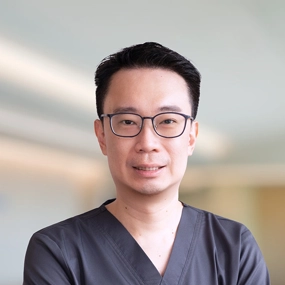
骨科医生,杨进勋医生
杨进勋医生
骨科高级顾问医生
内外全科医学士(爱丁堡),皇家外科医学院会员(爱丁堡),骨外科医学硕士,皇家外科医学院院士(爱丁堡)
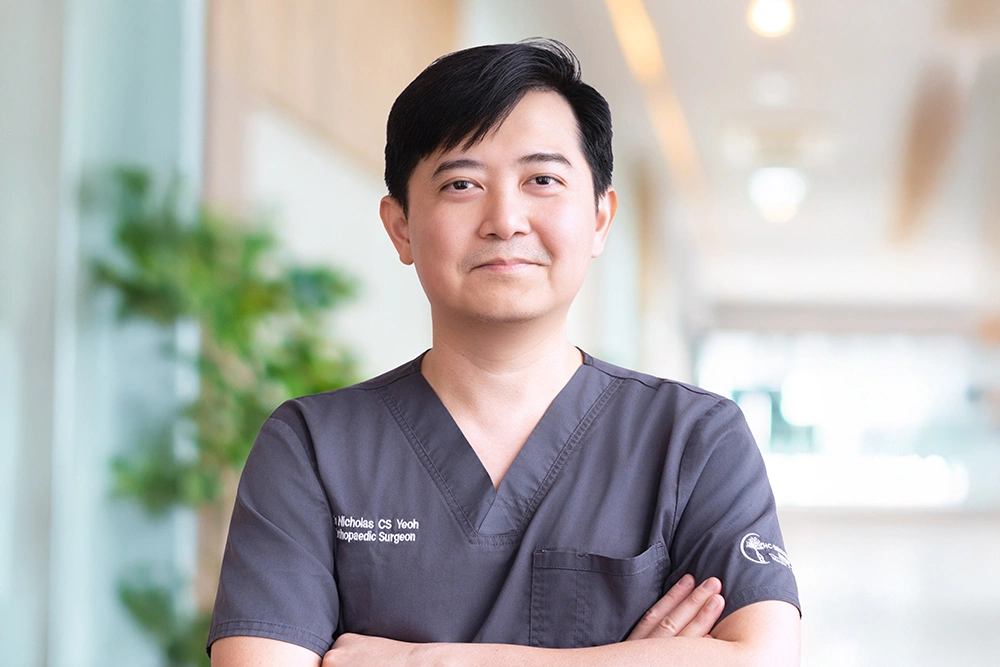
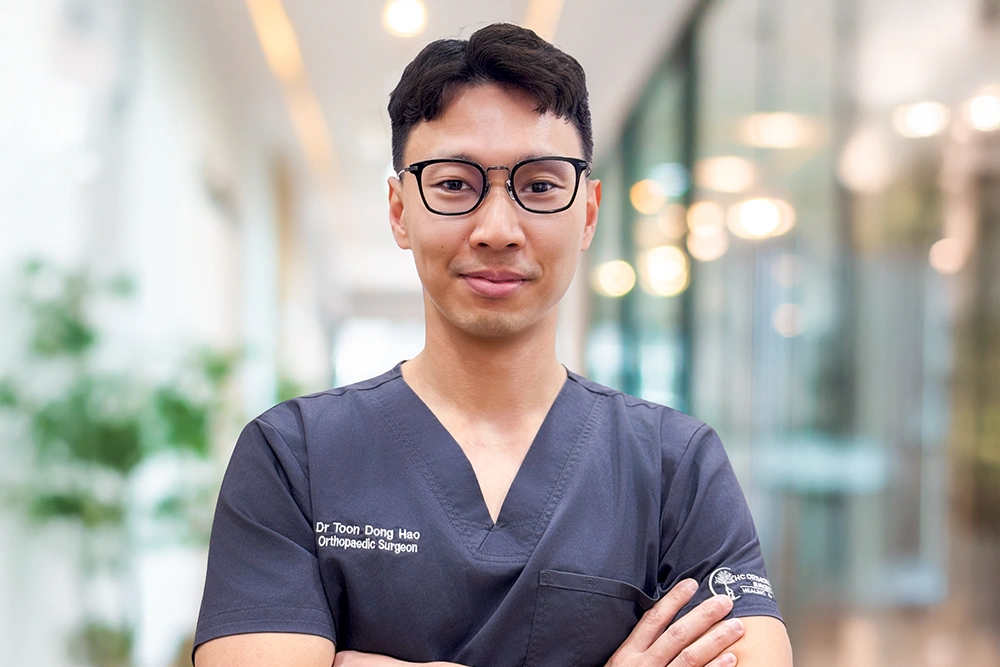
骨科医生,童东豪医生
童东豪医生
骨科高级顾问医生
内外全科医学士(利兹),皇家外科医学院会员(爱丁堡),骨外科医学硕士,皇家外科医学院院士(爱丁堡)
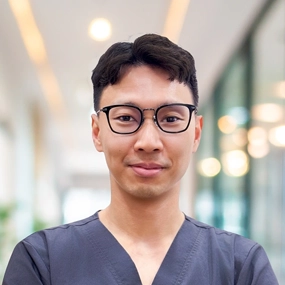
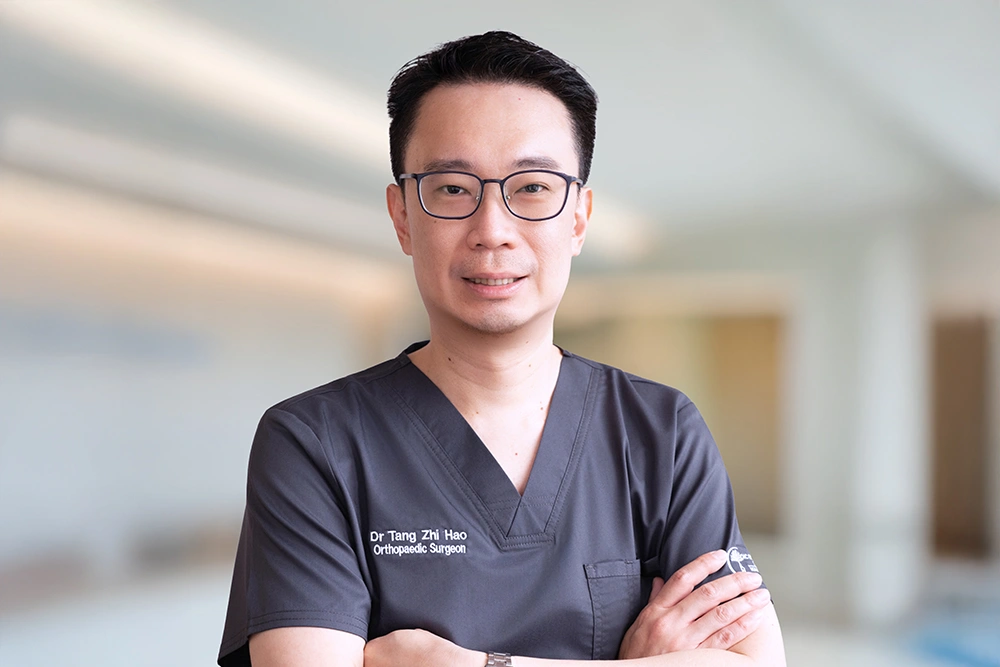
骨科医生,邓智浩医生
邓智浩医生
骨科高级顾问医生
内外全科医学士(新加坡),皇家外科医学院会员(爱丁堡),骨外科医学硕士,皇家外科医学院院士(爱丁堡)
Why Your Knee Injury Is Not Healing and What to Do About It
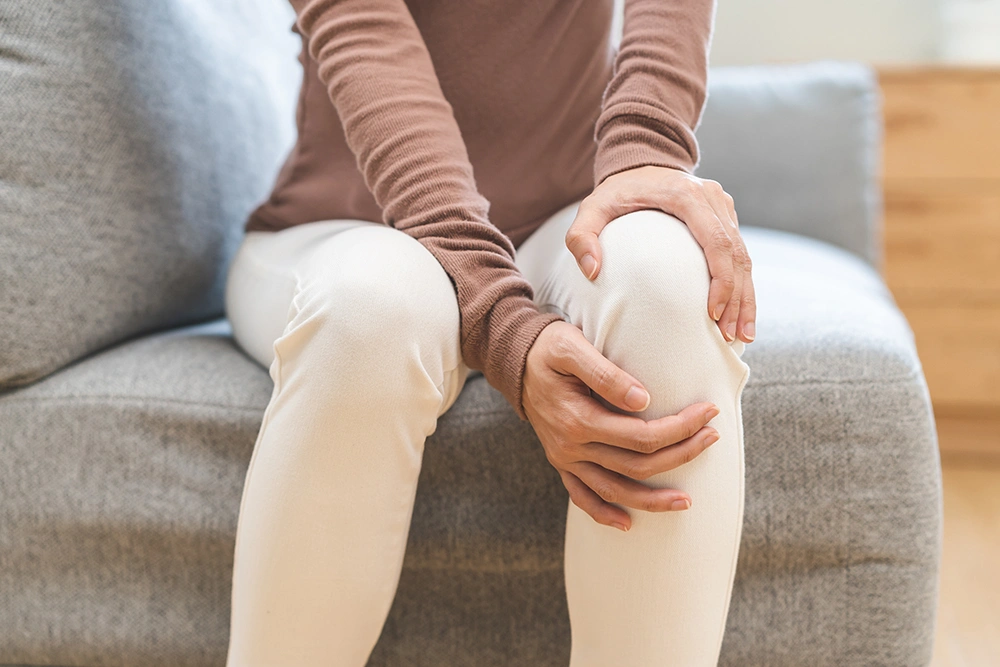
Woman sitting down and holding her knee indicating knee pain.

Knee injuries are often expected to improve with time, rest and basic rehabilitation. Yet for many people, recovery does not follow a steady path. Instead of gradual improvement, there may be lingering discomfort, recurring swelling or stiffness that returns with activity.

When progress stalls in this way, it may suggest that the issue is more complex than a simple strain affecting the joint. This can be frustrating, particularly when considerable effort has already gone into resting, stretching or adjusting movement. Rather than waiting for improvement over time alone, identifying the underlying cause can help guide more targeted treatment and reduce the likelihood of repeated setbacks.

Common Reasons Knee Recovery Stalls

When recovery from knee injury does not progress as expected, there are several common factors that may be contributing to ongoing pain, stiffness or reduced function. Understanding these can help guide further assessment and treatment.

  • Meniscus or Cartilage Injuries That Persist

    Damage to the meniscus or knee cartilage can continue to cause pain and swelling even after initial rest. These structures heal slowly due to limited blood supply and may remain symptomatic if not properly managed or if activity resumes too early.

  • Ligament Strains and Ongoing Knee Instability

    When ligaments such as the ACL or MCL are stretched or partially torn, the knee may feel unstable during walking, stairs or sport. This instability can place repeated stress on the joint and slow down overall recovery.

  • Early Wear and Degenerative Knee Changes

    Gradual cartilage wear within the knee can lead to stiffness, discomfort and reduced tolerance for activity. Symptoms often fluctuate but may become more noticeable with prolonged standing, walking or exercise.

  • Incomplete Rehabilitation

    Recovery may stall if rehabilitation is stopped too early or if normal activity is resumed before the knee has regained sufficient strength. Returning to sport or physically demanding tasks too soon is a common reason for symptom flare-ups and delayed healing.

  • Ongoing Overuse During Recovery

    Even during the healing phase, continued strain from work, sport or daily lifestyle demands can place repeated stress on the knee. Without adequate load management, this ongoing pressure may prevent tissues from fully recovering and contribute to recurring pain or swelling.

What You Can Do When Recovery Stalls

When knee recovery does not progress as expected, it is often a sign that the current approach needs to be reviewed. At this stage, understanding what is limiting improvement becomes important so that the next steps in treatment can be more targeted and effective.

Seek a More Accurate Diagnosis

When symptoms persist despite initial treatment, further assessment may be needed to clarify the underlying cause. This could involve imaging such as an X-ray, ultrasound or MRI, along with a specialist evaluation to examine joint stability and movement. A clearer diagnosis helps ensure that treatment is directed at the actual source of the problem rather than just the symptoms. 

Adjust Activity Instead of Complete Rest

For most people, complete rest is not necessary and may even slow recovery. Instead, adjusting the level and type of activity can help protect the knee while maintaining overall strength. This may include reducing high-impact movements, modifying exercise routines or pacing daily activities to avoid overloading the joint during healing.

Attend Structured Physiotherapy for Recovery

A structured physiotherapy programme plays a key role in restoring knee function. Targeted exercises help strengthen the muscles around the joint, improve balance and support better movement control. With consistent rehabilitation, the knee can gradually regain stability and resilience for everyday activities.

Consider Medical or Surgical Options When Needed

If symptoms continue despite conservative treatment, additional medical options may be considered depending on the underlying cause. This may include injections to reduce inflammation, or surgical procedures such as knee arthroscopy surgery, ACL reconstruction, cartilage repair, partial knee replacement or total knee replacement when structural damage or advanced joint wear is present. The most suitable approach is guided by the severity of the condition, activity goals and overall impact on daily function.

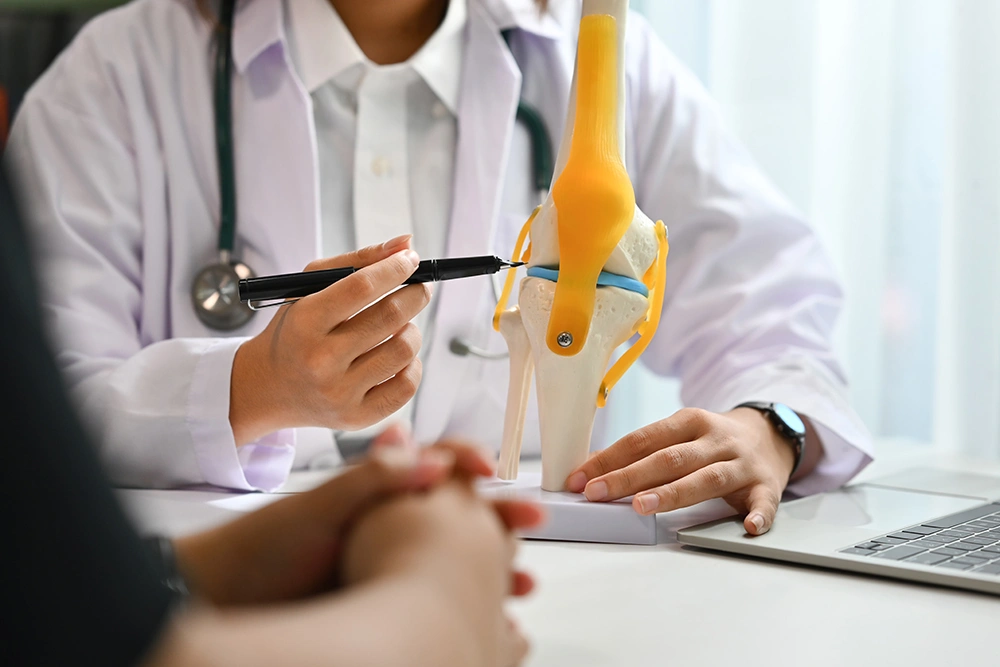
Patient consulting a knee specialist and discussing knee recovery concerns.

When It Is Time to See a Knee Specialist

Ongoing pain, repeated swelling or difficulty returning to normal activity are signs that professional assessment may be needed. If symptoms persist beyond expected recovery time, a knee specialist can help identify the cause and recommend the next steps. Early evaluation can prevent further deterioration and improve the chances of a successful recovery plan tailored to your condition.

指引您走向康复

Moving Forward with the Right Treatment Plan

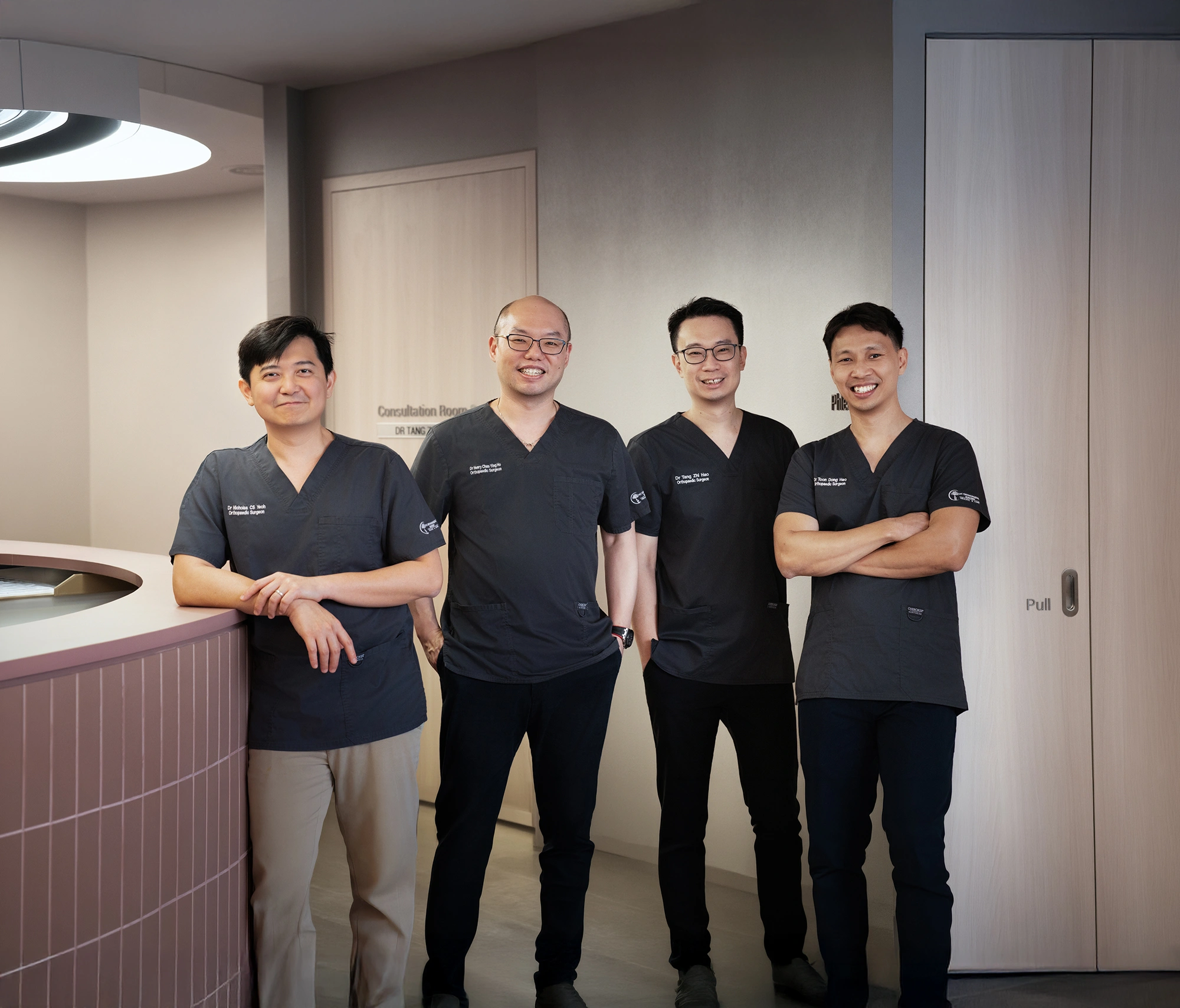
HC Orthopaedic 组合影

A knee injury that does not heal as expected is often a sign that further evaluation from a knee specialist is needed rather than a reason to simply wait longer. With the right diagnosis and structured treatment approach, many people are able to regain strength, improve movement and return to daily activities with greater comfort.

HC Orthopaedic 标志

我们的专业团队

At HC Orthopaedic Surgery, patients with knee concerns can consult Dr Henry Chan or Dr Nicholas Yeoh. Together with Dr Toon Dong Hao and Dr Tang Zhi Hao, the team provides comprehensive orthopaedic expertise across a wide range of knee conditions. From conservative management to advanced surgical care, treatment is tailored to reduce pain, restore movement and help you stay active with confidence. Schedule a consultation for a detailed assessment and personalised treatment plan today.

我们的骨科专家

Meet Our Knee Specialists in Singapore

我们的团队由陈英豪医生、杨进勋医生、童东豪医生和邓智浩医生组成。他们都是经验丰富的骨科医生,拥有各自亚专科领域的专长,并秉持以患者为中心的诊疗理念。

骨科医生 陈亨利医生

陈英豪医生

医疗总监兼骨科高级顾问医生

内外全科医学士(新加坡),皇家外科医学院会员(爱丁堡),骨外科医学硕士,皇家外科医学院院士(爱丁堡)

陈英豪医生是一位经验丰富的骨科医生,专攻关节置换及复杂翻修手术。他曾凭借新加坡卫生部(MOH)高阶医学深造计划(HMDP)奖学金,在德国著名的Helios Endo-Klinik接受培训,迄今已完成超过1,000例关节置换手术,并擅长运用计算机辅助及机器人辅助关节置换技术,以确保手术效果精准。

关于陈医生
骨科医生,杨进勋医生

杨进勋医生

骨科高级顾问医生

内外全科医学士(爱丁堡),皇家外科医学院会员(爱丁堡),骨外科医学硕士,皇家外科医学院院士(爱丁堡)

杨进勋医生 卫生部认证的骨科专科医生,同时也是爱丁堡皇家外科医学院的院士。他曾凭借卫生部高层次医疗人才引进计划(HMDP)奖学金,在悉尼接受髋关节和膝关节重建方面的专科进修培训,专攻微创关节置换术、机器人辅助手术以及有助于改善康复效果和手术疗效的先进技术。

关于杨医生
骨科医生,童东豪医生

童东豪医生

骨科高级顾问医生

内外全科医学士(利兹),皇家外科医学院会员(爱丁堡),骨外科医学硕士,皇家外科医学院院士(爱丁堡)

童东豪医生 技术娴熟的骨科医生童东豪医生 爱丁堡皇家外科医学院的院士。童东豪医生 凭借卫生部高层次医疗人才引进计划(HMDP)奖学金,在悉尼接受了肩肘外科高级专科培训。童医生专攻运动损伤、关节镜手术以及复杂的肩、肘和膝关节手术,致力于帮助患者恢复功能和活动能力。

关于童医生
骨科医生,邓智浩医生

邓智浩医生

骨科高级顾问医生

内外全科医学士(新加坡),皇家外科医学院会员(爱丁堡),骨外科医学硕士,皇家外科医学院院士(爱丁堡)

邓智浩医生 接受过专科进修培训的骨科医生邓智浩医生 专攻足部和踝关节疾病。他曾在首尔延世大学医疗系统下属的世卫医院,师从李镇宇教授,完成了足踝外科专科进修。在开设私人诊所之前,他曾在邱德拔医院担任骨科顾问及副主任。

关于邓医生
HC Orthopaedic 标志
联系我们
请通过以下电话号码联系相应的诊所。
伊丽莎白乌节医疗中心
电话:  6732 8848
伊丽莎白诺维娜专家中心
电话:  6950 4828
鹰阁医疗中心
电话:  6265 1088
百汇东医疗中心
电话:  6786 1838
HC Orthopaedic 标志
联系我们的医生
请通过下方的WhatsApp直接联系我们的医生。
骨科医生 陈亨利医生
陈英豪医生
WhatsApp:9755 5366
骨科医生,杨进勋医生
杨进勋医生
WhatsApp:9723 0488
骨科医生,童东豪医生
童东豪医生
WhatsApp:8035 8388
骨科医生,邓智浩医生
邓智浩医生
WhatsApp:8972 2388