Wrist Pain During Strength Training: Causes, Symptoms and Treatment

May 2026
主横幅装饰
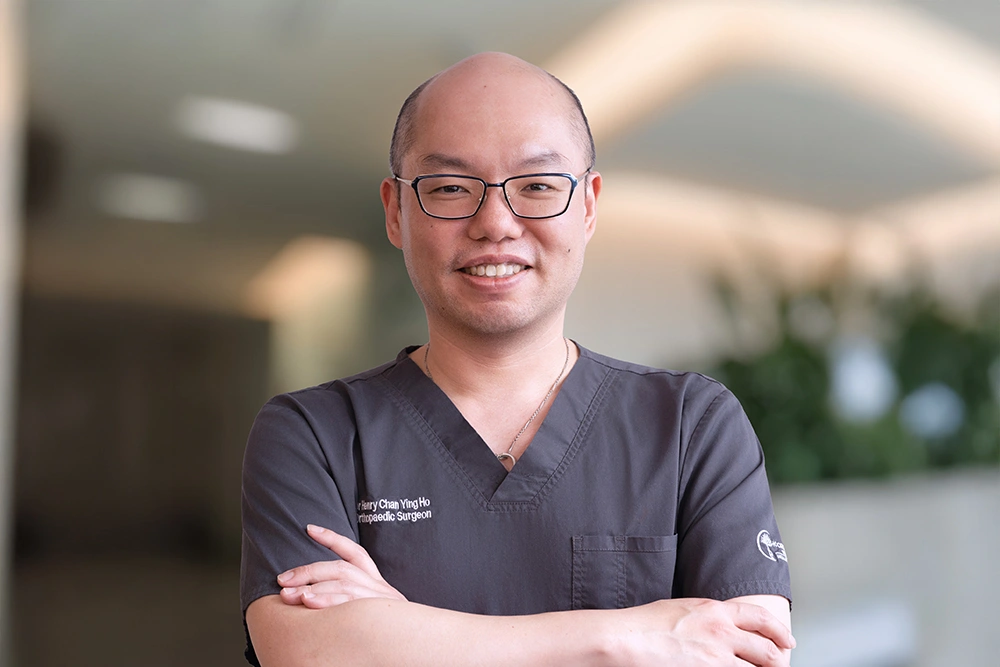
骨科医生 陈亨利医生
陈英豪医生
医疗总监兼骨科高级顾问医生
内外全科医学士(新加坡),皇家外科医学院会员(爱丁堡),骨外科医学硕士,皇家外科医学院院士(爱丁堡)
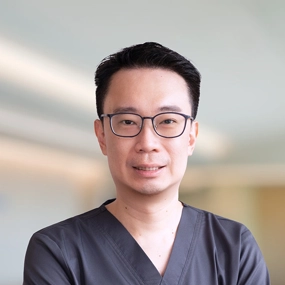
骨科医生,杨进勋医生
杨进勋医生
骨科高级顾问医生
内外全科医学士(爱丁堡),皇家外科医学院会员(爱丁堡),骨外科医学硕士,皇家外科医学院院士(爱丁堡)
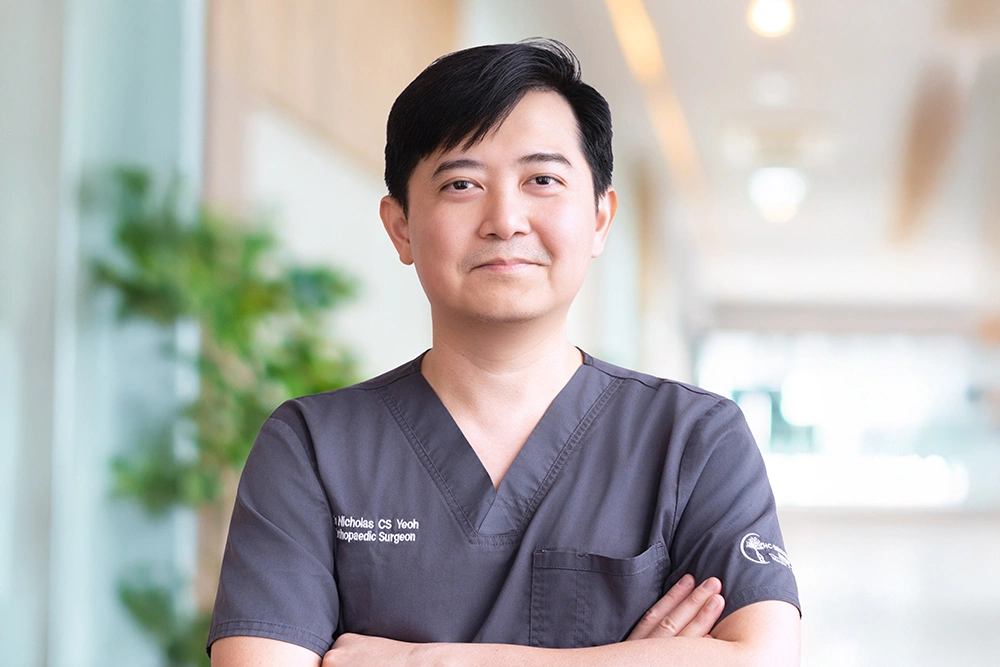
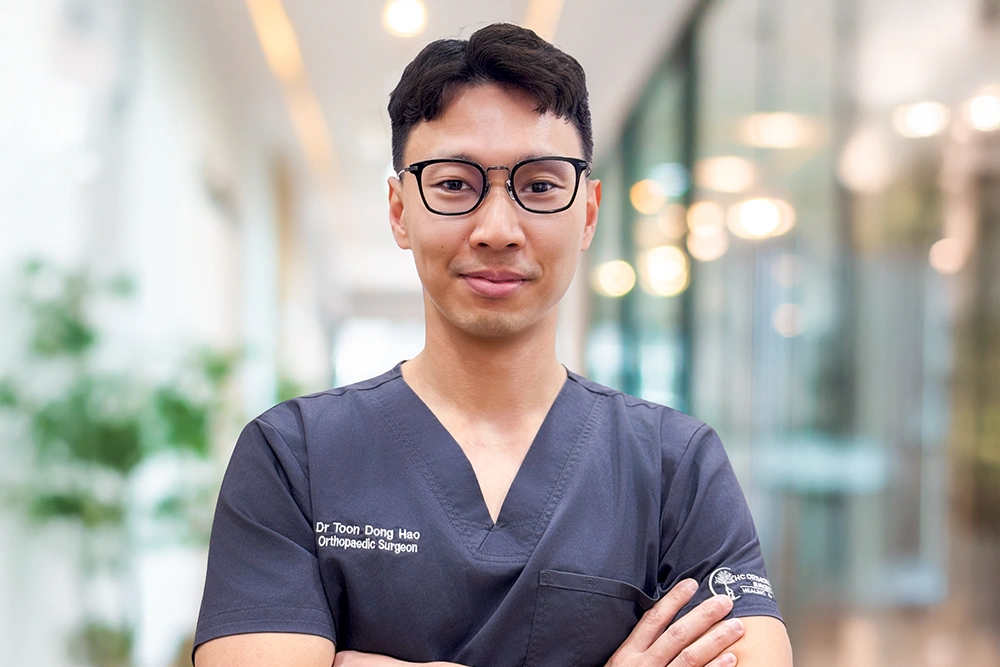
骨科医生,童东豪医生
童东豪医生
骨科高级顾问医生
内外全科医学士(利兹),皇家外科医学院会员(爱丁堡),骨外科医学硕士,皇家外科医学院院士(爱丁堡)
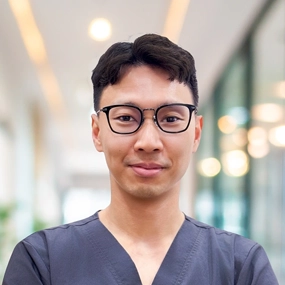
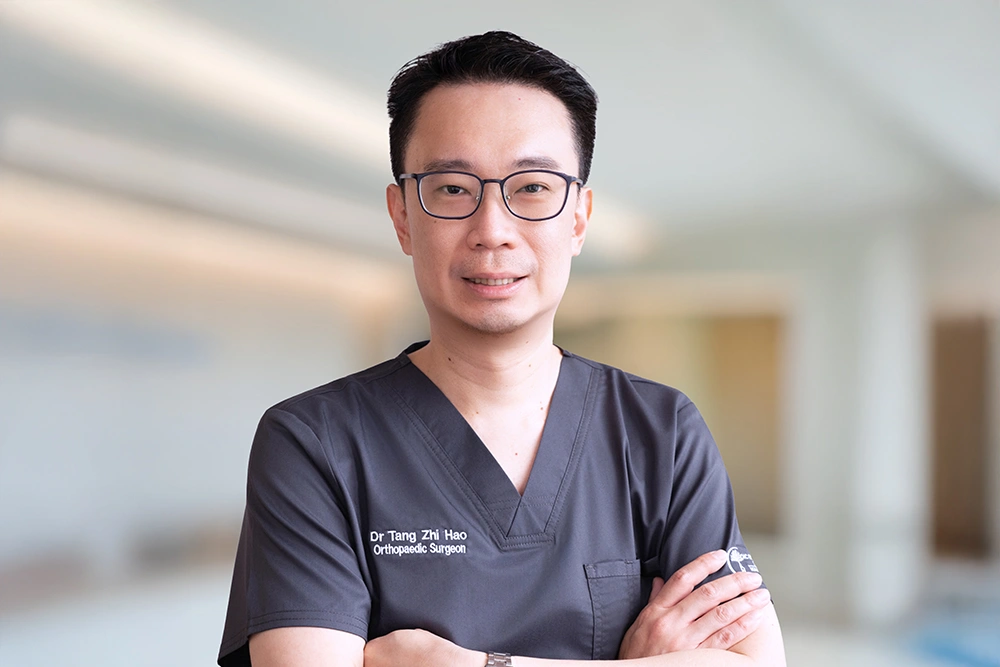
骨科医生,邓智浩医生
邓智浩医生
骨科高级顾问医生
内外全科医学士(新加坡),皇家外科医学院会员(爱丁堡),骨外科医学硕士,皇家外科医学院院士(爱丁堡)
Wrist Pain During Strength Training: Causes, Symptoms and Treatment
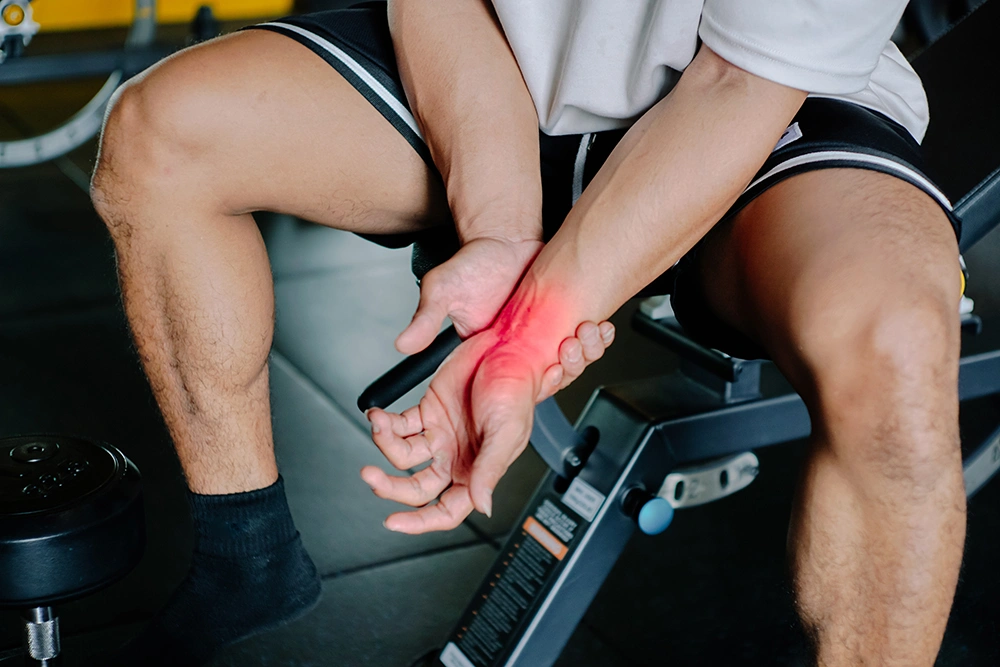
Man in the gym gripping his wrist in pain during strength training.

Whether it is discomfort during bench presses, wrist strain from front squats or pain while supporting your body weight during push-ups and handstands, wrist pain is a common problem among gym-goers. Strength training places significant load on the wrists, especially during heavy pressing movements, Olympic lifts and calisthenics exercises. Combined with poor lifting mechanics, limited mobility or sudden increases in training intensity, this repeated stress can lead to pain, weakness and reduced performance over time.

For many lifters, the problem starts subtly, perhaps a sharp pinch when re-racking a barbell or lingering soreness after pull day. But when left unchecked, wrist pain can make even basic training movements uncomfortable and force you to scale back workouts altogether. Identifying the underlying cause early can help prevent more serious injuries and allow you to return to training safely and effectively.

Key Takeaways

  • Wrist pain during lifting is often linked to repetitive gripping and loaded wrist extension
  • Thumb-side wrist pain may suggest De Quervain’s tenosynovitis
  • Tingling or numbness may indicate carpal tunnel syndrome
  • Clicking pain on the little-finger side of the wrist may suggest a TFCC injury
  • Pain during push-ups or bench pressing may relate to wrist impingement
  • Early treatment and training modification can help prevent chronic wrist problems

Why Is the Wrist Vulnerable During Strength Training?

Wrist pain during strength training is commonly linked to repetitive overload of the tendons, ligaments, cartilage, or nerves around the joint. These problems are often considered overuse sports injuries because they develop gradually from repeated stress rather than from a single traumatic event.

Exercises involving gripping, loaded wrist extension, rotational force, or bodyweight support place significant strain on the wrist during training. Bench presses, front squats, Olympic lifts, kettlebell movements, push-ups, and handstands can all increase stress across the joint, particularly when lifting mechanics, mobility, or recovery are limited.

Unlike larger joints, the wrist has a relatively limited ability to absorb repeated heavy loading. Over time, poor movement control, repetitive strain, or sudden increases in training intensity may contribute to tendon irritation, ligament strain, cartilage injury, or nerve compression.

What Are the Common Causes of Wrist Pain in Strength Training?

Wrist pain during training can develop from several different conditions. Some arise from repetitive overload while others may be linked to sudden strain or improper loading mechanics.

  • 德奎文氏腱鞘炎

    De Quervain’s tenosynovitis, also known as Mummy’s Wrist, affects the tendons on the thumb side of the wrist. Repetitive gripping, lifting, or stabilising movements may irritate the tendon sheath.

    常见症状包括:

    • Thumb-side wrist pain
    • Tenderness near the base of the thumb
    • Pain when gripping weights or rotating the wrist
  • 腕管综合征

    Carpal tunnel syndrome occurs when the median nerve becomes compressed within the wrist.

    症状可能包括:

    • Tingling or numbness in the thumb, index, and middle fingers
    • Burning sensations in the hand
    • Weakness during gripping movements
    • Difficulty holding weights securely
  • Wrist Tendinopathy

    Wrist tendinopathy develops when the tendons controlling wrist and finger movement become irritated from repetitive overload.

    常见症状包括:

    • Aching pain during or after training
    • Stiffness following exercise
    • Pain during gripping or lifting
    • Reduced tolerance to pressing or pulling movements
  • TFCC Injuries

    The triangular fibrocartilage complex (TFCC) helps stabilise the little-finger side of the wrist.

    TFCC injuries may occur during twisting or load-bearing movements such as deadlifts or kettlebell training.

    Symptoms often include:

    • Pain on the little-finger side of the wrist
    • Clicking or catching sensations
    • Weakness during gripping
    • Pain during rotation
  • Wrist Impingement During Extension

    Wrist impingement occurs when soft tissues within the joint become compressed during repeated wrist extension.

    Push-ups, bench pressing, and handstands commonly aggravate this condition.

    症状可能包括:

    • Pain at the back of the wrist
    • Pain during pressing exercises
    • Discomfort when bending the wrist backwards

What Warning Signs Suggest a More Significant Wrist Injury?

Not all wrist pain is temporary muscle strain. Certain symptoms may indicate more significant injury or inflammation that requires assessment.

  • Persistent Pain During or After Training

    Pain that continues beyond normal post-training soreness or repeatedly returns during pressing, gripping, or pulling exercises may suggest tendon, ligament, or cartilage irritation.

  • Reduced Grip Strength During Training

    Difficulty gripping barbells, dumbbells, kettlebells, or pull-up bars may indicate tendon overload, nerve compression, or structural wrist injury.

  • Swelling or Localised Tenderness After Exercise

    Swelling or tenderness around the wrist joint after training may suggest inflammation or soft tissue strain related to repetitive loading.

  • Clicking, Catching or Instability During Movement

    Clicking or instability during rotational or load-bearing exercises may be associated with cartilage or ligament injuries such as TFCC irritation.

  • Pain That Begins Affecting Daily Activities

    When wrist pain starts interfering with typing, carrying objects, opening doors, or light lifting outside the gym, the condition may be progressing beyond simple training-related irritation.

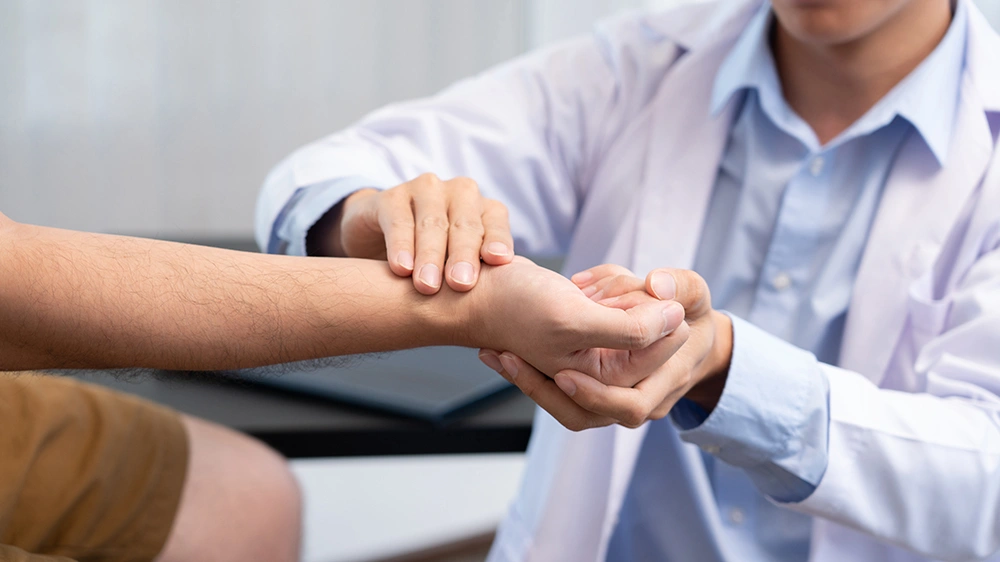
Specialist assessing a patient’s wrist.

What Are the Wrist Pain Treatment Options for Athletes?

Diagnosis of both conditions is usually based on a physical examination and a review of symptoms. A specialist may assess pain location, grip strength and range of motion to confirm the diagnosis. In some cases, imaging such as ultrasound or MRI may be recommended to rule out other conditions or assess the severity of tendon damage.

  • Training Modification to Reduce Wrist Stress

    Adjusting or temporarily reducing aggravating exercises allows irritated tissues to recover. This may include modifying grip, reducing load or switching to pain-free variations of movements.

  • Rehabilitation to Restore Wrist Function

    A structured rehabilitation programme helps restore strength, mobility and control in the wrist and forearm. Progressive loading exercises are often used to improve tendon resilience and support safe return to training.

  • Supportive Bracing and Wrist Protection

    Wrist supports or taping techniques may help reduce strain during activity while allowing continued light training in selected cases.

  • 药物治疗与注射治疗

    Short-term anti-inflammatory medication may help reduce discomfort during flare-ups. In more persistent cases, injection therapy may be considered to manage inflammation and support recovery.

  • Surgery

    Surgery is usually reserved for conditions that do not improve with conservative treatment and may involve repairing damaged ligaments, tendons, or stabilising wrist structures.

指引您走向康复

Restoring Wrist Health for Long-Term Mobility

HC Orthopaedic 组合影
Wrist pain during strength training should not be dismissed as a normal part of lifting. Early recognition and appropriate management can help prevent progression and support long-term training performance.
HC Orthopaedic 标志

我们的专业团队

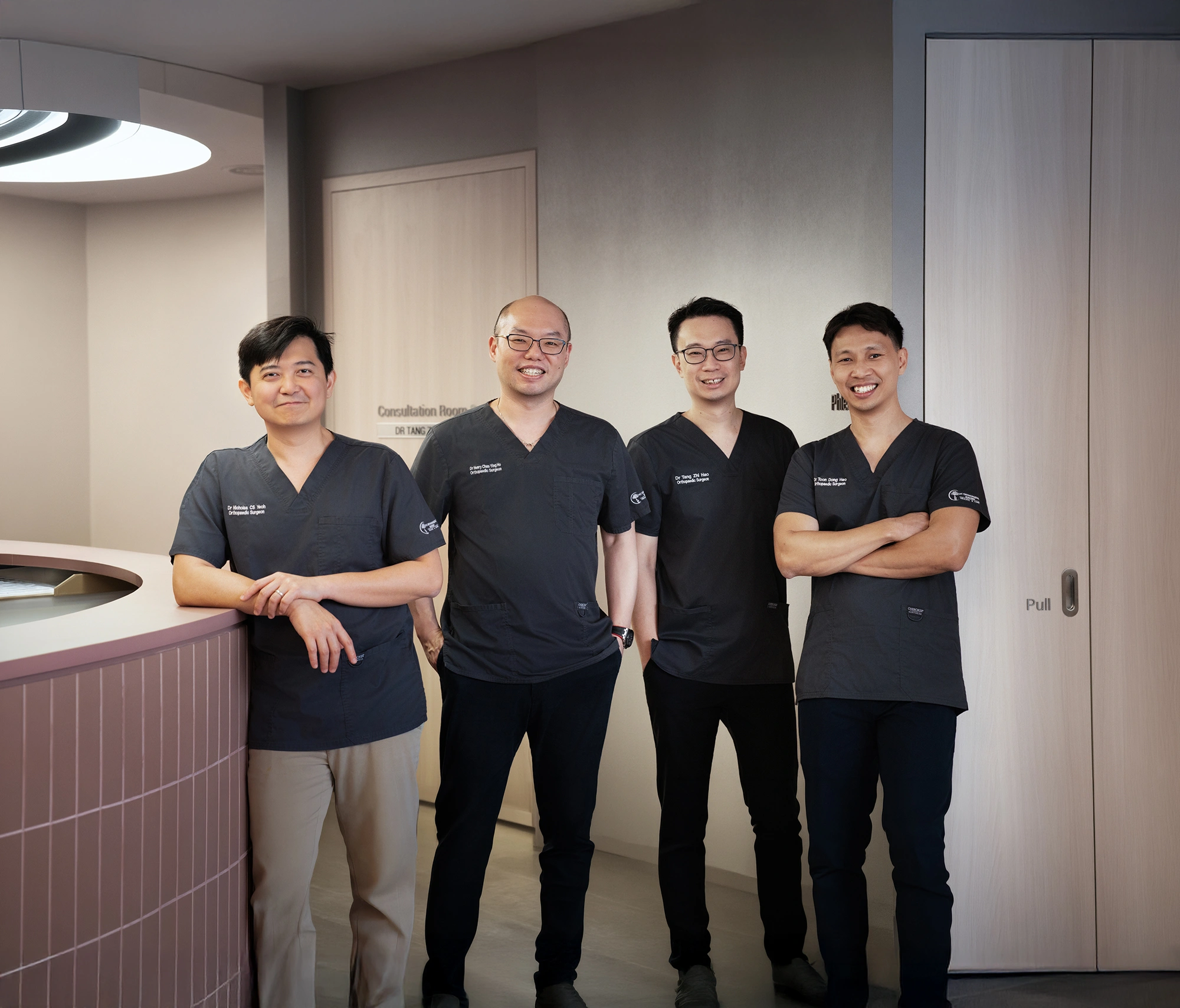
At HC Orthopaedic Surgery in Singapore, patients are cared for by Dr Henry Chan alongside a team of experienced orthopaedic specialists, including Dr Nicholas Yeoh, Dr Toon Dong Hao and Dr Tang Zhi Hao. From conservative rehabilitation to advanced surgical treatment when required, care is tailored to restore function, reduce pain and support a safe return to training and daily activities. If wrist pain is affecting your performance, grip strength or everyday movement, schedule a consultation for a detailed assessment and personalised treatment plan today.

常见问题解答

Frequently Asked Questions (FAQs) About Wrist Pain During Strength Training

Should I Stop Lifting if My Wrist Hurts?

Mild discomfort after training may improve with temporary load modification and recovery. However, persistent pain, weakness, clicking, or numbness should not be ignored, especially if symptoms worsen during lifting.

Why Does My Wrist Hurt During Push-Ups?

Push-ups place the wrist in a loaded extended position, which can increase stress on the joint, tendons, and supporting structures. Limited wrist mobility or poor hand positioning may increase irritation.

Are Wrist Wraps Helpful?

Wrist wraps and supportive bracing may help reduce strain during pressing movements or heavy lifting. However, they do not address the underlying cause of pain and should not replace rehabilitation or technique correction.

Can Wrist Pain Become Chronic?

Continuing to train aggressively through persistent pain may worsen tendon, ligament, cartilage, or nerve irritation over time. Early assessment and treatment may help reduce the risk of chronic dysfunction.
我们的骨科专家

Meet Our Wrist Specialists in Singapore

我们的团队由陈英豪医生、杨进勋医生、童东豪医生和邓智浩医生组成。他们都是经验丰富的骨科医生,拥有各自亚专科领域的专长,并秉持以患者为中心的诊疗理念。

骨科医生 陈亨利医生

陈英豪医生

医疗总监兼骨科高级顾问医生

内外全科医学士(新加坡),皇家外科医学院会员(爱丁堡),骨外科医学硕士,皇家外科医学院院士(爱丁堡)

陈英豪医生是一位经验丰富的骨科医生,专攻关节置换及复杂翻修手术。他曾凭借新加坡卫生部(MOH)高阶医学深造计划(HMDP)奖学金,在德国著名的Helios Endo-Klinik接受培训,迄今已完成超过1,000例关节置换手术,并擅长运用计算机辅助及机器人辅助关节置换技术,以确保手术效果精准。

关于陈医生
骨科医生,杨进勋医生

杨进勋医生

骨科高级顾问医生

内外全科医学士(爱丁堡),皇家外科医学院会员(爱丁堡),骨外科医学硕士,皇家外科医学院院士(爱丁堡)

杨进勋医生 卫生部认证的骨科专科医生,同时也是爱丁堡皇家外科医学院的院士。他曾凭借卫生部高层次医疗人才引进计划(HMDP)奖学金,在悉尼接受髋关节和膝关节重建方面的专科进修培训,专攻微创关节置换术、机器人辅助手术以及有助于改善康复效果和手术疗效的先进技术。

关于杨医生
骨科医生,童东豪医生

童东豪医生

骨科高级顾问医生

内外全科医学士(利兹),皇家外科医学院会员(爱丁堡),骨外科医学硕士,皇家外科医学院院士(爱丁堡)

童东豪医生 技术娴熟的骨科医生童东豪医生 爱丁堡皇家外科医学院的院士。童东豪医生 凭借卫生部高层次医疗人才引进计划(HMDP)奖学金,在悉尼接受了肩肘外科高级专科培训。童医生专攻运动损伤、关节镜手术以及复杂的肩、肘和膝关节手术,致力于帮助患者恢复功能和活动能力。

关于童医生
骨科医生,邓智浩医生

邓智浩医生

骨科高级顾问医生

内外全科医学士(新加坡),皇家外科医学院会员(爱丁堡),骨外科医学硕士,皇家外科医学院院士(爱丁堡)

邓智浩医生 接受过专科进修培训的骨科医生邓智浩医生 专攻足部和踝关节疾病。他曾在首尔延世大学医疗系统下属的世卫医院,师从李镇宇教授,完成了足踝外科专科进修。在开设私人诊所之前,他曾在邱德拔医院担任骨科顾问及副主任。

关于邓医生
HC Orthopaedic 标志
联系我们
请通过以下电话号码联系相应的诊所。
伊丽莎白乌节医疗中心
电话:  6732 8848
伊丽莎白诺维娜专家中心
电话:  6950 4828
鹰阁医疗中心
电话:  6265 1088
百汇东医疗中心
电话:  6786 1838
HC Orthopaedic 标志
联系我们的医生
请通过下方的WhatsApp直接联系我们的医生。
骨科医生 陈亨利医生
陈英豪医生
WhatsApp:9755 5366
骨科医生,杨进勋医生
杨进勋医生
WhatsApp:9723 0488
骨科医生,童东豪医生
童东豪医生
WhatsApp:8035 8388
骨科医生,邓智浩医生
邓智浩医生
WhatsApp:8972 2388