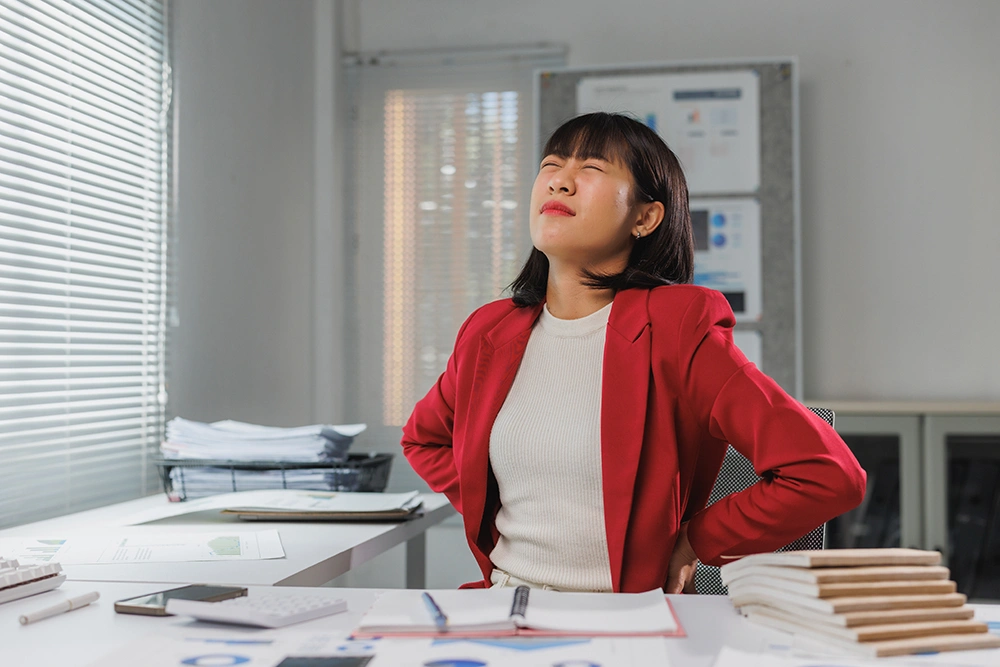
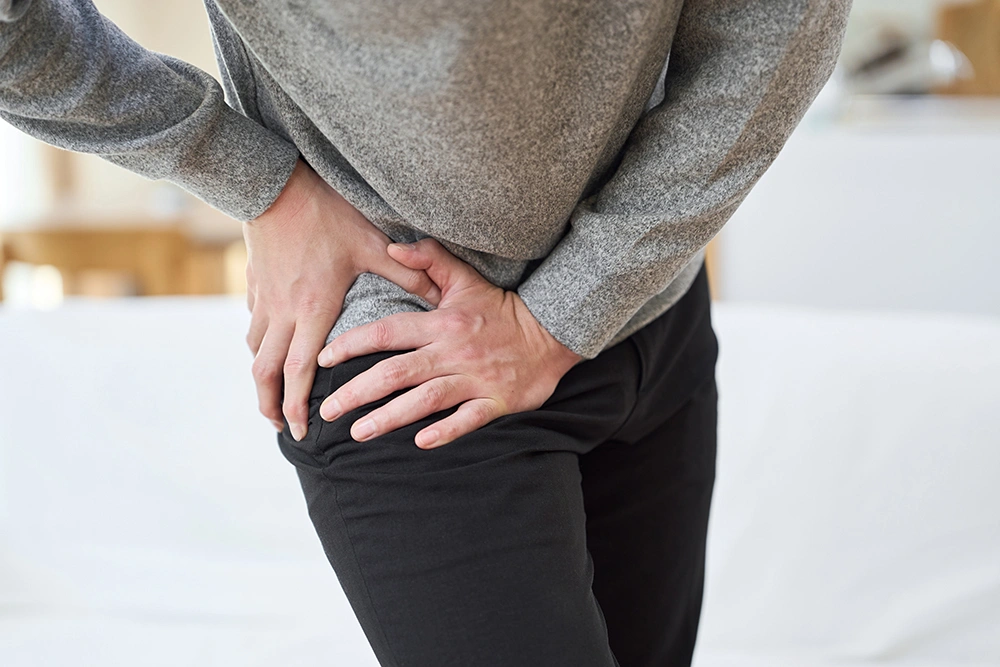


Hip pain does not always begin after a dramatic incident. Many people develop discomfort gradually without any fall, sports accident or obvious trauma. This happens because the hip joint is affected not only by sudden injuries, but also by wear over time, inflammation, muscle imbalance, posture, overuse and pain referred from nearby areas such as the lower back. At times, symptoms may appear after everyday activities that place repeated strain on the joint without causing a single memorable event.
Because the hip supports body weight and movement throughout the day, even minor issues can build slowly until walking, climbing stairs or sitting for long periods becomes uncomfortable. Understanding the possible causes can help you decide when to monitor symptoms and when to seek medical attention.
Osteoarthritis and Gradual Joint Wear
One of the most common reasons for hip pain without injury is hip osteoarthritis. This occurs when the cartilage that cushions the joint becomes thinner over time. As the smooth surface wears down, movement can become stiff or painful.
People often notice aching in the groin, outer hip or thigh, especially first thing in the morning or after sitting still. Some also hear clicking or feel reduced flexibility when putting on shoes or getting into a car. Although age can increase risk, osteoarthritis is not limited to older adults. Previous joint stress, excess weight and family history may also contribute.
Tendon Irritation and Bursitis
The hip is surrounded by tendons and fluid-filled sacs called bursae that reduce friction. Repetitive movements, prolonged standing or sudden increases in exercise can irritate these structures. Greater trochanteric pain syndrome, often linked with hip bursitis or tendon irritation on the outer side of the hip, may cause tenderness when lying on one side, walking long distances or climbing stairs. This can affect runners, office workers and active adults alike. Unlike arthritis, the joint itself may move fairly well, but pressure over the outer hip can feel sore.

Muscle Strain and Imbalance
Not every strain happens during sport. Tight hip flexors, weak gluteal muscles or poor movement patterns can place stress on the hip area over time. Desk-based work, limited stretching and abrupt changes in activity can all play a part.
When surrounding muscles are not supporting the joint effectively, other tissues may compensate and become painful. This may present as a dull ache, stiffness after rest or discomfort after long walks.
Pain Referred from the Lower Back
Problems in the lumbar spine or sacroiliac region can send pain into the buttock, groin or outer thigh, making it feel as though the hip is the issue. Nerve irritation from the back may also cause tingling, burning or weakness. If hip movement feels normal but pain changes with bending, coughing or prolonged sitting, the lower back may need assessment as well. A proper examination is useful because treatment differs depending on whether the pain starts in the spine or the hip joint.
Labral Tears and Structural Conditions
The hip socket has a ring of cartilage called the labrum that helps stabilise the joint. Labral tears of the hip can develop gradually through repetitive twisting, deep flexion or underlying shape differences in the joint, such as femoroacetabular impingement. These problems may cause catching, clicking, locking sensations or pain during squatting, pivoting and sports. Younger adults and active individuals are more commonly affected, though anyone can develop these conditions.
炎症性疾病
Certain medical disorders can trigger hip discomfort without injury. Examples include rheumatoid arthritis, ankylosing spondylitis and other inflammatory conditions that affect joints and surrounding tissues.
Pain linked to inflammation may be worse in the morning, improve with gentle movement and involve other joints. Fatigue or general stiffness may also be present. Early diagnosis matters because appropriate treatment can help control inflammation and protect long-term joint health.
When Should You Seek Medical Advice?
Many mild cases improve with rest, activity modification and sensible exercise, but persistent symptoms should not be ignored. Seek assessment from a hip specialist if you notice:
Pain Lasting More Than a Few Weeks
When discomfort continues beyond a few weeks, it is advisable to have it reviewed, especially if it begins to affect sleep, walking or everyday activities.
Reduced Mobility or Limping
If you find it harder to climb stairs, put on socks or walk with your usual stride, it may point to an underlying issue that warrants further assessment.
Locking, Clicking or Instability
When the hip catches, clicks or feels unsteady, these mechanical symptoms can sometimes be linked to labral damage or structural concerns within the joint.
Night Pain or Worsening Symptoms
Discomfort that interrupts sleep or gradually becomes more intense over time should be reviewed promptly rather than left to progress.
Fever, Redness or Sudden Severe Pain
Should these symptoms appear, urgent medical attention is important, as infection or other serious conditions may need to be ruled out.
Gaining Medical Expertise and Moving Comfortably Again

Gaining Medical Expertise and Moving Comfortably Again
我们的专业团队
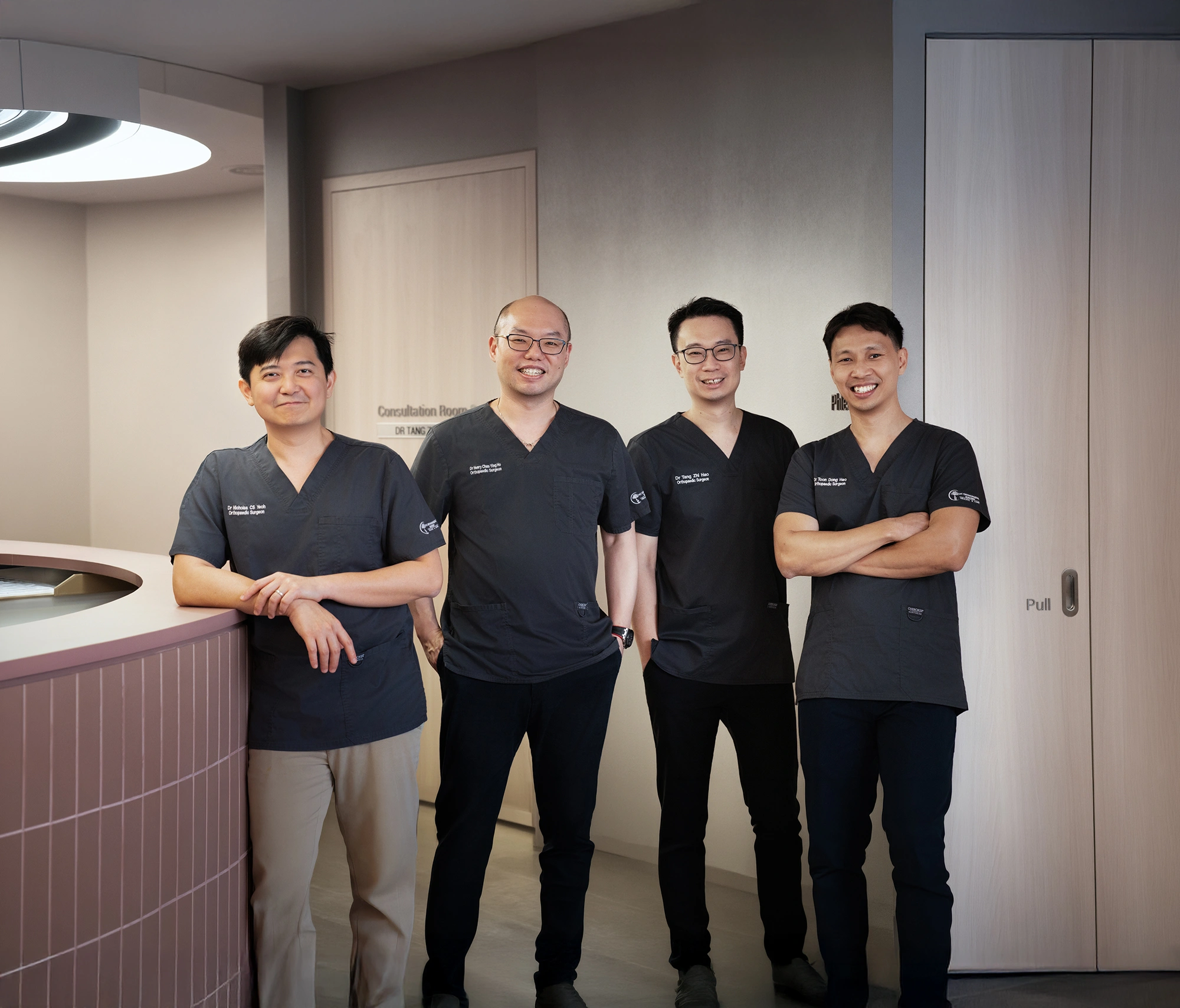
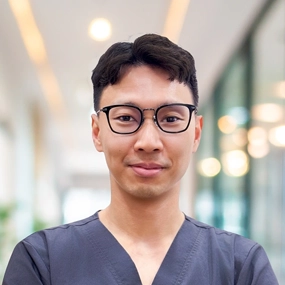
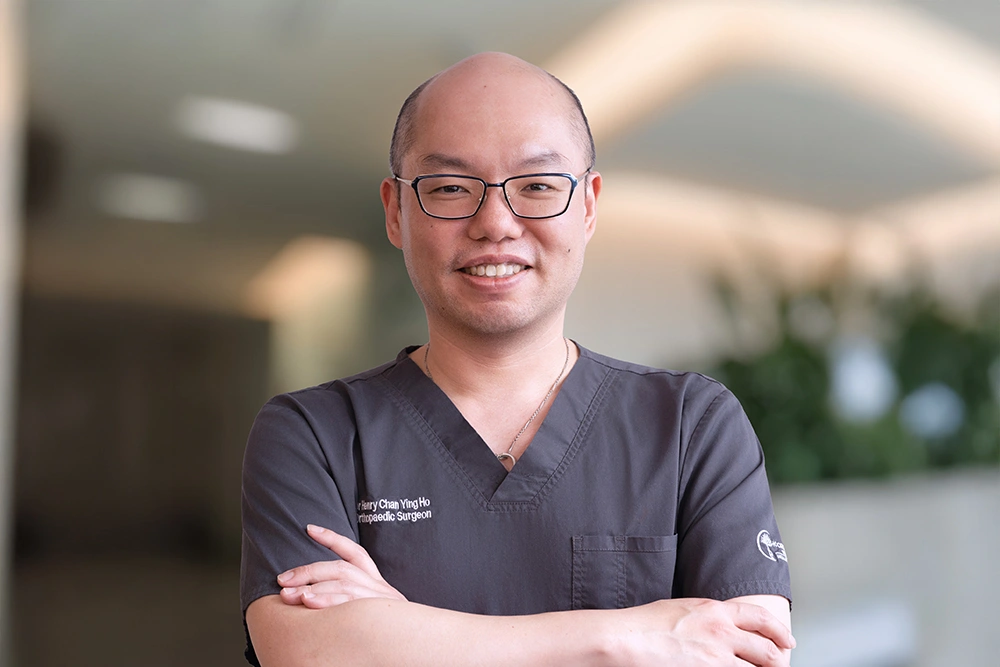
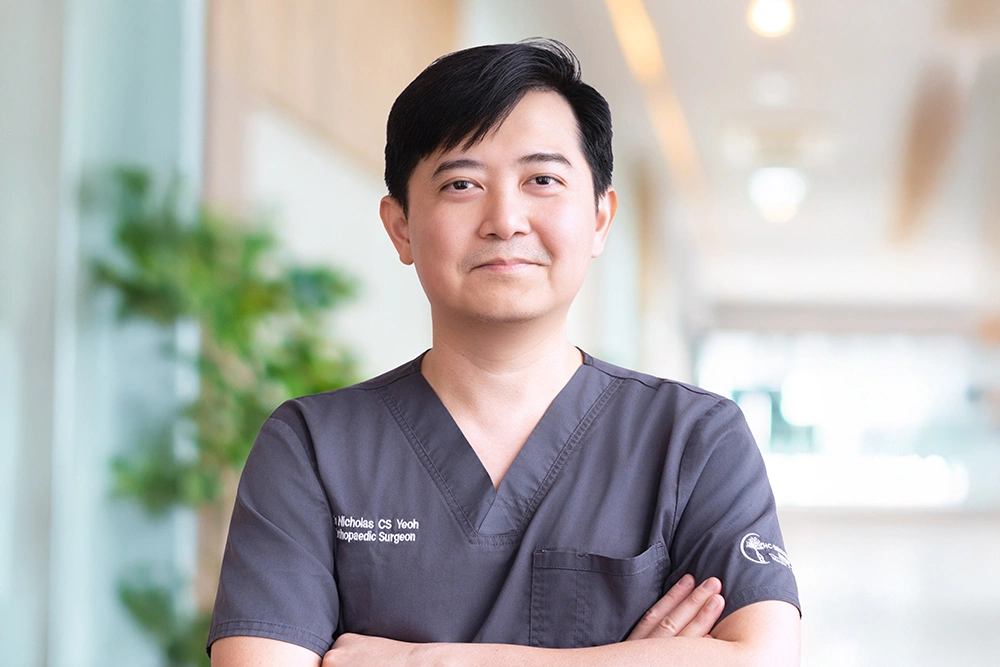
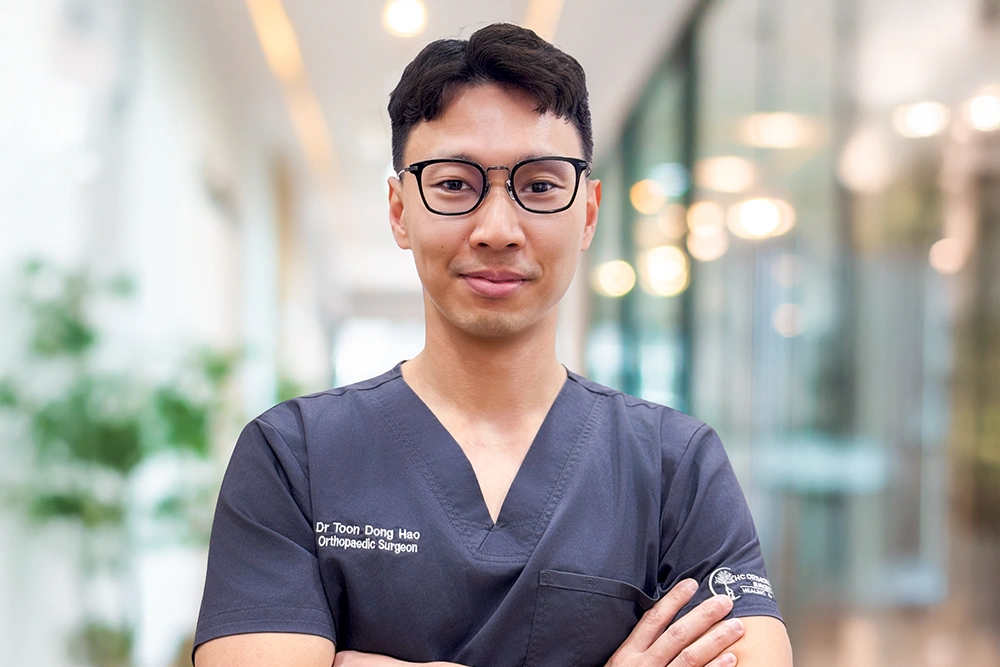
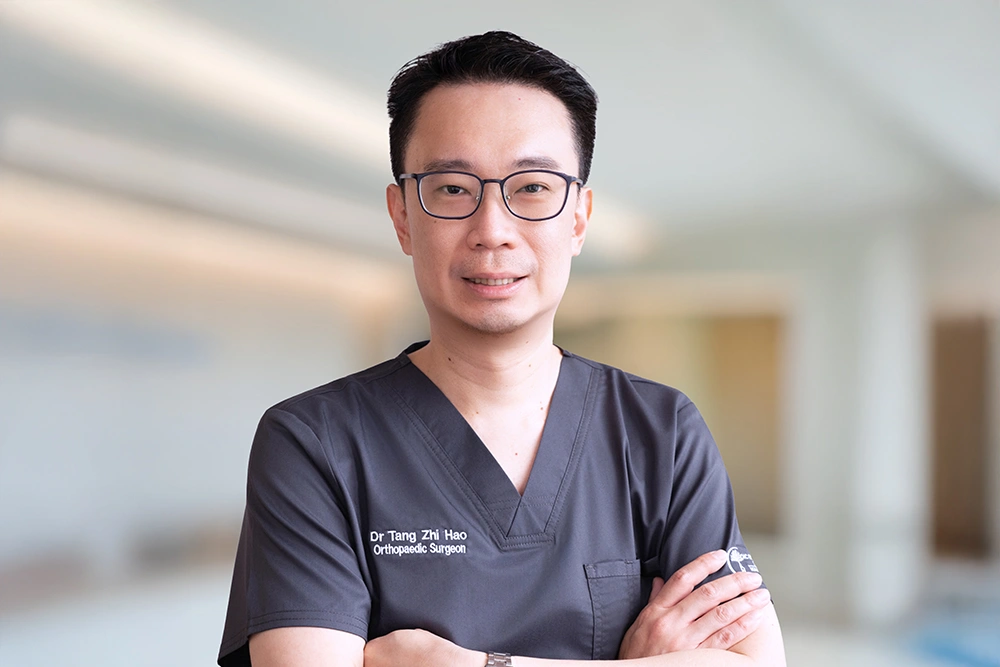
For hip-related concerns, HC Orthopaedic Surgery offers specialist care through Dr Henry Chan and Dr Nicholas Yeoh. Supported by Dr Toon Dong Hao and Dr Tang Zhi Hao, the team provides comprehensive orthopaedic expertise across a range of hip and musculoskeletal conditions. Through thorough assessment and personalised treatment planning, care is tailored to relieve discomfort, restore movement and improve quality of life. If hip symptoms are affecting your daily activities, arrange a consultation to explore suitable treatment options.
Meet Our Hip Specialists in Singapore
我们的团队由陈英豪医生、杨进勋医生、童东豪医生和邓智浩医生组成。他们都是经验丰富的骨科医生,拥有各自亚专科领域的专长,并秉持以患者为中心的诊疗理念。

陈英豪医生
医疗总监兼骨科高级顾问医生
内外全科医学士(新加坡),皇家外科医学院会员(爱丁堡),骨外科医学硕士,皇家外科医学院院士(爱丁堡)
陈英豪医生是一位经验丰富的骨科医生,专攻关节置换及复杂翻修手术。他曾凭借新加坡卫生部(MOH)高阶医学深造计划(HMDP)奖学金,在德国著名的Helios Endo-Klinik接受培训,迄今已完成超过1,000例关节置换手术,并擅长运用计算机辅助及机器人辅助关节置换技术,以确保手术效果精准。

杨进勋医生
骨科高级顾问医生
内外全科医学士(爱丁堡),皇家外科医学院会员(爱丁堡),骨外科医学硕士,皇家外科医学院院士(爱丁堡)
杨进勋医生 卫生部认证的骨科专科医生,同时也是爱丁堡皇家外科医学院的院士。他曾凭借卫生部高层次医疗人才引进计划(HMDP)奖学金,在悉尼接受髋关节和膝关节重建方面的专科进修培训,专攻微创关节置换术、机器人辅助手术以及有助于改善康复效果和手术疗效的先进技术。

童东豪医生
骨科高级顾问医生
内外全科医学士(利兹),皇家外科医学院会员(爱丁堡),骨外科医学硕士,皇家外科医学院院士(爱丁堡)
童东豪医生 技术娴熟的骨科医生童东豪医生 爱丁堡皇家外科医学院的院士。童东豪医生 凭借卫生部高层次医疗人才引进计划(HMDP)奖学金,在悉尼接受了肩肘外科高级专科培训。童医生专攻运动损伤、关节镜手术以及复杂的肩、肘和膝关节手术,致力于帮助患者恢复功能和活动能力。

邓智浩医生
骨科高级顾问医生
内外全科医学士(新加坡),皇家外科医学院会员(爱丁堡),骨外科医学硕士,皇家外科医学院院士(爱丁堡)
邓智浩医生 接受过专科进修培训的骨科医生邓智浩医生 专攻足部和踝关节疾病。他曾在首尔延世大学医疗系统下属的世卫医院,师从李镇宇教授,完成了足踝外科专科进修。在开设私人诊所之前,他曾在邱德拔医院担任骨科顾问及副主任。