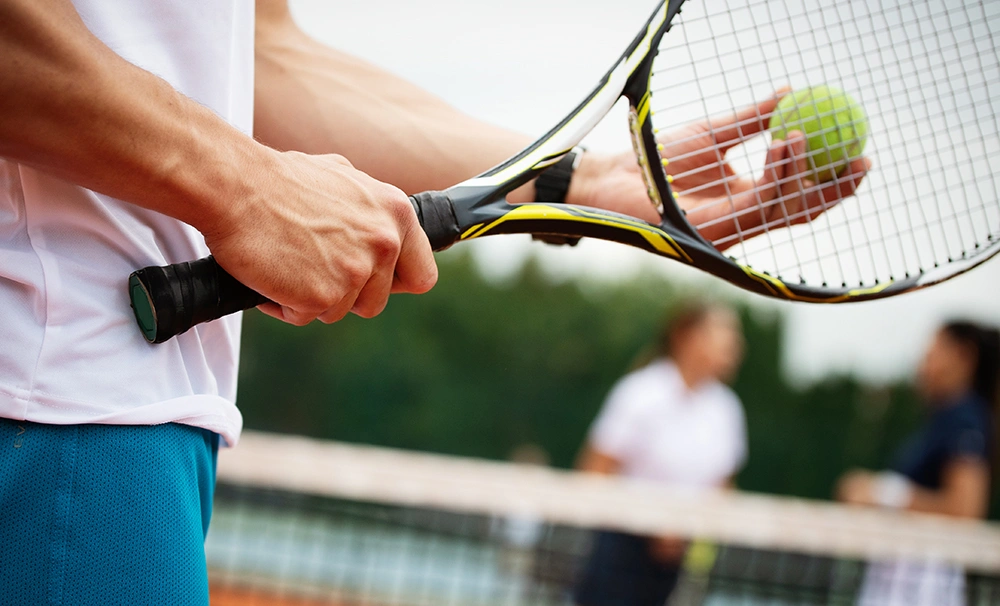
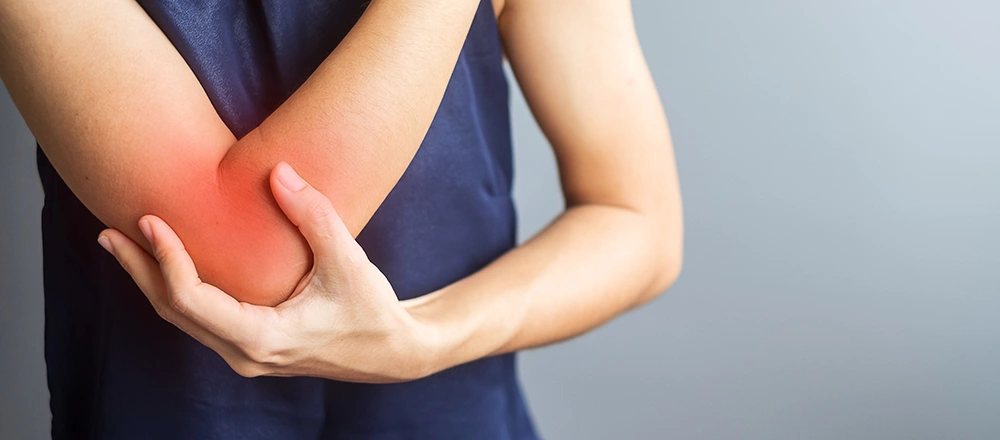


Daily routines often involve frequent use of the hands and arms without much conscious thought. Activities such as typing at a desk, carrying objects, or taking part in sports all place ongoing demand on the forearm muscles and tendons. In most cases, the body adapts well and no issues arise. However, when the same movements are repeated over time, small areas of strain can gradually develop in the tendons around the elbow, leading to a condition known as tennis elbow.
Some people may notice a mild reduction in grip strength when lifting objects, while others feel discomfort when turning a doorknob or shaking hands. These early changes are often subtle and easy to overlook, but they can indicate increasing stress in the affected tendons. The good news is that with the right habits and awareness, the risk of developing it can be significantly reduced.
Understanding What Puts the Elbow Under Strain
Tennis elbow develops when the tendons that connect the forearm muscles to the outer elbow become overloaded. This often happens through repetitive gripping, lifting or twisting actions that place repeated stress on the same structures. Occupational tasks such as using a mouse, handling tools or repetitive manual work can contribute to gradual wear. In sports, improper technique or sudden increases in training intensity may place additional load on the forearm. Over time, small microtears may develop in the tendon, leading to pain and reduced function.
Building Smarter Movement Habits in Daily Life
One of the most effective ways to reduce risk is by making small adjustments to how the arm is used during everyday activities. These changes help distribute load more evenly and reduce unnecessary strain.
Using Proper Technique During Repetitive Tasks
Whether typing at a desk or lifting objects, maintaining neutral wrist alignment can help minimise tension on the forearm. Avoiding excessive gripping force also reduces pressure on the tendon attachments.
Adjusting Workstation Ergonomics
A well-positioned workstation can make a meaningful difference. Keeping the keyboard at elbow height, using a supportive chair and ensuring the mouse is within easy reach can help reduce overextension of the arm.
Taking Regular Breaks from Repetitive Motion
Short pauses throughout the day allow the muscles and tendons to recover. Even brief periods of rest between repetitive tasks can reduce cumulative stress on the elbow.
How to Strengthen and Protect the Forearm Muscles
Conditioning the muscles around the elbow helps improve load tolerance and reduces the likelihood of overuse injuries. A gradual approach is key to avoiding unnecessary strain.
Incorporating Gentle Forearm Strengthening
Exercises that involve light resistance, such as wrist curls or grip training, can help build endurance in the forearm muscles. These should be introduced slowly and performed with controlled movement.
Improving Flexibility in the Wrist and Arm
Stretching the wrist extensors and flexors helps maintain mobility and reduce stiffness. Flexible tissues are generally better able to handle repetitive load without irritation.
Avoiding Sudden Increases in Training Intensity
Whether in gym training or sports, sudden changes in volume or resistance can overload the tendons. Gradual progression allows the body to adapt safely over time.

Preventing Overuse During Sports and Exercise
Sports involving gripping or repetitive arm motion, such as tennis, badminton or weight training, can increase strain if technique and recovery are not properly managed.
Focusing on Proper Technique and Form
Correct movement patterns reduce unnecessary stress on the elbow. In racket sports, for example, using appropriate grip size and swing mechanics can significantly lower strain.
Using Suitable Equipment for Support
Well-fitted rackets, ergonomic handles and supportive grips can help distribute force more evenly through the arm. This reduces concentration of stress at the tendon attachment points.
Allowing Time for Recovery Between Sessions
Rest days are essential for tendon recovery. Continuous repetitive loading without adequate recovery may increase the risk of irritation and gradual degeneration.
When to Seek Medical Advice for Elbow Pain
While mild soreness may settle with rest, persistent or worsening discomfort should be assessed by an elbow specialist. This becomes especially important if pain begins to interfere with daily activities or affects sport performance and grip strength.
Early evaluation allows for a more accurate diagnosis and timely management. Depending on the severity and underlying cause, treatment may include physiotherapy, bracing or other non-surgical approaches to support recovery and prevent progression. Where structural damage or ongoing symptoms are present, elbow surgery may also be considered as part of a tailored treatment plan.
Maintaining Elbow Healthy for Long-Term Activity

Maintaining Elbow Healthy for Long-Term Activity
我们的专业团队
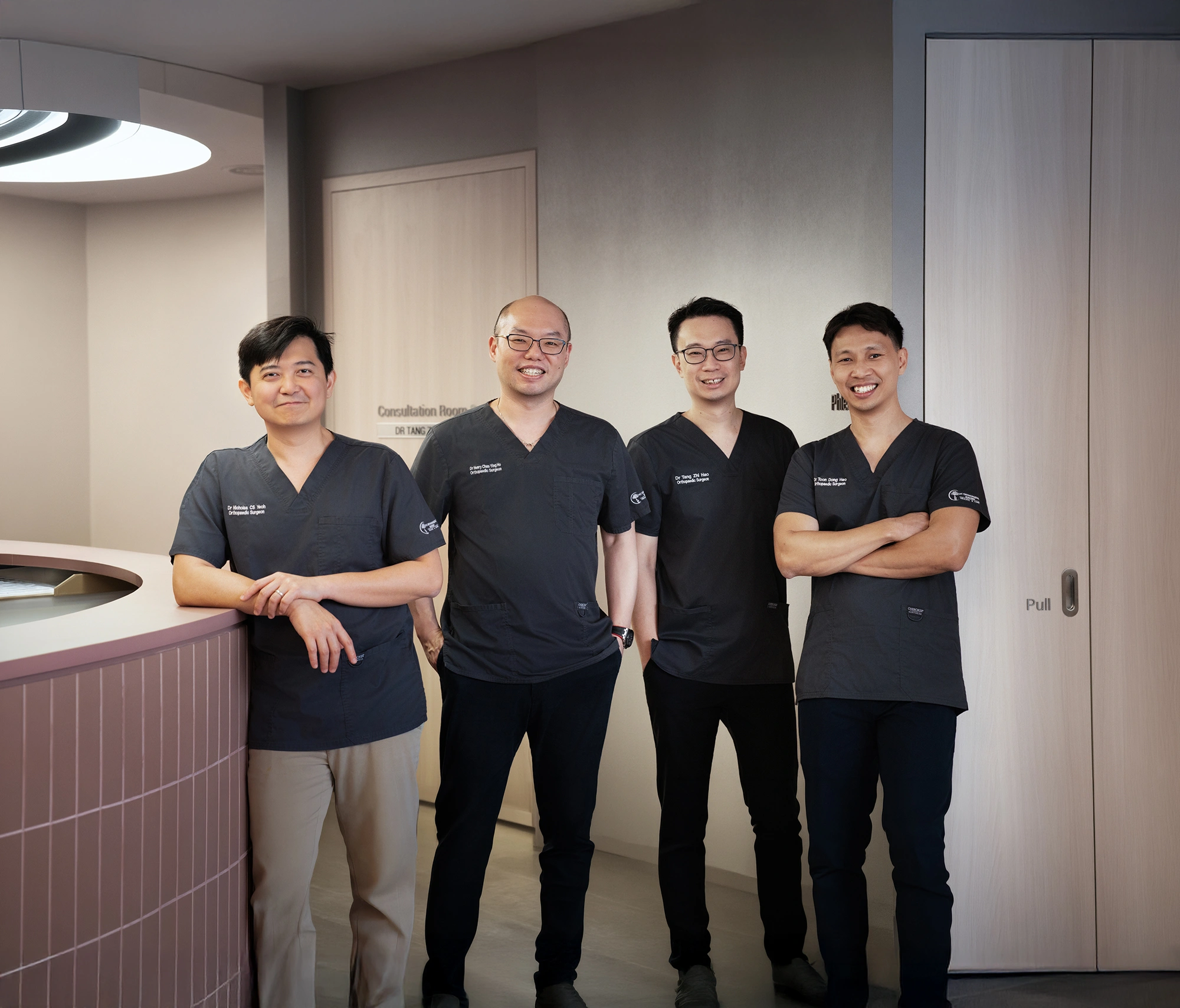
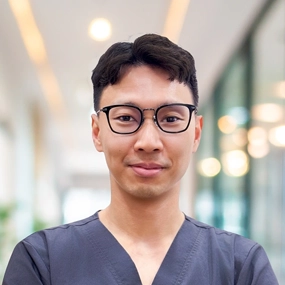
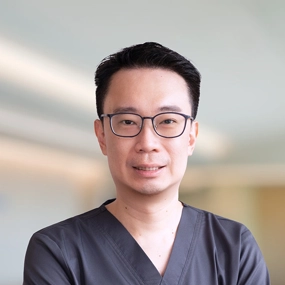
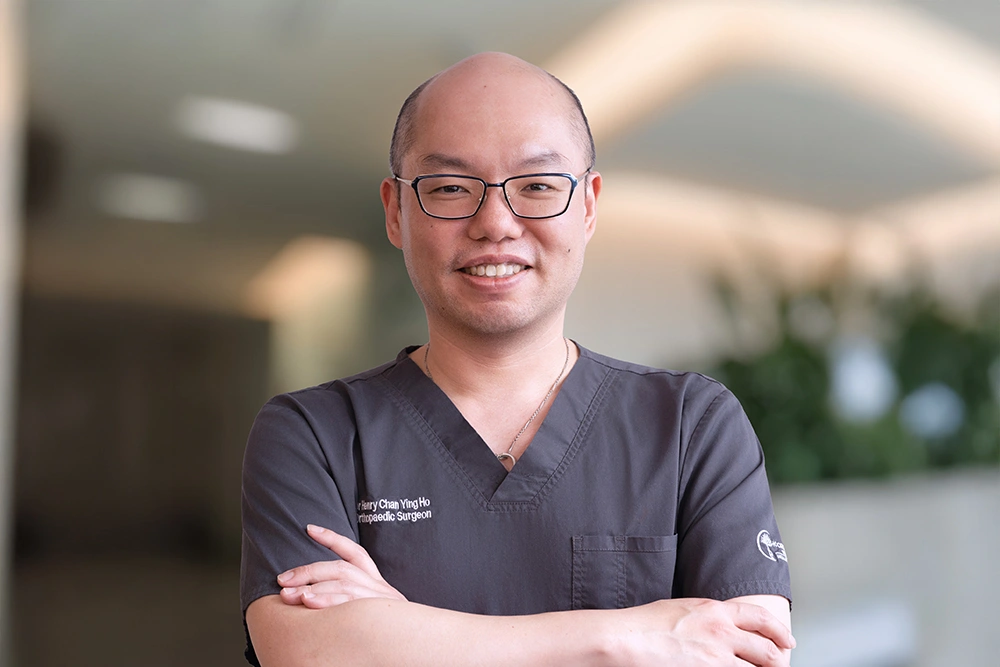
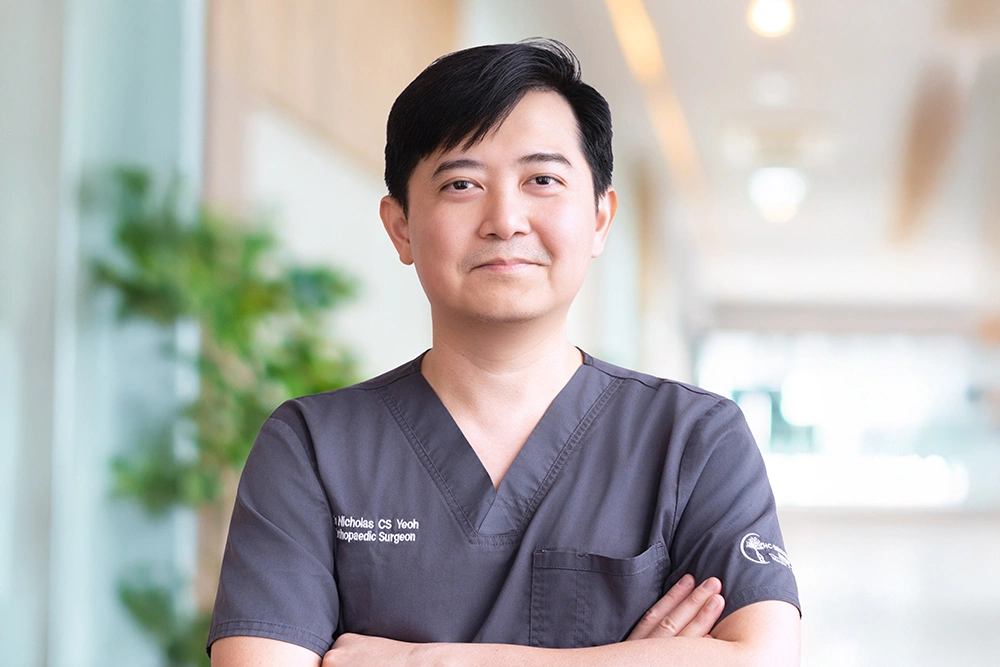
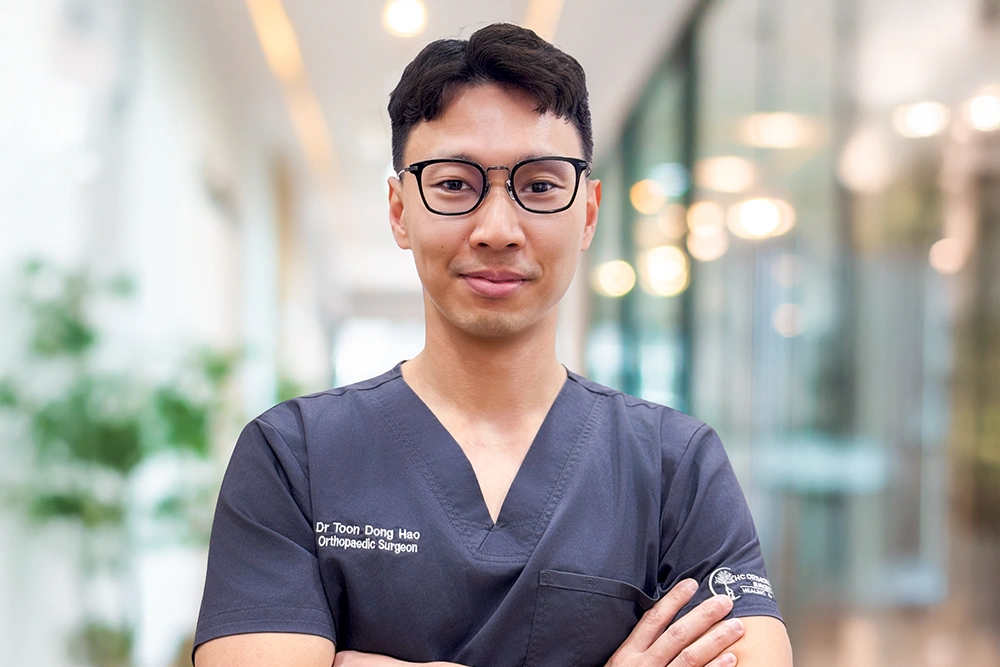
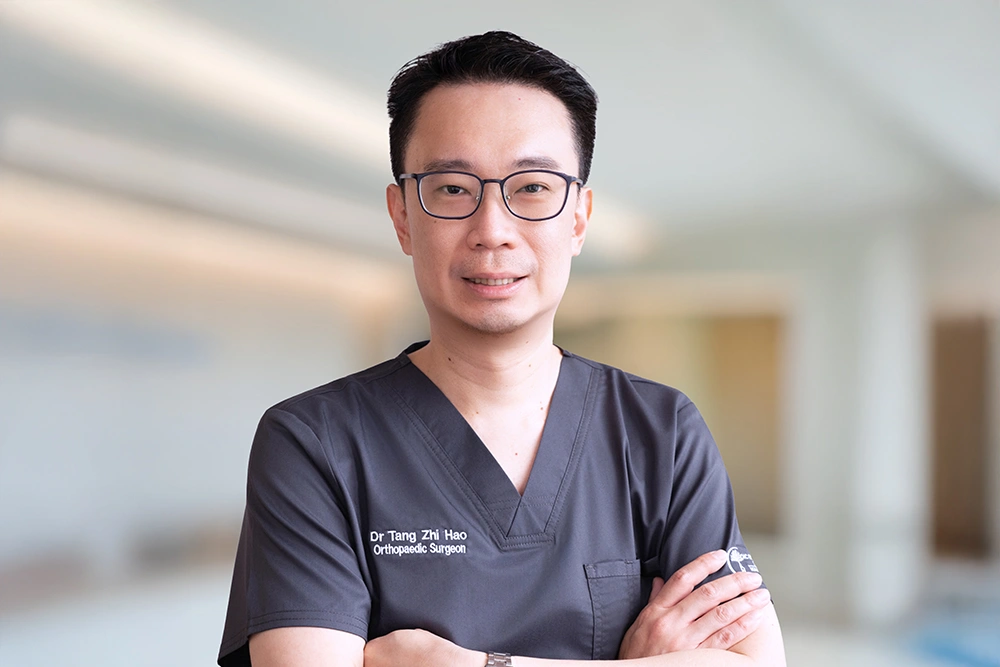
At HC Orthopaedic Surgery, Dr Toon Dong Hao serves as the elbow specialist. The team also includes Dr Henry Chan, Dr Nicholas Yeoh and Dr Tang Zhi Hao, providing comprehensive orthopaedic expertise across sports injuries and overuse conditions. From early conservative management to advanced treatment options, care is tailored to restore function and support a safe return to activity. If elbow pain is affecting your daily routine or sporting performance, arrange a consultation for an assessment today.
Meet Our Elbow Specialists in Singapore
我们的团队由陈英豪医生、杨进勋医生、童东豪医生和邓智浩医生组成。他们都是经验丰富的骨科医生,拥有各自亚专科领域的专长,并秉持以患者为中心的诊疗理念。

陈英豪医生
医疗总监兼骨科高级顾问医生
内外全科医学士(新加坡),皇家外科医学院会员(爱丁堡),骨外科医学硕士,皇家外科医学院院士(爱丁堡)
陈英豪医生是一位经验丰富的骨科医生,专攻关节置换及复杂翻修手术。他曾凭借新加坡卫生部(MOH)高阶医学深造计划(HMDP)奖学金,在德国著名的Helios Endo-Klinik接受培训,迄今已完成超过1,000例关节置换手术,并擅长运用计算机辅助及机器人辅助关节置换技术,以确保手术效果精准。

杨进勋医生
骨科高级顾问医生
内外全科医学士(爱丁堡),皇家外科医学院会员(爱丁堡),骨外科医学硕士,皇家外科医学院院士(爱丁堡)
杨进勋医生 卫生部认证的骨科专科医生,同时也是爱丁堡皇家外科医学院的院士。他曾凭借卫生部高层次医疗人才引进计划(HMDP)奖学金,在悉尼接受髋关节和膝关节重建方面的专科进修培训,专攻微创关节置换术、机器人辅助手术以及有助于改善康复效果和手术疗效的先进技术。

童东豪医生
骨科高级顾问医生
内外全科医学士(利兹),皇家外科医学院会员(爱丁堡),骨外科医学硕士,皇家外科医学院院士(爱丁堡)
童东豪医生 技术娴熟的骨科医生童东豪医生 爱丁堡皇家外科医学院的院士。童东豪医生 凭借卫生部高层次医疗人才引进计划(HMDP)奖学金,在悉尼接受了肩肘外科高级专科培训。童医生专攻运动损伤、关节镜手术以及复杂的肩、肘和膝关节手术,致力于帮助患者恢复功能和活动能力。

邓智浩医生
骨科高级顾问医生
内外全科医学士(新加坡),皇家外科医学院会员(爱丁堡),骨外科医学硕士,皇家外科医学院院士(爱丁堡)
邓智浩医生 接受过专科进修培训的骨科医生邓智浩医生 专攻足部和踝关节疾病。他曾在首尔延世大学医疗系统下属的世卫医院,师从李镇宇教授,完成了足踝外科专科进修。在开设私人诊所之前,他曾在邱德拔医院担任骨科顾问及副主任。