



Knee pain is often managed successfully without surgery. However, in some cases, symptoms are driven by structural problems within the joint that are unlikely to improve with conservative treatment alone.
Surgery is recommended when the knee cannot recover adequate function because of a structural issue, and non-surgical treatment is unlikely to change that outcome.
Key Takeaways
- Surgery is most often recommended when there is a structural problem affecting how the knee functions
- Mechanical symptoms such as locking or instability are strong indicators for surgical treatment
- Persistent symptoms despite appropriate non-surgical care may indicate an underlying issue that requires intervention
- The goal of surgery is to restore function, relieve symptoms, and prevent further joint damage
When Is Surgery Typically Recommended?
Surgery is most often recommended when there is clear structural damage causing mechanical symptoms or instability. In other cases, it may be considered if symptoms persist despite appropriate treatment.
A useful way to understand this is to distinguish between:
- Mechanical problems – where something inside the knee is physically not working properly
- Non-mechanical problems – such as inflammation or overuse, which often respond well to physiotherapy
Mechanical problems are more likely to require surgery, while non-mechanical problems are usually managed without it.
Mechanical Symptoms in the Knee
These are among the strongest indicators that surgery may be needed.
They include:
- locking of the knee
- catching or clicking with pain
- inability to fully bend or straighten the knee
These symptoms often indicate a physical obstruction within the joint, such as a meniscus tear or loose fragment, which cannot be corrected with exercise alone.
Instability or the Knee Giving Way
A knee that feels unstable or gives way during movement usually reflects a loss of structural support.
This is commonly seen in ligament injuries and can:
- limit your ability to walk or exercise confidently
- increase the risk of further injury
Surgical reconstruction may be recommended to restore stability, particularly in active individuals.
Confirmed Structural Damage
Surgery may be recommended when imaging shows damage to structures that have limited healing potential.
Common examples include:
- ligament tears, such as anterior cruciate ligament (ACL) injuries
- significant meniscus tears
- cartilage damage
In these cases, surgery aims to restore stability, improve function, or prevent further joint deterioration.
Persistent Symptoms Despite Adequate Treatment
If your knee does not improve after a structured course of physiotherapy and conservative care, it may indicate that the underlying issue requires more than rehabilitation.
You may be advised to consider surgery if:
- symptoms persist without meaningful improvement
- pain or function has plateaued
- daily activities remain limited
The key factor is not just time, but lack of progress.
Recurrent Swelling or Ongoing Inflammation
Repeated or persistent swelling often reflects irritation within the joint.
This may suggest ongoing internal damage or incomplete healing of a previous injury. If swelling continues despite treatment, further evaluation and possible surgical management may be needed.
Acute Injury With Significant Functional Loss
In some situations, surgery may be considered earlier, particularly after a significant injury.
This includes:
- inability to bear weight
- severe pain following a twist or fall
- rapid swelling with reduced movement
Early assessment helps determine whether surgical treatment is required.
Impact on Quality of Life
Surgery may also be appropriate when symptoms significantly affect your quality of life.
This includes:
- persistent pain that limits daily activities
- inability to return to work or sport
- ongoing discomfort despite trying non-surgical treatments
The decision depends on how much the condition affects your function and goals.

How Do Doctors Decide If Surgery Is Needed?
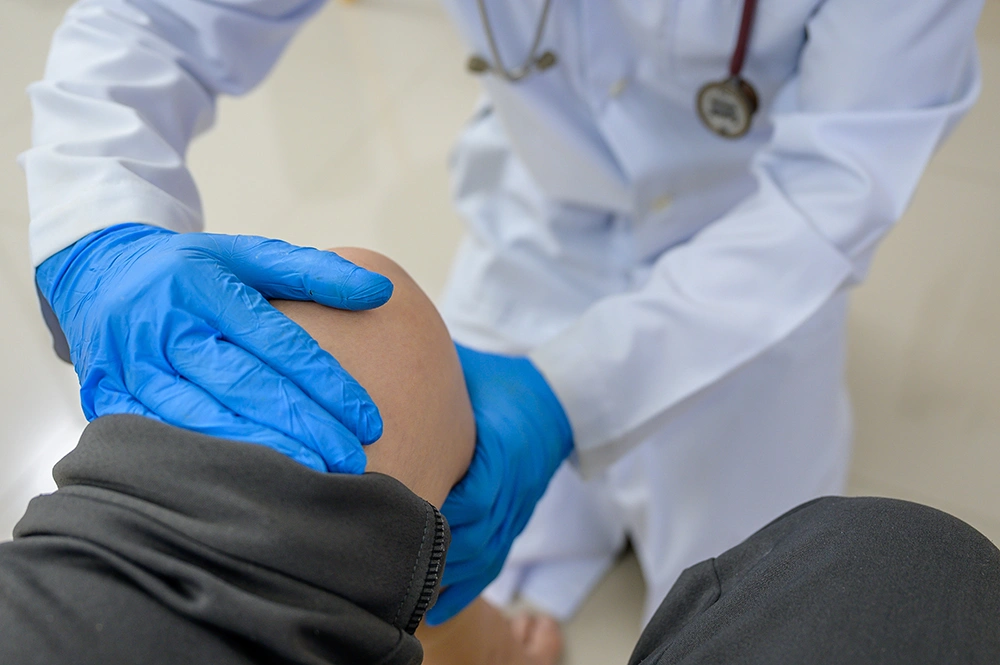
A knee specialist will perform a detailed assessment, including a clinical examination and, if needed, imaging such as X-rays or MRI scans.
The decision to proceed with surgery is based on a combination of factors, not a single symptom. The key question is whether surgery is likely to improve function beyond what can be achieved with non-surgical care.
Your specialist will consider:
- the exact diagnosis and type of structural damage
- severity of symptoms and functional limitation
- your age, activity level, and goals
- response to previous non-surgical treatment
- risk of further joint damage if left untreated
For example, a young, active individual with an ACL tear and instability may benefit from reconstruction, while someone less active may be managed without surgery.
Common Conditions That May Require Surgery
Some knee conditions are more likely to require surgical treatment, depending on severity.
These include:
- ACL tears with instability
- meniscus tears causing locking or persistent pain
- advanced cartilage damage or early arthritis in selected cases
- loose bodies within the joint
- fractures involving the joint surface
Not all cases require surgery, but these conditions are more likely to be considered for operative treatment when symptoms are significant.
What Are the Goals of Surgery?
Surgery is aimed at improving overall knee function rather than simply correcting a structure.
Depending on the condition, the goals may include:
- restoring stability to the knee
- relieving pain
- improving range of motion
- allowing return to sport or activity
- preventing further joint damage
The expected benefit varies depending on the procedure and individual factors.
Are There Situations Where Surgery Is Not Recommended?
Even when abnormalities are seen on scans, surgery may not always be the best option.
Surgery may not be recommended if:
- symptoms are mild and manageable
- function is largely preserved
- imaging findings do not match your symptoms
- risks outweigh expected benefits
In such cases, continued non-surgical management may provide better outcomes.
Take the Next Step in Treating Your Knee Pain

Take the Next Step in Treating Your Knee Pain
我们的专业团队
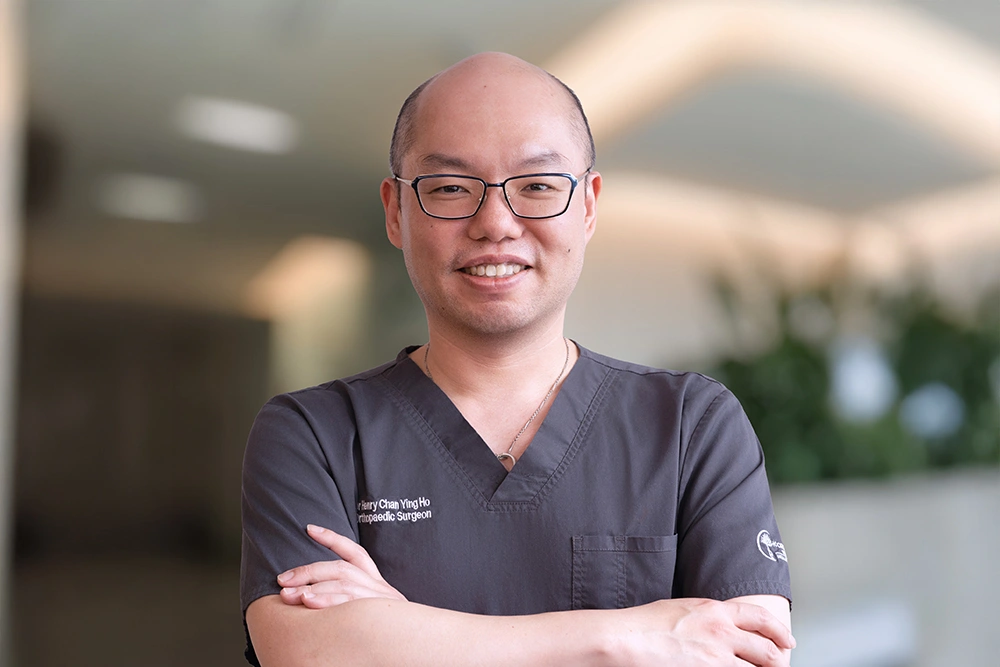
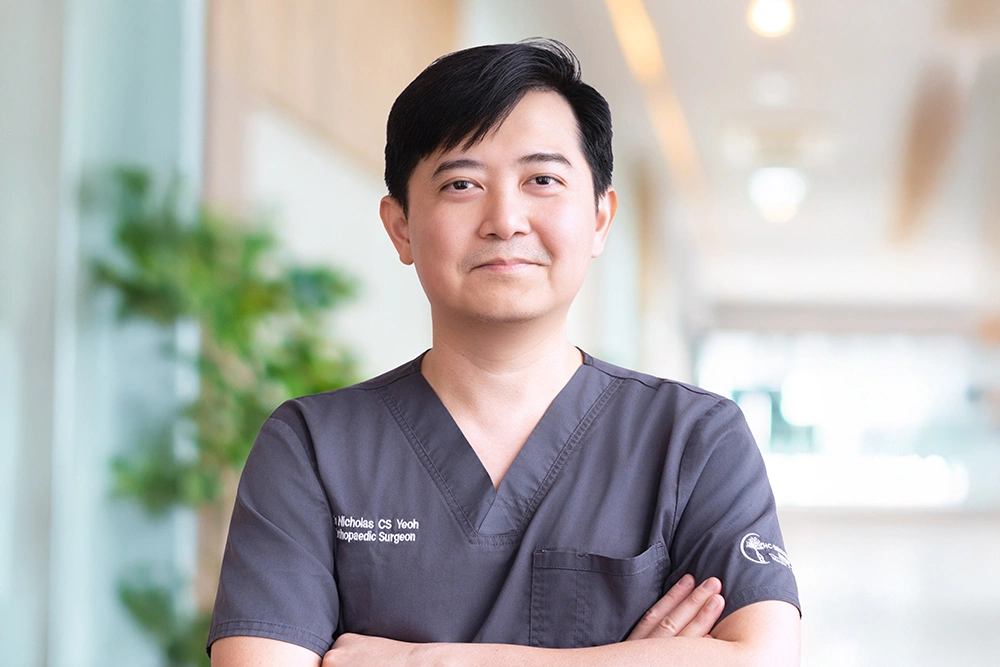
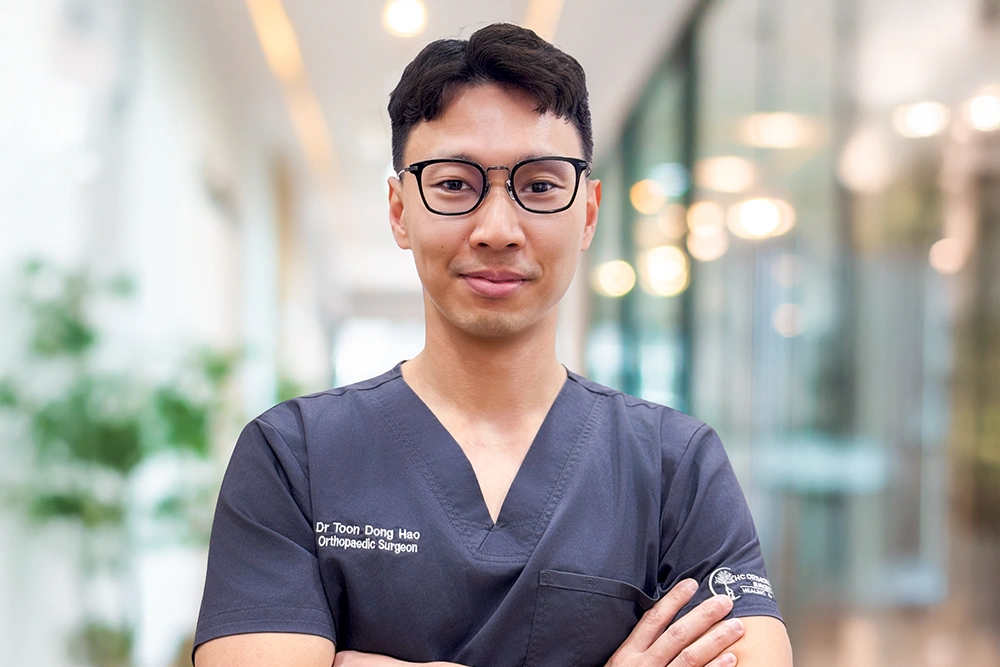
At HC Orthopaedic Surgery, care is led by Dr Henry Chan alongside a team of experienced orthopaedic specialists, including Dr Nicholas Yeoh, Dr Toon Dong Hao, and Dr Tang Zhi Hao. The team focuses on evidence-based, patient-centred care, with tailored treatment plans based on your condition, activity level, and goals. If your knee pain is not improving or you are unsure about your next steps, arranging a consultation can provide clarity and a personalised treatment plan.
Frequently Asked Questions (FAQs) About Surgery for Knee Pain
Do I need surgery immediately, or can I wait?
Will surgery completely fix my knee pain?
What happens if I choose not to have surgery?
How do I know if I am a good candidate for surgery?
What is the difference between keyhole (arthroscopic) surgery and open surgery?
Meet Our Knee Specialists in Singapore
我们的团队由陈英豪医生、杨进勋医生、童东豪医生和邓智浩医生组成。他们都是经验丰富的骨科医生,拥有各自亚专科领域的专长,并秉持以患者为中心的诊疗理念。

陈英豪医生
医疗总监兼骨科高级顾问医生
内外全科医学士(新加坡),皇家外科医学院会员(爱丁堡),骨外科医学硕士,皇家外科医学院院士(爱丁堡)
陈英豪医生是一位经验丰富的骨科医生,专攻关节置换及复杂翻修手术。他曾凭借新加坡卫生部(MOH)高阶医学深造计划(HMDP)奖学金,在德国著名的Helios Endo-Klinik接受培训,迄今已完成超过1,000例关节置换手术,并擅长运用计算机辅助及机器人辅助关节置换技术,以确保手术效果精准。

杨进勋医生
骨科高级顾问医生
内外全科医学士(爱丁堡),皇家外科医学院会员(爱丁堡),骨外科医学硕士,皇家外科医学院院士(爱丁堡)
杨进勋医生 卫生部认证的骨科专科医生,同时也是爱丁堡皇家外科医学院的院士。他曾凭借卫生部高层次医疗人才引进计划(HMDP)奖学金,在悉尼接受髋关节和膝关节重建方面的专科进修培训,专攻微创关节置换术、机器人辅助手术以及有助于改善康复效果和手术疗效的先进技术。

童东豪医生
骨科高级顾问医生
内外全科医学士(利兹),皇家外科医学院会员(爱丁堡),骨外科医学硕士,皇家外科医学院院士(爱丁堡)
童东豪医生 技术娴熟的骨科医生童东豪医生 爱丁堡皇家外科医学院的院士。童东豪医生 凭借卫生部高层次医疗人才引进计划(HMDP)奖学金,在悉尼接受了肩肘外科高级专科培训。童医生专攻运动损伤、关节镜手术以及复杂的肩、肘和膝关节手术,致力于帮助患者恢复功能和活动能力。

邓智浩医生
骨科高级顾问医生
内外全科医学士(新加坡),皇家外科医学院会员(爱丁堡),骨外科医学硕士,皇家外科医学院院士(爱丁堡)
邓智浩医生 接受过专科进修培训的骨科医生邓智浩医生 专攻足部和踝关节疾病。他曾在首尔延世大学医疗系统下属的世卫医院,师从李镇宇教授,完成了足踝外科专科进修。在开设私人诊所之前,他曾在邱德拔医院担任骨科顾问及副主任。