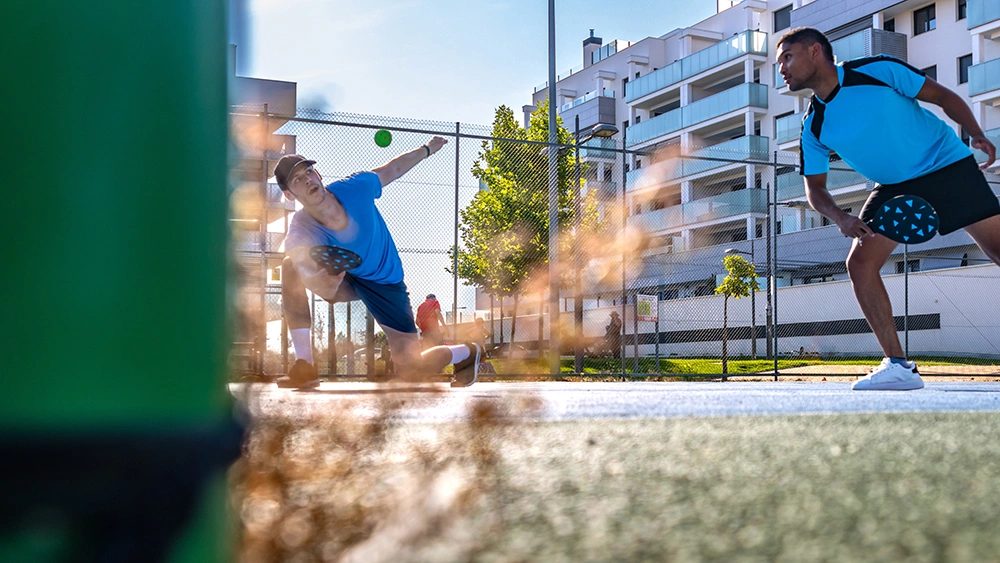
Pickleball đang rất phát triển ở Singapore và trở thành môn thể thao thu hút cả người trẻ năng động lẫn người lớn tuổi. Ngày càng nhiều sân mới được mở tại các trung tâm cộng đồng, khu dân cư và nhà thi đấu, góp phần giúp môn thể thao này lan rộng nhờ đặc trưng vui vẻ, tốc độ nhanh và tính cộng đồng cao.
Dù pickleball thường được xem là môn thể thao nhẹ nhàng, nó vẫn tiềm ẩn các nguy cơ chấn thương. Các chuyển động xoay người nhanh, vung tay lặp đi lặp lại hoặc động tác đột ngột đều có thể làm căng khớp, cơ và gân. Những chấn thương như đau khuỷu tay, bong gân mắt cá chân, nhức mỏi vai hoặc đau đầu gối ngày càng xuất hiện nhiều hơn—đặc biệt với ai ít chịu khởi động hoặc chơi lại quá sớm sau chấn thương.
Lợi thế là đa số chấn thương Pickleball đều có thể phòng tránh. Chỉ cần chuẩn bị thích hợp, chơi đúng cách và phục hồi hợp lý, bất kỳ ai cũng có thể yên tâm vui chơi lâu dài mà vẫn khỏe mạnh.
Những chấn thương Pickleball thường gặp nhất
Cũng giống nhiều môn vợt khác, pickleball dễ gây ra các chấn thương liên quan đến cơ, khớp và gân. Cơ quan bị ảnh hưởng tùy theo thói quen vận động, thể lực và tần suất chơi. Có chấn thương xuất hiện dần do gắng sức liên tục, một số lại xảy ra bất ngờ khi va chạm nhanh hoặc sơ suất trên sân.
Bong gân, căng cơ
Căng cơ và bong gân thường gặp ở cổ chân, bắp chân, đùi sau và thắt lưng, thường do lao người, quá sức hoặc chuyển hướng đột ngột.
Chấn thương vai
Vung tay và các động tác trên đầu lặp lại nhiều gây áp lực lên khớp vai và các gân quanh đó. Người chơi có thể bị rách chóp xoay, viêm gân hoặc kẹp vai, dẫn tới đau, cứng hoặc hạn chế vận động.
Khuỷu tay tennis
Liên tục cầm vợt hoặc lắc tay gây kích ứng gân quanh khuỷu, tạo nên chứng khuỷu tay tennis. Triệu chứng có thể gồm đau mỏi, yếu sức, khó chịu khi cầm nắm hoặc vung tay.
Chấn thương gối, cổ chân
Đầu gối và cổ chân chịu tải lớn khi di chuyển ngang hoặc dừng gấp. Người chơi có thể gặp bong gân cổ chân, rách sụn chêm, viêm gân bánh chè (đầu gối vận động viên) hoặc căng dây chằng. Các động tác này còn khiến bệnh viêm khớp sẵn có nặng hơn, gây đau, sưng và giảm vận động.
Té ngã, gãy xương
Trượt ngã hoặc mất thăng bằng lúc thi đấu rất dễ gây gãy cổ tay, vai hoặc xương hông. Người cao tuổi càng có nguy cơ chấn thương nặng do té ngã cao hơn.
Chấn thương gân Achilles & bắp chân
Bước chân tăng tốc hoặc chuyển hướng nhanh có thể làm căng gân Achilles và cơ bắp chân. Nặng hơn, những động tác đẩy hoặc xoay gấp dễ gây đứt/rách bất ngờ.
Làm sao phòng tránh chấn thương khi đánh Pickleball
Nhiều chấn thương do Pickleball liên quan đến việc không khởi động, kém kỹ thuật hoặc lặp lại động tác quá nhiều. Chủ động phòng ngừa sẽ giúp bạn vừa an toàn vừa giữ đam mê thể thao lâu dài.
Khởi động trước khi chơi
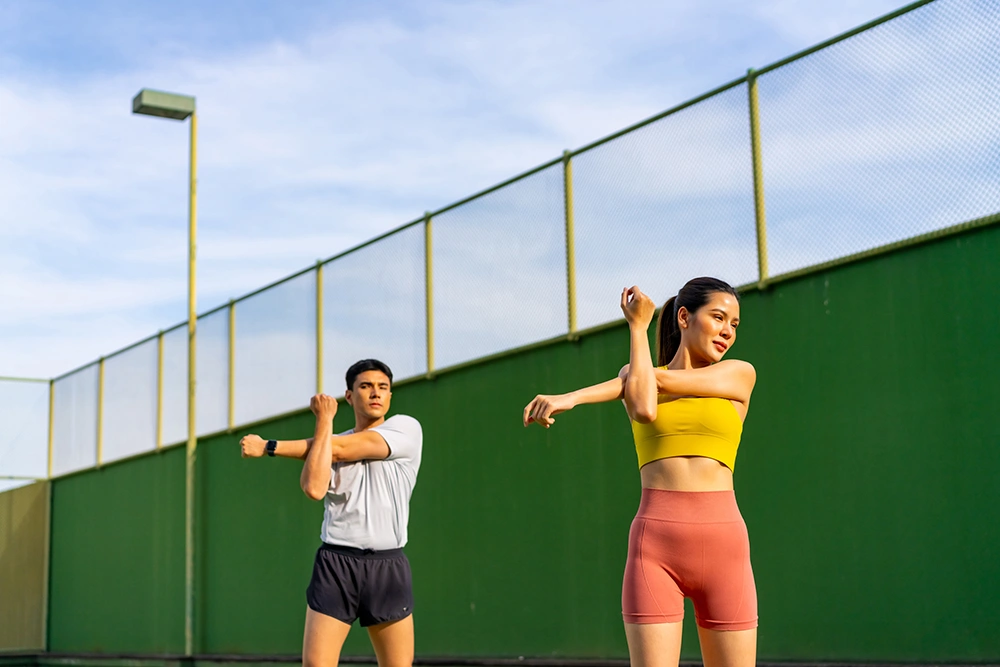
Khởi động đúng cách giúp cơ bắp nhận máu tốt và tăng linh hoạt cho khớp trước vận động mạnh. Chạy nhẹ nhàng, căng duỗi động và tập drill sẽ giúp cơ thể sẵn sàng đối phó phản xạ nhanh hay đổi hướng trên sân.
Mang giày và dụng cụ bảo vệ phù hợp
Giày sân có độ bám chắc và đỡ tốt giúp cân bằng ổn định, giảm nguy cơ trượt ngã hoặc bong gân cổ chân. Nếu bạn từng có tiền sử tổn thương hoặc khớp yếu, nên cân nhắc thêm băng nén hoặc dụng cụ bảo vệ.
Nâng cao sức mạnh, dẻo dai & thăng bằng
Rèn luyện chân, core và vai giúp giữ ổn định lúc đổi hướng liên tục hay vận động mạnh. Kết hợp thêm bài tập tăng dẻo dai & giữ thăng bằng giúp phối hợp tốt và giảm khả năng chấn thương.
Luyện kỹ thuật chơi đúng
Vung tay và bộ chân đúng kỹ thuật sẽ giảm căng thẳng không cần thiết lên khuỷu, vai và đầu gối. Người mới tập nên học kỹ năng bài bản để chuyển động an toàn, hạn chế quá tải lên khớp nhất định.
Không cố chơi quá sức, chú ý tín hiệu của cơ thể
Chơi khi đã mệt hoặc đau có thể làm tăng chấn thương do lạm dụng. Chủ động sắp xếp ngày nghỉ, nhận diện sớm các dấu hiệu như sưng, căng cứng hoặc đau nhức sẽ giúp tránh vấn đề nặng hơn.
Bổ sung nước, hồi phục hợp lý
Uống đủ nước và cho cơ thể phục hồi đúng sẽ hỗ trợ cơ vận động và giảm mệt mỏi khi thi đấu kéo dài. Sau trận nhớ thư giãn, giãn cơ và ngủ đủ để hạn chế đau nhức cũng như tổn thương.
Làm sao phục hồi an toàn sau chấn thương pickleball
Dù đã cẩn thận phòng ngừa vẫn có khả năng chấn thương khi thi đấu. Hồi phục an toàn không chỉ là chờ hết đau mà cần điều trị bài bản, tập phục hồi có hướng dẫn và quay lại vận động theo từng giai đoạn để lấy lại sức mạnh, linh hoạt và giảm nguy cơ tái phát.
Xử lý chấn thương kịp thời
Nên dừng chơi ngay và xử lý sớm triệu chứng để tránh vết thương nhẹ trở nặng. Đầu tiên hãy nghỉ ngơi, chườm lạnh, băng ép và kê cao chỗ đau nhằm giảm đau và sưng. Nếu thấy đau nặng, khớp lỏng lẻo, sưng to hoặc đứng không vững nên đi khám ngay.
Tái tạo sức mạnh và khả năng vận động dần dần
Lúc đầu cần nghỉ ngơi, nhưng kiêng vận động quá lâu lại dễ yếu cơ và cứng khớp. Các bài tập vật lý trị liệu & phục hồi giúp cải thiện chức năng, tăng dẻo dai và củng cố khu vực tổn thương. Kế hoạch phục hồi nên tùy chỉnh theo loại chấn thương và mức độ nặng nhẹ.
Trở lại sân an toàn
Quay lại chơi quá sớm dễ làm tái phát hoặc đau mãn tính. Nên chỉ vận động lại khi hết triệu chứng và cử động linh hoạt bình thường. Cơn đau dai dẳng, chấn thương lặp lại hoặc gặp khó khi thể thao thì phải tới bác sĩ chấn thương chỉnh hình để được tư vấn điều trị phù hợp—bao gồm phục hồi, tiêm hoặc phẫu thuật thể thao nếu cần.
Khi nào nên tìm gặp chuyên gia về các chấn thương pickleball
Khi nào nên tìm gặp chuyên gia về các chấn thương pickleball

Đội ngũ chuyên gia của chúng tôi
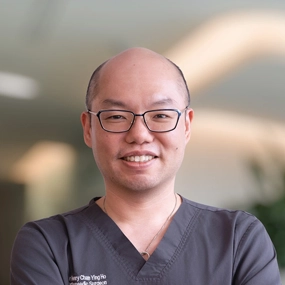
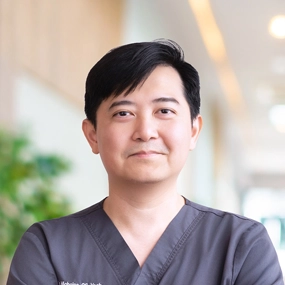
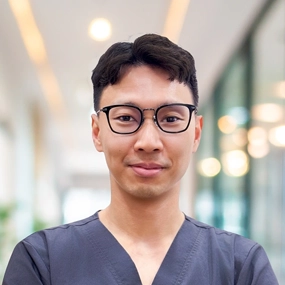
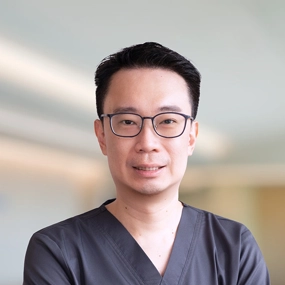
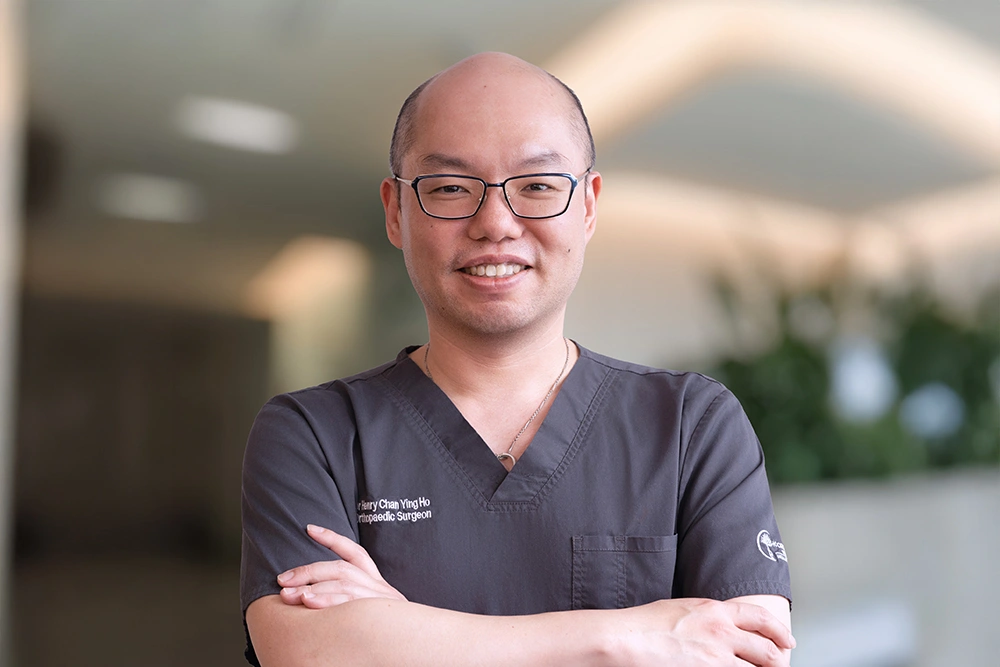
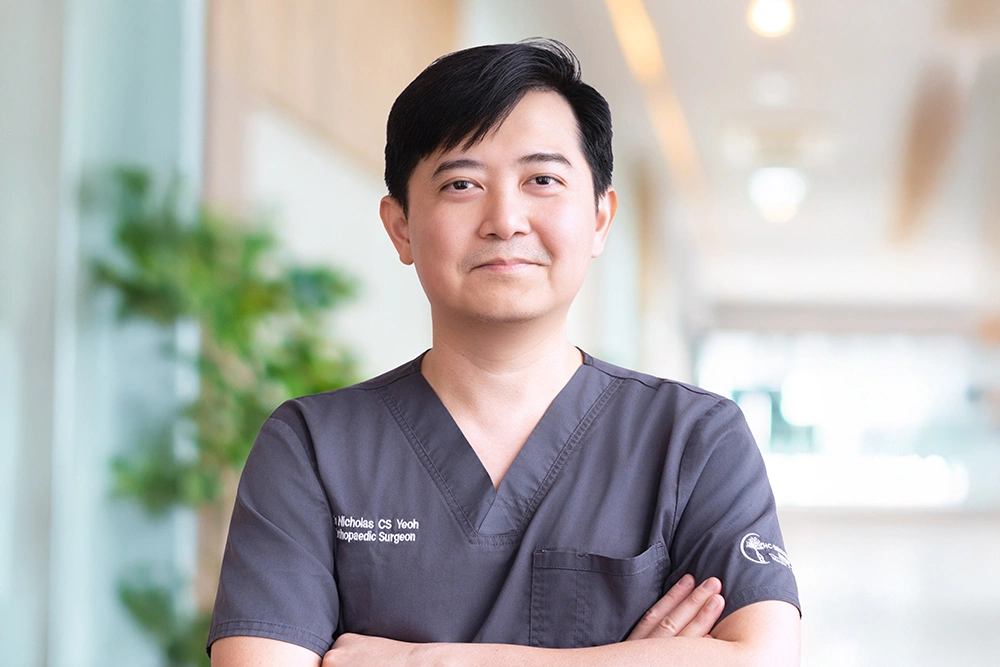
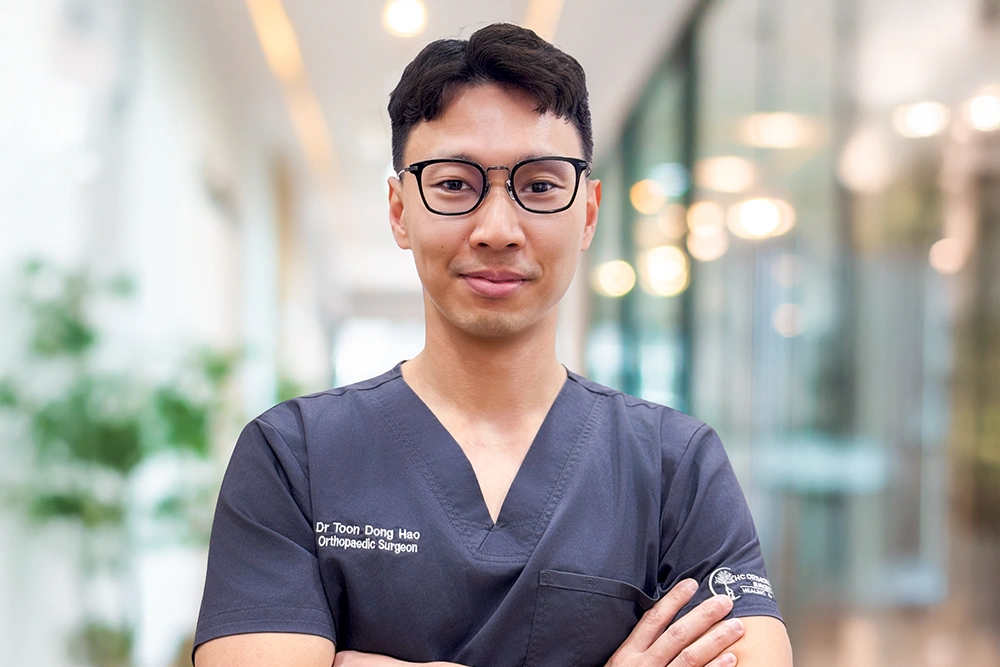
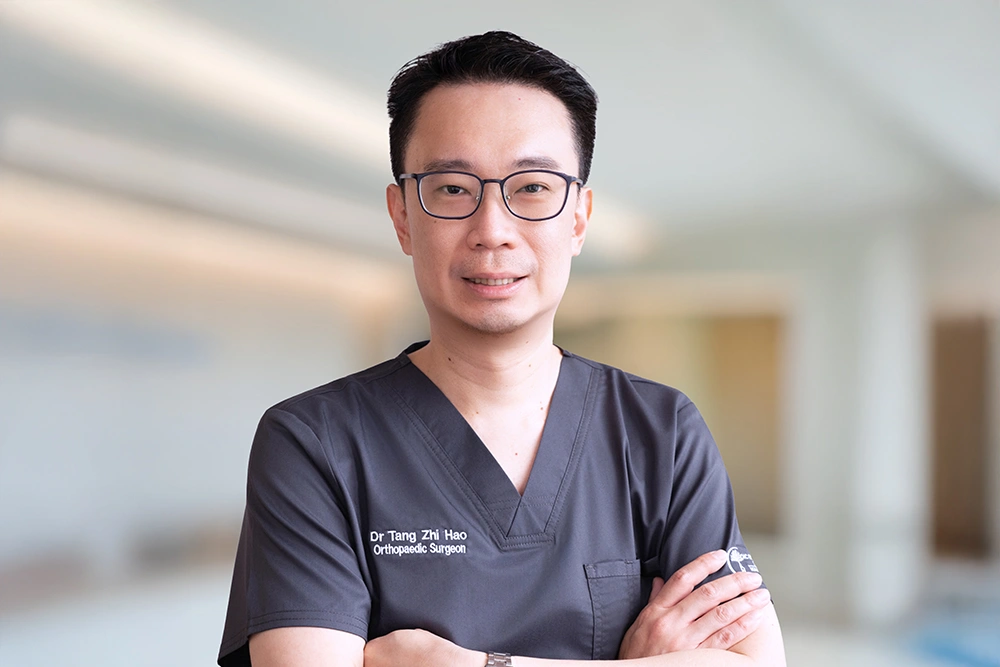
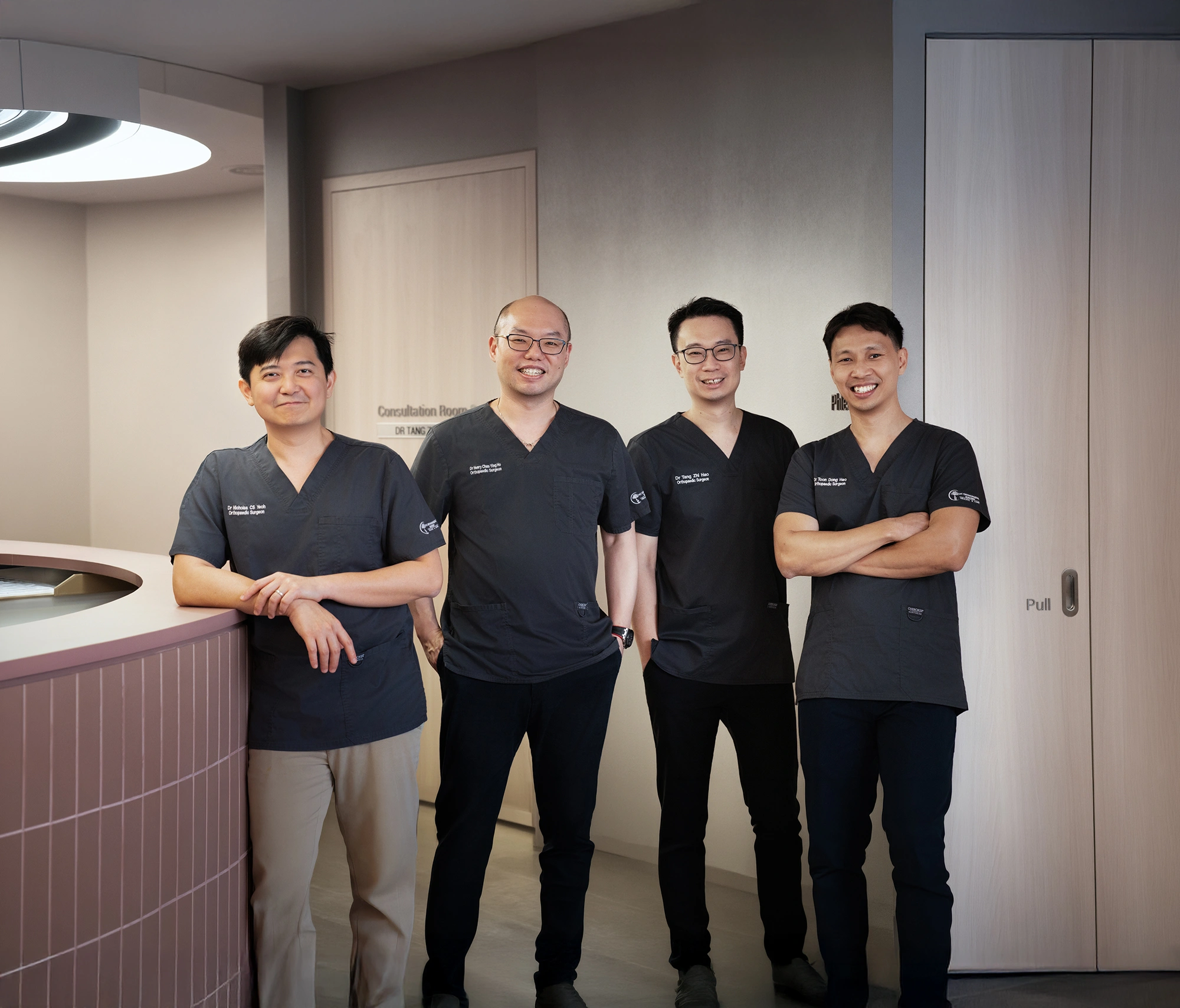
Tại HC Orthopaedic Surgery, các chấn thương thể thao được chăm sóc bởi Dr Henry Chan, Dr Nicholas Yeoh, Dr Toon Dong Hao và Dr Tang Zhi Hao. Đội ngũ này chuyên điều trị nhiều vấn đề liên quan đến thể thao, như chấn thương dây chằng, tổn thương gân, đau khớp và các vấn đề do vận động quá mức, với phác đồ điều trị cá nhân hóa phù hợp mục tiêu phục hồi và mức độ vận động của từng bệnh nhân. Từ điều trị không phẫu thuật đến phẫu thuật tiên tiến khi cần thiết, chúng tôi tập trung hỗ trợ quá trình hồi phục an toàn và đảm bảo khả năng vận động lâu dài. Nếu triệu chứng của bạn không cải thiện hoặc ảnh hưởng đến khả năng sinh hoạt, đặt lịch tư vấn chuyên sâu để được thăm khám chi tiết và xây dựng kế hoạch điều trị cá nhân hóa.
Các câu hỏi thường gặp (FAQ) về chấn thương pickleball
Người lớn tuổi có nên chơi pickleball không?
Chấn thương pickleball bao lâu thì khỏi?
Dấu hiệu nào của chấn thương pickleball cần đi khám?
Gặp gỡ các chuyên gia chấn thương thể thao của chúng tôi tại Singapore
Dr Henry Chan
Giám đốc Y khoa & Bác sĩ tư vấn cấp cao Bác sĩ phẫu thuật chỉnh hình
MBBS (S’pore), MRCS (Edinburgh), MMed (Orthopaedic Surgery), FRCS (Edinburgh)
Bác sĩ Henry Chan là chuyên gia phẫu thuật chấn thương chỉnh hình giàu kinh nghiệm, chuyên thay khớp và phẫu thuật chỉnh sửa phức tạp. Ông được đào tạo tại Helios Endo-Klinik (Đức) theo học bổng MOH HMDP và đã thực hiện hơn 1.000 ca thay khớp. Bác sĩ đặc biệt thành thạo các kỹ thuật thay khớp bằng máy tính và robot để mang lại kết quả chính xác.
Dr Nicholas Yeoh
Bác sĩ phẫu thuật chỉnh hình cố vấn cấp cao
MBChB (Edinburgh), MRCS (Edinburgh), MMed (Orthopaedic Surgery), FRCS (Edinburgh)
Bác sĩ Nicholas Yeoh là chuyên gia chấn thương chỉnh hình được Bộ Y tế công nhận và là hội viên Royal College of Surgeons of Edinburgh. Ông từng nhận học bổng chuyên sâu về tái tạo khớp háng và gối tại Sydney. Bác sĩ chuyên thay khớp ít xâm lấn, phẫu thuật robot và các kỹ thuật hiện đại giúp phục hồi nhanh, mang lại kết quả tốt.
Dr Toon Dong Hao
Bác sĩ phẫu thuật chỉnh hình cố vấn cấp cao
MBChB (Leeds), MRCS (Edinburgh), MMed (Orthopaedic Surgery), FRCS (Edinburgh)
Bác sĩ Toon Dong Hao là chuyên gia chấn thương chỉnh hình với nhiều kinh nghiệm và là hội viên Royal College of Surgeons of Edinburgh. Ông được đào tạo chuyên sâu về phẫu thuật vai và khuỷu tay tại Sydney. Bác sĩ Toon tập trung điều trị chấn thương thể thao, nội soi khớp và các phẫu thuật phức tạp giúp phục hồi vận động.
Dr Tang Zhi Hao
Bác sĩ phẫu thuật chỉnh hình cố vấn cấp cao
MBBS (S’pore), MRCS (Edinburgh), MMed (Orthopaedic Surgery), FRCS (Edinburgh)
Bác sĩ Tang Zhi Hao là chuyên gia phẫu thuật chỉnh hình giàu kinh nghiệm, chuyên về các bệnh lý bàn chân và cổ chân. Ông từng tu nghiệp chuyên sâu về phẫu thuật bàn chân, cổ chân tại Bệnh viện Severance, Đại học Yonsei (Seoul) với GS Jin Woo Lee. Trước khi làm tư, ông từng là cố vấn và phó trưởng khoa chỉnh hình tại Bệnh viện Khoo Teck Puat.