HC Orthopaedic Logo phẫu thuật

Tennis Elbow vs. Golfer’s Elbow: What’s the Difference?

May 2026
Trang trí biểu ngữ chính
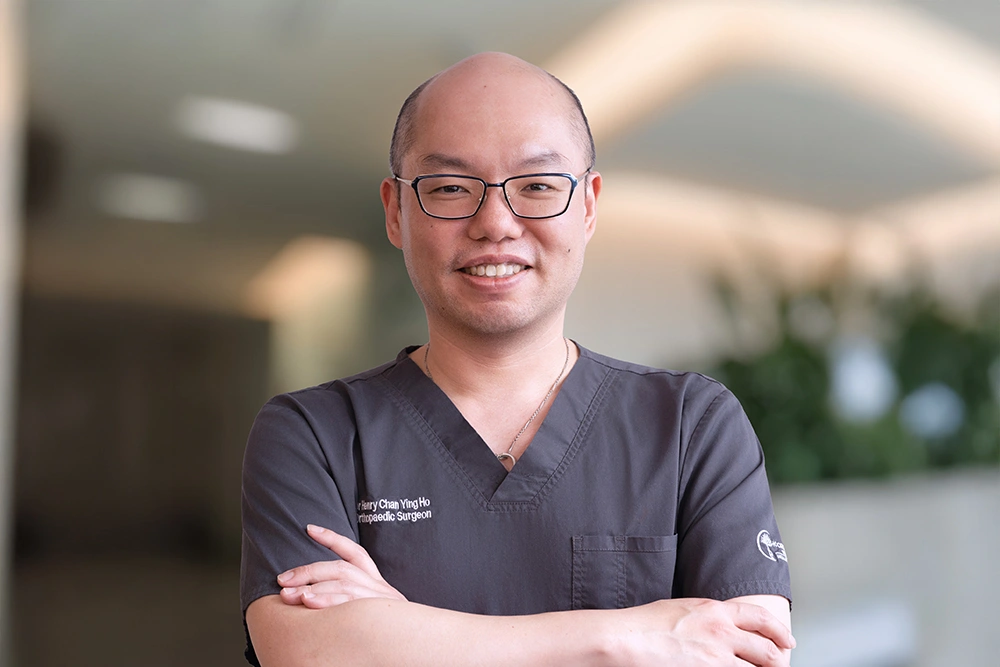
Bác sĩ phẫu thuật chỉnh hình, Tiến sĩ Henry Chan
Tiến sĩ Henry Chan
Giám đốc Y khoa & Bác sĩ phẫu thuật chỉnh hình cao cấp
MBBS (Singapore), MRCS (Edinburgh), MMed (Phẫu thuật chỉnh hình), FRCS (Edinburgh)
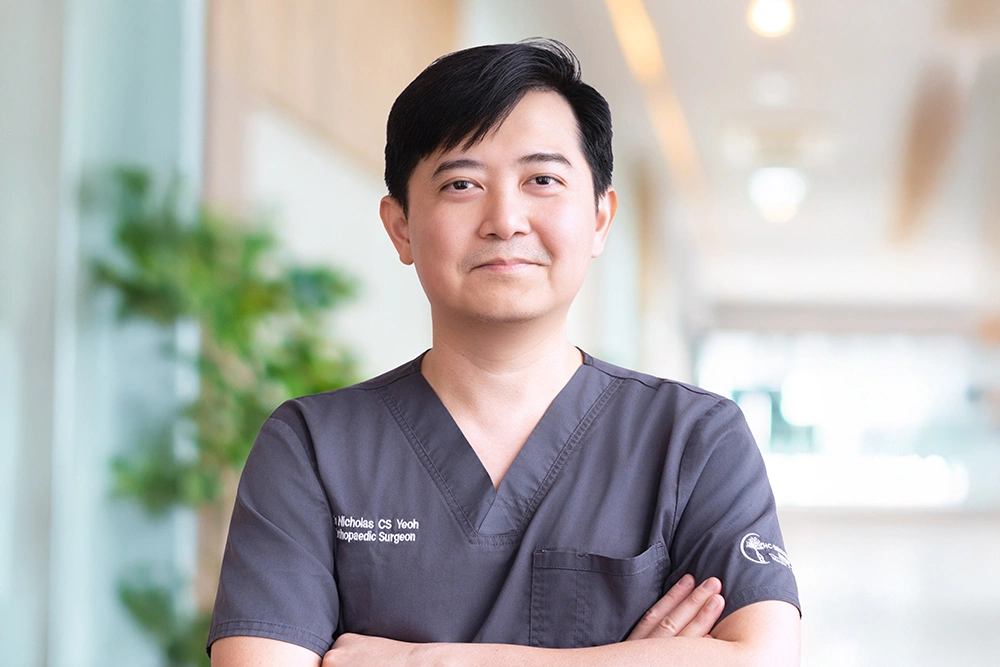
Bác sĩ phẫu thuật chỉnh hình, Dr Nicholas Yeoh
Dr Nicholas Yeoh
Bác sĩ phẫu thuật chỉnh hình cao cấp
MBChB (Đại học Edinburgh), MRCS (Đại học Edinburgh), MMed (Phẫu thuật chỉnh hình), FRCS (Đại học Edinburgh)
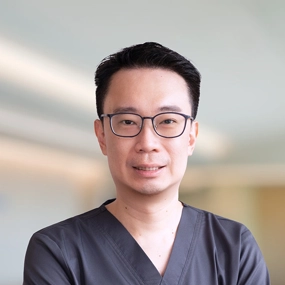
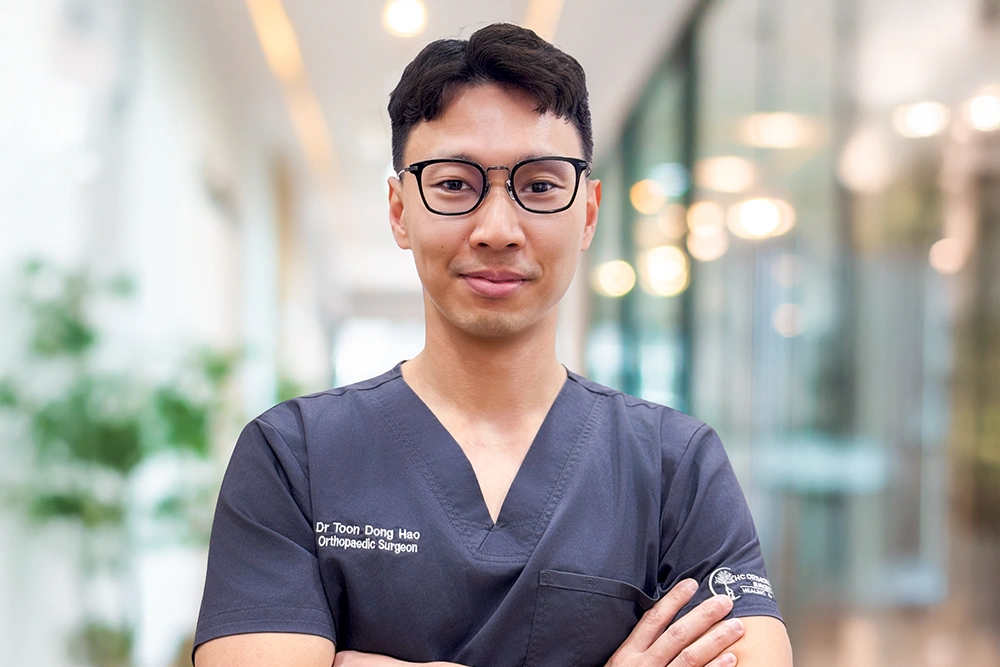
Bác sĩ phẫu thuật chỉnh hình, Dr Toon Dong Hao
Dr Toon Dong Hao
Bác sĩ phẫu thuật chỉnh hình cao cấp
MBChB (Leeds), MRCS (Edinburgh), MMed (Phẫu thuật chỉnh hình), FRCS (Edinburgh)
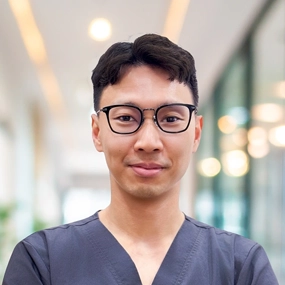
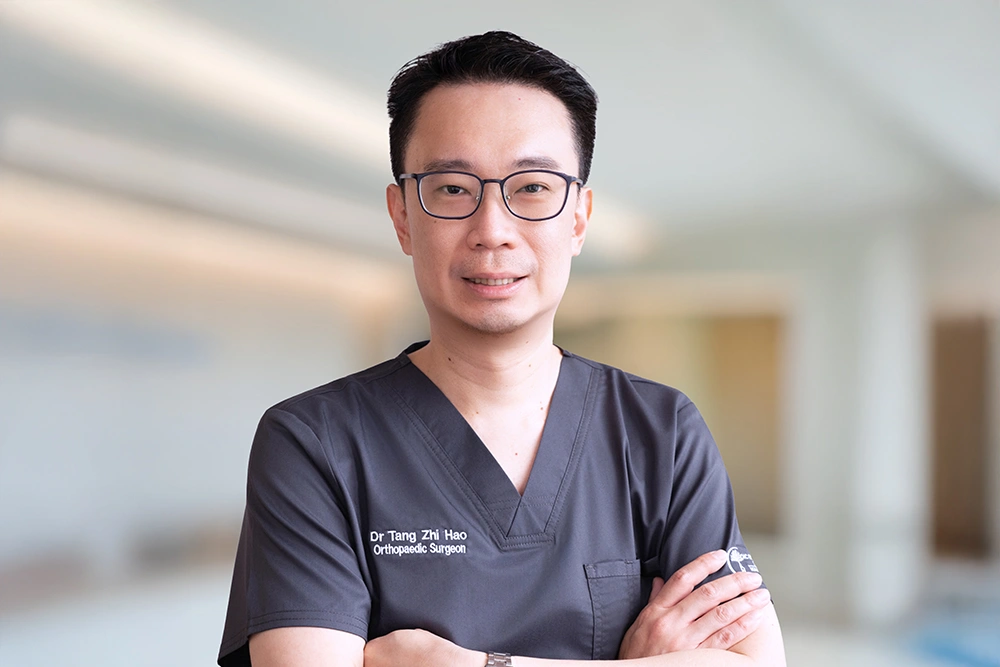
Bác sĩ phẫu thuật chỉnh hình, Dr Tang Zhi Hao
Dr Tang Zhi Hao
Bác sĩ phẫu thuật chỉnh hình cao cấp
MBBS (Singapore), MRCS (Edinburgh), MMed (Phẫu thuật chỉnh hình), FRCS (Edinburgh)
Tennis Elbow vs. Golfer’s Elbow: What’s the Difference?
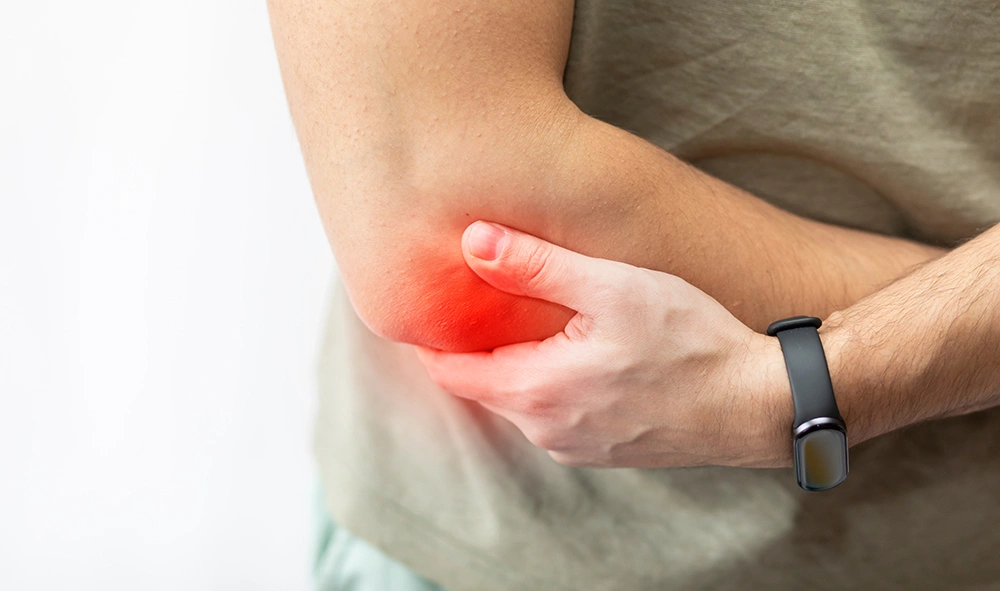
Man holding his elbow experiencing elbow pain.

Tennis elbow and golfer’s elbow are two of the most common overuse injuries affecting the forearm and elbow. Despite their names, both conditions can occur in anyone who performs repetitive arm, wrist or gripping movements, not just athletes.

Although they share a similar mechanism of gradual tendon overload, these conditions affect different sides of the elbow and therefore present in different locations. Symptoms often develop slowly and may initially feel manageable, which can delay recognition until pain starts to affect everyday activities such as carrying objects, typing or even holding a cup.

Key Takeaways

  • Tennis elbow causes pain on the outside of the elbow, while golfer’s elbow affects the inside of the elbow
  • Both conditions are caused by repetitive tendon overload from gripping, lifting, or repetitive wrist movements
  • Tennis elbow is commonly linked to wrist extension, while golfer’s elbow is associated with wrist flexion and forearm rotation
  • Most cases improve with activity modification, rehabilitation, and non-surgical treatment
  • Persistent pain, weakness, or reduced grip strength may require specialist orthopaedic assessment

What Are Tennis Elbow and Golfer’s Elbow?

Tennis elbow and golfer’s elbow are common overuse tendon injuries that affect different sides of the elbow. Tennis elbow, also known as lateral epicondylitis, affects the tendons attached to the outer elbow, while golfer’s elbow, or medial epicondylitis, affects the tendons attached to the inner elbow.

Both conditions are recognised as common upper limb sports injuries, particularly in activities involving repetitive gripping, lifting, throwing, or wrist movements. However, they can also affect office workers, gym-goers, and people performing repetitive manual tasks.

Symptoms usually develop gradually over time due to repeated tendon overload rather than from a single injury. Without appropriate rest or treatment, persistent strain may lead to ongoing pain, weakness, and reduced arm function.

What Are the Differences Between Tennis Elbow and Golfer’s Elbow?

Although both conditions involve tendon overload around the elbow, the location of pain and the movements that trigger symptoms are often different.

Feature

Viêm khuỷu tay quần vợt

Hội chứng khuỷu tay của người chơi golf

Pain location

Outside of the elbow

Inside of the elbow

Tendons affected

Forearm extensor tendons

Forearm flexor tendons

Common aggravating movements

Wrist extension and gripping

Wrist flexion and forearm rotation

Common activities linked to symptoms

Tennis, typing, lifting, manual work

Golf, weight training, throwing sports

Common symptoms

Pain during gripping or lifting

Pain during gripping or wrist bending

People with tennis elbow commonly experience pain while shaking hands, lifting objects, gripping tools, or turning door handles. The discomfort may extend down the forearm and gradually worsen with repetitive activity.

Golfer’s elbow more commonly causes pain along the inner elbow, sometimes extending into the forearm or wrist. Symptoms may worsen during lifting, gripping, throwing, or repetitive wrist bending movements.

How Are These Elbow Conditions Diagnosed?

Diagnosis is usually based on physical examination and review of symptoms. A specialist may assess pain location, grip strength, elbow movement, and symptoms during resisted wrist movements to help distinguish between the two conditions.

In some cases, imaging such as ultrasound or MRI may be recommended to assess tendon damage or rule out other causes of elbow pain.

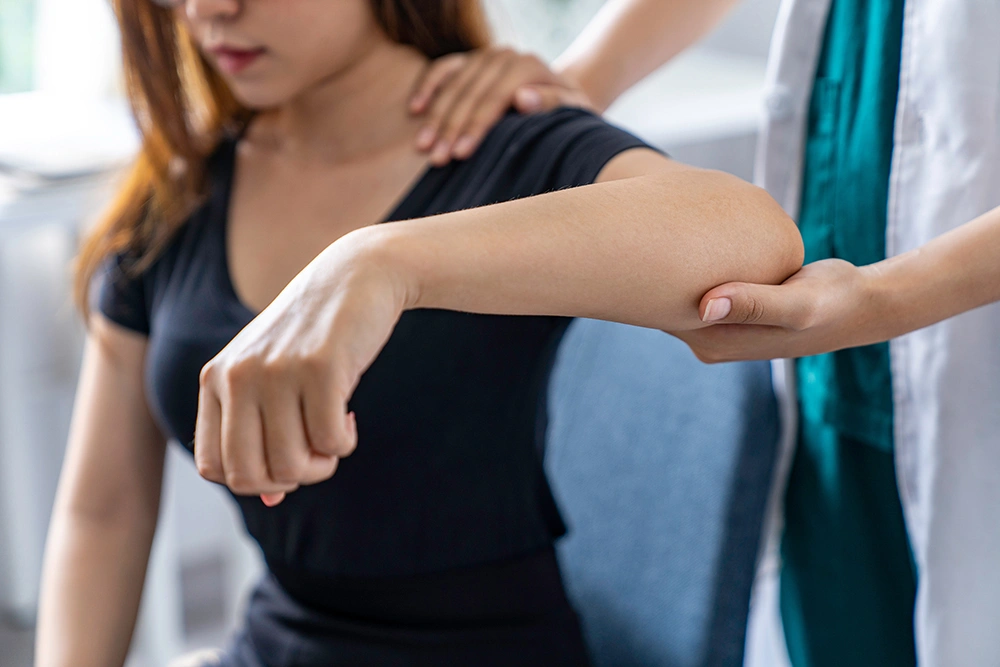
Woman in consultation with an elbow specialist and receiving medical assessment.

What Treatment Options Are Available for These Elbow Conditions?

Treatment for both tennis elbow and golfer’s elbow focuses on reducing tendon overload, improving healing, and restoring function. Most cases improve with non-surgical treatment.

  • Activity Modification and Load Management

    Reducing or modifying aggravating activities is often the first step in recovery. This may involve reducing repetitive gripping, lifting, or wrist movements that continue to strain the affected tendon.

    Small adjustments to sports technique, training volume, workstation setup, or lifting mechanics may also help reduce ongoing stress on the elbow.

  • Physiotherapy and Rehabilitation Exercises

    Physiotherapy plays an important role in recovery. Progressive strengthening and stretching exercises help improve tendon capacity, reduce overload, and restore forearm function.

    Rehabilitation may also address movement patterns or biomechanical factors contributing to repetitive strain.

  • Bracing and Symptom Support

    Counterforce braces or elbow straps may sometimes help reduce stress on the tendon during activity. While these supports do not treat the underlying condition, they may provide temporary symptom relief during recovery.

  • Điều trị bằng thuốc và tiêm

    Short-term anti-inflammatory medication may help reduce pain during flare-ups.

    For more persistent cases, injection therapy may sometimes be considered. Platelet-rich plasma (PRP) injections may also be discussed in selected patients when symptoms do not improve with standard conservative treatment.

  • Surgical Treatment for Persistent Cases

    Elbow surgery is rarely required but may be considered when symptoms continue for several months despite structured rehabilitation and significantly affect function.

    Depending on the condition, surgery may involve removing damaged tendon tissue and repairing or reattaching healthy tendons.

Hướng dẫn bạn đến sự phục hồi

Restore Ease of Elbow Movement With HC Orthopaedic Surgery

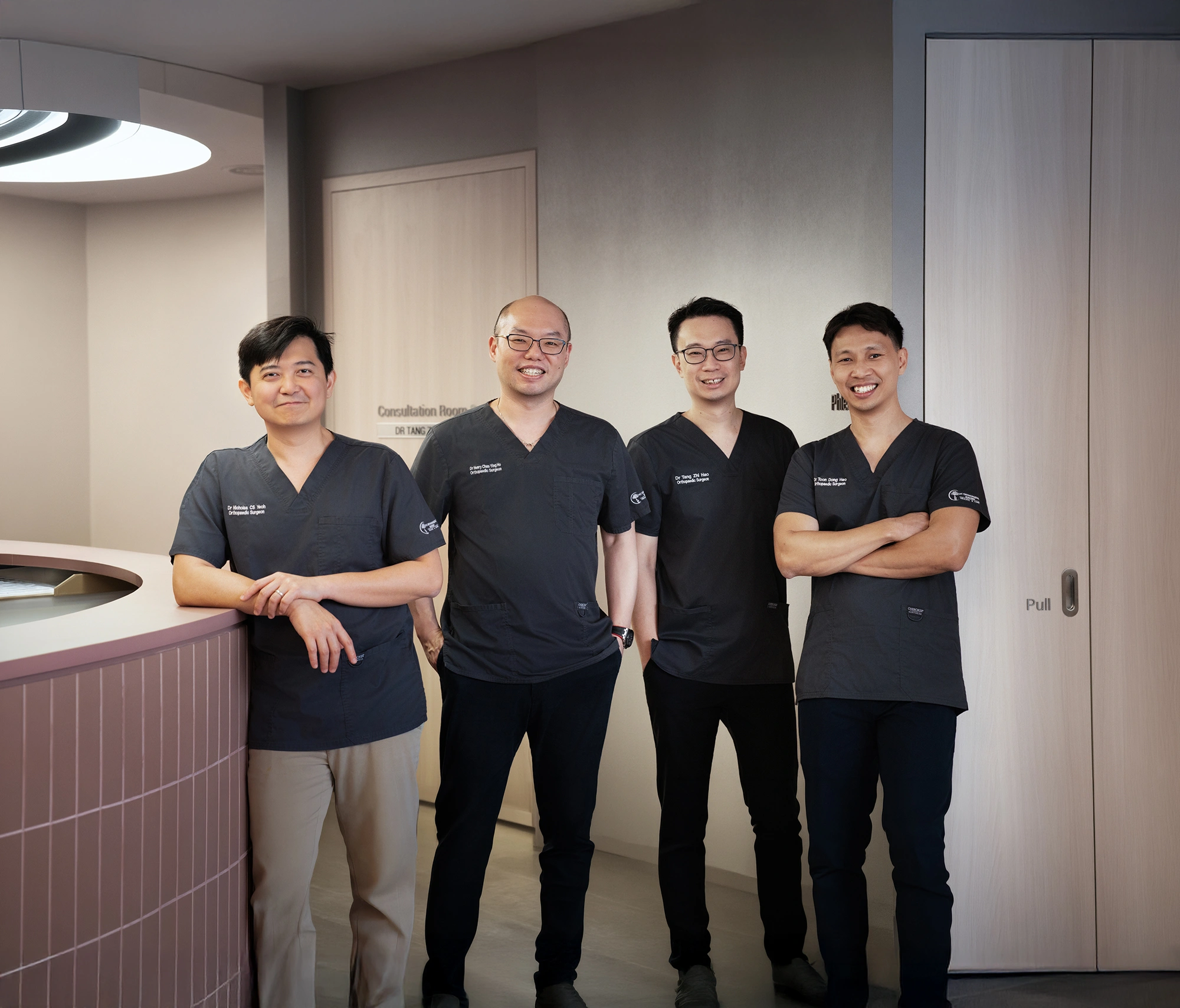
HC Orthopaedic Ảnh nhóm phẫu thuật
While some elbow discomfort after sports or exercise may settle with rest, ongoing pain should not be viewed as a normal part of staying active. Recognising these warning signs early and seeking timely assessment can help identify the underlying cause, support recovery and reduce the risk of longer term shoulder problems affecting both sport and everyday movement.
HC Orthopaedic Logo phẫu thuật

Đội ngũ chuyên gia của chúng tôi

At HC Orthopaedic Surgery in Singapore, patients are cared for by Dr Henry Chan, with Dr Toon Dong Hao providing expertise in elbow and upper limb conditions. The team also includes Dr Nicholas Yeoh and Dr Tang Zhi Hao, offering comprehensive orthopaedic care across a wide range of musculoskeletal injuries. If your elbow pain is persistent or affecting your daily activities, arrange a consultation for an assessment and take the next step towards restoring ease of movement and improving function. 

Giải đáp thắc mắc của bạn

Frequently Asked Questions (FAQs) Tennis Elbow and Golfer’s Elbow

Can you have both tennis elbow and golfer’s elbow?

Although less common, it is possible to develop pain on both the inner and outer parts of the elbow, particularly in people performing repetitive gripping or lifting activities.

Is tennis elbow only caused by tennis?

No. Tennis elbow commonly affects people who perform repetitive gripping or wrist extension movements, including office workers, gym-goers, and manual labourers.

Does golfer’s elbow affect non-golfers?

Yes. Golfer’s elbow can occur in anyone performing repetitive wrist flexion or gripping movements, including people involved in weight training, throwing sports, or manual work.

How long does it take to recover from elbow overuse injuries?

Mild cases may improve within several weeks with activity modification and rehabilitation. More persistent symptoms may require several months of recovery.
Các chuyên gia chỉnh hình của chúng tôi

Meet Our Elbow Specialists in Singapore

Nhóm của chúng tôi bao gồm Tiến sĩ Henry Chan, Dr Nicholas Yeoh , Dr Toon Dong Hao , Và Dr Tang Zhi Hao — Các bác sĩ phẫu thuật chỉnh hình giàu kinh nghiệm, có chuyên môn sâu rộng và luôn đặt bệnh nhân làm trung tâm trong quá trình chăm sóc.

Bác sĩ phẫu thuật chỉnh hình, Tiến sĩ Henry Chan

Tiến sĩ Henry Chan

Giám đốc Y khoa & Bác sĩ phẫu thuật chỉnh hình cao cấp

MBBS (Singapore), MRCS (Edinburgh), MMed (Phẫu thuật chỉnh hình), FRCS (Edinburgh)

Bác sĩ Henry Chan là một bác sĩ phẫu thuật chỉnh hình giàu kinh nghiệm, chuyên về thay khớp và phẫu thuật chỉnh sửa phức tạp. Được đào tạo tại Bệnh viện Helios Endo-Klinik danh tiếng ở Đức theo chương trình học bổng MOH HMDP, ông đã thực hiện hơn 1.000 ca thay khớp và chuyên về các kỹ thuật thay khớp có hỗ trợ máy tính và robot để đạt được kết quả chính xác.

Giới thiệu về Tiến sĩ Chan
Bác sĩ phẫu thuật chỉnh hình, Dr Nicholas Yeoh

Dr Nicholas Yeoh

Bác sĩ phẫu thuật chỉnh hình cao cấp

MBChB (Đại học Edinburgh), MRCS (Đại học Edinburgh), MMed (Phẫu thuật chỉnh hình), FRCS (Đại học Edinburgh)

Dr Nicholas Yeoh Là chuyên gia chỉnh hình được Bộ Y tế công nhận và là thành viên của Học viện Phẫu thuật Hoàng gia Edinburgh. Được đào tạo chuyên sâu về tái tạo khớp háng và khớp gối tại Sydney theo chương trình học bổng HMDP của Bộ Y tế, ông chuyên về thay khớp xâm lấn tối thiểu, phẫu thuật robot và các kỹ thuật tiên tiến giúp tăng cường phục hồi và kết quả phẫu thuật.

Giới thiệu về Tiến sĩ Yeoh
Bác sĩ phẫu thuật chỉnh hình, Dr Toon Dong Hao

Dr Toon Dong Hao

Bác sĩ phẫu thuật chỉnh hình cao cấp

MBChB (Leeds), MRCS (Edinburgh), MMed (Phẫu thuật chỉnh hình), FRCS (Edinburgh)

Dr Toon Dong Hao Là một bác sĩ phẫu thuật chỉnh hình tài giỏi và là thành viên của Học viện Phẫu thuật Hoàng gia Edinburgh. Được đào tạo chuyên sâu về Phẫu thuật Vai và Khuỷu tay tại Sydney theo chương trình học bổng MOH HMDP, Tiến sĩ Toon chuyên về chấn thương thể thao, phẫu thuật nội soi khớp và các thủ thuật phức tạp về vai, khuỷu tay và đầu gối để phục hồi chức năng và khả năng vận động.

Giới thiệu về Tiến sĩ Toon
Bác sĩ phẫu thuật chỉnh hình, Dr Tang Zhi Hao

Dr Tang Zhi Hao

Bác sĩ phẫu thuật chỉnh hình cao cấp

MBBS (Singapore), MRCS (Edinburgh), MMed (Phẫu thuật chỉnh hình), FRCS (Edinburgh)

Dr Tang Zhi Hao Là một bác sĩ phẫu thuật chỉnh hình được đào tạo chuyên sâu về các bệnh lý bàn chân và mắt cá chân. Ông đã hoàn thành chương trình đào tạo chuyên khoa Phẫu thuật Bàn chân và Mắt cá chân tại Bệnh viện Severance, Hệ thống Y tế Đại học Yonsei ở Seoul dưới sự hướng dẫn của Giáo sư Jin Woo Lee. Trước khi mở phòng khám tư nhân, ông từng là Bác sĩ tư vấn và Phó Trưởng khoa Chỉnh hình tại Bệnh viện Khoo Teck Puat.

Giới thiệu về Tiến sĩ Tang
HC Orthopaedic Logo phẫu thuật
Liên hệ với chúng tôi
Vui lòng liên hệ với phòng khám tương ứng qua các số điện thoại bên dưới.
Trung tâm Y tế Mount Elizabeth Orchard
Điện thoại: 6732 8848
Trung tâm chuyên khoa Mount Elizabeth Novena
Điện thoại: 6950 4828
Trung tâm Y tế Gleneagles
Điện thoại: 6265 1088
Trung tâm Y tế Parkway East
Điện thoại: 6786 1838
HC Orthopaedic Logo phẫu thuật
Liên hệ với bác sĩ của chúng tôi
Vui lòng liên hệ trực tiếp với các bác sĩ của chúng tôi qua WhatsApp bên dưới.
Bác sĩ phẫu thuật chỉnh hình, Tiến sĩ Henry Chan
Tiến sĩ Henry Chan
WhatsApp: 9755 5366
Bác sĩ phẫu thuật chỉnh hình, Dr Nicholas Yeoh
Dr Nicholas Yeoh
WhatsApp: 9723 0488
Bác sĩ phẫu thuật chỉnh hình, Dr Toon Dong Hao
Dr Toon Dong Hao
WhatsApp: 8035 8388
Bác sĩ phẫu thuật chỉnh hình, Dr Tang Zhi Hao
Dr Tang Zhi Hao
WhatsApp: 8972 2388