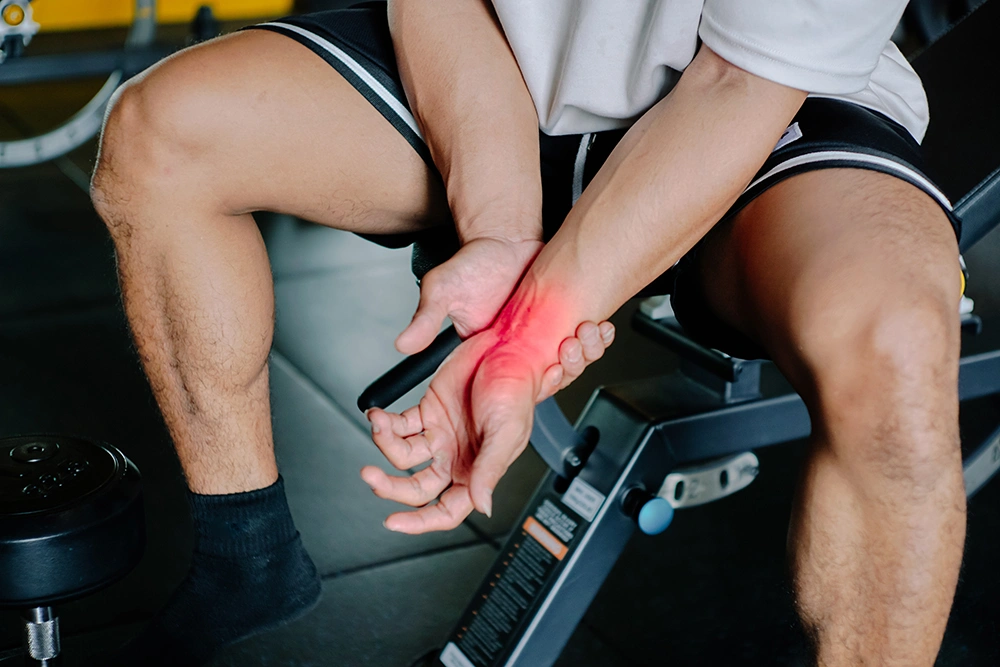
Dù là khó chịu khi đẩy tạ, căng đau khi squat trước, hay nhức đau cổ tay khi chống đẩy, handstand…, tình trạng đau cổ tay không phải hiếm gặp đối với người tập gym. Khi rèn luyện sức mạnh, cổ tay phải chịu áp lực rất lớn, đặc biệt là các động tác đẩy nặng, Olympic lift, hoặc tập calisthenics. Nếu tư thế chưa chuẩn, cổ tay kém linh hoạt, hoặc đột ngột tăng mức độ tập, cổ tay càng dễ bị tổn thương, đau nhức, yếu đi và hiệu quả luyện tập giảm rõ rệt theo thời gian.
Nhiều người tập lâu năm có thể chỉ thấy một chút nhói nhẹ lúc trả tạ hoặc đau âm ỉ sau ngày kéo. Nhưng nếu không xử trí, đau cổ tay có thể làm bạn không còn thoải mái khi tập những động tác cơ bản và cuối cùng buộc phải giảm hoặc nghỉ luyện tập. Hiểu nguyên nhân từ sớm giúp phòng biến chứng nặng và nhanh chóng trở lại tập luyện an toàn.
Điểm cần nhớ
- Đau khi nâng tạ chủ yếu là do động tác bóp, cầm lặp lại và cổ tay bị bẻ quá mức
- Đau bên ngón cái có thể là dấu hiệu viêm gân De Quervain
- Tê hay ngứa râm ran thường liên quan hội chứng ống cổ tay
- Kêu lục cục và đau bên ngón út là dấu hiệu tổn thương TFCC
- Đau khi chống đẩy hoặc đẩy tạ thường do kẹt gân cổ tay
- Điều trị sớm, điều chỉnh kỹ thuật tập sẽ giúp tránh biến chứng mãn tính cổ tay
Vì sao cổ tay lại dễ tổn thương khi tập gym?
Đau cổ tay khi tập sức mạnh thường do gân, dây chằng, sụn hoặc dây thần kinh quanh cổ tay bị quá tải lặp lại trong thời gian dài. Đây là dạng chấn thương thể thao do quá sức, tiến triển âm thầm chứ không phải do chấn thương đột ngột.
Bài tập đòi hỏi lực bóp, cổ tay bị nghiêng, xoay mạnh, hoặc nâng đỡ cơ thể, khiến cổ tay chịu nhiều áp lực: Bench press, front squat, Olympic lift, tập kettlebell, chống đẩy, handstand… Đặc biệt cổ tay càng căng nếu thao tác chưa chuẩn, kém linh hoạt, hoặc nghỉ ngơi chưa đủ.
So với khớp lớn khác, cổ tay chịu đựng nhắc lại tải trọng cao rất hạn chế. Chỉ cần kiểm soát động tác kém, tập lặp lại nhiều hoặc tăng cường độ đột ngột là dễ bị viêm gân, đau dây chằng, tổn thương sụn hoặc dây thần kinh.
Các nguyên nhân phổ biến gây đau cổ tay khi tập gym là gì?
Đau cổ tay khi tập có thể do nhiều lý do khác nhau. Có khi là do quá tải lâu ngày, lúc lại do tư thế sai hoặc động tác đột ngột.
Viêm gân De Quervain
Viêm gân De Quervain (gọi là hội chứng cổ tay mẹ bỉm sữa) gây tổn thương phần gân phía ngón cái. Động tác bóp, nhấc hoặc giữ cổ tay lặp lại dễ làm viêm gân.
Triệu chứng thường gặp:
- Đau bên phía ngón cái của cổ tay
- Đau khi ấn vào gốc ngón cái
- Đau lúc bóp vật nặng hay xoay vặn cổ tay
Hội chứng ống cổ tay
Hội chứng ống cổ tay xảy ra khi dây thần kinh giữa bị chèn ép tại cổ tay.
Biểu hiện bao gồm:
- Tê hoặc ngứa đầu ngón cái/ trỏ/ giữa
- Bỏng rát ở bàn tay
- Cầm nắm yếu
- Khó giữ đồ chắc chắn
Viêm gân cổ tay
Viêm gân cổ tay do các gân bị căng và kích thích bởi động tác lặp đi lặp lại.
Triệu chứng:
- Đau nhức khi tập hoặc sau tập
- Cứng cổ tay sau khi tập
- Đau khi bóp hoặc nâng đồ
- Kém chịu đựng các động tác đẩy/kéo
Tổn thương TFCC
Nhóm sụn tam giác (TFCC) giúp ổn định cổ tay phía ngón út.
TFCC dễ tổn thương khi xoay mạnh hoặc nâng vật nặng như deadlift, tập kettlebell.
Triệu chứng phổ biến:
- Đau phía ngón út cổ tay
- Cảm giác lục cục, vướng khớp
- Yếu lực khi bóp
- Đau khi xoay cổ tay
Kẹt gân và mô mềm khi duỗi cổ tay
Tình trạng kẹt mô mềm xảy ra khi cổ tay duỗi lập đi lặp lại nhiều lần.
Chống đẩy, bench press, handstand thường làm nặng thêm hiện tượng này.
Nhận biết tình trạng qua:
- Đau phía lưng cổ tay
- Đau khi thực hiện các động tác đẩy
- Khó chịu khi duỗi ngửa cổ tay
Dấu hiệu nào cảnh báo chấn thương cổ tay nghiêm trọng?
Không phải mọi cơn đau đều chỉ là đau cơ bình thường—có những triệu chứng báo động cần đi khám ngay.
Đau kéo dài khi tập hay sau tập
Nếu đau dai dẳng quá thời gian phục hồi, hoặc cứ lặp lại khi tập các động tác đẩy/kéo, có thể là viêm/tổn thương gân, dây chằng hay sụn.
Giảm lực bóp nắm khi tập
Khó giữ chặt tạ, thanh xà, hoặc dụng cụ — báo hiệu gân bị quá tải, thần kinh bị chèn ép hoặc cấu trúc cổ tay có vấn đề.
Sưng hoặc ấn đau tại cổ tay sau tập
Sưng hoặc nhạy cảm quanh khớp sau tập có thể là viêm/ tổn thương mô mềm do quá tải.
Kêu răng rắc hoặc cảm giác lỏng cổ tay lúc vận động
Tiếng kêu hay khớp lỏng khi xoay/ chịu lực có thể do tổn thương sụn hay dây chằng (ví dụ TFCC).
Đau cổ tay ảnh hưởng sinh hoạt hàng ngày
Nếu đau cổ tay ảnh hưởng đến việc gõ phím, xách đồ, mở cửa, thậm chí các động tác nhẹ ngoài phòng gym, tình trạng đã tiến triển không còn là đau tập luyện đơn thuần.

Có những cách điều trị đau cổ tay nào cho người chơi thể thao?
Cả hai tình trạng thường được chẩn đoán dựa trên khám lâm sàng và hỏi kỹ tiền sử. Chuyên gia sẽ kiểm tra vị trí đau, sức bóp, mức độ linh hoạt, và có thể chỉ định siêu âm hoặc MRI nếu có nghi ngờ tổn thương sâu hơn.
Thay đổi thói quen tập để giảm áp lực lên cổ tay
Cắt giảm hoặc tạm ngưng các bài tập gây đau giúp mô lành hơn. Có thể thử đổi tư thế cầm, giảm mức nặng hoặc chuyển sang bài tập không đau.
Tập hồi phục để lấy lại chức năng cổ tay
Quy trình tập phục hồi bài bản sẽ giúp củng cố cơ – gân cổ tay lẫn cẳng tay, tăng dân sức bền của gân trước khi trở lại tập nặng.
Sử dụng bảo hộ cổ tay
Nẹp hoặc cuốn băng cổ tay giúp giảm tải khi vận động nhẹ mà vẫn bảo tồn chức năng.
Dùng thuốc/tiêm điều trị
Kháng viêm ngắn hạn sẽ giảm khó chịu giai đoạn đầu, một số trường hợp kéo dài có thể cân nhắc tiêm giảm viêm hỗ trợ hồi phục.
Can thiệp phẫu thuật
Phẫu thuật chỉ thực hiện nếu điều trị bảo tồn thất bại, thường để sửa gân, dây chằng hoặc chỉnh lại cấu trúc cổ tay.
Hồi phục cổ tay khỏe, vận động bền lâu
Hồi phục cổ tay khỏe, vận động bền lâu

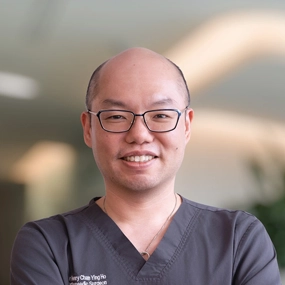
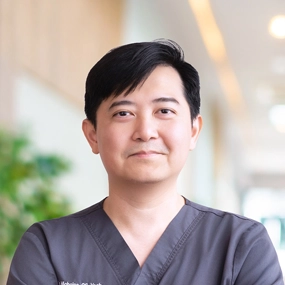
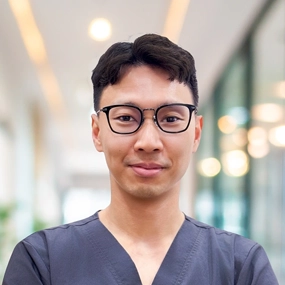
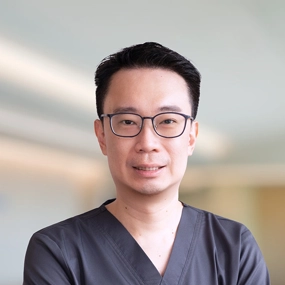
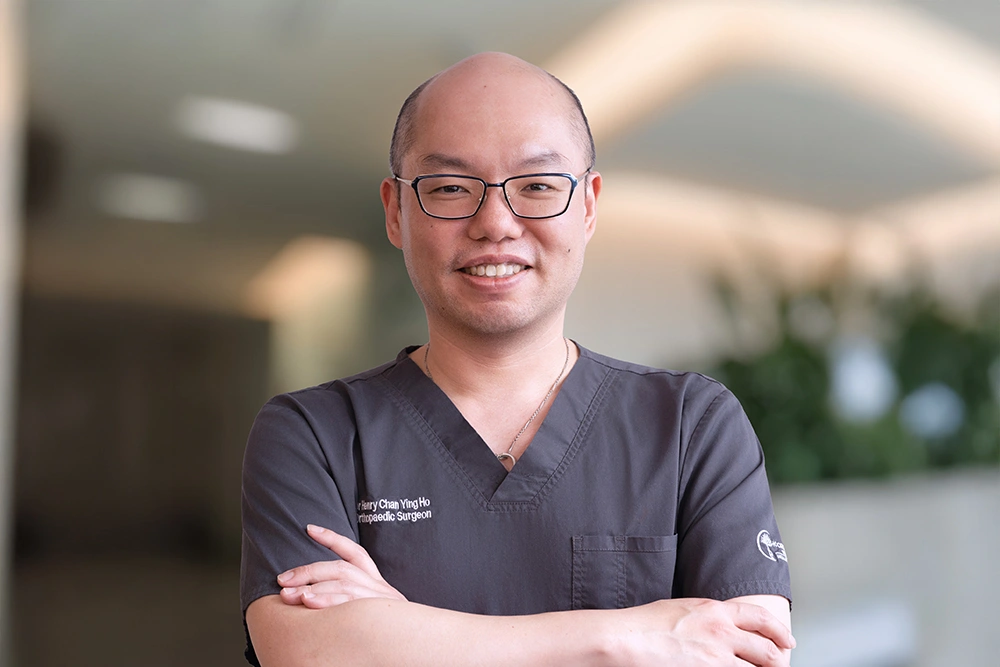
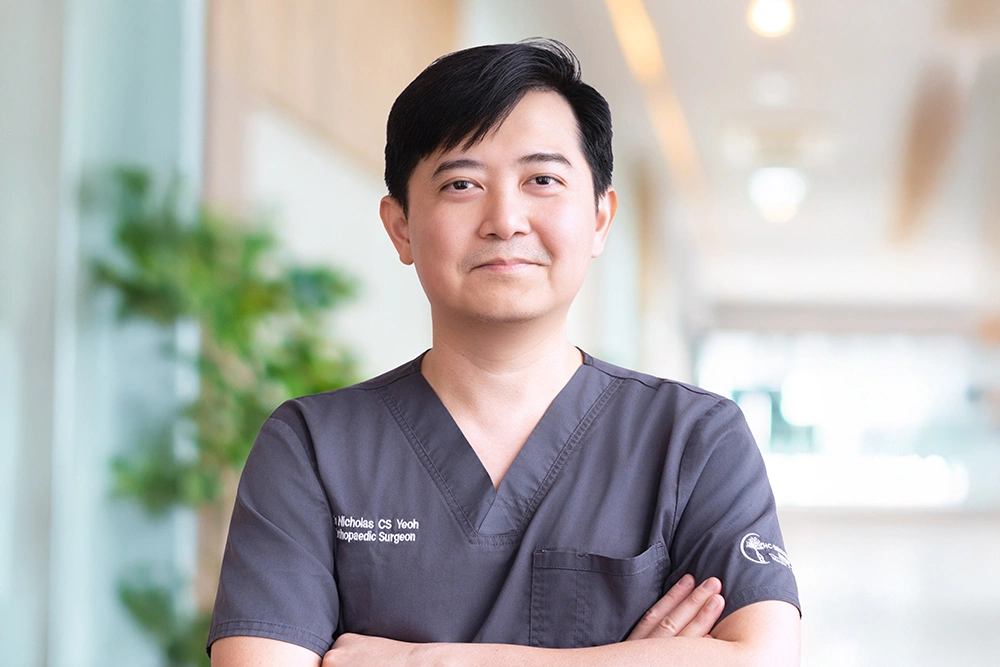
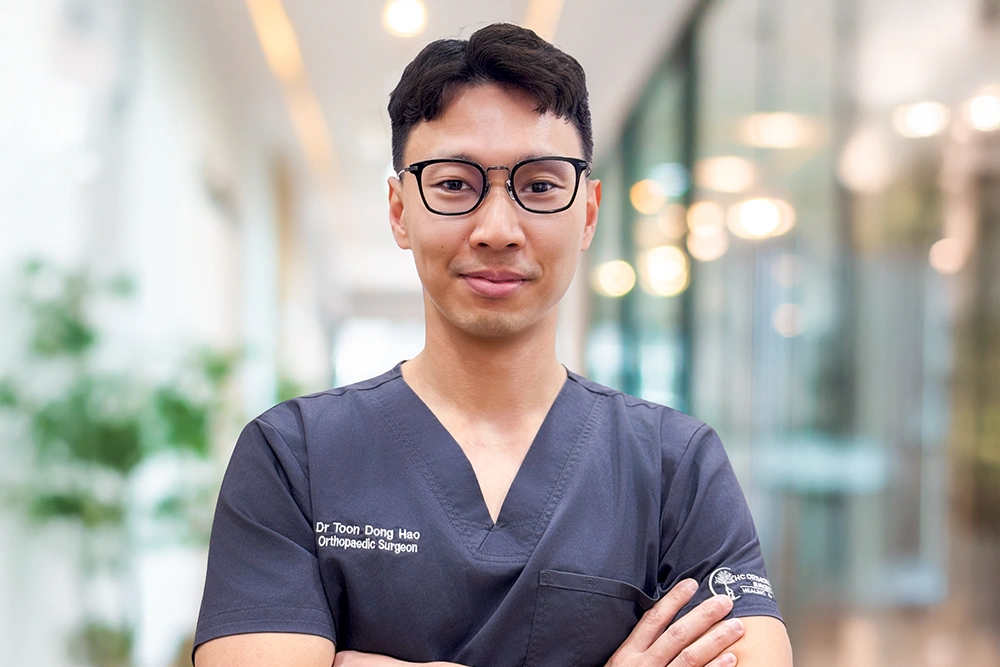
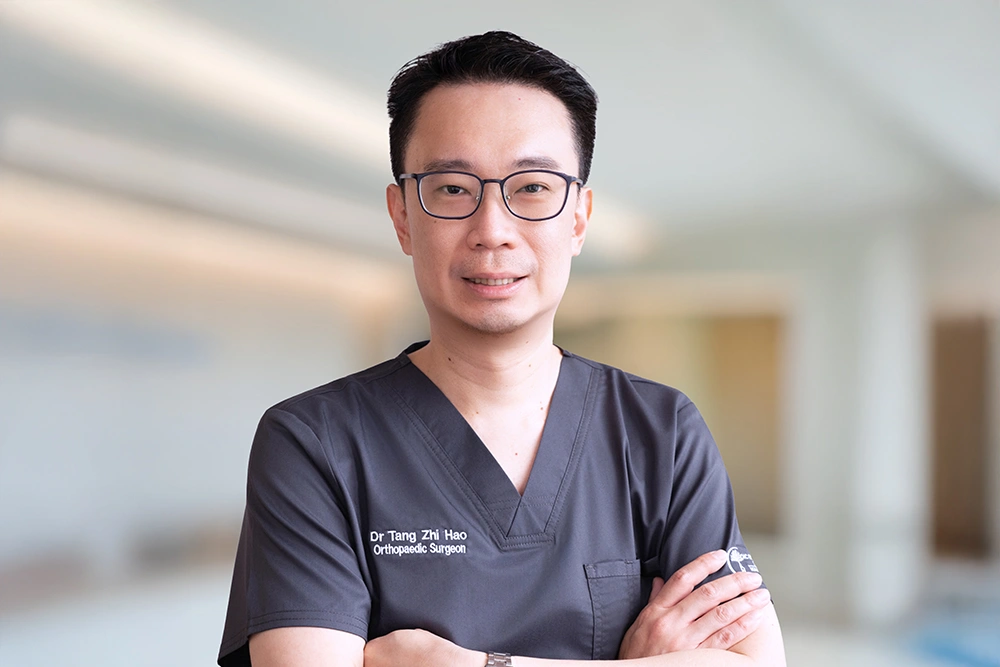
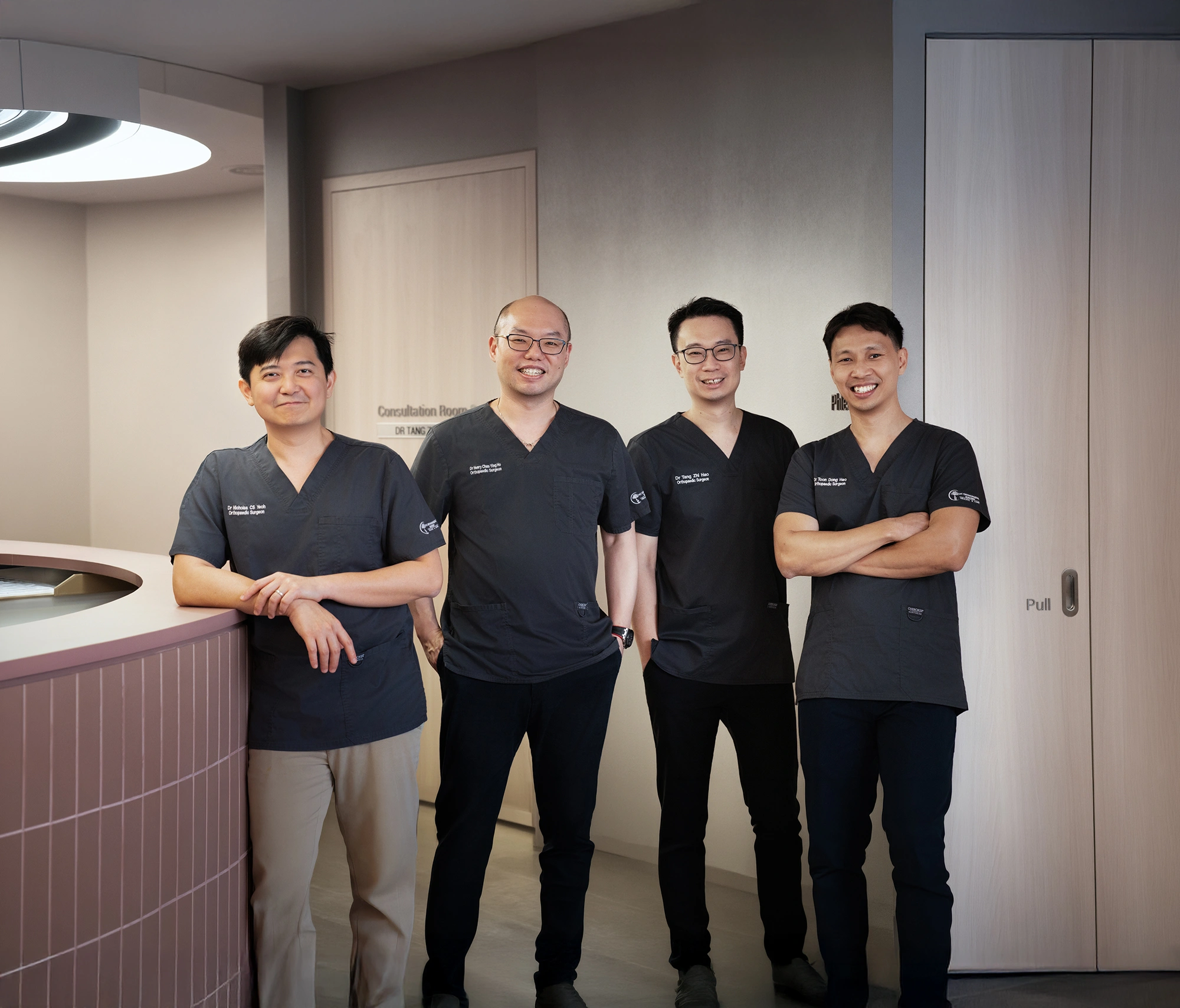
Tại Trung tâm Chấn thương chỉnh hình HC Singapore, bạn được chăm sóc bởi Bs Dr Henry Chan cùng đội ngũ chuyên khoa giàu kinh nghiệm gồm Dr Nicholas Yeoh, Dr Toon Dong Hao và Dr Tang Zhi Hao. Dù phục hồi bảo tồn hay phẫu thuật nâng cao, mọi phương án đều được cá nhân hóa giúp phục hồi chức năng, giảm đau và sớm trở lại luyện tập – sinh hoạt. Nếu bạn bị đau cổ tay ảnh hưởng tập luyện hoặc hoạt động hàng ngày, hãy đặt lịch tư vấn với chuyên gia để nhận phác đồ phù hợp nhất.
Hỏi đáp về đau cổ tay khi tập gym
Có nên dừng tập tạ nếu bị đau cổ tay?
Tại sao chống đẩy lại làm đau cổ tay?
Băng cổ tay có thực sự hữu ích?
Đau cổ tay có thành mãn tính nếu không xử lý?
Gặp chuyên gia cổ tay hàng đầu Singapore
Dr Henry Chan
Giám đốc Y khoa & Bác sĩ tư vấn cấp cao Bác sĩ phẫu thuật chỉnh hình
MBBS (S’pore), MRCS (Edinburgh), MMed (Orthopaedic Surgery), FRCS (Edinburgh)
Dr Nicholas Yeoh
Bác sĩ phẫu thuật chỉnh hình cố vấn cấp cao
MBChB (Edinburgh), MRCS (Edinburgh), MMed (Orthopaedic Surgery), FRCS (Edinburgh)
Dr Toon Dong Hao
Bác sĩ phẫu thuật chỉnh hình cố vấn cấp cao
MBChB (Leeds), MRCS (Edinburgh), MMed (Orthopaedic Surgery), FRCS (Edinburgh)
Dr Tang Zhi Hao
Bác sĩ phẫu thuật chỉnh hình cố vấn cấp cao
MBBS (S’pore), MRCS (Edinburgh), MMed (Orthopaedic Surgery), FRCS (Edinburgh)