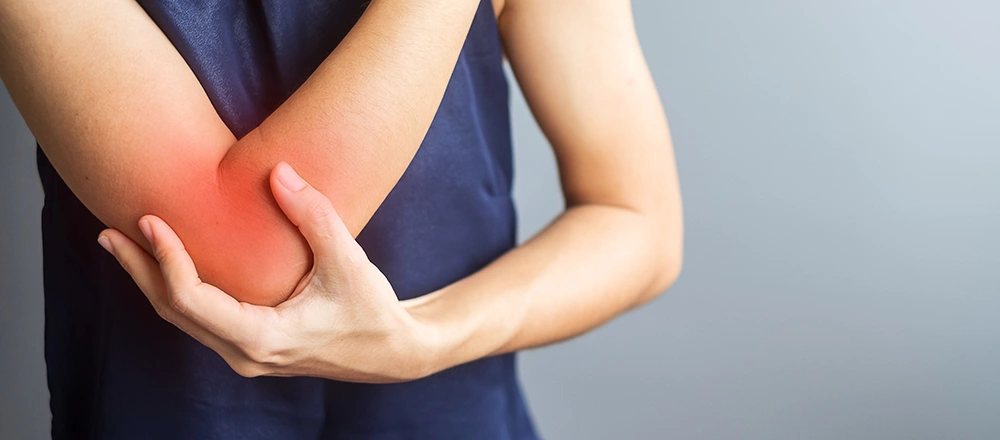
Sinh hoạt hàng ngày thường khiến tay và cánh tay làm việc liên tục mà ta không ngẫm nghĩ nhiều. Việc như ngồi gõ máy tính, mang vác đồ đạc hay chơi thể thao đều đặt áp lực dài hạn lên nhóm cơ và gân vùng cẳng tay. Thông thường, cơ thể sẽ thích nghi tốt, hiếm xuất hiện vấn đề. Tuy nhiên, nếu lặp lại động tác giống nhau trong thời gian dài, các vùng gân quanh khuỷu có thể dần bị quá tải, dẫn tới tình trạng tennis elbow.
Một số người có thể thấy lực bóp giảm nhẹ khi nâng vật, hoặc khó chịu khi xoay nắm cửa hay bắt tay. Các thay đổi ban đầu này thường khó nhận ra nhưng thực ra là dấu hiệu cho thấy gân đang bị tăng tải. Tin vui là nếu biết chủ động điều chỉnh và xây dựng thói quen tốt, nguy cơ mắc bệnh có thể giảm rõ rệt.
Tìm hiểu các yếu tố dễ gây áp lực lên khuỷu tay
Tennis elbow xuất hiện khi gân kết nối cơ vùng cẳng tay đến mặt ngoài khuỷu bị lặp lại áp lực quá mức. Điển hình do động tác bóp, nâng hoặc vặn liên tục gây áp lực thường xuyên lên một chỗ. Công việc như dùng chuột máy tính, cầm dụng cụ hay các động tác thủ công lặp đi lặp lại cũng đóng góp nhiều vào mòn gân lâu ngày. Trong thể thao, kỹ thuật chưa chuẩn hoặc tăng cường độ tập đột ngột cũng làm cẳng tay chịu tải lớn hơn. Dần dần, các vi tổn thương có thể xuất hiện trong gân, gây đau và giảm chức năng.
Rèn luyện thói quen vận động khoa học trong sinh hoạt thường ngày
Một trong những cách hiệu quả để hạn chế rủi ro là từng bước điều chỉnh tư thế, thao tác trong mọi hoạt động hằng ngày. Các thay đổi nhỏ này giúp phân bổ lực đều hơn và tránh stress không cần thiết.
Áp dụng kỹ thuật chuẩn xác khi thực hiện động tác lặp đi lặp lại
Dù ngồi gõ máy tính hay bê đồ, hãy giữ cổ tay trung tính để giảm căng thẳng lên cẳng tay. Đồng thời hạn chế siết quá chặt, giúp bớt áp lực lên vị trí gân bám.
Bố trí góc làm việc hợp lý theo nguyên tắc công thái học
Làm việc ở vị trí phù hợp rất quan trọng. Đặt bàn phím ngang tầm khuỷu tay, ngồi ghế có tựa lưng tốt và để chuột trong tầm với giúp hạn chế phải duỗi tay quá mức.
Chủ động nghỉ ngắn định kỳ giữa các thao tác lặp lại
Những khoảng nghỉ nhỏ xen kẽ trong ngày giúp cơ và gân có thời gian phục hồi. Dù chỉ nghỉ vài phút cũng giảm tích tụ áp lực lên khuỷu tay.
Cách tăng cường và bảo vệ nhóm cơ vùng cẳng tay
Luyện tập cho nhóm cơ quanh khuỷu tay sẽ giúp chịu tải tốt hơn, từ đó giảm nguy cơ chấn thương do sử dụng quá mức. Hãy luôn tiến hành tập luyện từ từ, tăng tải nhẹ nhàng.
Bổ sung các bài tập tay nhẹ nhàng vào thói quen luyện tập
Các bài tập nhẹ như gập cổ tay hoặc bóp bóng hỗ trợ tăng sức bền cẳng tay. Tập từ cường độ thấp, kiểm soát chuyển động chậm và chắc.
Tăng độ linh hoạt cho cổ tay và cánh tay
Kéo giãn nhóm cơ duỗi, gập cổ tay sẽ giúp tay dẻo dai, linh hoạt hơn, giảm cứng và khó chịu. Tổ chức mềm linh hoạt có khả năng chịu lặp lại động tác cao mà không bị kích ứng.
Tránh tăng sức tập hoặc tải đột ngột
Kể cả khi luyện tập tại phòng gym hay chơi thể thao, không nên tăng cường độ tập/khối lượng ngay lập tức. Hãy để cơ thể thích nghi từng chút một.
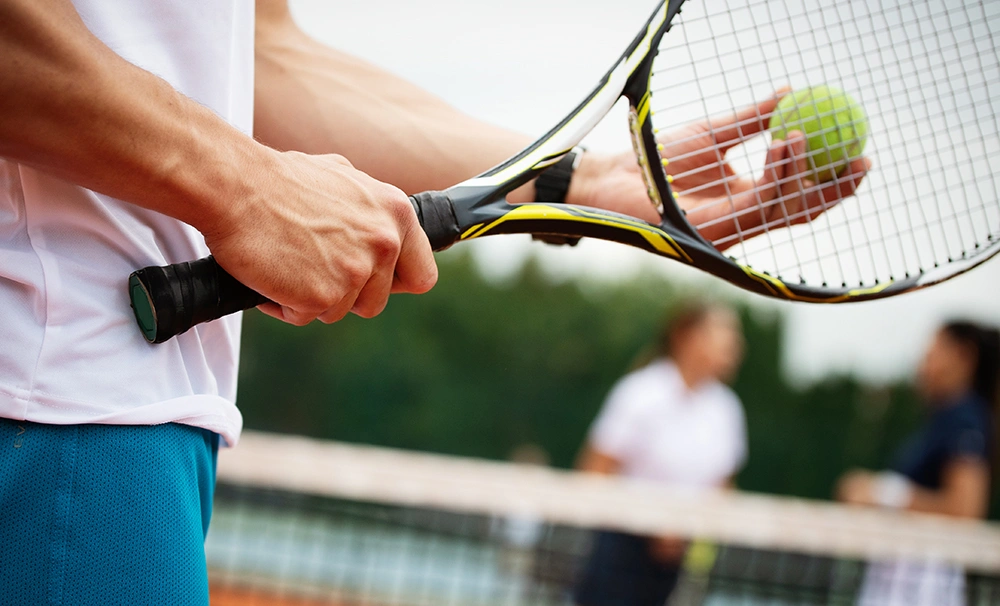
Giải pháp tránh sử dụng quá mức khi chơi thể thao và luyện tập
Các môn thể thao cần siết hoặc lặp lại động tác tay như tennis, cầu lông hay nâng tạ đều tiềm ẩn nguy cơ nếu động tác sai hoặc không có thời gian hồi phục hợp lý.
Chú trọng kỹ thuật đúng và tư thế chuẩn khi vận động
Thói quen thực hiện động tác đúng giúp tránh tạo sức ép không cần thiết lên khuỷu, đặc biệt là khi chơi các môn vợt nên dùng đúng kích cỡ cán, điều chỉnh cách vung vợt phù hợp.
Trang bị dụng cụ hỗ trợ phù hợp khi vận động
Dùng vợt vừa tay, tay cầm thiết kế công thái học hoặc băng quấn hỗ trợ giúp phân bổ lực đều, giảm tập trung áp lực lên vùng bám gân.
Sắp xếp thời gian nghỉ hồi phục hợp lý giữa các buổi tập
Những ngày nghỉ xen kẽ rất cần thiết cho gân phục hồi. Nếu luyện tập liên tục, không nghỉ sẽ dễ khiến gân bị kích ứng và tổn thương dần.
Khi nào nên gặp bác sĩ nếu đau khuỷu tay
Nếu chỉ hơi đau nhẹ, có thể nghỉ ngơi và theo dõi. Nhưng nếu tình trạng dai dẳng hoặc nặng hơn, nên đi khám bác sĩ chuyên khoa khuỷu tay—nhất là khi đau ảnh hưởng sinh hoạt hoặc giảm lực tay.
Khám sớm giúp chẩn đoán chính xác, điều trị đúng lúc. Tùy mức độ, có thể cần vật lý trị liệu, đeo nẹp hoặc các biện pháp không phẫu thuật khác để hỗ trợ phục hồi, ngăn bệnh tiến triển. Với trường hợp gân tổn thương nặng hoặc triệu chứng kéo dài, phẫu thuật khuỷu tay cũng có thể được tính đến theo từng cá nhân.
Duy trì sức khỏe khuỷu tay cho hoạt động lâu dài
Duy trì sức khỏe khuỷu tay cho hoạt động lâu dài

Đội ngũ bác sĩ chuyên môn
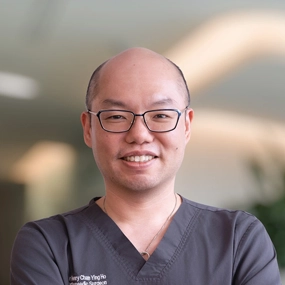
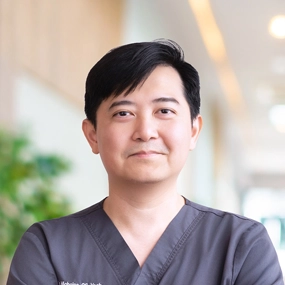
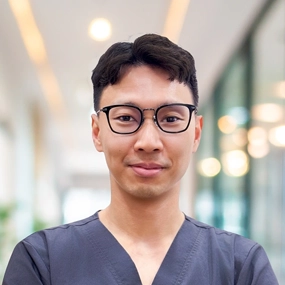
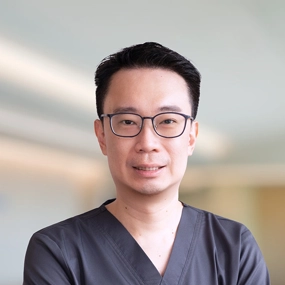
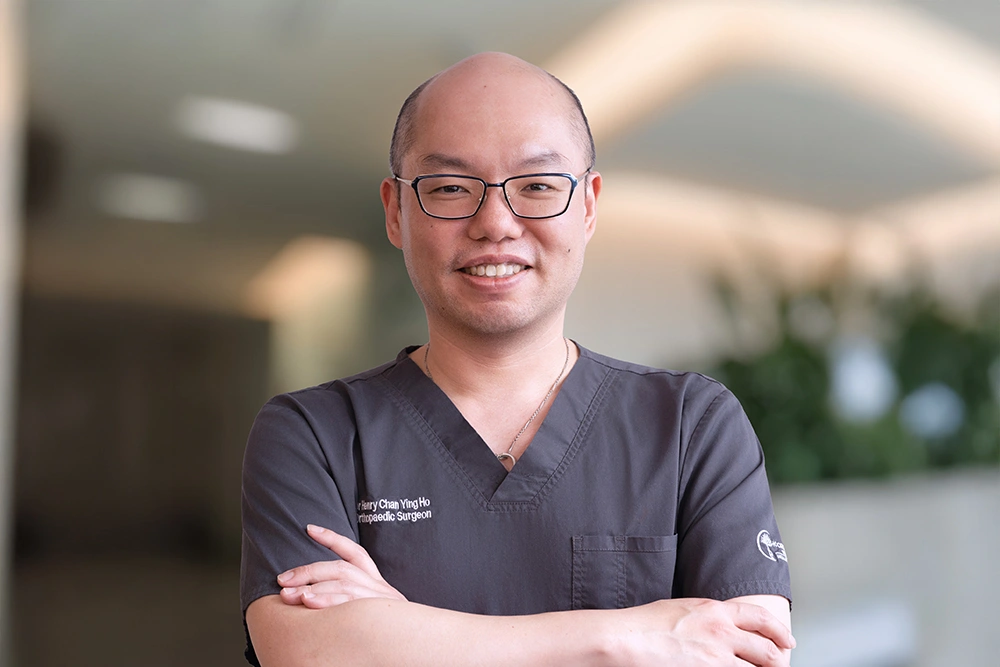
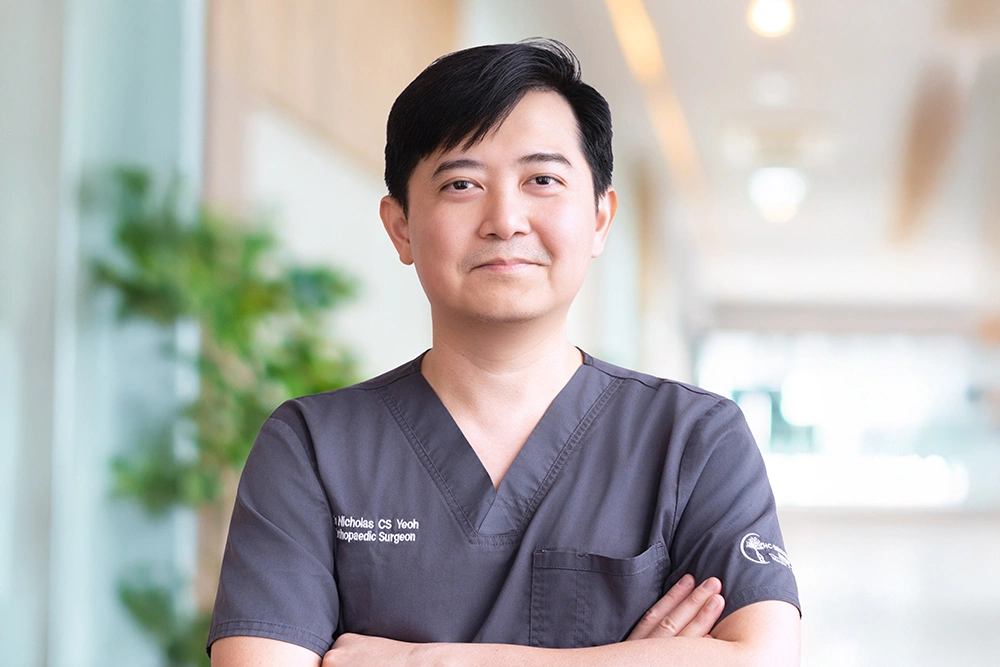
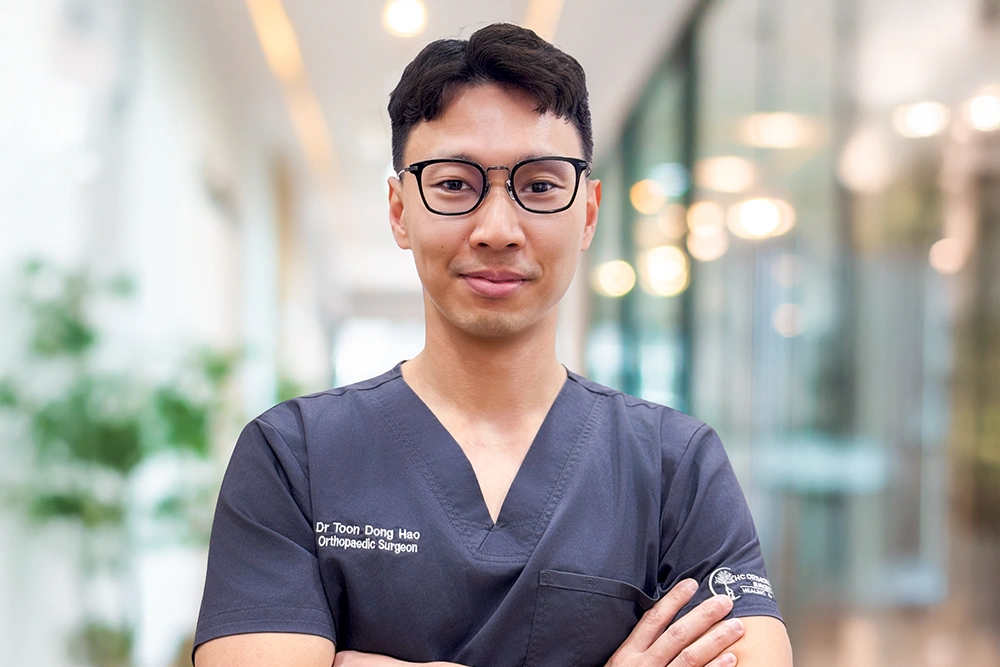
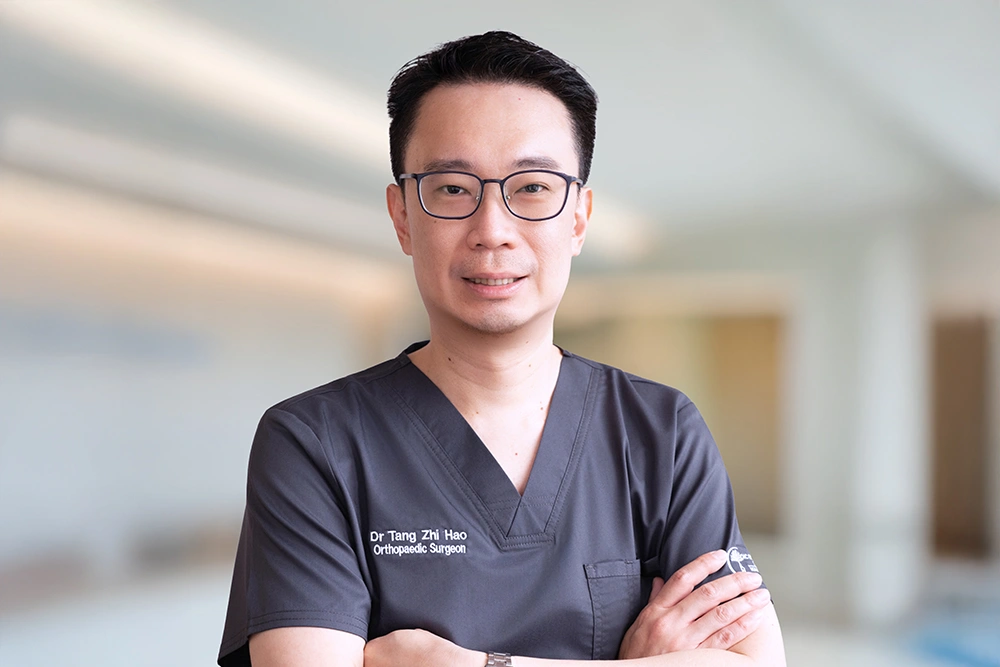
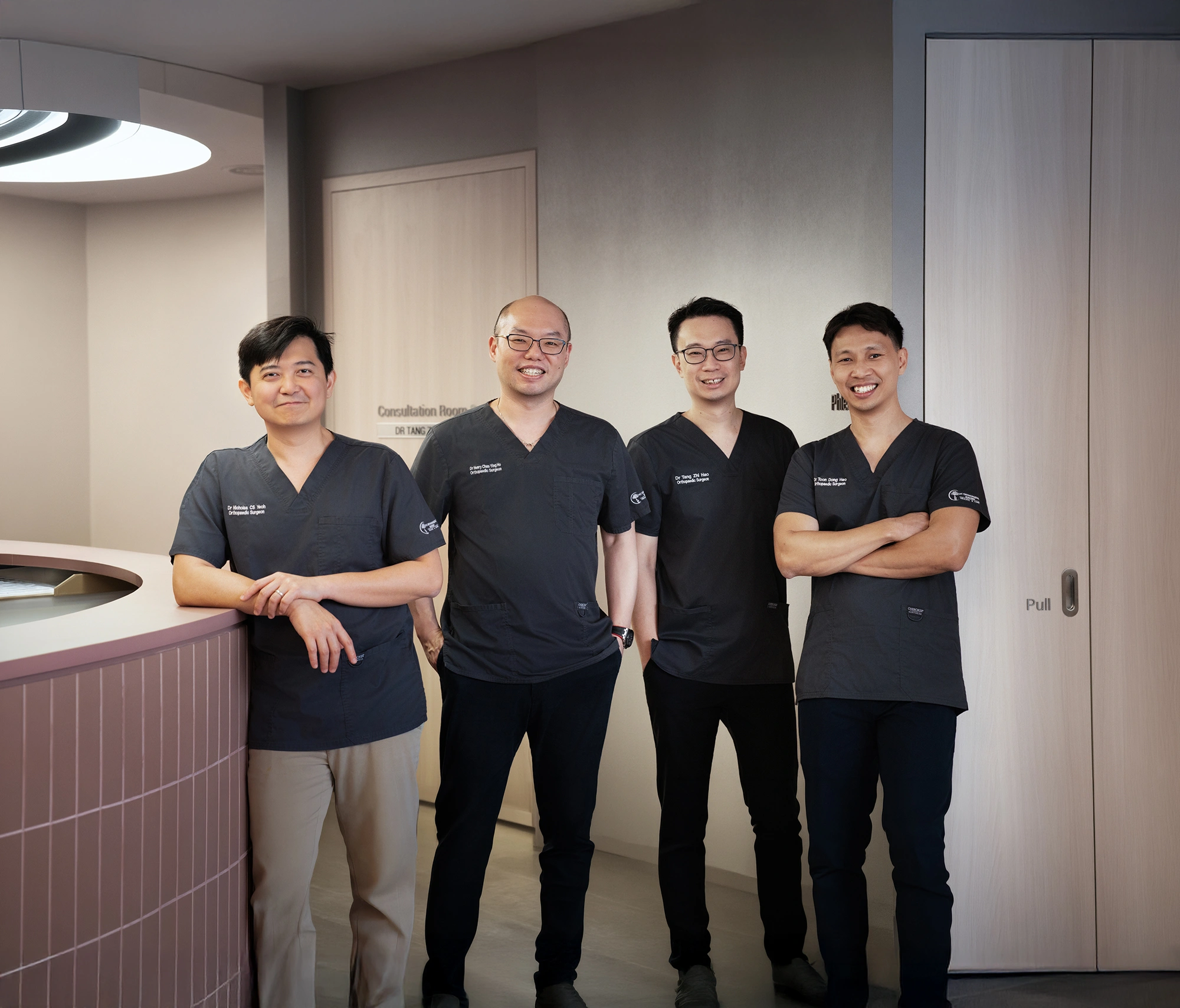
Tại HC Orthopaedic Surgery, Dr Toon Dong Hao là chuyên gia khuỷu tay. Đội ngũ còn có Dr Henry Chan, Dr Nicholas Yeoh và Dr Tang Zhi Hao—tất cả đều có nhiều kinh nghiệm về chấn thương thể thao và các bệnh lý do sử dụng quá mức. Từ các phương pháp bảo tồn đến phẫu thuật, chúng tôi luôn xây dựng lộ trình cá nhân hóa giúp bạn sớm phục hồi và trở lại vận động an toàn. Nếu đau khuỷu tay ảnh hưởng sinh hoạt hoặc thành tích thể thao, liên hệ để được tư vấn cùng chuyên gia của chúng tôi.
Gặp gỡ đội ngũ bác sĩ chuyên khoa khuỷu tay tại Singapore
Dr Henry Chan
Giám đốc Y khoa & Bác sĩ tư vấn cấp cao Bác sĩ phẫu thuật chỉnh hình
MBBS (S’pore), MRCS (Edinburgh), MMed (Orthopaedic Surgery), FRCS (Edinburgh)
Dr Nicholas Yeoh
Bác sĩ phẫu thuật chỉnh hình cố vấn cấp cao
MBChB (Edinburgh), MRCS (Edinburgh), MMed (Orthopaedic Surgery), FRCS (Edinburgh)
Dr Toon Dong Hao
Bác sĩ phẫu thuật chỉnh hình cố vấn cấp cao
MBChB (Leeds), MRCS (Edinburgh), MMed (Orthopaedic Surgery), FRCS (Edinburgh)
Dr Tang Zhi Hao
Bác sĩ phẫu thuật chỉnh hình cố vấn cấp cao
MBBS (S’pore), MRCS (Edinburgh), MMed (Orthopaedic Surgery), FRCS (Edinburgh)