


Bạn đang lần đầu chuẩn bị cho HYROX, hay trở lại thi đấu nhưng bắt đầu gặp vấn đề căng cứng hoặc tái phát chấn thương khi tập luyện? HYROX là sự kiện kết hợp thể lực và sức bền cực kỳ khắt khe—luôn thử thách toàn thân với chạy bộ và loạt bài tập chức năng cường độ cao. Dạng thi này tuy hấp dẫn nhưng dễ khiến vận động viên gặp chấn thương do tập quá mức nếu không lên kế hoạch hợp lý. Luyện tập khoa học giúp bạn cải thiện thành tích đồng thời giảm rủi ro gián đoạn vì chấn thương.
Tóm lược chính
- HYROX kết hợp chạy bền cùng các động tác chức năng mạnh, dễ dẫn đến chấn thương sử dụng quá mức
- Các chấn thương HYROX phổ biến: đau vai, bệnh gân bánh chè, lưng dưới quá tải, gân Achilles kích ứng
- Tăng độ nặng hoặc khối lượng tập đột ngột là nguyên nhân chính gây chấn thương
- Quan trọng chú trọng phục hồi, kỹ thuật chuyển động và tiến triển dần dần khi tập
- Luôn để ý các cơn đau kéo dài hoặc triệu chứng lặp lại khi luyện tập
Vì sao HYROX có tính thử thách thể lực cao?
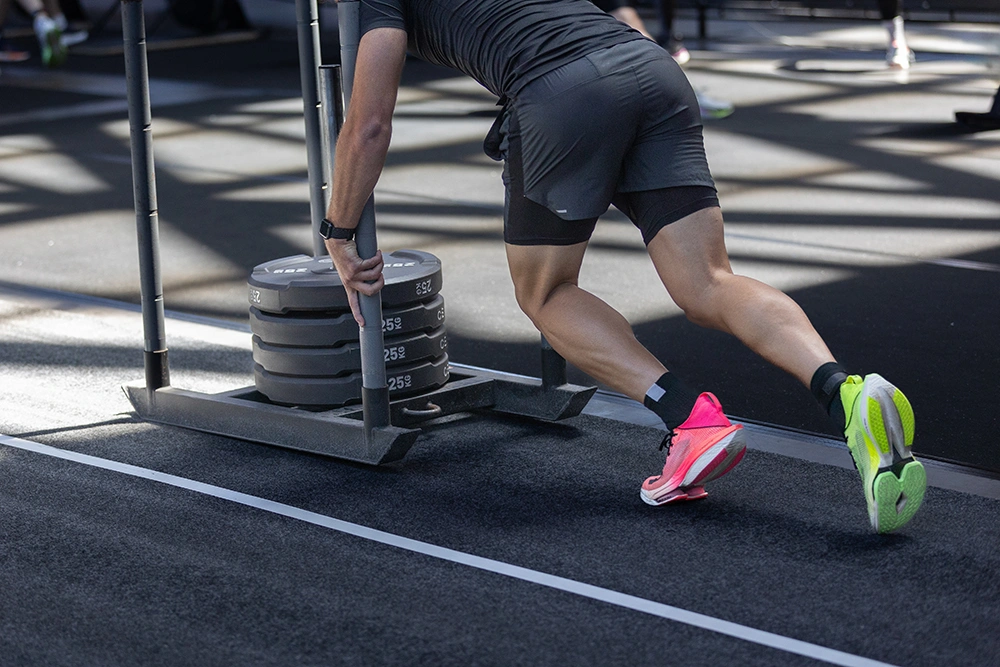
HYROX là môn phối hợp thể lực–sức mạnh, gồm nhiều lần chạy bộ cùng các trạm bài tập như đẩy/kéo xe trượt băng, chèo thuyền, burpee broad jump, bóng tường và farmer’s walk.
Khác các bài tập thể lực hay cardio thông thường, HYROX bắt buộc vận động viên liên tục trộn lẫn giữa endurance và power khi đã mỏi cơ—tạo sức ép kéo dài lên nhiều nhóm cơ-xương khớp suốt quá trình tập luyện–thi bài.
Khi càng tập luyện và cơ bắp mỏi, kỹ thuật động tác dễ sa sút, gây căng thẳng lớn cho vai, đầu gối, cột sống thắt lưng, bắp chân, gân Achilles. Không chú trọng phục hồi hoặc nâng mức tập từ từ thì nguy cơ chấn thương càng cao.
Những chấn thương HYROX thường gặp nhất là gì?
Tập HYROX mang tính lặp lại, khối lượng lớn nên một số dạng chấn thương rất phổ biến—đặc biệt khi tăng khối lượng quá nhanh.
Căng đau vai và tay trên
Bài tập bóng tường, chèo thuyền, đẩy xe kéo dễ gây stress lặp lại lên vai—nhất là những đợt tập cường độ cao. Lâu ngày có thể dẫn đến viêm gân chóp xoay, hội chứng chèn ép vai hoặc đau vai do động tác qua đầu.
Đau đầu gối & gân bánh chè
Đau đầu gối là chấn thương HYROX phổ biến—do vừa chạy nhiều vừa thực hiện các động tác mạnh như sled push, burpee broad jump. Đặc biệt, gân bánh chè dễ kích ứng vì nhiều lần chịu lực, gây đau khi ngồi xổm, chạy, nhảy.
Lưng dưới chịu quá tải
Các động tác như kéo xe trượt, deadlift hay farmer’s walk làm tăng đáng kể áp lực lên thắt lưng. Lúc cơ bụng yếu, mỏi hoặc sai tư thế thì càng dễ đau vùng lưng dưới.
Bắp chân & gân Achilles bị lạm dụng quá mức
Chạy nhiều cùng chuyển động mạnh làm tăng áp lực lên cơ bắp chân và gân Achilles. Cảm giác căng cứng, đau nhức ở đây là tín hiệu cảnh báo chấn thương sử dụng quá nhiều.
Dấu hiệu nào cảnh báo nguy cơ chấn thương khi tập HYROX?
Không phải cơn đau nào khi luyện tập cũng là biểu hiện bình thường. Một số triệu chứng lại phản ánh bạn đã tập quá mức hay đang bị chấn thương.
Đau kéo dài không dứt
Cơn đau tiếp tục bất chấp nghỉ ngơi có thể là dấu hiệu gân, cơ, hay khớp bị kích ứng cần kiểm tra kỹ hơn.
Đau tăng khi càng mệt
Các cơn đau/rối loạn kỹ thuật nổi bật hơn khi buổi tập kéo dài hoặc lặp lại—dấu hiệu kiểm soát động tác đã suy yếu, tải trọng quá mức lúc mỏi cơ.
Giảm sức mạnh và hiệu suất
Khi nhận thấy khó phát lực, chạy không đúng tư thế hoặc động tác không tròn vẹn, đây có thể là tín hiệu quá tải hoặc đã có chấn thương tiềm ẩn.
Lặp đi lặp lại cảm giác căng hoặc cứng
Bắp chân, vai, gối hoặc lưng dưới thường xuyên bị căng—báo động tập quá tải hoặc thiếu thời gian phục hồi.
Những chiến lược tập luyện nào giúp giảm chấn thương?
Giảm chấn thương với HYROX không phải bỏ bớt nỗ lực, mà là rèn luyện khoa học—biết cân bằng tải, phục hồi và giữ chất lượng chuyển động chuẩn.
Tăng tải từng bước
Tăng độ khó hoặc khối lượng đột ngột là nguyên nhân phổ biến khiến bạn chấn thương do tập luyện quá sức. Tiến triển từ từ sẽ giúp gân, khớp và cơ thích ứng chậm mà chắc.
Duy trì kỹ thuật khi mệt mỏi
Lúc sức bền giảm, động tác rất dễ sai kỹ thuật. Luôn giữ dáng chạy, tư thế squat, các kỹ năng nâng tạ/chuyển động trên cao đúng chuẩn giúp giảm áp lực lên khớp.
Tăng cường nhóm cơ hỗ trợ
Cơ mông, core, bắp chân và lưng trên khỏe sẽ giúp phân bổ lực tốt hơn khi luyện tập HYROX, giảm nguy cơ đau gối, vai hay lưng dưới.
Lên kế hoạch phục hồi và giảm tải
Sắp xếp ngày nghỉ/cắt giảm khối lượng hợp lý cho phép cơ thể được phục hồi. Nếu không chịu nghỉ ngơi, mô bị áp lực tích tụ, nguy cơ chấn thương cũng tăng dần.
HC Orthopaedic đồng hành HYROX
Được đánh giá sớm và quản lý tải trọng phù hợp sẽ ngăn chặn các chấn thương nhỏ thành vấn đề lớn, giúp bạn theo đuổi luyện tập dài lâu.
HC Orthopaedic đồng hành HYROX
Được đánh giá sớm và quản lý tải trọng phù hợp sẽ ngăn chặn các chấn thương nhỏ thành vấn đề lớn, giúp bạn theo đuổi luyện tập dài lâu.

Đội ngũ chuyên môn của chúng tôi
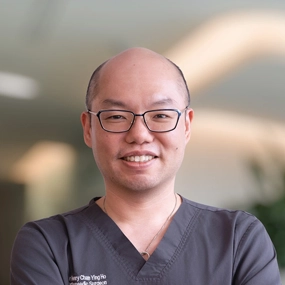
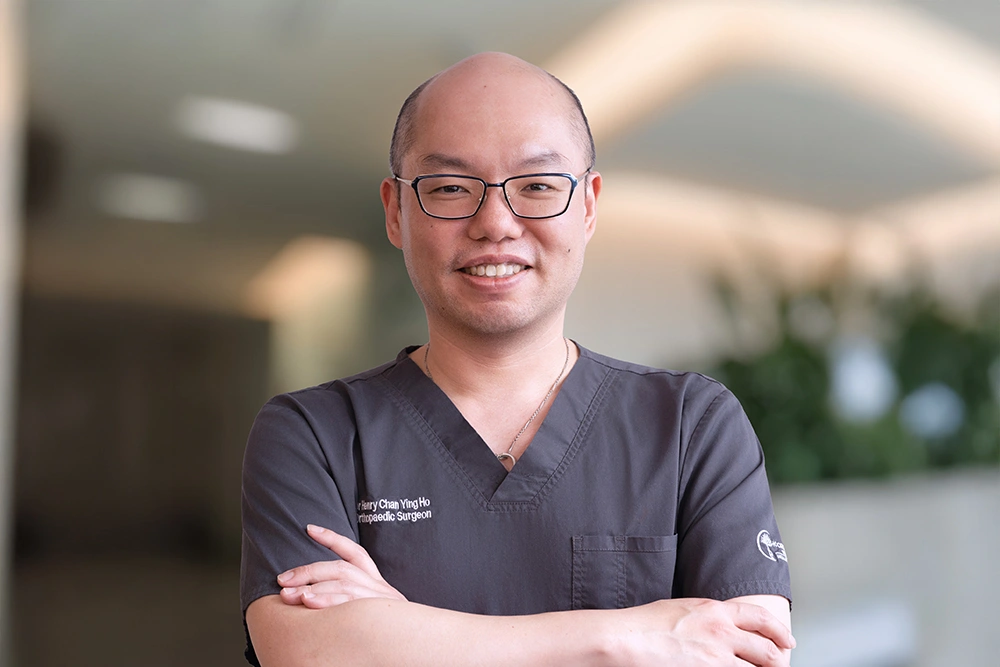
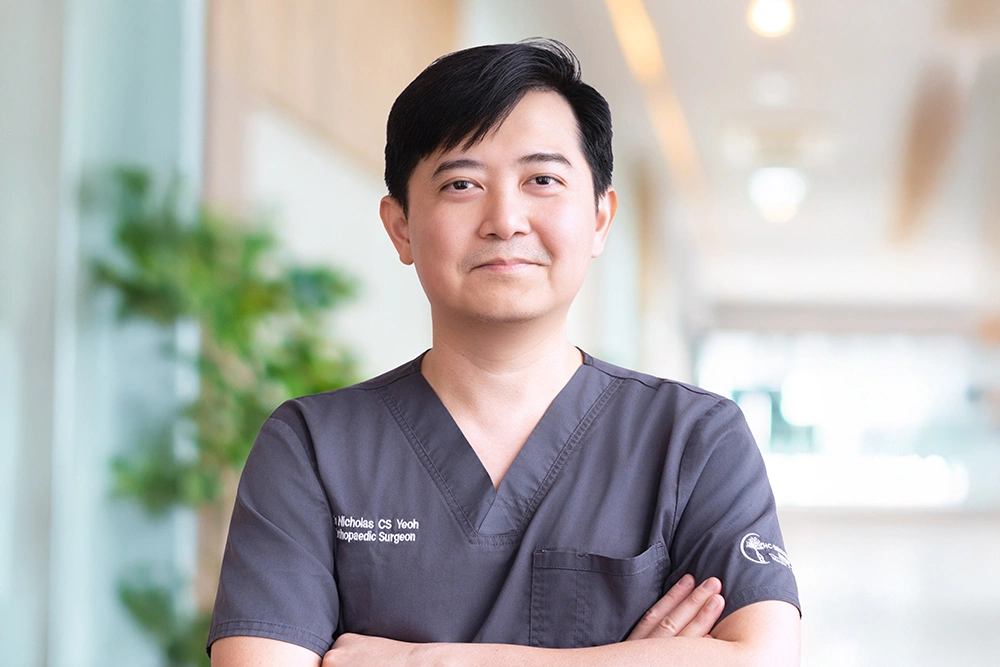
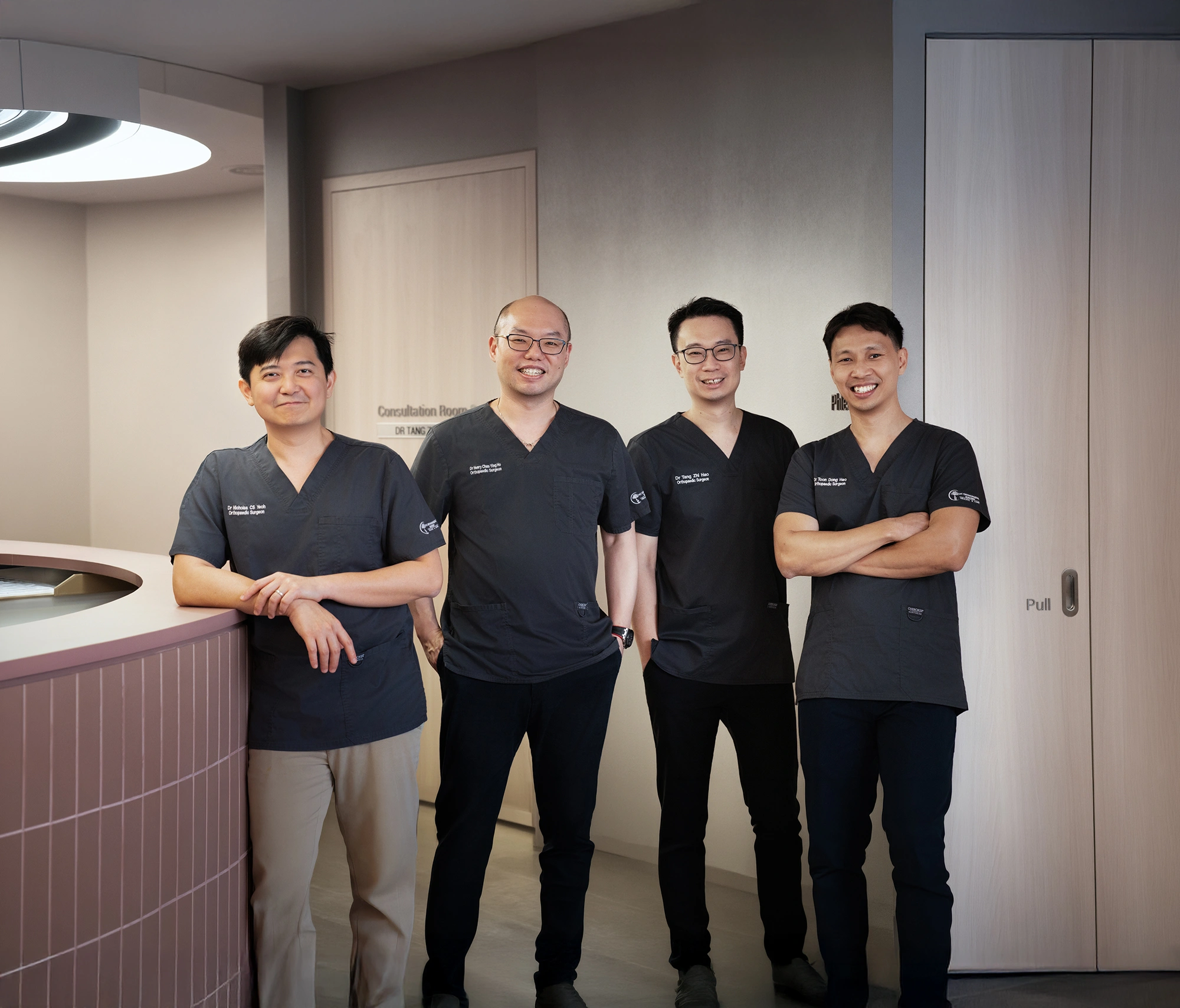
Tại HC Orthopaedic Surgery Singapore, bác sĩ Dr Henry Chan cùng các chuyên gia dày kinh nghiệm (Dr Nicholas Yeoh, Dr Toon Dong Hao, Dr Tang Zhi Hao) chuyên tư vấn–điều trị, phục hồi cho các chấn thương thể thao cũng như chấn thương do quá sức—từ lúc chẩn đoán cho đến phẫu thuật khi thật sự cần thiết.
Nếu bạn gặp đau kéo dài vì HYROX, hãy liên hệ tư vấn để được kiểm tra kỹ và có lộ trình điều trị cá nhân giúp bạn an tâm luyện tập trở lại.
FAQ về chấn thương HYROX
Vì sao nhiều chấn thương HYROX dễ tái phát?
Vì sao kỹ thuật dễ xuống khi tập HYROX?
Kỹ thuật chạy không chuẩn có làm tăng chấn thương HYROX?
Người thi HYROX lần đầu dễ bị chấn thương hơn?
Tại sao phục hồi rất quan trọng trong luyện tập HYROX?
Tập sức mạnh có giúp giảm nguy cơ chấn thương HYROX không?
Đội ngũ chuyên gia chỉnh hình tại Singapore
Dr Henry Chan
Giám đốc Y khoa & Bác sĩ tư vấn cấp cao Bác sĩ phẫu thuật chỉnh hình
MBBS (S’pore), MRCS (Edinburgh), MMed (Orthopaedic Surgery), FRCS (Edinburgh)
Dr Nicholas Yeoh
Bác sĩ phẫu thuật chỉnh hình cố vấn cấp cao
MBChB (Edinburgh), MRCS (Edinburgh), MMed (Orthopaedic Surgery), FRCS (Edinburgh)
Dr Toon Dong Hao
Bác sĩ phẫu thuật chỉnh hình cố vấn cấp cao
MBChB (Leeds), MRCS (Edinburgh), MMed (Orthopaedic Surgery), FRCS (Edinburgh)
Dr Tang Zhi Hao
Bác sĩ phẫu thuật chỉnh hình cố vấn cấp cao
MBBS (S’pore), MRCS (Edinburgh), MMed (Orthopaedic Surgery), FRCS (Edinburgh)