
Hand and Wrist Specialists
in Singapore


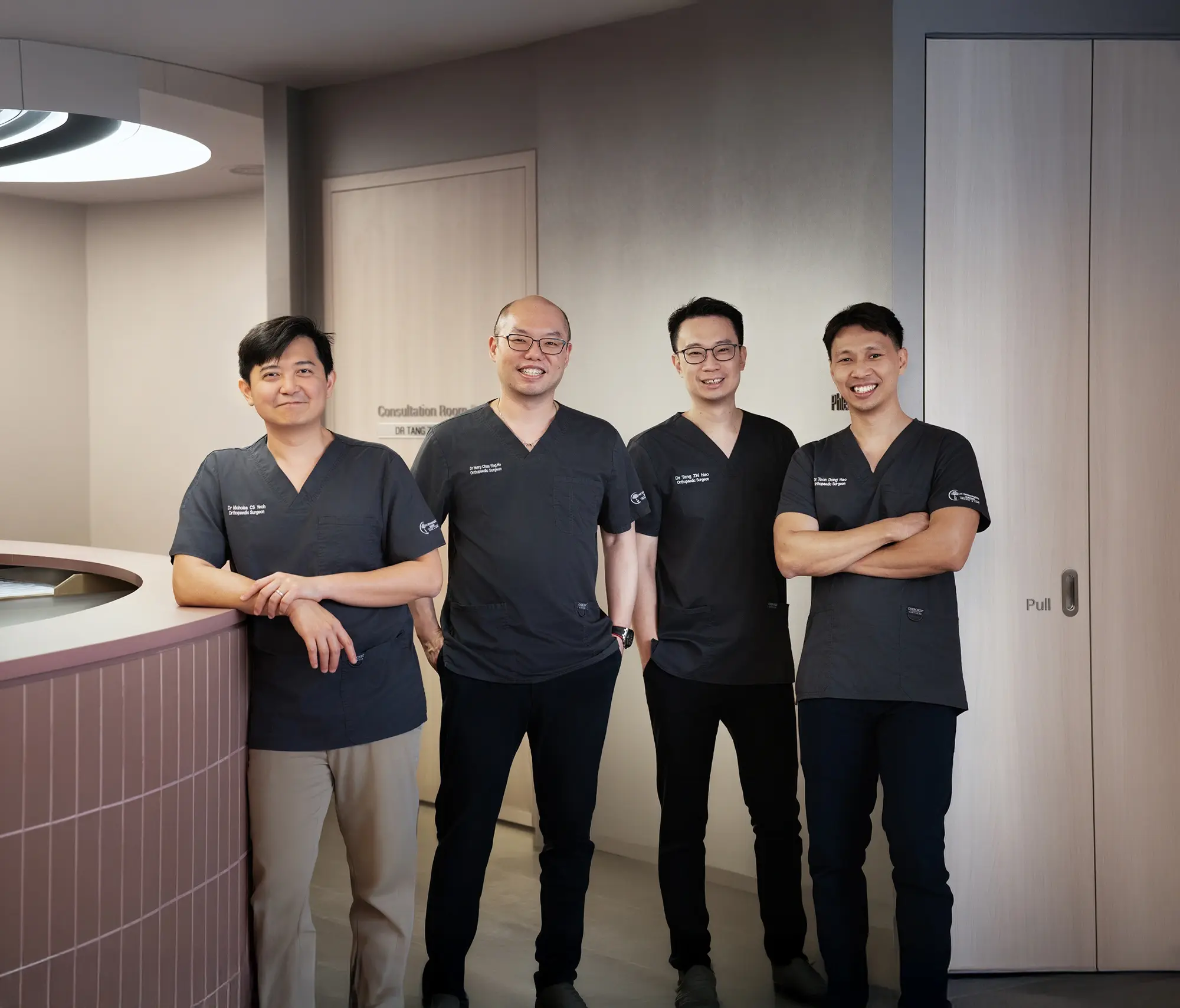
Our Team of Hand and Wrist Orthopaedic Surgeons
At HC Orthopaedic Surgery, our hand and wrist specialists collectively bring more than 50 years of clinical experience in diagnosing and treating a broad spectrum of hand and wrist conditions. Combining specialist expertise with modern orthopaedic techniques, the team focuses on delivering precise diagnosis and tailored treatment to relieve pain, restore function and help patients return confidently to their daily activities.
Specialist Orthopaedic Surgeons for Hand and Wrist Conditions
Advanced Hand and Wrist Surgery and Minimally Invasive Procedures
Minimally Invasive Treatments to Restore Hand Function and Wrist Mobility

Dr Henry Chan
Medical Director & Senior Consultant Orthopaedic Surgeon
Qualifications:
MBBS (S’pore), MRCS (Edinburgh), MMed (Orthopaedic Surgery), FRCS (Edinburgh)
Dr Nicholas Yeoh
Senior Consultant Orthopaedic Surgeon
Qualifications:
MBChB (Edinburgh), MRCS (Edinburgh), MMed (Orthopaedic Surgery), FRCS (Edinburgh)

Dr Toon Dong Hao
Senior Consultant Orthopaedic Surgeon
Qualifications:
MBChB (Leeds), MRCS (Edinburgh), MMed (Orthopaedic Surgery), FRCS (Edinburgh)

Dr Tang Zhi Hao
Senior Consultant Orthopaedic Surgeon
Qualifications:
MBBS (S’pore), MRCS (Edinburgh), MMed (Orthopaedic Surgery), FRCS (Edinburgh)
Understanding the Condition
What Is Hand and Wrist Pain?
Hand and wrist pain refers to discomfort, soreness or reduced mobility affecting the hand, wrist or surrounding structures such as muscles, tendons, ligaments, nerves and joints. Because the hand and wrist contain many small bones and intricate soft tissues that work together to enable movement and grip, even minor injuries or underlying conditions can lead to noticeable pain or functional limitations.
The discomfort may develop suddenly after an injury, such as a fall or sports-related trauma, or gradually due to repetitive strain, overuse or degenerative conditions. In some cases, hand and wrist pain may also be associated with swelling, stiffness, numbness, tingling or weakness, which can affect everyday activities such as typing, gripping objects or lifting items.
Why It Happens
Understanding the Causes of Hand and Wrist Pain
Hand and wrist pain can result from a range of conditions affecting the bones, joints, tendons and nerves that support hand and wrist movement. These issues may develop gradually due to repetitive hand use, tendon irritation or age-related changes, or arise from inflammation, nerve compression or fluid-filled growths within the wrist or fingers.

Carpal Tunnel Syndrome
Carpal tunnel syndrome occurs when the median nerve becomes compressed as it passes through the carpal tunnel in the wrist. This pressure on the nerve can cause numbness, tingling, pain or weakness in the hand and fingers, particularly the thumb, index and middle fingers. Symptoms may become more noticeable during repetitive hand movements or prolonged wrist positions, such as typing or holding a phone.
Trigger Finger
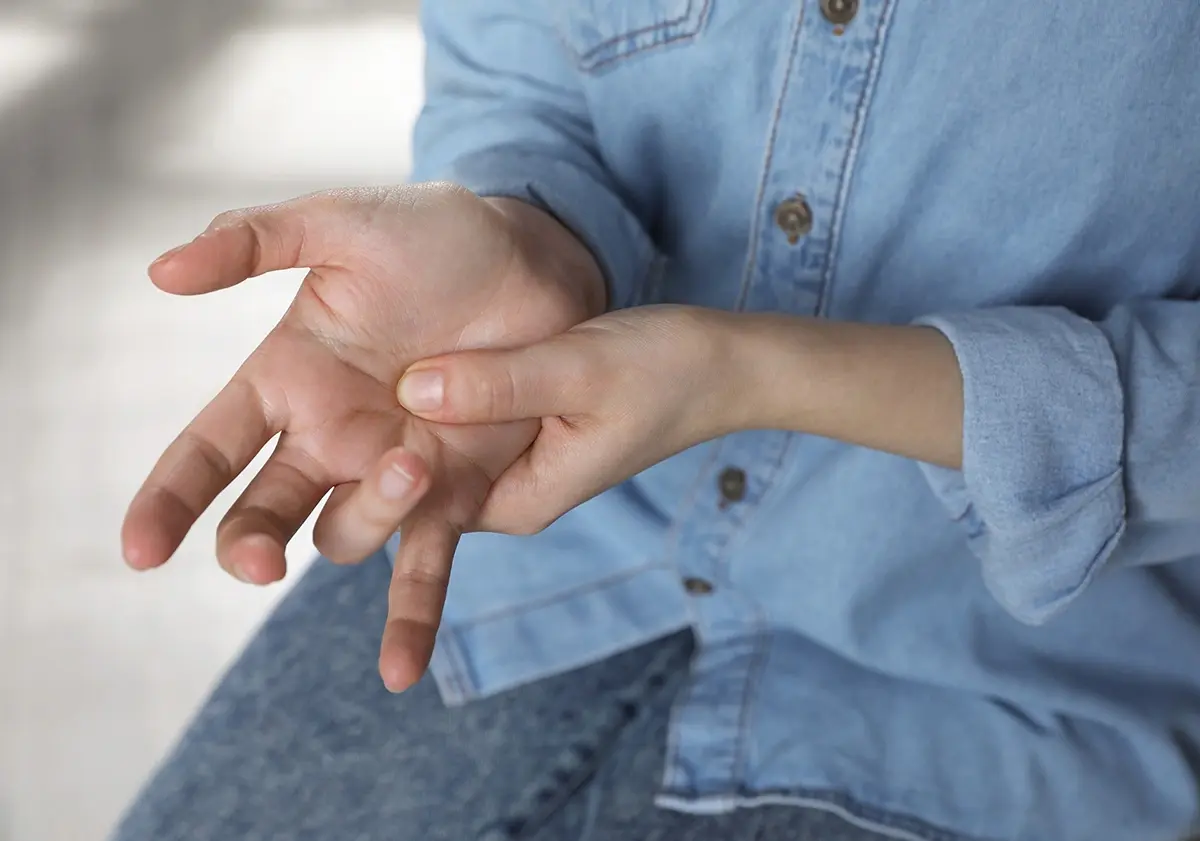
Trigger finger is a condition in which a finger becomes locked or stuck in a bent position due to inflammation of the tendon responsible for finger movement. As the tendon struggles to glide smoothly through its sheath, the finger may suddenly snap straight when extended. People with trigger finger often experience stiffness, tenderness at the base of the finger or a clicking sensation during movement.

De Quervain’s Tenosynovitis
De Quervain’s tenosynovitis involves inflammation of the tendons located along the thumb side of the wrist. This condition can cause pain, swelling and difficulty moving the thumb, particularly during activities that involve gripping, lifting or twisting motions. The discomfort is typically felt near the base of the thumb and may worsen with repetitive hand use.
Ganglion Cysts
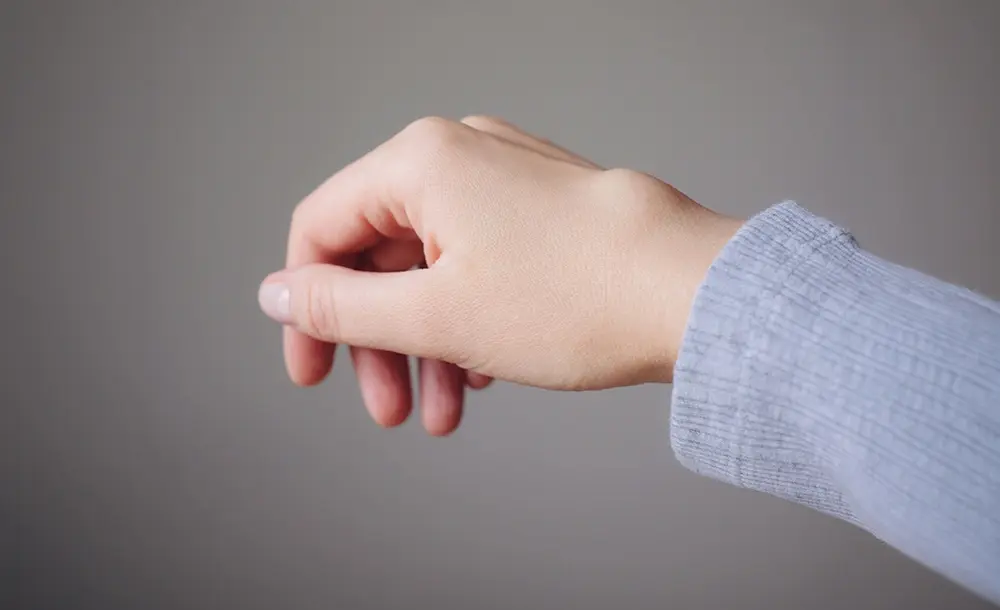
Ganglion cysts are fluid-filled lumps that commonly develop near the joints or tendons of the wrist and hand. Although they are usually benign, these cysts can cause discomfort, restrict movement or place pressure on nearby nerves depending on their size and location. In some cases, the cyst may fluctuate in size or become more noticeable during wrist activity.
Symptoms of Hand and Wrist Injuries and When to See a Hand and Wrist Specialist
Hand and wrist injuries can affect the bones, joints, tendons, ligaments or nerves that support movement and grip. While some minor injuries may improve with rest, persistent or worsening symptoms may indicate an underlying condition that requires medical evaluation.
Common symptoms of hand and wrist injuries may include:
- Pain or tenderness in the hand, wrist or fingers, particularly after an injury or repeated use
- Swelling or bruising around the affected area
- Stiffness or limited movement, making it difficult to bend or straighten the fingers or wrist
- Weakness or reduced grip strength, affecting the ability to hold objects
- Numbness or tingling sensations, which may indicate nerve compression or irritation
- Clicking, locking or catching of a finger or wrist joint during movement
- Visible lumps or deformities, which may occur with cysts, tendon issues or fractures
These symptoms may indicate an underlying hand or wrist condition that requires medical evaluation. Early assessment by a hand and wrist orthopaedic specialist can help identify the cause and guide appropriate treatment to restore function and reduce the risk of long-term complications.
Our Specialised Treatments for Hand and Wrist Pain Conditions
HC Orthopaedic Surgery offers a range of treatment options for hand and wrist conditions, tailored to the underlying cause and severity of symptoms. When conservative treatments are insufficient, surgical procedures may be recommended to relieve pain, restore movement and support long-term hand function.

Carpal Tunnel Surgery
Carpal tunnel surgery, also known as carpal tunnel release, is performed to relieve pressure on the median nerve within the wrist. The procedure involves releasing the ligament that forms the roof of the carpal tunnel, creating more space for the nerve and helping to reduce symptoms such as numbness, tingling and weakness in the hand.

Trigger Finger Surgery
Trigger finger surgery is performed when the tendon responsible for finger movement becomes inflamed and cannot glide smoothly through its sheath. The procedure involves releasing the constricted portion of the tendon sheath, allowing the tendon to move freely and helping to relieve finger locking, stiffness and pain.

Wrist Fracture Surgery
Wrist fracture surgery may be recommended when a broken wrist bone is displaced, unstable or unlikely to heal properly with non-surgical treatment. Surgical treatment typically involves stabilising the bone fragments using plates, screws or other fixation devices to restore proper alignment and support healing while preserving wrist function.
Why Choose HC Orthopaedic Surgery for Hand and Wrist Pain
Our aim is to help patients relieve hand and wrist discomfort and return to daily activities with improved function and confidence. Whether symptoms arise from tendon inflammation, nerve compression, joint conditions or injuries, our team focuses on identifying the underlying cause and recommending treatment options that support long-term hand and wrist health.
Care Led by Experienced Orthopaedic Surgeons
Patients are assessed and managed by experienced orthopaedic surgeons who regularly treat a wide range of musculoskeletal conditions. Each case is evaluated carefully to determine the most appropriate treatment approach based on the patient’s condition, lifestyle needs and recovery goals.
Surgical Expertise When Needed
When surgery is required, procedures are performed by orthopaedic surgeons with experience in treating conditions affecting the hand, wrist and upper limb. Care is focused on addressing the underlying problem while supporting safe recovery and restoration of function.
Focus on Practical Recovery and Function
Hand and wrist conditions can interfere with daily tasks such as typing, writing, lifting or gripping objects. Treatment plans prioritise pain relief, movement and functional recovery, helping patients return to work, hobbies and daily routines as comfortably as possible.
Collaborative Orthopaedic Expertise
HC Orthopaedic Surgery brings together experienced orthopaedic specialists including Dr Henry Chan, Dr Nicholas Yeoh, Dr Toon Dong Hao and Dr Tang Zhi Hao. This team-based approach allows patients to benefit from a broader range of orthopaedic perspectives, particularly when conditions involve multiple joints or complex musculoskeletal concerns.
Your Hand and Wrist Treatment Journey at HC Orthopaedic Surgery
Hand and wrist pain can affect grip strength, fine motor control and many daily activities. At HC Orthopaedic Surgery, care focuses on identifying the precise cause of the problem and guiding patients through a structured treatment plan. From initial assessment to treatment and recovery, each stage is designed to support pain relief, restore hand function and enable a safe return to everyday activities.
Diagnosis
Treatment
Rehabilitation and Long-term Hand and Wrist Care
Who Is at Risk of Developing Hand and Wrist Pain?
Hand and wrist pain can affect people of all ages, particularly those whose daily activities place repeated strain on the hands and wrists.
People who may be at higher risk of developing hand and wrist pain include:
People With Repetitive Hand Use
Individuals who frequently perform repetitive hand movements, such as typing, writing, assembly work or using handheld tools, may place continuous strain on the tendons and nerves of the hand and wrist.
Athletes and Physically Active Individuals
Sports that involve repeated wrist motion or strong gripping, such as tennis, golf, gymnastics or weightlifting, can increase stress on the wrist joints and surrounding tendons.
Older Adults
Age-related changes in the joints, tendons and ligaments may increase the likelihood of developing degenerative conditions that affect hand and wrist movement.
Individuals With Underlying Medical Conditions
Certain health conditions, including arthritis or diabetes, may affect the joints, tendons or nerves of the hand and wrist, increasing the risk of pain or functional limitations.
People With Previous Hand or Wrist Injuries
Past injuries such as fractures, ligament damage or tendon strain may lead to lingering weakness, instability or a higher risk of recurring discomfort in the affected area.
How to Prevent Hand and Wrist Pain
While not all causes of hand and wrist pain can be prevented, certain habits may help reduce strain on the joints, tendons and nerves. Maintaining good hand and wrist health can support long-term mobility and reduce the likelihood of overuse injuries.
Maintain Proper Hand and Wrist Position
Keeping the wrists in a neutral position during activities such as typing, writing or using tools may help reduce unnecessary strain on the tendons and nerves.
Take Regular Breaks From Repetitive Activities
Frequent breaks during tasks that involve repeated hand or wrist movements can help prevent overuse and allow the muscles and tendons to rest.
Strengthen and Stretch the Hand and Wrist
Gentle stretching and strengthening exercises may help improve flexibility, support joint stability and reduce the risk of strain during daily activities.
Use Proper Ergonomic Support
Ergonomic keyboards, wrist supports and properly adjusted workstations may help reduce stress on the hands and wrists, particularly for individuals who spend long hours working at a computer.
Protect the Hands During Physical Activity
Using appropriate protective equipment and maintaining proper technique during sports or manual tasks may help reduce the risk of injuries affecting the hands and wrists.
Non-Surgical Care
Home Remedies for Hand and Wrist Pain
Mild hand and wrist pain may sometimes improve with simple home care measures. These approaches aim to reduce strain on the affected area, relieve discomfort and support natural recovery. However, persistent or worsening symptoms should be evaluated by a hand and wrist specialist.
Rest and Activity Modification
Reducing or avoiding activities that aggravate the pain, such as repetitive gripping or typing, may allow the hand and wrist to recover. Gradually returning to normal activities can help prevent further strain.
Cold Compress
Applying a cold pack to the painful area for short periods may help reduce swelling and relieve discomfort, particularly after recent strain or injury.
Wrist Support or Splinting
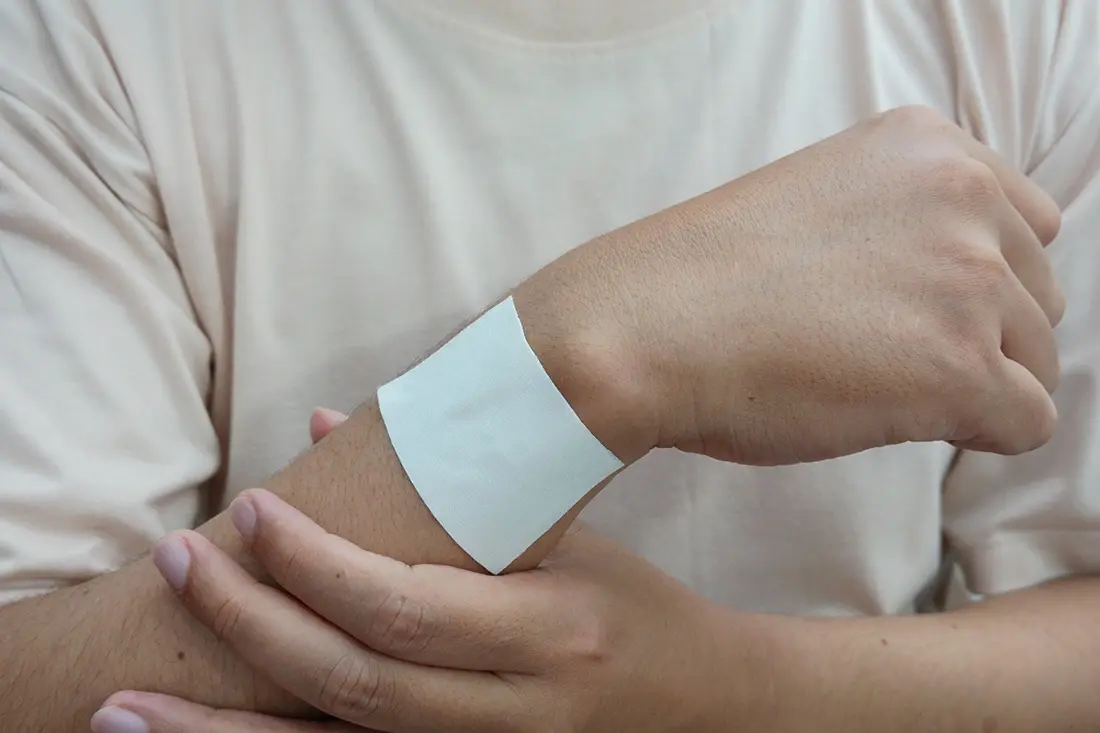
Using a wrist brace or splint can help stabilise the joint and limit movements that may worsen the symptoms, especially during daily activities or sleep.
Gentle Stretching and Mobility Exercises
Light stretching and range-of-motion exercises may help maintain flexibility and prevent stiffness in the hand and wrist once the pain begins to improve.
Over-the-Counter Pain Relief
Non-prescription pain relief medications may help reduce pain and inflammation in some cases. However, they should be used according to recommended guidelines and may not be suitable for everyone.
Cost of Hand and Wrist Pain Treatment in Singapore
The overall cost of managing hand and wrist pain in Singapore depends on the specific diagnosis and the treatment approach recommended. Expenses may vary based on the investigations required, whether surgery is necessary and the level of follow-up care involved during recovery.
Key Cost Drivers
Several factors can affect the cost of hand and wrist pain treatment in Singapore:
Type of treatment required
Diagnostic tests
Surgical complexity
Hospital and facility fees
Post-treatment rehabilitation

Insurance and Financing
Some hand and wrist procedures may qualify for MediSave usage, depending on their classification under Singapore’s Table of Surgical Procedures. Patients covered by MediShield Life or Integrated Shield Plans may also receive insurance support for hospitalisation and surgery, which can help reduce personal medical expenses.
For a more accurate estimate, patients are encouraged to consult the clinic for a personalised cost assessment based on their diagnosis and recommended treatment plan.
Comprehensive Hand and Wrist Care at HC Orthopaedic Surgery
Hand and wrist pain can arise from a variety of conditions affecting the bones, joints, tendons and nerves that enable movement and grip. Because the hands and wrists play an essential role in everyday activities such as writing, typing, lifting and grasping objects, persistent discomfort can gradually interfere with work, mobility and overall quality of life. Early assessment helps identify the underlying problem and allows treatment to be planned to relieve symptoms and support long-term hand and wrist function.
Comprehensive Hand and Wrist Care at HC Orthopaedic Surgery
Hand and wrist pain can arise from a variety of conditions affecting the bones, joints, tendons and nerves that enable movement and grip. Because the hands and wrists play an essential role in everyday activities such as writing, typing, lifting and grasping objects, persistent discomfort can gradually interfere with work, mobility and overall quality of life. Early assessment helps identify the underlying problem and allows treatment to be planned to relieve symptoms and support long-term hand and wrist function.

Our Specialised Team
HC Orthopaedic Surgery is led by Dr Henry Chan, a senior consultant orthopaedic surgeon with extensive experience in managing a wide range of musculoskeletal conditions. Together with the HC Orthopaedic Surgery team, including Dr Nicholas Yeoh, Dr Toon Dong Hao and Dr Tang Zhi Hao, patients benefit from a collaborative approach to orthopaedic care, particularly when conditions involve multiple joints or areas of the musculoskeletal system. Treatment focuses on accurate diagnosis and personalised care, which may include non-surgical therapies or surgical procedures when appropriate.
Frequently Asked Questions (FAQs) About Hand and Wrist Pain
Why does my hand or wrist hurt even though I did not injure it?
Can hand and wrist pain go away on its own?
Is numbness or tingling in the fingers a sign of a nerve problem?
When is surgery considered for hand or wrist conditions?
Can repetitive computer use cause hand and wrist pain?
What happens during a hand and wrist consultation?
Meet Our Specialist Team
Our team comprises Dr Henry Chan, Dr Nicholas Yeoh, Dr Toon Dong Hao, and Dr Tang Zhi Hao — experienced orthopaedic surgeons with subspecialty experience and a patient-centred approach to care.
Dr Henry Chan
Medical Director & Senior Consultant Orthopaedic Surgeon
MBBS (S’pore), MRCS (Edinburgh), MMed (Orthopaedic Surgery), FRCS (Edinburgh)
Dr Henry Chan is an experienced orthopaedic surgeon specialising in joint replacement and complex revision surgery. Trained at the renowned Helios Endo-Klinik in Germany under the MOH HMDP scholarship, he has performed over 1,000 joint replacements and specialises in computer-assisted and robotic joint replacement techniques for precise outcomes.
Dr Nicholas Yeoh
Senior Consultant Orthopaedic Surgeon
MBChB (Edinburgh), MRCS (Edinburgh), MMed (Orthopaedic Surgery), FRCS (Edinburgh)
Dr Nicholas Yeoh is an MOH-accredited orthopaedic specialist and Fellow of the Royal College of Surgeons of Edinburgh. Fellowship-trained in hip and knee reconstruction in Sydney under the MOH HMDP scholarship, he specialises in minimally invasive joint replacement, robotic surgery and advanced techniques that enhance recovery and surgical outcomes.
Dr Toon Dong Hao
Senior Consultant Orthopaedic Surgeon
MBChB (Leeds), MRCS (Edinburgh), MMed (Orthopaedic Surgery), FRCS (Edinburgh)
Dr Toon Dong Hao is a skilled orthopaedic surgeon and Fellow of the Royal College of Surgeons of Edinburgh. Fellowship-trained in Advanced Shoulder and Elbow Surgery in Sydney under the MOH HMDP scholarship, Dr Toon specialises in sports injuries, arthroscopic surgery and complex shoulder, elbow and knee procedures to restore function and mobility.
Dr Tang Zhi Hao
Senior Consultant Orthopaedic Surgeon
MBBS (S’pore), MRCS (Edinburgh), MMed (Orthopaedic Surgery), FRCS (Edinburgh)
Dr Tang Zhi Hao is a fellowship-trained orthopaedic surgeon specialising in foot and ankle conditions. He completed his Foot and Ankle Surgery fellowship at Severance Hospital, Yonsei University Health System in Seoul under Professor Jin Woo Lee. Prior to private practice, he served as Consultant and Deputy Head of Orthopaedics at Khoo Teck Puat Hospital.