Viêm xương khớp gối có thể khiến những sinh hoạt hằng ngày như leo cầu thang, đi bộ xa hay chỉ đơn giản là đứng dậy sau khi ngồi lâu trở nên khó khăn hơn. Tuy phổ biến, điều này không có nghĩa bạn phải từ bỏ cuộc sống năng động hay chấp nhận đau nhức kéo dài. Khi lựa chọn đúng cách chăm sóc, nhiều người hoàn toàn có thể kiểm soát triệu chứng và tiếp tục tận hưởng những hoạt động yêu thích. Hiểu các cách quản lý thiết thực sẽ giúp bạn tự tin, linh hoạt và duy trì vận động mỗi ngày.
Tìm hiểu về viêm xương khớp gối và nguyên nhân
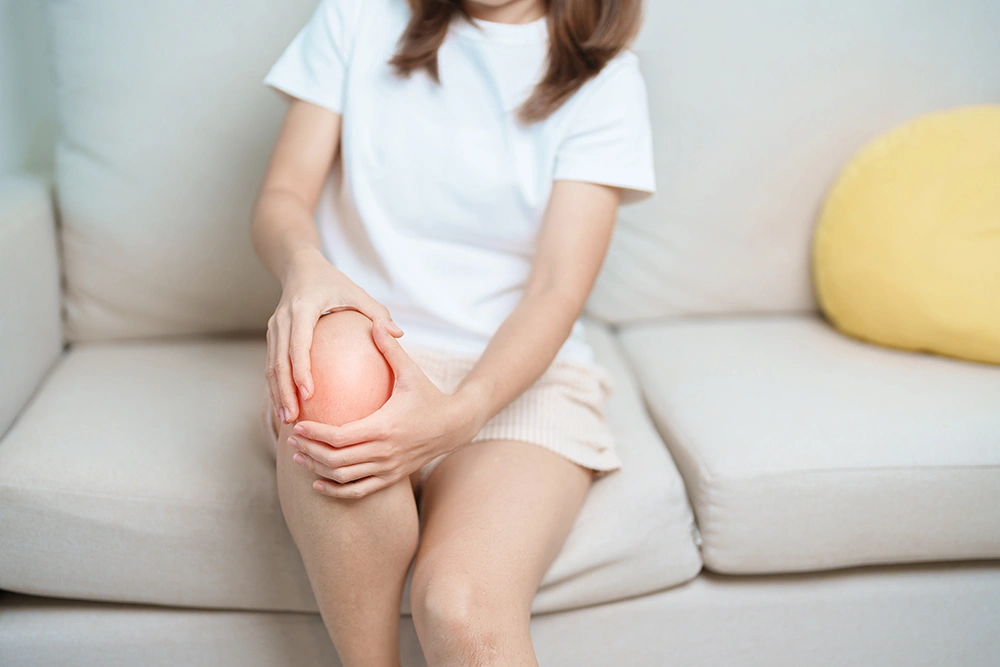
Viêm xương khớp gối là khi lớp sụn bảo vệ trong khớp dần bị mòn đi. Điều này khiến hai đầu xương cọ xát nhiều hơn khi vận động, dẫn tới sưng đau, khó chịu, cứng khớp.
Tuổi tác chỉ là một phần nguyên nhân. Các yếu tố như chấn thương, thừa cân, di truyền hoặc lặp lại áp lực lên khớp đều làm tăng nguy cơ mắc bệnh. Có người tiến triển rất chậm nhiều năm, người khác lại chuyển biến nhanh.
Nhận biết sớm dấu hiệu viêm xương khớp gối
Triệu chứng thường khởi đầu âm thầm, lúc có lúc không ở giai đoạn đầu. Phát hiện sớm giúp việc quản lý và điều trị hiệu quả kịp thời.
Đau khi vận động
Một trong các biểu hiện đầu tiên là cảm giác đau mỏi khi đầu gối hoạt động nhiều — như khi đi bộ xa, leo cầu thang, ngồi xổm hoặc đứng lâu. Đau dịu đi khi nghỉ, nhưng cũng dễ tái phát khi vận động trở lại.
Bị cứng khớp sau khi ngồi lâu hoặc nghỉ ngơi
Nhiều người thấy đầu gối bị cứng, khó vận động vào sáng sớm hay khi đứng dậy sau khi ngồi lâu. Độ cứng này thường giảm khi bắt đầu vận động, nhưng sẽ rõ rệt hơn lúc bệnh tiến triển.
Sưng hoặc đau quanh khớp
Khớp bị viêm có thể khiến đầu gối sưng, nóng hoặc nhạy cảm khi chạm vào. Biểu hiện này thường rõ sau một ngày bận rộn hoặc tăng vận động.
Lạo xạo trong khớp hoặc hạn chế vận động
Khi sụn mòn, khớp vận động không còn trơn tru. Có người nghe tiếng lạo xạo, cảm giác cọ xát hoặc thấy khó ngồi xổm, duỗi thẳng đầu gối hơn trước.

Chọn đúng loại vận động để duy trì hoạt động
Khi đau đầu gối, di chuyển thường vất vả hơn. Dù vậy, vận động thường xuyên vẫn là chìa khóa giúp giảm triệu chứng hiệu quả nhất. Điều quan trọng là chọn bài tập phù hợp để tăng cường nhóm cơ quanh gối, giúp khớp linh hoạt và bạn tự tin vận động.
Bài tập nhẹ nhàng giúp khớp luôn vận động
Các bộ môn như đi bộ trên mặt phẳng, đạp xe, bơi lội, thể dục nước rất thân thiện với đầu gối. Chúng giữ khớp vận động mà không tạo áp lực lớn, phù hợp thay thế các hoạt động vận động mạnh.
Bài tập tăng cường sức mạnh
Luyện tập cơ đùi trước/sau và nhóm cơ hông sẽ giúp hỗ trợ tốt hơn cho khớp gối. Khi cơ xung quanh khỏe hơn, đầu gối phải chịu ít áp lực hơn trong sinh hoạt hàng ngày.
Duỗi cơ và giữ thăng bằng
Duỗi cơ nhẹ nhàng giúp giảm căng cứng, bài tập cân bằng cải thiện phối hợp vận động và ổn định khi đi lại. Kết hợp cả hai sẽ giúp chuyển động mượt mà, hạn chế té ngã.
Thói quen giúp giảm áp lực lên khớp gối
Bên cạnh tập thể dục, những điều chỉnh nhỏ trong sinh hoạt hàng ngày cũng mang lại nhiều thay đổi tích cực. Luôn duy trì những thói quen này sẽ góp phần giảm đau, tăng linh hoạt cho đầu gối.
Kiểm soát cân nặng giảm áp lực lên khớp
Duy trì cân nặng hợp lý sẽ giảm tải cho khớp gối trong mỗi bước chân. Ngay cả thay đổi nhỏ cũng có thể giúp cải thiện triệu chứng.
Chọn giày phù hợp để đi lại thoải mái
Giày có đệm và hỗ trợ tốt giúp thoải mái hơn khi đi bộ hoặc đứng lâu. Loại giày phù hợp cũng giúp phân bố áp lực đều xuống chân.
Phân bổ hợp lý hoạt động suốt ngày
Luân phiên giữa thời gian hoạt động và nghỉ ngắn giúp tránh làm khớp gối quá tải — đặc biệt quan trọng vào những ngày bận rộn nhiều vận động.
Các lựa chọn điều trị để giúp bạn tiếp tục vận động
Điều trị viêm xương khớp gối sẽ thay đổi tùy vào mức độ nặng nhẹ, mục tiêu cá nhân và ảnh hưởng lên sinh hoạt. Nhiều người đáp ứng tốt với phương pháp điều trị bảo tồn, nhưng khi cần, bác sĩ có thể tư vấn các lựa chọn chuyên sâu hơn sau khi thăm khám.
Chăm sóc bảo tồn với triệu chứng nhẹ đến trung bình
Vật lý trị liệu, thuốc men, nẹp hay chương trình tập luyện cá nhân hóa đều giúp giảm đau và cải thiện chức năng khớp. Những phương pháp này thường rất hiệu quả với đa số người bệnh.
Liệu pháp tiêm cho một số trường hợp
Nếu sau điều trị ban đầu mà vẫn còn đau, bác sĩ có thể chỉ định tiêm để giảm viêm hay giảm đau tạm thời cho bạn.
Phẫu thuật khi triệu chứng ngày càng nặng
Nếu đau kéo dài và vận động khó khăn hơn, bác sĩ có thể tư vấn can thiệp phẫu thuật, chẳng hạn như phẫu thuật nội soi, thay khớp một phần hay thay khớp toàn phần tùy tình trạng cụ thể.
Duy trì vận động lâu dài
Duy trì vận động lâu dài

Đội ngũ chuyên gia của chúng tôi
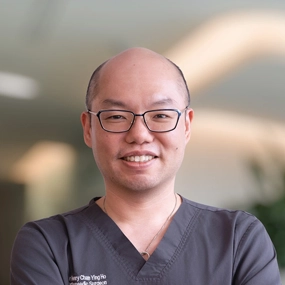
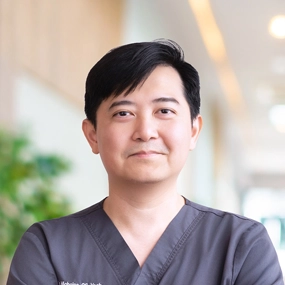
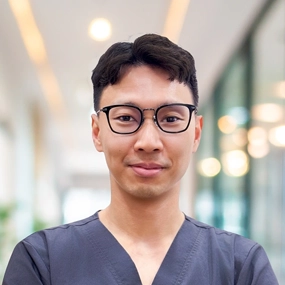
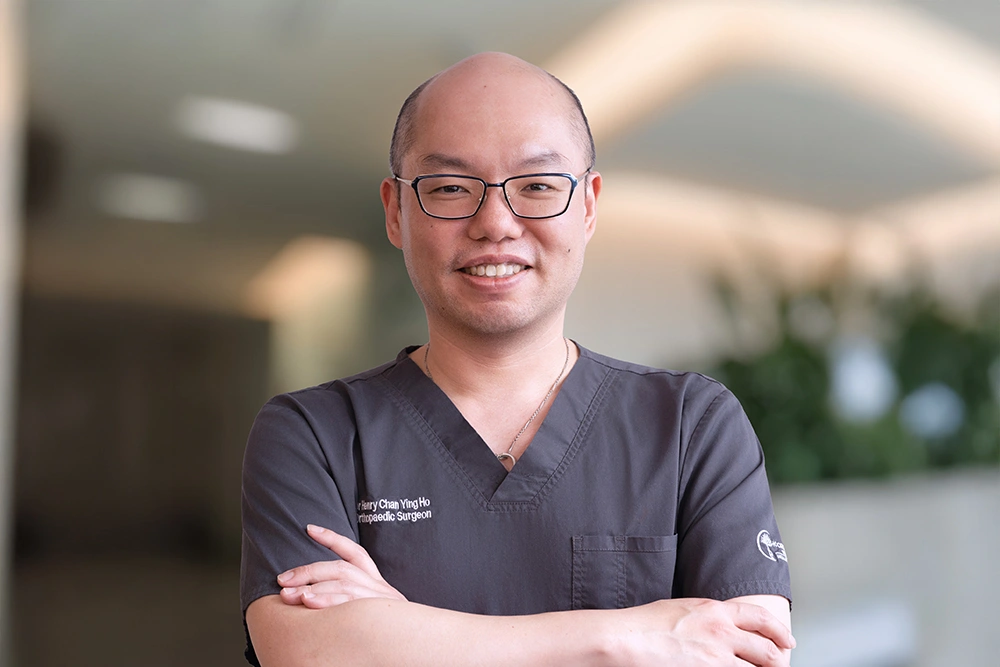
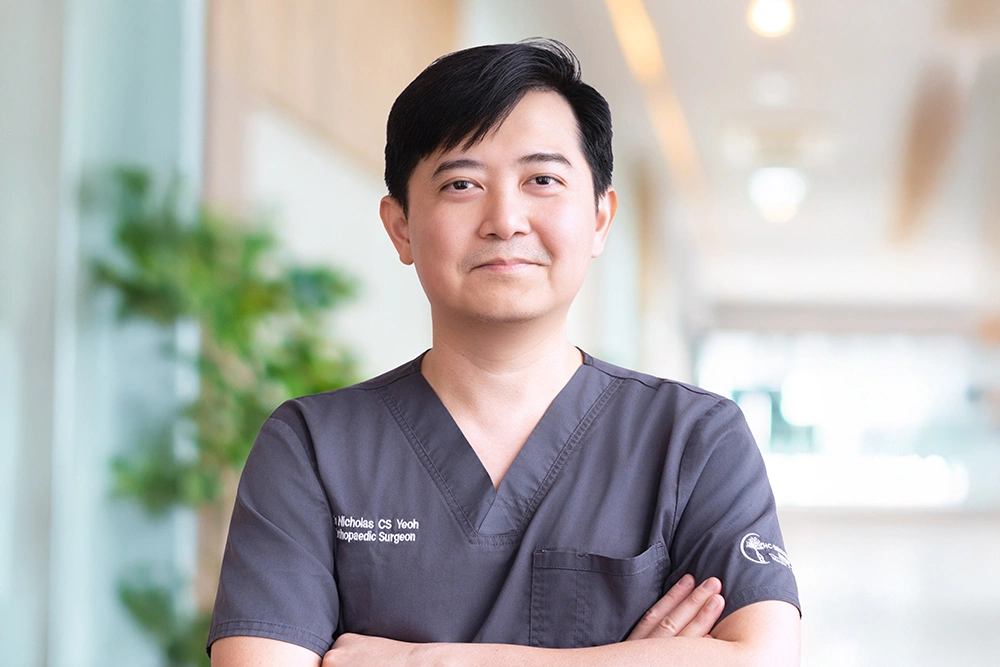
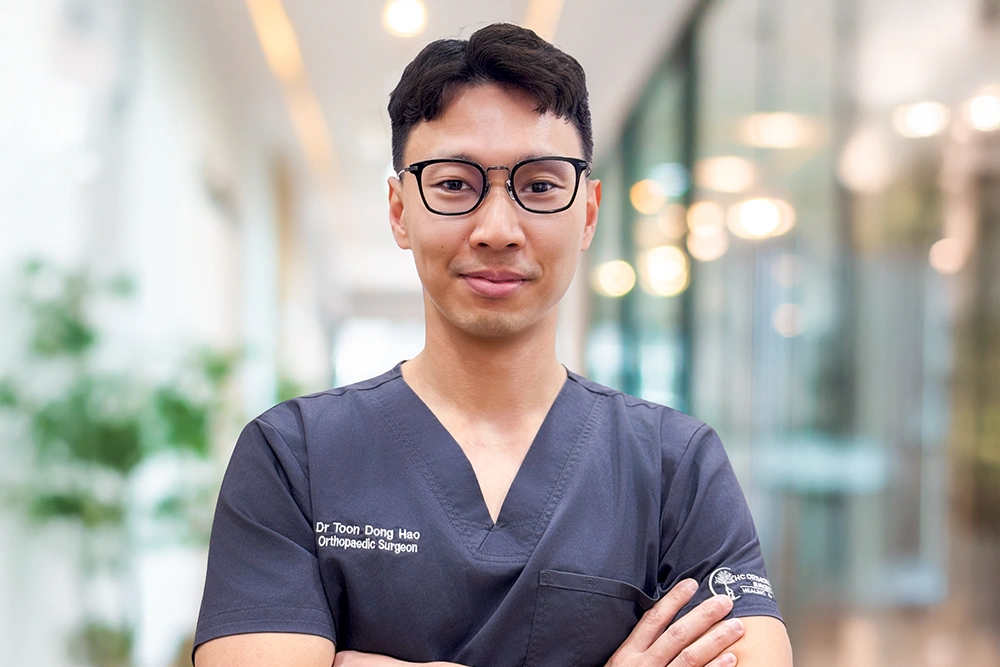
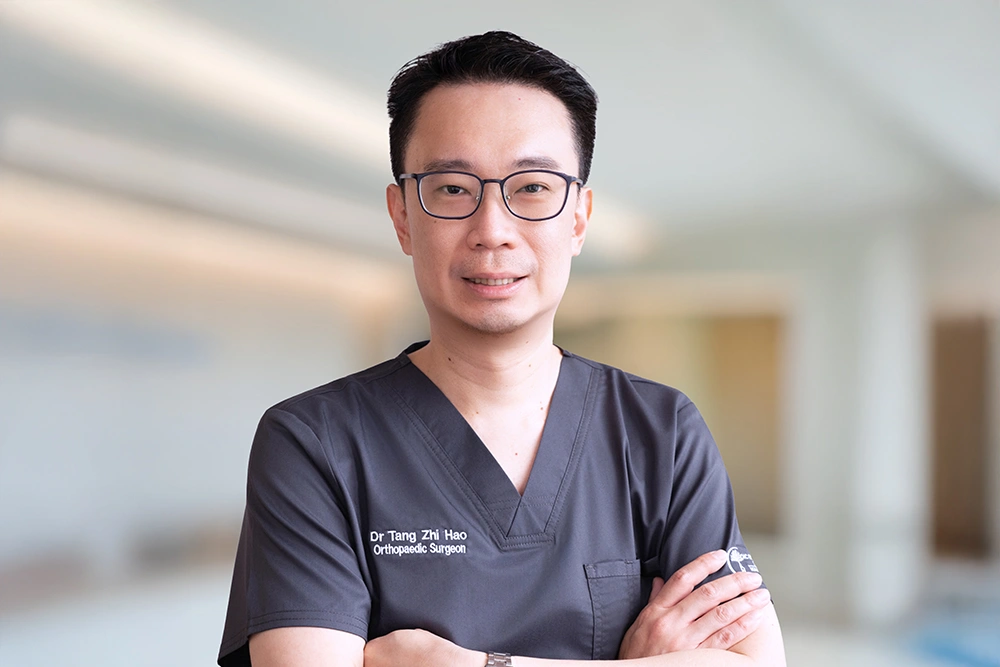
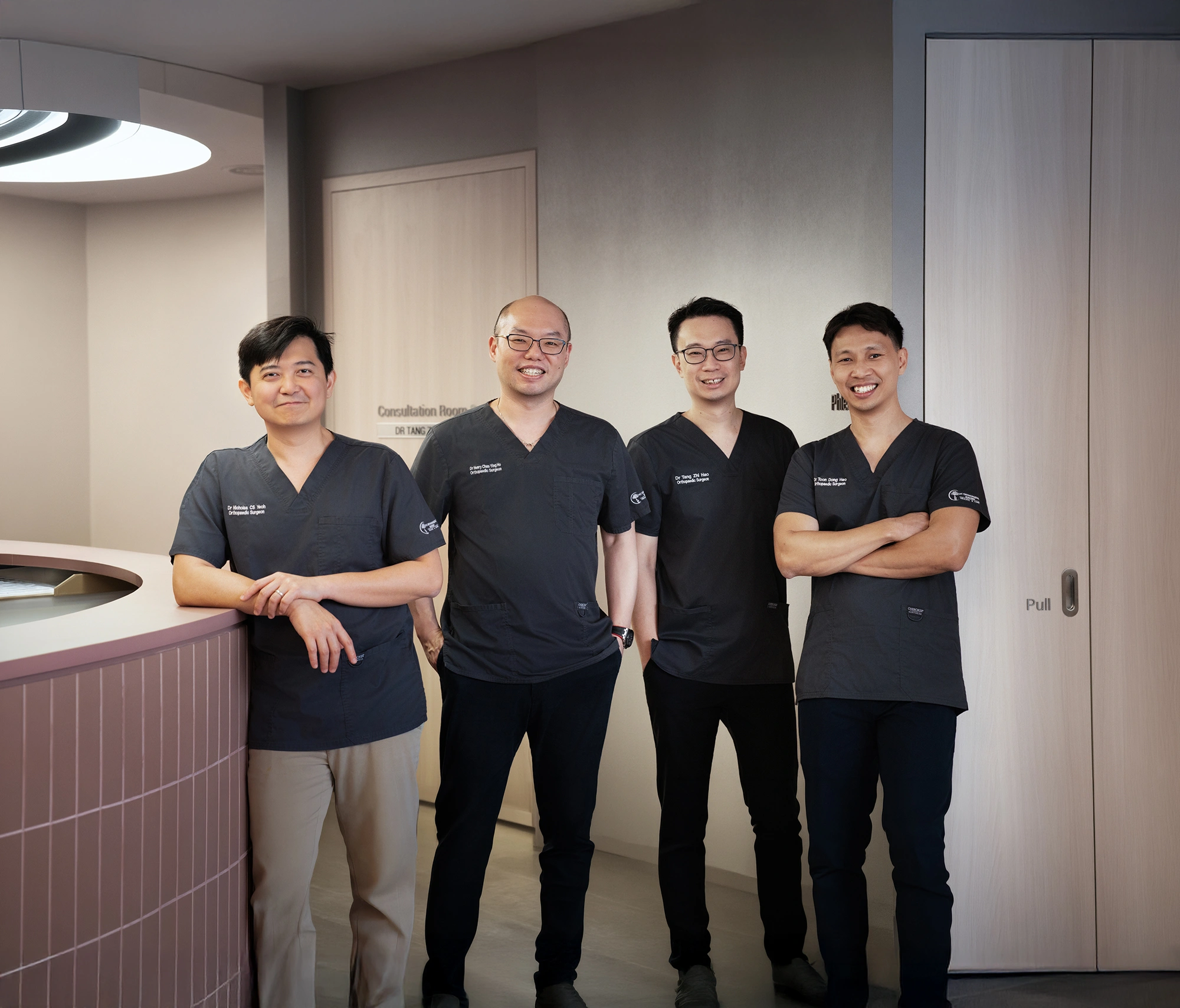
Tại HC Orthopaedic Surgery, đầu gối được các chuyên gia như Bs. Dr Henry Chan và Bs. Dr Nicholas Yeoh đảm trách; cùng Bs. Dr Toon Dong Hao và Bs. Dr Tang Zhi Hao bổ sung thế mạnh về chỉnh hình. Nhóm chăm sóc các vấn đề từ chấn thương vận động đến bệnh lý thoái hóa, với phác đồ cá nhân hóa để hỗ trợ phục hồi và sức khỏe lâu dài cho khớp. Nếu đau đầu gối của bạn không cải thiện hoặc ảnh hưởng sinh hoạt hằng ngày, hãy đặt lịch tư vấn chuyên gia để được đánh giá chi tiết và chăm sóc phù hợp nhất.
Gặp các chuyên gia về đầu gối tại Singapore
Dr Henry Chan
Giám đốc Y khoa & Bác sĩ tư vấn cấp cao Bác sĩ phẫu thuật chỉnh hình
MBBS (S’pore), MRCS (Edinburgh), MMed (Orthopaedic Surgery), FRCS (Edinburgh)
Dr Nicholas Yeoh
Bác sĩ phẫu thuật chỉnh hình cố vấn cấp cao
MBChB (Edinburgh), MRCS (Edinburgh), MMed (Orthopaedic Surgery), FRCS (Edinburgh)
Dr Toon Dong Hao
Bác sĩ phẫu thuật chỉnh hình cố vấn cấp cao
MBChB (Leeds), MRCS (Edinburgh), MMed (Orthopaedic Surgery), FRCS (Edinburgh)
Dr Tang Zhi Hao
Bác sĩ phẫu thuật chỉnh hình cố vấn cấp cao
MBBS (S’pore), MRCS (Edinburgh), MMed (Orthopaedic Surgery), FRCS (Edinburgh)