Ở Singapore, thể thao đã trở thành một phần đời sống thường nhật của nhiều người – sáng sớm là vận động viên bơi lội trên đường bơi, học sinh ở lại sân tập sau tan học, tối muộn phòng gym rộn ràng tiếng nâng tạ. Trong những khoảnh khắc ấy, vai vận động miệt mài mà không mấy ai chú ý, giữ vai trò trung tâm cho mọi động tác vươn tay, xoay trở và nâng nhấc.
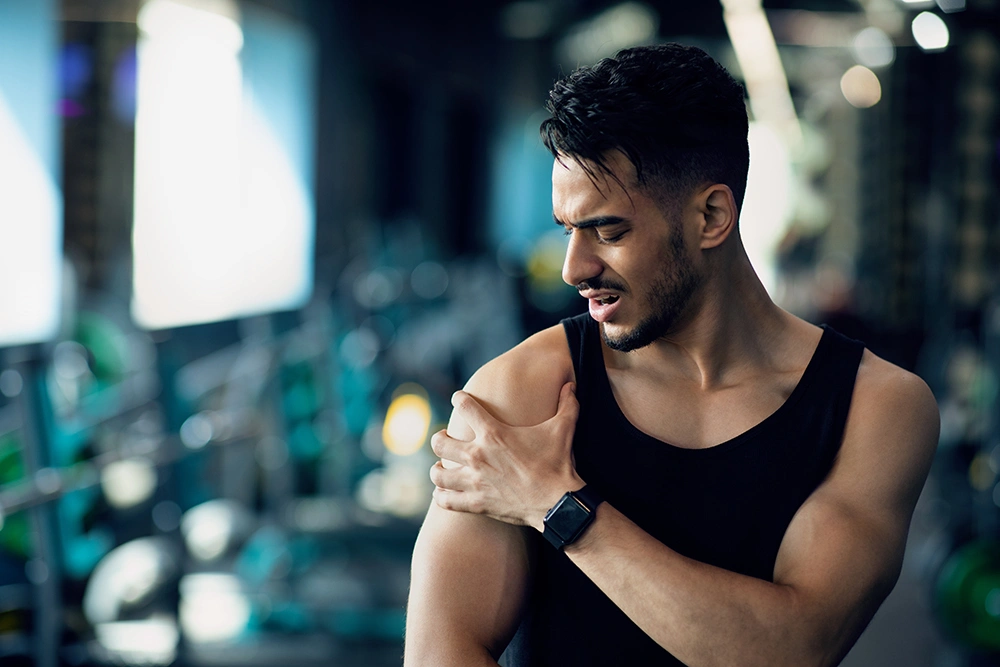
Dần dần, cảm giác thoải mái ấy có thể thay đổi. Ban đầu chỉ là đau nhức nhẹ sau buổi tập, sau đó xuất hiện thường xuyên hơn hoặc động tác trở nên kém linh hoạt. Những môn thể thao cần lặp lại động tác trên đầu hoặc xoay mạnh khiến vai vất vả vượt mức mà nó vốn được thiết kế chịu đựng.
Việc phát hiện dấu hiệu thay đổi nhỏ báo hiệu chấn thương tiềm ẩn ở vai là không dễ. Tuy nhiên, hiểu được quá trình diễn tiến của các vấn đề vai và biết khi nào nên tìm đến bác sĩ chuyên khoa sẽ giúp duy trì thành tích cũng như sức khỏe khớp lâu dài.
Các loại chấn thương vai thường gặp khi chơi thể thao và dấu hiệu nhận biết
Chấn thương vai do thể thao thường xuất hiện theo quy luật riêng tuỳ vào loại động tác và mức độ chịu lực tại khớp. Có loại xuất hiện chậm do vận động trên đầu lặp lại, có loại lại đến đột ngột khi va chạm hoặc tư thế bất thường. Dấu hiệu tuy có thể trùng lặp nhưng mỗi bệnh cảnh thường có điểm khác biệt.
Căng hoặc rách chóp xoay vai
Chóp xoay là nhóm cơ - gân đóng vai trò ổn định vai khi di chuyển. Các môn như bơi, tennis, tập tạ thường xuyên vận động trên đầu hoặc mang nặng kéo dài làm khu vực này quá tải lâu ngày, dẫn đến viêm, thoái hóa hoặc rách một phần/thất toàn chóp xoay.
Dấu hiệu điển hình là đau âm ỉ sâu trong vai sau vận động. Khi nhấc tay, vươn cao hoặc nằm nghiêng bên vai đau thì cơn đau lại càng rõ. Nếu không điều trị, còn có thể yếu cơ và giảm tầm vận động.
Chèn ép vai
Chèn ép vai xảy ra khi chóp xoay bị ép trong lúc nâng tay. Những người bơi hoặc chơi cầu lông, tennis rất dễ gặp do vận động lặp lại trên đầu. Kỹ thuật vai kém, mất cân bằng cơ quanh vai hoặc cơ quá căng đều là yếu tố nguy cơ.
Thường đau khi giơ cao tay, nhất là từ ngang vai lên trên đầu. Khi vận động cảm giác bị ép chặt, khó chịu tăng dần khi vận động lặp đi lặp lại.
Rách sụn viền vai (SLAP tear)
Sụn viền là vành sụn giúp ổ khớp vai sâu hơn, tăng ổn định. Rách sụn viền (thường gọi SLAP tear) xuất hiện khi phần trên vành sụn chịu lực lớn sau ngã hoặc do vận động lặp lại (ném bóng, nâng tạ). Sức ép kéo dài sẽ làm sụn dễ tổn thương, yếu đi.
Bệnh nhân đau sâu, lan rộng khó xác định rõ vị trí, đôi lúc nghe tiếng lạo xạo, kẹt hoặc cảm giác thiếu ổn định, đặc biệt khi giơ cao tay hoặc xoay vai. Cũng có những trường hợp thấy sức mạnh và khả năng kiểm soát vai giảm đi khi chơi thể thao.
Mất vững hoặc trật khớp vai
Các cấu trúc quanh khớp giãn rộng/yếu đi sẽ làm vai dễ mất ổn định. Hay gặp sau va đập mạnh (trật khớp), hoặc tích lũy dần ở người thường chơi thể thao đối kháng, cử động tay trên đầu lặp lại. Sau trật khớp vai nguy cơ tái phát càng cao.
Dấu hiệu có thể là cảm giác vai như sắp trượt ra ngoài khi làm động tác nào đó, trật lại nhiều lần, đau âm ỉ và không còn tự tin sử dụng vai.
Khi nào cần đi khám chuyên khoa nếu đau vai hoặc chấn thương?
Không phải mọi trường hợp nhức mỏi vai đều phải đi khám. Đau nhẹ sau vận động thường hết nếu nghỉ ngơi và tái luyện vừa phải. Tuy nhiên, nếu thấy những biểu hiện sau, đừng chủ quan mà nên kiểm tra chuyên sâu.
Hãy đi khám nếu bạn gặp:
- Đau kéo dài nhiều tuần không đỡ dù đã nghỉ ngơi
- Đau ảnh hưởng sinh hoạt hàng ngày như với tay, mang vác hoặc khó ngủ
- Khó nhấc tay hoặc vận động bị giới hạn
- Vai yếu rõ rệt
- Cảm giác mất ổn định hoặc "nhường nhịn" khi vận động
- Vai bị trật lặp lại
- Bị tiếng lạo xạo, bị kẹt hoặc khó di chuyển khi vận động vai
- Đau nhói đột ngột sau ngã/chấn thương
- Hình dạng vai biến đổi bất thường
- Không thể cử động cánh tay
Khám sớm giúp chẩn đoán chính xác hơn và định hướng điều trị chuẩn xác, có thể bao gồm trị liệu phục hồi chức năng, chụp chiếu bổ sung khi cần hoặc các giải pháp điều trị khác phù hợp, đảm bảo bạn trở lại vận động an toàn.

Chuyên gia sẽ điều trị chấn thương vai do thể thao như thế nào?
Một quy trình đánh giá khoa học giúp xác định đúng nguyên nhân đau vai và chọn phương án điều trị đúng. Chẩn đoán sớm và chính xác là điều kiện để phòng tổn thương thêm, đồng thời hỗ trợ phục hồi hiệu quả.
Chẩn đoán các chấn thương vai
Bước đầu, bác sĩ sẽ hỏi kỹ về triệu chứng, thói quen vận động, tiền sử chấn thương, tiếp theo là khám đánh giá biên độ cử động, sức mạnh, sự ổn định khớp, tìm điểm đau và kiểu vận động gây đau.
Nếu chưa xác định rõ nguyên nhân, bác sĩ sẽ chỉ định chụp chiếu thêm. X-quang xác định xương, còn siêu âm hoặc MRI giúp quan sát cụ thể gân, dây chằng cùng phần mềm quanh vai.
Điều trị chấn thương vai
Việc điều trị phụ thuộc loại chấn thương và mức độ nặng nhẹ. Đa số trường hợp vai bị chấn thương do thể thao sẽ được kiểm soát hiệu quả bằng cách thay đổi vận động, vật lý trị liệu, kết hợp chương trình phục hồi chức năng, mà không cần phẫu thuật.
Khi tình trạng kéo dài hoặc tổn thương cấu trúc lớn, bác sĩ có thể chỉ định phẫu thuật. Ví dụ nội soi khớp vai (arthroscopy) xác định và trị các vấn đề bên trong khớp, khâu phục hồi chóp xoay đối với đứt gân, hoặc ổn định khớp vai nếu thường xuyên trật khớp, mất vững.
Trường hợp nặng và khớp bị phá hủy nhiều, thay khớp vai sẽ được bác sĩ trao đổi như một giải pháp lâu dài. Sau mổ, phục hồi chức năng bài bản giúp bạn trở lại sinh hoạt sớm và an toàn.
Năng động với đôi vai chắc khỏe
Năng động với đôi vai chắc khỏe

Đội ngũ chuyên môn của chúng tôi
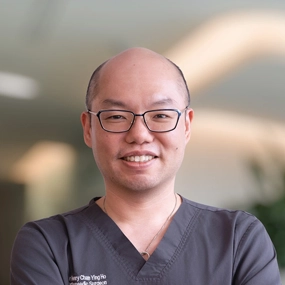
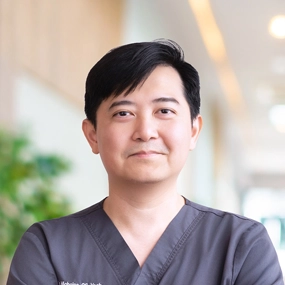
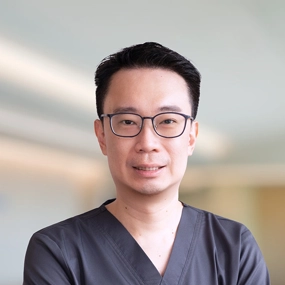
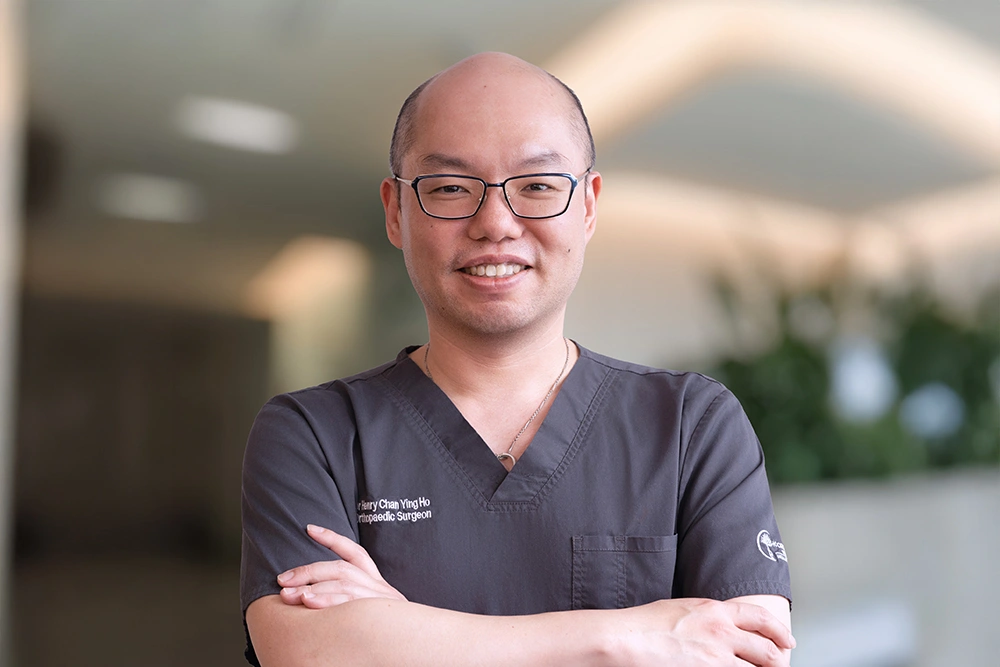
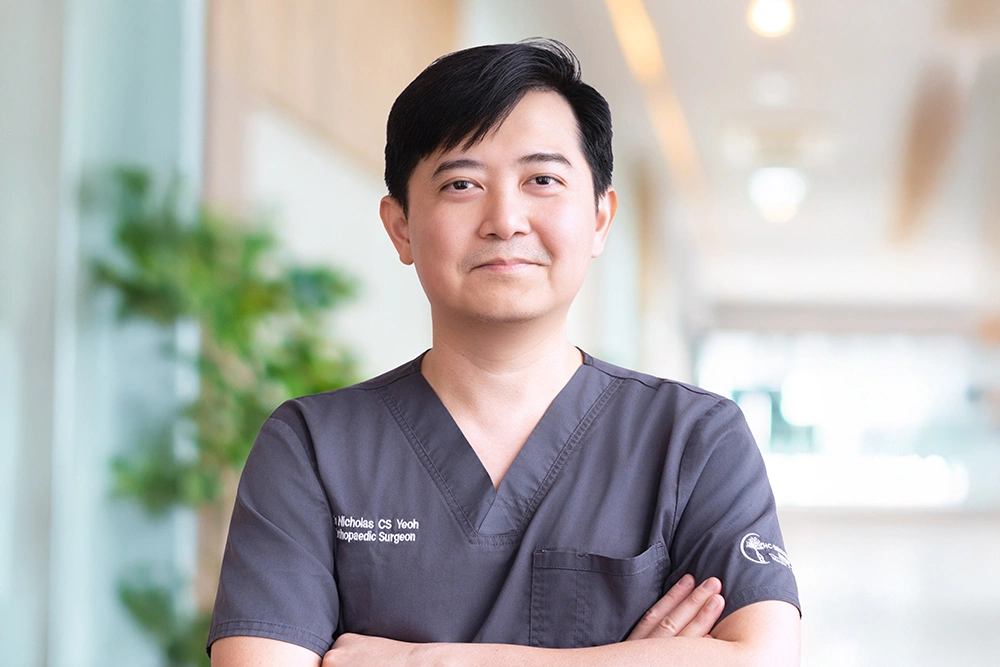
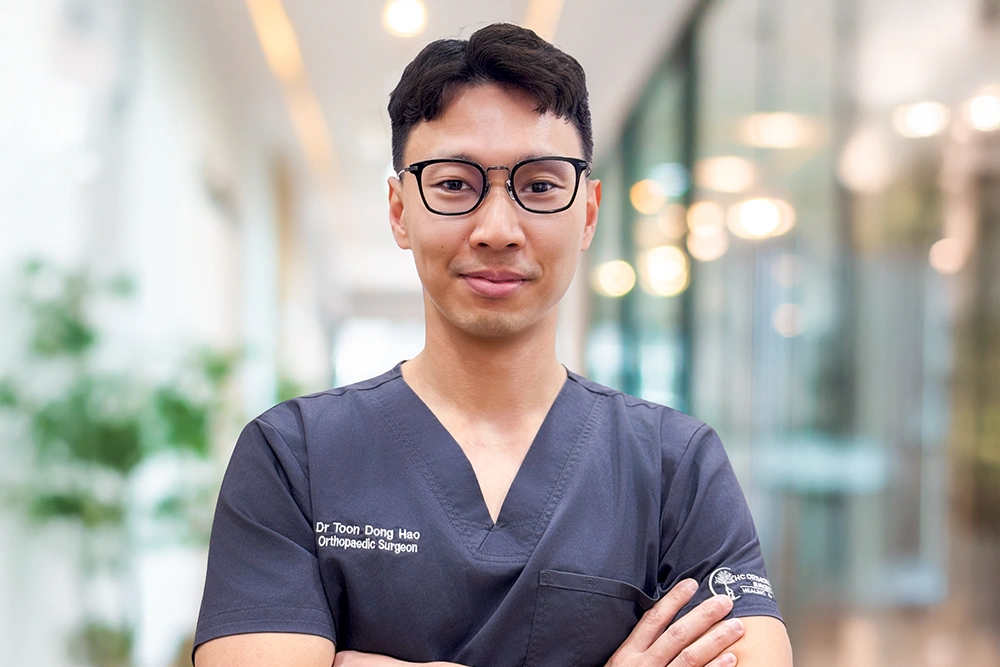
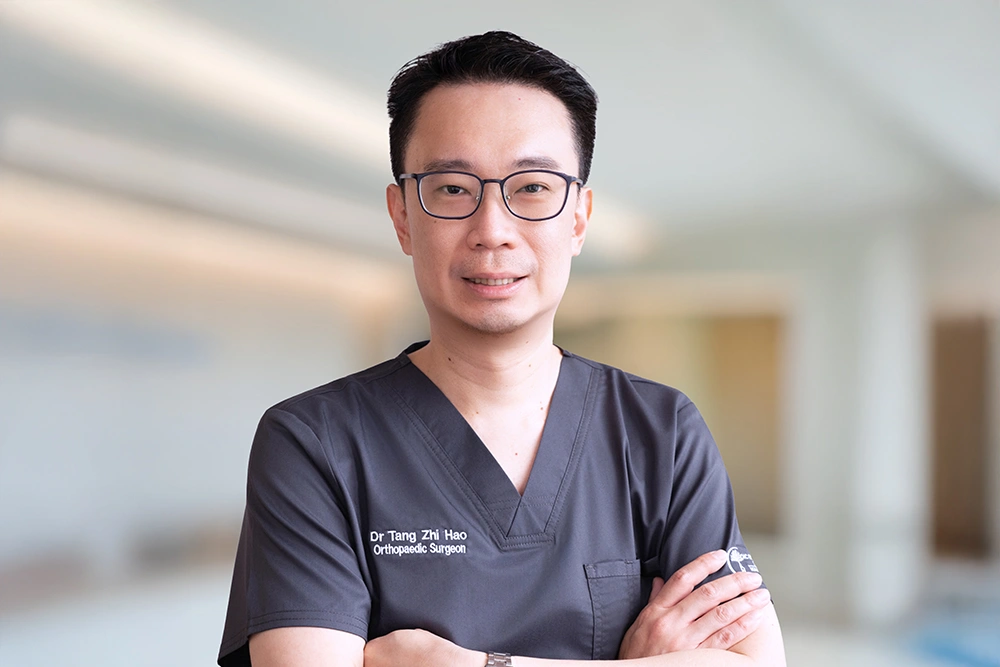
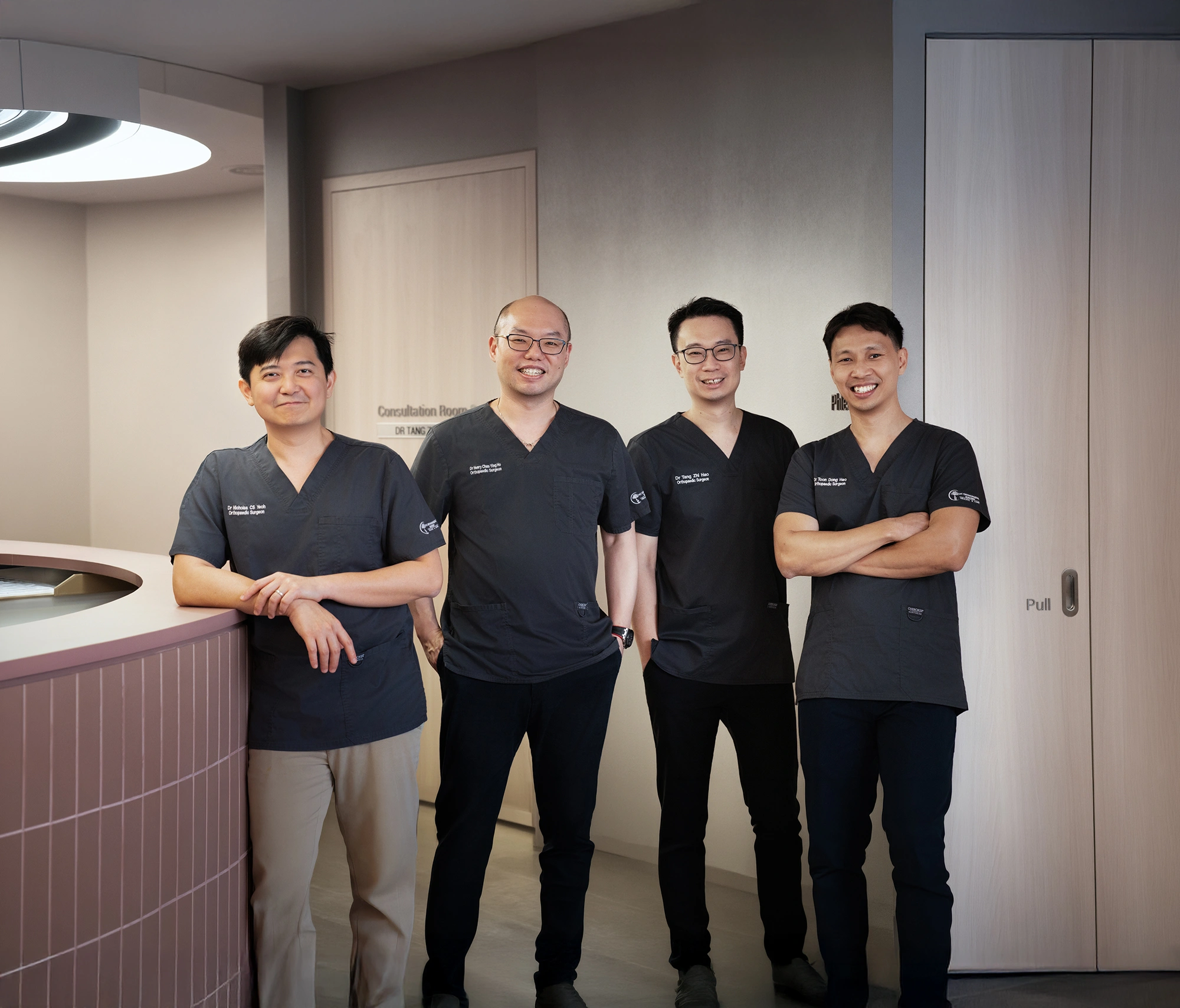
Tại HC Orthopaedic Surgery, chăm sóc do Dr Henry Chan phụ trách, với Dr Toon Dong Hao là chuyên gia vai. Đội ngũ còn có Dr Nicholas Yeoh và Dr Tang Zhi Hao, cung cấp giải pháp chỉnh hình toàn diện nhiều bệnh lý. Chúng tôi xây dựng phác đồ phù hợp cho từng đối tượng từ bảo tồn đến phẫu thuật hiện đại, giúp bạn sớm trở lại tập luyện, sinh hoạt thường nhật an toàn. Nếu bạn bị đau vai kéo dài hoặc cản trở luyện tập, hãy đặt lịch tư vấn chuyên khoa để được thăm khám bài bản.
Những câu hỏi thường gặp về chấn thương vai thể thao
Những môn thể thao nào dễ dẫn tới chấn thương vai nhất?
Tại sao vận động viên hay bị tái phát chấn thương vai?
Tập phục hồi sau chấn thương vai có vai trò gì?
Gặp các chuyên gia chấn thương thể thao của chúng tôi tại Singapore
Dr Henry Chan
Giám đốc Y khoa & Bác sĩ tư vấn cấp cao Bác sĩ phẫu thuật chỉnh hình
MBBS (S’pore), MRCS (Edinburgh), MMed (Orthopaedic Surgery), FRCS (Edinburgh)
Bác sĩ Henry Chan là chuyên gia phẫu thuật chấn thương chỉnh hình giàu kinh nghiệm, chuyên thay khớp và phẫu thuật chỉnh sửa phức tạp. Ông được đào tạo tại Helios Endo-Klinik (Đức) theo học bổng MOH HMDP và đã thực hiện hơn 1.000 ca thay khớp. Bác sĩ đặc biệt thành thạo các kỹ thuật thay khớp bằng máy tính và robot để mang lại kết quả chính xác.
Dr Nicholas Yeoh
Bác sĩ phẫu thuật chỉnh hình cố vấn cấp cao
MBChB (Edinburgh), MRCS (Edinburgh), MMed (Orthopaedic Surgery), FRCS (Edinburgh)
Bác sĩ Nicholas Yeoh là chuyên gia chấn thương chỉnh hình được Bộ Y tế công nhận và là hội viên Royal College of Surgeons of Edinburgh. Ông từng nhận học bổng chuyên sâu về tái tạo khớp háng và gối tại Sydney. Bác sĩ chuyên thay khớp ít xâm lấn, phẫu thuật robot và các kỹ thuật hiện đại giúp phục hồi nhanh, mang lại kết quả tốt.
Dr Toon Dong Hao
Bác sĩ phẫu thuật chỉnh hình cố vấn cấp cao
MBChB (Leeds), MRCS (Edinburgh), MMed (Orthopaedic Surgery), FRCS (Edinburgh)
Bác sĩ Toon Dong Hao là chuyên gia chấn thương chỉnh hình với nhiều kinh nghiệm và là hội viên Royal College of Surgeons of Edinburgh. Ông được đào tạo chuyên sâu về phẫu thuật vai và khuỷu tay tại Sydney. Bác sĩ Toon tập trung điều trị chấn thương thể thao, nội soi khớp và các phẫu thuật phức tạp giúp phục hồi vận động.
Dr Tang Zhi Hao
Bác sĩ phẫu thuật chỉnh hình cố vấn cấp cao
MBBS (S’pore), MRCS (Edinburgh), MMed (Orthopaedic Surgery), FRCS (Edinburgh)
Bác sĩ Tang Zhi Hao là chuyên gia phẫu thuật chỉnh hình giàu kinh nghiệm, chuyên về các bệnh lý bàn chân và cổ chân. Ông từng tu nghiệp chuyên sâu về phẫu thuật bàn chân, cổ chân tại Bệnh viện Severance, Đại học Yonsei (Seoul) với GS Jin Woo Lee. Trước khi làm tư, ông từng là cố vấn và phó trưởng khoa chỉnh hình tại Bệnh viện Khoo Teck Puat.