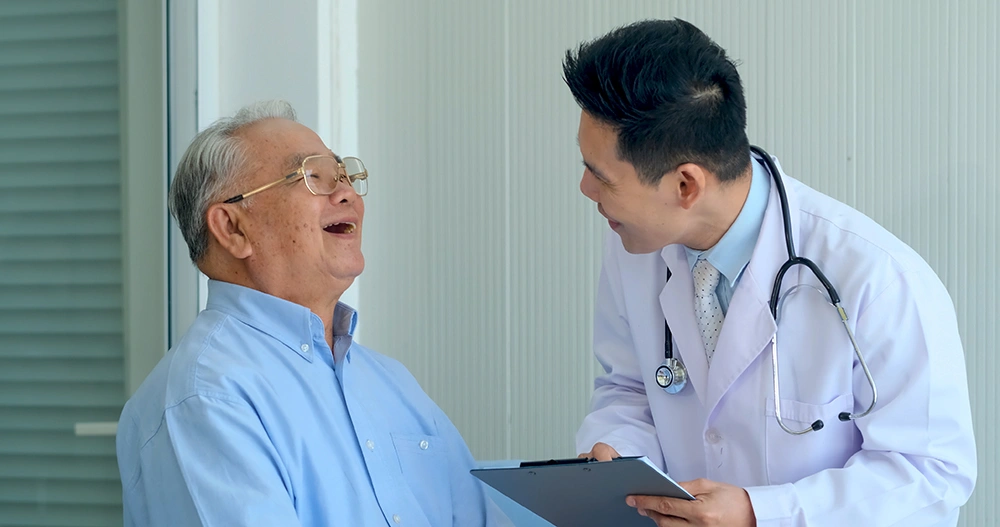
Chọn bác sĩ chỉnh hình phù hợp tại Singapore là bước khởi đầu quan trọng để bạn kiểm soát các vấn đề về khớp, xương hoặc chấn thương thể thao. Dù là chấn thương cấp tính hay vấn đề lâu năm, lựa chọn đúng chuyên gia giúp điều trị hiệu quả và cải thiện lâu dài.
Nhiều lựa chọn có thể khiến bạn bối rối. Yếu tố như kinh nghiệm, đào tạo chuyên khoa phụ, và phương pháp chữa trị đều rất quan trọng. Biết cách đánh giá từng mặt này giúp bạn tự tin hơn khi quyết định chọn bác sĩ phù hợp nhất.
Tóm tắt chính
- Nên chọn bác sĩ có chuyên sâu về vấn đề của bạn (ví dụ: đầu gối, vai, cột sống...)
- Lưu ý số lượng ca thực hành thực tế, không chỉ số năm công tác.
- Đảm bảo bác sĩ đưa ra cả giải pháp mổ và không mổ.
- Xem xét trang thiết bị bệnh viện & hỗ trợ phục hồi chức năng.
- Ưu tiên giao tiếp rõ ràng và xây dựng liệu trình phù hợp từng cá nhân.
Bác sĩ phẫu thuật chỉnh hình làm gì?
Chỉnh hình gồm chẩn đoán và xử lý các vấn đề về xương, khớp, cơ, dây chằng và gân, bao gồm chấn thương thể thao, thoái hóa khớp, gãy xương và bệnh cột sống.
Người làm chỉnh hình thường có chuyên ngành riêng. Chọn bác sĩ đúng chuyên sâu giúp chẩn đoán chính xác, điều trị hiệu quả hơn.
Những tiêu chí khi chọn bác sĩ chỉnh hình
Bác sĩ phù hợp là người có chuyên môn, kinh nghiệm và cách tiếp cận sát với tình trạng thực tế của bạn.
Chuyên sâu đặc biệt
Chỉnh hình bao gồm bệnh lý khớp gối, vai, cột sống và hông. Chọn bác sĩ chuyên đúng ngành giúp chẩn đoán đúng và điều trị tốt hơn.
Kinh nghiệm phù hợp
Kinh nghiệm đo bằng số ca bệnh bác sĩ đã xử lý. Làm nhiều sẽ giúp chẩn đoán chính xác, tiên lượng biến chứng và cân nhắc giữa mổ hoặc không mổ tốt hơn.
Phương pháp điều trị phù hợp
Cần dựa vào bằng chứng, phù hợp với tình trạng và mức sinh hoạt thực tế. Bác sĩ nên tư vấn rõ ràng cả hướng bảo tồn và giải pháp phẫu thuật.
Liên kết bệnh viện & trang thiết bị
Chất lượng bệnh viện/ trung tâm phẫu thuật sẽ quyết định hiệu quả chẩn đoán, phục hồi nhất là với bệnh phức tạp cần nhiều bộ phận phối hợp. Thiết bị chẩn đoán hình ảnh, phòng mổ, phục hồi chức năng đầy đủ sẽ giúp quá trình điều trị suôn sẻ, an toàn hơn.
Giao tiếp & Tương tác
Giao tiếp rõ ràng rất quan trọng. Bác sĩ nên giải thích dễ hiểu về bệnh, cơ hội điều trị và nguy cơ rủi ro. Bạn nên thấy thoải mái chia sẻ, thắc mắc và tin tưởng vào phác đồ đề xuất.
Chọn đúng chuyên khoa dựa trên triệu chứng thế nào?
Nhiều bệnh không rõ dấu hiệu ban đầu. Đau một chỗ có thể xuất phát từ nơi khác, biểu hiện giống nhau có thể do các nguyên nhân khác biệt.
Đừng chỉ suy nghĩ chọn bác sĩ theo vị trí đau, hãy quan sát dấu hiệu thực tế:
- Đau khi vận động/thể thao thường xuất phát từ vấn đề ở khớp hoặc dây chằng, nên khám bác sĩ khớp hoặc chuyên gia thể thao.
- Đau, cứng khớp vào sáng sớm/sau lúc nghỉ ngơi có thể là bệnh thoái hóa, phù hợp đi khám đầu gối hay hông.
- Đau lan từ lưng ra chân/tay có thể do thần kinh, phù hợp khám chuyên cột sống tại đây.
- Đau kéo dài không rõ lý do thì nên tổng kiểm tra trước khi xác định chuyên khoa phù hợp.
Nếu băn khoăn, hãy bắt đầu thăm khám với bác sĩ chỉnh hình tổng quát; bác sĩ sẽ kiểm tra tổng thể và đề xuất chuyên khoa chi tiết nếu cần.

Làm sao biết bác sĩ chỉnh hình đó phù hợp với bạn?
Buổi tư vấn đầu là dịp xem bác sĩ có phù hợp với bạn hay không.
Nên cân nhắc:
- Bác sĩ từng điều trị tình trạng giống bạn chưa?
- Các hướng điều trị (gồm không mổ) được tư vấn chi tiết không?
- Liệu trình có điều chỉnh cho phù hợp lối sống/nguyện vọng bạn không?
- Bạn có thấy dễ trao đổi, hỏi đáp, bàn luận lo ngại không?
- Có kế hoạch rõ ràng cho tái khám và tập luyện phục hồi không?
Sau buổi tư vấn, bạn phải cảm thấy rõ ràng, đủ kiến thức - không còn nghi ngờ, không gấp gáp.
Khi nào nên hỏi ý kiến bác sĩ khác?
Nếu bạn còn lưỡng lự hoặc chưa yên tâm, hỏi thêm ý kiến bác sĩ thứ hai luôn là điều nên làm.
- Bác sĩ khuyên mổ ngay mà chưa thử phương án khác
- Chưa chẩn đoán chắc chắn
- Bạn không rõ rủi ro, kỳ vọng kết quả
- Điều trị hiện tại chưa cải thiện
Xin ý kiến bác sĩ khác là điều bình thường và giúp bạn yên tâm quyết định.
Tự tin chọn bác sĩ chỉnh hình phù hợp
Tự tin chọn bác sĩ chỉnh hình phù hợp

Đội ngũ chỉnh hình chuyên trách
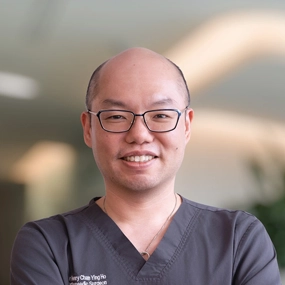
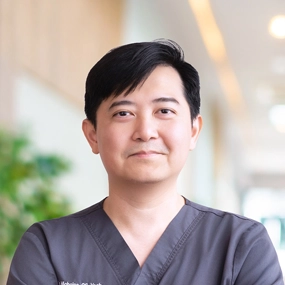
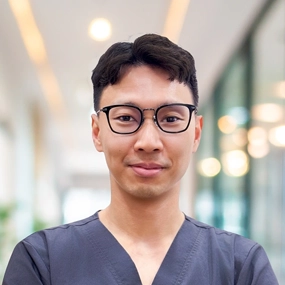
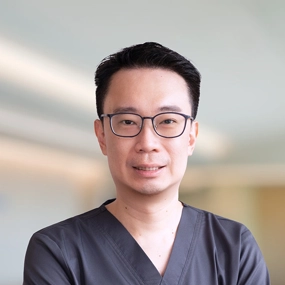
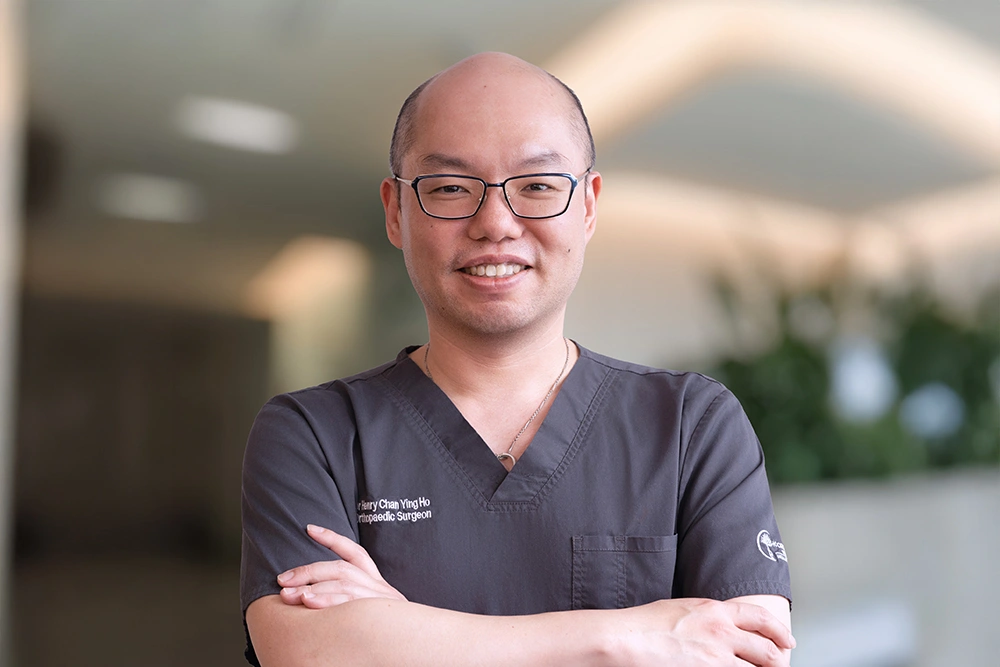
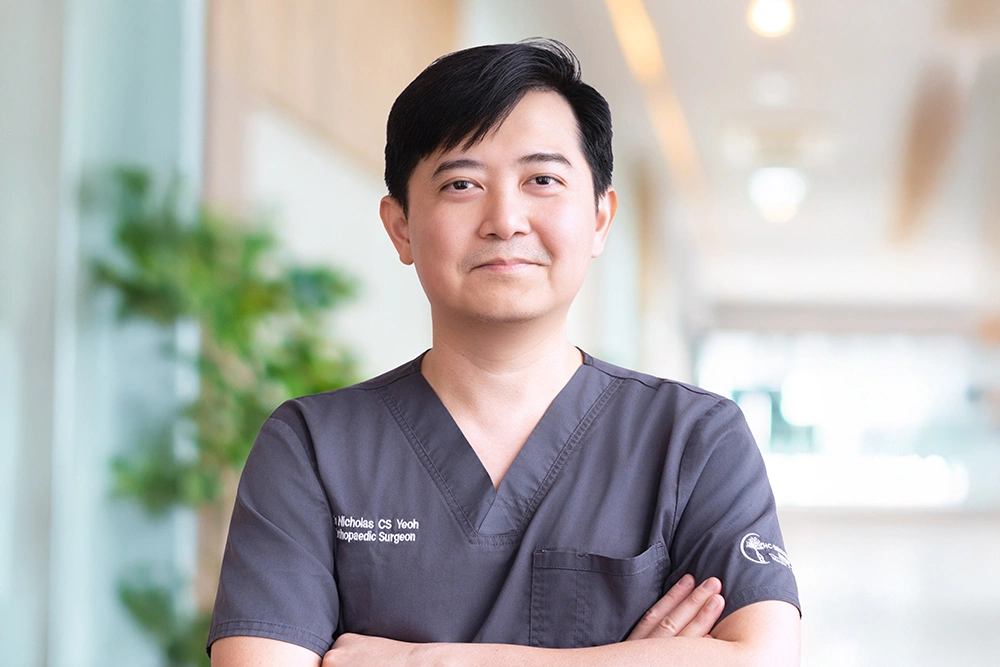
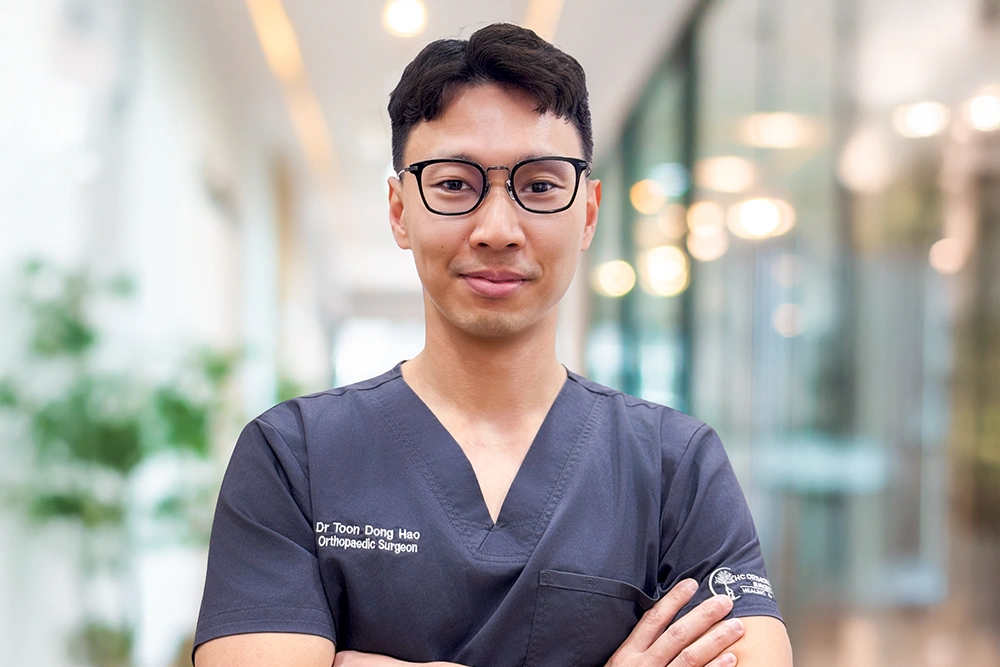
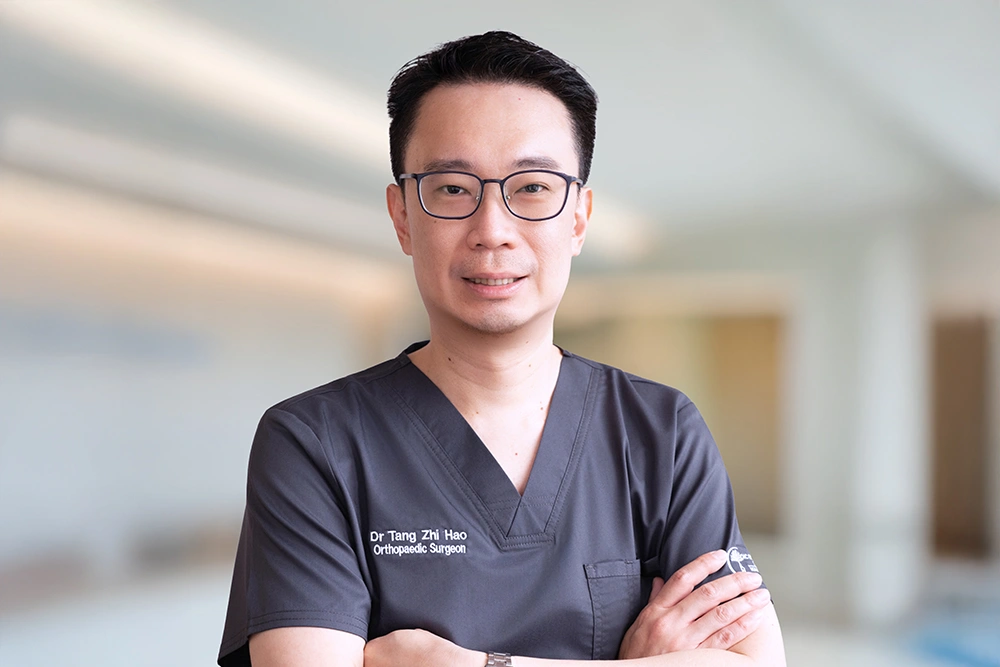
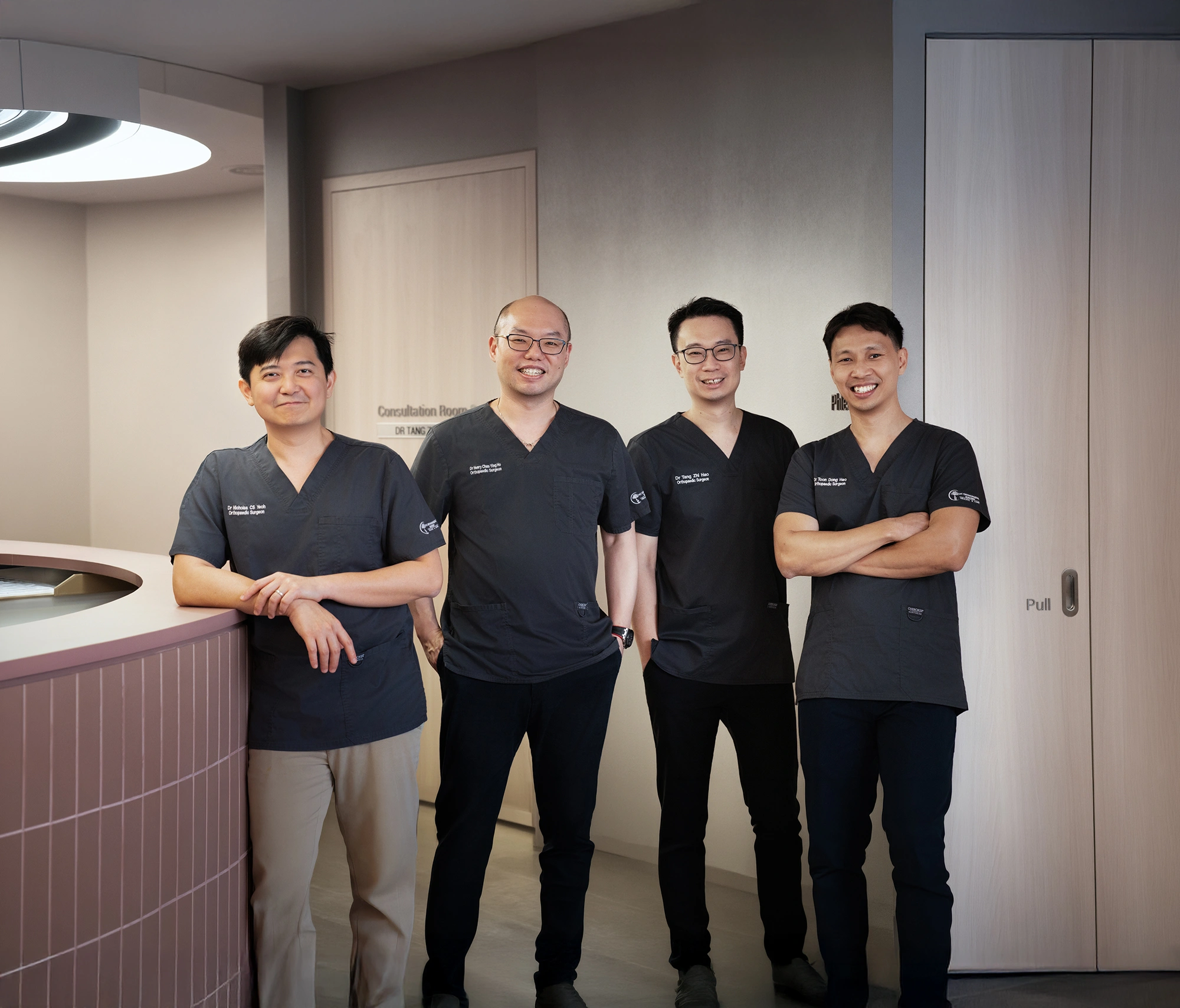
Ở HC Orthopaedic Surgery, đội ngũ do BS Dr Henry Chan dẫn dắt cùng các bác sĩ: Dr Nicholas Yeoh, Dr Toon Dong Hao và Dr Tang Zhi Hao. Chúng tôi ưu tiên y học chứng cứ, thiết kế giải pháp riêng cho từng trường hợp. Nếu cần tư vấn, đặt lịch để được hỗ trợ kỹ lưỡng nhất.
Các Câu Hỏi Thường Gặp (FAQ) Về Việc Lựa Chọn Bác Sĩ Phẫu Thuật Chỉnh Hình
Có cần giấy giới thiệu để đến bác sĩ chỉnh hình tại Singapore không?
Đau khớp/cơ bao lâu thì nên đi khám chỉnh hình?
Bệnh về xương khớp có nhất thiết phải phẫu thuật không?
Đội ngũ bác sĩ chỉnh hình của chúng tôi tại Singapore
Dr Henry Chan
Giám đốc Y khoa & Bác sĩ tư vấn cấp cao Bác sĩ phẫu thuật chỉnh hình
MBBS (S’pore), MRCS (Edinburgh), MMed (Orthopaedic Surgery), FRCS (Edinburgh)
Dr Nicholas Yeoh
Bác sĩ phẫu thuật chỉnh hình cố vấn cấp cao
MBChB (Edinburgh), MRCS (Edinburgh), MMed (Orthopaedic Surgery), FRCS (Edinburgh)
Dr Toon Dong Hao
Bác sĩ phẫu thuật chỉnh hình cố vấn cấp cao
MBChB (Leeds), MRCS (Edinburgh), MMed (Orthopaedic Surgery), FRCS (Edinburgh)
Dr Tang Zhi Hao
Bác sĩ phẫu thuật chỉnh hình cố vấn cấp cao
MBBS (S’pore), MRCS (Edinburgh), MMed (Orthopaedic Surgery), FRCS (Edinburgh)