
Trauma and Fracture Specialists
in Singapore


Our Team of Trauma and Fracture Orthopaedic Surgeons
At HC Orthopaedic Surgery, our orthopaedic specialists collectively bring more than 50 years of clinical experience in diagnosing and managing a wide range of traumatic injuries and fractures. Combining specialist expertise with established orthopaedic techniques, the team focuses on providing accurate diagnosis and timely treatment to stabilise injuries, support proper bone healing and help patients regain mobility and function.
Specialist Orthopaedic Surgeons for Trauma and Fracture Care
Fracture Surgery and Injury Management
Treatments to Restore Bone Stability, Strength and Movement
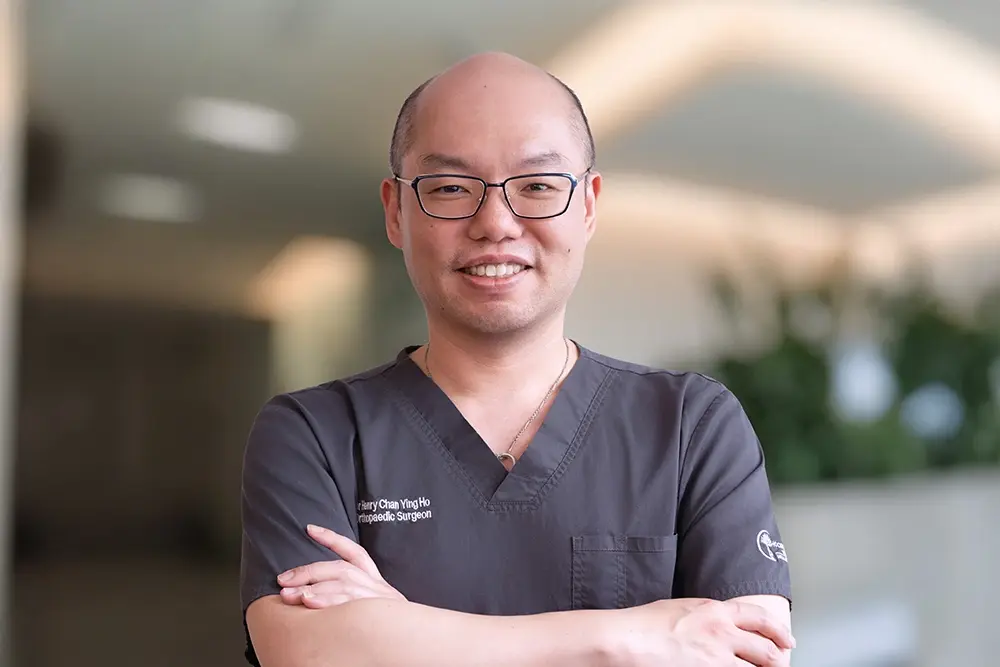
Dr Henry Chan
Medical Director & Senior Consultant Orthopaedic Surgeon
Qualifications:
MBBS (S’pore), MRCS (Edinburgh), MMed (Orthopaedic Surgery), FRCS (Edinburgh)
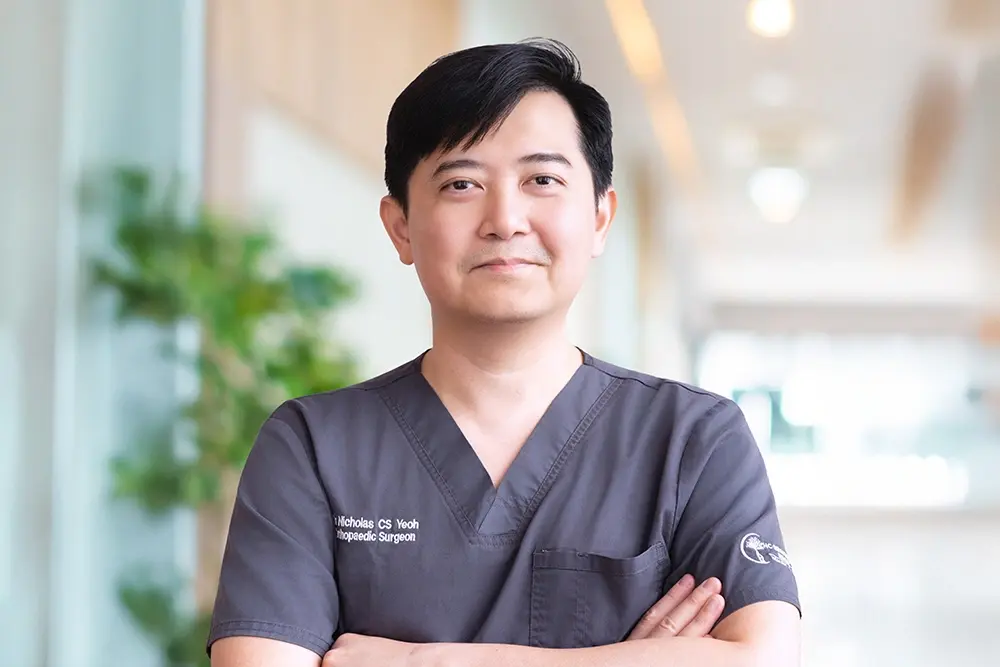
Dr Nicholas Yeoh
Senior Consultant Orthopaedic Surgeon
Qualifications:
MBChB (Edinburgh), MRCS (Edinburgh), MMed (Orthopaedic Surgery), FRCS (Edinburgh)
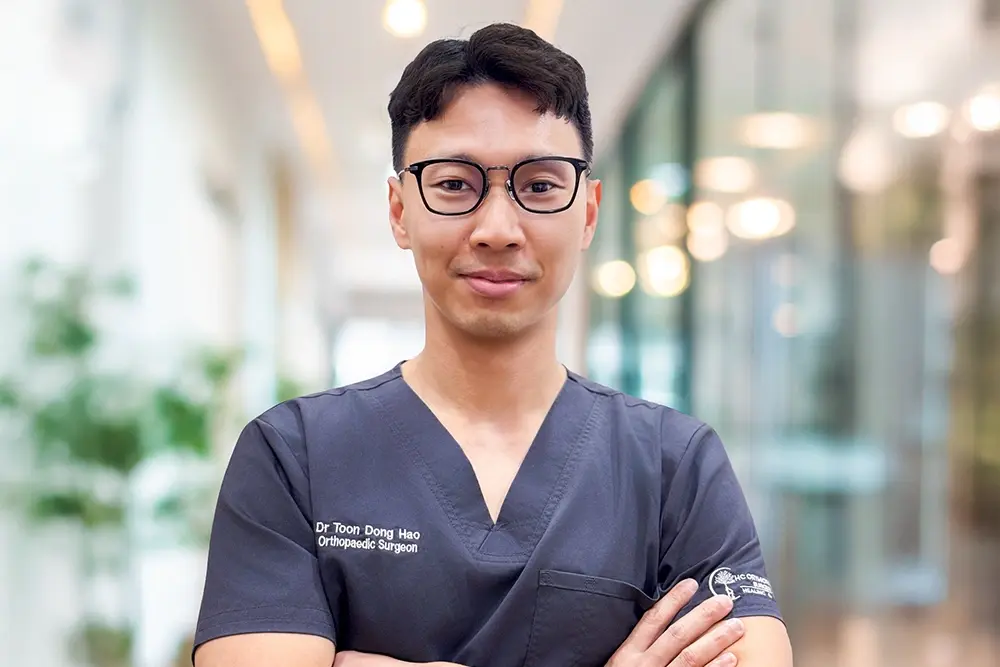
Dr Toon Dong Hao
Senior Consultant Orthopaedic Surgeon
Qualifications:
MBChB (Leeds), MRCS (Edinburgh), MMed (Orthopaedic Surgery), FRCS (Edinburgh)
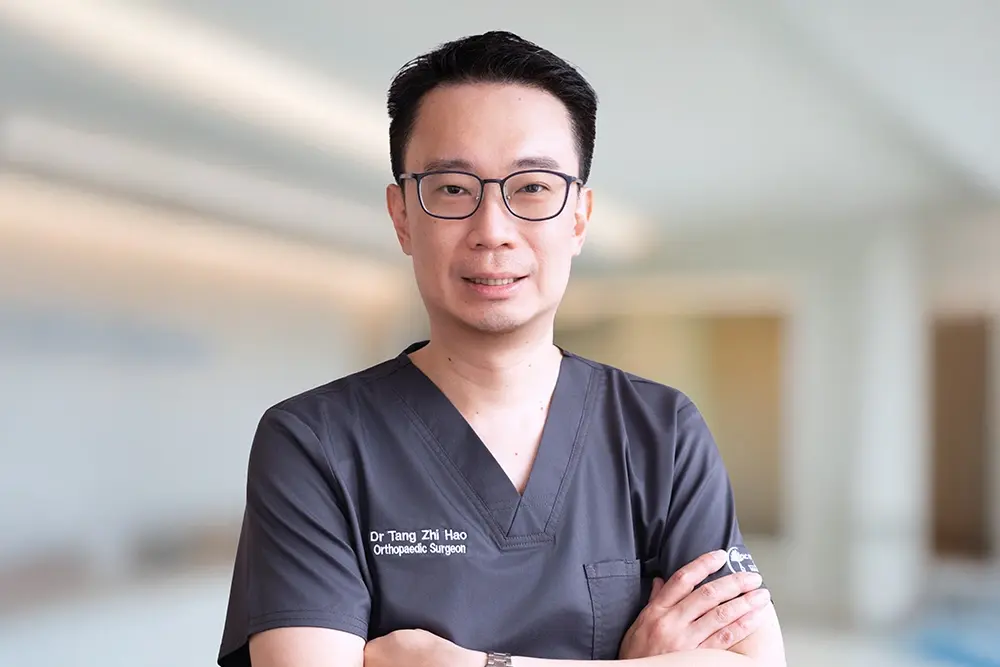
Dr Tang Zhi Hao
Senior Consultant Orthopaedic Surgeon
Qualifications:
MBBS (S’pore), MRCS (Edinburgh), MMed (Orthopaedic Surgery), FRCS (Edinburgh)
Understanding the Condition
What Are Orthopaedic Trauma and Fractures?
Orthopaedic trauma refers to injuries affecting the bones, joints, muscles, ligaments or tendons of the musculoskeletal system, often caused by sudden accidents or high-impact events. Fractures are a common form of orthopaedic trauma and occur when a bone breaks due to excessive force from falls, sports injuries, road accidents or other forms of physical impact.
These injuries can vary widely in severity, ranging from minor hairline fractures to complex breaks involving multiple bone fragments or surrounding soft-tissue damage. Depending on the location and type of injury, patients may experience pain, swelling, bruising, deformity or difficulty moving the affected limb.
Understanding the Differences
Understanding the Types of Trauma and Fractures
Orthopaedic trauma includes injuries affecting the bones, joints and surrounding soft tissues following falls, accidents or sports-related impact. These injuries may involve fractures, joint dislocations or ligament damage that disrupt stability and movement. Depending on the location and severity of the injury, trauma can affect different parts of the musculoskeletal system.
Geriatric Fractures in the Elderly
Older adults are more susceptible to fractures due to reduced bone density and a higher risk of falls. Common examples include hip fractures, wrist fractures and vertebral compression fractures of the spine. These injuries can significantly affect mobility and independence, often requiring prompt medical care and rehabilitation.
Spinal Trauma and Fractures
Trauma affecting the spine may occur after falls, road accidents or high-impact injuries. Examples include vertebral compression fractures, traumatic slipped discs and other injuries that may affect the spinal nerves. Because the spine protects the spinal cord and supports body movement, spinal injuries require careful evaluation and appropriate treatment.
Upper Limb Trauma and Fractures
Traumatic injuries affecting the shoulder, elbow, forearm, wrist and hand often occur during falls, sports injuries or direct impact. Examples include dislocated shoulders, labral injuries of the shoulder, elbow dislocations, and elbow fractures in children. Fractures of the forearm or wrist may also occur when a person lands on an outstretched arm.
Lower Limb Trauma and Fractures
Injuries to the hip, knee, leg, ankle and foot are common in falls, road accidents and sports activities. These may include hip fractures, ACL tears, meniscus injuries, and ankle fractures or severe ankle sprains. Because these joints bear body weight, trauma in the lower limb can significantly affect walking and balance.
Symptoms of Trauma and Fractures and When to See a Specialist
Traumatic injuries to the bones and joints often cause sudden pain and functional limitations. While minor injuries may improve with rest, persistent or severe symptoms may indicate a fracture, dislocation or ligament injury that requires medical evaluation.
Common signs and symptoms of trauma and fractures may include:
- Severe pain at the injury site, especially after a fall, accident or direct impact
- Swelling, bruising or tenderness around the affected bone or joint
- Visible deformity or an abnormal position of the limb
- Difficulty moving the affected area or bearing weight on the injured limb
- Numbness, tingling or weakness, which may suggest nerve involvement
- Instability in the joint, particularly after ligament injuries such as ACL tears or severe ankle sprains
These symptoms may indicate an underlying hip condition that requires medical evaluation. Early assessment by a hip specialist can help identify the cause and guide appropriate treatment to restore hip function and reduce the risk of long-term complications.
Our Specialised Treatments for Trauma and Fractures
Treatment for orthopaedic trauma depends on the location and severity of the injury. While some fractures and soft-tissue injuries can be managed with immobilisation and rehabilitation, others may require surgical procedures to stabilise bones, repair damaged tissues and restore joint function.

Knee Surgery
Knee Arthroscopy
Knee arthroscopy is a minimally invasive procedure performed using small incisions and a camera to examine and treat injuries within the knee joint. It is commonly used to address traumatic cartilage damage, remove loose fragments after injury, and treat certain sports-related knee injuries.
ACL Reconstruction Surgery
ACL reconstruction surgery is performed when the anterior cruciate ligament of the knee is torn, usually during sports or sudden twisting injuries. The damaged ligament is replaced with a tendon graft to restore knee stability and allow patients to return to physical activity.
Meniscus Repair & Replacement
Meniscus surgery is used to treat tears in the cartilage that cushions the knee joint. Depending on the type and severity of the injury, the torn meniscus may be repaired or replaced to restore joint function and reduce knee pain after trauma.

Hip Surgery
Partial Hip Replacement Surgery
Partial hip replacement involves replacing the damaged ball portion of the hip joint while preserving the natural socket. This procedure is commonly performed for certain types of hip fractures, particularly in older adults, to restore mobility and reduce pain.
Total Hip Replacement Surgery
Total hip replacement involves replacing both the ball and socket of the hip joint with artificial components. In traumatic cases, it may be recommended for complex hip fractures or when the joint surface is severely damaged.
Hip Arthroscopy
Hip arthroscopy is a minimally invasive procedure performed using small incisions and a camera to examine and treat problems inside the hip joint. It may be used to address traumatic labral tears, cartilage injuries or loose fragments within the joint following injury.

Shoulder & Upper Limb Surgery
Shoulder Arthroscopy
Shoulder arthroscopy is a minimally invasive procedure used to diagnose and treat injuries inside the shoulder joint. It may be performed to manage traumatic cartilage damage, labral injuries or inflammation following shoulder trauma.
Shoulder Stabilisation Surgery
Shoulder stabilisation surgery is performed to treat recurrent shoulder dislocations or instability following injury. The procedure repairs or tightens the structures that hold the shoulder joint in place to prevent further dislocations.
Rotator Cuff Repair
Rotator cuff repair is performed when one or more tendons of the rotator cuff are torn, often due to trauma such as falls or lifting injuries. The procedure reattaches the torn tendon to the bone to restore shoulder strength and movement.
Elbow Surgery
Elbow surgery may be required for traumatic injuries such as elbow fractures, ligament damage or joint instability. Depending on the injury, the procedure may involve repairing ligaments, stabilising fractures or removing damaged tissue.

Spine Surgery
Slipped Disc Surgery
Slipped disc surgery is performed when a herniated disc compresses nearby nerves, causing pain, weakness or numbness. The procedure removes or relieves pressure from the affected disc to restore nerve function.
Spinal Decompression Surgery
Spinal decompression surgery relieves pressure on the spinal cord or nerves caused by trauma, disc injuries or structural abnormalities of the spine. The procedure creates more space for the nerves to reduce pain and neurological symptoms.
Minimally Invasive Spine Surgery
Minimally invasive spine surgery uses specialised instruments and smaller incisions to treat spinal injuries or disc problems. This approach aims to reduce tissue disruption while addressing the underlying cause of nerve compression.

Foot & Ankle Surgery
Achilles Tendon Surgery
Achilles tendon surgery is performed when the Achilles tendon ruptures, often during sports or sudden forceful movements. The torn tendon is repaired to restore strength and allow normal ankle movement.
Ankle Ligament Reconstruction
Ankle ligament reconstruction is used to treat severe ligament injuries or chronic ankle instability after repeated sprains. The damaged ligaments are repaired or reconstructed to restore stability to the ankle joint.


Other Services
Sports Surgery
Sports surgery addresses traumatic injuries sustained during physical activity, including ligament tears, cartilage damage and tendon injuries affecting joints such as the knee, shoulder or ankle.
Paediatric Orthopaedics
Paediatric orthopaedic care focuses on fractures and musculoskeletal injuries affecting children. Treatment is tailored to the growing skeleton to ensure proper bone healing and long-term limb function.
Why Choose HC Orthopaedic Surgery for Trauma and Fractures
Our goal is to help patients recover safely from traumatic injuries and return to daily activities with restored mobility and function. Whether injuries result from falls, sports incidents or accidents, our team focuses on accurate diagnosis and structured treatment plans that support proper bone healing and long-term musculoskeletal health.
Experienced Orthopaedic Trauma Care
Patients with fractures and traumatic injuries are assessed by experienced orthopaedic surgeons who manage a wide range of musculoskeletal conditions. Each injury is carefully evaluated to determine the most appropriate treatment approach based on the type of trauma, severity of the injury and the patient’s recovery needs.
Surgical Treatment When Required
Some traumatic injuries may require surgical intervention to stabilise fractures, repair ligaments or restore joint alignment. Procedures such as fracture fixation, ligament reconstruction and joint surgery may be recommended depending on the injury and functional goals of the patient.
Focus on Recovery and Function
Trauma and fractures can significantly affect mobility, strength and independence. Treatment focuses not only on stabilising the injury but also on restoring movement, rebuilding strength and supporting a safe return to work, sports and daily activities.
Collaborative Orthopaedic Expertise
HC Orthopaedic Surgery brings together experienced orthopaedic specialists including Dr Henry Chan, Dr Nicholas Yeoh, Dr Toon Dong Hao and Dr Tang Zhi Hao. This collaborative environment allows patients with traumatic injuries to benefit from a broad range of orthopaedic expertise, particularly when managing complex fractures or injuries involving multiple joints.
Your Trauma and Fracture Care at HC Orthopaedic Surgery
Traumatic injuries and fractures can significantly affect movement, stability and everyday activities. At HC Orthopaedic Surgery, care focuses on identifying the extent of the injury and guiding patients through a structured treatment plan. From initial assessment to treatment and recovery, each stage is designed to support proper bone healing, restore function and help patients safely return to daily activities.
Diagnosis
Treatment
Rehabilitation and Recovery
Who Is at Risk of Traumatic Injuries and Fractures?
Traumatic injuries and fractures can occur in people of all ages, but certain factors and activities may increase the likelihood of experiencing these injuries. Accidents, repetitive stress on joints and reduced bone strength can all contribute to a higher risk of musculoskeletal trauma.
People who may be at higher risk of developing traumatic injuries and fractures include:
Older Adults
Age-related bone loss can make bones more fragile and susceptible to fractures. Falls are a common cause of injuries such as hip fractures, wrist fractures and vertebral compression fractures in older adults.
Athletes and Physically Active Individuals
Sports and high-impact activities may increase the risk of injuries such as ACL tears, meniscus injuries, shoulder dislocations and ankle sprains. Sudden twisting movements, collisions or repetitive strain can place significant stress on joints and ligaments.
Individuals With Physically Demanding Jobs
Occupations that involve heavy lifting, repetitive movements, working at heights or operating machinery may increase the risk of accidents and musculoskeletal injuries.
People With Reduced Bone Strength
Certain medical conditions, nutritional deficiencies or long-term medication use may weaken bones and increase susceptibility to fractures after relatively minor trauma.
Individuals With Previous Injuries
People who have previously experienced fractures, ligament injuries or joint instability may have a higher risk of re-injury, particularly if the affected joint has not fully regained strength or stability.
How to Reduce the Risk of Trauma and Fractures
Improve Balance and Strength
Exercises that strengthen muscles and improve balance may help reduce the risk of falls, particularly in older adults. Activities such as strength training and balance exercises can support joint stability and coordination.
Use Protective Equipment During Sports
Wearing appropriate protective gear during sports or high-impact activities may help reduce the risk of injuries such as ligament tears, dislocations or fractures. Proper footwear and protective padding can also help protect vulnerable joints.
Maintain Good Bone Health
Adequate intake of calcium and vitamin D, along with regular weight-bearing exercise, supports bone strength. Stronger bones are less likely to fracture during falls or accidents.
Practise Safe Movement Techniques
Using proper techniques when lifting heavy objects or performing physical tasks can reduce stress on the joints and lower the risk of sudden injuries.
Reduce Fall Hazards at Home
Simple measures such as keeping floors clutter-free, installing handrails and ensuring adequate lighting can help reduce fall risk, particularly for older adults who are more susceptible to fractures.
Non-Surgical Care
What to Do After a Suspected Fracture or Injury
If you suspect a fracture or serious musculoskeletal injury after a fall, accident or sports incident, taking the right steps early can help prevent further damage and reduce complications.
Non-Surgical Care
What to Do After a Suspected Fracture or Injury
If you suspect a fracture or serious musculoskeletal injury after a fall, accident or sports incident, taking the right steps early can help prevent further damage and reduce complications.
Immobilise the Injured Area
Try to keep the affected limb or joint as still as possible. Avoid moving the injured area unnecessarily, as movement may worsen the injury or cause further displacement of a fractured bone.
Avoid Bearing Weight
If the injury involves the leg, hip, ankle or foot, avoid standing or placing weight on the affected limb. Using support such as crutches or assistance from others may help prevent additional strain.
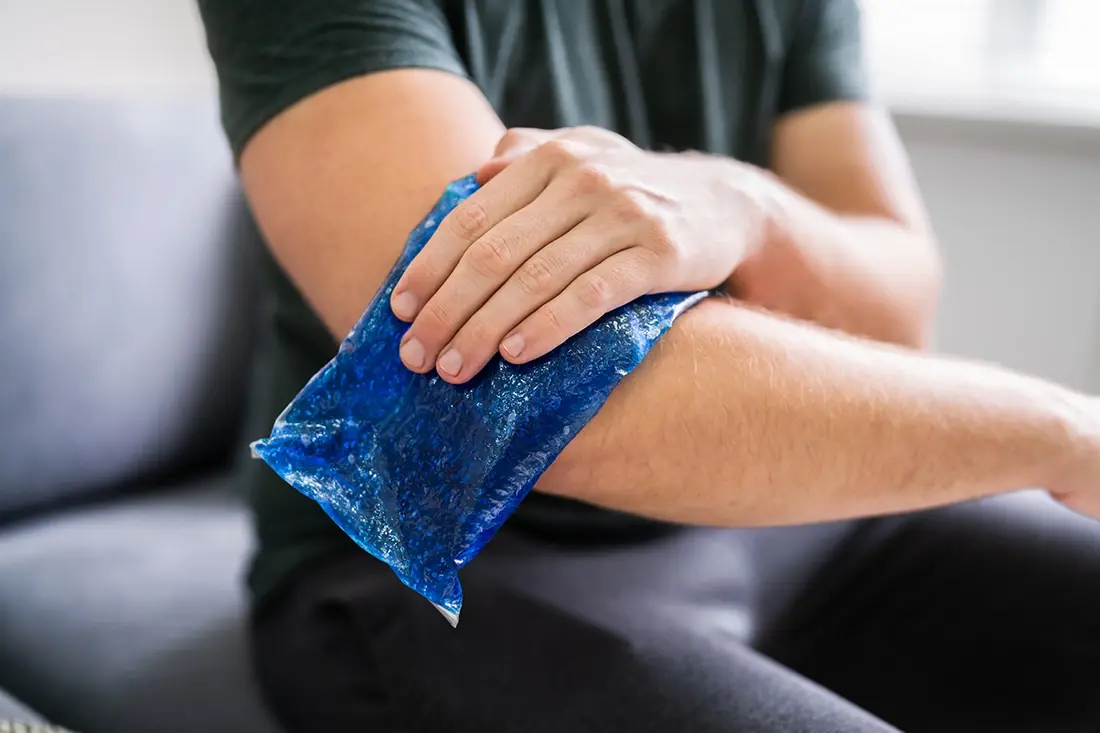
Apply a Cold Compress
Applying a cold pack to the injured area for short periods may help reduce swelling and relieve pain. The cold compress should be wrapped in a cloth to avoid direct contact with the skin.
Seek Medical Evaluation Promptly
Severe pain, visible deformity, swelling or difficulty moving the injured area may indicate a fracture or serious injury. Prompt evaluation by an orthopaedic specialist allows accurate diagnosis and appropriate treatment to support proper healing.
Cost of Trauma and Fracture Treatment in Singapore
The overall cost of managing traumatic injuries and fractures in Singapore depends on the specific diagnosis and the treatment approach recommended. Expenses may vary based on the investigations required, whether surgery is necessary and the level of follow-up care involved during recovery.
Key Cost Drivers
Several factors can affect the cost of trauma and fracture treatment in Singapore:
Type of treatment required
Diagnostic tests
Surgical complexity
Hospital and facility fees
Post-treatment rehabilitation

Insurance and Financing
Some procedures for traumatic injuries and fractures may qualify for MediSave usage, depending on their classification under Singapore’s Table of Surgical Procedures. Patients covered by MediShield Life or Integrated Shield Plans may also receive insurance support for hospitalisation and surgery, which can help reduce personal medical expenses.
For a more accurate estimate, patients are encouraged to consult the clinic for a personalised cost assessment based on their diagnosis and recommended treatment plan.
Comprehensive Trauma and Fracture Care at HC Orthopaedic Surgery
Traumatic injuries and fractures can occur suddenly following falls, sports injuries or accidents, affecting bones, joints and surrounding soft tissues. Because these injuries may disrupt stability, movement and weight-bearing function, timely assessment is important to determine the extent of damage and guide appropriate treatment. Early and accurate management helps support proper bone healing, restore joint function and reduce the risk of long-term complications.
Comprehensive Trauma and Fracture Care at HC Orthopaedic Surgery
Traumatic injuries and fractures can occur suddenly following falls, sports injuries or accidents, affecting bones, joints and surrounding soft tissues. Because these injuries may disrupt stability, movement and weight-bearing function, timely assessment is important to determine the extent of damage and guide appropriate treatment. Early and accurate management helps support proper bone healing, restore joint function and reduce the risk of long-term complications.

Our Specialised Team
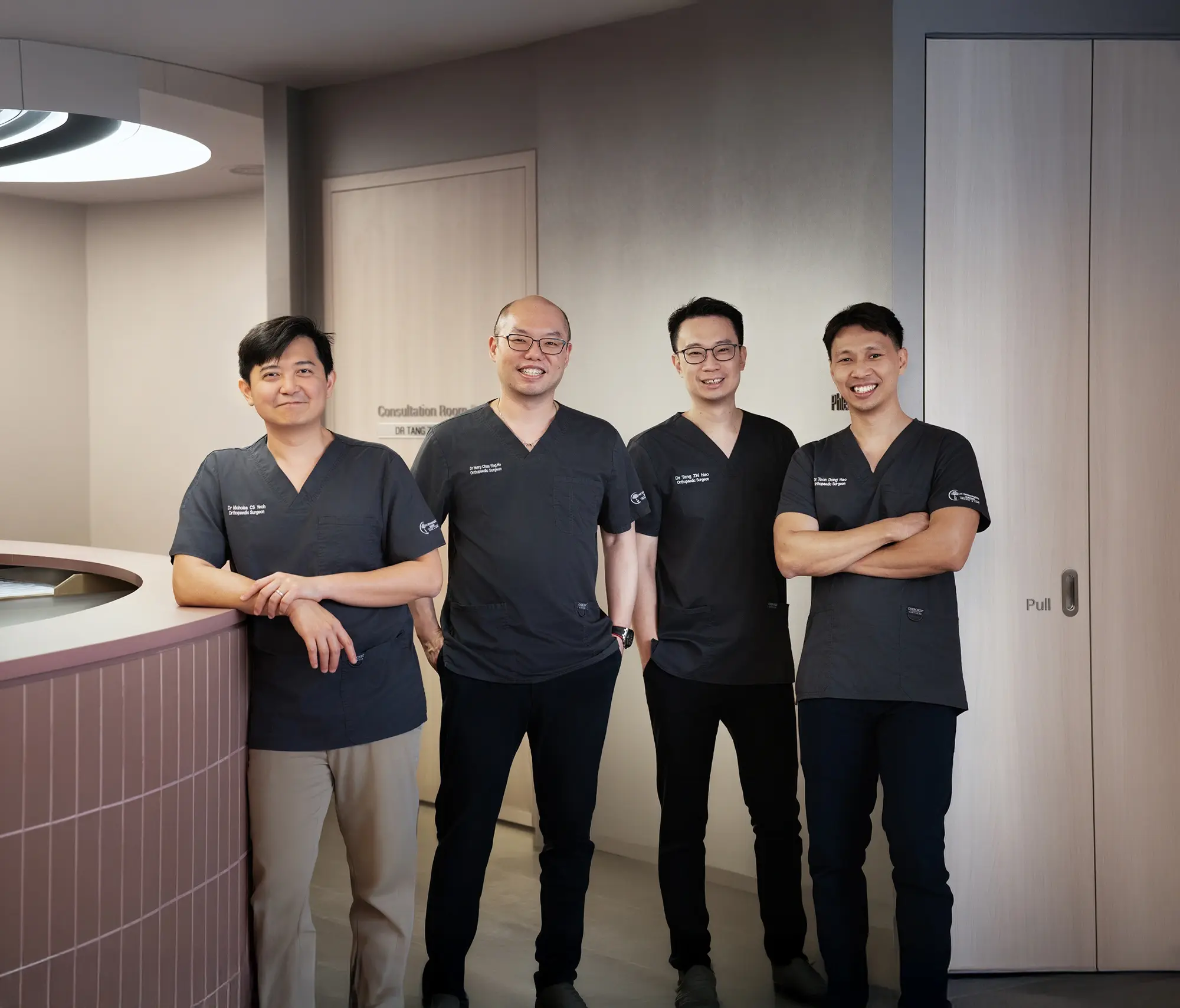
Trauma and fracture care at HC Orthopaedic Surgery is delivered by an experienced team of orthopaedic surgeons led by Dr Henry Chan, together with Dr Nicholas Yeoh, Dr Toon Dong Hao and Dr Tang Zhi Hao. The team manages a wide range of musculoskeletal injuries, from fractures and joint dislocations to ligament and tendon injuries. By combining their expertise across different areas of orthopaedics, patients with traumatic injuries can benefit from coordinated care tailored to their specific condition and recovery needs.
Frequently Asked Questions (FAQs) About Trauma and Fractures
How do I know if I might have a fracture?
Should I see a doctor immediately after a fall or injury?
Can fractures heal without surgery?
How long does it take for a fracture to heal?
Can I walk or move after a fracture?
Will I need physiotherapy after a fracture?
Meet Our Specialist Team
Our team comprises Dr Henry Chan, Dr Nicholas Yeoh, Dr Toon Dong Hao, and Dr Tang Zhi Hao — experienced orthopaedic surgeons with subspecialty experience and a patient-centred approach to care.
Dr Henry Chan
Medical Director & Senior Consultant Orthopaedic Surgeon
MBBS (S’pore), MRCS (Edinburgh), MMed (Orthopaedic Surgery), FRCS (Edinburgh)
Dr Henry Chan is an experienced orthopaedic surgeon specialising in joint replacement and complex revision surgery. Trained at the renowned Helios Endo-Klinik in Germany under the MOH HMDP scholarship, he has performed over 1,000 joint replacements and specialises in computer-assisted and robotic joint replacement techniques for precise outcomes.
Dr Nicholas Yeoh
Senior Consultant Orthopaedic Surgeon
MBChB (Edinburgh), MRCS (Edinburgh), MMed (Orthopaedic Surgery), FRCS (Edinburgh)
Dr Nicholas Yeoh is an MOH-accredited orthopaedic specialist and Fellow of the Royal College of Surgeons of Edinburgh. Fellowship-trained in hip and knee reconstruction in Sydney under the MOH HMDP scholarship, he specialises in minimally invasive joint replacement, robotic surgery and advanced techniques that enhance recovery and surgical outcomes.
Dr Toon Dong Hao
Senior Consultant Orthopaedic Surgeon
MBChB (Leeds), MRCS (Edinburgh), MMed (Orthopaedic Surgery), FRCS (Edinburgh)
Dr Toon Dong Hao is a skilled orthopaedic surgeon and Fellow of the Royal College of Surgeons of Edinburgh. Fellowship-trained in Advanced Shoulder and Elbow Surgery in Sydney under the MOH HMDP scholarship, Dr Toon specialises in sports injuries, arthroscopic surgery and complex shoulder, elbow and knee procedures to restore function and mobility.
Dr Tang Zhi Hao
Senior Consultant Orthopaedic Surgeon
MBBS (S’pore), MRCS (Edinburgh), MMed (Orthopaedic Surgery), FRCS (Edinburgh)
Dr Tang Zhi Hao is a fellowship-trained orthopaedic surgeon specialising in foot and ankle conditions. He completed his Foot and Ankle Surgery fellowship at Severance Hospital, Yonsei University Health System in Seoul under Professor Jin Woo Lee. Prior to private practice, he served as Consultant and Deputy Head of Orthopaedics at Khoo Teck Puat Hospital.