
Total Hip Replacement Surgery
in Singapore

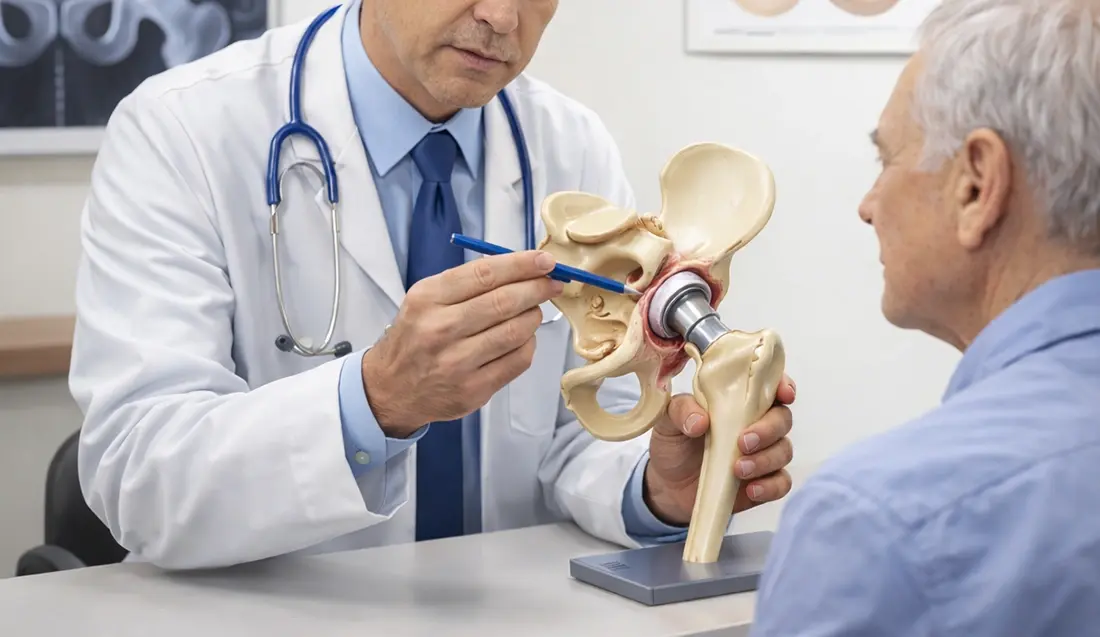
A diagnosis of severe hip arthritis or advanced joint damage can significantly affect your mobility and quality of life. Persistent hip pain, stiffness and difficulty walking may begin to interfere with work, exercise and even simple daily activities such as climbing stairs or getting out of a chair. When conservative treatments such as medication, physiotherapy or injections no longer provide sufficient relief, total hip replacement surgery may be considered.
Total hip replacement surgery involves removing the damaged ball-and-socket components of the hip joint and replacing them with artificial implants designed to restore smooth movement and stability. Understanding when total hip replacement is appropriate, what the procedure involves and what recovery looks like can help you make an informed decision about managing chronic hip pain and regaining function.
Understanding the Procedure
What Is Total Hip Replacement Surgery?
Understanding the Procedure
What Is Total Hip Replacement Surgery?
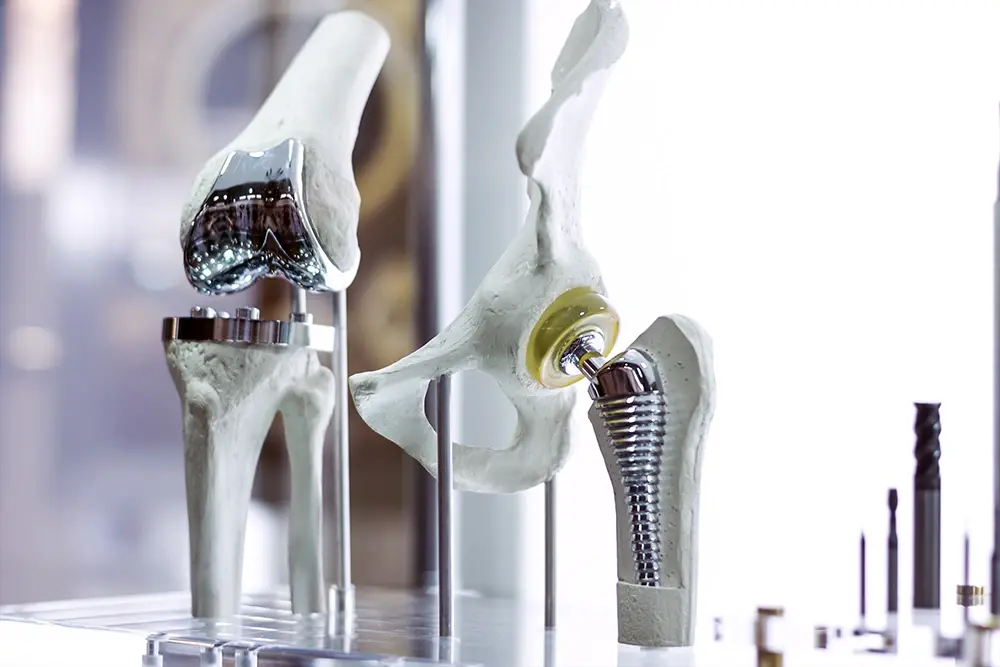
Total hip replacement surgery, also known as total hip arthroplasty, is a procedure that replaces the entire damaged hip joint with an artificial implant, called a prosthesis. It is typically recommended when both the ball and socket surfaces of the joint are worn or damaged, most commonly due to advanced arthritis.
Unlike partial hip replacement, which replaces only the femoral head, total hip replacement addresses both sides of the joint. By resurfacing the socket as well, the procedure provides more comprehensive restoration of joint mechanics and is generally preferred when there is significant cartilage loss on both surfaces. This approach aims to relieve pain, restore mobility and improve long-term joint function.
When Is Total Hip Replacement Surgery Recommended?
Total hip replacement surgery is typically considered when chronic hip pain and stiffness significantly affect daily life and do not respond to non-surgical treatment. In Singapore, most people who undergo total hip replacement are between 50 and 80 years old. However, age alone is not the deciding factor. In some cases, younger adults may require hip joint replacement if other treatments have failed and symptoms continue to limit function.
Common conditions that may lead to total hip replacement include:
- Advanced hip osteoarthritis
- Rheumatoid arthritis or other inflammatory joint diseases
- Avascular necrosis of the femoral head
- Severe hip fractures or post-traumatic arthritis
- Structural abnormalities such as hip dysplasia
You may need hip joint surgery if you experience:
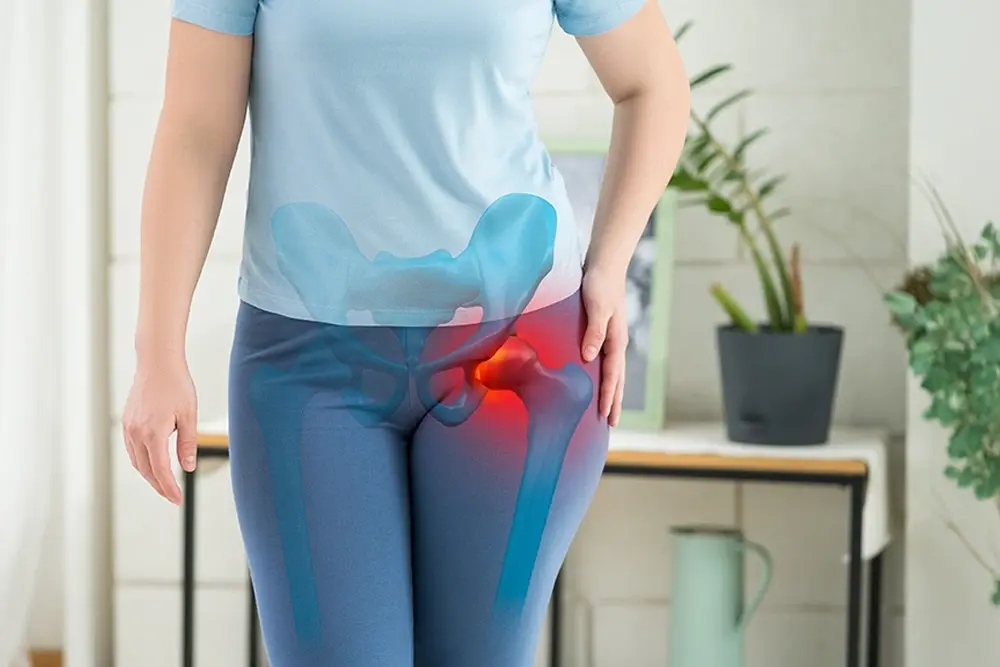
- Persistent groin pain or pain along the side of the hip
- Stiffness that makes daily tasks, such as tying your shoes or trimming your toenails, difficult
- A sensation that one leg feels shorter than the other
- A limp or noticeable change in your walking pattern
- Pain that persists despite medication, physiotherapy or injections
A detailed clinical evaluation, supported by imaging such as X-rays, helps determine whether total hip replacement is appropriate and whether it offers the best opportunity to relieve pain and restore mobility.
At HC Orthopaedic Surgery, our hip specialists provide comprehensive evaluation and personalised treatment planning to determine whether total hip replacement is the right option for you.
What Are the Components of Total Hip Replacement?
The hip joint functions as a ball-and-socket joint. The ball is the rounded top of the thigh bone, known as the femoral head, while the socket is a cup-shaped structure in the pelvis lined with cartilage. When the joint becomes severely damaged due to arthritis or injury, it may be replaced with an artificial implant called a prosthesis.
The prosthesis can be secured to the bone using two main methods:
- Cemented
Attached using medical-grade bone cement, which provides immediate fixation.
- Uncemented
Designed with a textured or porous surface that allows bone to grow into the implant over time for long-term stability.
Your hip replacement surgeon will recommend the most appropriate fixation method based on factors such as age, bone quality and overall health.
Regardless of the fixation technique, a total hip replacement typically includes the following components:
- Acetabular cup
A metal shell that replaces the damaged socket.
- Liner
A smooth insert, usually made of medical-grade plastic or ceramic, that fits inside the cup to allow low-friction movement.
- Femoral stem
A metal component inserted into the thigh bone to provide structural support.
- Femoral head
A ceramic or metal ball attached to the stem that replaces the natural femoral head.
These components work together to restore smooth joint movement, reduce pain and improve stability.
Your Journey
What to Expect From Total Hip Replacement Surgery
Total hip replacement is a structured and well-established procedure. From pre-operative preparation to post-operative rehabilitation, each stage is designed to support safe recovery and restore mobility.
How to Prepare
- Maintain gentle mobility within comfort limits
- Perform strengthening exercises to support post-operative recovery
- Optimise chronic medical conditions such as diabetes or hypertension
- Stop or adjust certain medications under medical supervision
Procedure Overview
Post-Surgical Recovery
Recovery After Hip Replacement Surgery in Singapore
Recovery after total hip replacement is progressive and guided by structured rehabilitation. Your recovery plan will be tailored to the surgical approach used, your overall health and your response to physiotherapy.
What to Expect During Recovery
First few days
Gentle exercises usually begin soon after surgery under the supervision of a physiotherapist. Early mobilisation helps reduce stiffness, improve circulation and support healing.
First few weeks
Walking aids such as a walker or crutches may be used to improve safety and stability. Light daily activities can gradually resume, depending on your progress and your surgeon’s advice.
First few months
As strength, flexibility and balance improve, your activity level increases. Rehabilitation focuses on rebuilding muscle support around the hip and restoring confidence in movement. Many patients return to most routine activities within a few months, although higher-impact activities should only be resumed after medical clearance.
Early Precautions
In the initial recovery phase, certain movements may be restricted to protect the new joint and reduce the risk of complications. You may be advised to avoid:
- Deep bending at the hip
- Twisting movements
- Lifting heavy objects
- Prolonged standing
- Repeated stair climbing without support
Your surgeon will provide specific instructions based on your individual case.
Preparing for a Safe Return Home
Planning ahead can make recovery smoother and reduce strain on the new joint:
- Place frequently used items at waist height
- Use a firm chair with armrests to assist with sitting and standing
- Avoid low seating that requires deep hip flexion
- Arrange transport for follow-up visits and physiotherapy
- Consider temporary assistance with errands and household tasks
Regular follow-up appointments allow your care team to monitor healing and adjust your rehabilitation plan as needed. By progressing gradually and following medical advice, most patients regain mobility safely and return to daily activities with improved comfort and function.
How Hip Replacement Surgery Restores Mobility and Comfort?
Total hip replacement surgery is designed to relieve pain and restore smoother, more natural movement. By replacing the worn or damaged joint surfaces with artificial components, the procedure reduces friction within the hip and improves overall stability.
After appropriate recovery and rehabilitation, many patients experience meaningful improvements in daily function. You may find it easier to:
- Walk longer distances without significant discomfort.
- Climb stairs or navigate slopes with greater confidence.
- Sit, stand, and get in and out of a car or chair more comfortably.
- Enjoy low‑impact activities, such as gentle cycling or swimming, as advised by your care team.
- Take part in daily routines without the same limitations caused by hip pain.
Total hip replacement is widely regarded as one of the most successful orthopaedic procedures due to its consistent outcomes in relieving arthritis-related pain and improving quality of life. Your surgeon will guide you through each stage of recovery to help you regain mobility safely and maximise the benefits of your new hip.
Understanding the Risks
Potential Risks and Complications of Total Hip Replacement
Total hip replacement is a commonly performed procedure with a strong safety record. Serious complications are uncommon, but as with any major surgery, risks cannot be completely eliminated. Your surgical team will take appropriate precautions to reduce these risks and monitor you closely during recovery.
Possible complications include:
Understanding the Risks
Potential Risks and Complications of Total Hip Replacement
Total hip replacement is a commonly performed procedure with a strong safety record. Serious complications are uncommon, but as with any major surgery, risks cannot be completely eliminated. Your surgical team will take appropriate precautions to reduce these risks and monitor you closely during recovery.
Possible complications include:
- Infection
Infection may occur at the surgical site or around the implant. Superficial infections may respond to antibiotics, while deeper infections may require further surgical treatment.
- Blood Clots
Deep vein thrombosis can develop in the legs after surgery. Preventive measures such as blood-thinning medication, compression devices and early mobilisation help reduce this risk.
- Dislocation
The artificial joint may become unstable if the ball moves out of the socket, particularly in the early post-operative period. Some cases can be managed without surgery, though recurrent instability may require revision.
- Leg Length Difference
A small difference in leg length may occur as the surgeon balances stability and alignment. In most cases, this difference is minor and does not significantly affect function.
- Implant Loosening or Wear
Over time, the artificial components may loosen or wear, which can lead to discomfort and may require revision surgery.
- Other Rare Complications
These may include nerve or blood vessel injury, fracture around the implant or persistent stiffness.
Hip Replacement Surgery Cost in Singapore
According to benchmarks set by the Ministry of Health (MOH) Singapore, the cost of a hip replacement surgery can range from $42,857 to $55,244 (inclusive of GST).
Key Cost Drivers
This is based on several factors:
Type of Implant Material
Type of Procedure
Hospital Charges
Professional Fees

Insurance and Financing
You may be able to offset part of your total hip replacement surgery cost using MediSave, MediShield Life, Integrated Shield Plans, or private health insurance, depending on your coverage. Your healthcare provider can give you a personalised estimate based on your condition and treatment plan.
Your actual hip replacement surgery cost will depend on your individual treatment plan and choice of hospital or clinic.
Regain Mobility with Total Hip Replacement at Our Clinic
Persistent hip pain can limit how far you walk, how comfortably you sleep and how confidently you move. Total hip replacement is designed to relieve chronic joint pain, restore smoother movement and help you return to daily activities with greater comfort and stability. Achieving a successful outcome depends not only on the procedure itself, but also on careful assessment, surgical precision and structured rehabilitation.
Regain Mobility with Total Hip Replacement at Our Clinic
Persistent hip pain can limit how far you walk, how comfortably you sleep and how confidently you move. Total hip replacement is designed to relieve chronic joint pain, restore smoother movement and help you return to daily activities with greater comfort and stability. Achieving a successful outcome depends not only on the procedure itself, but also on careful assessment, surgical precision and structured rehabilitation.

Our Specialised Team
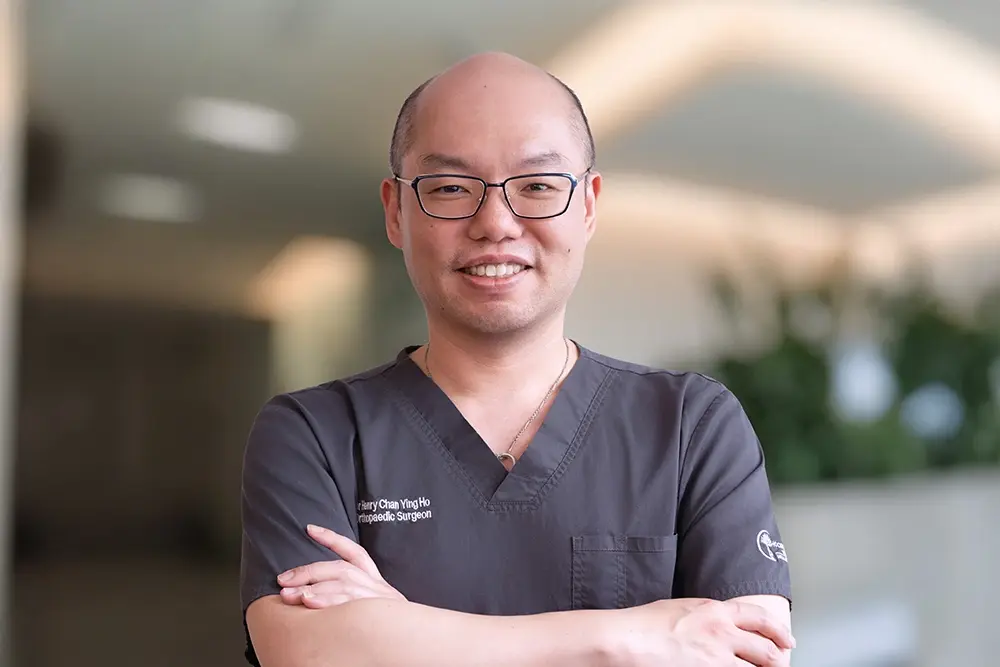
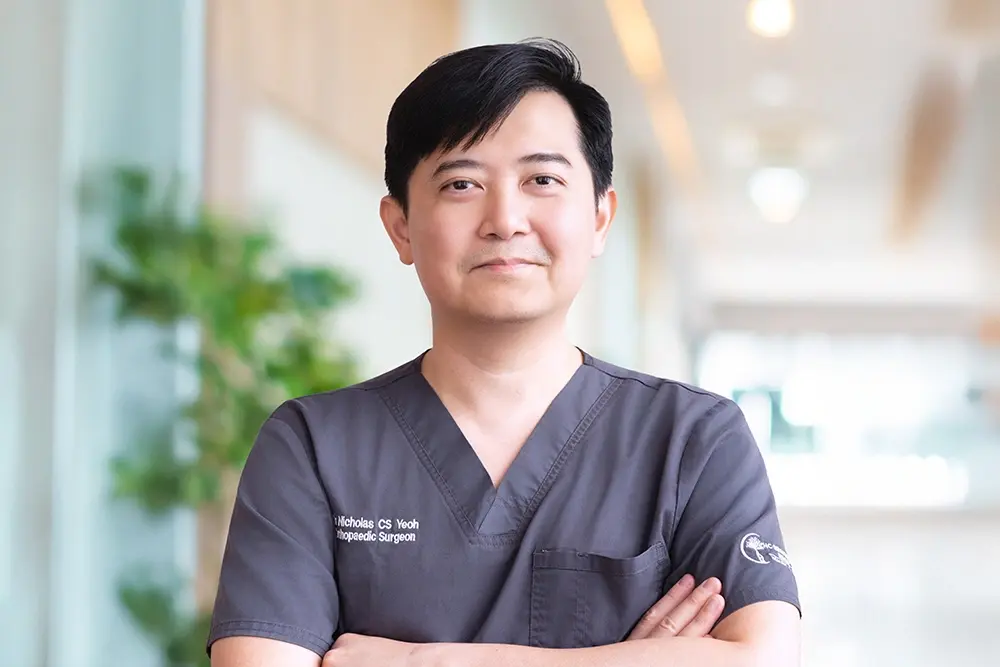
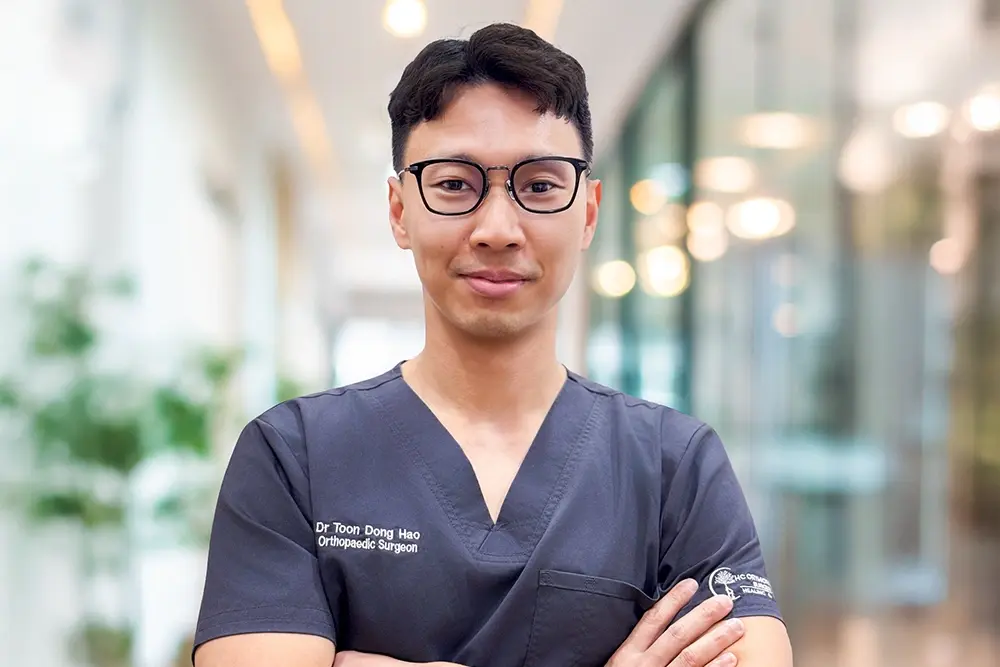
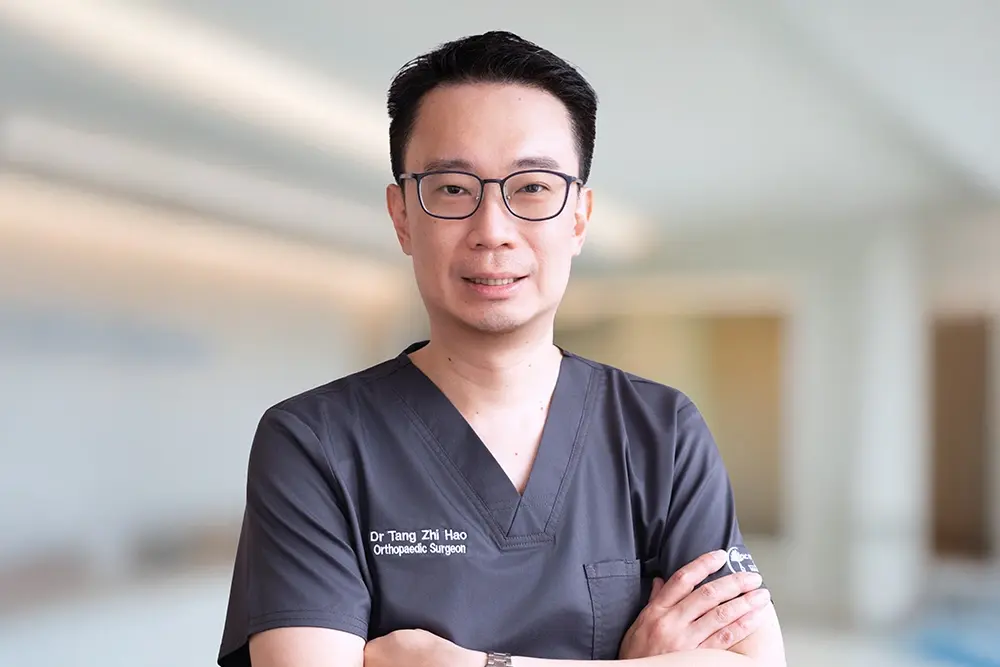
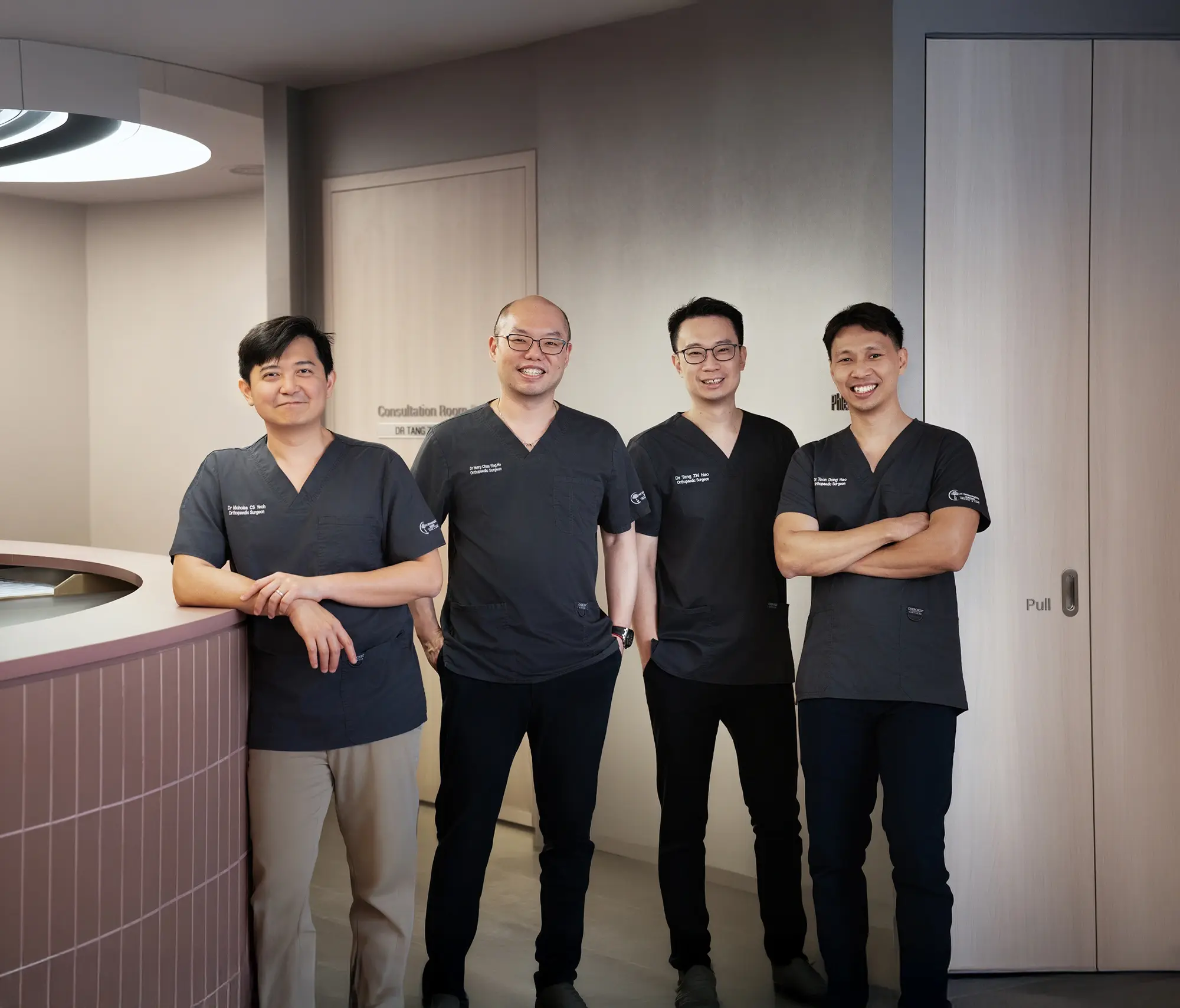
At HC Orthopaedic Surgery, we provide thorough evaluation, precise surgical planning and coordinated rehabilitation to support safe recovery and long-term joint function. The practice is led by Dr Henry Chan, together with Dr Nicholas Yeoh, Dr Toon Dong Hao and Dr Tang Zhi Hao.
Dr Chan has a special interest in computer-assisted surgery and previously led the Joint Replacement Unit at Tan Tock Seng Hospital. Dr Yeoh completed advanced fellowship training in hip and knee reconstruction at the high-volume North Sydney Orthopaedic and Sports Medicine Centre at Mater Hospital in Sydney. With this combined experience, the team focuses on restoring mobility while prioritising implant stability and durable, long-term outcomes.
Frequently Asked Questions (FAQs) About Total Hip Replacement Surgery
How long does a total hip replacement last?
When can I walk after total hip replacement surgery?
When can I drive after total hip replacement surgery?
When can I return to work after total hip replacement surgery?
What activities should I avoid after total hip replacement?
What are the risks of total hip replacement surgery?
Will my hip implant trigger airport metal detectors?
Can both hips be replaced at the same time?
Meet Our Specialist Team
Our team comprises Dr Henry Chan, Dr Nicholas Yeoh, Dr Toon Dong Hao, and Dr Tang Zhi Hao — experienced orthopaedic surgeons with subspecialty experience and a patient-centred approach to care.
Dr Henry Chan
Medical Director & Senior Consultant Orthopaedic Surgeon
MBBS (S’pore), MRCS (Edinburgh), MMed (Orthopaedic Surgery), FRCS (Edinburgh)
Dr Henry Chan is an experienced orthopaedic surgeon specialising in joint replacement and complex revision surgery. Trained at the renowned Helios Endo-Klinik in Germany under the MOH HMDP scholarship, he has performed over 1,000 joint replacements and specialises in computer-assisted and robotic joint replacement techniques for precise outcomes.
Dr Nicholas Yeoh
Senior Consultant Orthopaedic Surgeon
MBChB (Edinburgh), MRCS (Edinburgh), MMed (Orthopaedic Surgery), FRCS (Edinburgh)
Dr Nicholas Yeoh is an MOH-accredited orthopaedic specialist and Fellow of the Royal College of Surgeons of Edinburgh. Fellowship-trained in hip and knee reconstruction in Sydney under the MOH HMDP scholarship, he specialises in minimally invasive joint replacement, robotic surgery and advanced techniques that enhance recovery and surgical outcomes.
Dr Toon Dong Hao
Senior Consultant Orthopaedic Surgeon
MBChB (Leeds), MRCS (Edinburgh), MMed (Orthopaedic Surgery), FRCS (Edinburgh)
Dr Toon Dong Hao is a skilled orthopaedic surgeon and Fellow of the Royal College of Surgeons of Edinburgh. Fellowship-trained in Advanced Shoulder and Elbow Surgery in Sydney under the MOH HMDP scholarship, Dr Toon specialises in sports injuries, arthroscopic surgery and complex shoulder, elbow and knee procedures to restore function and mobility.
Dr Tang Zhi Hao
Senior Consultant Orthopaedic Surgeon
MBBS (S’pore), MRCS (Edinburgh), MMed (Orthopaedic Surgery), FRCS (Edinburgh)
Dr Tang Zhi Hao is a fellowship-trained orthopaedic surgeon specialising in foot and ankle conditions. He completed his Foot and Ankle Surgery fellowship at Severance Hospital, Yonsei University Health System in Seoul under Professor Jin Woo Lee. Prior to private practice, he served as Consultant and Deputy Head of Orthopaedics at Khoo Teck Puat Hospital.