
Hip Specialists
in Singapore


Our Team of Hip Orthopaedic Surgeons
At HC Orthopaedic Surgery, our orthopaedic specialists collectively bring more than 50 years of clinical experience in diagnosing and treating a broad spectrum of hip conditions. Combining specialist expertise with established orthopaedic techniques, the team focuses on delivering precise diagnosis and tailored treatment to relieve pain, restore hip function and help patients return confidently to their daily activities.
Specialist Orthopaedic Surgeons for Hip Conditions
Hip Surgery and Joint-Preserving Procedures
Treatments to Restore Hip Strength, Stability and Mobility
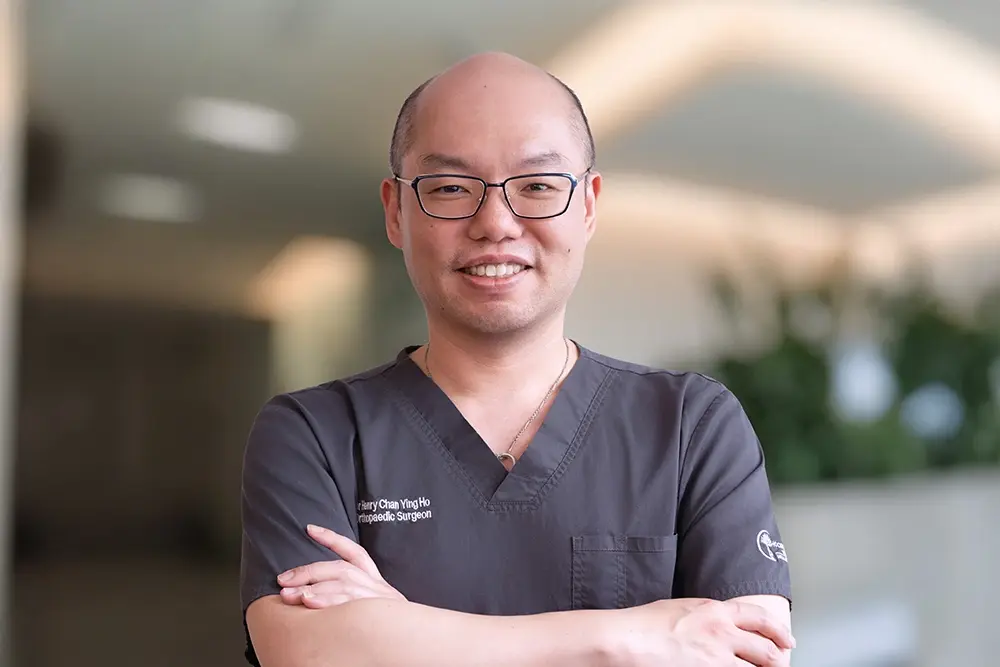
Dr Henry Chan
Medical Director & Senior Consultant Orthopaedic Surgeon
Qualifications:
MBBS (S’pore), MRCS (Edinburgh), MMed (Orthopaedic Surgery), FRCS (Edinburgh)
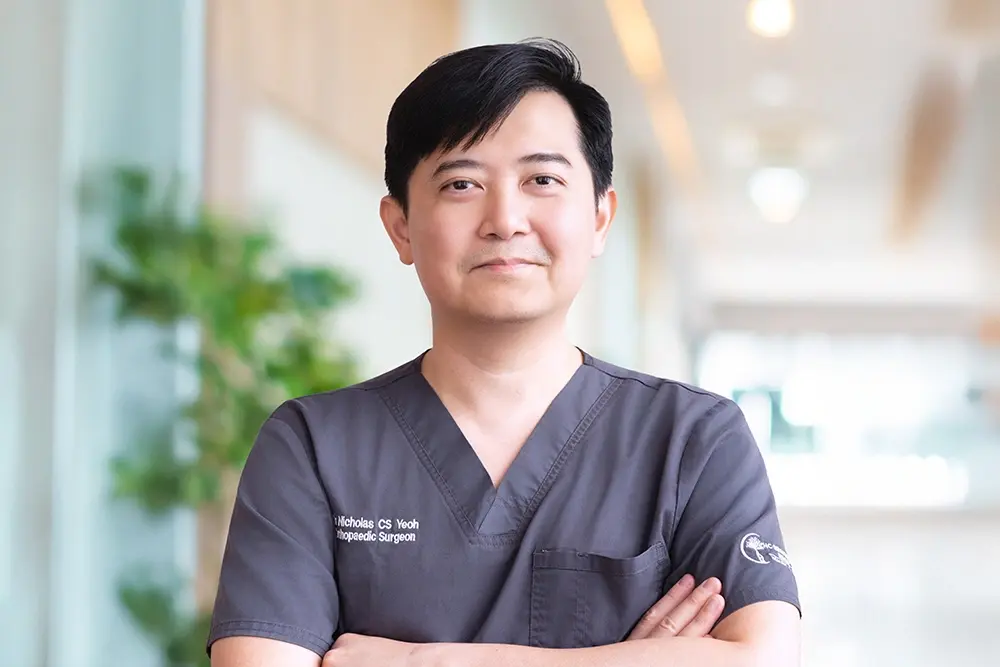
Dr Nicholas Yeoh
Senior Consultant Orthopaedic Surgeon
Qualifications:
MBChB (Edinburgh), MRCS (Edinburgh), MMed (Orthopaedic Surgery), FRCS (Edinburgh)
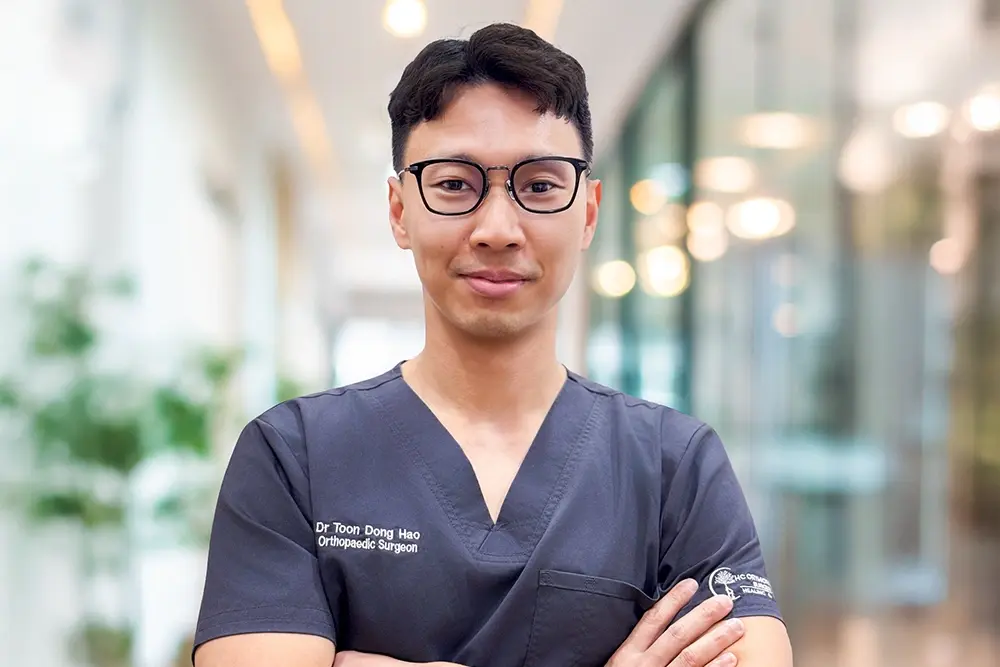
Dr Toon Dong Hao
Senior Consultant Orthopaedic Surgeon
Qualifications:
MBChB (Leeds), MRCS (Edinburgh), MMed (Orthopaedic Surgery), FRCS (Edinburgh)
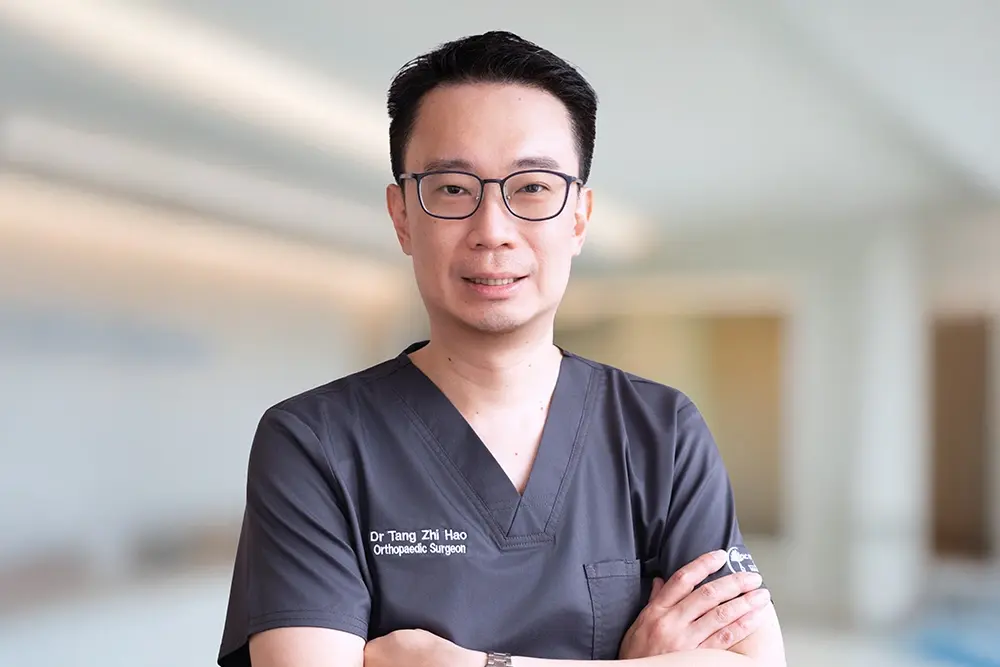
Dr Tang Zhi Hao
Senior Consultant Orthopaedic Surgeon
Qualifications:
MBBS (S’pore), MRCS (Edinburgh), MMed (Orthopaedic Surgery), FRCS (Edinburgh)
Understanding the Condition
What Is Hip Pain?
Hip pain refers to discomfort, stiffness or reduced movement affecting the hip joint or the surrounding structures such as muscles, tendons, ligaments and nerves. The hip is a major weight-bearing joint that supports activities such as walking, standing, climbing stairs and sitting, so pain in this area can significantly affect mobility and daily function.
Hip pain may develop suddenly after an injury or gradually due to overuse, joint degeneration or inflammation. In some cases, the discomfort may also be accompanied by stiffness, swelling, weakness or difficulty moving the leg.
Why It Happens
Understanding the Causes of Hip Pain
Hip pain can result from a range of conditions affecting the bones, cartilage, tendons, ligaments and surrounding soft tissues of the hip joint. These problems may develop gradually due to joint degeneration or overuse, or occur suddenly following injury or trauma.
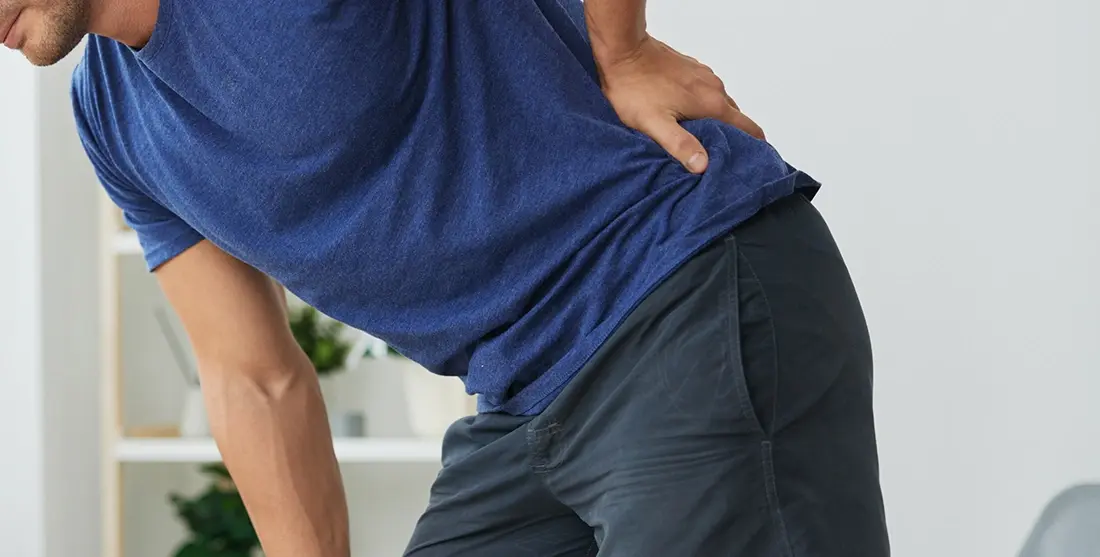
Hip Osteoarthritis
Hip osteoarthritis is a degenerative joint condition in which the cartilage that cushions the hip joint gradually wears down. As the cartilage deteriorates, the bones may rub against each other, leading to pain, stiffness and reduced joint mobility.
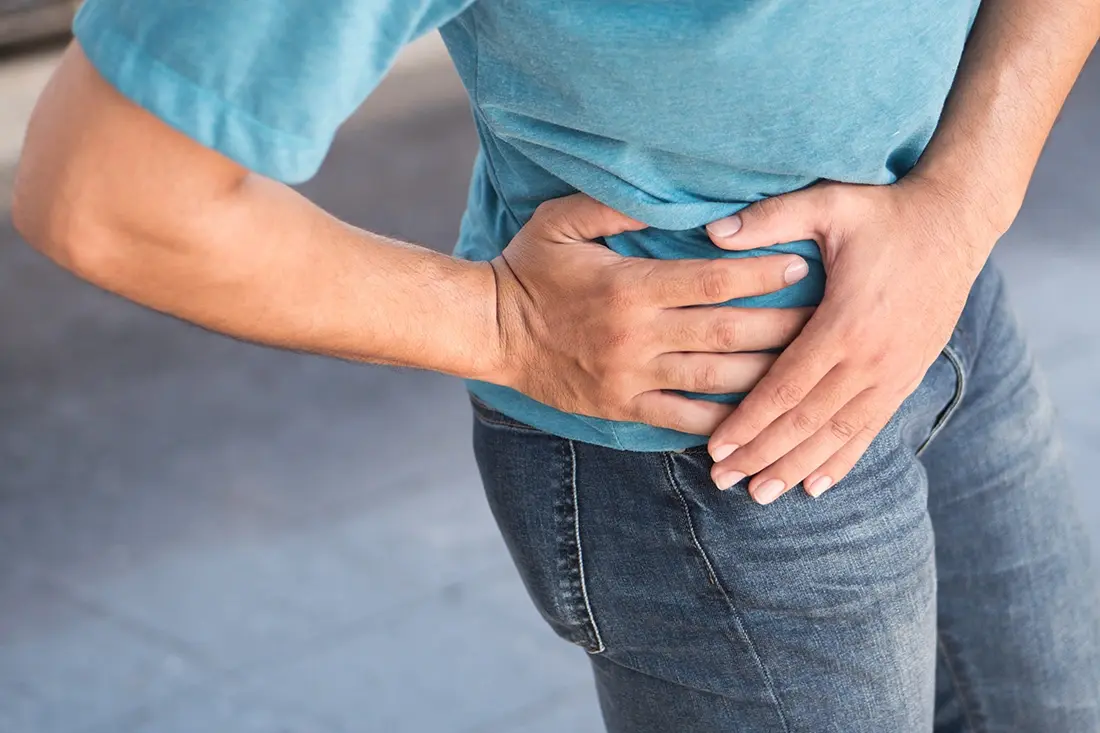
Labral Tears of the Hip
The labrum is a ring of cartilage that surrounds the hip socket and helps stabilise the joint. A labral tear can occur due to injury, repetitive movements or structural abnormalities of the hip. This condition may cause hip pain, clicking sensations and restricted movement.
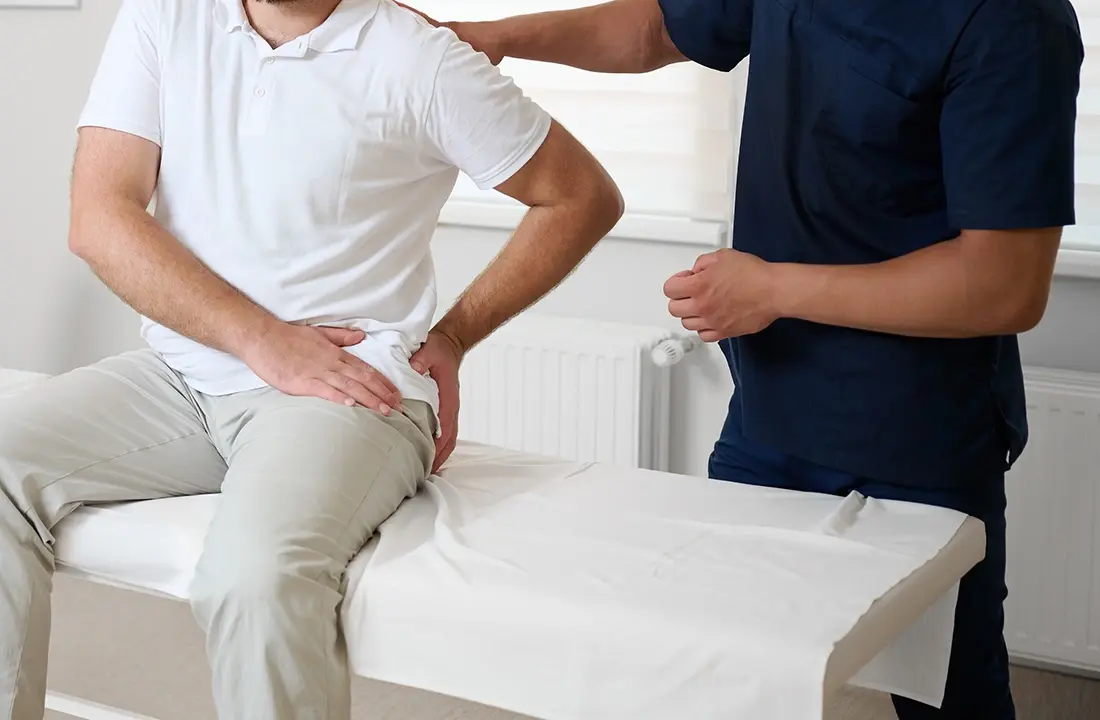
Hip Bursitis
Hip bursitis occurs when the fluid-filled sacs, known as bursae, become inflamed. These bursae help reduce friction between tissues in the hip. Inflammation may lead to pain on the outer side of the hip, particularly during walking, climbing stairs or lying on the affected side.
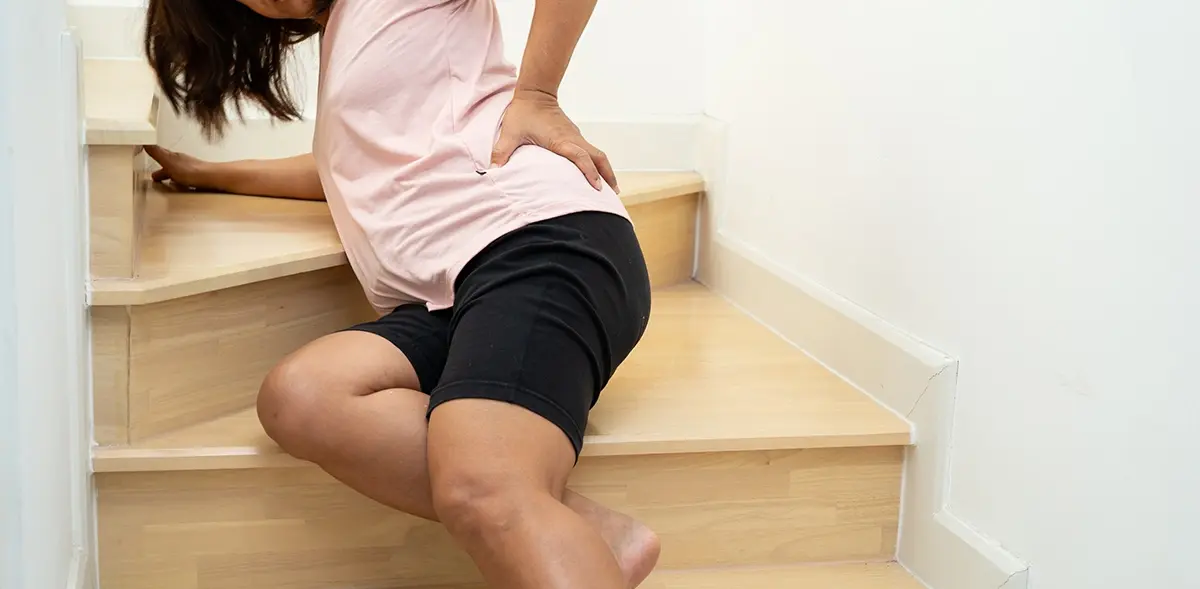
Hip Fractures
Hip fractures are breaks in the upper portion of the thigh bone near the hip joint. They often occur following falls or traumatic injuries, particularly in older adults with weakened bone strength. Hip fractures typically cause severe pain and difficulty bearing weight on the affected leg.
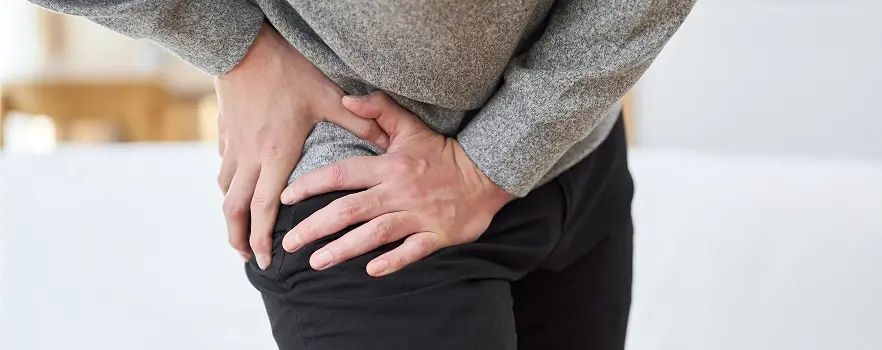
Avascular Necrosis of the Hip
Avascular necrosis occurs when the blood supply to the femoral head, the ball-shaped part of the hip joint, becomes disrupted. Without adequate blood flow, bone tissue may deteriorate over time, leading to pain, joint damage and reduced hip movement.
Symptoms of Hip Injuries and When to See a Hip Specialist
Hip injuries or joint conditions may affect the bones, cartilage, tendons or surrounding muscles that support movement and weight-bearing. While mild hip discomfort may improve with rest, persistent or worsening symptoms may indicate a condition that requires medical evaluation.
Common symptoms of hip injuries may include:
- Pain in the hip or groin area, particularly during walking, standing or climbing stairs
- Stiffness or reduced range of motion, making it difficult to move the leg or rotate the hip
- Swelling or tenderness around the hip joint
- Difficulty bearing weight on the affected leg
- Clicking, catching or locking sensations within the hip joint during movement
- Pain that radiates to the thigh, buttock or knee
These symptoms may indicate an underlying hip condition that requires medical evaluation. Early assessment by a hip specialist can help identify the cause and guide appropriate treatment to restore hip function and reduce the risk of long-term complications.
Our Specialised Treatments for Hip Pain Conditions
Treatment for hip pain depends on the underlying cause affecting the joint, cartilage or surrounding structures. When conservative treatments such as medication, physiotherapy or activity modification are insufficient, surgical procedures may be recommended to relieve pain, restore joint stability and improve long-term mobility.

Total Hip Replacement Surgery
Total hip replacement involves replacing the damaged ball-and-socket joint with artificial components. This procedure is commonly performed for advanced hip arthritis or severe joint damage, helping to reduce pain and restore smoother hip movement.

Partial Hip Replacement Surgery
Partial hip replacement replaces only the ball portion of the hip joint while preserving the natural socket. This procedure is often considered in certain types of hip fractures where the socket remains healthy.

Direct Anterior Approach Hip Replacement
The direct anterior approach is a surgical technique used in hip replacement that allows access to the joint through a natural muscle interval at the front of the hip. This approach may help minimise disruption to surrounding tissues and support recovery of hip movement.

Hip Arthroscopy
Hip arthroscopy is a minimally invasive procedure performed using small incisions and a camera to examine and treat problems within the hip joint. It may be used to address conditions such as labral tears, cartilage damage or certain structural abnormalities affecting the joint.
Orthopaedic Specialists
Our Hip Specialists in Singapore
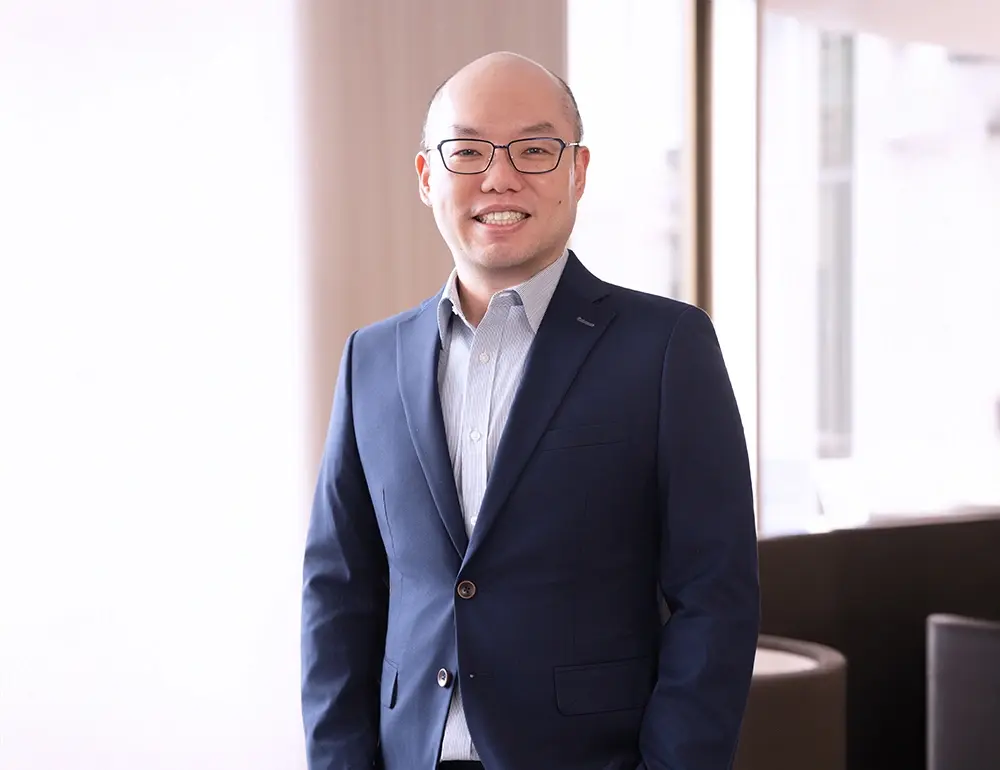
Dr Henry Chan
Senior Consultant Orthopaedic Surgeon
- Bachelor of Medicine, Bachelor of Surgery (MBBS), Singapore
- Member of the Royal College of Surgeons (MRCS), Edinburgh
- Master of Medicine (Orthopaedic Surgery), Singapore
- Fellow of the Royal College of Surgeons (Orthopaedics) (FRCSEd), Edinburgh
Dr Henry Chan is a senior consultant orthopaedic surgeon with more than 13 years of experience in orthopaedic surgery and extensive expertise in hip and knee reconstruction and joint replacement surgery. He was awarded the Ministry of Health Singapore Health Manpower Development Plan (HMDP) Scholarship to complete a Revision Hip and Knee Arthroplasty Fellowship at the Helios Endo-Klinik in Hamburg, Germany, one of Europe’s largest centres dedicated to complex hip and knee reconstruction.
Dr Chan previously spearheaded the Joint Replacement Unit at the Department of Orthopaedic Surgery at Tan Tock Seng Hospital and has performed more than 1,000 joint replacement procedures. His clinical practice includes advanced hip procedures such as total hip replacement, partial hip replacement and complex revision hip surgery.
He also has a strong interest in modern joint replacement techniques, including computer-assisted and robotic-assisted surgery, which help improve surgical precision, implant alignment and long-term joint function. Dr Chan is regularly invited to teach joint replacement techniques in regional orthopaedic training courses across Asia.
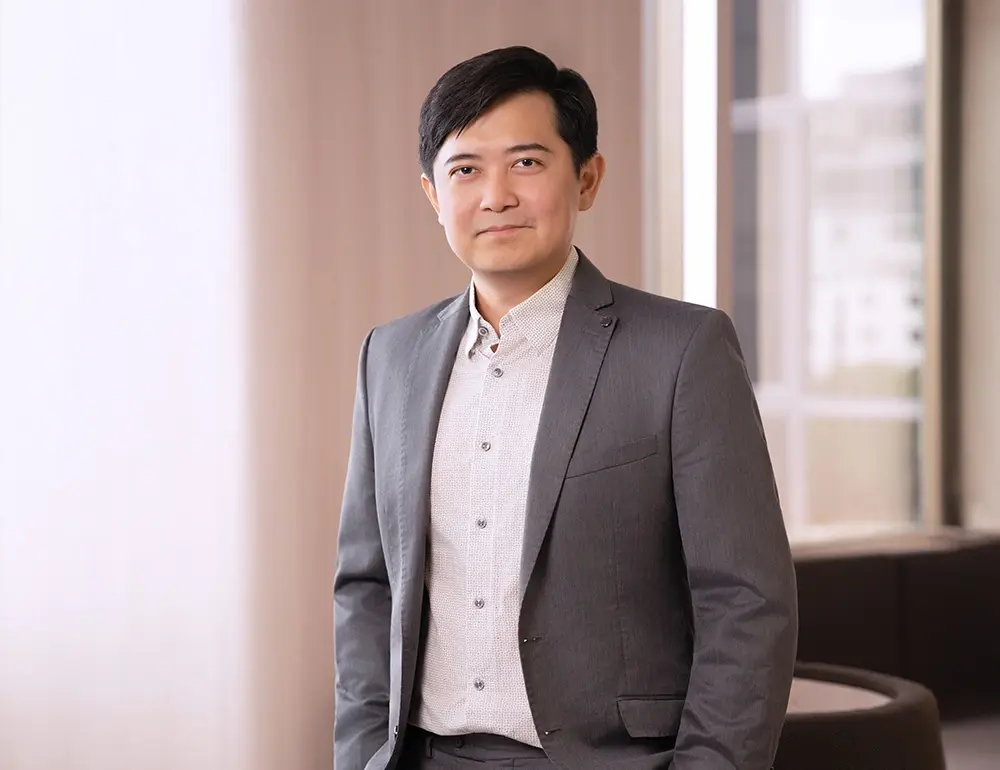
Dr Nicholas Yeoh
Senior Consultant Orthopaedic Surgeon
- Bachelor of Medicine, Bachelor of Surgery (MB ChB), United Kingdom
- Member of the Royal College of Surgeons (MRCS), Edinburgh
- Master of Medicine (Orthopaedic Surgery), Singapore
- Fellow of the Royal College of Surgeons (Orthopaedics) (FRCSEd), Edinburgh
Dr Nicholas Yeoh is a senior consultant orthopaedic surgeon with more than 10 years of experience in orthopaedic surgery and a clinical focus on hip and knee reconstruction and joint replacement surgery. He graduated from the University of Edinburgh and completed orthopaedic surgery residency training in Singapore, becoming the youngest orthopaedic resident at the time to successfully complete the programme in 2017.
He was awarded the Ministry of Health Singapore Health Manpower Development Plan (HMDP) Scholarship to pursue a Hip and Knee Reconstruction Fellowship at the North Sydney Orthopaedic and Sports Medicine Centre at Mater Hospital in Sydney, Australia, one of the largest joint replacement centres in the Southern Hemisphere.
Dr Yeoh’s clinical interests include total hip replacement, revision hip surgery and joint preservation procedures for hip conditions. He also co-developed the Enhanced Recovery After Surgery (ERAS) protocol for joint replacement at Khoo Teck Puat Hospital, helping patients recover faster and return to daily activities sooner after surgery. He incorporates modern surgical technologies such as computer navigation and robotic-assisted techniques to support precise implant placement and improved functional outcomes.
Why Choose HC Orthopaedic Surgery for Hip Pain
Our goal is to help patients regain comfortable hip movement and return to their normal routine. Whether hip pain arises from joint degeneration, cartilage injuries, labral tears or traumatic hip conditions, our team focuses on identifying the underlying cause and recommending treatment options that support long-term joint health and mobility.
Fellowship-trained Hip Specialists
Dr Henry Chan and Dr Nicholas Yeoh have advanced fellowship training in hip and knee reconstruction. They manage a wide range of hip conditions, including hip arthritis, labral injuries and complex joint disorders, offering both joint-preserving treatments and hip replacement procedures when appropriate.
Advanced Hip Surgical Techniques
When surgery is required, many hip conditions can be treated using modern surgical approaches designed to support surgical precision and recovery. These may include hip arthroscopy for selected joint conditions, robotic surgery and other advanced joint replacement techniques tailored to each patient’s anatomy and functional needs.
Focus on Hip Stability and Mobility
Hip conditions can affect walking, climbing stairs and overall movement. Treatment focuses not only on relieving pain but also on restoring joint stability, improving range of motion and helping patients regain confidence in daily activities.
Collaborative Orthopaedic Expertise
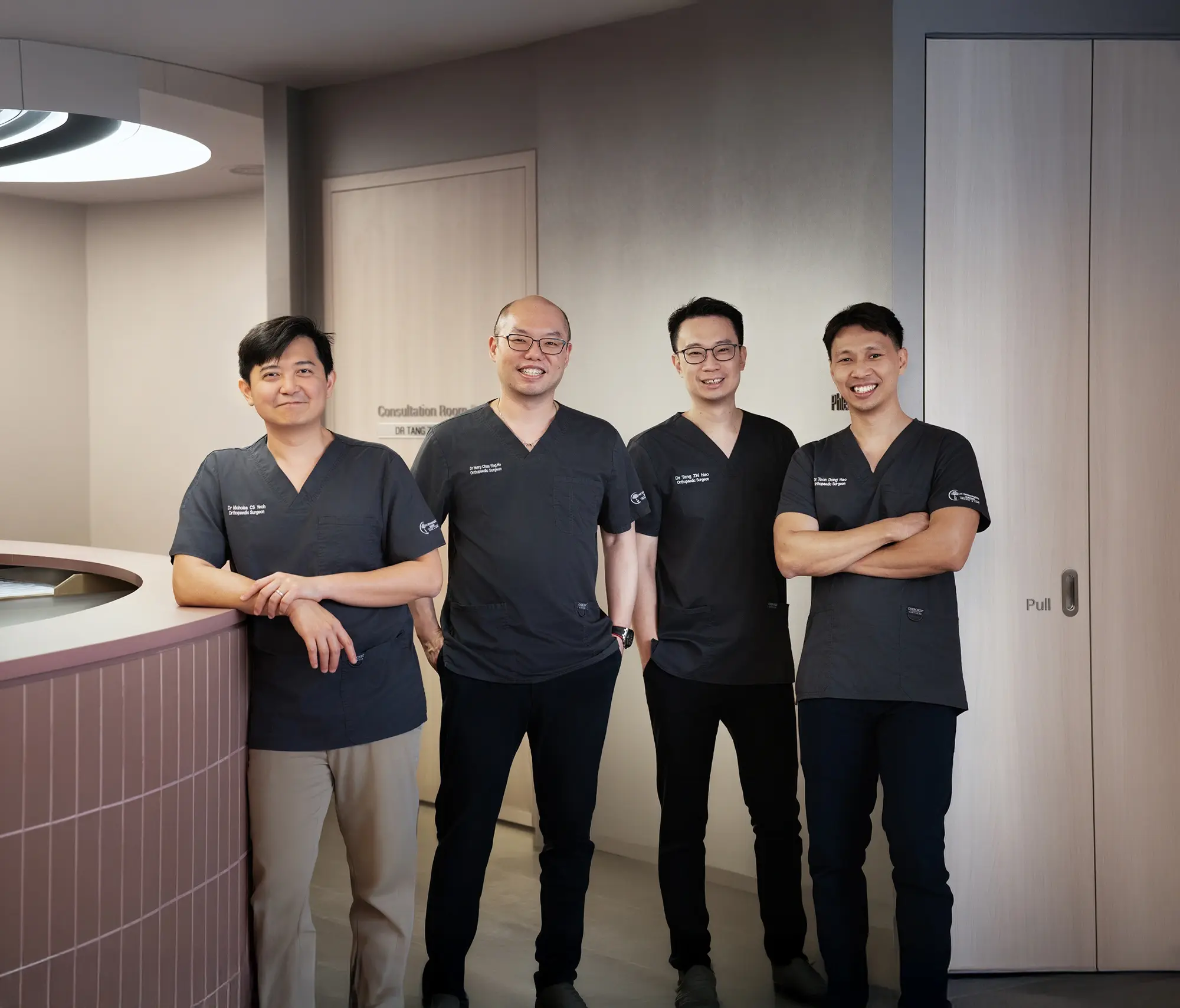
HC Orthopaedic Surgery brings together experienced orthopaedic specialists including Dr Henry Chan, Dr Nicholas Yeoh, Dr Toon Dong Hao and Dr Tang Zhi Hao. This collaborative environment allows patients with hip conditions to benefit from a broad range of orthopaedic expertise, particularly when managing complex musculoskeletal problems that may involve multiple joints.
Your Hip Treatment Journey at HC Orthopaedic Surgery
Hip pain can affect walking, balance and many everyday activities such as standing, climbing stairs or getting in and out of a chair. At HC Orthopaedic Surgery, care focuses on identifying the precise cause of the problem and guiding patients through a structured treatment plan. From initial assessment to treatment and recovery, each stage is designed to support pain relief, restore hip function and enable a safe return to daily activities.
Diagnosis
Treatment
Rehabilitation and Long-term Hip Care
Who Is at Risk of Developing Hip Pain?
Hip pain can affect people of all ages, but certain activities, occupations and health conditions may increase the likelihood of developing hip joint problems. Repetitive stress, joint degeneration and traumatic injuries can all contribute to hip discomfort over time.
People who may be at higher risk of developing hip pain include:
Older Adults
Age-related wear and tear of the hip joint can gradually lead to degenerative conditions such as hip osteoarthritis. As cartilage breaks down, joint stiffness and pain may develop during walking or daily movement.
Athletes and Physically Active Individuals
Sports that involve repetitive hip movements, sudden direction changes or high-impact activity, such as running, football or tennis, may increase stress on the hip joint and surrounding tissues.
Individuals With Previous Hip Injuries
Past injuries, including hip fractures, labral tears or joint dislocations, may affect the stability and long-term function of the hip joint, increasing the risk of recurring pain.
People With Physically Demanding Jobs
Occupations that require heavy lifting, prolonged standing or repetitive bending may place continuous strain on the hip joint and surrounding muscles.
Individuals With Certain Medical Conditions
Certain health conditions, such as arthritis or avascular necrosis, can affect the hip joint and increase the risk of developing persistent hip pain or limited mobility.
How to Prevent Hip Pain
While not all causes of hip pain can be prevented, certain habits may help reduce strain on the hip joint and surrounding muscles. Taking steps to maintain hip strength, flexibility and joint health can support long-term mobility.
Maintain Hip Strength and Flexibility
Regular exercises that strengthen the muscles around the hips, thighs and core can help support the hip joint and improve stability. Stretching may also help maintain flexibility and reduce stiffness.
Avoid Repetitive Strain
Repeated high-impact activities or prolonged standing may place excessive stress on the hip joint. Taking breaks and varying activities can help reduce continuous strain.
Use Proper Technique During Exercise
Incorrect form during sports or physical training may place unnecessary pressure on the hips. Learning proper movement techniques and gradually increasing activity intensity can help lower the risk of injury.
Maintain a Healthy Body Weight
Excess body weight can increase pressure on the hip joints during walking and standing. Maintaining a healthy weight may help reduce joint stress and support overall hip health.
Warm Up Before Physical Activity
Gentle warm-up exercises and stretching before sports or exercise can prepare the muscles and joints for activity, reducing the risk of hip strain or injury.
Non-Surgical Care
Home Remedies for Hip Pain
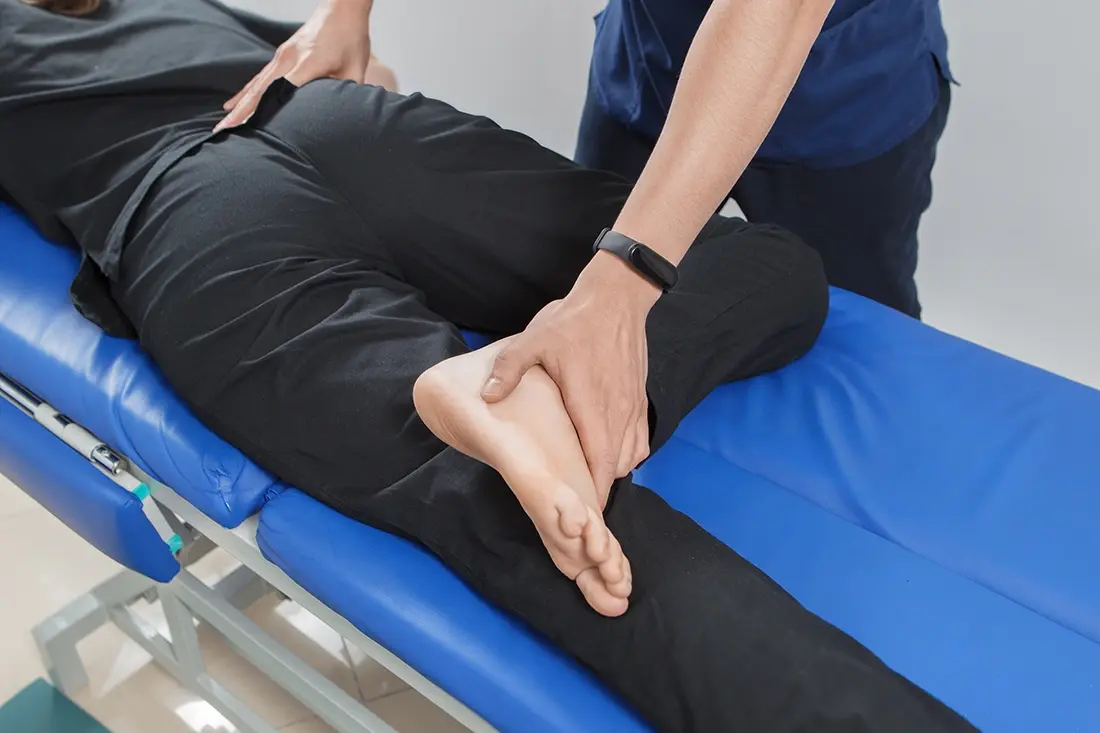
Mild hip pain may sometimes improve with simple home care measures. These approaches aim to reduce strain on the joint, relieve discomfort and support natural recovery.
Non-Surgical Care
Home Remedies for Hip Pain
Mild hip pain may sometimes improve with simple home care measures. These approaches aim to reduce strain on the joint, relieve discomfort and support natural recovery.
Rest and Activity Modification
Avoiding activities that worsen hip pain, such as prolonged standing, heavy lifting or high-impact exercise, may allow the joint and surrounding tissues to recover. Gradually returning to normal activities can help prevent further irritation.
Cold or Warm Compress
Applying a cold pack may help reduce swelling and relieve pain after recent strain or injury. In some cases, a warm compress may help relax tight muscles and reduce stiffness around the hip joint.
Gentle Stretching and Mobility Exercises
Once pain begins to ease, gentle stretching and range-of-motion exercises may help maintain hip flexibility and prevent stiffness.
Supportive Sleep and Sitting Positions
Using supportive pillows while sleeping or sitting may help reduce pressure on the hip joint and improve comfort during rest.
Over-the-counter Pain Relief
Non-prescription pain relief medications may help reduce inflammation and discomfort in some cases. These should be used according to recommended guidelines and may not be suitable for everyone.
Cost of Hip Pain Treatment in Singapore
The overall cost of managing hip pain in Singapore depends on the specific diagnosis and the treatment approach recommended. Expenses may vary based on the investigations required, whether surgery is necessary and the level of follow-up care involved during recovery.
Key Cost Drivers
Several factors can affect the cost of hip pain treatment in Singapore:
Type of treatment required
Diagnostic tests
Surgical complexity
Hospital and facility fees
Post-treatment rehabilitation

Insurance and Financing
Some hip procedures may qualify for MediSave usage, depending on their classification under Singapore’s Table of Surgical Procedures. Patients covered by MediShield Life or Integrated Shield Plans may also receive insurance support for hospitalisation and surgery, which can help reduce personal medical expenses.
For a more accurate estimate, patients are encouraged to consult the clinic for a personalised cost assessment based on their diagnosis and recommended treatment plan.
Comprehensive Hip Care at HC Orthopaedic Surgery
Hip discomfort can develop from a variety of joint and soft-tissue conditions involving the cartilage, labrum, muscles and surrounding structures of the hip. Because the hip is a major weight-bearing joint responsible for standing, walking and maintaining balance, ongoing pain or stiffness can gradually interfere with movement and everyday independence. Early evaluation helps clarify the source of the problem so that appropriate treatment can be planned to relieve symptoms and protect long-term hip function.
Comprehensive Hip Care at HC Orthopaedic Surgery
Hip discomfort can develop from a variety of joint and soft-tissue conditions involving the cartilage, labrum, muscles and surrounding structures of the hip. Because the hip is a major weight-bearing joint responsible for standing, walking and maintaining balance, ongoing pain or stiffness can gradually interfere with movement and everyday independence. Early evaluation helps clarify the source of the problem so that appropriate treatment can be planned to relieve symptoms and protect long-term hip function.

Our Specialised Team
Hip conditions at HC Orthopaedic Surgery are managed by orthopaedic surgeons Dr Henry Chan and Dr Nicholas Yeoh, who have advanced fellowship training in hip and knee reconstruction and joint replacement surgery. Patients may also benefit from the broader expertise of the HC Orthopaedic Surgery team, including Dr Toon Dong Hao and Dr Tang Zhi Hao, particularly when musculoskeletal conditions involve multiple joints or require coordinated orthopaedic care.
Frequently Asked Questions (FAQs) About Hip Pain
Why does my hip hurt when I walk or climb stairs?
Can hip pain spread to other parts of the body?
Can hip pain improve without surgery?
Why does my hip feel stiff after sitting for a long time?
Is hip pain more common as people get older?
When should I see a hip specialist for hip pain?
Meet Our Specialist Team
Our team comprises Dr Henry Chan, Dr Nicholas Yeoh, Dr Toon Dong Hao, and Dr Tang Zhi Hao — experienced orthopaedic surgeons with subspecialty experience and a patient-centred approach to care.
Dr Henry Chan
Medical Director & Senior Consultant Orthopaedic Surgeon
MBBS (S’pore), MRCS (Edinburgh), MMed (Orthopaedic Surgery), FRCS (Edinburgh)
Dr Henry Chan is an experienced orthopaedic surgeon specialising in joint replacement and complex revision surgery. Trained at the renowned Helios Endo-Klinik in Germany under the MOH HMDP scholarship, he has performed over 1,000 joint replacements and specialises in computer-assisted and robotic joint replacement techniques for precise outcomes.
Dr Nicholas Yeoh
Senior Consultant Orthopaedic Surgeon
MBChB (Edinburgh), MRCS (Edinburgh), MMed (Orthopaedic Surgery), FRCS (Edinburgh)
Dr Nicholas Yeoh is an MOH-accredited orthopaedic specialist and Fellow of the Royal College of Surgeons of Edinburgh. Fellowship-trained in hip and knee reconstruction in Sydney under the MOH HMDP scholarship, he specialises in minimally invasive joint replacement, robotic surgery and advanced techniques that enhance recovery and surgical outcomes.
Dr Toon Dong Hao
Senior Consultant Orthopaedic Surgeon
MBChB (Leeds), MRCS (Edinburgh), MMed (Orthopaedic Surgery), FRCS (Edinburgh)
Dr Toon Dong Hao is a skilled orthopaedic surgeon and Fellow of the Royal College of Surgeons of Edinburgh. Fellowship-trained in Advanced Shoulder and Elbow Surgery in Sydney under the MOH HMDP scholarship, Dr Toon specialises in sports injuries, arthroscopic surgery and complex shoulder, elbow and knee procedures to restore function and mobility.
Dr Tang Zhi Hao
Senior Consultant Orthopaedic Surgeon
MBBS (S’pore), MRCS (Edinburgh), MMed (Orthopaedic Surgery), FRCS (Edinburgh)
Dr Tang Zhi Hao is a fellowship-trained orthopaedic surgeon specialising in foot and ankle conditions. He completed his Foot and Ankle Surgery fellowship at Severance Hospital, Yonsei University Health System in Seoul under Professor Jin Woo Lee. Prior to private practice, he served as Consultant and Deputy Head of Orthopaedics at Khoo Teck Puat Hospital.