
Carpal Tunnel Surgery
in Singapore

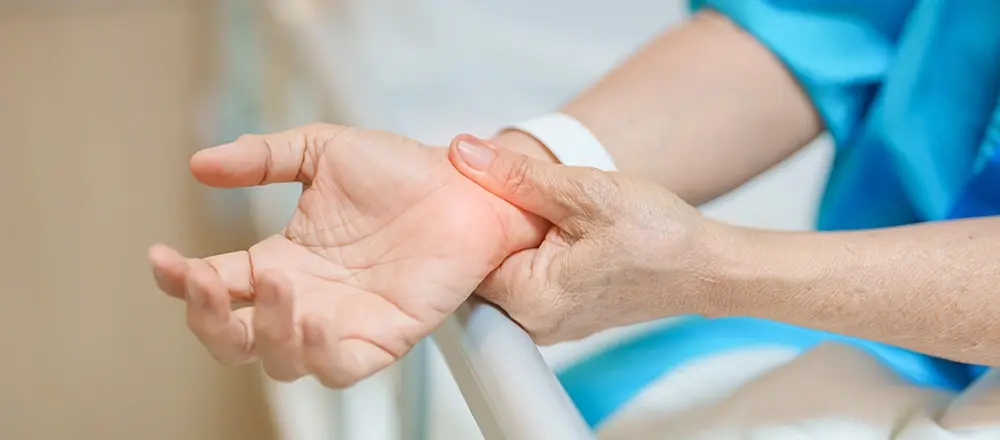
Tingling, numbness or weakness in the hand can make everyday tasks unexpectedly difficult. Many people first notice these symptoms when holding a phone, typing on a keyboard or waking up at night with a “pins and needles” sensation in the fingers. Over time, these symptoms may become more frequent and start to interfere with work, sleep and daily activities.
These signs are commonly associated with carpal tunnel syndrome, a condition that occurs when the median nerve, which runs through a narrow passage in the wrist called the carpal tunnel, becomes compressed. When the pressure on this nerve increases, it can lead to numbness, pain and weakness in the hand. For some individuals, when symptoms persist despite non-surgical treatments, carpal tunnel surgery may be recommended to relieve pressure on the nerve and restore hand function.
Conditions Treated
What Is Carpal Tunnel Surgery and Who Needs It?
Conditions Treated
What Is Carpal Tunnel Surgery and Who Needs It?
Carpal tunnel surgery is a procedure performed to relieve pressure on the median nerve, which runs through a narrow passage in the wrist called the carpal tunnel. This nerve controls sensation in parts of the hand and helps power certain thumb movements. When the surrounding tissues within the tunnel become swollen or thickened, they can compress the nerve and cause symptoms of carpal tunnel syndrome.
The goal of surgery is to release the ligament forming the roof of the carpal tunnel, creating more space for the median nerve. By reducing pressure on the nerve, the procedure can help relieve symptoms such as numbness, tingling, pain or weakness in the hand.
Carpal tunnel surgery may be recommended when:
- Symptoms persist despite non-surgical treatments such as splinting, medication or physiotherapy
- Numbness, tingling or pain becomes frequent or severe, especially at night
- Hand weakness or reduced grip strength begins to affect daily activities
- Nerve tests show significant compression of the median nerve
At HC Orthopaedic Surgery, our hand and wrist specialists carefully assess your symptoms, hand strength and nerve function to recommend the most appropriate treatment for your condition.
What to Expect From Carpal Tunnel Surgery
Carpal tunnel surgery is usually performed as a minor procedure designed to relieve pressure on the median nerve. The process is generally straightforward, and most patients are able to return home on the same day.
How to Prepare
Procedure Overview
Aftercare and Recovery
- Keep the hand elevated during the first few days to reduce swelling
- Move the fingers gently to maintain flexibility and circulation
- Avoid heavy lifting or repetitive hand use while the incision heals
Treatment Benefits
How Does Carpal Tunnel Surgery Improve Hand Function?
Carpal tunnel surgery aims to relieve nerve pressure and restore more natural hand movement and grip. By addressing the source of compression, the procedure can help patients:
- Reduce pain, tingling and numbness
in the hand and fingers, particularly symptoms that occur at night.
- Improve grip strength and hand stability
making it easier to hold objects or perform daily tasks.
- Restore fine motor control
supporting activities that require coordination such as typing, writing or buttoning clothing.
- Prevent further nerve damage
that can occur when compression persists for long periods.
- Support rehabilitation and recovery
allowing patients to regain hand function through guided exercises and gradual return to activity.
Understanding the Risks
Potential Risks and Complications of Carpal Tunnel Surgery
Carpal tunnel surgery is generally considered a safe and commonly performed procedure. However, as with any surgical treatment, there are potential risks and complications that patients should be aware of.
Possible risks and complications may include:
- Pain or swelling at the surgical site
particularly during the early healing period
- Temporary weakness or stiffness
in the hand or wrist
- Tenderness or sensitivity around the scar
as the incision heals
- Infection or delayed wound healing
which are uncommon but possible with any surgical procedure
- Persistent or recurrent symptoms
if nerve compression has been severe or present for a long time
Cost of Carpal Tunnel Surgery in Singapore
During the consultation, the orthopaedic specialist will evaluate the condition and provide an estimated cost based on the recommended treatment plan.
Key Cost Drivers
Consultation and professional fees
Surgical technique used
Facility or hospital charges
Anaesthesia services
Post-surgical care and rehabilitation

Insurance and Financing
Coverage for carpal tunnel surgery may vary depending on the insurance policy and medical indication. Patients are encouraged to check with their clinic and insurance provider regarding available coverage.
Eligible patients may be able to use MediSave, MediShield Life, Integrated Shield Plans or private insurance to help manage the costs of carpal tunnel surgery and related consultations, depending on the procedure and policy terms.
Precise Carpal Tunnel Treatment at HC Orthopaedic Surgery
Persistent numbness, tingling or weakness in the hand can gradually interfere with work, sleep and everyday tasks. When symptoms of carpal tunnel syndrome do not improve with conservative treatments, surgery may help relieve pressure on the median nerve and restore more comfortable hand function. With timely treatment and appropriate recovery guidance, many patients are able to regain strength, coordination and confidence in using their hands for daily activities.
Precise Carpal Tunnel Treatment at HC Orthopaedic Surgery
Persistent numbness, tingling or weakness in the hand can gradually interfere with work, sleep and everyday tasks. When symptoms of carpal tunnel syndrome do not improve with conservative treatments, surgery may help relieve pressure on the median nerve and restore more comfortable hand function. With timely treatment and appropriate recovery guidance, many patients are able to regain strength, coordination and confidence in using their hands for daily activities.

Our Specialised Team
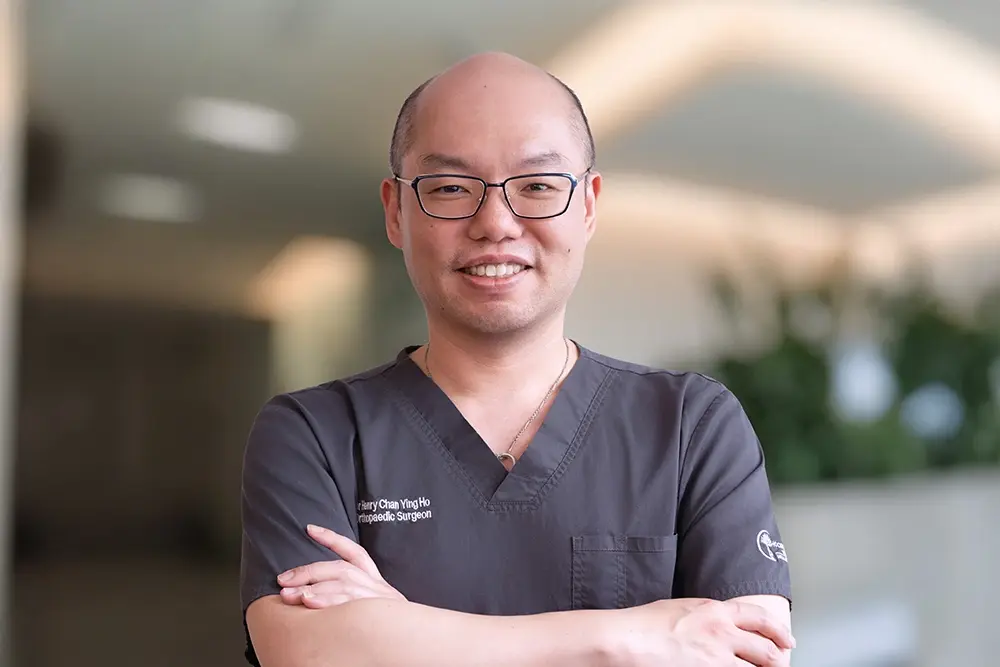
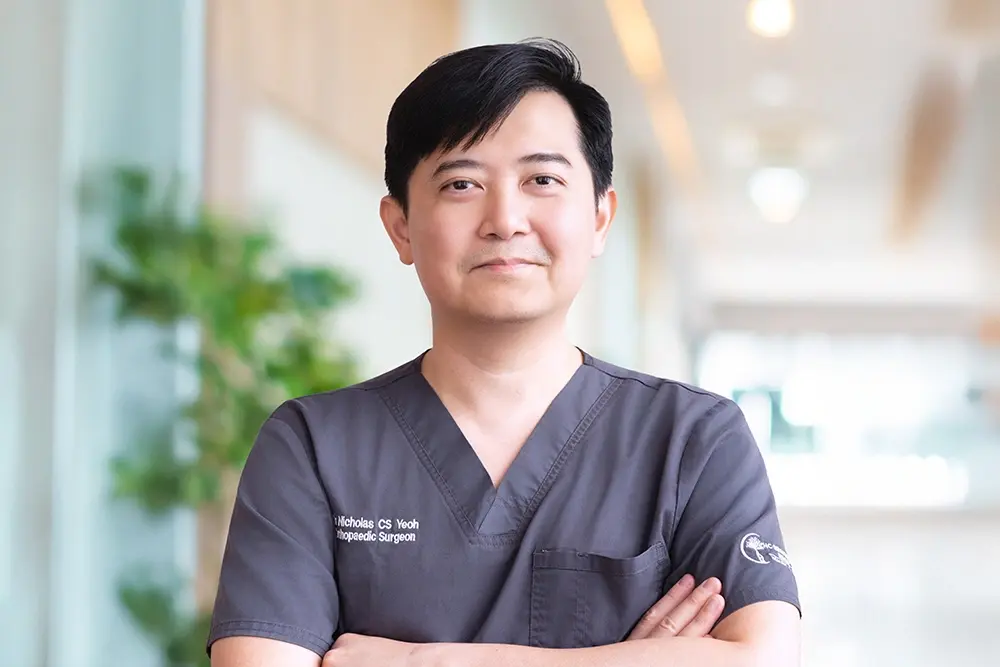
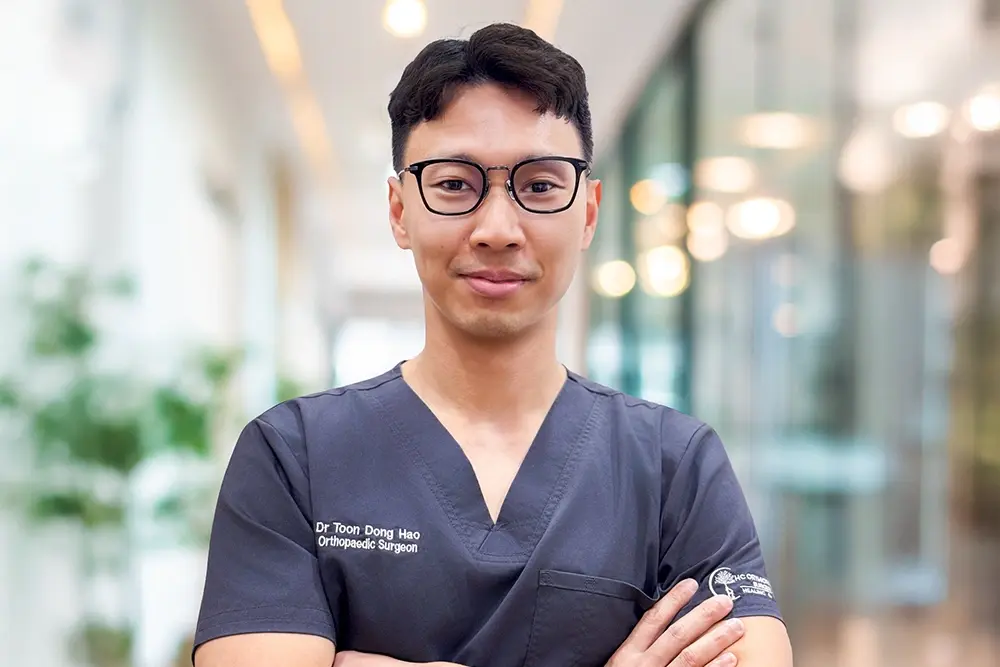
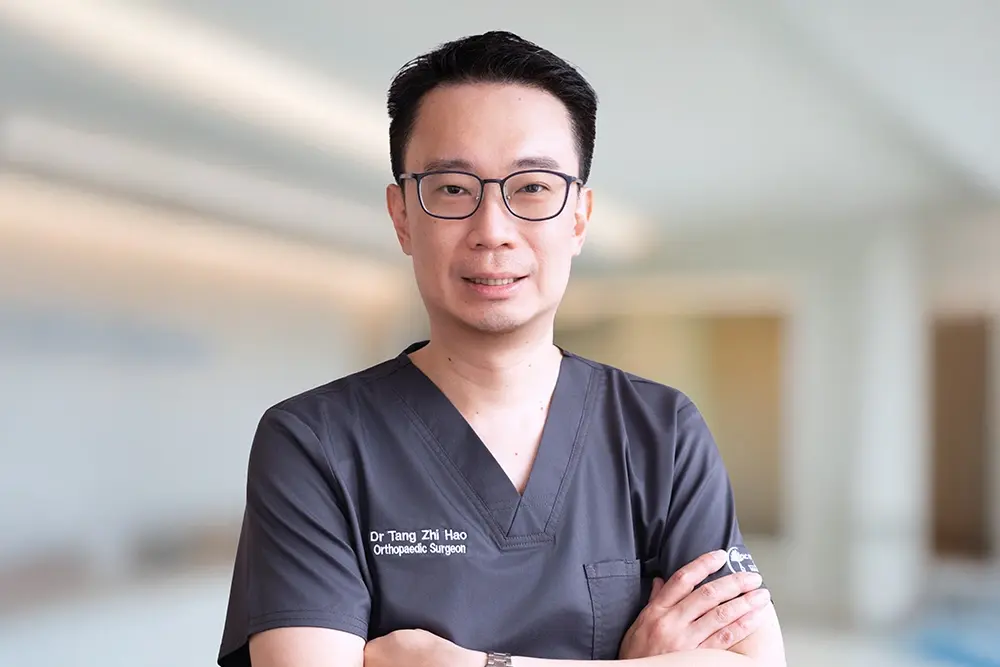
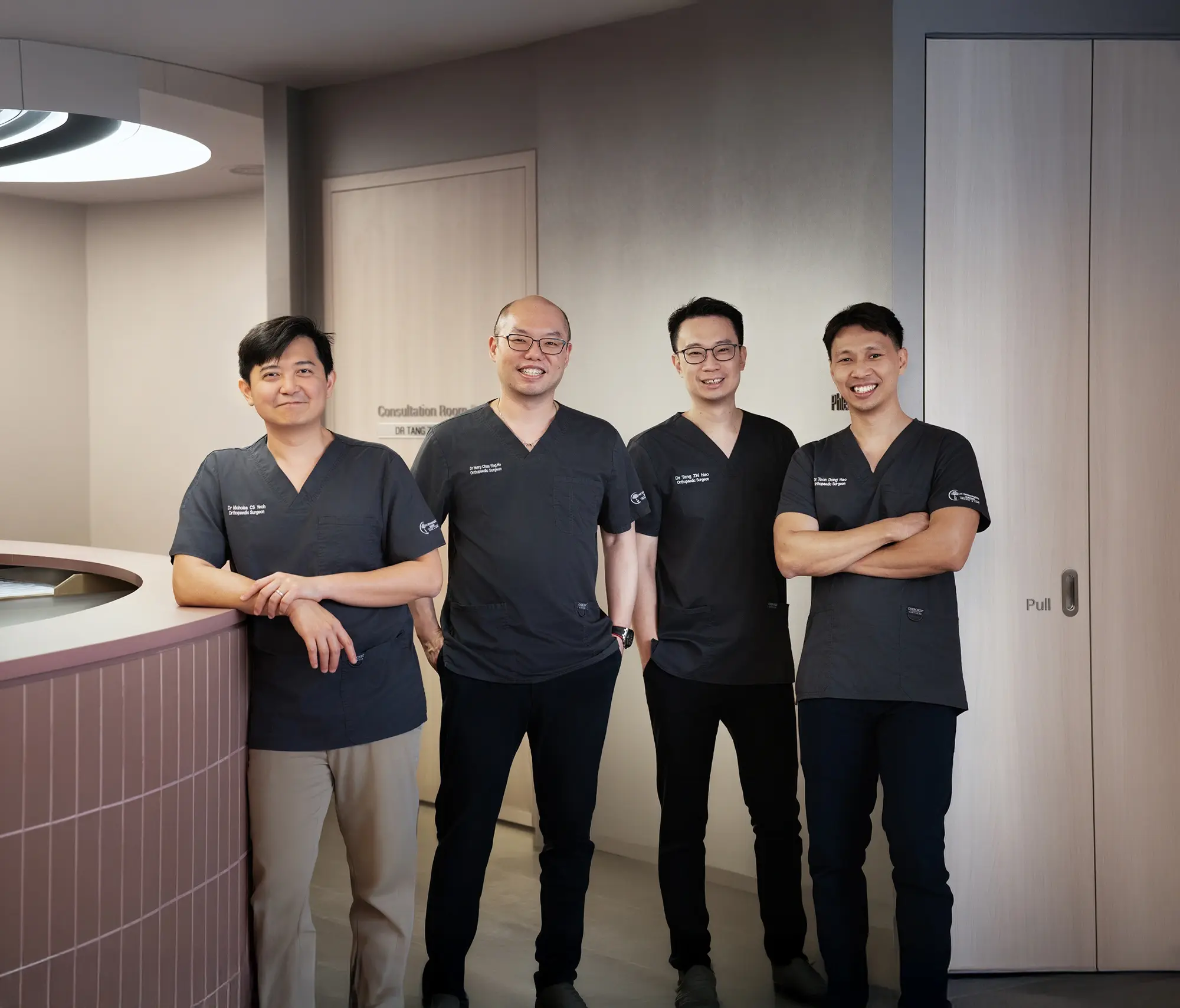
At HC Orthopaedic Surgery, carpal tunnel surgery is performed by a team experienced in managing conditions affecting the hand and wrist. The clinic is led by Dr Henry Chan, who works alongside Dr Nicholas Yeoh, Dr Toon Dong Hao and Dr Tang Zhi Hao to deliver precise surgical care tailored to each patient’s condition. With this approach, treatment focuses not only on relieving nerve compression but also on helping patients regain comfortable hand function and return to daily activities with confidence.
Frequently Asked Questions (FAQs) About Carpal Tunnel Surgery
Are there risks of nerve damage in carpal tunnel surgery?
What happens if I do not proceed with carpal tunnel surgery?
How long does it take to recover from carpal tunnel surgery?
Will surgery completely relieve my symptoms?
Is carpal tunnel surgery painful?
Can I use my hand immediately after surgery?
Can carpal tunnel surgery prevent recurrence?
Who is suitable for endoscopic vs open surgery in carpal tunnel surgery?
Meet Our Specialist Team
Our team comprises Dr Henry Chan, Dr Nicholas Yeoh, Dr Toon Dong Hao, and Dr Tang Zhi Hao — experienced orthopaedic surgeons with subspecialty experience and a patient-centred approach to care.
Dr Henry Chan
Medical Director & Senior Consultant Orthopaedic Surgeon
MBBS (S’pore), MRCS (Edinburgh), MMed (Orthopaedic Surgery), FRCS (Edinburgh)
Dr Henry Chan is an experienced orthopaedic surgeon specialising in joint replacement and complex revision surgery. Trained at the renowned Helios Endo-Klinik in Germany under the MOH HMDP scholarship, he has performed over 1,000 joint replacements and specialises in computer-assisted and robotic joint replacement techniques for precise outcomes.
Dr Nicholas Yeoh
Senior Consultant Orthopaedic Surgeon
MBChB (Edinburgh), MRCS (Edinburgh), MMed (Orthopaedic Surgery), FRCS (Edinburgh)
Dr Nicholas Yeoh is an MOH-accredited orthopaedic specialist and Fellow of the Royal College of Surgeons of Edinburgh. Fellowship-trained in hip and knee reconstruction in Sydney under the MOH HMDP scholarship, he specialises in minimally invasive joint replacement, robotic surgery and advanced techniques that enhance recovery and surgical outcomes.
Dr Toon Dong Hao
Senior Consultant Orthopaedic Surgeon
MBChB (Leeds), MRCS (Edinburgh), MMed (Orthopaedic Surgery), FRCS (Edinburgh)
Dr Toon Dong Hao is a skilled orthopaedic surgeon and Fellow of the Royal College of Surgeons of Edinburgh. Fellowship-trained in Advanced Shoulder and Elbow Surgery in Sydney under the MOH HMDP scholarship, Dr Toon specialises in sports injuries, arthroscopic surgery and complex shoulder, elbow and knee procedures to restore function and mobility.
Dr Tang Zhi Hao
Senior Consultant Orthopaedic Surgeon
MBBS (S’pore), MRCS (Edinburgh), MMed (Orthopaedic Surgery), FRCS (Edinburgh)
Dr Tang Zhi Hao is a fellowship-trained orthopaedic surgeon specialising in foot and ankle conditions. He completed his Foot and Ankle Surgery fellowship at Severance Hospital, Yonsei University Health System in Seoul under Professor Jin Woo Lee. Prior to private practice, he served as Consultant and Deputy Head of Orthopaedics at Khoo Teck Puat Hospital.