


A persistent tingling in the palm or fingers is rarely a skin-level issue; it’s almost always a neurological alarm signal. When the delicate nerves travelling through the wrist are physically compressed or chemically irritated, they lose their ability to transmit clear electrical signals to the brain. This pins-and-needles sensation acts as a primary warning that a bottleneck has formed within the structural tunnels of the hand.
These bottlenecks often occur within rigid anatomical passages that leave zero margin for inflammation or swelling. Additionally, because these nerves share tight spaces with multiple tendons, even minor repetitive strain can trigger a cascade of pressure that restricts blood flow to the nerve fibres. Therefore, understanding the exact source of the constriction is essential, as ignoring the early warning signs can allow a reversible strain to evolve into permanent nerve death and muscle wasting.
The Primary Suspects: Common Causes of Wrist Paresthesia
The specific pattern of your tingling usually acts as a diagnostic map, indicating exactly which anatomical tunnel in the wrist is failing. By identifying which fingers are affected, you can differentiate between a localised strain and a more serious neurological entrapment.
The most common causes of wrist paresthesia include:
This condition targets the median nerve, causing characteristic tingling in the thumb, index, and middle fingers. It’s the most frequent result of repetitive strain or prolonged wrist flexion that increases internal pressure within the central carpal canal.
- Guyon’s Canal Syndrome
This affects the ulnar nerve on the pinky side of the hand, manifesting as numbness specifically in the small and ring fingers. It’s commonly triggered by handlebar palsy or prolonged pressure on the outer palm, such as leaning on a desk for extended periods.
While primarily an inflammation of the tendons at the base of the thumb, the resulting localised swelling can crowd nearby sensory nerve branches. This often leads to a sharp, stinging sensation or numbness that radiates during a strong grip or pinch.
Red Flags: When Wrist Numbness Signals a Proximal Problem
It’s important to recognise that the source of wrist numbness may actually be located much higher up the arm or even in the cervical spine. Because nerves are continuous fibres, an entrapment at the neck or elbow can produce referred sensations that mimic a localised wrist injury.
The most common proximal issues causing hand and wrist tingling include:
- Cervical Radiculopathy
A slipped disc or bone spur in the neck can pinch the nerve roots that eventually form the nerves in your hand. This often creates a radiating tingling sensation that travels the length of the arm, even if you only feel the primary discomfort in your wrist.
This involves compression of the ulnar nerve at the elbow, often referred to as the funny bone area. It causes tingling and numbness that radiates down the forearm into the wrist, specifically affecting the pinky and ring finger.
- Peripheral Neuropathy
Systemic issues, such as diabetes or vitamin deficiencies, can cause a total decline in nerve health. This typically manifests as a stocking-glove pattern of tingling that begins in the fingertips and toes, reflecting widespread metabolic impact rather than a physical bottleneck.
Functional Risks: The Transition from Sensory Loss to Grip Failure

When median nerve compression becomes more advanced, symptoms may progress beyond intermittent tingling or numbness to include weakness and muscle wasting. In severe cases, prolonged compression can impair the nerve’s ability to supply the thumb muscles properly.
The following signs indicate your condition has progressed to chronic nerve failure:
- Atrophy of the Thenar Eminence
Visible flattening of the muscle pad at the base of the thumb, which can indicate longstanding median nerve compression.
- Loss of Fine Motor Skills
Difficulty with buttons, holding small objects, typing precisely, or frequently dropping items.
If you notice any of these symptoms, seek prompt specialist evaluation. Muscle wasting or persistent weakness can suggest more severe nerve involvement, and a clinician may recommend further evaluation, including nerve conduction studies, to determine whether treatments such as splinting, injections, or surgical decompression are appropriate.
Receive Precise Wrist Assessment at HC Orthopaedic Surgery
Receive Precise Wrist Assessment at HC Orthopaedic Surgery

Our Specialised Team
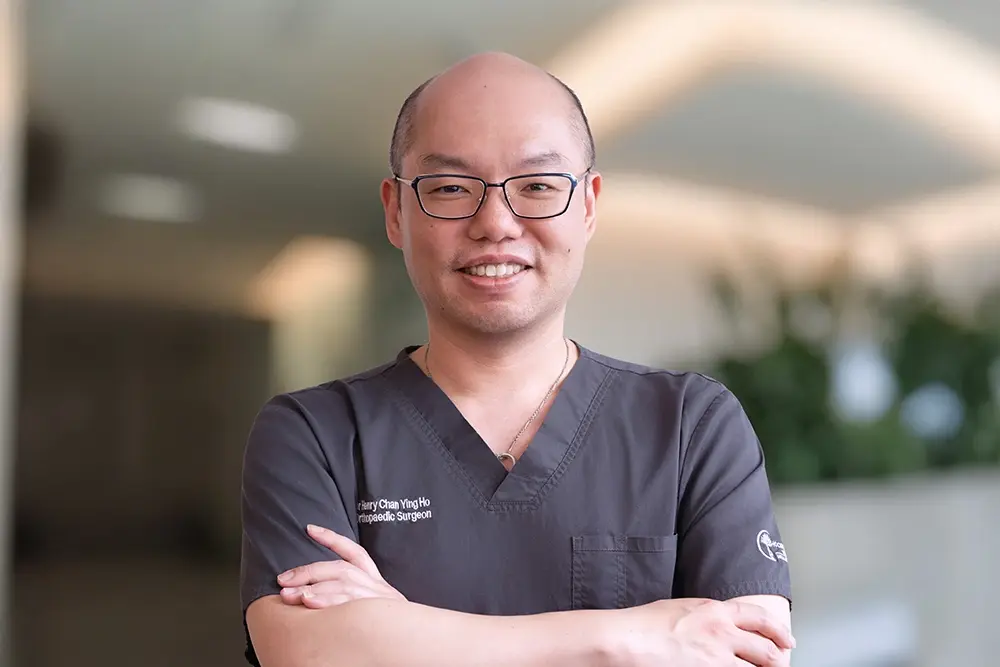
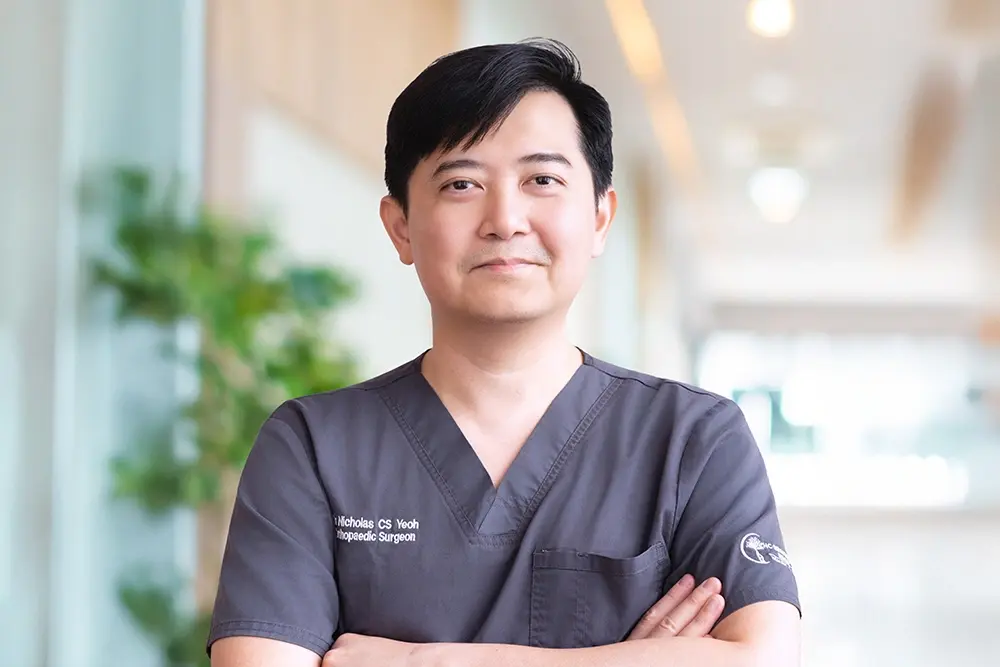
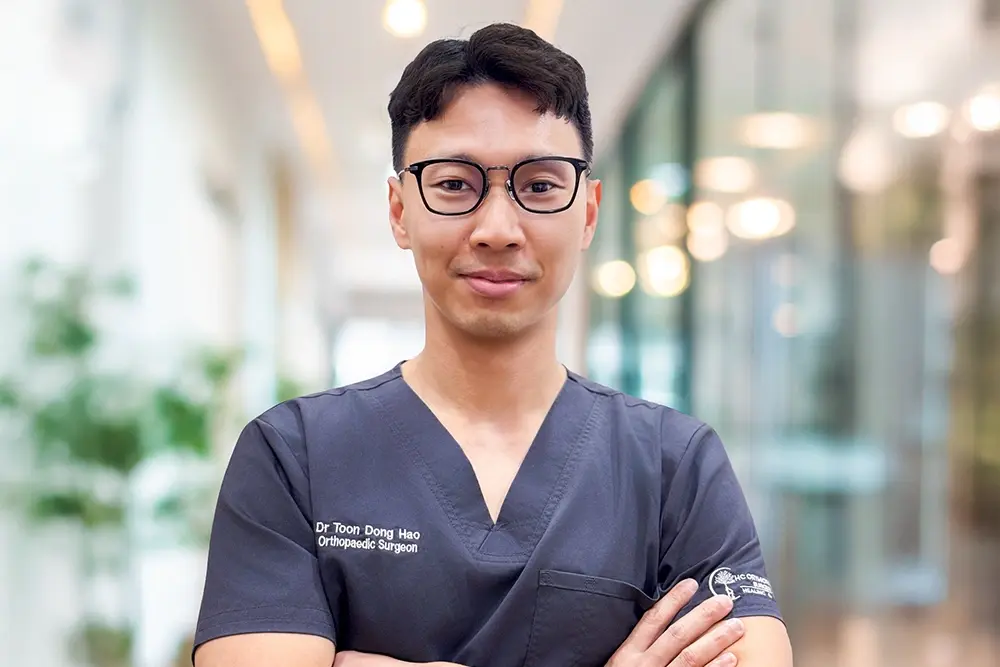
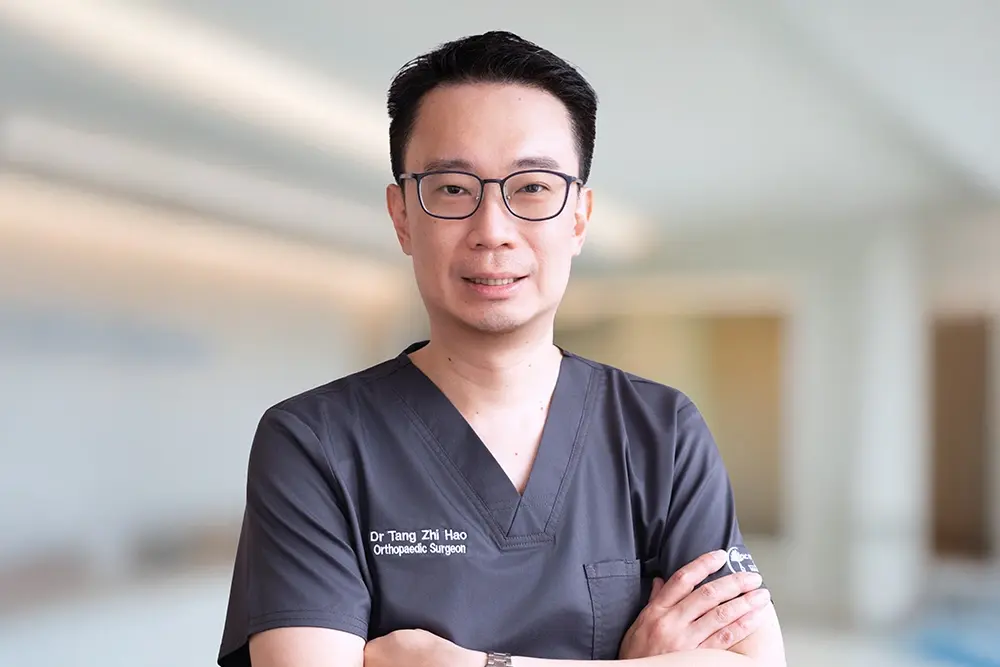
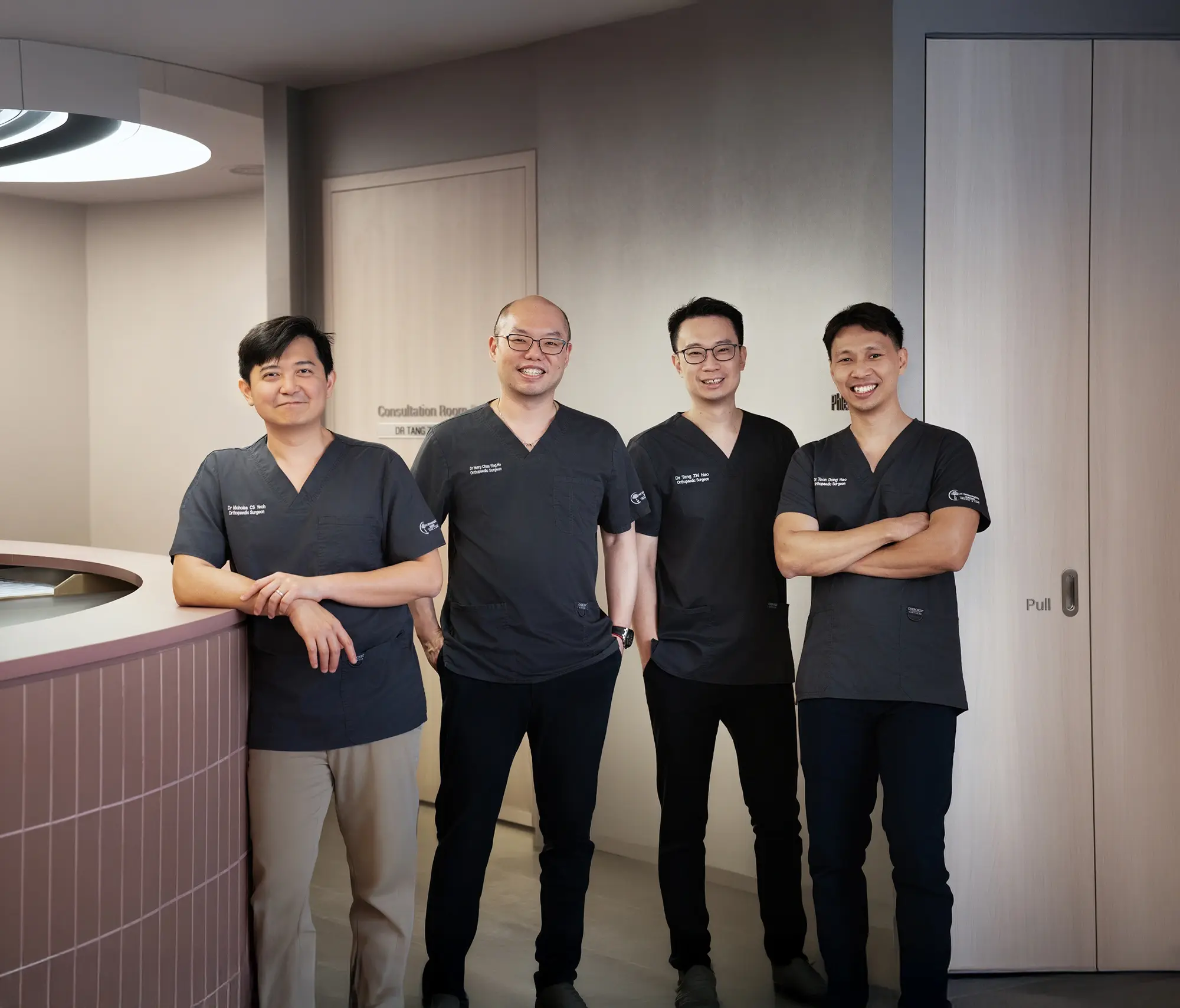
At HC Orthopaedic Surgery, Dr Henry Chan, Dr Nicholas Yeoh, Dr Toon Dong Hao, and Dr Tang Zhi Hao specialise in the precise diagnosis and treatment of nerve entrapments within the hand and wrist. By combining advanced electrical mapping with minimally invasive surgical techniques, he helps patients resolve chronic numbness and protect their long-term motor function.
Don't wait for muscle wasting to begin. Book an appointment with HC Orthopaedic Surgery today to get a definitive diagnosis and stop nerve damage in its tracks.
Frequently Asked Questions (FAQs) About Wrist Numbness & Tingling
Can wrist numbness go away on its own?
Is my wrist numbness related to my phone or computer use?
When is wrist surgery actually necessary?
Meet Our Wrist Specialist in Singapore
Our team comprises Dr Henry Chan, Dr Nicholas Yeoh, Dr Toon Dong Hao, and Dr Tang Zhi Hao — experienced orthopaedic surgeons with subspecialty experience and a patient-centred approach to care.
Dr Henry Chan
Medical Director & Senior Consultant Orthopaedic Surgeon
MBBS (S’pore), MRCS (Edinburgh), MMed (Orthopaedic Surgery), FRCS (Edinburgh)
Dr Henry Chan is an experienced orthopaedic surgeon specialising in joint replacement and complex revision surgery. Trained at the renowned Helios Endo-Klinik in Germany under the MOH HMDP scholarship, he has performed over 1,000 joint replacements and specialises in computer-assisted and robotic joint replacement techniques for precise outcomes.
Dr Nicholas Yeoh
Senior Consultant Orthopaedic Surgeon
MBChB (Edinburgh), MRCS (Edinburgh), MMed (Orthopaedic Surgery), FRCS (Edinburgh)
Dr Nicholas Yeoh is an MOH-accredited orthopaedic specialist and Fellow of the Royal College of Surgeons of Edinburgh. Fellowship-trained in hip and knee reconstruction in Sydney under the MOH HMDP scholarship, he specialises in minimally invasive joint replacement, robotic surgery and advanced techniques that enhance recovery and surgical outcomes.
Dr Toon Dong Hao
Senior Consultant Orthopaedic Surgeon
MBChB (Leeds), MRCS (Edinburgh), MMed (Orthopaedic Surgery), FRCS (Edinburgh)
Dr Toon Dong Hao is a skilled orthopaedic surgeon and Fellow of the Royal College of Surgeons of Edinburgh. Fellowship-trained in Advanced Shoulder and Elbow Surgery in Sydney under the MOH HMDP scholarship, Dr Toon specialises in sports injuries, arthroscopic surgery and complex shoulder, elbow and knee procedures to restore function and mobility.
Dr Tang Zhi Hao
Senior Consultant Orthopaedic Surgeon
MBBS (S’pore), MRCS (Edinburgh), MMed (Orthopaedic Surgery), FRCS (Edinburgh)
Dr Tang Zhi Hao is a fellowship-trained orthopaedic surgeon specialising in foot and ankle conditions. He completed his Foot and Ankle Surgery fellowship at Severance Hospital, Yonsei University Health System in Seoul under Professor Jin Woo Lee. Prior to private practice, he served as Consultant and Deputy Head of Orthopaedics at Khoo Teck Puat Hospital.