
Sports Injury Specialist
in Singapore

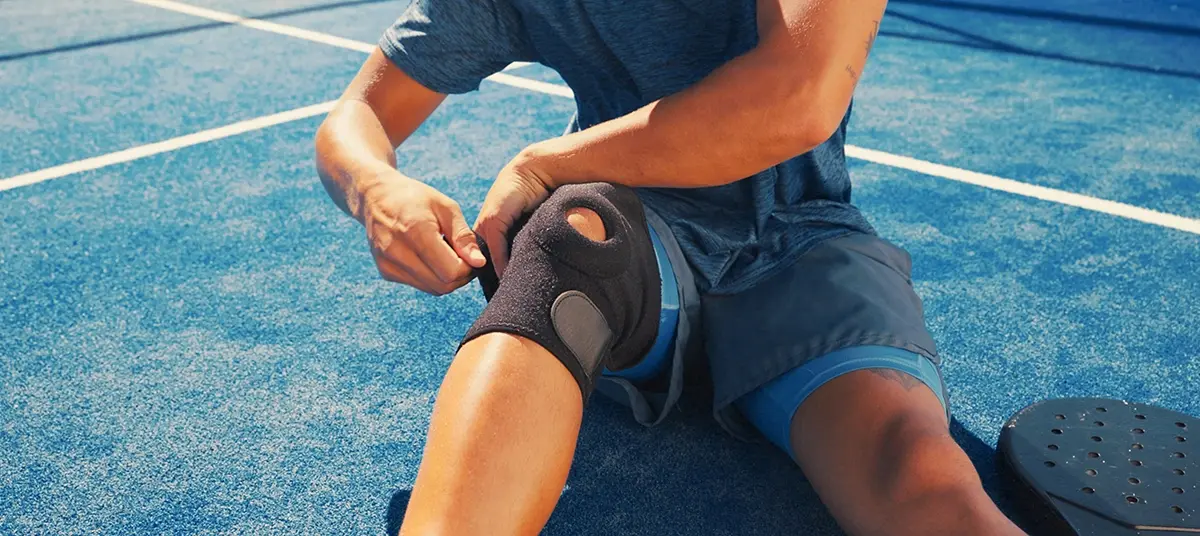
Sports injuries can strike suddenly during a game or build up gradually through repeated strain over time. While they are often linked to competitive athletes, the reality is that anyone who stays physically active can be affected. From casual joggers and gym-goers to individuals lifting, carrying or climbing at work, everyday movements can place significant stress on the body, especially when muscles are fatigued or conditioning is limited.
As a result, injuries may involve muscles, joints, ligaments, tendons or bones, ranging from mild sprains and strains to fractures, dislocations and tendon-related conditions. Some occur after a single awkward movement or impact, whereas others develop progressively due to overuse, poor technique or insufficient recovery. When early warning signs such as persistent pain, swelling, stiffness or reduced mobility are overlooked, recovery may take longer. Seeking timely assessment and appropriate care can support healing, restore function and help reduce the risk of longer-term complications or recurrent injury.
What Are the Common Symptoms of Sports Injuries?
Sports injuries can cause symptoms that appear immediately after an accident or develop gradually over time due to overuse.
Common symptoms include:
Pain
This may feel like an ache, sharp discomfort or persistent soreness around the injured area.
Popping or Snapping Sensation
Some injuries cause a sudden pop or snap at the moment of impact or strain.
Swelling or Bruising
You may notice puffiness, colour changes or visible bruising as inflammation develops.
Limited Range of Motion
The injured joint or limb may feel stiff, making it harder to bend, stretch or move normally.
Weakness or Difficulty Bearing Weight
Struggling to stand, walk or support your body weight may indicate a more significant injury.
Joint Instability or Deformity
A joint that feels loose, gives way or looks out of place may suggest a sprain, dislocation or fracture.
Numbness or Tingling
These sensations may occur if nearby nerves are irritated or affected by swelling.
Why It Happens
What Causes Sports
Injuries?
Sports injuries generally fall into two categories: acute and chronic. Acute injuries happen suddenly, often due to a fall, collision or awkward movement, such as twisting an ankle during a bad landing. Chronic injuries develop gradually over time and are usually caused by repeated strain, overuse or poor recovery. Common causes of sports injuries include:
Overuse
Repetitive stress on the same muscles or joints can lead to conditions such as tendinitis or stress fractures.
Falls
Falls are a frequent cause of injury, particularly during running, jumping or contact sports like football and rugby.
Direct Impact
Collisions with another player or sports equipment can cause bruising, sprains, fractures or dislocations.
Hyperextension
Forcing a joint beyond its normal range can strain ligaments or muscles and may result in joint instability.
Know Your Risk Profile
What Are the Risk Factors for
Sports Injuries?
Sports injuries can happen to anyone, whether you are an athlete, a casual gym goer or someone who stays active on weekends. However, certain factors can increase your risk of getting injured, especially when the body is pushed beyond its limits.
Common risk factors include:
Age
Children are more prone to injury due to high activity levels and limited physical awareness, while older adults face higher risks from reduced flexibility and slower recovery times.
Excess Body Weight
Carrying extra weight places greater stress on weight-bearing joints such as the hips, knees and ankles, increasing injury risk during physical activity.
Incorrect Technique
Poor form during sports or weight training can strain muscles, joints and ligaments. Over time, this increases the likelihood of both acute and overuse injuries.
Inadequate Warm-Up
Skipping warm-up reduces muscle readiness and flexibility. This can increase the risk of strains, sprains and other soft tissue injuries.
Overtraining
Training too frequently or intensely without enough rest can overload muscles and tendons. This often leads to fatigue-related injuries and chronic pain.
Improper Equipment
Wearing poorly fitted shoes or skipping protective gear can increase injury risk. It may also contribute to foot, ankle and knee problems during activity.
Common Types of Sports Injuries
Sports injuries can affect the muscles, joints, ligaments, tendons and bones. Common sports injuries include:
How Are Sports Injuries Diagnosed?
Diagnosing a sports injury usually starts with a detailed consultation and physical examination. Your doctor will ask how the injury happened and what symptoms you have noticed. They will then gently examine the affected area, checking for swelling, tenderness, movement and joint stability.
If further evaluation is needed, imaging tests may be arranged to confirm the diagnosis and assess the severity of injury. These may include:
X-rays
These are performed to identify fractures, dislocations or other forms of bone damage.
MRI Scans
These scans provide detailed images of soft tissues and are commonly used to detect ligament tears, meniscus injuries or tendon damage.
CT Scans
These offer more detailed cross-sectional images and are useful for assessing complex fractures or joint abnormalities.
Ultrasound
This allows real-time evaluation of muscles, tendons and fluid collections, and can be particularly helpful for dynamic assessment during movement.
In some cases, your doctor may also perform functional movement tests to assess strength, balance and mobility, helping guide the most appropriate treatment plan.
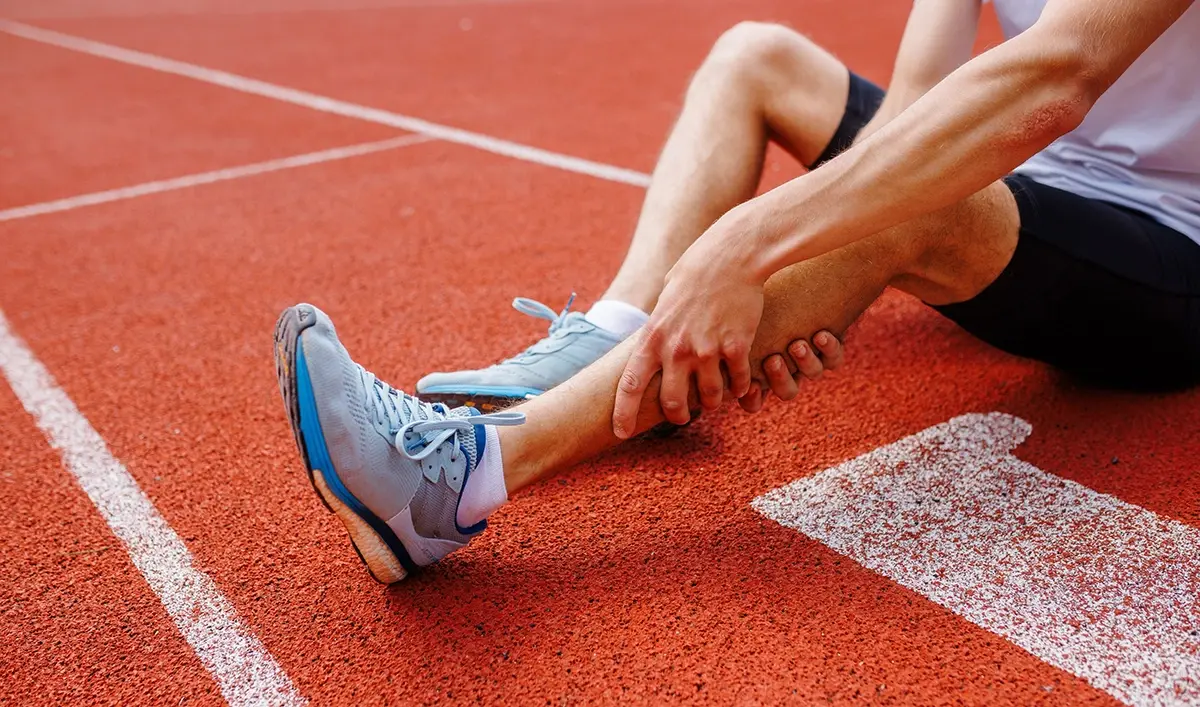
Sports Injuries Treatments in Singapore
Sports injury treatment depends on the type of injury and how severe it is. Some injuries improve with rest and medication, while others require physiotherapy, bracing or surgical intervention to restore function and prevent long-term complications.
Immediate Care
(First 24 to 48 Hours)
In the early stage, the RICE method can help reduce pain and swelling:
- Rest
Stop the activity and avoid stressing the injured area.
- Ice
Apply ice for 15 to 20 minutes every few hours.
- Compression
Use a bandage or support to limit swelling.
- Elevation
Raise the injured limb above heart level when possible.
Non-Surgical Treatment Options
Many sports injuries, including mild sprains, strains and tendon inflammation, recover well with conservative care. Treatment may include:
- Pain Relief Medication
Anti-inflammatory medication may be prescribed where appropriate.
- Physiotherapy
A structured rehabilitation programme helps restore strength, mobility and stability.
- Bracing or Taping
This provides external support to the injured joint, helping to limit excessive movement and reduce strain on healing tissues.
- Injections
Selected cases may benefit from corticosteroid injections or other targeted treatments.
Surgical Treatment Options
Surgery is usually reserved for more severe injuries, such as ACL tears, recurrent dislocations or complex fractures. The goal is to restore stability, repair damaged structures and allow safe return to activity. Common procedures include:
- Arthroscopic Surgery
A minimally invasive procedure used to treat joint problems such as meniscus tears, cartilage damage, loose bodies and certain shoulder or ankle injuries.
- Ligament Repair or Reconstruction
Commonly performed for torn ligaments such as the ACL, PCL or rotator cuff, especially when instability affects sports performance or daily movement.
- Fracture Fixation
Used for displaced or unstable fractures, where plates, screws or rods are inserted to stabilise the bone and support proper healing.
Get Relief From Sports Injuries at HC Orthopaedic Surgery
Sports injuries can affect more than just your ability to play. Even a minor strain or sprain can make everyday activities such as walking, driving or sleeping uncomfortable. When symptoms are ignored or not properly treated, they may linger and gradually affect your confidence in movement and overall quality of life.
Get Relief From Sports Injuries at HC Orthopaedic Surgery
Sports injuries can affect more than just your ability to play. Even a minor strain or sprain can make everyday activities such as walking, driving or sleeping uncomfortable. When symptoms are ignored or not properly treated, they may linger and gradually affect your confidence in movement and overall quality of life.

Our Specialised Team
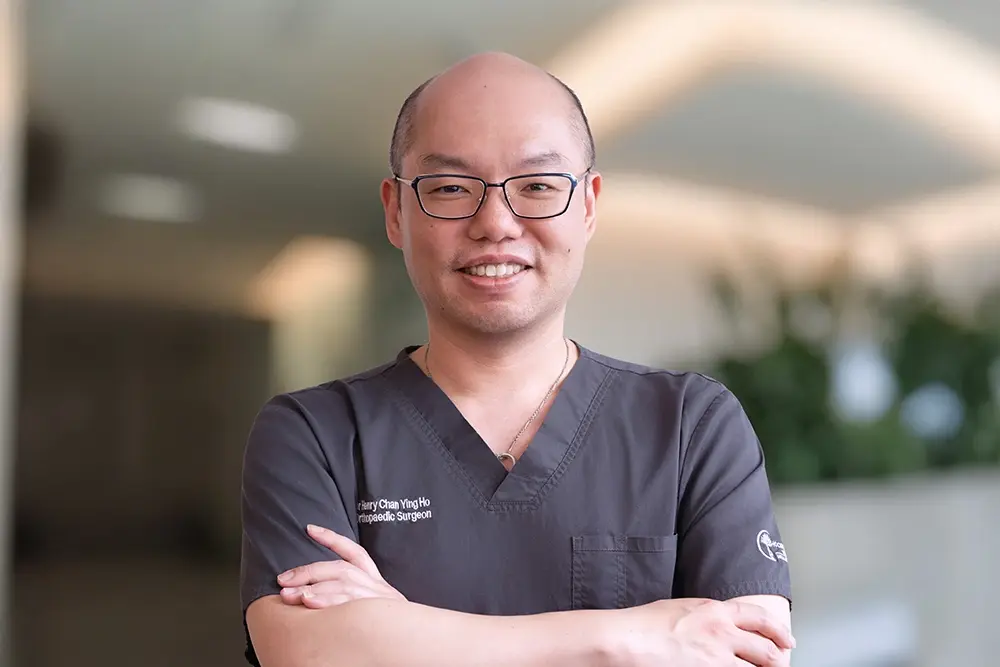
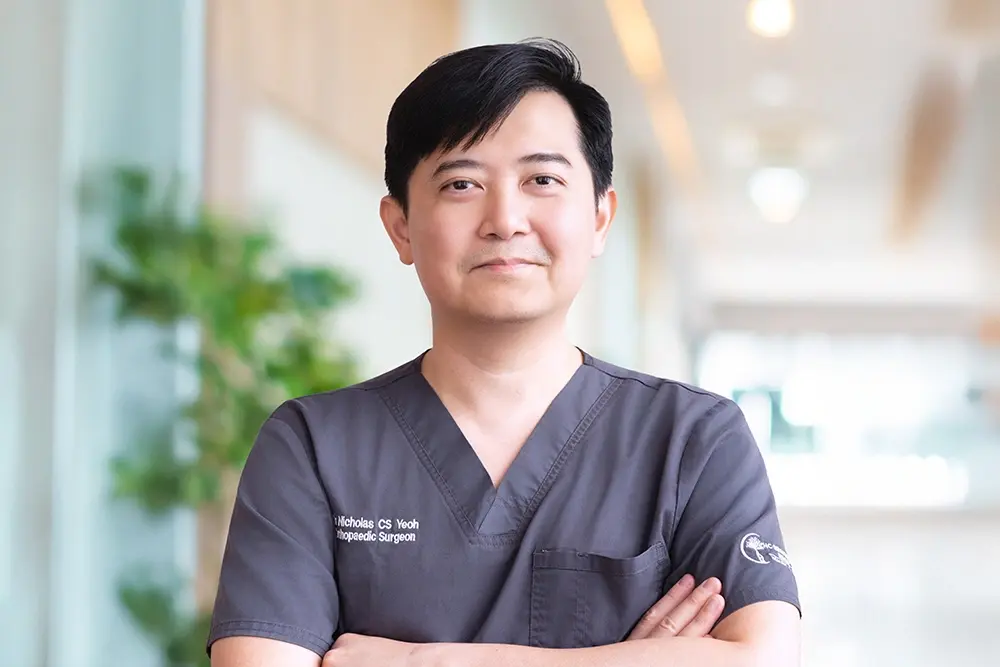
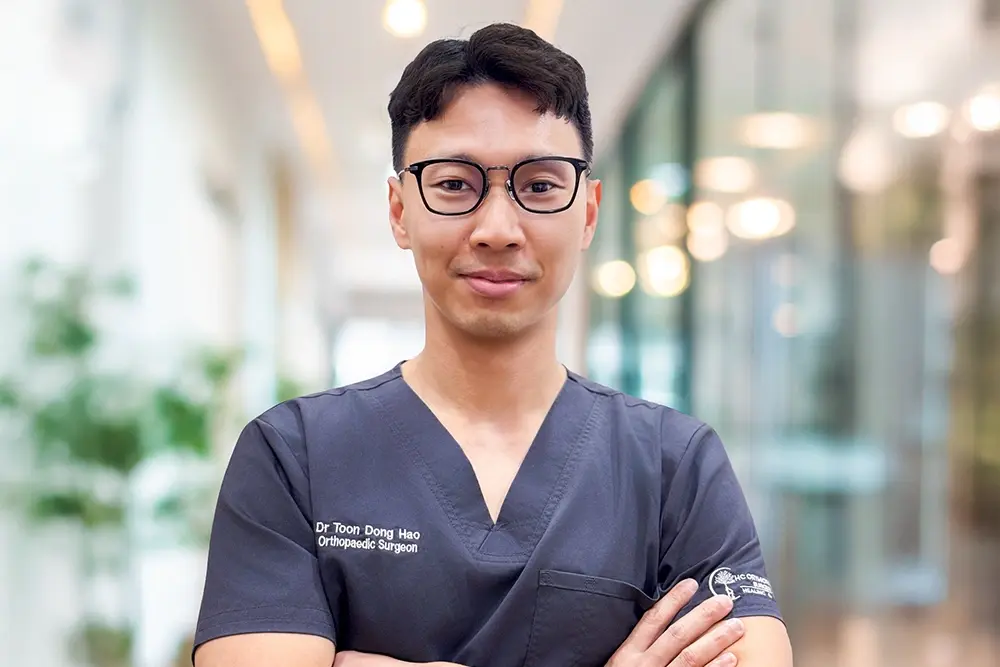
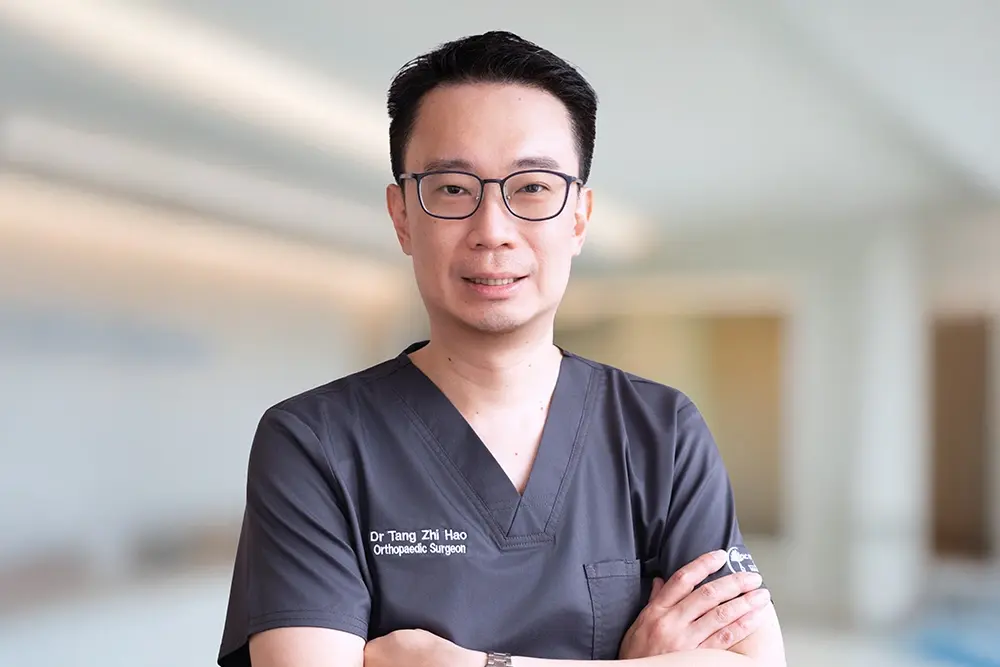
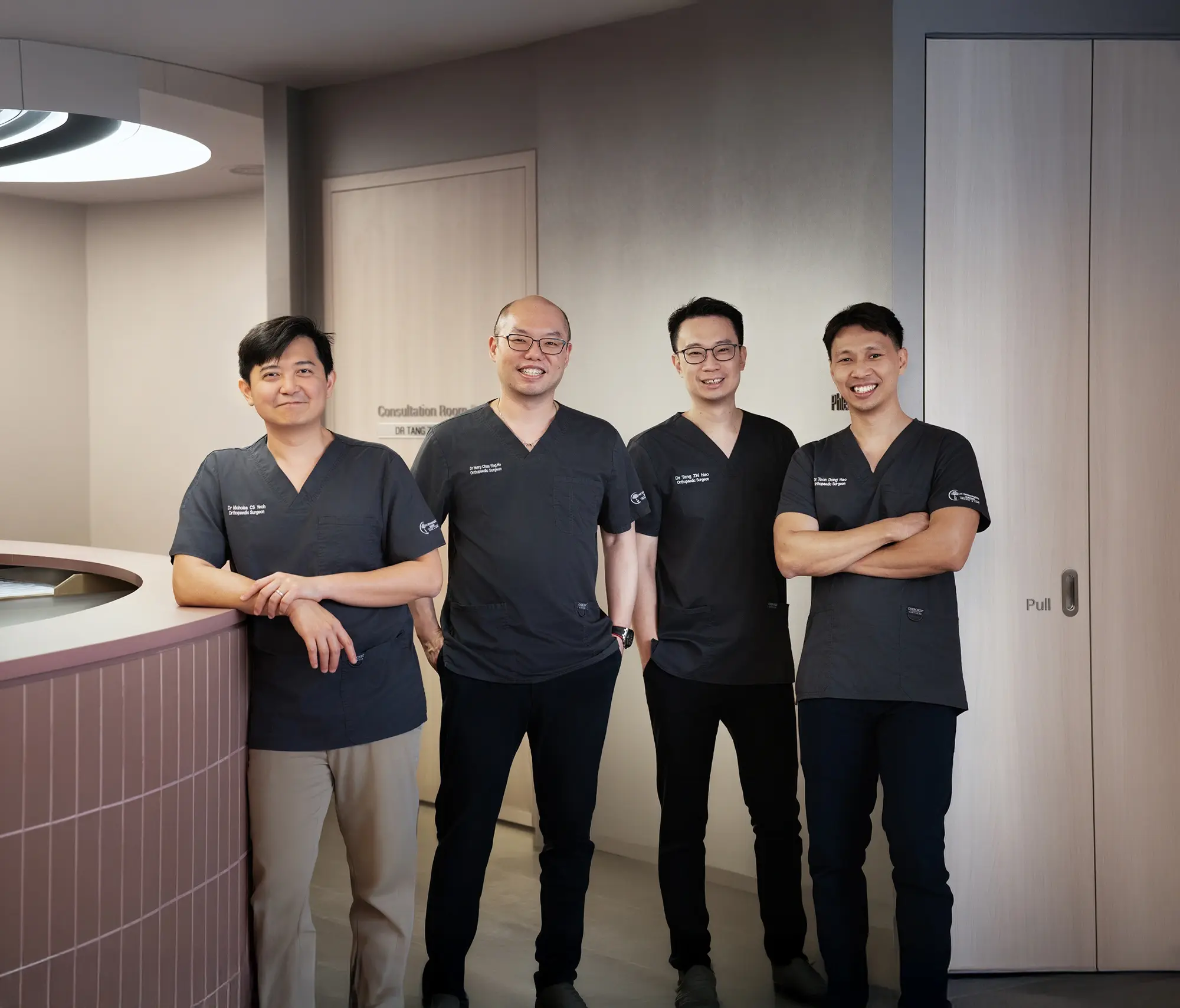
At HC Orthopaedic Surgery, your care is led by Dr Henry Chan, Medical Director and senior consultant orthopaedic surgeon, together with Dr Nicholas Yeoh, Dr Toon Dong Hao and Dr Tang Zhi Hao. We conduct thorough clinical assessments to determine the severity of your sports injury and identify its underlying cause. Based on these findings, we develop a personalised, evidence-based treatment plan that supports safe recovery and helps reduce the risk of recurrence, guiding you back to daily activities and sport with greater comfort, stability and confidence.
Frequently Asked Questions (FAQs) About Sports Injuries
Can sports injuries heal on their own?
How long does it take for a sports injury to heal?
Can you still walk with a torn ACL?
How can you tell if an injury is serious?
When can I return to sports after an injury?
When is surgery needed for sports injuries?
What jobs are prone to sports-type injuries?
When should I see a sports medicine doctor?
Meet Our Specialist Team
Our team comprises Dr Henry Chan, Dr Nicholas Yeoh, Dr Toon Dong Hao, and Dr Tang Zhi Hao — experienced orthopaedic surgeons with subspecialty experience and a patient-centred approach to care.
Dr Henry Chan
Medical Director & Senior Consultant Orthopaedic Surgeon
MBBS (S’pore), MRCS (Edinburgh), MMed (Orthopaedic Surgery), FRCS (Edinburgh)
Dr Henry Chan is an experienced orthopaedic surgeon specialising in joint replacement and complex revision surgery. Trained at the renowned Helios Endo-Klinik in Germany under the MOH HMDP scholarship, he has performed over 1,000 joint replacements and specialises in computer-assisted and robotic joint replacement techniques for precise outcomes.
Dr Nicholas Yeoh
Senior Consultant Orthopaedic Surgeon
MBChB (Edinburgh), MRCS (Edinburgh), MMed (Orthopaedic Surgery), FRCS (Edinburgh)
Dr Nicholas Yeoh is an MOH-accredited orthopaedic specialist and Fellow of the Royal College of Surgeons of Edinburgh. Fellowship-trained in hip and knee reconstruction in Sydney under the MOH HMDP scholarship, he specialises in minimally invasive joint replacement, robotic surgery and advanced techniques that enhance recovery and surgical outcomes.
Dr Toon Dong Hao
Senior Consultant Orthopaedic Surgeon
MBChB (Leeds), MRCS (Edinburgh), MMed (Orthopaedic Surgery), FRCS (Edinburgh)
Dr Toon Dong Hao is a skilled orthopaedic surgeon and Fellow of the Royal College of Surgeons of Edinburgh. Fellowship-trained in Advanced Shoulder and Elbow Surgery in Sydney under the MOH HMDP scholarship, Dr Toon specialises in sports injuries, arthroscopic surgery and complex shoulder, elbow and knee procedures to restore function and mobility.
Dr Tang Zhi Hao
Senior Consultant Orthopaedic Surgeon
MBBS (S’pore), MRCS (Edinburgh), MMed (Orthopaedic Surgery), FRCS (Edinburgh)
Dr Tang Zhi Hao is a fellowship-trained orthopaedic surgeon specialising in foot and ankle conditions. He completed his Foot and Ankle Surgery fellowship at Severance Hospital, Yonsei University Health System in Seoul under Professor Jin Woo Lee. Prior to private practice, he served as Consultant and Deputy Head of Orthopaedics at Khoo Teck Puat Hospital.