
Spinal Decompression Surgery
in Singapore

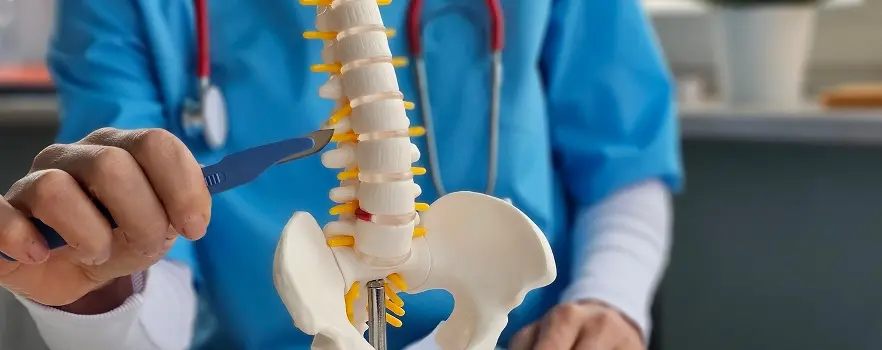
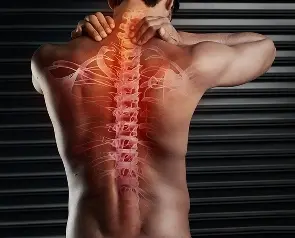
Did you know that up to 80% of people experience low back pain at some point in their lives? While many episodes are short-lived, some people develop ongoing symptoms that affect daily activities. Persistent back or neck pain can make even simple movements difficult. Some people experience sharp pain radiating down the arm or leg, while others notice numbness, tingling or weakness that interferes with walking, lifting or sitting comfortably. These symptoms often occur when spinal nerves become compressed by structures such as a herniated disc, bone spurs or thickened ligaments.
In many cases, symptoms improve with rest, medication, physiotherapy or targeted injections. However, when nerve compression persists despite conservative treatment, spinal decompression surgery may be recommended to relieve pressure on the affected nerves. By creating more space within the spinal canal or nerve pathways, the procedure aims to reduce pain, improve nerve function and help restore mobility and quality of life.
Understanding Spinal Decompression Surgery

Understanding Spinal Decompression Surgery
What Is Spinal Decompression Surgery and Who Might Need It?
Spinal decompression surgery refers to surgical procedures performed to relieve pressure on the spinal cord or nerve roots within the spine. Nerve compression can occur when structures such as discs, bone spurs or thickened ligaments narrow the spaces in the spinal canal or around the nerves.
Surgery may be considered when symptoms such as persistent back or neck pain, radiating arm or leg pain, numbness, tingling or muscle weakness do not improve with non-surgical treatments such as physiotherapy, medication or targeted injections. In some cases, progressive nerve symptoms may begin to affect mobility, coordination or daily activities.
Spinal decompression surgery is commonly recommended for conditions that involve nerve compression, including
- Spinal Stenosis
- Herniated Discs
- Bone Spurs
- Degenerative Disc Diseases
Understanding the Differences
Types of Spinal Decompression Surgery
Spinal decompression surgery includes several procedures designed to relieve pressure on the spinal cord or nerve roots. The specific technique recommended depends on the underlying cause of nerve compression, the location in the spine and the severity of symptoms. Common types of spinal decompression surgery include:

Discectomy
A discectomy involves removing part of a herniated or damaged spinal disc that is pressing on a nearby nerve. By removing the portion of the disc causing compression, the procedure can help relieve pain, numbness or weakness that radiates into the arm or leg.

Laminectomy
A laminectomy removes part or all of the lamina, which is the back portion of a vertebra. This creates more space within the spinal canal and helps relieve pressure on the spinal cord or nerve roots. It is commonly performed to treat spinal stenosis.

Laminotomy
A laminotomy is similar to a laminectomy but involves removing only a small section of the lamina rather than the entire structure. This targeted approach helps relieve pressure on a specific nerve while preserving more of the surrounding bone.
Foraminotomy
A foraminotomy widens the opening, known as the foramen, where spinal nerves exit the spinal column. When this passageway becomes narrowed due to bone spurs, disc changes or thickened ligaments, enlarging the space can reduce nerve compression and improve symptoms.
What to Expect From Spinal Decompression Surgery
How to Prepare
Before surgery, your doctor will review your symptoms, medical history and imaging studies such as MRI or CT scans to confirm the source of nerve compression. The surgeon will also discuss the recommended procedure, explain how it is performed and outline the potential benefits and risks so you understand what to expect.
Your care team will then provide instructions to help you prepare for the procedure. These may include:
- Temporarily stopping certain medications, particularly blood thinners.
- Avoiding food or drink for a specified period before the surgery.
- Completing blood tests or other pre-operative assessments if required.
- Arranging for someone to accompany you home and assist during the early recovery period.
Procedure Overview
The steps involved in spinal decompression surgery vary depending on the type of procedure performed, such as a discectomy, laminectomy, laminotomy or foraminotomy. Your surgeon will determine the most appropriate approach based on the cause and location of nerve compression.
In general, these procedures involve:
- Administration of anaesthesia so you remain comfortable during surgery.
- A small incision made over the affected area of the spine.
- Careful access to the spinal structures using specialised instruments.
- Removal or trimming of the structures compressing the nerve, such as part of a herniated disc, bone spur or thickened ligament.
- Creating more space around the affected nerve to relieve pressure.
In some cases, additional procedures such as spinal fusion may be recommended to stabilise the spine if there is underlying instability.
Aftercare and Recovery
Recovery after spinal decompression surgery varies depending on the type of procedure performed, the number of spinal levels treated and your overall health.
After surgery, care typically includes:
- Monitoring in the recovery area until the effects of anaesthesia wear off.
- Pain management with prescribed medications.
- Early gentle movement to support circulation and reduce stiffness.
- Gradual return to daily activities as guided by your doctor.
Your doctor may also recommend physiotherapy to help restore strength, flexibility and spinal stability during recovery. Follow-up appointments are important to monitor healing and assess your progress.
Some people notice improvement in nerve-related symptoms soon after surgery, while others experience gradual improvement as the affected nerves recover over time. Following your doctor’s post-operative instructions can help support a safe recovery and return to normal activities.
Treatment Benefits
How Spinal Decompression Surgery Helps Relieve Nerve Pressure
Spinal decompression surgery works by relieving pressure on the spinal cord or nerve roots that may be compressed by structures such as a herniated disc, bone spurs or thickened ligaments. By creating more space within the spinal canal or nerve pathways, the procedure can help reduce irritation and inflammation around the affected nerves.
When nerve compression is relieved, patients may experience:
- Reduced pain in the back, neck, arms or legs
- Improvement in numbness or tingling sensations
- Better muscle strength and nerve function
- Increased mobility and ability to perform daily activities
While outcomes vary depending on the underlying condition and individual health factors, spinal decompression surgery aims to address the root cause of nerve compression and support long-term symptom relief.
Understanding the Risks
Potential Risks and Complications of Spinal Decompression Surgery
Spinal decompression surgery is generally considered safe when performed by an experienced spine specialist. However, as with any surgical procedure, there are potential risks and complications that patients should be aware of before undergoing treatment.
Possible risks may include:
- Infection at the surgical site
- Bleeding or blood clots
- Nerve irritation or injury, which may lead to persistent pain, numbness or weakness
- Dural tear, where the protective covering of the spinal cord is accidentally opened, potentially causing leakage of spinal fluid
- Recurrence of symptoms, especially if disc material re-herniates or degenerative changes continue
- Incomplete symptom relief, as recovery may depend on the severity and duration of nerve compression before surgery
In some cases, additional procedures such as spinal fusion may be recommended if spinal instability is present.
Cost of Spinal Decompression Surgery in Singapore
The cost of spinal decompression surgery in Singapore can vary widely depending on several medical and logistical factors. Rather than a fixed price, the overall cost is usually influenced by the complexity of the condition, the type of procedure required, and the hospital setting where the surgery is performed.
Key Cost Drivers
Some of the key factors that may affect the total cost include:
Type and complexity of the procedure
Surgeon’s expertise
Hospital and operating facility fees
Pre-surgical tests and consultations
Post-surgery care and rehabilitation

Insurance and Financing
Patients may be able to use MediSave, MediShield Life or Integrated Shield Plans to offset part of the surgery costs, depending on eligibility, insurance coverage and the specific procedure performed. Private insurance policies may also provide coverage based on individual plan terms. Your surgical team or clinic can provide more detailed estimates and advise on available financing or insurance options based on your treatment plan.
Spinal decompression surgery may help relieve pressure on spinal nerves caused by conditions such as herniated discs, bone spurs or spinal stenosis. By addressing the underlying source of nerve compression, the procedure can help reduce pain, improve nerve function and support better mobility. As each spinal condition is unique, a thorough clinical assessment is essential to determine whether surgery is appropriate and to identify the most suitable treatment approach for long-term relief.
Relieving Nerve Compression at HC Orthopaedic Surgery
Spinal decompression surgery may help relieve pressure on spinal nerves caused by conditions such as herniated discs, bone spurs or spinal stenosis. By addressing the underlying source of nerve compression, the procedure can help reduce pain, improve nerve function and support better mobility. As each spinal condition is unique, a thorough clinical assessment is essential to determine whether surgery is appropriate and to identify the most suitable treatment approach for long-term relief.

Our Specialised Team
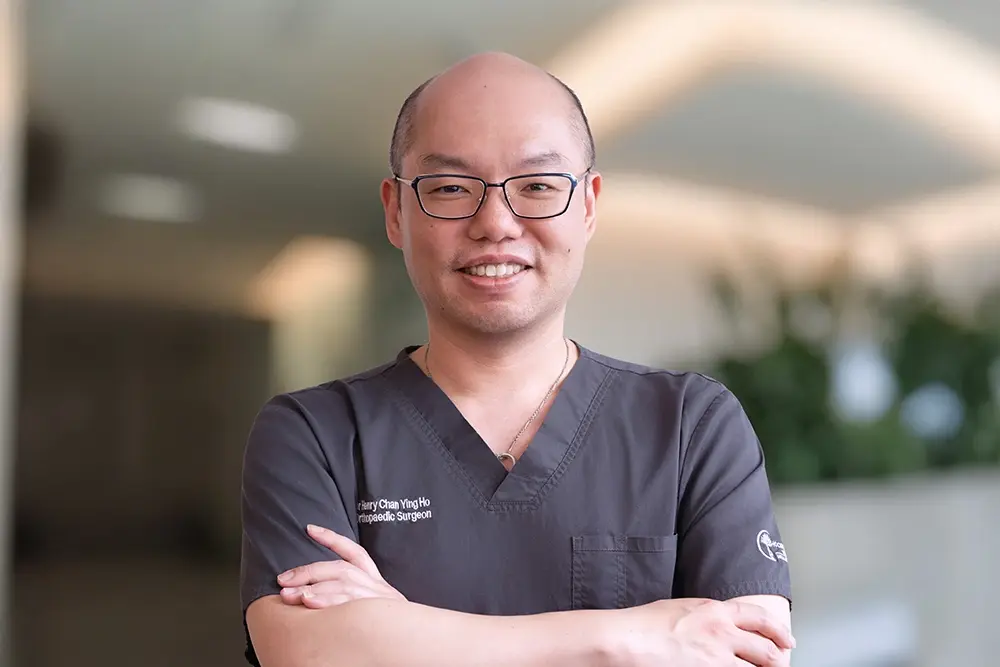
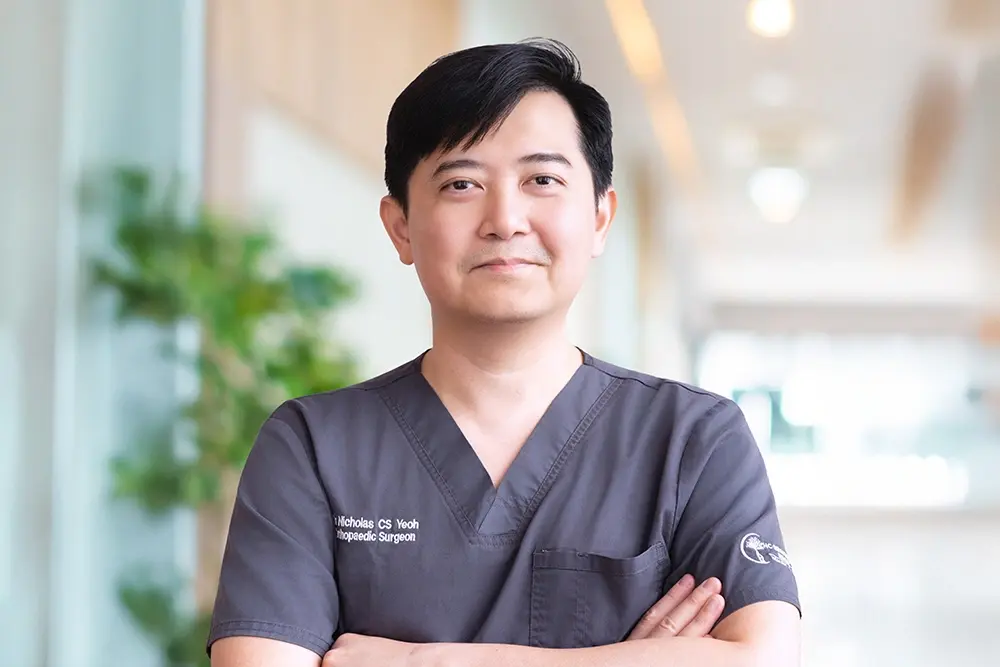
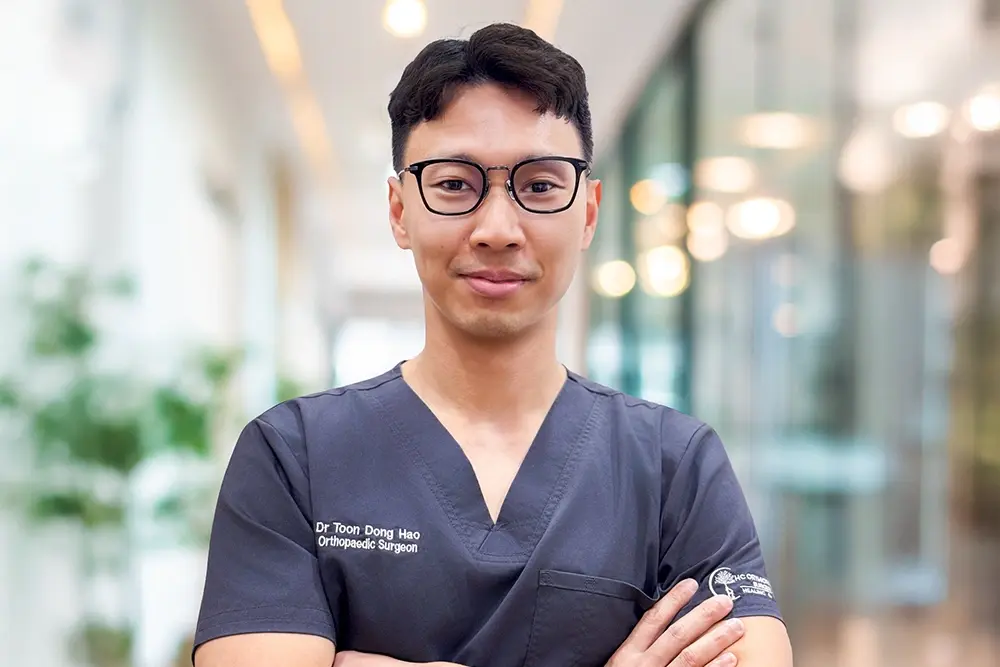
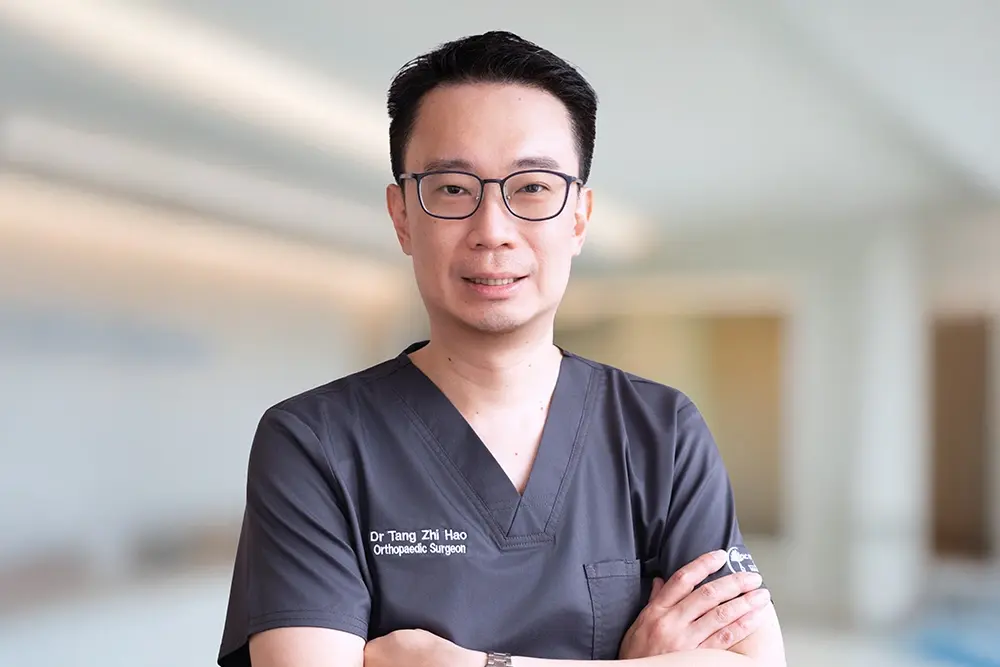
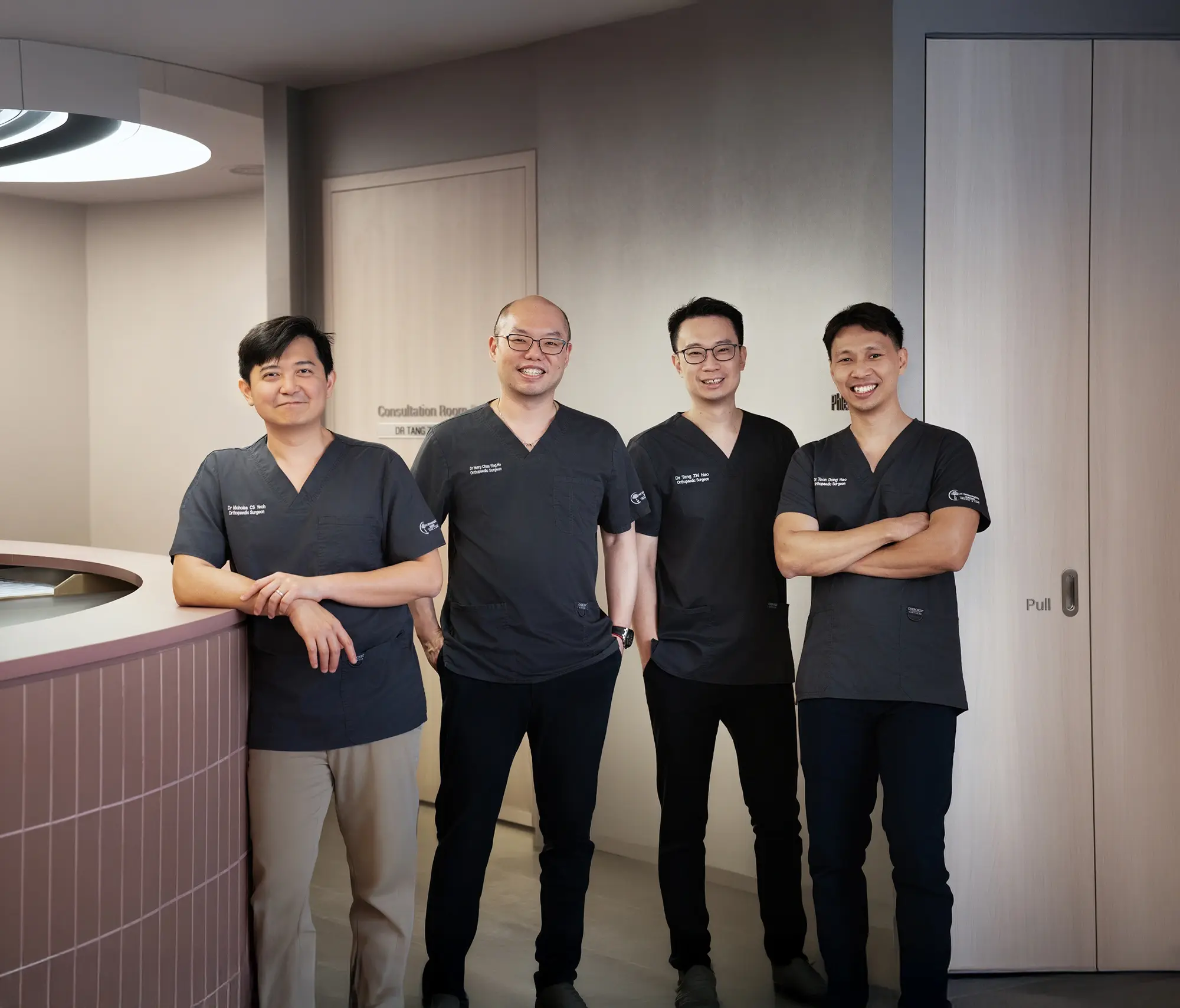
At HC Orthopaedic Surgery, care is led by Dr Henry Chan, Medical Director and senior consultant orthopaedic surgeon, alongside Dr Nicholas Yeoh, Dr Toon Dong Hao and Dr Tang Zhi Hao. With experience in treating a wide range of spinal conditions, our team takes a patient-centred and evidence-based approach to care. Through careful evaluation and personalised treatment planning, we aim to help patients manage spinal conditions effectively, restore mobility and return to daily activities with greater comfort and confidence.
Frequently Asked Questions (FAQs) About Spinal Decompression Surgery
How long does spinal decompression surgery usually take?
Will I need physiotherapy after spinal decompression surgery?
How long does it take to fully recover from spinal decompression surgery?
Will I have a scar after spinal decompression surgery?
Will spinal decompression surgery affect my ability to exercise or play sports long-term?
How soon after surgery can I safely return to work, especially if my job involves physical activity?
Can spinal decompression surgery help with leg pain or sciatica?
Meet Our Specialist Team
Our team comprises Dr Henry Chan, Dr Nicholas Yeoh, Dr Toon Dong Hao, and Dr Tang Zhi Hao — experienced orthopaedic surgeons with subspecialty experience and a patient-centred approach to care.
Dr Henry Chan
Medical Director & Senior Consultant Orthopaedic Surgeon
MBBS (S’pore), MRCS (Edinburgh), MMed (Orthopaedic Surgery), FRCS (Edinburgh)
Dr Henry Chan is an experienced orthopaedic surgeon specialising in joint replacement and complex revision surgery. Trained at the renowned Helios Endo-Klinik in Germany under the MOH HMDP scholarship, he has performed over 1,000 joint replacements and specialises in computer-assisted and robotic joint replacement techniques for precise outcomes.
Dr Nicholas Yeoh
Senior Consultant Orthopaedic Surgeon
MBChB (Edinburgh), MRCS (Edinburgh), MMed (Orthopaedic Surgery), FRCS (Edinburgh)
Dr Nicholas Yeoh is an MOH-accredited orthopaedic specialist and Fellow of the Royal College of Surgeons of Edinburgh. Fellowship-trained in hip and knee reconstruction in Sydney under the MOH HMDP scholarship, he specialises in minimally invasive joint replacement, robotic surgery and advanced techniques that enhance recovery and surgical outcomes.
Dr Toon Dong Hao
Senior Consultant Orthopaedic Surgeon
MBChB (Leeds), MRCS (Edinburgh), MMed (Orthopaedic Surgery), FRCS (Edinburgh)
Dr Toon Dong Hao is a skilled orthopaedic surgeon and Fellow of the Royal College of Surgeons of Edinburgh. Fellowship-trained in Advanced Shoulder and Elbow Surgery in Sydney under the MOH HMDP scholarship, Dr Toon specialises in sports injuries, arthroscopic surgery and complex shoulder, elbow and knee procedures to restore function and mobility.
Dr Tang Zhi Hao
Senior Consultant Orthopaedic Surgeon
MBBS (S’pore), MRCS (Edinburgh), MMed (Orthopaedic Surgery), FRCS (Edinburgh)
Dr Tang Zhi Hao is a fellowship-trained orthopaedic surgeon specialising in foot and ankle conditions. He completed his Foot and Ankle Surgery fellowship at Severance Hospital, Yonsei University Health System in Seoul under Professor Jin Woo Lee. Prior to private practice, he served as Consultant and Deputy Head of Orthopaedics at Khoo Teck Puat Hospital.