
Slipped Disc Surgery
in Singapore

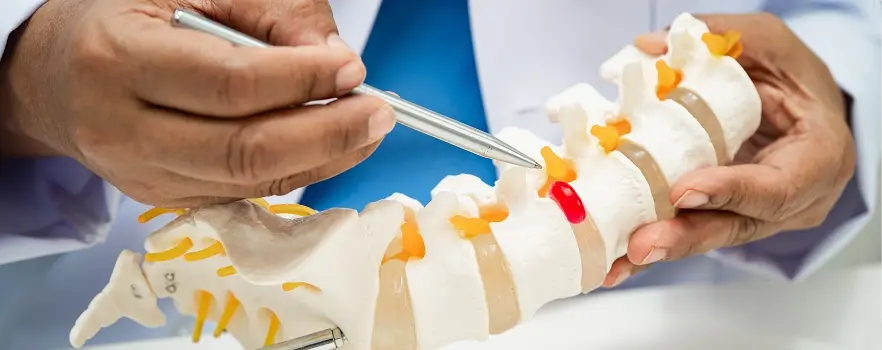
Many people discover they may have a slipped disc after experiencing persistent back or neck pain that does not improve with rest or medication. In some cases, the pain may radiate down the arm or leg, accompanied by numbness, tingling or muscle weakness that interferes with everyday activities such as walking, sitting or lifting. These symptoms can occur when a spinal disc bulges or ruptures and presses on nearby nerves.
While many slipped discs can improve with non-surgical treatment, surgery may be considered when symptoms remain severe or continue to affect mobility and quality of life. Slipped disc surgery aims to relieve pressure on the affected nerves by removing the portion of the disc causing compression, helping to reduce pain, restore nerve function and support a return to daily activities.
What Is Slipped Disc Surgery and Who Might Need It?
Slipped disc surgery refers to procedures performed to relieve pressure on spinal nerves caused by a herniated or displaced spinal disc. A slipped disc occurs when the soft inner portion of a spinal disc pushes through a tear in its outer layer and compresses nearby nerves. This can lead to symptoms such as persistent back or neck pain, radiating pain in the arms or legs, numbness, tingling or muscle weakness.
Surgery may be considered when symptoms do not improve with non-surgical treatment or when nerve compression begins to affect mobility and daily function.
Persistent pain that continues despite physiotherapy
medication or other conservative treatments
Difficulty walking or performing daily activities
due to worsening symptoms
Radiating nerve pain affecting the arms or legs
such as symptoms of sciatica
Progressive neurological symptoms
such as increasing weakness or loss of coordination
Numbness, tingling or muscle weakness
caused by nerve compression
The goal of slipped disc surgery is to relieve pressure on the affected nerve by removing the portion of the disc causing compression, helping to reduce pain and restore nerve function.
Understanding the Differences
Types of Slipped Disc Surgery
Slipped disc surgery is not a single procedure but a group of surgical techniques designed to relieve pressure on spinal nerves caused by a herniated disc. The specific approach recommended depends on the location of the disc herniation, the severity of nerve compression and the patient’s overall spinal health.
Common procedures used to treat a slipped disc include:
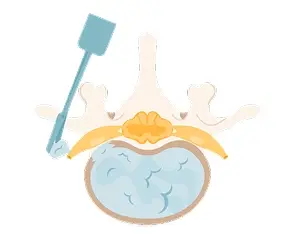
Microdiscectomy
Microdiscectomy is one of the most commonly performed procedures for slipped discs. It involves removing the portion of the disc that is pressing on the nerve through a small incision, often using minimally invasive techniques.
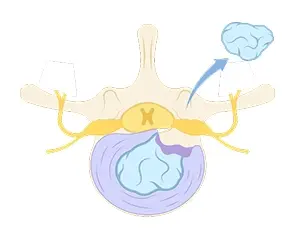
Discectomy
A discectomy removes part of the damaged disc that is causing nerve compression. This procedure helps relieve pain, numbness and weakness associated with nerve irritation.
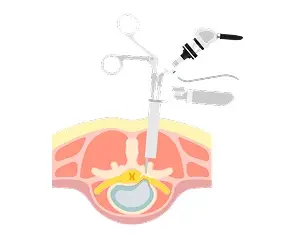
Endoscopic Discectomy
This minimally invasive technique uses a small camera and specialised instruments inserted through a tiny incision to remove the herniated disc material while minimising disruption to surrounding tissues.
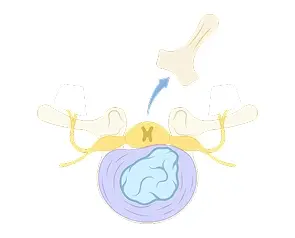
Laminectomy or Laminotomy
In some cases, a small portion of the vertebral bone (lamina) may be removed to create more space around the compressed nerve and improve access to the slipped disc.
What to Expect From Slipped Disc Surgery
How to Prepare
Before surgery, your doctor will review your symptoms, medical history and imaging studies such as MRI or CT scans to confirm the location and severity of the slipped disc. The surgeon will explain the recommended procedure, discuss the potential benefits and risks, and provide instructions to help you prepare for the operation.
Preparation may include:
- Temporarily stopping certain medications, especially blood thinners
- Avoiding food or drink for a specified period before surgery
- Completing blood tests or other pre-operative assessments if required
- Arranging for someone to accompany you home and assist during the early recovery period
Procedure Overview
While the exact steps depend on the surgical technique used, slipped disc surgery generally involves the following:
- Anaesthesia is administered so you remain comfortable throughout the procedure.
- A small incision is made over the affected area of the spine.
- The surgeon carefully accesses the spine using specialised instruments, while minimising disruption to surrounding muscles and tissues.
- The affected nerve is identified to locate the area where the slipped disc is causing compression.
- The portion of the disc pressing on the nerve is removed to relieve pressure and create more space around the nerve.
- The surgical site is checked to ensure the nerve has been adequately decompressed.
- The incision is closed with sutures or surgical closure materials, and a dressing is applied.
The aim of the procedure is to relieve nerve compression, reduce pain and support recovery of nerve function while preserving as much of the surrounding spinal structures as possible.
Aftercare and Recovery
Recovery varies depending on the type of surgery, the patient’s overall health and the severity of the slipped disc.
After surgery, care typically includes:
- Monitoring in the recovery area until the effects of anaesthesia wear off
- Pain management with prescribed medications
- Early gentle movement to support circulation and reduce stiffness
- Gradual return to daily activities as guided by your doctor
Physiotherapy may be recommended to help restore strength, flexibility and spinal stability. Follow-up appointments allow your doctor to monitor healing and assess recovery progress. Many patients experience improvement in nerve-related symptoms as pressure on the affected nerve is relieved.
Treatment Benefits
How Does Slipped Disc Surgery Help Relieve Nerve Compression?
For many patients, the primary goal of surgery is relief from persistent nerve pain that has not responded to conservative treatment. By removing the portion of the disc compressing the affected nerve, surgery can:
- Reduce radiating arm or leg pain caused by nerve compression
- Improve muscle strength affected by nerve irritation
- Support more comfortable movement, including walking, standing and sitting
- Enable a gradual return to work and daily activities
- Reduce reliance on long-term pain medication in some patients
Beyond symptom relief, appropriate surgical intervention may help prevent further neurological deterioration in cases of progressive nerve weakness. While surgery does not stop natural age-related changes in the spine, it can address the specific disc pathology responsible for current symptoms and help improve overall function over time.
Understanding the Risks
Potential Risks and Complications of Slipped Disc Surgery
Slipped disc surgery is generally considered safe when performed by an experienced spine specialist. However, as with any surgical procedure, there are potential risks and complications that patients should understand before undergoing treatment.
Possible risks may include:
- Infection at the surgical site
- Bleeding or blood clots
- Nerve irritation or injury, which may lead to persistent pain, numbness or weakness
- Dural tear, where the protective covering of the spinal cord is accidentally opened, potentially causing leakage of spinal fluid
- Recurrent disc herniation, where disc material protrudes again and causes renewed nerve compression
- Incomplete symptom relief, particularly if nerve compression has been present for a long period
While these complications are uncommon, careful surgical planning and adherence to post-operative instructions can help reduce potential risks and support a smoother recovery.
Cost of Slipped Disc Surgery in Singapore
The cost of slipped disc surgery in Singapore can vary significantly depending on several medical and logistical factors. Rather than a fixed price, the overall cost is influenced by the type of procedure required, the complexity of the condition and the healthcare setting where the surgery is performed.
Key Cost Drivers
Some of the key factors that may affect the total cost of slipped disc surgery include:
Type and complexity of the procedure
Surgeon’s expertise
Hospital and operating facility fees
Pre-surgical tests and consultations
Post-surgery care and rehabilitation

Insurance and Financing
Some patients may be eligible to use MediSave, MediShield Life or Integrated Shield Plans to help offset part of the surgery costs, depending on the procedure and their individual coverage. Private insurance may also provide reimbursement based on the terms of the policy. Your clinic or surgical team can provide a personalised cost estimate and advise on the available payment or insurance options for your treatment.
Relieving Slipped Disc Pain with HC Orthopaedic Surgery
A slipped disc that causes persistent nerve pain, weakness or reduced mobility may require surgical treatment when conservative measures no longer provide sufficient relief. Slipped disc surgery focuses on relieving pressure on affected nerves by removing the portion of the disc responsible for compression. Because the location and severity of disc herniation vary between patients, a thorough clinical assessment is essential to determine whether surgery is appropriate and to identify the most suitable procedure for each individual case.
Relieving Slipped Disc Pain with HC Orthopaedic Surgery
A slipped disc that causes persistent nerve pain, weakness or reduced mobility may require surgical treatment when conservative measures no longer provide sufficient relief. Slipped disc surgery focuses on relieving pressure on affected nerves by removing the portion of the disc responsible for compression. Because the location and severity of disc herniation vary between patients, a thorough clinical assessment is essential to determine whether surgery is appropriate and to identify the most suitable procedure for each individual case.

Our Specialised Team
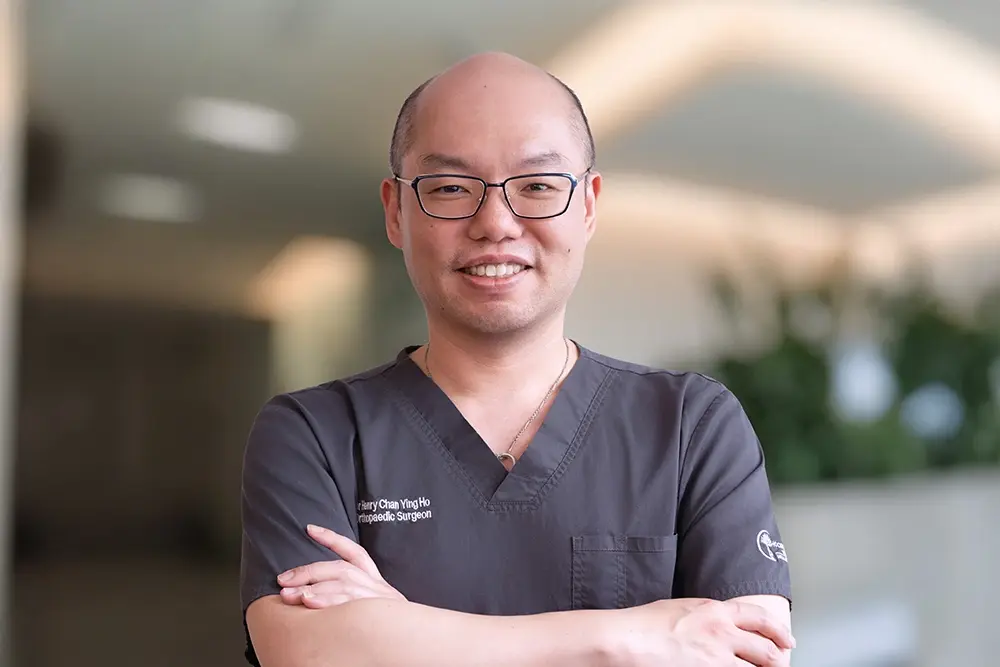
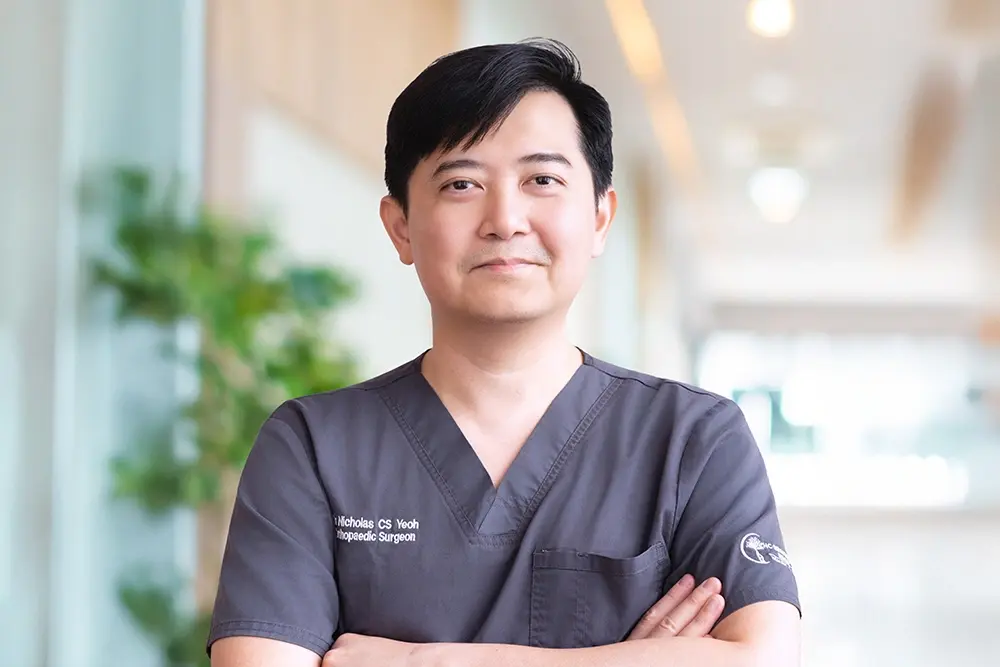
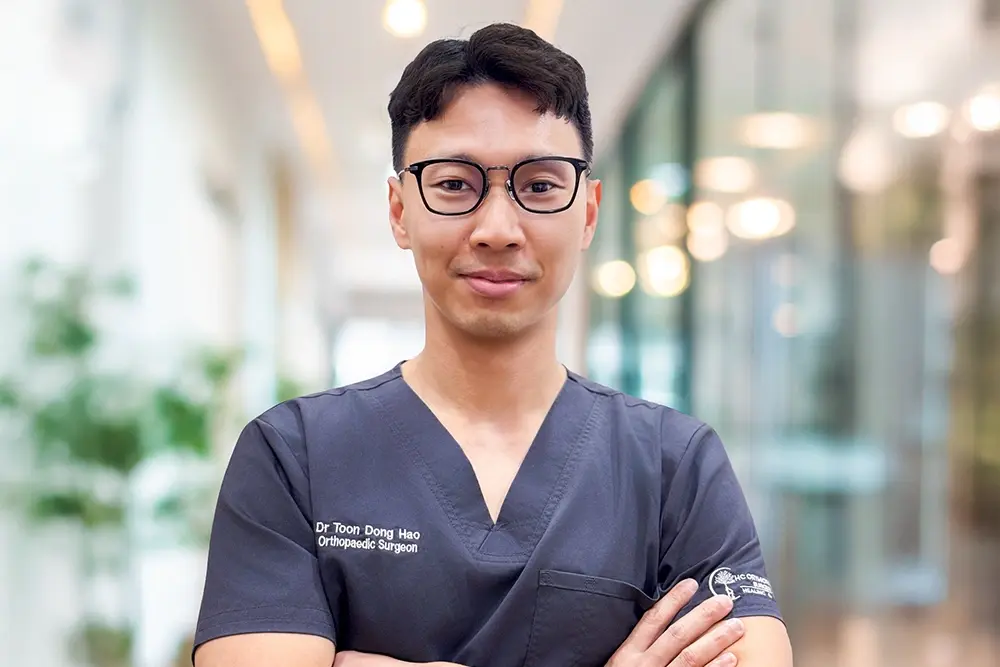
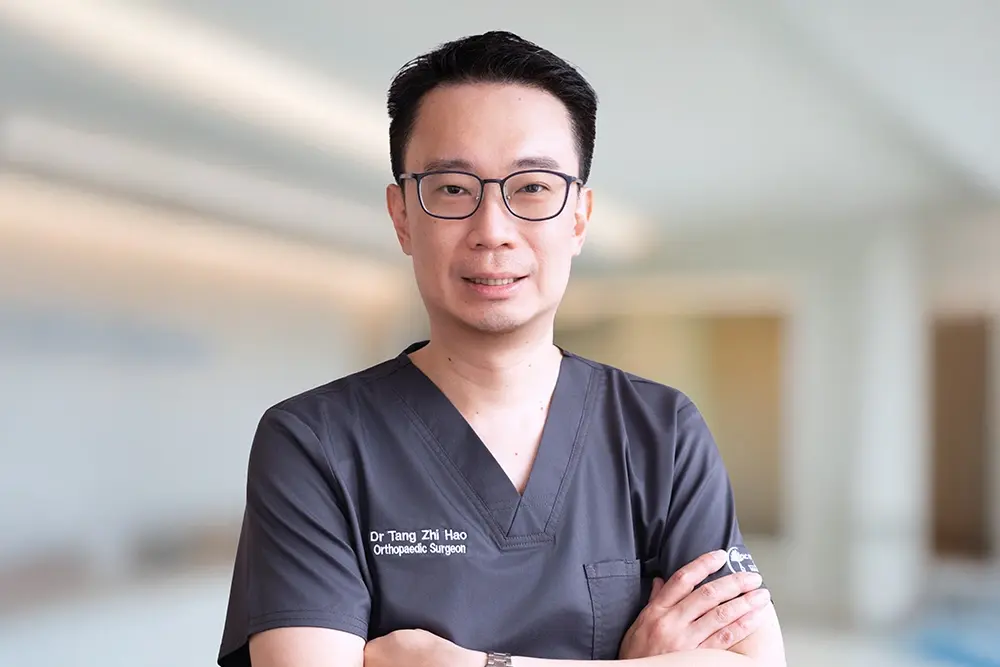
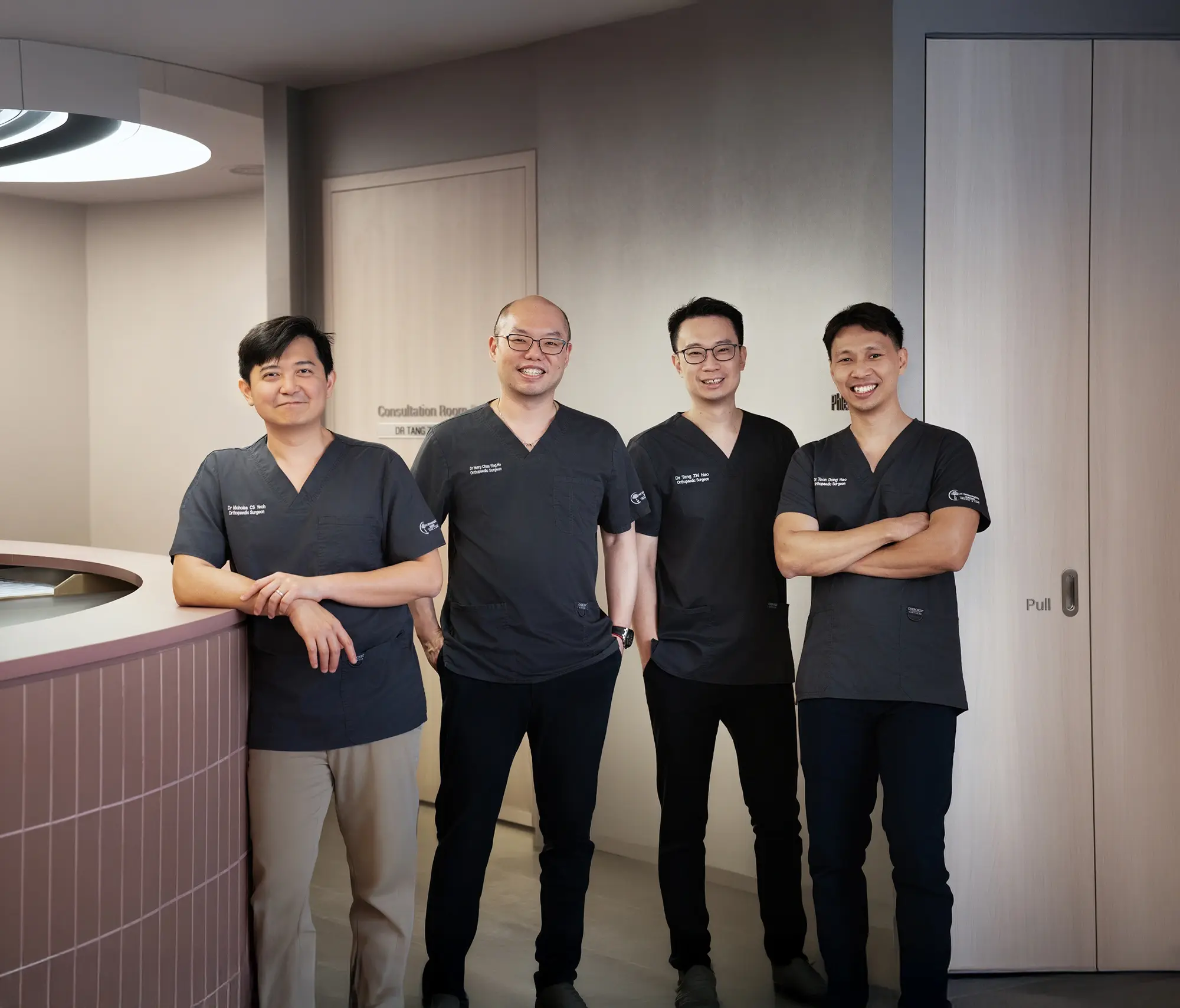
Care at HC Orthopaedic Surgery is led by Dr Henry Chan, Medical Director and senior consultant orthopaedic surgeon, together with Dr Nicholas Yeoh, Dr Toon Dong Hao and Dr Tang Zhi Hao. With experience in the surgical management of spinal conditions, our team takes an evidence-informed approach to treatment planning and patient care. Through careful evaluation and precise surgical techniques, we focus on relieving nerve compression, restoring mobility and supporting long-term spinal health.
Frequently Asked Questions (FAQs) About Slipped Disc Surgery
How long does recovery take after slipped disc surgery?
Are there different surgical approaches for slipped‑disc surgery?
What emergency symptoms require immediate medical attention?
Is slipped‑disc surgery considered major surgery?
Can herniated discs recur after surgery?
Are non‑surgical therapies sometimes combined with surgery?
Meet Our Specialist Team
Our team comprises Dr Henry Chan, Dr Nicholas Yeoh, Dr Toon Dong Hao, and Dr Tang Zhi Hao — experienced orthopaedic surgeons with subspecialty experience and a patient-centred approach to care.
Dr Henry Chan
Medical Director & Senior Consultant Orthopaedic Surgeon
MBBS (S’pore), MRCS (Edinburgh), MMed (Orthopaedic Surgery), FRCS (Edinburgh)
Dr Henry Chan is an experienced orthopaedic surgeon specialising in joint replacement and complex revision surgery. Trained at the renowned Helios Endo-Klinik in Germany under the MOH HMDP scholarship, he has performed over 1,000 joint replacements and specialises in computer-assisted and robotic joint replacement techniques for precise outcomes.
Dr Nicholas Yeoh
Senior Consultant Orthopaedic Surgeon
MBChB (Edinburgh), MRCS (Edinburgh), MMed (Orthopaedic Surgery), FRCS (Edinburgh)
Dr Nicholas Yeoh is an MOH-accredited orthopaedic specialist and Fellow of the Royal College of Surgeons of Edinburgh. Fellowship-trained in hip and knee reconstruction in Sydney under the MOH HMDP scholarship, he specialises in minimally invasive joint replacement, robotic surgery and advanced techniques that enhance recovery and surgical outcomes.
Dr Toon Dong Hao
Senior Consultant Orthopaedic Surgeon
MBChB (Leeds), MRCS (Edinburgh), MMed (Orthopaedic Surgery), FRCS (Edinburgh)
Dr Toon Dong Hao is a skilled orthopaedic surgeon and Fellow of the Royal College of Surgeons of Edinburgh. Fellowship-trained in Advanced Shoulder and Elbow Surgery in Sydney under the MOH HMDP scholarship, Dr Toon specialises in sports injuries, arthroscopic surgery and complex shoulder, elbow and knee procedures to restore function and mobility.
Dr Tang Zhi Hao
Senior Consultant Orthopaedic Surgeon
MBBS (S’pore), MRCS (Edinburgh), MMed (Orthopaedic Surgery), FRCS (Edinburgh)
Dr Tang Zhi Hao is a fellowship-trained orthopaedic surgeon specialising in foot and ankle conditions. He completed his Foot and Ankle Surgery fellowship at Severance Hospital, Yonsei University Health System in Seoul under Professor Jin Woo Lee. Prior to private practice, he served as Consultant and Deputy Head of Orthopaedics at Khoo Teck Puat Hospital.