
Sciatica:
Symptoms, Causes and Treatments



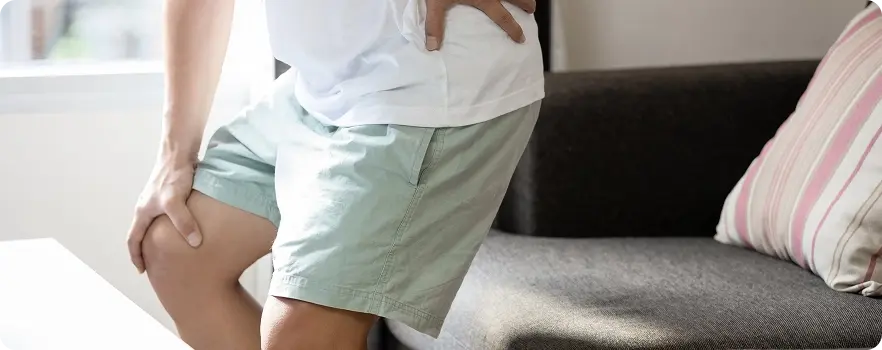
Waking up with a sharp, shooting pain that travels down your leg can make even the smallest morning routines feel impossible. Whether it is a dull ache that lingers while you are sitting at your desk or a sudden bolt of discomfort when you reach for something on a high shelf, sciatic nerve pain can greatly interfere with your day-to-day life.
When the things you used to do without thinking become sources of anxiety, it is clear that the problem has moved beyond simple muscle fatigue and may require specialised care.
At HC Orthopaedic Surgery, we focus on advanced sciatica treatment that targets the source of the irritation. Our goal is to help you move freely again by using evidence-based methods to ease pressure on the nerve and support long-term spinal health.
What Are the Common Symptoms of Sciatica?
Patients with sciatica may experience a combination of radiating pain, numbness, tingling, or muscle weakness affecting the lower limb. The presentation can range from intermittent discomfort to persistent, sharp pain that worsens with certain movements or prolonged sitting.
Sharp, Shooting Leg Pain
The most tell-tale sign is a trail of pain that follows the path of the sciatic nerve. This usually starts in the lower spine and travels through the hip and down the back of the thigh. For some, this feels like a deep, persistent throb, while others describe it as a sudden, jolting sensation.
Sensory Changes and Numbness
Nerve irritation often disrupts your sense of touch. It is common to feel "dead spots" on your skin or a constant tingling that feels like your foot has fallen asleep and won't wake up, even after you move around.
Persistent Weakness or Heavy Leg Feeling
Compression can interfere with the signals your brain sends to your muscles. You might notice that your leg feels unusually heavy or that you have trouble lifting your toes off the floor (a condition sometimes referred to as foot drop).
Pain That Changes with Posture
Sciatic pain is sensitive to spinal position. You may find that leaning forward or sitting down for long periods makes the sensation worse, whereas lying down or walking slowly might offer temporary relief.
Why It Happens
What Causes Sciatica?
Sciatica is a symptom of an underlying spinal condition rather than a standalone disease. This typically happens when a disc, bone spur, or thickened ligament narrows the natural openings where the nerve exits the spine.
Protruding Intervertebral Discs
This is the most common cause of sciatica. When a disc in the lower back becomes damaged, its internal contents can press against the nearby nerve roots. This physical pressure triggers the inflammatory response that leads to radiating leg pain.
Age-Related Canal Narrowing
Over time, the tunnel that houses your spinal cord and nerve roots can become tighter due to wear and tear. This narrowing, known as spinal stenosis, leaves less room for the sciatic nerve to pass through, causing chronic irritation.
Vertebral Misalignment
In some cases, a vertebra may shift slightly out of its normal position, placing pressure on the adjacent nerve root. This misalignment can irritate the nerve and lead to pain, numbness, or weakness along the leg.
Know Your Risk Profile
What Are the Risk Factors for Sciatica?
Risk factors for sciatica are typically linked to conditions that strain the lower spine, increasing the likelihood of nerve root compression and symptoms such as radiating lower back and leg pain.
Repetitive Physical Stress
Occupations that involve frequent twisting of the back, carrying heavy loads, or operating vibrating vehicles for long hours put the lumbar spine under constant strain. This repetitive stress can eventually lead to nerve impingement.
Core Weakness and Weight Distribution
Excess weight, particularly around the midsection, shifts your center of gravity and increases the load on your lower back. Without strong core muscles to support the spine, the discs and nerves are left vulnerable to injury.
Long-Term Health Conditions
Conditions such as diabetes can increase the risk of nerve damage throughout the body. When the sciatic nerve is already under pressure, these metabolic factors can make the resulting pain more intense and harder to manage.
How Sciatica Presents
Types of Sciatic Pain Patterns
Sciatica does not present the same way in every patient. Symptoms may differ in duration, severity, and progression depending on the degree of nerve irritation, and common pain patterns include:
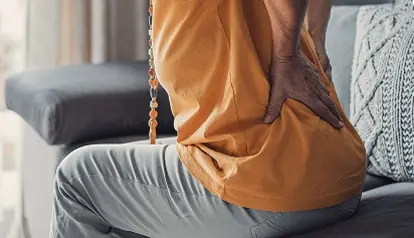
Occasional Flare-ups
Some patients experience symptoms that come and go depending on their activity levels. While these episodes might resolve on their own, they often indicate an early stage of nerve irritation that should be monitored.
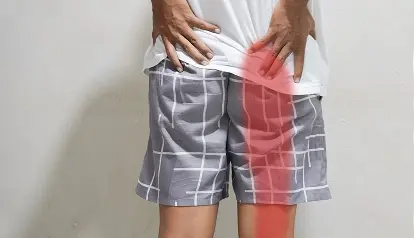
Constant, Debilitating Pain
When the nerve is severely compressed, the pain may be constantly present. This type of constant irritation can lead to sleep deprivation and emotional distress, making clinical intervention a priority.
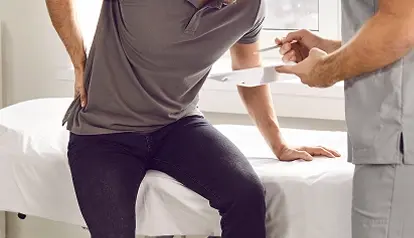
Emergency Neurological Symptoms
Rarely, a major compression can lead to a sudden loss of function. Seek immediate medical attention if you experience new weakness in the leg, loss of sensation in the inner thighs or groin area, or difficulty controlling bladder or bowel function.
Understanding Your Evaluation
How Is Sciatica Diagnosed?
Diagnosing sciatica involves identifying both the affected nerve root and the underlying spinal condition causing the compression. A structured assessment helps determine the severity of nerve involvement and guides appropriate treatment.
Understanding Your Evaluation
How Is Sciatica Diagnosed?
Diagnosing sciatica involves identifying both the affected nerve root and the underlying spinal condition causing the compression. A structured assessment helps determine the severity of nerve involvement and guides appropriate treatment.
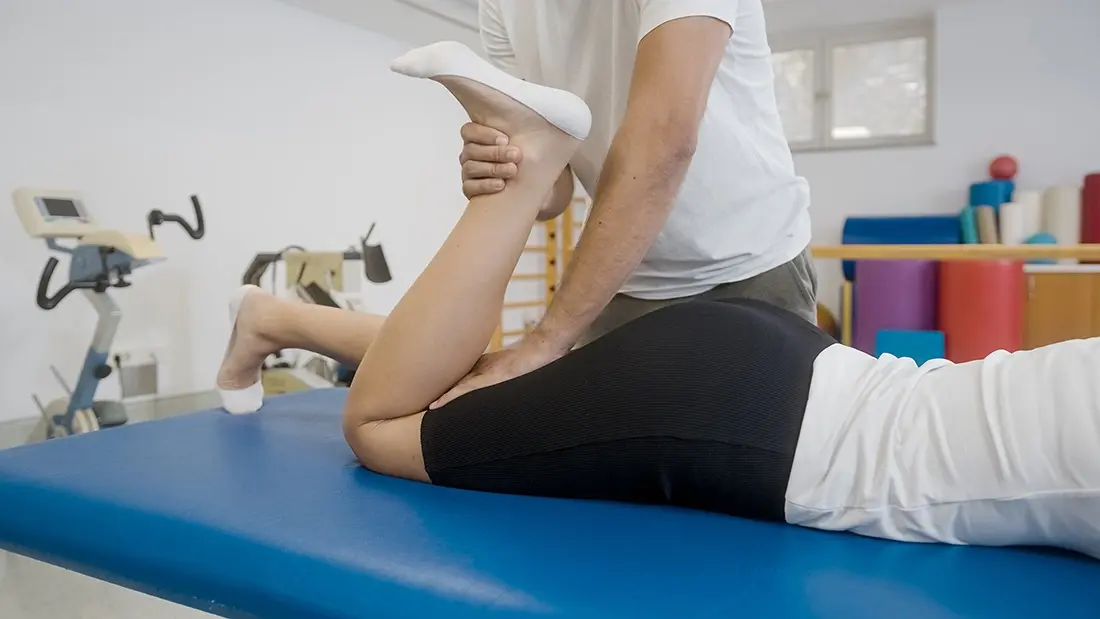
Clinical Movement Assessment
We begin with a series of physical tests to see how your spine responds to different angles and pressures. By observing your gait and testing your reflexes, we can often estimate which specific nerve root is being affected.
High-Resolution Imaging
To see the internal structures clearly, we may use MRI scans. This allows us to look at the discs, ligaments, and nerves in high detail, ensuring that our treatment plan addresses the exact site of the blockage.
Nerve Conduction Studies
If there is a question about the health of the nerve itself, we may recommend tests that measure how quickly electrical signals travel through your leg. This helps us determine if the nerve damage is temporary or requires more urgent care.
Exploring Treatment Options
Sciatica Treatments in Singapore
Treatment for sciatica focuses on relieving sciatic nerve compression, reducing inflammation, and restoring normal function. The appropriate approach depends on the underlying spinal condition, severity of symptoms, and presence of neurological deficits. Most cases improve with conservative management, while surgery is reserved for persistent or severe nerve compression.

Targeted Physical Rehabilitation
A structured physiotherapy programme can help relieve nerve compression, improve spinal mobility, and strengthen the core and supporting muscles of the lower back. This helps stabilise the spine and reduce the risk of recurring symptoms.

Precision Guided Injections
Image-guided injections can be used to deliver anti-inflammatory medication directly around the affected nerve root. This helps reduce inflammation and relieve pain, particularly in patients with persistent or severe symptoms.

Modern Decompression Surgery
When conservative methods aren't enough, we offer minimally invasive surgeries. These procedures focus on removing the specific piece of bone or disc that is pinching the nerve, often allowing for a much faster return to daily life.
Get Relief From Sciatica at HC Orthopaedic Surgery
Sciatica does not just cause pain, it can also change the way you live your life, often forcing you to sit out on the activities and moments that matter most. Because nerve compression is a progressive issue, a thorough clinical evaluation and targeted treatment is the most effective way to prevent minor irritation from turning into a more severe condition in the future.
Get Relief From Sciatica at HC Orthopaedic Surgery
Sciatica does not just cause pain, it can also change the way you live your life, often forcing you to sit out on the activities and moments that matter most. Because nerve compression is a progressive issue, a thorough clinical evaluation and targeted treatment is the most effective way to prevent minor irritation from turning into a more severe condition in the future.

Our Specialised Team
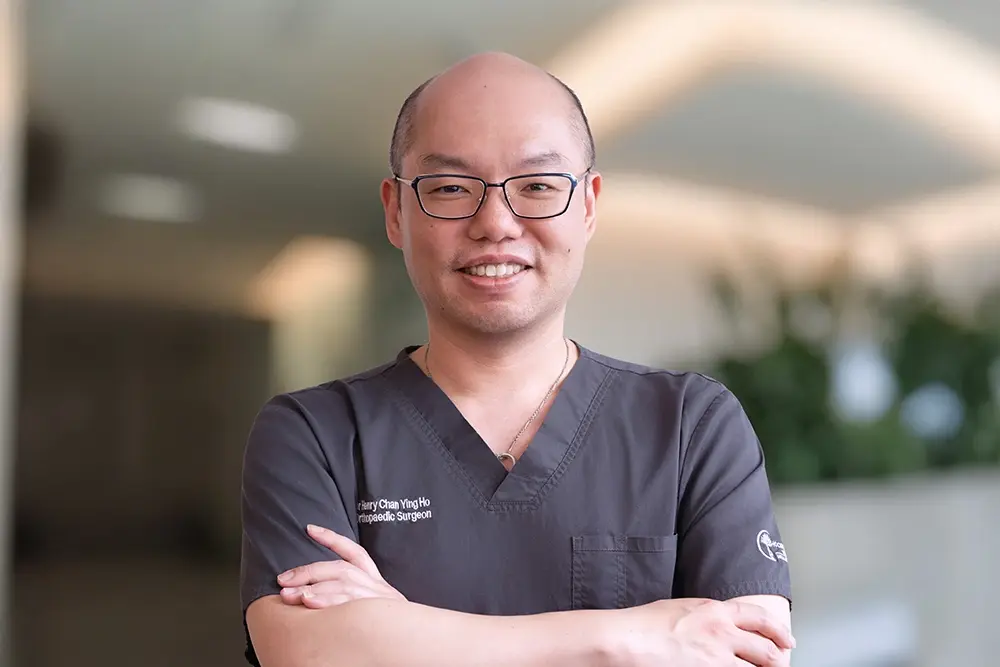
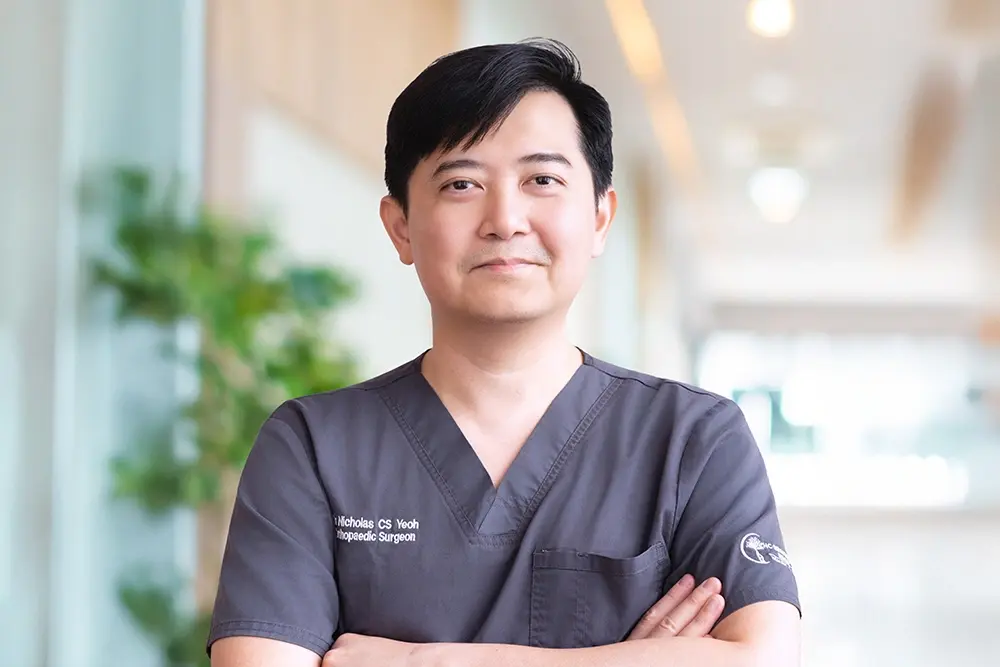
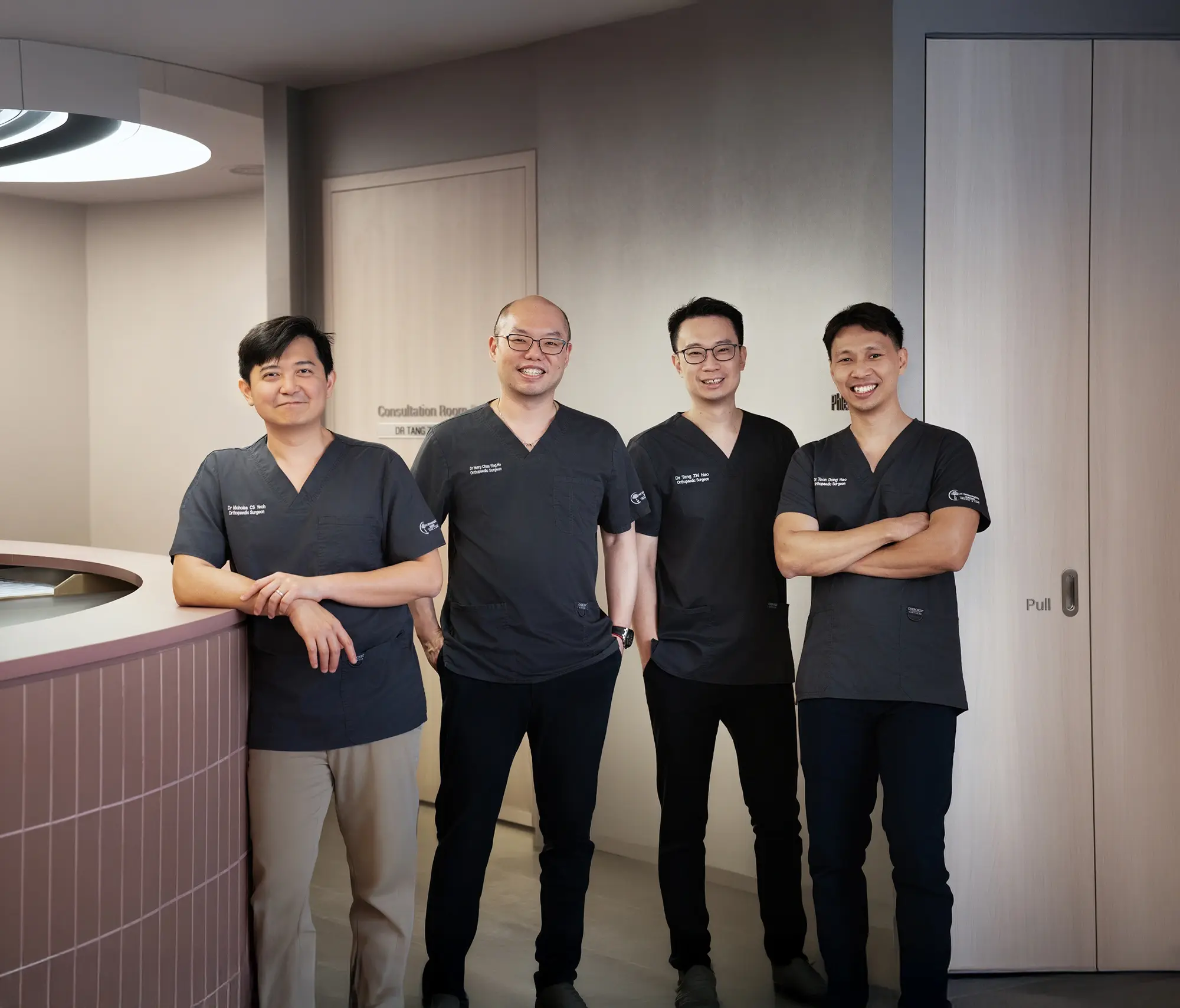
At HC Orthopaedic Surgery our dedicated specialists, including Dr Henry Chan, Dr Nicholas Yeoh, Dr Toon Dong Hao and Dr Tang Zhi Hao, provide the expertise needed to manage complex spinal conditions. We focus on evidence-based care that is tailored to your unique anatomy and lifestyle goals. Get in touch with us today to book your consultation and take the first step toward reclaiming your mobility.
Frequently Asked Questions (FAQs) About Sciatica
How can I tell the difference between a pulled muscle and sciatica?
Will I have to stop working if I have sciatica?
What is the fastest way to get rid of sciatic pain?
Can sitting too much actually cause sciatica?
Meet Our Specialist Team
Our team comprises Dr Henry Chan, Dr Nicholas Yeoh, Dr Toon Dong Hao, and Dr Tang Zhi Hao — experienced orthopaedic surgeons with subspecialty experience and a patient-centred approach to care.
Dr Henry Chan
Medical Director & Senior Consultant Orthopaedic Surgeon
MBBS (S’pore), MRCS (Edinburgh), MMed (Orthopaedic Surgery), FRCS (Edinburgh)
Dr Henry Chan is an experienced orthopaedic surgeon specialising in joint replacement and complex revision surgery. Trained at the renowned Helios Endo-Klinik in Germany under the MOH HMDP scholarship, he has performed over 1,000 joint replacements and specialises in computer-assisted and robotic joint replacement techniques for precise outcomes.
Dr Nicholas Yeoh
Senior Consultant Orthopaedic Surgeon
MBChB (Edinburgh), MRCS (Edinburgh), MMed (Orthopaedic Surgery), FRCS (Edinburgh)
Dr Nicholas Yeoh is an MOH-accredited orthopaedic specialist and Fellow of the Royal College of Surgeons of Edinburgh. Fellowship-trained in hip and knee reconstruction in Sydney under the MOH HMDP scholarship, he specialises in minimally invasive joint replacement, robotic surgery and advanced techniques that enhance recovery and surgical outcomes.
Dr Toon Dong Hao
Senior Consultant Orthopaedic Surgeon
MBChB (Leeds), MRCS (Edinburgh), MMed (Orthopaedic Surgery), FRCS (Edinburgh)
Dr Toon Dong Hao is a skilled orthopaedic surgeon and Fellow of the Royal College of Surgeons of Edinburgh. Fellowship-trained in Advanced Shoulder and Elbow Surgery in Sydney under the MOH HMDP scholarship, Dr Toon specialises in sports injuries, arthroscopic surgery and complex shoulder, elbow and knee procedures to restore function and mobility.
Dr Tang Zhi Hao
Senior Consultant Orthopaedic Surgeon
MBBS (S’pore), MRCS (Edinburgh), MMed (Orthopaedic Surgery), FRCS (Edinburgh)
Dr Tang Zhi Hao is a fellowship-trained orthopaedic surgeon specialising in foot and ankle conditions. He completed his Foot and Ankle Surgery fellowship at Severance Hospital, Yonsei University Health System in Seoul under Professor Jin Woo Lee. Prior to private practice, he served as Consultant and Deputy Head of Orthopaedics at Khoo Teck Puat Hospital.