
Minimally Invasive Spine Surgery
in Singapore

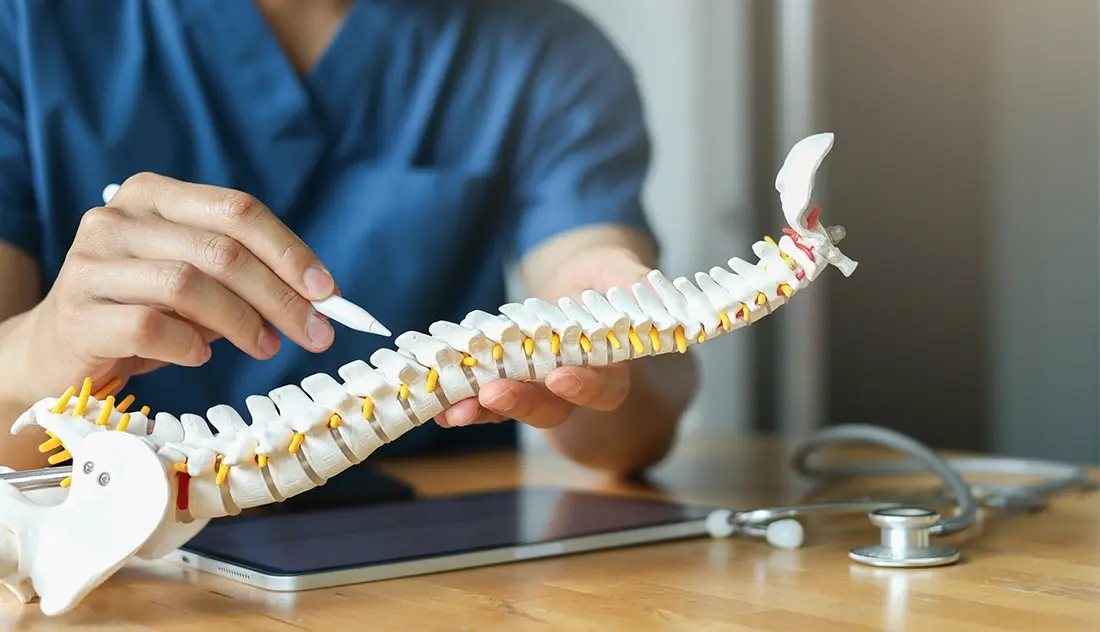
Persistent back or neck pain that radiates into the arms or legs can make everyday activities such as walking, sitting or sleeping difficult. These symptoms are often caused by spinal conditions such as slipped discs, spinal stenosis or nerve compression, where structures in the spine place pressure on nearby nerves.
In many cases, symptoms improve with non-surgical treatment such as physiotherapy, medication or targeted injections. However, when pain, weakness or numbness continues to interfere with daily life despite conservative care, surgical treatment may be considered to relieve pressure on the affected nerves.
Minimally invasive spine surgery may be recommended in suitable cases to treat these conditions through smaller incisions and specialised techniques. The aim is to relieve nerve compression, restore spinal function and help patients return safely to their normal activities.
What Is Minimally Invasive Spine Surgery and Who Might Need It?
Minimally invasive spine surgery uses specialised instruments and imaging guidance to treat certain spinal conditions through small incisions. By accessing the spine through narrow surgical pathways, these techniques minimise disruption to surrounding muscles and soft tissues while allowing the surgeon to address the source of nerve compression or spinal instability.
It may be considered when symptoms such as persistent back or neck pain, radiating limb pain, numbness or weakness continue despite non-surgical treatment such as physiotherapy, medication, activity modification or targeted injections. Surgery is typically recommended when symptoms significantly affect daily activities or quality of life.
Patients who may be suitable for minimally invasive spine surgery often have conditions such as:
Slipped (Herniated) Discs
A spinal disc bulges or ruptures and presses on nearby spinal nerves, which may cause back pain, leg pain, numbness or weakness.
Degenerative Disc Disease
Age-related wear of the spinal discs that may result in chronic back pain or nerve irritation.
Cervical spondylosis
Degenerative changes affecting the discs and joints in the neck, which may cause neck pain, arm pain, numbness or nerve compression.
Lumbar spondylosis
Degenerative changes in the lower spine that may contribute to back pain, stiffness or nerve compression affecting the legs.
Spinal Stenosis
Narrowing of the spinal canal that compresses the spinal cord or nerves, often leading to pain, numbness or difficulty walking.
Spinal Instability (such as spondylolisthesis)
One vertebra shifts out of position relative to another, which can place pressure on nerves and cause pain or neurological symptoms.
Bone Spurs or Thickened Ligaments
Overgrowth of bone or ligament tissue that narrows the spinal canal and contributes to nerve compression.
At HC Orthopaedic Surgery, our spine specialists carefully evaluate each patient’s condition to determine the most appropriate treatment approach, whether minimally invasive spine surgery or other evidence-based options.
What to Expect From Minimally Invasive Spine Surgery
Minimally invasive spine surgery is carefully planned to address the underlying spinal condition while minimising disruption to surrounding tissues. Understanding the preparation, procedure and recovery process can help patients feel more confident about the treatment journey.
How to Prepare
You may be advised to:
- Temporarily stop certain medications, particularly blood-thinning drugs
- Avoid food and drinks for a specified period before surgery
- Arrange transportation and assistance at home after the procedure
- Prepare your home environment to support safe movement during recovery
Procedure Overview
During the procedure:
- A small incision is made near the affected part of the spine.
- A tubular retractor or surgical pathway is inserted to gently move muscles aside.
- Imaging guidance helps the surgeon locate the affected spinal structures.
- Damaged disc material, bone spurs or thickened ligaments may be removed to relieve nerve compression.
- In some cases, implants or bone grafts may be used to stabilise the spine.
Aftercare and Recovery
Your doctor may advise you to:
- Gradually increase physical activity as your spine heals
- Begin physiotherapy to improve strength, flexibility and mobility
- Use prescribed medications to manage pain or inflammation
- Follow specific precautions to protect the spine during recovery
- Attend follow-up appointments to monitor healing and progress
Treatment Benefits
How Does Minimally Invasive Spine Surgery Help You Recover?
Minimally invasive spine surgery is designed to treat the underlying cause of nerve compression or spinal instability while reducing disruption to surrounding tissues. By using smaller incisions and targeted surgical techniques, the procedure aims to relieve symptoms and support a smoother recovery process.
For suitable patients, minimally invasive spine surgery may help to:
Relieve nerve compression
Removing disc material, bone spurs or thickened ligaments can reduce pressure on spinal nerves, helping to relieve pain, numbness or weakness.
Reduce pain and neurological symptoms
Treating the source of nerve irritation may improve symptoms such as radiating arm or leg pain, including sciatica.
Restore mobility and function
Addressing structural problems in the spine can make everyday activities such as walking, sitting or standing more comfortable.
Improve spinal stability
In cases involving spinal instability, surgical stabilisation may help restore proper alignment and support the spine.
Support faster recovery in suitable cases
Smaller incisions and less disruption to muscles may contribute to reduced post-operative pain and shorter recovery times compared with traditional open surgery.
The specific benefits vary depending on the spinal condition being treated and the procedure performed. Your spine specialist will explain the expected outcomes based on your individual diagnosis and treatment plan.
Understanding the Risks
Potential Risks and Complications of Minimally Invasive Spine Surgery
Minimally invasive spine surgery is generally considered safe when performed by an experienced spine specialist. However, as with any surgical procedure, there are potential risks and complications that patients should be aware of before undergoing treatment.
Possible risks may include:
Infection
Although the risk is lower with smaller incisions, infections can still occur at the surgical site.
Bleeding
Minor bleeding may occur during or after surgery, though significant blood loss is uncommon in minimally invasive procedures.
Nerve injury
There is a small risk of irritation or damage to nearby nerves, which may lead to persistent pain, numbness or weakness.
Dural tear
A tear in the protective covering of the spinal cord (dura) may occur during surgery, sometimes resulting in leakage of spinal fluid.
Incomplete symptom relief
In some cases, surgery may not fully relieve symptoms, especially if there are multiple contributing spinal problems.
Recurrence of disc herniation or symptoms
Certain conditions, such as herniated discs, may recur even after surgical treatment.
Need for further surgery
Some patients may require additional procedures if symptoms persist or if new spinal problems develop over time.
Cost of Minimally Invasive Spine Surgery in Singapore
The cost of minimally invasive spine surgery in Singapore can vary widely depending on several medical and logistical factors. Each patient’s treatment plan is unique, and the overall cost will reflect the complexity of the condition, the type of procedure performed and the care required before and after surgery.
Key Cost Drivers
Several factors may influence the total cost of minimally invasive spine surgery in Singapore:

Insurance and Financing
Insurance coverage and healthcare financing schemes in Singapore, such as MediSave or integrated shield plans, may help offset part of the treatment expenses depending on the patient’s eligibility and policy coverage. A spine specialist can provide a more accurate estimate after evaluating your condition and recommending the most appropriate treatment plan.
Explore Minimally Invasive Spine Care at HC Orthopaedic Surgery
Spinal conditions such as disc degeneration, nerve compression or spinal instability can interfere with everyday activities, affecting comfort, mobility and overall quality of life. Because the causes and severity of these conditions vary from person to person, a careful clinical assessment is essential to determine the most appropriate treatment approach. By identifying the underlying source of symptoms, we can develop an evidence-based care plan that addresses both the condition and your recovery goals.
Explore Minimally Invasive Spine Care at HC Orthopaedic Surgery
Spinal conditions such as disc degeneration, nerve compression or spinal instability can interfere with everyday activities, affecting comfort, mobility and overall quality of life. Because the causes and severity of these conditions vary from person to person, a careful clinical assessment is essential to determine the most appropriate treatment approach. By identifying the underlying source of symptoms, we can develop an evidence-based care plan that addresses both the condition and your recovery goals.

Our Specialised Team
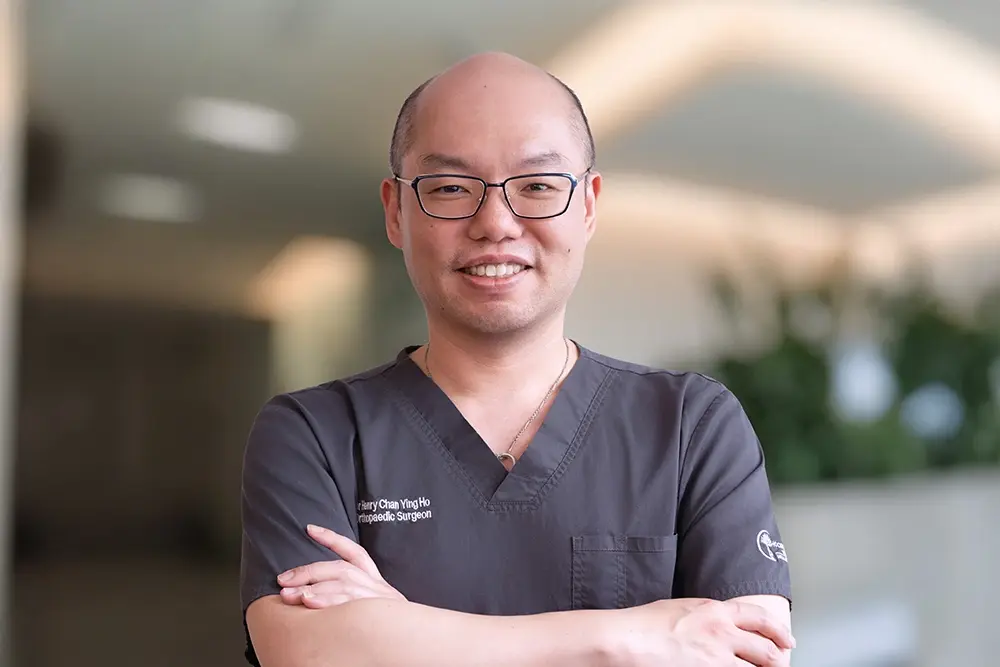
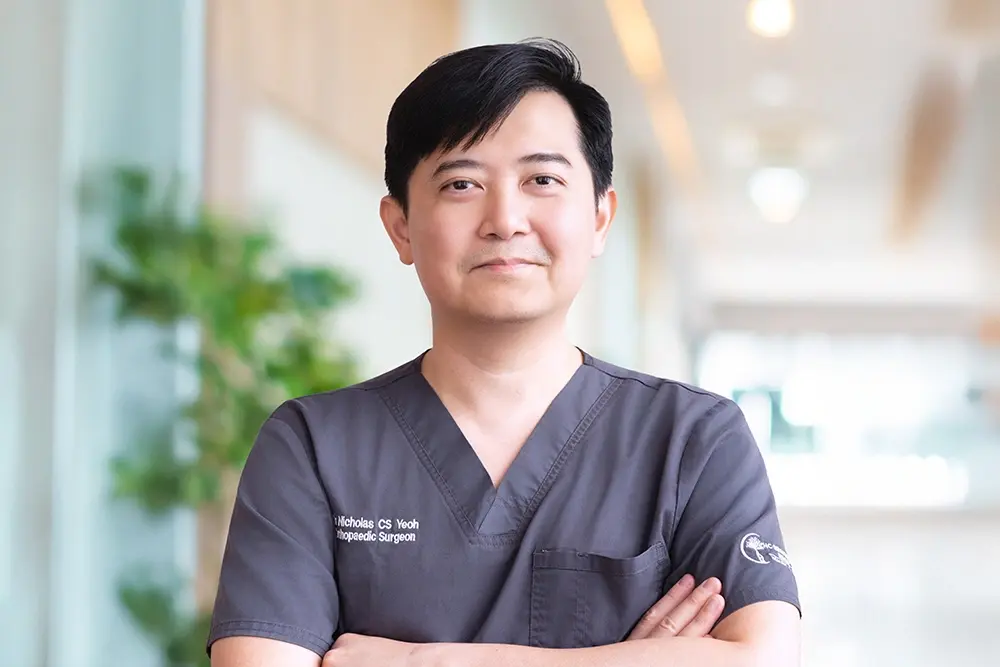
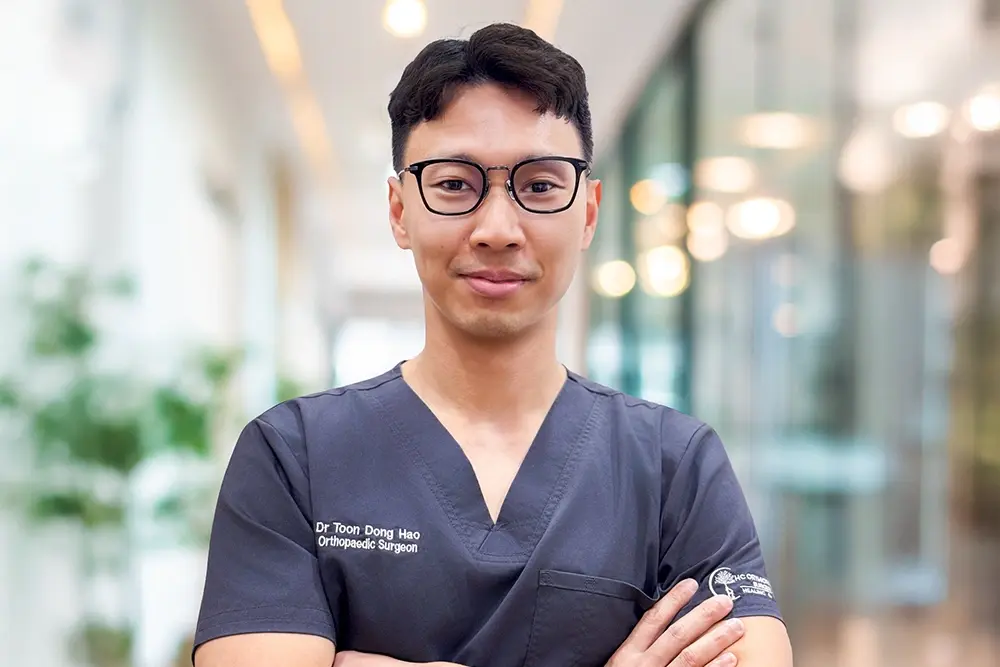
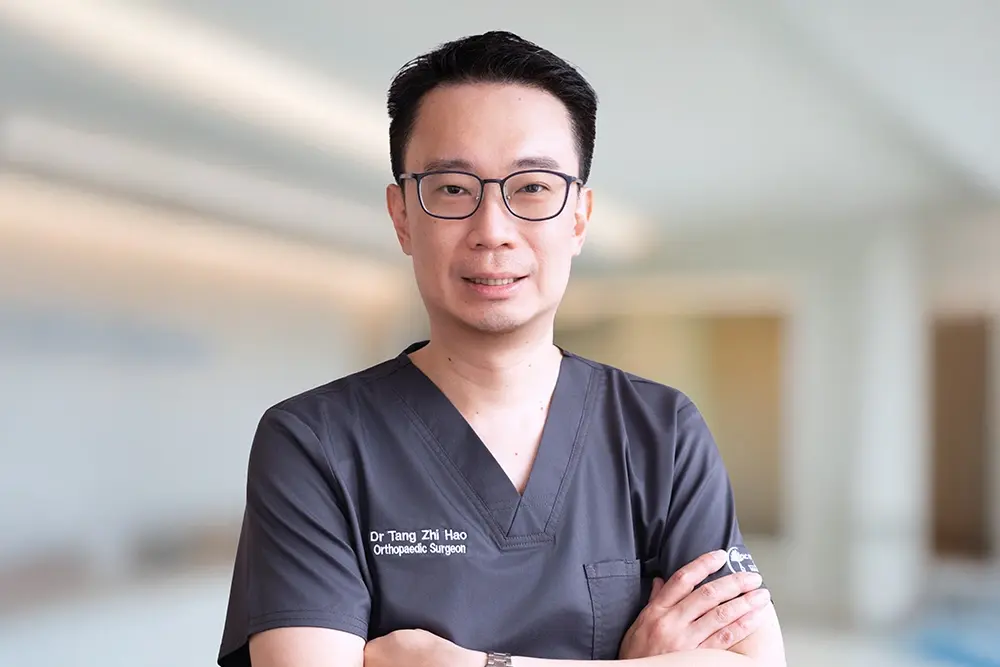
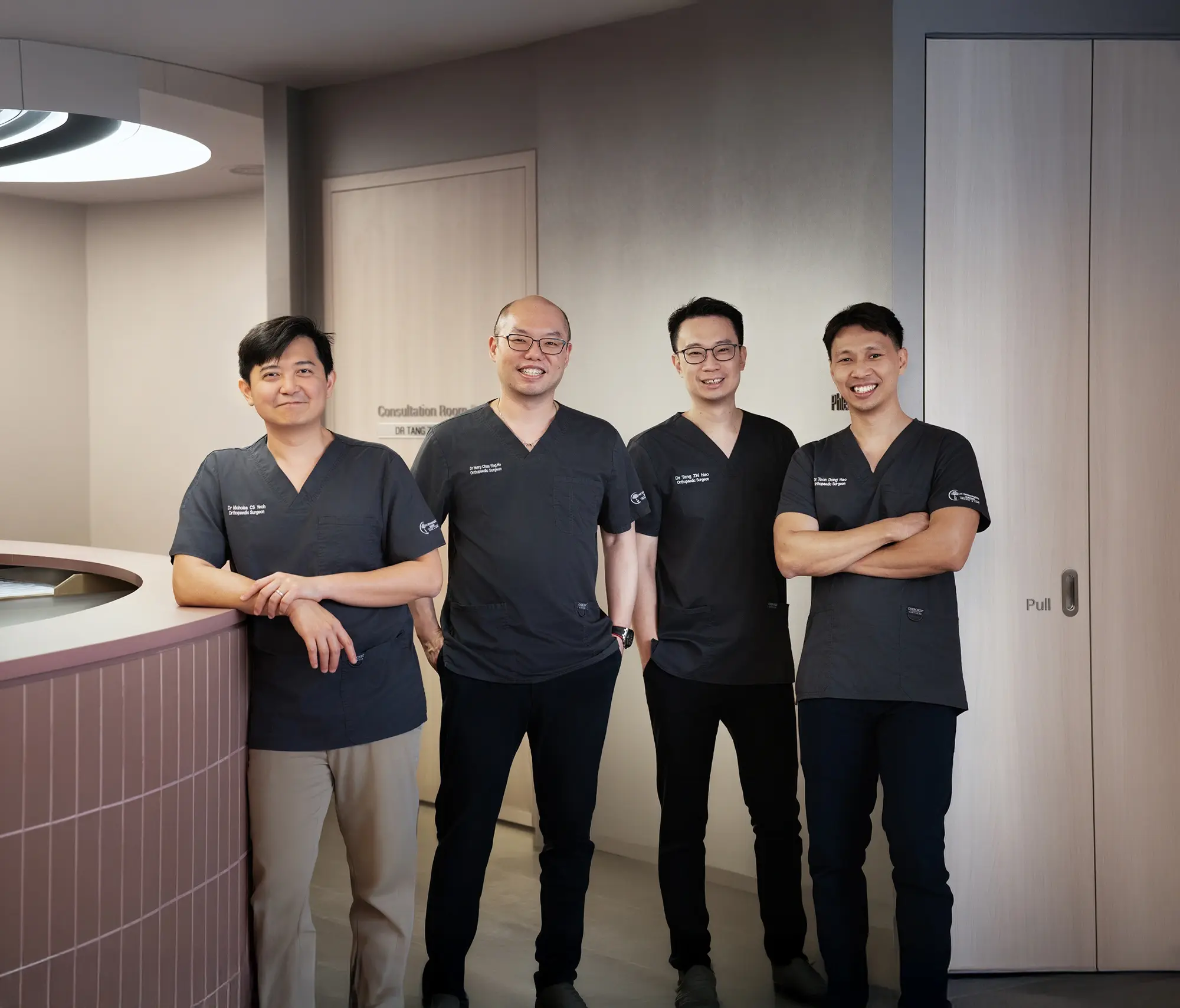
Care at HC Orthopaedic Surgery is led by Dr Henry Chan, Medical Director and senior consultant orthopaedic surgeon, together with Dr Nicholas Yeoh, Dr Toon Dong Hao and Dr Tang Zhi Hao. Drawing on extensive experience in spinal disorders, our team adopts a structured, evidence-informed approach to diagnosis and management, ensuring that each treatment plan is carefully aligned with the underlying condition and its severity. Where appropriate, minimally invasive techniques may be considered alongside other treatment options to relieve symptoms, restore function and support long-term spinal health.
Frequently Asked Questions (FAQs) About Minimally Invasive Spine Surgery
How long does minimally invasive spine surgery usually take?
Can minimally invasive techniques treat more than one spinal level?
How large are the incisions in minimally invasive spine surgery?
When can I resume driving after minimally invasive spine surgery?
Is post-operative pain significantly different from open spine surgery?
Will I need a brace after surgery?
How is blood loss managed during minimally invasive spine surgery?
What should I do if symptoms persist after surgery?
Meet Our Specialist Team
Our team comprises Dr Henry Chan, Dr Nicholas Yeoh, Dr Toon Dong Hao, and Dr Tang Zhi Hao — experienced orthopaedic surgeons with subspecialty experience and a patient-centred approach to care.
Dr Henry Chan
Medical Director & Senior Consultant Orthopaedic Surgeon
MBBS (S’pore), MRCS (Edinburgh), MMed (Orthopaedic Surgery), FRCS (Edinburgh)
Dr Henry Chan is an experienced orthopaedic surgeon specialising in joint replacement and complex revision surgery. Trained at the renowned Helios Endo-Klinik in Germany under the MOH HMDP scholarship, he has performed over 1,000 joint replacements and specialises in computer-assisted and robotic joint replacement techniques for precise outcomes.
Dr Nicholas Yeoh
Senior Consultant Orthopaedic Surgeon
MBChB (Edinburgh), MRCS (Edinburgh), MMed (Orthopaedic Surgery), FRCS (Edinburgh)
Dr Nicholas Yeoh is an MOH-accredited orthopaedic specialist and Fellow of the Royal College of Surgeons of Edinburgh. Fellowship-trained in hip and knee reconstruction in Sydney under the MOH HMDP scholarship, he specialises in minimally invasive joint replacement, robotic surgery and advanced techniques that enhance recovery and surgical outcomes.
Dr Toon Dong Hao
Senior Consultant Orthopaedic Surgeon
MBChB (Leeds), MRCS (Edinburgh), MMed (Orthopaedic Surgery), FRCS (Edinburgh)
Dr Toon Dong Hao is a skilled orthopaedic surgeon and Fellow of the Royal College of Surgeons of Edinburgh. Fellowship-trained in Advanced Shoulder and Elbow Surgery in Sydney under the MOH HMDP scholarship, Dr Toon specialises in sports injuries, arthroscopic surgery and complex shoulder, elbow and knee procedures to restore function and mobility.
Dr Tang Zhi Hao
Senior Consultant Orthopaedic Surgeon
MBBS (S’pore), MRCS (Edinburgh), MMed (Orthopaedic Surgery), FRCS (Edinburgh)
Dr Tang Zhi Hao is a fellowship-trained orthopaedic surgeon specialising in foot and ankle conditions. He completed his Foot and Ankle Surgery fellowship at Severance Hospital, Yonsei University Health System in Seoul under Professor Jin Woo Lee. Prior to private practice, he served as Consultant and Deputy Head of Orthopaedics at Khoo Teck Puat Hospital.