
Lumbar Spondylosis:
Symptoms, Causes and Treatments

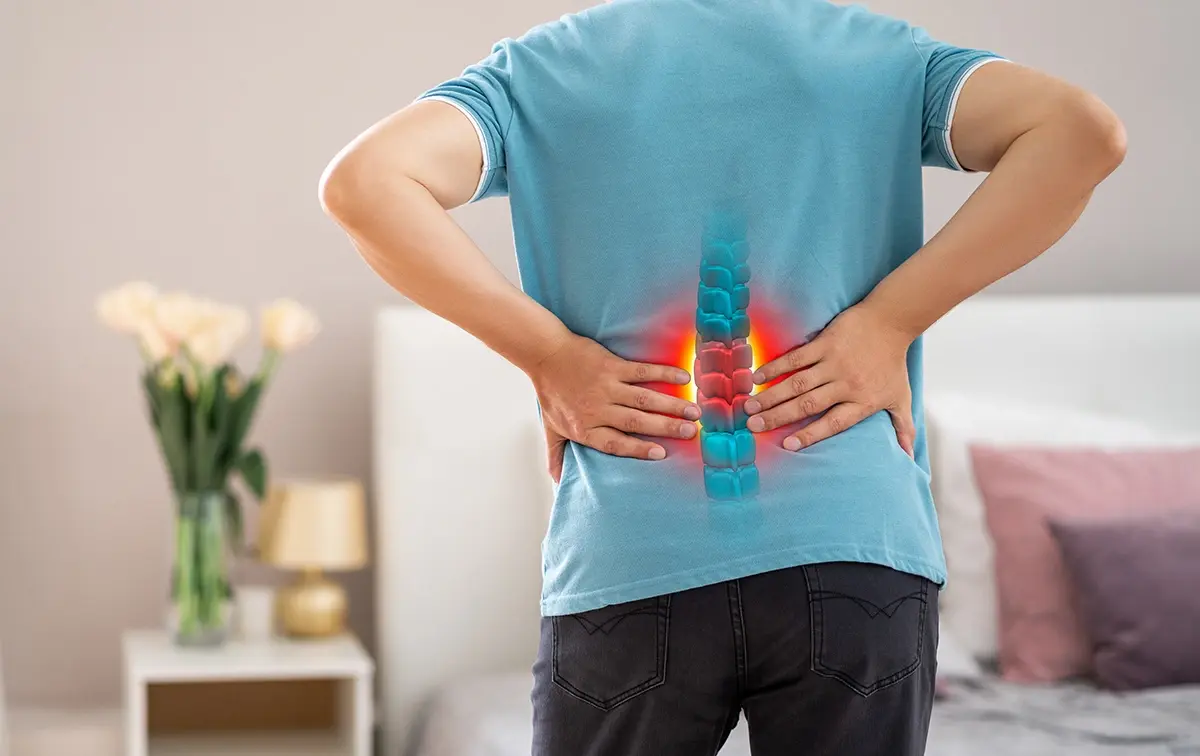
Lumbar spondylosis refers to the degeneration of the spinal discs and facet joints in the lower back (the lumbar region). Over time, the soft, gel-filled discs that act as cushions between these vertebrae begin to lose moisture and shrink, leading to the formation of bone spurs (osteophytes). These changes can stiffen the spine and pinch the nearby nerves.
For many, this condition begins silently, but over time, persistent symptoms can progressively affect mobility, independence and overall quality of life. While early management often involves physiotherapy and medication, there comes a point for some patients where these treatments are no longer sufficient to manage the pain. In such cases, management approaches may shift toward more targeted interventions to restore function and reduce long-term pain.
What Are the Common Symptoms of Lumbar Spondylosis?
Symptoms can vary from person to person. Some individuals may have significant wear and tear on their spine but feel no pain, while others may experience discomfort that impacts their daily routine.
Common symptoms include:
Lower Back Pain
You may feel a dull, aching pain in the lumbar region. This pain can be mechanical, meaning it worsens with specific movements like lifting or twisting, or even prolonged standing.
Stiffness
Individuals notice their back feels tight and inflexible, particularly in the morning after waking up or after periods of inactivity.
Numbness and Tingling
If the degeneration causes nerve compression, you may experience pins and needles or a loss of sensation in your legs or feet (sciatica).
Muscle Weakness
In more advanced cases, the muscles in your legs may feel weak, making it difficult to walk or lift your feet properly.
Why It Happens
What Causes Lumbar
Spondylosis?
Specific changes within the spine may contribute to lumbar spondylosis, including:
Disc Dehydration
As we age, the discs between our vertebrae lose water content. This causes them to shrink and lose their height, which reduces their ability to cushion the spine effectively.
Disc Herniation
The outer exterior of the discs can crack, allowing the soft inner material to bulge out. This can press on sensitive nerves.
Bone Spurs
To compensate for the loss of stability in the spine, your body may produce extra bone. These small projections, called osteophytes or bone spurs, can narrow the spinal canal or compress nearby nerve roots.
Stiff Ligaments
The tough cords that connect your vertebrae can become stiff and thick over time, making your back feel less flexible.
Know Your Risk Profile
What Are the Risk Factors for
Lumbar Spondylosis?
Beside changes in spinal structures, there are also other possible factors related to habits and lifestyle that can aggravate lumbar spondylosis:
Ageing
The risk increases significantly as you get older, particularly after the age of 40.
Genetics
A family history of arthritis or disc problems can predispose you to developing lumbar spondylosis earlier or more severely.
Occupation Hazards
Jobs involving heavy lifting, repetitive bending, or twisting can accelerate wear and tear on the lumbar spine.
Sedentary Lifestyle
Lack of regular exercise leads to weak core and back muscles, which cannot adequately support the spine, increasing the load on the vertebrae.
Previous Injury
A history of back injuries, such as a disc herniation or a sports injury, can increase the chances of developing arthritis in that area of the spine later in life.
How Is Lumbar Spondylosis Diagnosed?
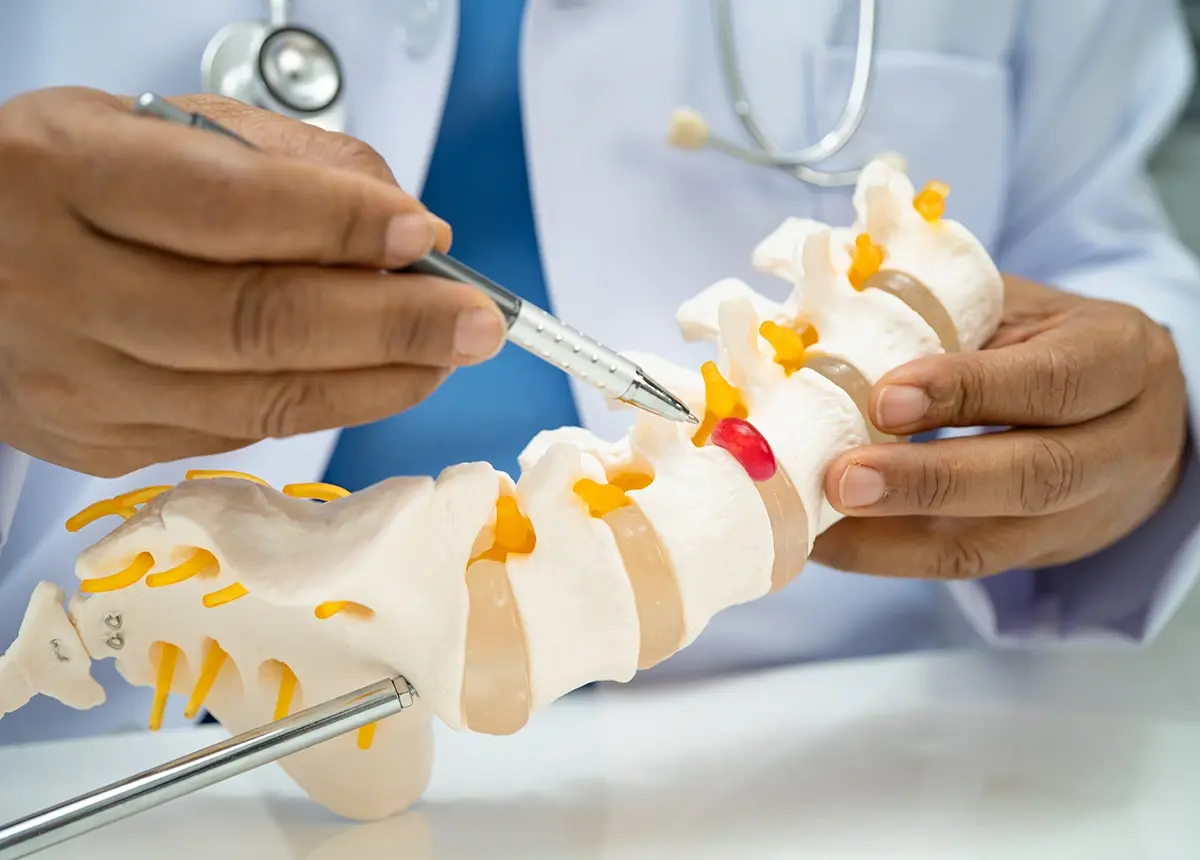
To diagnose lumbar spondylosis, the doctor will typically begin with a discussion of the patient's medical history and conducting a physical exam. During the exam, they will assess your range of motion, observe how you walk, and test your reflexes and muscle strength to see if any nerves are affected. Based on these initial findings, the doctor may order additional imaging tests for a more detailed look, such as:
How Is Lumbar Spondylosis Diagnosed?
To diagnose lumbar spondylosis, the doctor will typically begin with a discussion of the patient's medical history and conducting a physical exam. During the exam, they will assess your range of motion, observe how you walk, and test your reflexes and muscle strength to see if any nerves are affected. Based on these initial findings, the doctor may order additional imaging tests for a more detailed look, such as:
X-rays
These can show degenerative changes including bone spurs, reduced disc height and vertebral slippage, which are commonly associated with lumbar spondylosis.
MRI Scans
This detailed imaging reveals the condition of soft tissues, including discs and nerves, showing exactly where compression is occurring.
CT Scans
These provide cross-sectional views of the bony structures and the spinal canal for a more detailed analysis than a standard X-ray can provide.
What Are the Treatments for Lumbar Spondylosis in Singapore?
Fortunately, most cases of lumbar spondylosis can be managed effectively without surgery. Treatment aims to relieve pain, improve function and help you stay active while reducing strain on the spine. These include:
Physiotherapy and Exercise
Targeted exercises can strengthen the core and back muscles, improving spinal support and flexibility. Low-impact activities such as walking and swimming are often recommended. Gentle stretching programmes may also help, especially when guided by a physiotherapist to avoid movements that aggravate symptoms.
Medication
Over-the-counter pain relievers such as non-steroidal anti-inflammatory drugs (NSAIDs) may help manage pain and inflammation during flare-ups, when appropriate. In some cases, your doctor may prescribe muscle relaxants if spasms are contributing to discomfort.
Injection Therapy
If physiotherapy and oral medication do not provide sufficient relief, injections such as epidural steroid injections or nerve blocks may be considered. These can help reduce inflammation and pain temporarily, often to support rehabilitation and improve mobility.
When Is Surgery Needed?
Surgery for lumbar spondylosis is usually reserved for cases where:
- Severe pain persists despite adequate non-surgical treatment
- There is significant nerve compression causing muscle weakness or worsening neurological symptoms
- There are red-flag symptoms such as new loss of bladder or bowel control, or numbness in the groin area, which require urgent medical attention
Depending on the underlying condition, procedures may include spinal decompression surgery to relieve pressure on the nerves. In selected cases where spinal instability is present, spinal fusion may be performed to restore stability.
Get Relief From Lumbar Spondylosis at HC Orthopaedic Surgery
Receiving a diagnosis of lumbar spondylosis does not mean you have to stop living an active life. It is vital not to dismiss persistent back pain as a normal part of ageing. A thorough clinical assessment can help you understand the severity of the degeneration and rule out other potential causes. Evidence-based and individualised management plans are the key to regaining mobility and reducing discomfort.
Get Relief From Lumbar Spondylosis at HC Orthopaedic Surgery
Receiving a diagnosis of lumbar spondylosis does not mean you have to stop living an active life. It is vital not to dismiss persistent back pain as a normal part of ageing. A thorough clinical assessment can help you understand the severity of the degeneration and rule out other potential causes. Evidence-based and individualised management plans are the key to regaining mobility and reducing discomfort.

Our Specialised Team
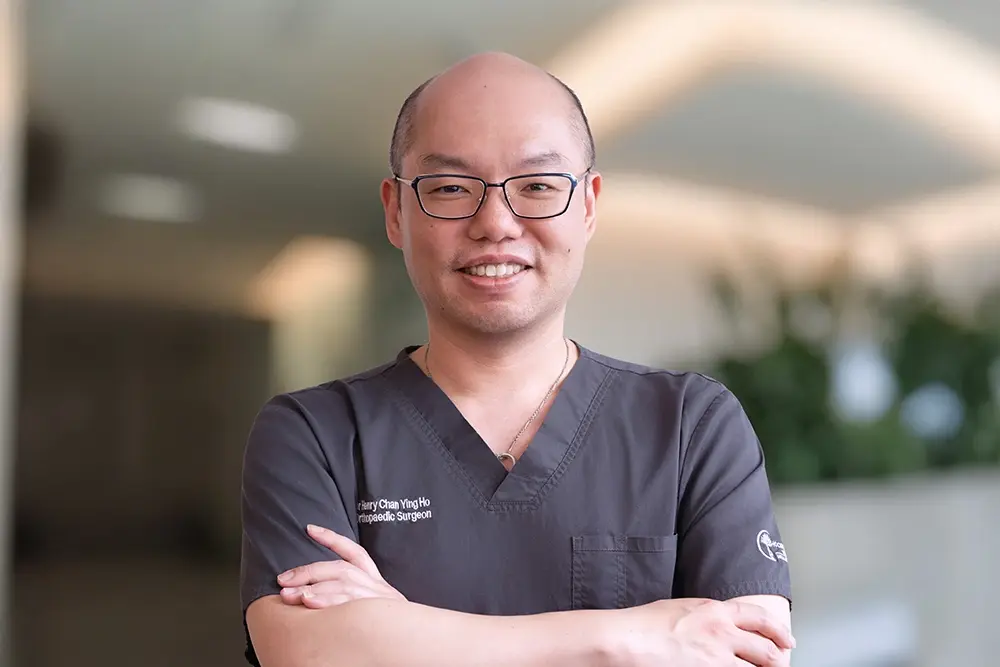
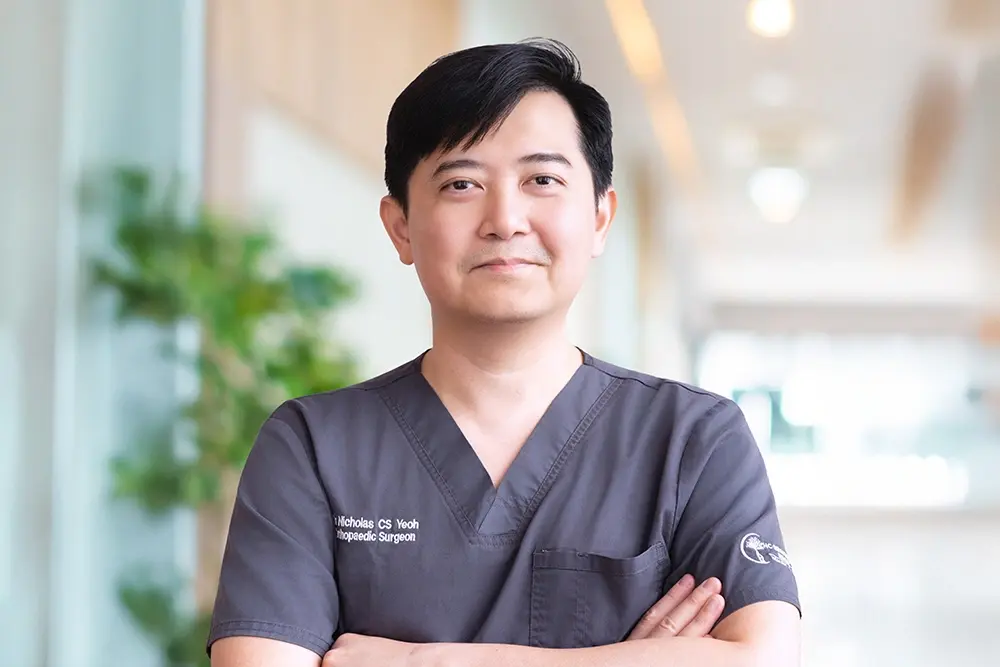
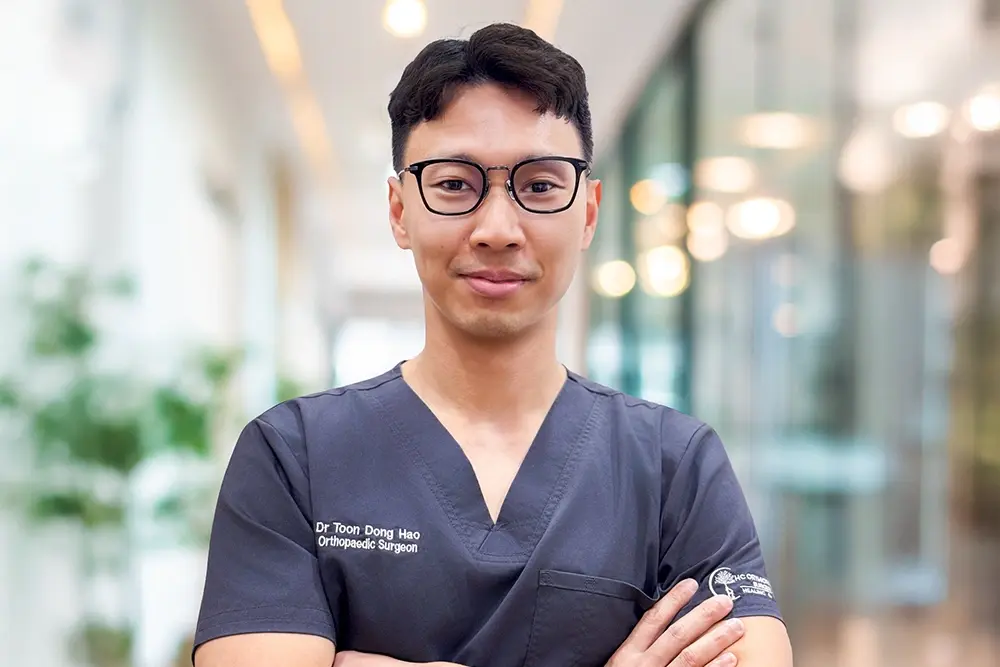
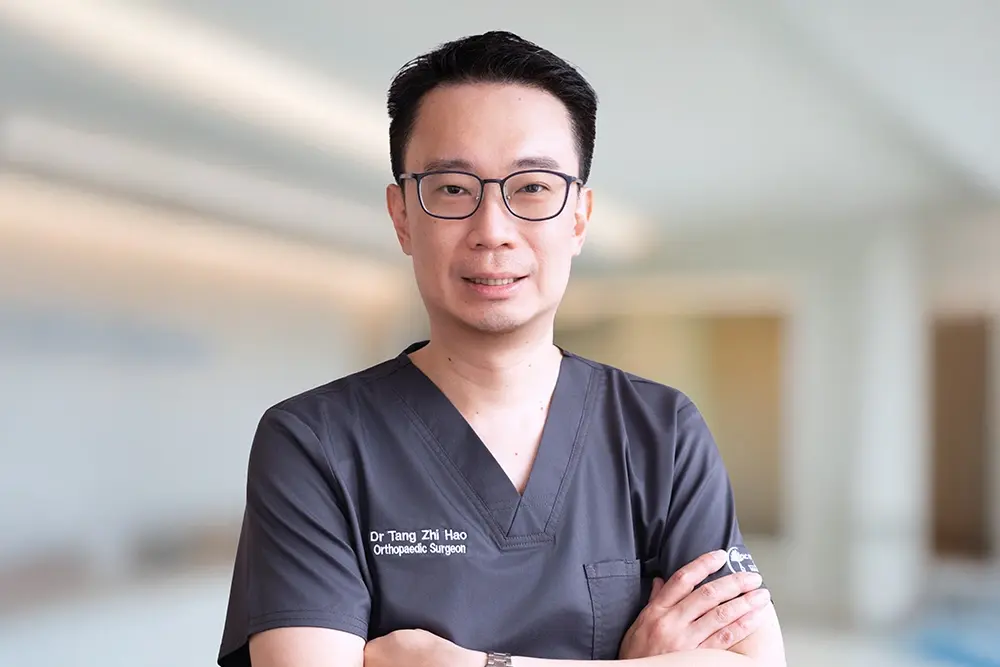
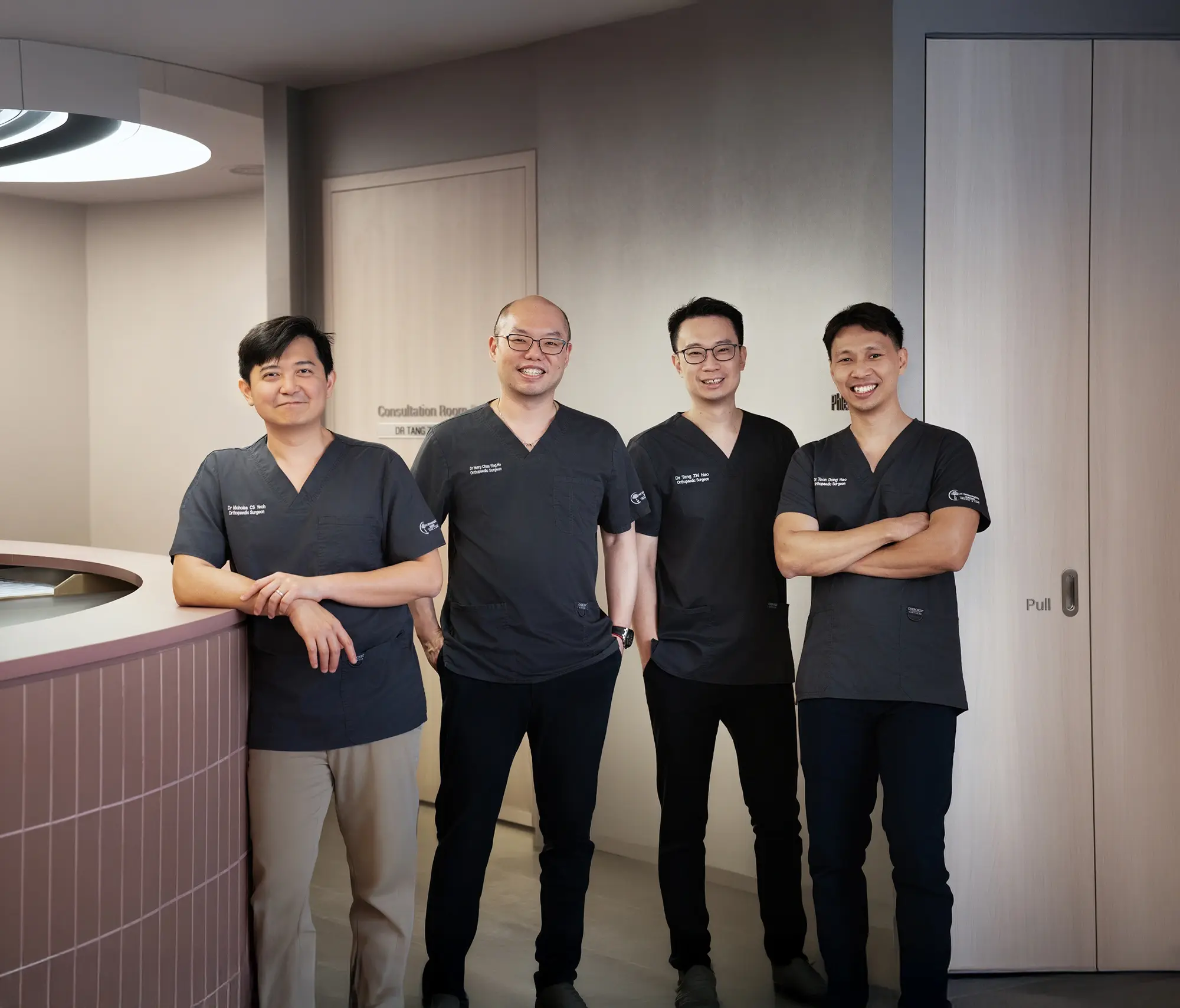
At HC Orthopaedic Surgery, we believe in an evidence-based and individualised approach to spinal care. Our specialist team, led by Dr Henry Chan, Medical Director and Senior Consultant Orthopaedic Surgeon, together with Dr Nicholas Yeoh, Dr Toon Dong Hao and Dr Tang Zhi Hao, provides comprehensive management for lumbar spondylosis. From conservative therapies to advanced surgical interventions, we are dedicated to helping you achieve the best possible outcome.
Frequently Asked Questions (FAQs) About Lumbar Spondylosis
What is the difference between spondylosis and spondylitis?
Does lumbar spondylosis always cause pain?
Should I use heat or ice for my back pain?
Does lumbar spondylosis affect bowel movements?
Can weight loss help with lumbar spondylosis symptoms?
Meet Our Specialist Team
Our team comprises Dr Henry Chan, Dr Nicholas Yeoh, Dr Toon Dong Hao, and Dr Tang Zhi Hao — experienced orthopaedic surgeons with subspecialty experience and a patient-centred approach to care.
Dr Henry Chan
Medical Director & Senior Consultant Orthopaedic Surgeon
MBBS (S’pore), MRCS (Edinburgh), MMed (Orthopaedic Surgery), FRCS (Edinburgh)
Dr Henry Chan is an experienced orthopaedic surgeon specialising in joint replacement and complex revision surgery. Trained at the renowned Helios Endo-Klinik in Germany under the MOH HMDP scholarship, he has performed over 1,000 joint replacements and specialises in computer-assisted and robotic joint replacement techniques for precise outcomes.
Dr Nicholas Yeoh
Senior Consultant Orthopaedic Surgeon
MBChB (Edinburgh), MRCS (Edinburgh), MMed (Orthopaedic Surgery), FRCS (Edinburgh)
Dr Nicholas Yeoh is an MOH-accredited orthopaedic specialist and Fellow of the Royal College of Surgeons of Edinburgh. Fellowship-trained in hip and knee reconstruction in Sydney under the MOH HMDP scholarship, he specialises in minimally invasive joint replacement, robotic surgery and advanced techniques that enhance recovery and surgical outcomes.
Dr Toon Dong Hao
Senior Consultant Orthopaedic Surgeon
MBChB (Leeds), MRCS (Edinburgh), MMed (Orthopaedic Surgery), FRCS (Edinburgh)
Dr Toon Dong Hao is a skilled orthopaedic surgeon and Fellow of the Royal College of Surgeons of Edinburgh. Fellowship-trained in Advanced Shoulder and Elbow Surgery in Sydney under the MOH HMDP scholarship, Dr Toon specialises in sports injuries, arthroscopic surgery and complex shoulder, elbow and knee procedures to restore function and mobility.
Dr Tang Zhi Hao
Senior Consultant Orthopaedic Surgeon
MBBS (S’pore), MRCS (Edinburgh), MMed (Orthopaedic Surgery), FRCS (Edinburgh)
Dr Tang Zhi Hao is a fellowship-trained orthopaedic surgeon specialising in foot and ankle conditions. He completed his Foot and Ankle Surgery fellowship at Severance Hospital, Yonsei University Health System in Seoul under Professor Jin Woo Lee. Prior to private practice, he served as Consultant and Deputy Head of Orthopaedics at Khoo Teck Puat Hospital.