
Cervical Spondylosis (Neck Arthritis):
Causes and Treatments

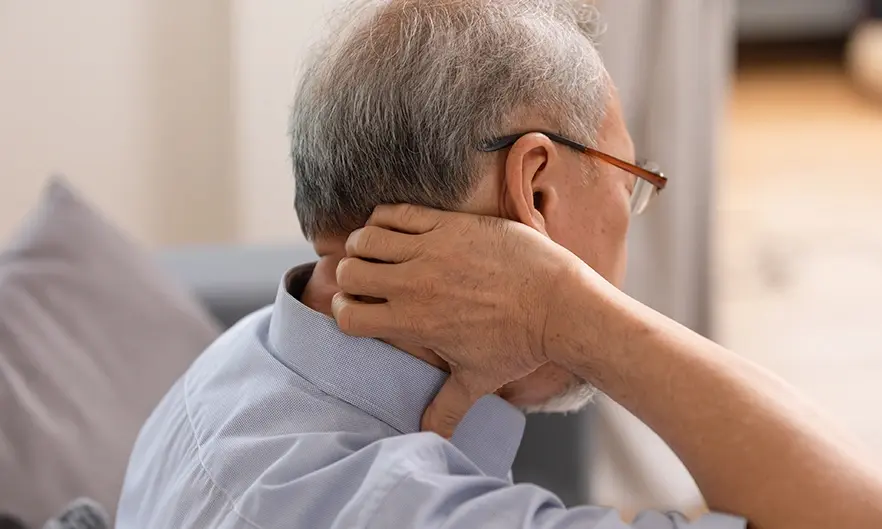
Cervical spondylosis is a degenerative condition that affects the joints and discs in your cervical spine, which is in your neck. It is frequently referred to as arthritis of the neck or cervical osteoarthritis and is a natural part of the ageing process for many people.
While it often develops silently, persistent symptoms can make simple daily activities, such as checking your blind spot while driving, working at a computer, or even finding a comfortable position to sleep, become difficult and painful tasks. When rest, medication and conservative treatments are no longer sufficient to manage the discomfort, it may be time to consider professional medical intervention.
What Are the Common Symptoms of Cervical Spondylosis?
For many people, cervical spondylosis is a silent condition found accidentally during an X-ray for an imaging scan for unrelated reasons. However, when symptoms do appear, they can range from mild discomfort to severe limitations.
A doctor’s review is especially important when you notice:
Neck Pain and Stiffness
Individuals may feel a nagging soreness that worsens with activity or after holding your head in one position for a long time.
Headaches
Tension often starts at the back of the neck and travels up towards the forehead.
Radiating Pain
Discomfort can extend from the neck into the shoulders, arms or even the hands.
Paresthesia
This refers to sensations of tingling, numbness or ‘pins and needles’ in the shoulders, arms or hands, which may suggest nerve involvement.
Grinding Sensations
You may hear or feel a clicking or popping noise (crepitus) when you turn your neck.
Balance Issues
If the spinal cord is compressed, you may experience difficulty walking, a lack of coordination, or a loss of balance.
Why It Happens
What Causes Cervical
Spondylosis?
As you age, the bones and cartilage that make up your backbone and neck gradually develop wear and tear. These changes can include:
Dehydrated Discs
Discs act as cushions between the vertebrae of your spine. By the age of 40, the spinal discs begin to dry out and shrink, allowing more bone-on-bone contact.
Herniated Discs
The exterior of the spinal discs can crack or tear, leading to the inner material to bulge out (herniate). This can press on the spinal cord or sensitive nerve roots.
Bone Spurs
As the cartilage in the joints wears away, the body attempts to repair the damage by growing extra bone. These projections, known as bone spurs or osteophytes, can narrow the spinal canal and pinch nerve roots.
Stiff Ligaments
The cords of tissue that connect your bones (ligaments) can stiffen with age, making the neck feel tighter and reducing your range of motion.
Know Your Risk Profile
What Are the Risk Factors for
Cervical Spondylosis?
While ageing is the primary cause, there are other factors that can increase the possibility of developing cervical spondylosis or make symptoms more likely to appear. Common risk factors are:
Occupation
Jobs that involve repetitive neck motions, awkward positioning or heavy lifting put extra stress on the cervical spine.
Neck Injuries
Previous trauma to the neck, such as whiplash from a car accident, appear to increase the risk of cervical spondylosis.
Genetics
Some families have a history of neck pain and spondylosis, suggesting a genetic link.
Smoking
Smoking has been linked to increased neck pain. Nicotine constricts blood vessels, which can hinder the delivery of nutrients to the spinal discs.
How Is Cervical Spondylosis Diagnosed?
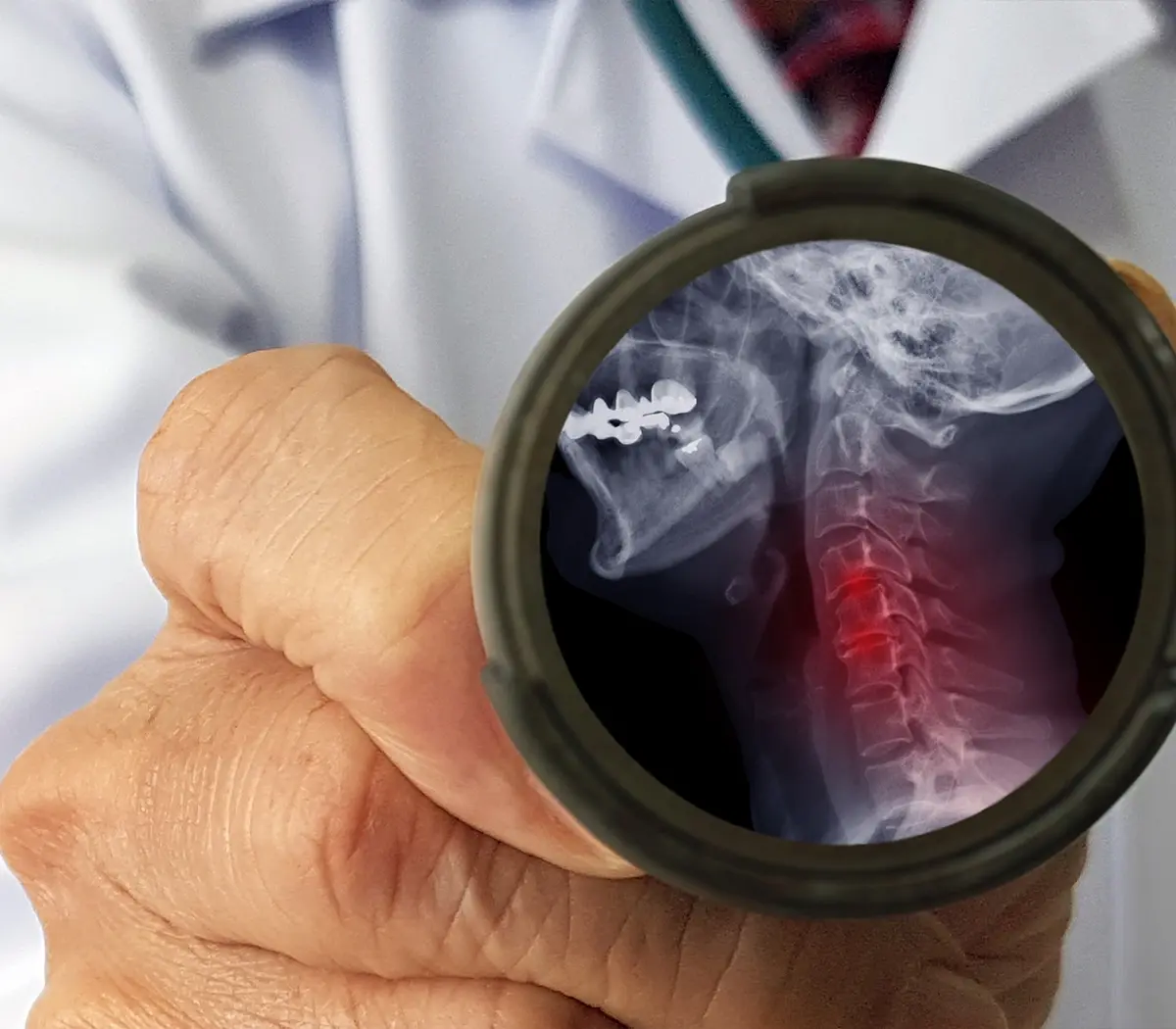
Diagnosis usually begins with a review of medical history and a physical examination. Your doctor will check the range of motion in your neck and test your reflexes and muscle strength to see if there is pressure on your spinal nerves or spinal cord. If needed, your doctor may recommend further tests, including:
How Is Cervical Spondylosis Diagnosed?
Diagnosis usually begins with a review of medical history and a physical examination. Your doctor will check the range of motion in your neck and test your reflexes and muscle strength to see if there is pressure on your spinal nerves or spinal cord. If needed, your doctor may recommend further tests, including:
X-rays
An X-ray of the neck can show abnormalities, such as bone spurs or the narrowing of the disc space, which indicate cervical spondylosis.
CT Scan
A CT scan can provide more detailed imaging than an X-ray. It can help visualise the spinal canal and determine if bone spurs are compressing the spinal cord.
MRI
Magnetic resonance imaging (MRI) produces detailed images using radio waves and a strong magnetic field. This is often the best way to locate pinched nerves, as it clearly shows the soft tissues, including the discs, spinal cord and nerve roots.
Myelogram
In this test, a dye is injected into the spinal canal to make specific areas show up more clearly on X-ray or CT imaging. It helps track the flow of cerebrospinal fluid and identify areas of compression.
Electromyography (EMG)
If nerve damage is suspected, an EMG measures the electrical activity in your nerves as they transmit messages to your muscles. This helps determine if the symptoms are due to a neck problem or nerve entrapment elsewhere in the arm.
Cervical Spondylosis Treatments in Singapore
Treatment for spine problems is rarely one-size-fits-all. The right approach depends on what is causing the symptoms and how much they affect daily life. The goal of treatment is usually to relieve pain, help you maintain your usual activities as much as possible, and prevent permanent injury to the spinal cord and nerves.
Nonsurgical Treatments
Physiotherapy
A therapist can teach you exercises to help stretch and strengthen the muscles in your neck and shoulders. Some people with cervical spondylosis benefit from the use of traction, which can help provide more space within the spine if nerve roots are being pinched.
Medications
Nonsteroidal anti-inflammatory drugs (NSAIDs), corticosteroids and muscle relaxants can help relieve pain, inflammation and muscle spasms in the neck.
Soft Collars
A soft, padded ring worn around the neck allows the muscles of the neck to rest and limits neck motion. This should only be worn for short periods of time, as long-term use can weaken neck muscles.
Injections
A doctor may inject a steroid medication near the nerve roots or into the facet joints to reduce inflammation and pain.
Surgical Treatments
Surgery is generally reserved for patients with progressive neurological symptoms, such as arm weakness or numbness, or severe pain that does not improve with conservative treatment. In selected cases, spinal decompression surgery may be recommended to relieve pressure on the spinal cord or nerve roots. The specific procedure depends on the severity and location of compression.
Common surgical options include:
Anterior Cervical Discectomy and Fusion (ACDF)
ACDF is one of the most frequently performed procedures for cervical spondylosis with nerve compression. The surgeon approaches the spine from the front of the neck to remove a herniated or degenerative disc, along with any bone spurs compressing the nerves or spinal cord. The disc space is then filled with a bone graft or spacer, and the adjacent vertebrae are fused to provide stability.
Cervical Disc Replacement
In selected patients, cervical disc replacement may be an alternative to fusion. After removing the damaged disc and relieving nerve compression, an artificial disc is inserted to preserve motion at that level of the spine. This option may be suitable for individuals without significant instability or advanced degeneration.
Posterior Decompression Procedures (Laminectomy or Laminoplasty)
For patients with multilevel spinal cord compression, a posterior approach may be recommended. A laminectomy involves removing part of the vertebra to create more space for the spinal cord. In some cases, spinal fusion is performed at the same time to maintain stability. Laminoplasty reshapes and repositions the lamina to enlarge the spinal canal while preserving more of the natural anatomy.
Get Relief From Cervical Spondylosis at HC Orthopaedic Surgery
Living with cervical spondylosis can turn simple tasks into painful challenges, affecting your daily comfort and overall function. Thus, it is important to undergo a thorough clinical assessment to fully understand the severity of your condition and its underlying causes. Early intervention and evidence-based management can prevent the condition from worsening and help maintain your independence.
Get Relief From Cervical Spondylosis at HC Orthopaedic Surgery
Living with cervical spondylosis can turn simple tasks into painful challenges, affecting your daily comfort and overall function. Thus, it is important to undergo a thorough clinical assessment to fully understand the severity of your condition and its underlying causes. Early intervention and evidence-based management can prevent the condition from worsening and help maintain your independence.

Our Specialised Team
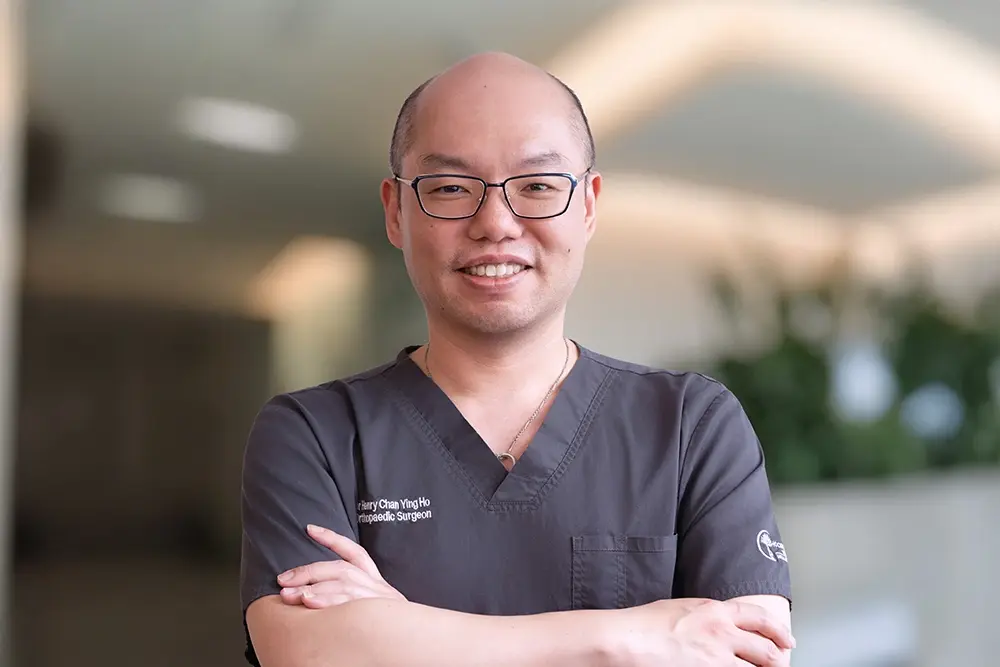
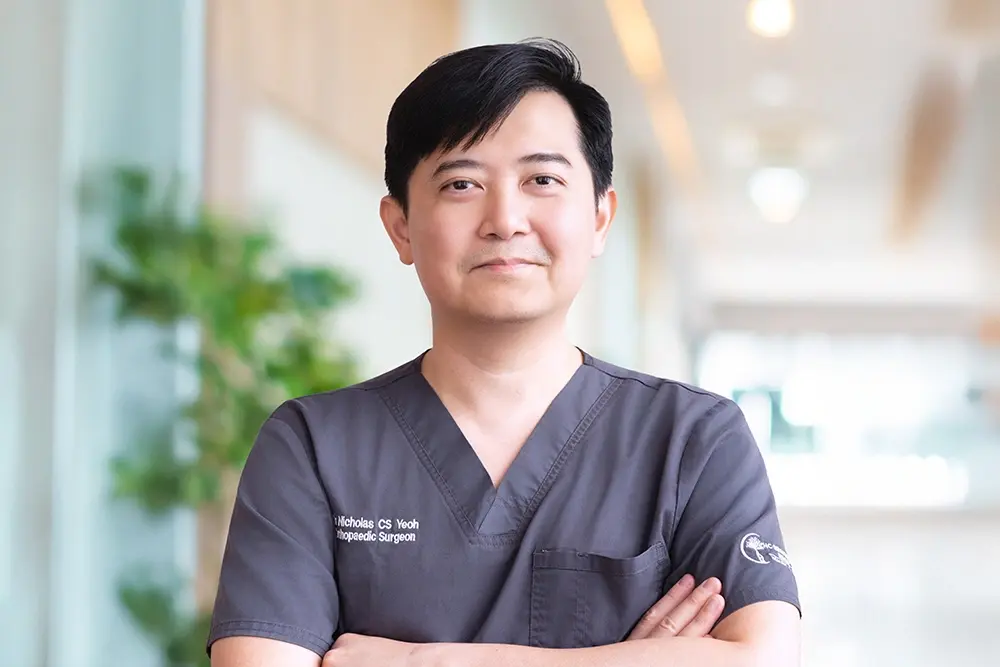
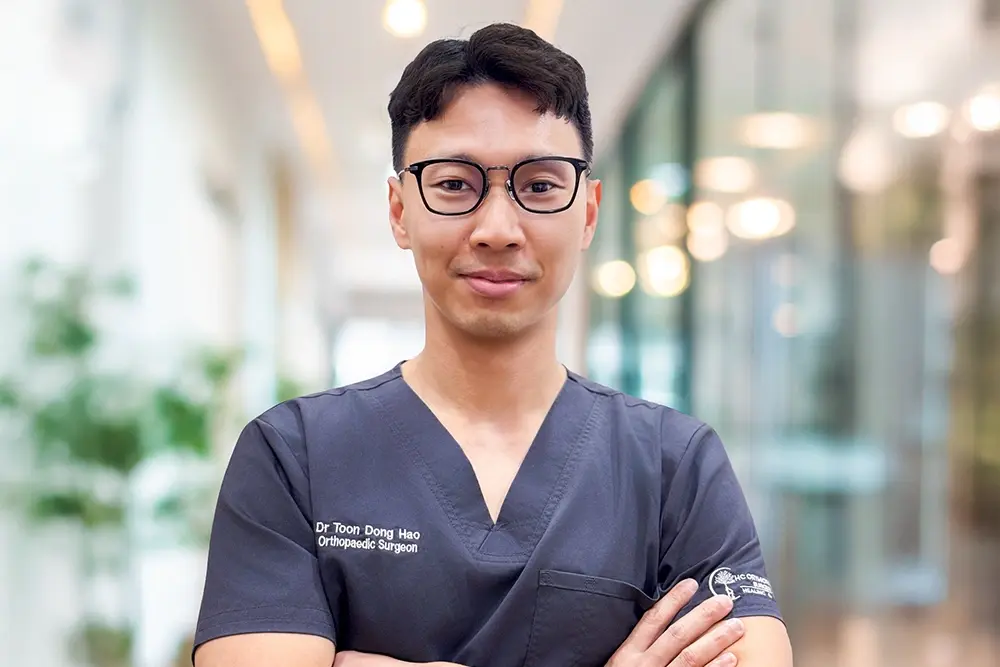
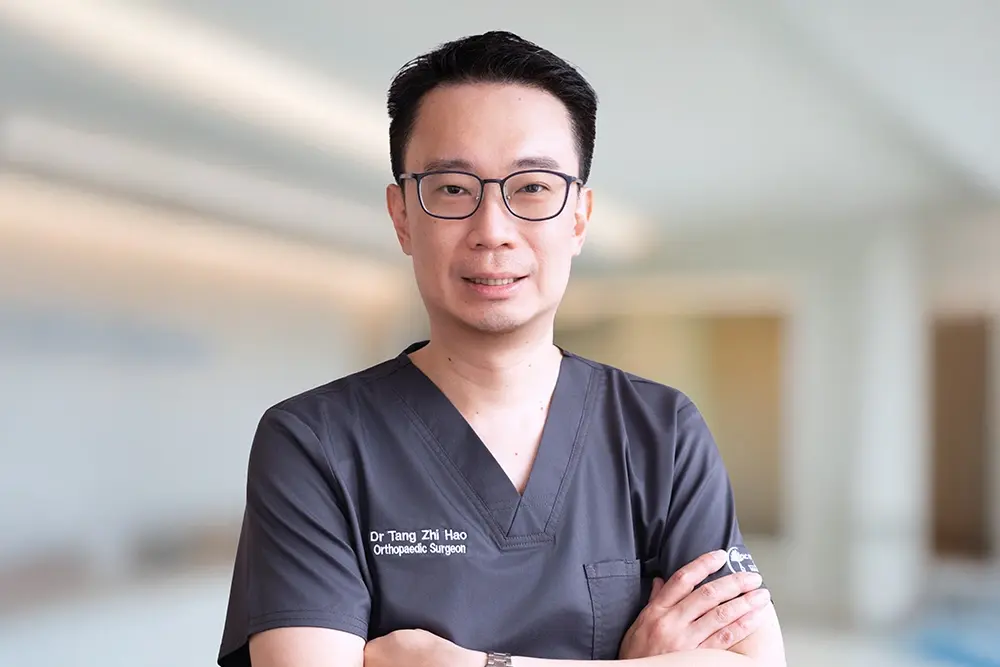
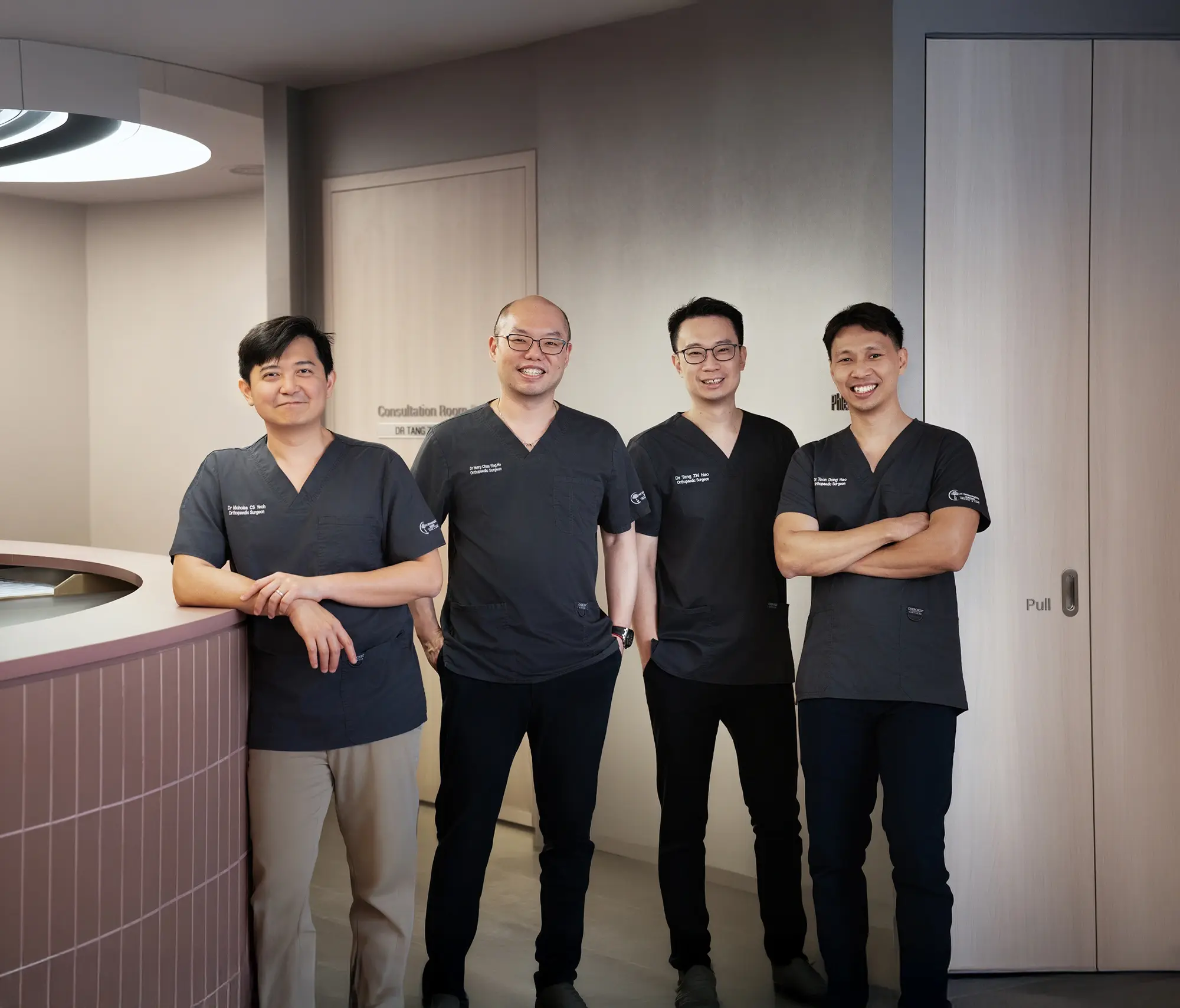
At HC Orthopaedic Surgery, we provide comprehensive care tailored to your specific needs, whether you need conservative management or surgical intervention. Led by Medical Director and Senior Consultant Orthopaedic Surgeon Dr Henry Chan, together with Dr Nicholas Yeoh, Dr Toon Dong Hao and Dr Tang Zhi Hao, our team is dedicated to guiding every patient through their recovery journey with care and expertise.
Frequently Asked Questions (FAQs) About Cervical Spondylosis
Can cervical spondylosis be cured permanently?
Is walking good for cervical spondylosis?
What happens if I leave cervical spondylosis untreated?
How is cervical spondylosis different from a slipped disc?
Can cervical spondylosis cause dizziness?
Is a firm or soft pillow better for neck pain?
Meet Our Specialist Team
Our team comprises Dr Henry Chan, Dr Nicholas Yeoh, Dr Toon Dong Hao, and Dr Tang Zhi Hao — experienced orthopaedic surgeons with subspecialty experience and a patient-centred approach to care.
Dr Henry Chan
Medical Director & Senior Consultant Orthopaedic Surgeon
MBBS (S’pore), MRCS (Edinburgh), MMed (Orthopaedic Surgery), FRCS (Edinburgh)
Dr Henry Chan is an experienced orthopaedic surgeon specialising in joint replacement and complex revision surgery. Trained at the renowned Helios Endo-Klinik in Germany under the MOH HMDP scholarship, he has performed over 1,000 joint replacements and specialises in computer-assisted and robotic joint replacement techniques for precise outcomes.
Dr Nicholas Yeoh
Senior Consultant Orthopaedic Surgeon
MBChB (Edinburgh), MRCS (Edinburgh), MMed (Orthopaedic Surgery), FRCS (Edinburgh)
Dr Nicholas Yeoh is an MOH-accredited orthopaedic specialist and Fellow of the Royal College of Surgeons of Edinburgh. Fellowship-trained in hip and knee reconstruction in Sydney under the MOH HMDP scholarship, he specialises in minimally invasive joint replacement, robotic surgery and advanced techniques that enhance recovery and surgical outcomes.
Dr Toon Dong Hao
Senior Consultant Orthopaedic Surgeon
MBChB (Leeds), MRCS (Edinburgh), MMed (Orthopaedic Surgery), FRCS (Edinburgh)
Dr Toon Dong Hao is a skilled orthopaedic surgeon and Fellow of the Royal College of Surgeons of Edinburgh. Fellowship-trained in Advanced Shoulder and Elbow Surgery in Sydney under the MOH HMDP scholarship, Dr Toon specialises in sports injuries, arthroscopic surgery and complex shoulder, elbow and knee procedures to restore function and mobility.
Dr Tang Zhi Hao
Senior Consultant Orthopaedic Surgeon
MBBS (S’pore), MRCS (Edinburgh), MMed (Orthopaedic Surgery), FRCS (Edinburgh)
Dr Tang Zhi Hao is a fellowship-trained orthopaedic surgeon specialising in foot and ankle conditions. He completed his Foot and Ankle Surgery fellowship at Severance Hospital, Yonsei University Health System in Seoul under Professor Jin Woo Lee. Prior to private practice, he served as Consultant and Deputy Head of Orthopaedics at Khoo Teck Puat Hospital.