
Spine Specialist
in Singapore


Our Team of Spine Orthopaedic Surgeons
At HC Orthopaedic Surgery, our spine specialists collectively bring more than 50 years of clinical experience in diagnosing and treating a broad spectrum of spine conditions. Combining specialist expertise with modern orthopaedic techniques, the team focuses on delivering precise diagnosis and tailored treatment to relieve pain, restore spinal function and help patients return confidently to their daily activities.
Specialist Orthopaedic Surgeons for Back and Neck Conditions
Advanced Spine Surgery and Minimally Invasive Procedures
Minimally Invasive Treatments to Restore Mobility and Spine Health
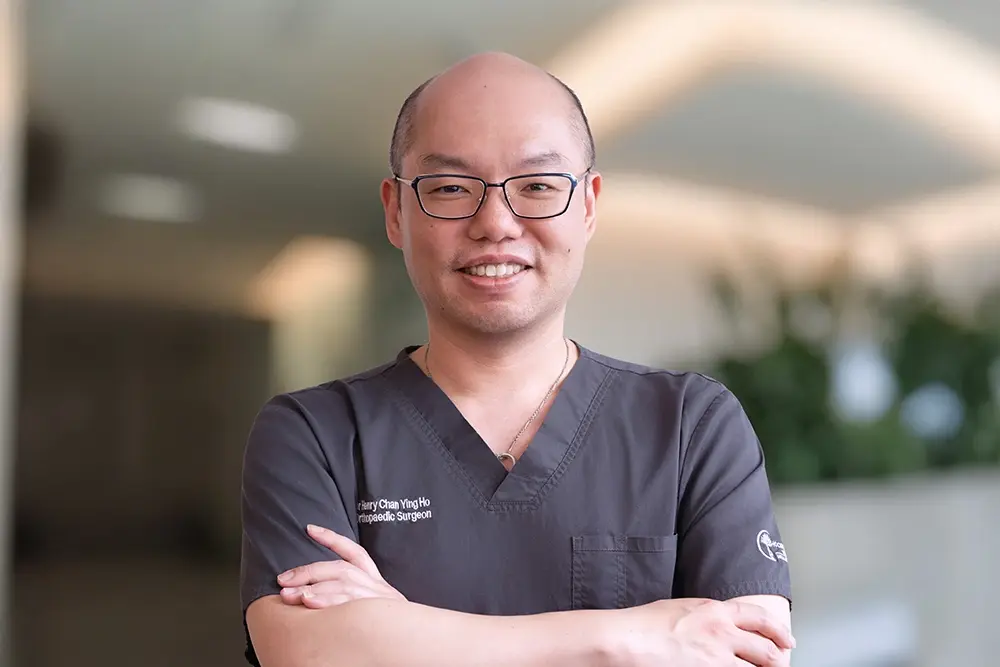
Dr Henry Chan
Medical Director & Senior Consultant Orthopaedic Surgeon
Qualifications:
MBBS (S’pore), MRCS (Edinburgh), MMed (Orthopaedic Surgery), FRCS (Edinburgh)
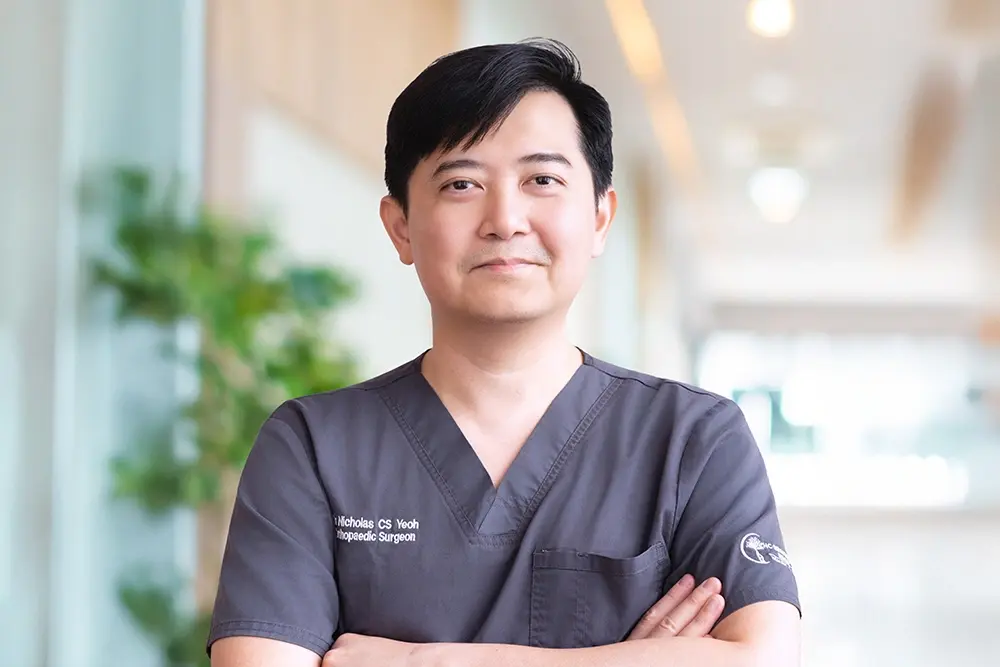
Dr Nicholas Yeoh
Senior Consultant Orthopaedic Surgeon
Qualifications:
MBChB (Edinburgh), MRCS (Edinburgh), MMed (Orthopaedic Surgery), FRCS (Edinburgh)
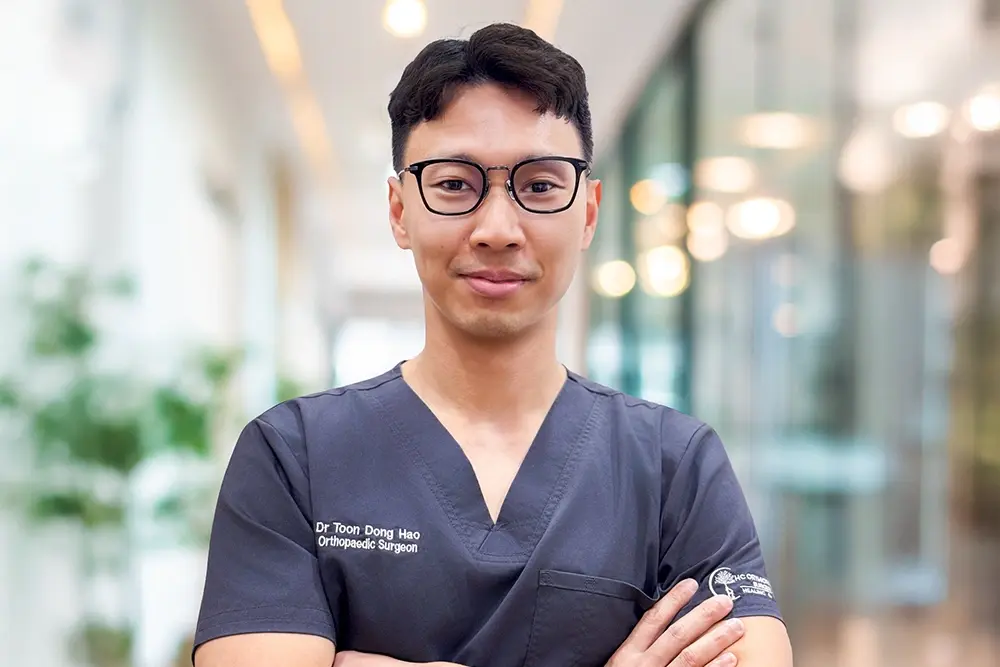
Dr Toon Dong Hao
Senior Consultant Orthopaedic Surgeon
Qualifications:
MBChB (Leeds), MRCS (Edinburgh), MMed (Orthopaedic Surgery), FRCS (Edinburgh)
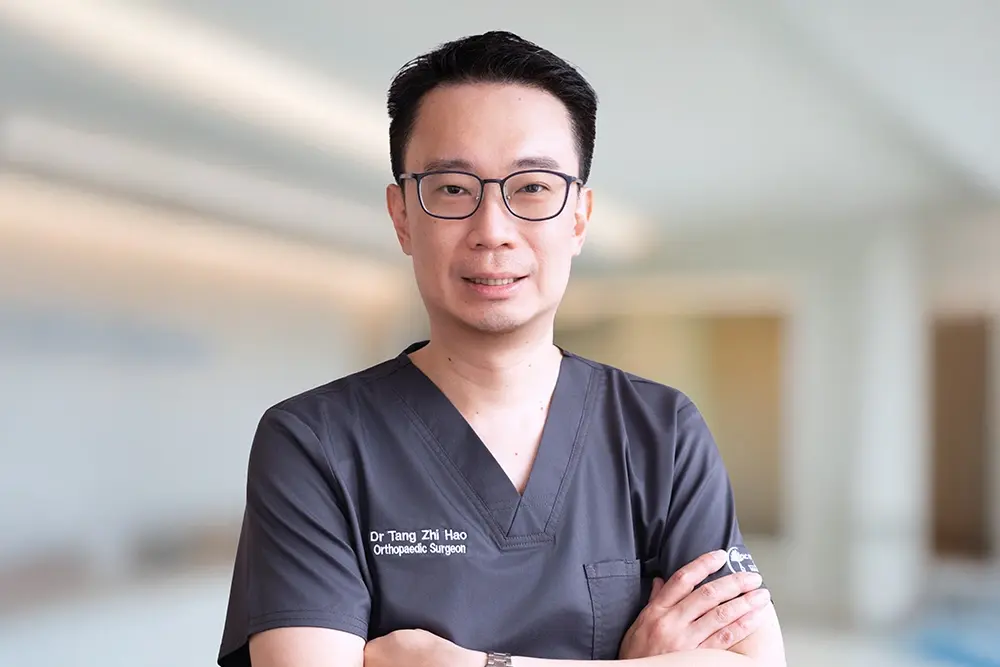
Dr Tang Zhi Hao
Senior Consultant Orthopaedic Surgeon
Qualifications:
MBBS (S’pore), MRCS (Edinburgh), MMed (Orthopaedic Surgery), FRCS (Edinburgh)
Understanding the Condition
What Is Spine Pain?
Spine pain refers to discomfort arising from the structures of the spine, including the vertebrae, intervertebral discs, joints, ligaments and surrounding muscles that support posture and movement. It may affect different parts of the spine, most commonly the neck (cervical spine), mid-back (thoracic spine) or lower back (lumbar spine).
Spine pain can develop due to sudden injuries, repetitive strain, poor posture or gradual degenerative changes affecting the spinal discs and joints. People with spine pain may experience aching, stiffness, sharp pain during movement or discomfort that radiates to the shoulders, arms or legs depending on the affected area.
Why It Happens
Understanding the Causes of Spine Pain
Spine pain can result from a range of conditions affecting the vertebrae, intervertebral discs, joints and nerves that support the spine. These issues may develop gradually as part of the ageing process or arise from repetitive strain, posture-related stress or nerve compression within the spinal column.
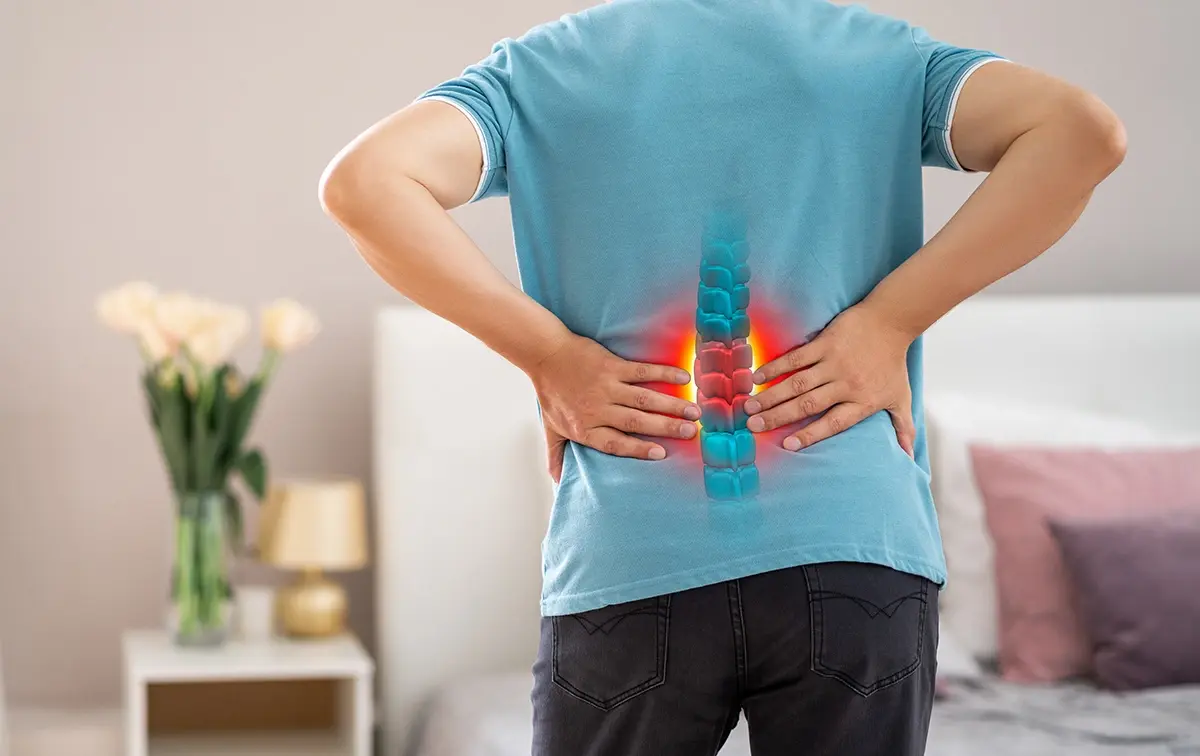
Lumbar Spondylosis
Lumbar spondylosis refers to age-related degeneration affecting the discs and joints in the lower back. As these structures gradually wear down, they may lead to persistent lower back pain, stiffness and discomfort during movement or prolonged standing.
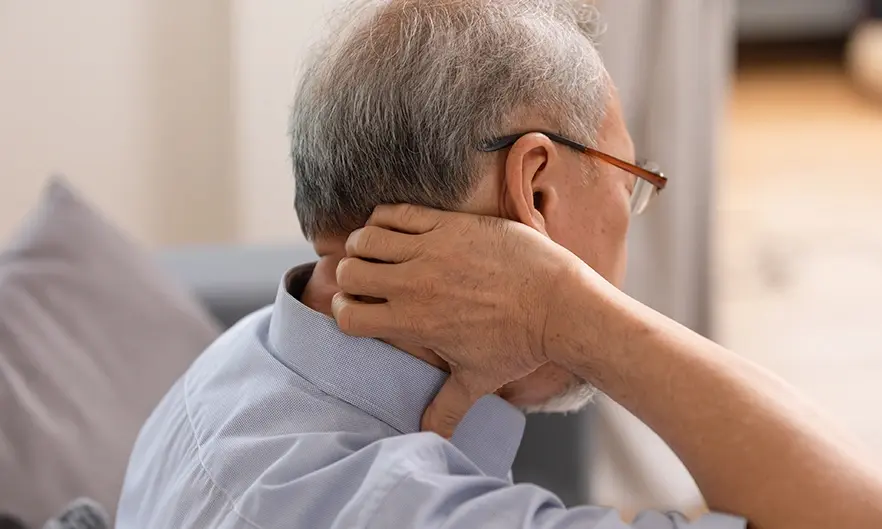
Cervical Spondylosis
Cervical spondylosis involves degenerative changes in the discs and joints of the neck. These changes may cause neck pain, reduced flexibility and stiffness, and in some cases may irritate nearby nerves, leading to symptoms that radiate to the shoulders or arms.
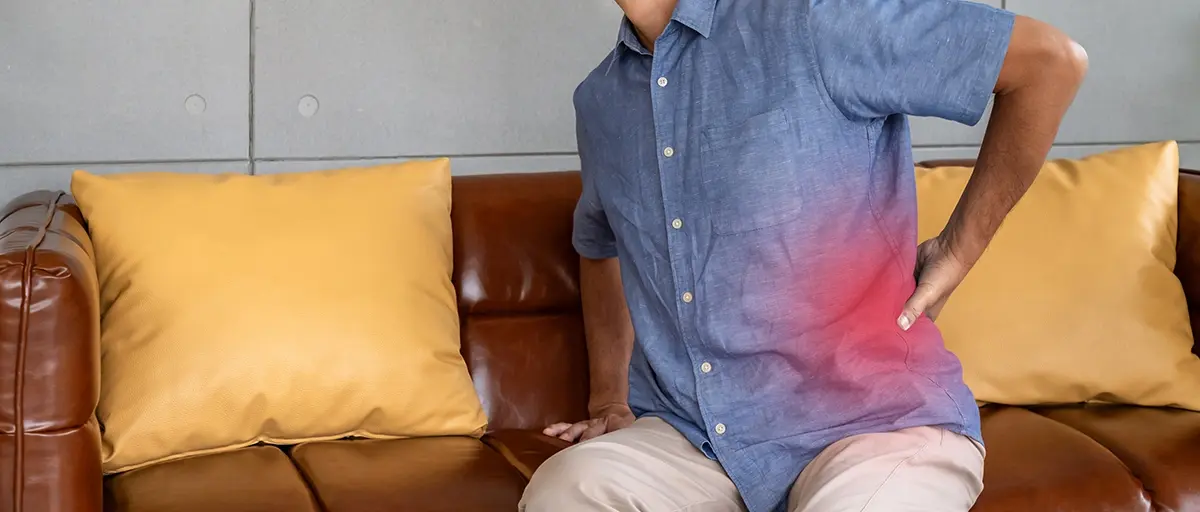
Slipped Disc (Herniated Disc)
A slipped or herniated disc occurs when the inner portion of a spinal disc pushes through the outer layer. This protrusion may compress nearby spinal nerves, causing back or neck pain as well as symptoms such as numbness, tingling or weakness in the arms or legs.
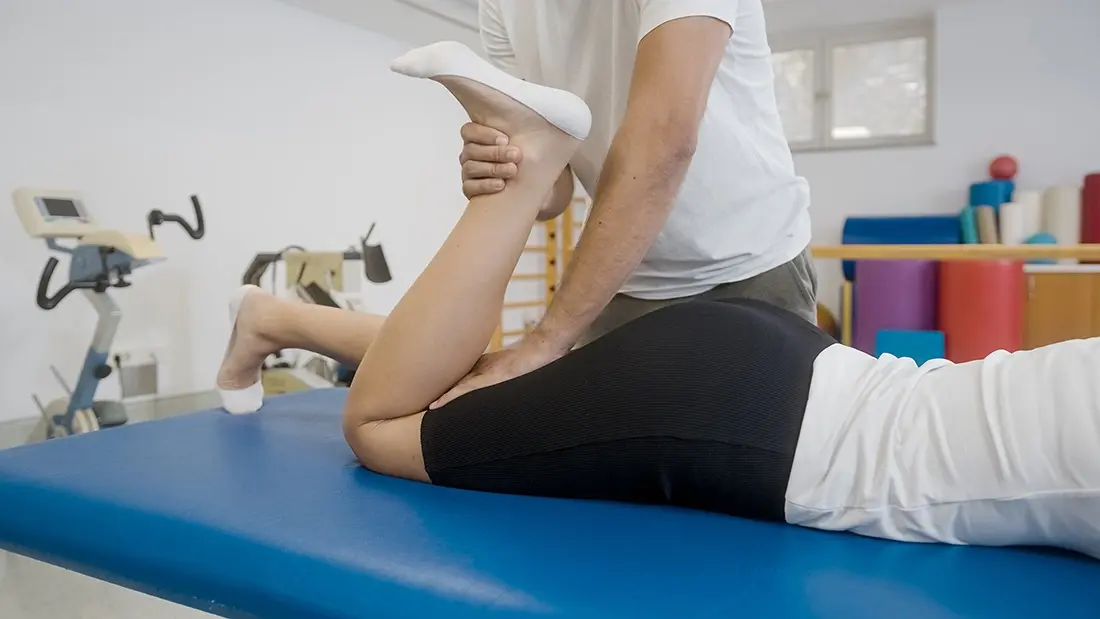
Sciatica
Sciatica describes pain that radiates along the sciatic nerve, which runs from the lower spine through the hips and down the legs. It is commonly caused by nerve compression in the lower spine and may produce sharp, burning or shooting pain that travels from the lower back into the leg.
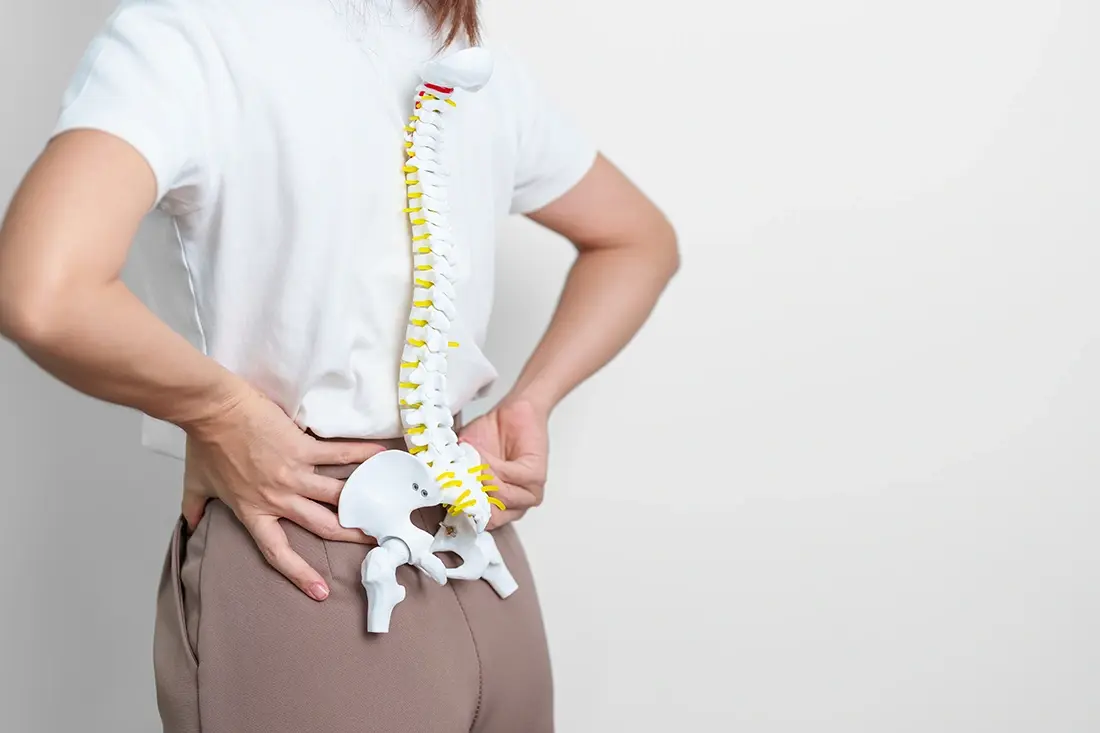
Degenerative Disc Disease
Degenerative disc disease occurs when the spinal discs gradually lose hydration and elasticity over time. As the discs become less effective at cushioning the vertebrae, this may lead to chronic back pain, stiffness and reduced flexibility of the spine.
Symptoms of Spine Injuries and When to See a Spine Specialist
Spine pain may present in different ways depending on which part of the spine is affected and whether nearby nerves are involved. Although mild back or neck discomfort can occasionally improve with rest, persistent symptoms may signal an underlying spinal condition that requires further evaluation.
People experiencing spine-related problems may notice symptoms such as:
- Ongoing pain in the neck, mid-back or lower back
- Stiffness that limits normal bending or turning of the spine
- Discomfort that worsens with prolonged sitting, standing or certain movements
- Pain that travels from the spine into the shoulders, arms, buttocks or legs
- Tingling or numbness in the limbs due to nerve irritation
- Muscle weakness in the arms or legs
- Reduced ability to perform daily tasks comfortably
Symptoms may appear gradually due to age-related degeneration, repetitive strain or posture-related stress on the spine. In other cases, they may begin suddenly following lifting injuries, falls or other physical strain. Medical evaluation may be advisable if pain persists despite rest, worsens over time, or is accompanied by radiating pain, numbness or weakness in the limbs.
Our Specialised Treatments for Spine Pain Conditions
Treatment for spine pain depends on the specific spinal condition, its severity and how much it affects daily function. At HC Orthopaedic Surgery, treatment options range from conservative care to advanced surgical procedures when necessary. The aim is to relieve nerve compression, stabilise the spine and support long-term recovery.

Slipped Disc Surgery
Surgery for a slipped or herniated disc may be recommended when the protruding disc compresses nearby spinal nerves and symptoms do not improve with conservative treatment. The procedure typically involves removing the portion of the disc that is pressing on the nerve to relieve pain, numbness or weakness.

Spinal Decompression Surgery
Spinal decompression surgery aims to relieve pressure on the spinal cord or surrounding nerves caused by conditions such as spinal stenosis or severe disc degeneration. The procedure involves removing or reshaping structures that compress the nerves, helping to reduce pain and improve mobility.

Minimally Invasive Spine Surgery
Minimally invasive spine surgery uses specialised instruments and smaller incisions to treat certain spinal conditions. These techniques may help reduce tissue disruption, support faster recovery and minimise post-operative discomfort compared with traditional open surgery in selected cases.
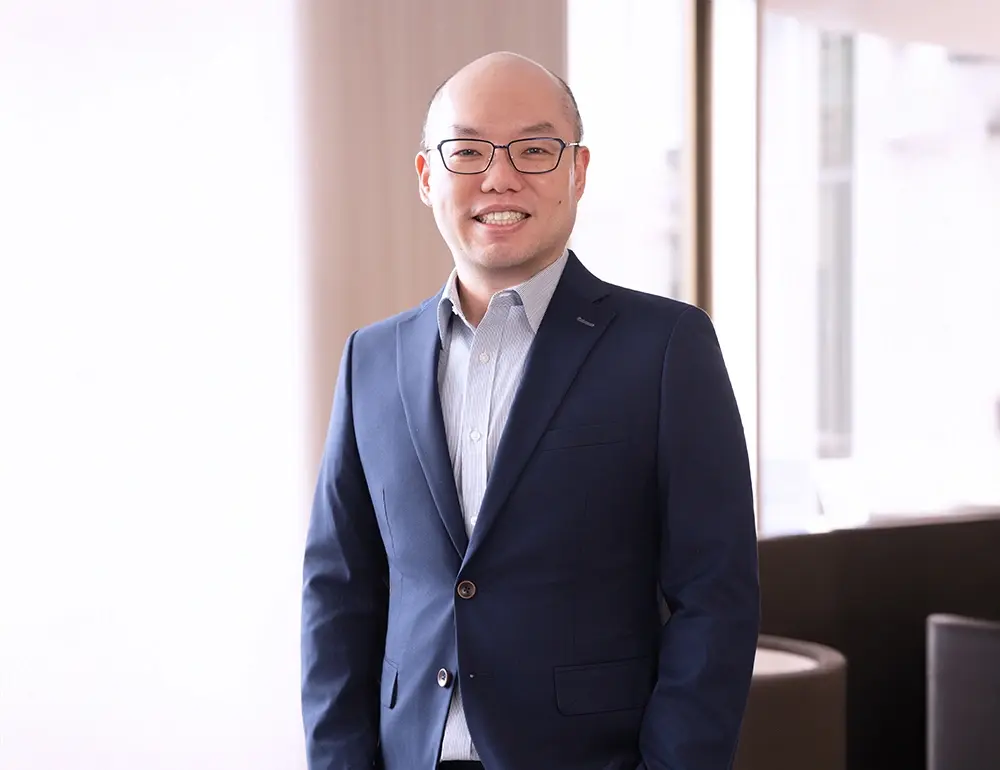
Orthopaedic Specialist
Our Spine Specialist, Dr Henry Chan
Senior Consultant Orthopaedic Surgeon
- Bachelor of Medicine, Bachelor of Surgery (MBBS), Singapore
- Member of the Royal College of Surgeons (MRCS), Edinburgh
- Master of Medicine (Orthopaedic Surgery), Singapore
- Fellow of the Royal College of Surgeons (Orthopaedics) (FRCSEd), Edinburgh
Dr Henry Chan is a consultant orthopaedic surgeon with 13+ years of experience and orthopaedic surgery. He has extensive clinical experience in diagnosing and managing a wide range of spine conditions, including degenerative spine disorders, slipped discs and nerve-related back pain.
He was awarded the Ministry of Health Singapore Health Manpower Development Plan (HMDP) Scholarship to complete a Revision Hip and Knee Arthroplasty Fellowship at the Helios Endo-Klinik in Hamburg, Germany, one of Europe’s largest centres dedicated to complex joint reconstruction.
Dr Chan previously spearheaded the Joint Replacement Unit at the Department of Orthopaedic Surgery at Tan Tock Seng Hospital and has performed more than 1,000 joint replacement procedures. In addition to joint reconstruction surgery, he manages patients with spine-related conditions that affect mobility, posture and nerve function.
Dr Chan is also known for adopting advanced surgical technologies and precise operative techniques to improve patient outcomes. He continues to contribute to orthopaedic education and has been invited to teach surgical techniques at regional training courses across Asia.
Why Choose HC Orthopaedic Surgery for Spine Pain
Our aim is to help patients relieve spine-related discomfort and return to daily activities with improved mobility and confidence. Whether spine pain arises from disc problems, nerve compression, degenerative changes or posture-related strain, our team focuses on identifying the underlying cause and recommending treatment options that support long-term spine health and function.
Experienced Orthopaedic Spine Care
Dr Henry Chan provides specialist evaluation and management for patients experiencing back and neck conditions. His clinical experience includes treating degenerative spine disorders, slipped discs and nerve-related spinal pain, with treatment plans tailored to each patient’s diagnosis and lifestyle needs.
Advanced Spine Treatment Approaches
When surgical intervention is required, modern techniques may be used to address specific spinal conditions. These may include procedures such as spinal decompression, slipped disc surgery and minimally invasive spine surgery, which are designed to relieve nerve compression and restore spinal stability.
Focus on Function and Recovery
Spine conditions can affect posture, mobility and everyday activities such as walking, sitting or lifting. Treatment focuses on reducing pain while supporting spinal stability and movement, helping patients return safely to work, exercise and daily routines.
Collaborative Orthopaedic Expertise
HC Orthopaedic Surgery brings together experienced orthopaedic specialists including Dr Henry Chan, Dr Nicholas Yeoh, Dr Toon Dong Hao and Dr Tang Zhi Hao. This collaborative approach allows patients with spine-related conditions to benefit from a broad range of orthopaedic expertise, particularly when complex cases involve multiple joints or musculoskeletal concerns.
Your Spine Treatment Journey at HC Orthopaedic Surgery
Spine pain can interfere with posture, mobility and many daily activities. At HC Orthopaedic Surgery, care focuses on identifying the precise cause of the problem and guiding patients through a structured treatment plan. From initial assessment to treatment and recovery, each stage is designed to support pain relief, spinal stability and safe return to everyday movement.
Diagnosis
Treatment
Rehabilitation and Long-term Spine Care
Who Is at Risk of Developing Spine Pain?
Spine pain can affect individuals of different ages and activity levels. However, certain lifestyle habits, occupations and health conditions may increase the likelihood of developing back or neck problems over time.
People who may be at higher risk of developing spine pain include:
Individuals with Sedentary Lifestyles
Spending long hours sitting, especially with poor posture, can place sustained pressure on the spine. Office workers and individuals who frequently use computers may develop neck or lower back pain due to prolonged sitting and inadequate spinal support.
Individuals with Physically Demanding Jobs
Jobs that involve heavy lifting, repetitive bending or prolonged standing can strain the spine. Occupations in construction, healthcare, logistics and manual labour may increase the risk of muscle strain, disc injuries or chronic back pain.
Older Adults
As people age, the discs and joints within the spine may gradually degenerate. These changes can increase the risk of conditions such as cervical or lumbar spondylosis, degenerative disc disease and spinal stenosis.
People with Previous Back or Neck Injuries
Individuals who have experienced prior spine injuries, such as disc problems or muscle strains, may be more prone to recurring episodes of back or neck pain.
Individuals with Poor Posture
Habitual poor posture, including slouching while sitting or standing, can place uneven stress on the spinal structures. Over time, this may contribute to muscle fatigue, spinal discomfort and degenerative changes.
Individuals with Excess Body Weight
Carrying excess body weight can increase mechanical stress on the spine, particularly the lower back. This added load may contribute to disc degeneration and chronic lower back pain.
How to Prevent Spine Pain
Although not all spine conditions can be prevented, certain lifestyle habits and movement practices may help lower the risk of developing back or neck pain. Maintaining good posture, muscle strength and flexibility plays an important role in supporting the spine during daily activities and physical exercise.
Maintain Good Posture
Proper posture while sitting, standing and working helps reduce unnecessary strain on the spine. Keeping the back aligned and using ergonomic support during prolonged sitting may help protect the neck and lower back.
Strengthen Core and Back Muscles
Strong core and back muscles help support the spine and maintain stability during movement. Regular exercises that strengthen these muscle groups may reduce pressure on the spinal structures and help prevent strain.
Warm Up Before Physical Activity
Engaging in a proper warm-up before exercise prepares the muscles and joints that support the spine. Gentle stretching and mobility exercises may improve flexibility and reduce the likelihood of muscle strain or injury.
Avoid Sudden or Excessive Strain
Heavy lifting, repetitive bending or sudden twisting movements can place stress on the spine. Using proper lifting techniques and avoiding abrupt increases in physical activity may help reduce the risk of injury.
Maintain a Healthy Body Weight
Excess body weight can place additional load on the spine, particularly the lower back. Maintaining a healthy weight may help reduce stress on spinal discs and joints.
Address Back or Neck Pain Early
Ignoring persistent spine discomfort may allow the condition to worsen over time. Early evaluation and appropriate management can help prevent minor issues from developing into more serious spine problems.
Non-Surgical Care
Home Remedies for Spine Pain
Mild spine pain caused by muscle strain, poor posture or overuse may sometimes improve with simple home care. These measures can help relieve discomfort and support recovery.
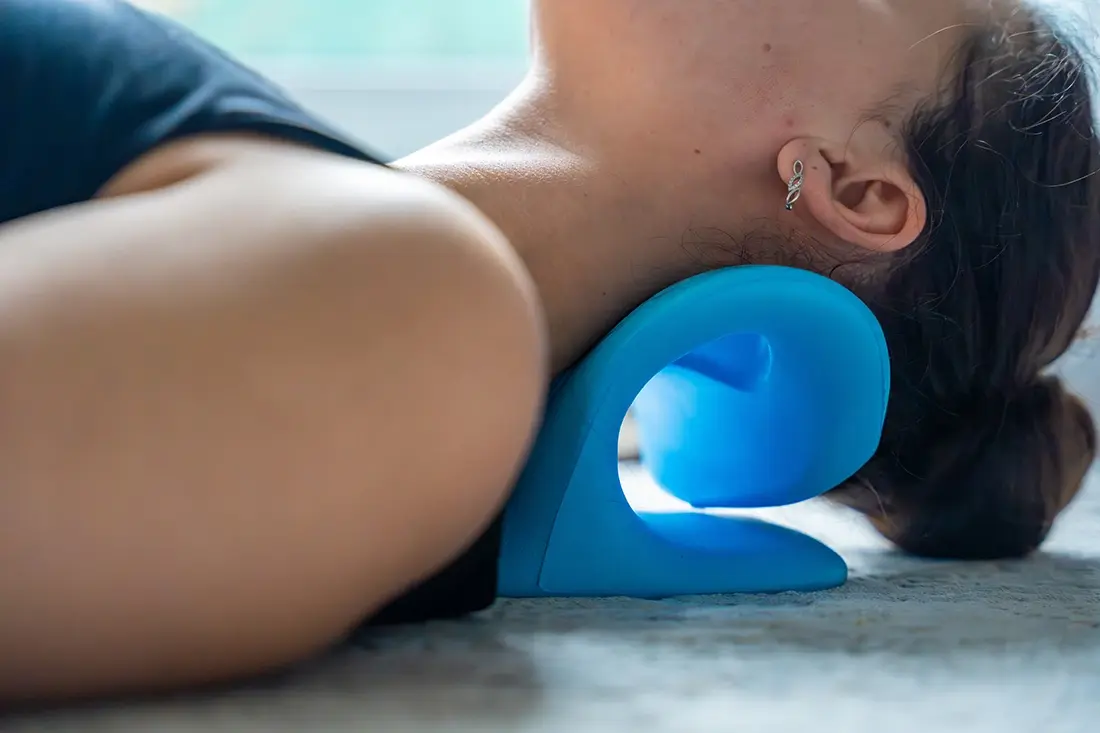
Rest the Back or Neck
Reducing activities that aggravate the pain, such as heavy lifting, prolonged sitting or repetitive bending, allows the spine time to recover.
Apply Cold or Warm Compress
Cold packs may help reduce inflammation during the early stages of injury. Once swelling subsides, warm compresses may help relax tight muscles and ease stiffness in the back or neck.
Gentle Stretching and Mobility Exercises
Light stretching and controlled spinal movements may help maintain flexibility and prevent stiffness, provided they do not worsen the pain.
Stay Lightly Active
While rest may help initially, prolonged inactivity can sometimes worsen stiffness. Gentle movements such as short walks or light mobility exercises may help keep the spine flexible during recovery.
Maintain Supportive Sleep Positions
Sleeping in a neutral spine position with adequate pillow support may help reduce strain on the neck and lower back during rest.
Over-the-counter Pain Relief
Non-prescription medications such as paracetamol or anti-inflammatory medicines may help relieve mild spine pain when used according to instructions.
Cost of Spine Pain Treatment in Singapore
The overall cost of managing spine pain in Singapore depends on the specific diagnosis and the treatment approach recommended. Expenses can vary based on the investigations required, whether surgery is necessary and the level of follow-up care involved during recovery.
Key Cost Drivers
Several factors can affect the cost of spine pain treatment in Singapore:
Type of treatment required
Diagnostic tests
Surgical Complexity
Hospital and facility fees
Post-treatment rehabilitation

Insurance and Financing
Some spine procedures may qualify for MediSave usage, depending on their classification under Singapore’s Table of Surgical Procedures. Patients covered by MediShield Life or Integrated Shield Plans may also receive insurance support for hospitalisation and surgery, which can help reduce personal medical expenses.
For a more accurate estimate, patients are encouraged to consult the clinic for a personalised cost assessment based on their diagnosis and recommended treatment plan.
Comprehensive Spine Care at HC Orthopaedic Surgery
Back and neck pain can stem from a variety of spinal conditions involving the vertebrae, discs, joints and surrounding nerves. Because the spine supports posture and enables everyday movements such as bending, lifting and sitting, persistent discomfort can gradually interfere with work, mobility and overall quality of life. Early assessment helps determine the underlying problem and allows treatment to be planned to relieve symptoms and protect long-term spinal health.
Comprehensive Spine Care at HC Orthopaedic Surgery
Back and neck pain can stem from a variety of spinal conditions involving the vertebrae, discs, joints and surrounding nerves. Because the spine supports posture and enables everyday movements such as bending, lifting and sitting, persistent discomfort can gradually interfere with work, mobility and overall quality of life. Early assessment helps determine the underlying problem and allows treatment to be planned to relieve symptoms and protect long-term spinal health.

Our Specialised Team
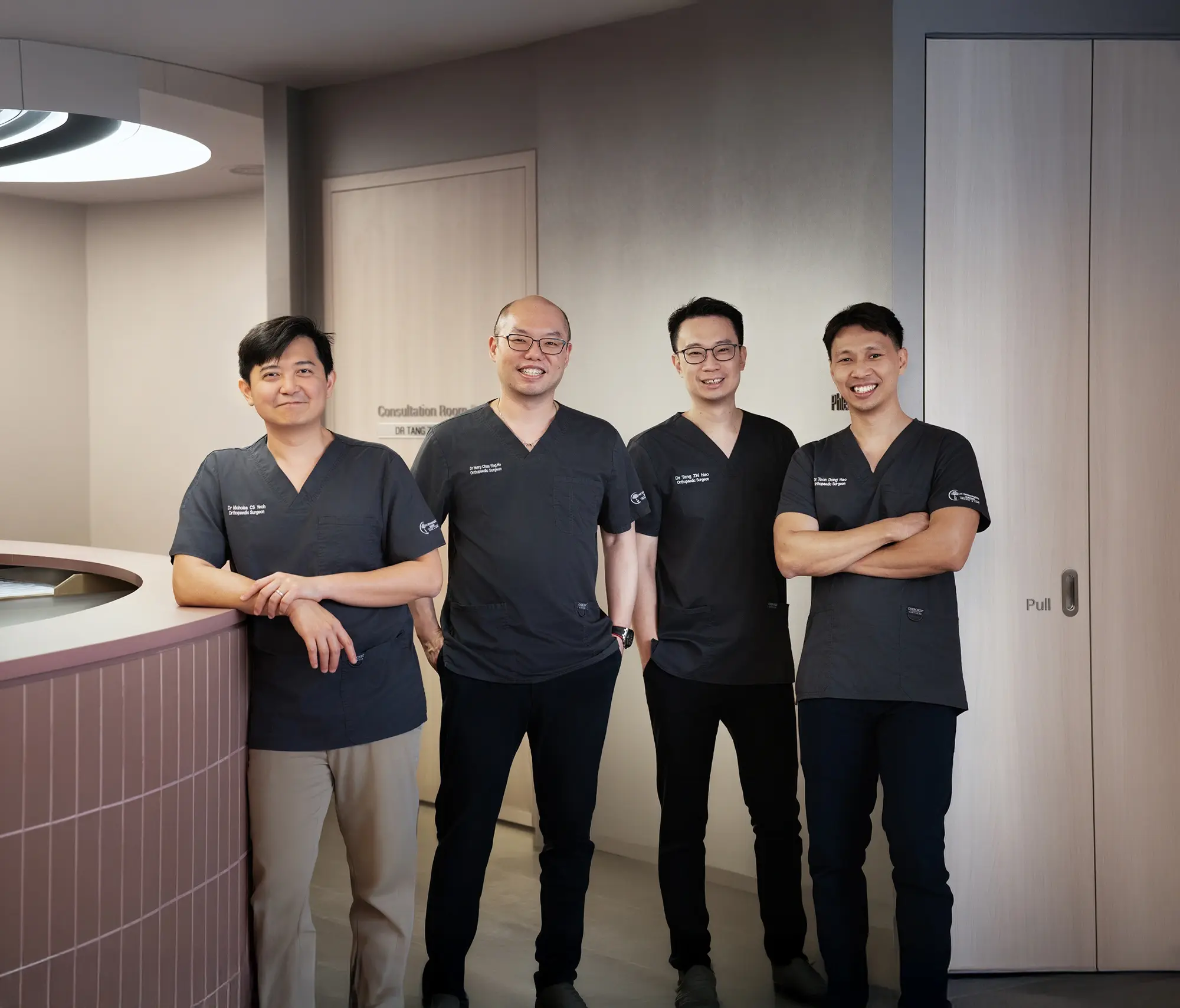
Spine care at HC Orthopaedic Surgery is led by Dr Henry Chan, a Senior Consultant Orthopaedic Surgeon experienced in evaluating and managing a wide range of spinal conditions, including slipped discs, degenerative spine changes and nerve-related back pain. His approach emphasises accurate diagnosis and tailored treatment plans, which may include non-surgical therapies or surgical procedures when appropriate. Patients may also benefit from the combined expertise of the HC Orthopaedic Surgery team, including Dr Nicholas Yeoh, Dr Toon Dong Hao and Dr Tang Zhi Hao, particularly when conditions involve multiple areas of the musculoskeletal system.
Frequently Asked Questions (FAQs) About Spine Pain
What does spine pain typically feel like?
Why does my back or neck pain worsen after sitting for long periods?
Can spine pain spread to the arms or legs?
When should spine pain be evaluated by a specialist?
Can spine pain improve without surgery?
Will I be able to return to normal activities after spine treatment?
Meet Our Specialist Team
Our team comprises Dr Henry Chan, Dr Nicholas Yeoh, Dr Toon Dong Hao, and Dr Tang Zhi Hao — experienced orthopaedic surgeons with subspecialty experience and a patient-centred approach to care.
Dr Henry Chan
Medical Director & Senior Consultant Orthopaedic Surgeon
MBBS (S’pore), MRCS (Edinburgh), MMed (Orthopaedic Surgery), FRCS (Edinburgh)
Dr Henry Chan is an experienced orthopaedic surgeon specialising in joint replacement and complex revision surgery. Trained at the renowned Helios Endo-Klinik in Germany under the MOH HMDP scholarship, he has performed over 1,000 joint replacements and specialises in computer-assisted and robotic joint replacement techniques for precise outcomes.
Dr Nicholas Yeoh
Senior Consultant Orthopaedic Surgeon
MBChB (Edinburgh), MRCS (Edinburgh), MMed (Orthopaedic Surgery), FRCS (Edinburgh)
Dr Nicholas Yeoh is an MOH-accredited orthopaedic specialist and Fellow of the Royal College of Surgeons of Edinburgh. Fellowship-trained in hip and knee reconstruction in Sydney under the MOH HMDP scholarship, he specialises in minimally invasive joint replacement, robotic surgery and advanced techniques that enhance recovery and surgical outcomes.
Dr Toon Dong Hao
Senior Consultant Orthopaedic Surgeon
MBChB (Leeds), MRCS (Edinburgh), MMed (Orthopaedic Surgery), FRCS (Edinburgh)
Dr Toon Dong Hao is a skilled orthopaedic surgeon and Fellow of the Royal College of Surgeons of Edinburgh. Fellowship-trained in Advanced Shoulder and Elbow Surgery in Sydney under the MOH HMDP scholarship, Dr Toon specialises in sports injuries, arthroscopic surgery and complex shoulder, elbow and knee procedures to restore function and mobility.
Dr Tang Zhi Hao
Senior Consultant Orthopaedic Surgeon
MBBS (S’pore), MRCS (Edinburgh), MMed (Orthopaedic Surgery), FRCS (Edinburgh)
Dr Tang Zhi Hao is a fellowship-trained orthopaedic surgeon specialising in foot and ankle conditions. He completed his Foot and Ankle Surgery fellowship at Severance Hospital, Yonsei University Health System in Seoul under Professor Jin Woo Lee. Prior to private practice, he served as Consultant and Deputy Head of Orthopaedics at Khoo Teck Puat Hospital.