
Shoulder Stabilisation Surgery
in Singapore

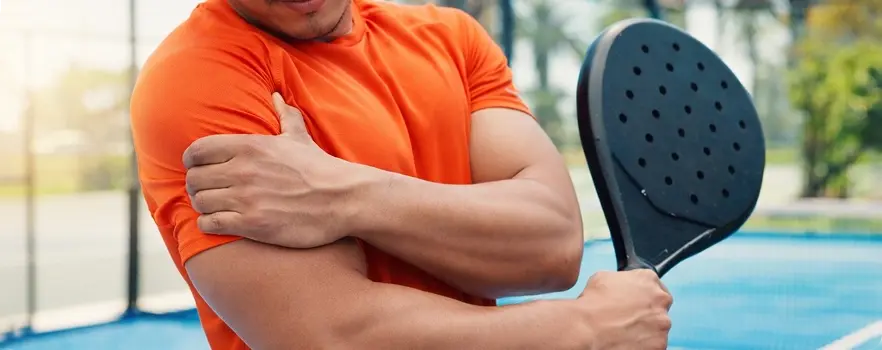
Shoulder instability can occur when the structures that keep the shoulder joint in place become stretched, torn or weakened after injury. Because the shoulder is the most mobile joint in the body, it is also more prone to dislocation or repeated slipping out of position. This can lead to persistent pain, weakness, a feeling that the shoulder may “give way”, and difficulty performing everyday activities or sports.
Shoulder stabilisation surgery is performed to restore stability to the shoulder joint by repairing or tightening the damaged ligaments, labrum or surrounding tissues. The procedure is typically recommended for patients who experience recurrent shoulder dislocations or ongoing instability that does not improve with non-surgical treatment. By addressing the underlying structural problem, shoulder stabilisation surgery aims to reduce the risk of future dislocations and help patients regain strength, confidence and function in the shoulder.
What Is Shoulder Stabilisation Surgery and Who Needs It?
Shoulder stabilisation surgery is a procedure performed to restore stability to the shoulder joint when the structures that hold the joint in place become damaged or stretched. The shoulder relies on ligaments, the labrum and surrounding muscles to maintain stability while allowing a wide range of motion. When these structures are injured, the shoulder may repeatedly slip out of position or dislocate.
The procedure typically involves repairing or tightening the torn or weakened tissues around the shoulder joint. In many cases, this is performed arthroscopically using small incisions and specialised instruments, although open surgery may be recommended for certain types of injuries. Shoulder stabilisation surgery may be recommended when the shoulder remains unstable despite non-surgical treatment such as physiotherapy, activity modification or bracing.
It is commonly indicated for conditions such as:
Recurrent shoulder dislocations
Repeated episodes where the shoulder joint slips out of place
Persistent shoulder instability
The shoulder frequently feels loose or prone to slipping during movement
Labral tears (Bankart lesions)
Damage to the cartilage rim that helps stabilise the shoulder joint after traumatic dislocation
Structural damage from traumatic shoulder injuries
Injuries affecting the ligaments or joint capsule that compromise shoulder stability
What to Expect From Shoulder Stabilisation Surgery
Shoulder stabilisation surgery usually involves careful preparation, a surgical procedure to repair the damaged stabilising structures of the shoulder and a structured rehabilitation programme to restore strength and joint stability.
How to Prepare
- Optimise existing medical conditions such as diabetes or high blood pressure
- Temporarily stop certain medications if recommended by your doctor
- Avoid food and drinks for a specified period before surgery
- Arrange for assistance at home during the early recovery period
Procedure Overview
- Small incisions are made around the shoulder to insert the arthroscope and surgical instruments
- A camera is used to provide a clear view of the shoulder joint structures
- Torn tissues such as the labrum and ligaments may be repaired and reattached to bone using sutures or anchors
- The joint capsule may be tightened where needed to improve stability
- The incisions are closed and dressed to protect the surgical site
Aftercare and Recovery
- Wearing a sling to support the shoulder during the early healing phase
- Beginning physiotherapy in a staged manner to restore movement and strength
- Taking prescribed medication to manage post-operative discomfort
- Attending follow-up consultations to monitor healing and recovery progress
Treatment Benefits
How Shoulder Stabilisation Surgery Helps Restore Stability and Function
Undergoing a stabilisation procedure offers several patient-facing benefits that focus on restoring your quality of life:
Improved Shoulder Stability
Repairing the damaged labrum and supporting ligaments helps keep the shoulder joint securely in place, reducing the risk of repeated dislocations.
Greater Confidence During Movement
Many patients experience less apprehension when lifting the arm or performing overhead activities once the shoulder joint becomes more stable.
Restoration of Strength and Function
By stabilising the joint, the surrounding muscles can work more effectively, helping patients regain strength and perform activities such as lifting, carrying or reaching more comfortably.
Reduced Risk of Further Joint Damage
Preventing repeated dislocations may help limit additional injury to cartilage, bone or soft tissues within the shoulder joint.
Return to Sports or Physical Activities
With appropriate rehabilitation, many patients are able to return to sports or physically demanding activities once shoulder strength and stability have been restored.
Understanding the Risks
Potential Risks and Complications of Shoulder Stabilisation Surgery
Shoulder stabilisation surgery is generally safe and widely performed to treat recurrent shoulder instability. However, as with any surgical procedure, certain risks and complications may occur.
Infection
Although uncommon, infection can develop at the surgical site. This risk is reduced through sterile surgical techniques and appropriate post-operative care.
Shoulder Stiffness
Some patients may experience temporary stiffness or reduced range of motion after surgery. Physiotherapy and rehabilitation exercises are important to help restore normal shoulder movement.
Recurrent Shoulder Instability
In some cases, the shoulder may continue to feel unstable or may dislocate again, particularly if the joint is subjected to excessive strain before healing is complete.
Nerve or Blood Vessel Injury
The shoulder joint is located near important nerves and blood vessels. Injury to these structures is rare but may lead to temporary numbness, weakness or altered sensation in the arm.
Persistent Pain or Incomplete Symptom Relief
While many patients experience improved stability after surgery, some may continue to have discomfort or limitations in shoulder function depending on the severity of the initial injury.
Cost of Shoulder Stabilisation Surgery in Singapore
The cost of shoulder stabilisation surgery in Singapore can vary depending on the specific procedure performed and the overall treatment plan recommended. Factors such as the complexity of the injury, surgical technique used and hospital arrangements may influence the total cost.
Key Cost Drivers
Several factors may affect the overall cost of shoulder stabilisation surgery:
Type of surgical procedure
Diagnostic tests
Hospital and facility fees
Surgical implants or anchors
Post-surgical rehabilitation

Insurance and Financing
Many shoulder stabilisation procedures may qualify for MediSave usage under Singapore’s Table of Surgical Procedures, depending on the specific procedure performed. Patients covered by MediShield Life or Integrated Shield Plans may also receive insurance support for hospitalisation and surgery, subject to policy coverage.
For a more accurate estimate, patients are encouraged to consult the clinic for a personalised cost assessment based on their diagnosis, treatment plan and hospital arrangements.
Restoring Shoulder Stability at HC Orthopaedic Surgery
Recurrent shoulder dislocations or ongoing instability can gradually affect confidence in everyday movements, especially when lifting the arm, reaching overhead or participating in sports. When the shoulder repeatedly slips out of place, the supporting ligaments and cartilage may sustain further damage over time. Early specialist assessment helps identify the underlying cause of instability and determine whether shoulder stabilisation surgery or other treatments may help restore joint security and prevent future dislocations.
Restoring Shoulder Stability at HC Orthopaedic Surgery
Recurrent shoulder dislocations or ongoing instability can gradually affect confidence in everyday movements, especially when lifting the arm, reaching overhead or participating in sports. When the shoulder repeatedly slips out of place, the supporting ligaments and cartilage may sustain further damage over time. Early specialist assessment helps identify the underlying cause of instability and determine whether shoulder stabilisation surgery or other treatments may help restore joint security and prevent future dislocations.

Our Specialised Team
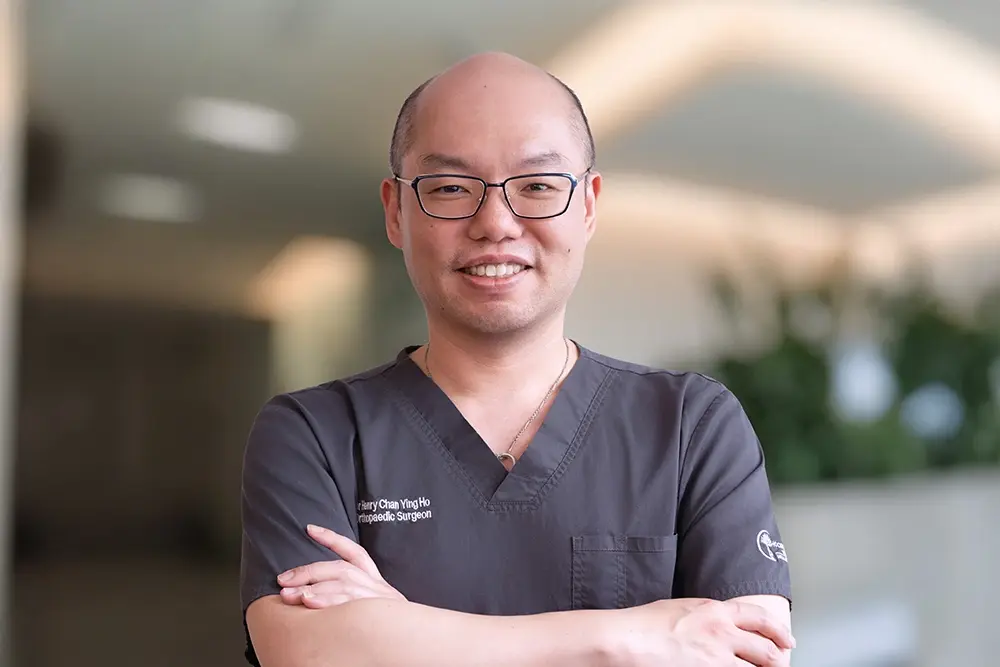
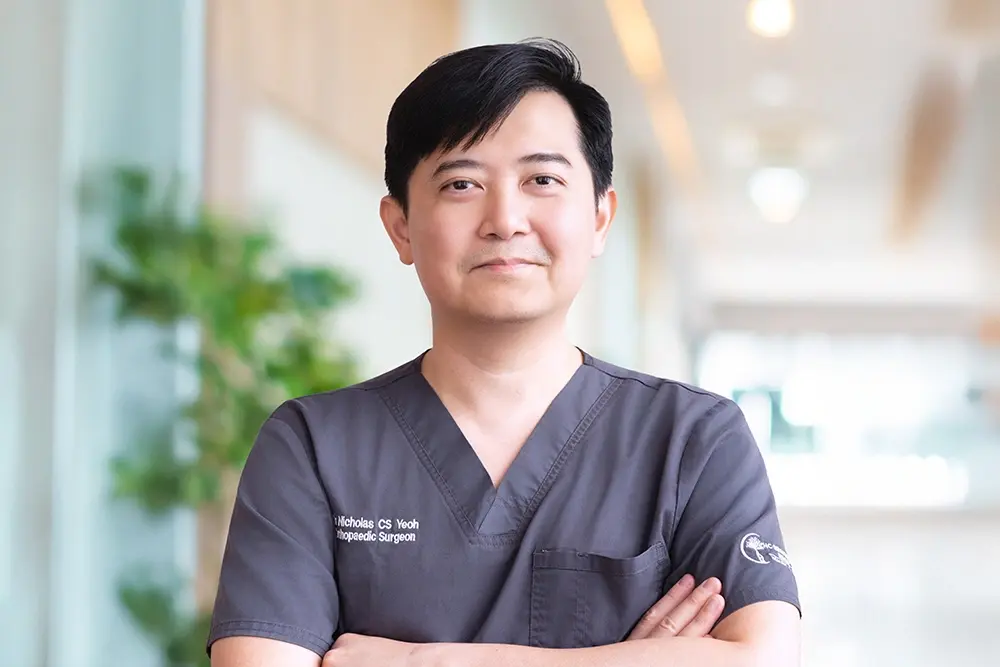
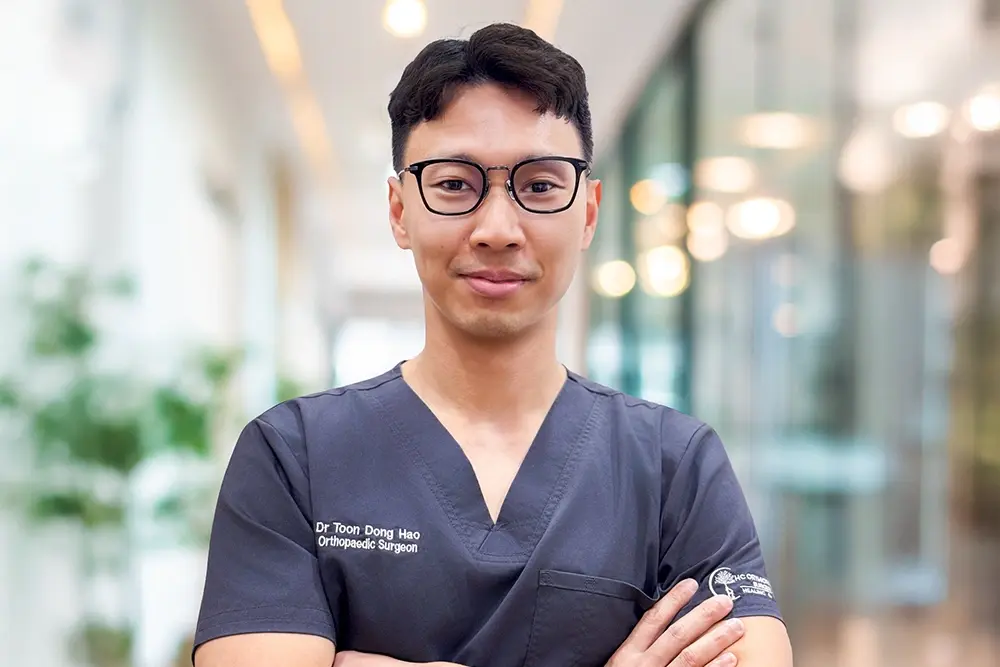
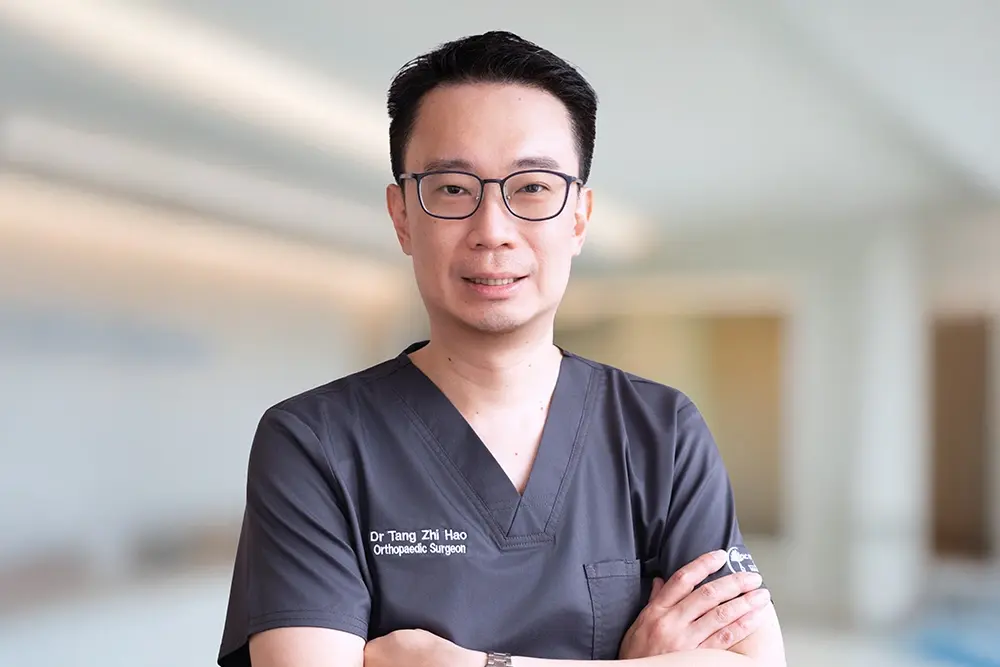
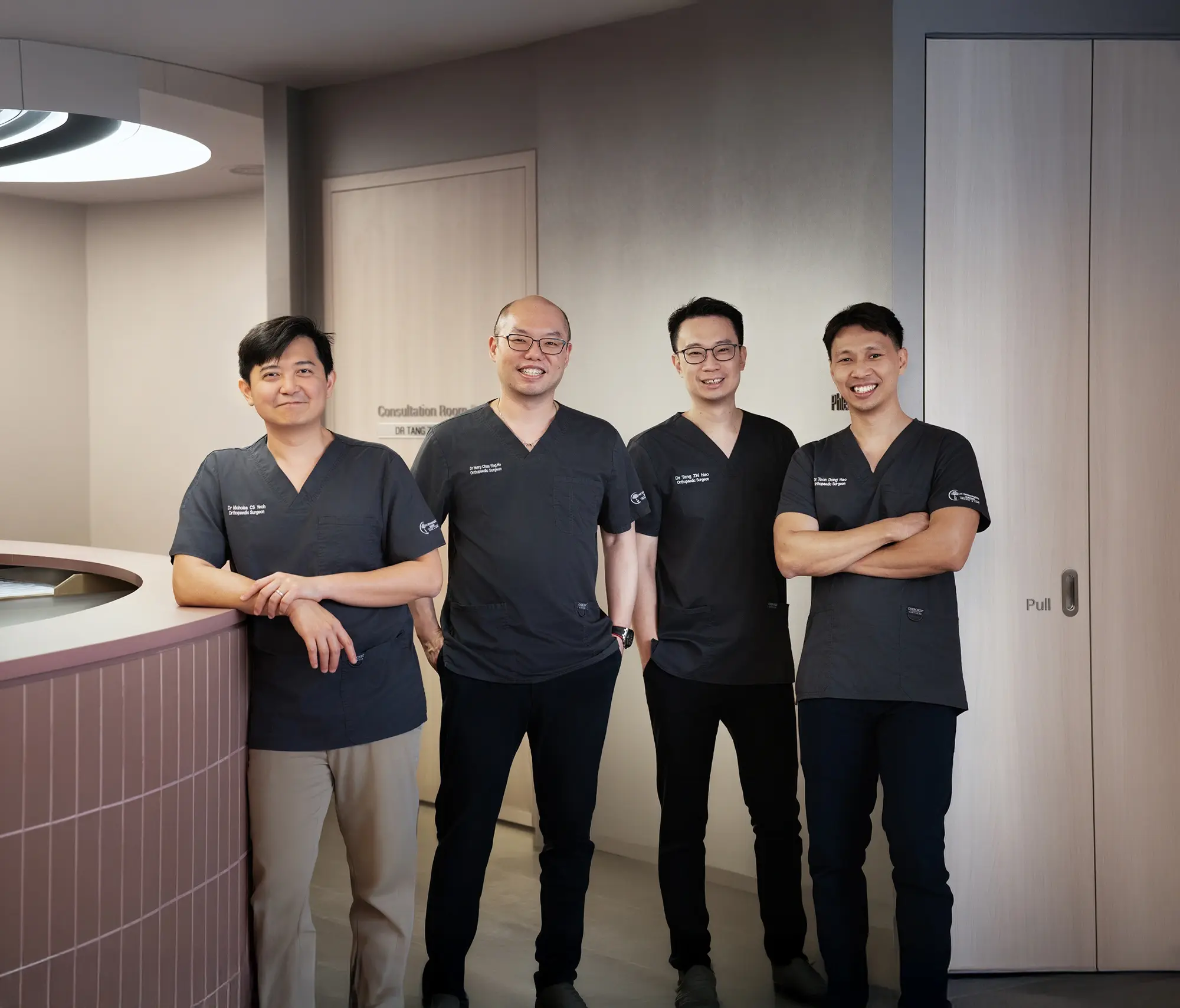
At HC Orthopaedic Surgery, patients receive personalised care for a wide range of shoulder conditions, including recurrent dislocations, labral tears and shoulder instability. The team comprises Dr Henry Chan, Dr Nicholas Yeoh, Dr Toon Dong Hao and Dr Tang Zhi Hao, who collectively manage a broad spectrum of orthopaedic conditions. In particular, Dr Toon has completed advanced fellowship training in shoulder and elbow surgery in Sydney, Australia. Patients are supported from diagnosis through post-operative rehabilitation to help restore shoulder stability and safely return to daily activities and sports.
Frequently Asked Questions (FAQs) About Shoulder Stabilisation Surgery
Will I have visible scarring after the procedure?
Can shoulder stabilisation surgery fail or the shoulder dislocate again?
How long will I need to wear a sling after shoulder stabilisation surgery?
When can I start driving again after shoulder stabilisation surgery?
Will I regain full shoulder range of motion after surgery?
Can I return to contact sports like rugby or martial arts again?
Meet Our Specialist Team
Our team comprises Dr Henry Chan, Dr Nicholas Yeoh, Dr Toon Dong Hao, and Dr Tang Zhi Hao — experienced orthopaedic surgeons with subspecialty experience and a patient-centred approach to care.
Dr Henry Chan
Medical Director & Senior Consultant Orthopaedic Surgeon
MBBS (S’pore), MRCS (Edinburgh), MMed (Orthopaedic Surgery), FRCS (Edinburgh)
Dr Henry Chan is an experienced orthopaedic surgeon specialising in joint replacement and complex revision surgery. Trained at the renowned Helios Endo-Klinik in Germany under the MOH HMDP scholarship, he has performed over 1,000 joint replacements and specialises in computer-assisted and robotic joint replacement techniques for precise outcomes.
Dr Nicholas Yeoh
Senior Consultant Orthopaedic Surgeon
MBChB (Edinburgh), MRCS (Edinburgh), MMed (Orthopaedic Surgery), FRCS (Edinburgh)
Dr Nicholas Yeoh is an MOH-accredited orthopaedic specialist and Fellow of the Royal College of Surgeons of Edinburgh. Fellowship-trained in hip and knee reconstruction in Sydney under the MOH HMDP scholarship, he specialises in minimally invasive joint replacement, robotic surgery and advanced techniques that enhance recovery and surgical outcomes.
Dr Toon Dong Hao
Senior Consultant Orthopaedic Surgeon
MBChB (Leeds), MRCS (Edinburgh), MMed (Orthopaedic Surgery), FRCS (Edinburgh)
Dr Toon Dong Hao is a skilled orthopaedic surgeon and Fellow of the Royal College of Surgeons of Edinburgh. Fellowship-trained in Advanced Shoulder and Elbow Surgery in Sydney under the MOH HMDP scholarship, Dr Toon specialises in sports injuries, arthroscopic surgery and complex shoulder, elbow and knee procedures to restore function and mobility.
Dr Tang Zhi Hao
Senior Consultant Orthopaedic Surgeon
MBBS (S’pore), MRCS (Edinburgh), MMed (Orthopaedic Surgery), FRCS (Edinburgh)
Dr Tang Zhi Hao is a fellowship-trained orthopaedic surgeon specialising in foot and ankle conditions. He completed his Foot and Ankle Surgery fellowship at Severance Hospital, Yonsei University Health System in Seoul under Professor Jin Woo Lee. Prior to private practice, he served as Consultant and Deputy Head of Orthopaedics at Khoo Teck Puat Hospital.