
Shoulder Impingement:
Symptoms, Causes and Treatments


Shoulder impingement is a common source of shoulder pain, particularly in individuals who perform repetitive overhead movements or lifting activities. It develops when the soft tissues responsible for stabilising and moving the shoulder are repeatedly compressed during arm elevation, leading to irritation and inflammation.
Over time, this mechanical friction can cause persistent pain, weakness, and difficulty with daily activities such as reaching overhead, dressing, or sleeping on the affected side. If not addressed, ongoing impingement may contribute to tendon degeneration or rotator cuff injury.
Understanding the Condition
What Is Shoulder Impingement?
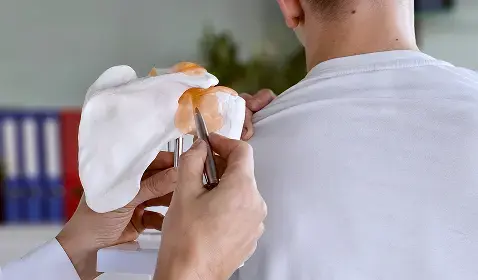
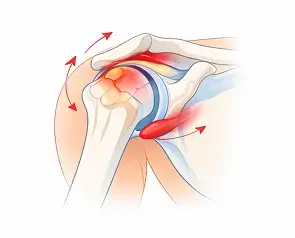
Shoulder impingement, also known as subacromial impingement, occurs when the rotator cuff tendons and surrounding bursa are compressed between the humeral head and the acromion.
This narrowing of the subacromial space typically becomes symptomatic during overhead or repetitive shoulder movements, leading to pain and restricted motion.
What Are the Common Symptoms of Shoulder Impingement?
Symptoms of shoulder impingement often develop gradually and may progress from mild irritation to persistent pain that interferes with daily activities and sleep.
Pain with Overhead Movements
Lifting the arm above the head can cause sharp or aching pain due to tendon and bursa compression.
Weakness
The shoulder may feel weak, making it hard to lift, carry or hold objects.
Limited Range of Motion
Inflammation and irritation can restrict shoulder movement, making certain positions uncomfortable or difficult.
Night Pain
Pain often worsens at night, especially when lying on the affected shoulder, disrupting sleep.
Clicking or Popping Sensations
Tendons rubbing against the shoulder structures can cause catching, clicking or grinding noises during movement.
Why It Happens
What Causes Shoulder Impingement?
Shoulder impingement develops when the space within the shoulder joint becomes narrowed during arm movement, leading to repeated compression of the rotator cuff tendons and surrounding bursa. This narrowing may result from the following causes:
Repetitive Overhead Movements
Frequent lifting or reaching overhead can compress the tendons and bursa, leading to irritation.
Rotator Cuff Tendon Injuries
Tears or inflammation of the rotator cuff tendons can cause them to rub against surrounding structures.
Bone Spurs
Extra bone growth in the shoulder can narrow the space for tendons and bursa, causing pinching.
Traumatic Injuries
Falls, sudden impacts or accidents can damage shoulder structures, resulting in impingement.
Inflammation of Soft Tissues
Swelling in the tendons or bursa increases friction, leading to pain and restricted movement.
Know Your Risk Profile
What Are the Risk Factors for Shoulder Impingement?
Several factors can increase the risk of developing shoulder impingement, including:
Age
People over 40 are more likely to develop shoulder impingement as tendons naturally lose flexibility.
Repetitive Overhead Activities
Sports or jobs that involve frequent overhead movements, like swimming or painting can increase the risk.
Previous Shoulder Problems
A history of shoulder injuries, such as rotator cuff tears or dislocations, can make impingement more likely.
Poor Posture
Rounded shoulders or slouching can reduce space in the shoulder joint, raising the risk of tendon compression.
Muscle Imbalances or Weakness
Weak or unbalanced shoulder muscles can lead to improper movement, increasing the chance of impingement over time.
Understanding the Differences
What are the Types of Shoulder Impingement?
Shoulder impingement is generally classified based on the underlying cause and the parts involved in the shoulder:
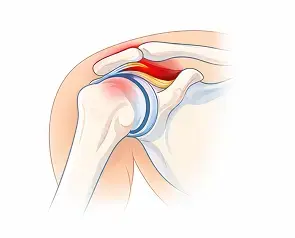
External (Subacromial) Impingement
This occurs when the rotator cuff tendons and the bursa get pinched between the top of the arm bone and the shoulder blade. It is the most common type and usually causes pain during lifting or overhead movements.
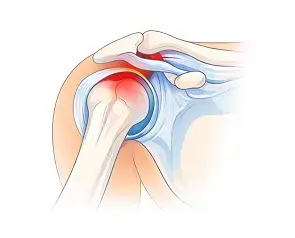
Internal (Posterior or Internal-Contact) Impingement
This happens when the tendons at the back of the shoulder are pinched against the shoulder socket, commonly in athletes who perform repetitive overhead or throwing motions. It can cause pain, weakness and limited movement, especially during throwing or lifting activities.
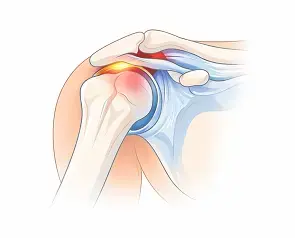
Primary Impingement
This is caused by changes in the parts of the shoulder, such as bone spurs or a narrowed space, which directly pinch the tendons. It usually develops gradually and can worsen if the underlying bone or joint changes are not treated.
Secondary Impingement
This happens when weak muscles, poor shoulder movement or instability cause the tendons to get pinched. It is more common in younger athletes and can improve with strengthening and rehab exercises.
Understanding Your Evaluation
How Is Shoulder Impingement Diagnosed?
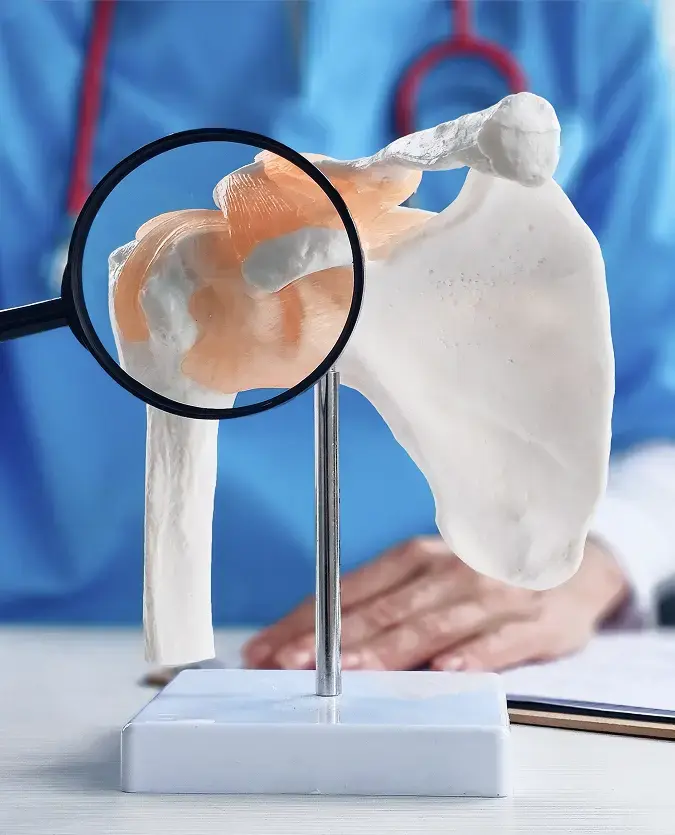
Diagnosis is based on a detailed clinical evaluation to assess pain patterns, shoulder movement, and strength. Imaging studies may be used to confirm tendon involvement and rule out other structural conditions.
Understanding Your Evaluation
How Is Shoulder Impingement Diagnosed?
Diagnosis is based on a detailed clinical evaluation to assess pain patterns, shoulder movement, and strength. Imaging studies may be used to confirm tendon involvement and rule out other structural conditions.
Medical History
The doctor asks about symptoms, daily activities, work or sports involvement and any previous shoulder injuries to understand possible causes of the pain.
Physical Examination
The doctor gently moves the shoulder in different directions to check for pain, weakness and limited movement.
Range of Motion Tests
Simple arm movements are done to see if lifting or rotating the shoulder causes discomfort.
Imaging Tests
X-rays, ultrasound or MRI scans may be used to look at the bones, tendons and other soft tissues inside the shoulder.
Exclusion of Other Conditions
Additional assessments may be done to rule out problems such as rotator cuff tears, frozen shoulder or arthritis that can cause similar symptoms.
Exploring Treatment Options
Shoulder Impingement Treatments in Singapore
Treatment aims to reduce tendon irritation, correct biomechanical strain, and restore pain-free shoulder movement. While most cases respond well to conservative management, surgery may be recommended for persistent or severe symptoms.

Non-Surgical Treatments
Non-surgical treatment is usually the first step for shoulder impingement. This may include:
Anti-Inflammatory Medications
These help reduce pain and swelling, making daily movements more comfortable.
Physiotherapy
Targeted exercises improve shoulder strength and flexibility while correcting movement patterns that contribute to impingement.
Corticosteroid Injections
A carefully placed injection can reduce inflammation and provide temporary pain relief when other measures are not enough.
Activity Modification
Changing the way activities are done, especially movements that involve lifting the arm overhead, can reduce strain on the shoulder.

Surgical Treatments
Surgery may be considered if symptoms do not improve with conservative care. Common surgical procedures include:
Arthroscopic Subacromial Decompression
This is a minimally invasive procedure that removes bone spurs or tight tissue in the shoulder. It creates more space for the tendons and helps reduce pinching and pain.
Rotator Cuff Repair
If a rotator cuff tear is present alongside impingement, surgery may be performed to repair the damaged tendon. This helps restore shoulder strength, mobility, and overall function.
Get Relief From Shoulder Impingement at HC Orthopaedic Surgery
Shoulder impingement should not be ignored, as persistent pain and limited movement can worsen over time and affect daily activities. Early assessment and proper treatment are essential to prevent long-term damage and restore shoulder function effectively.
Get Relief From Shoulder Impingement at HC Orthopaedic Surgery
Shoulder impingement should not be ignored, as persistent pain and limited movement can worsen over time and affect daily activities. Early assessment and proper treatment are essential to prevent long-term damage and restore shoulder function effectively.

Our Specialised Team
At HC Orthopaedic Surgery, patients can be assured that we provide effective, evidence-based care tailored to each individual’s needs, ensuring thorough assessment, accurate diagnosis and personalised treatment plans for optimal recovery and shoulder function.
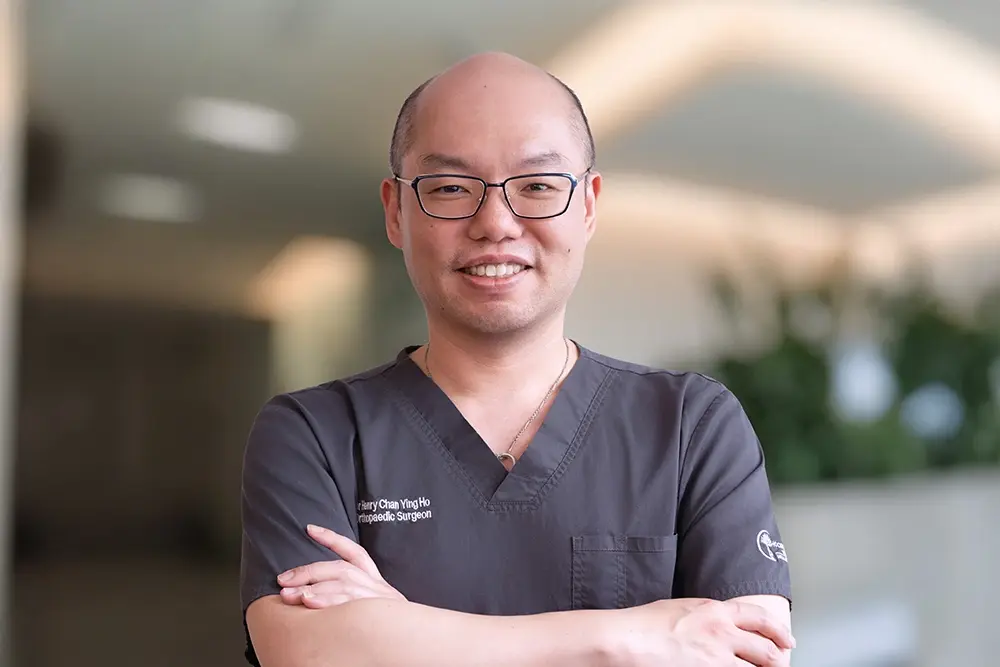
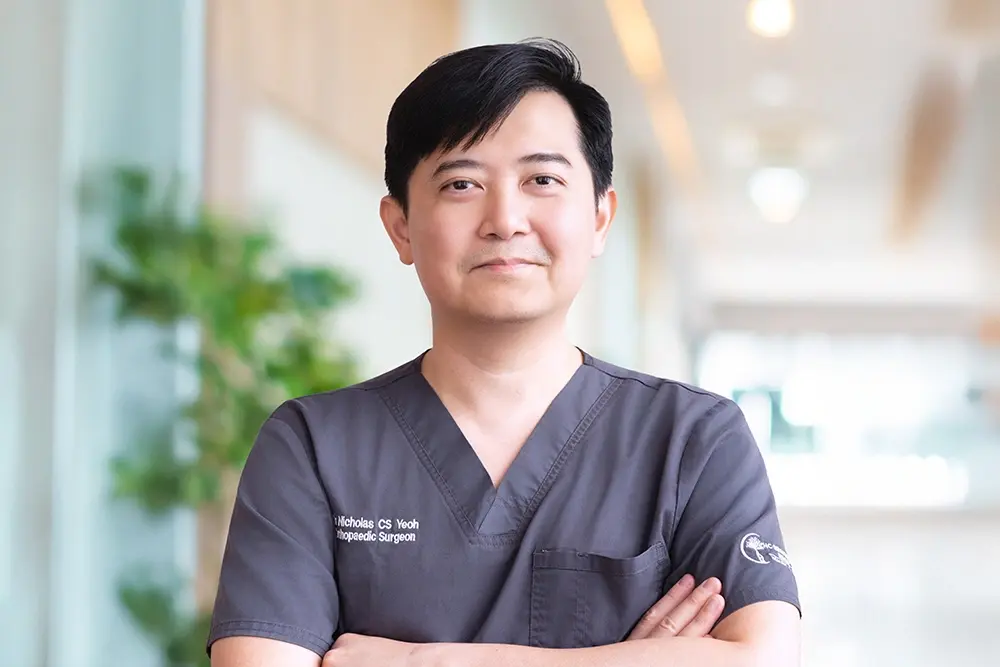
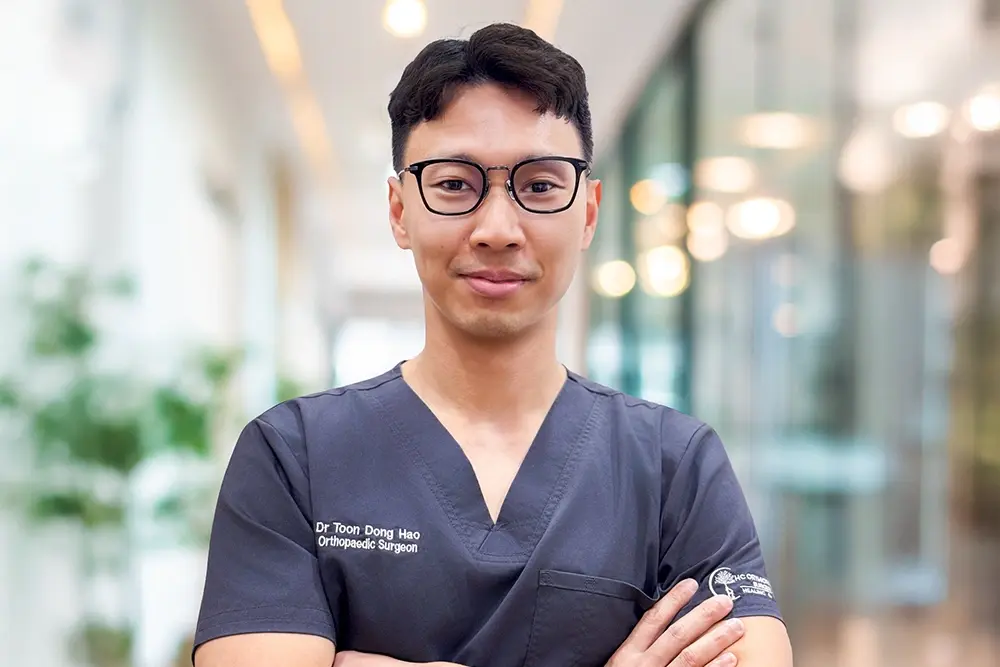
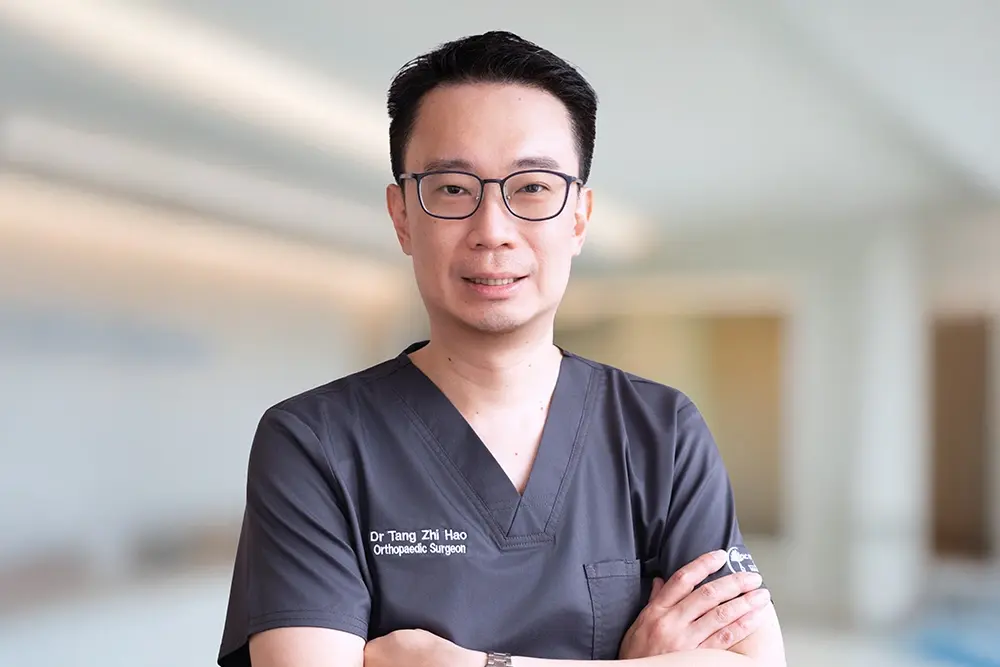
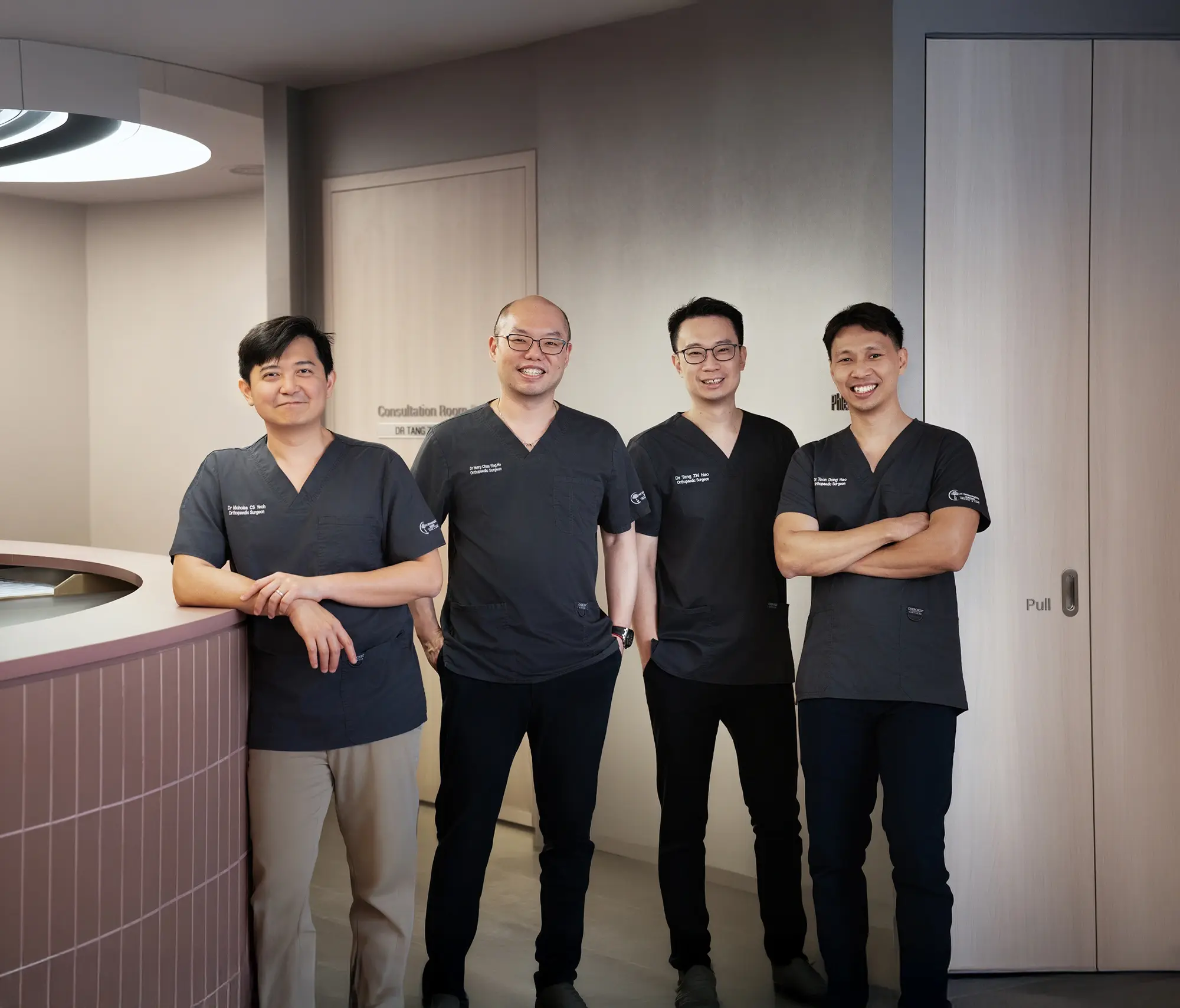
Our specialists, Dr Henry Chan, Dr Nicholas Yeoh, Dr Toon Dong Hao and Dr Tang Zhi Hao, are experienced in the management of shoulder conditions, in particular Dr Toon, who was awarded the Health Manpower Development Plan (HMDP) Scholarship by the Ministry of Health Singapore and undertook his fellowship in Advanced Shoulder and Elbow Surgery in Sydney, Australia. Get in touch with us today to receive safe and effective care for your shoulder.
Frequently Asked Questions (FAQs) About Shoulder Impingement
Can shoulder impingement lead to other shoulder problems if untreated?
Can lifestyle changes help prevent recurrence of shoulder impingement?
Can poor posture contribute to shoulder impingement?
Meet Our Specialist Team
Our team comprises Dr Henry Chan, Dr Nicholas Yeoh, Dr Toon Dong Hao, and Dr Tang Zhi Hao — experienced orthopaedic surgeons with subspecialty experience and a patient-centred approach to care.
Dr Henry Chan
Medical Director & Senior Consultant Orthopaedic Surgeon
MBBS (S’pore), MRCS (Edinburgh), MMed (Orthopaedic Surgery), FRCS (Edinburgh)
Dr Henry Chan is an experienced orthopaedic surgeon specialising in joint replacement and complex revision surgery. Trained at the renowned Helios Endo-Klinik in Germany under the MOH HMDP scholarship, he has performed over 1,000 joint replacements and specialises in computer-assisted and robotic joint replacement techniques for precise outcomes.
Dr Nicholas Yeoh
Senior Consultant Orthopaedic Surgeon
MBChB (Edinburgh), MRCS (Edinburgh), MMed (Orthopaedic Surgery), FRCS (Edinburgh)
Dr Nicholas Yeoh is an MOH-accredited orthopaedic specialist and Fellow of the Royal College of Surgeons of Edinburgh. Fellowship-trained in hip and knee reconstruction in Sydney under the MOH HMDP scholarship, he specialises in minimally invasive joint replacement, robotic surgery and advanced techniques that enhance recovery and surgical outcomes.
Dr Toon Dong Hao
Senior Consultant Orthopaedic Surgeon
MBChB (Leeds), MRCS (Edinburgh), MMed (Orthopaedic Surgery), FRCS (Edinburgh)
Dr Toon Dong Hao is a skilled orthopaedic surgeon and Fellow of the Royal College of Surgeons of Edinburgh. Fellowship-trained in Advanced Shoulder and Elbow Surgery in Sydney under the MOH HMDP scholarship, Dr Toon specialises in sports injuries, arthroscopic surgery and complex shoulder, elbow and knee procedures to restore function and mobility.
Dr Tang Zhi Hao
Senior Consultant Orthopaedic Surgeon
MBBS (S’pore), MRCS (Edinburgh), MMed (Orthopaedic Surgery), FRCS (Edinburgh)
Dr Tang Zhi Hao is a fellowship-trained orthopaedic surgeon specialising in foot and ankle conditions. He completed his Foot and Ankle Surgery fellowship at Severance Hospital, Yonsei University Health System in Seoul under Professor Jin Woo Lee. Prior to private practice, he served as Consultant and Deputy Head of Orthopaedics at Khoo Teck Puat Hospital.