
Rotator Cuff Repair
in Singapore

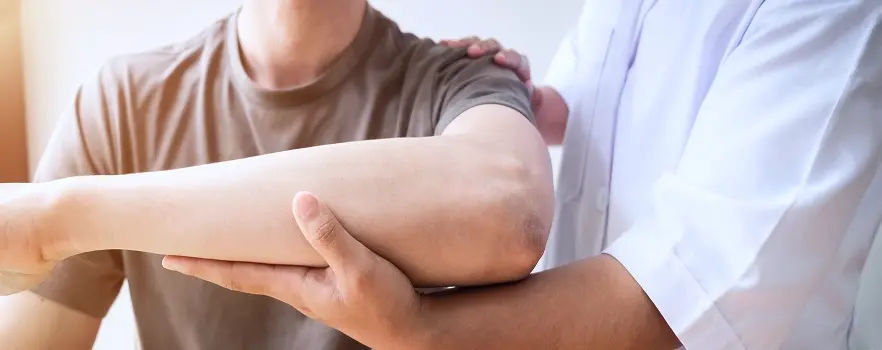
If you struggle to lift your arm without pain, notice weakness when reaching overhead, or wake at night with a persistent shoulder ache, you may be dealing with a rotator cuff tear. Simple tasks such as combing your hair, fastening a seatbelt, or reaching into a cupboard can become frustrating and limited. For active individuals, shoulder pain may also prevent participation in work duties, exercise, or sports.
The rotator cuff is a group of four muscles and tendons that stabilise the shoulder and enable smooth, controlled movement. When a tendon is torn and symptoms persist despite rest, corticosteroid injections, and structured physiotherapy, surgery may be considered. Rotator cuff repair is an evidence-based procedure that reattaches the torn tendon to the humerus, with the aim of reducing pain, restoring stability, and improving long-term shoulder strength and function.
What Is Rotator Cuff Repair and Who Needs It?
Rotator cuff repair is a procedure used to fix a tear in one or more of the tendons that stabilise the shoulder. This surgery can be performed through minimally invasive arthroscopic techniques or open surgery, depending on the size and age of the tear.
Common Conditions and Candidates
Surgery is often recommended for patients experiencing:
- Acute Traumatic Tears
Sudden injuries caused by a fall or lifting a heavy object.
- Degenerative Tears
Chronic wear and tear that occurs over time, common in patients over 40.
- Full-Thickness Tears
Where the tendon is completely detached from the bone.
- Partial Tears
Where the tendon is damaged but not fully severed, yet still causing significant pain and weakness.`
When Conservative Care Is No Longer Enough
While minor strains may heal with rest and therapy, larger tears generally do not heal on their own because the muscle is constantly pulling the tendon away from its attachment point. If you continue to experience "night pain" that prevents sleep, or if your arm weakness is hindering your ability to work or care for yourself despite non-surgical efforts, surgical repair is usually the next clinical step.
What to Expect From Rotator Cuff Repair
Rotator cuff repair is a structured process that extends beyond the operation itself. From preparation to rehabilitation, each stage is designed to protect the healing tendon, manage discomfort and gradually restore strength and mobility.
How to Prepare
- Following fasting and medication instructions carefully
- Arranging help at home for daily activities
- Preparing loose clothing and positioning frequently used items within easy reach
Procedure Overview
Aftercare and Recovery
Why It Happens
How Does Rotator Cuff Repair Help You?
Undergoing a professional repair offers several life-changing benefits:
Restoration of Sleep Quality
Eliminating the deep, nocturnal ache allows for uninterrupted rest and better overall health.
Regained Overhead Mobility
Return to reaching for high shelves, swimming, or playing tennis without pain or clicking.
Increased Lifting Power
By re-establishing the tendon-to-bone connection, the shoulder can once again generate the force needed for manual tasks.
Prevention of Muscle Atrophy
Timely repair prevents the muscle from wasting away or turning into fat (fatty infiltration), which can happen if a tear is left untreated for too long.
Know Your Risk Profile
Risks and Potential Complications of Rotator Cuff Repair
Rotator cuff repair is a commonly performed and generally safe procedure. However, as with any surgery, certain risks remain. Careful patient selection, meticulous surgical technique and structured rehabilitation all play an important role in reducing these risks.
Potential complications include:
Tendon Re-tear
In some cases, the tendon may not fully heal to the bone or may tear again, particularly in larger tears or in patients with poorer tissue quality. Adhering to post-operative restrictions and physiotherapy significantly reduces this risk.
Shoulder Stiffness
A small number of patients may develop post-operative stiffness, sometimes referred to as frozen shoulder. This is usually temporary and improves with guided physiotherapy and rehabilitation.
Nerve irritation or Injury
Injury to surrounding nerves is uncommon. When it occurs, symptoms such as numbness or weakness are often temporary and resolve over time.
Infection
The risk of infection is low and is minimised through strict sterile protocols, prophylactic antibiotics and close post-operative monitoring.
Cost of Rotator Cuff Repair in Singapore
The cost of rotator cuff repair can vary depending on several clinical and logistical factors. A personalised consultation is necessary to provide an accurate estimate, as treatment plans are tailored to the severity of the tear, surgical complexity and individual medical needs.
Key Cost Drivers
Several factors influence the overall cost of surgery:
Surgical technique
Number of anchors used
Hospital stay

Insurance and Financing
Rotator cuff repair is a standard orthopaedic procedure often covered by Integrated Shield Plans and private health insurance. Patients can also use MediSave and MediShield Life to cover a portion of the surgical and hospital fees, making the procedure accessible for those who need it.
Restoring Shoulder Function at HC Orthopaedic Surgery
The goal of rotator cuff repair is to restore the natural mechanics of your shoulder, allowing you to move with the strength and fluidity you once had. Because these tendons are essential for almost every arm movement, addressing a tear early can prevent the long-term deterioration of the joint and the development of "cuff tear arthropathy," a severe form of arthritis. By choosing a surgical pathway, you are investing in the long-term health and mobility of your upper body.
Restoring Shoulder Function at HC Orthopaedic Surgery
The goal of rotator cuff repair is to restore the natural mechanics of your shoulder, allowing you to move with the strength and fluidity you once had. Because these tendons are essential for almost every arm movement, addressing a tear early can prevent the long-term deterioration of the joint and the development of "cuff tear arthropathy," a severe form of arthritis. By choosing a surgical pathway, you are investing in the long-term health and mobility of your upper body.

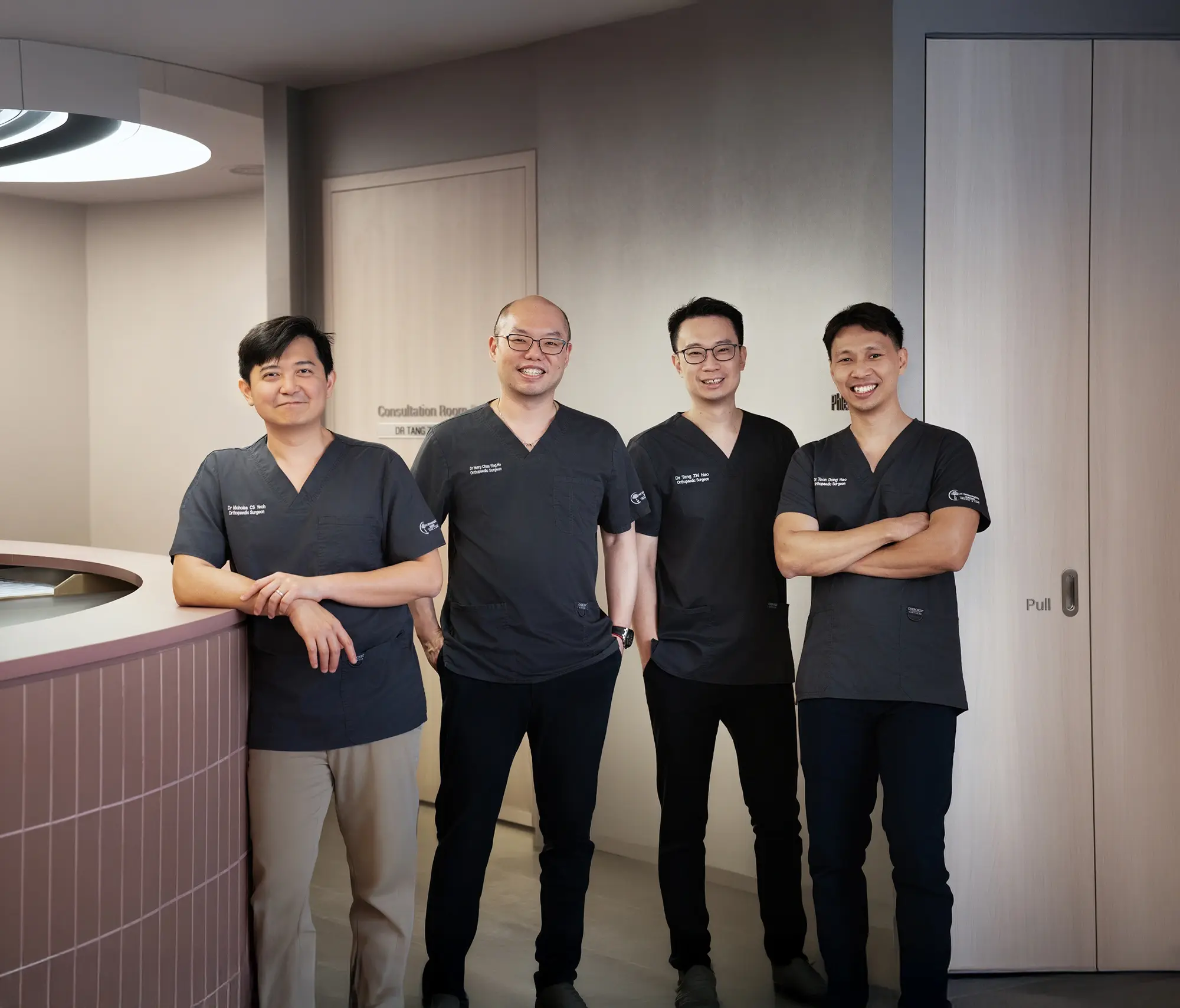
Our Specialised Team
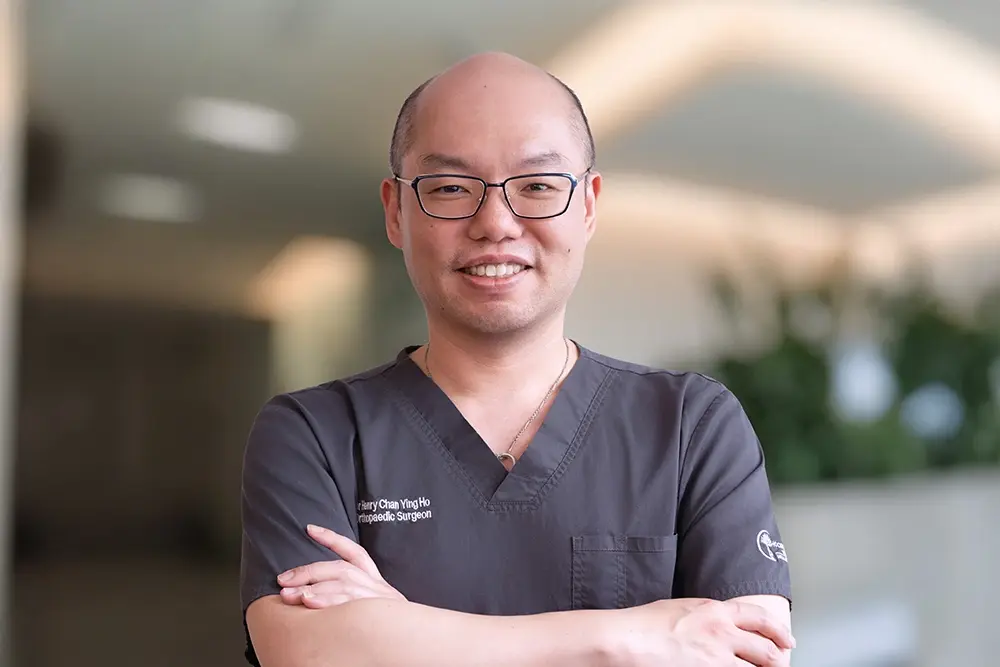
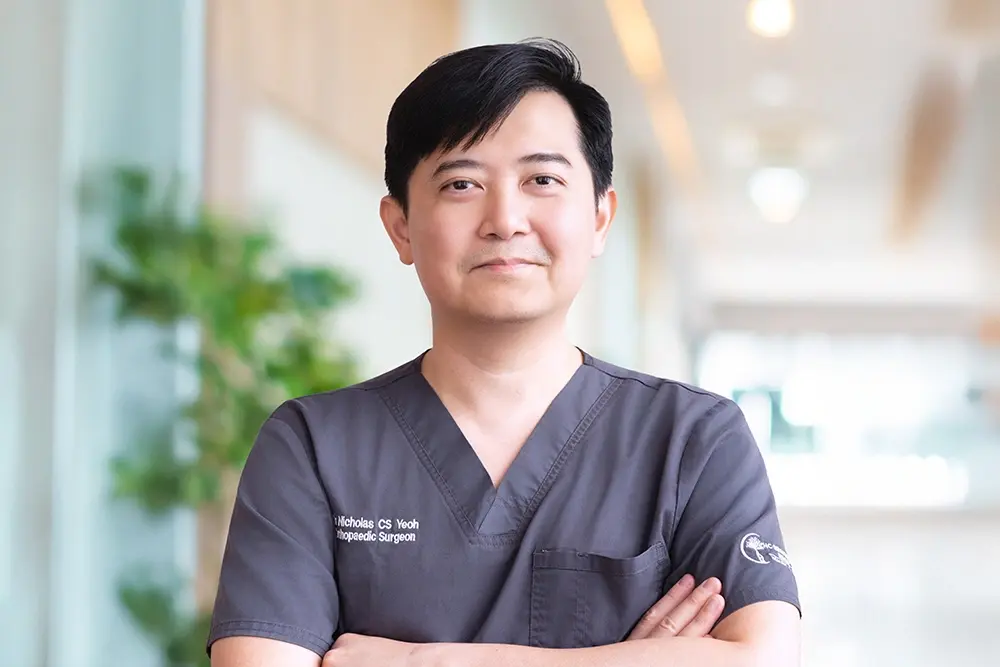
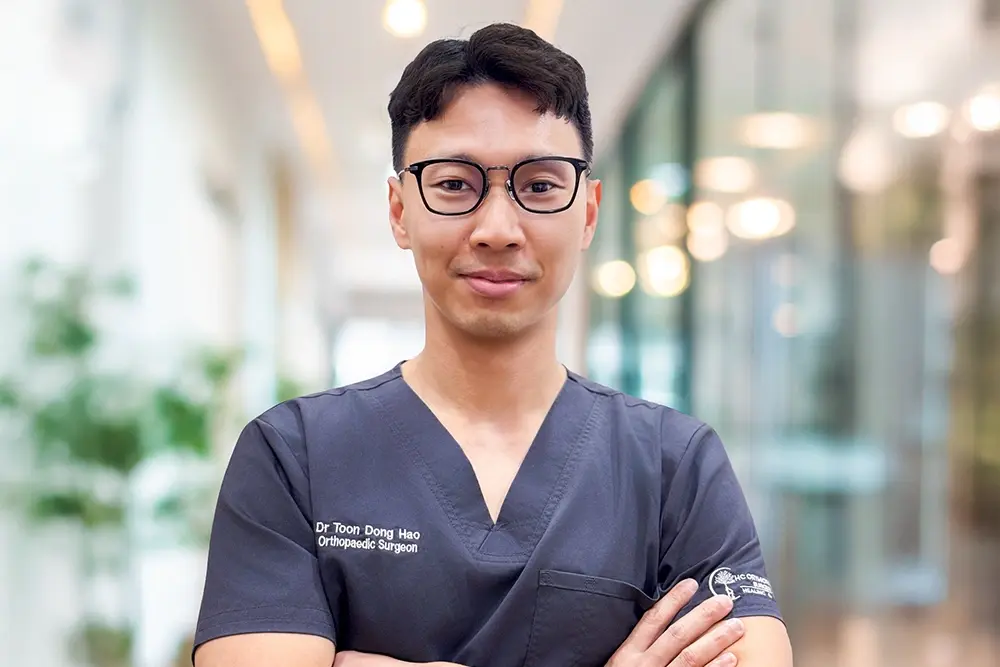
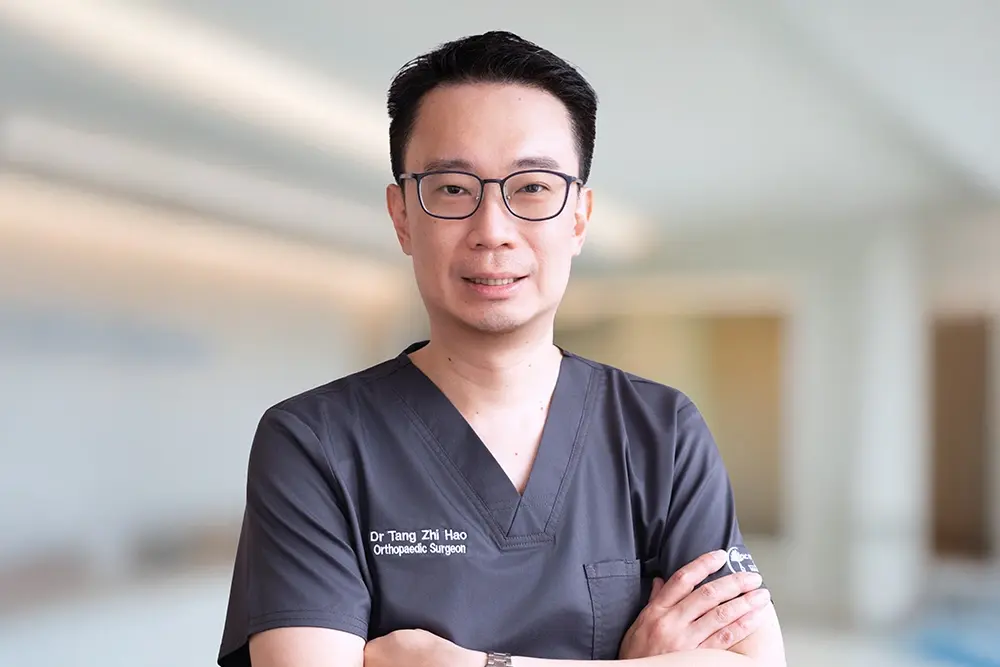
At HC Orthopaedic Surgery, every treatment plan is carefully structured to match the severity of the tear, lifestyle demands and long-term recovery objectives, with a strong focus on evidence-based surgical techniques and rehabilitation. Our team comprises Dr Henry Chan, Dr Nicholas Yeoh, Dr Toon Dong Hao and Dr Tang Zhi Hao, all of whom manage a wide spectrum of shoulder conditions. Dr Toon has completed advanced fellowship training in shoulder and elbow surgery in Sydney, Australia, supported by the Ministry of Health Singapore under the Health Manpower Development Plan. Patients are guided closely from diagnosis through post-operative rehabilitation to support a safe return to daily activities and sport.
Frequently Asked Questions (FAQs) About Rotator Cuff Repair
How long do I have to wait to get surgery after an injury?
Is the surgery very painful?
Can a rotator cuff tear heal without surgery?
When can I resume sports or heavy exercise?
What are the "anchors" made of, and do they need to be removed?
Meet Our Specialist Team
Our team comprises Dr Henry Chan, Dr Nicholas Yeoh, Dr Toon Dong Hao, and Dr Tang Zhi Hao — experienced orthopaedic surgeons with subspecialty experience and a patient-centred approach to care.
Dr Henry Chan
Medical Director & Senior Consultant Orthopaedic Surgeon
MBBS (S’pore), MRCS (Edinburgh), MMed (Orthopaedic Surgery), FRCS (Edinburgh)
Dr Henry Chan is an experienced orthopaedic surgeon specialising in joint replacement and complex revision surgery. Trained at the renowned Helios Endo-Klinik in Germany under the MOH HMDP scholarship, he has performed over 1,000 joint replacements and specialises in computer-assisted and robotic joint replacement techniques for precise outcomes.
Dr Nicholas Yeoh
Senior Consultant Orthopaedic Surgeon
MBChB (Edinburgh), MRCS (Edinburgh), MMed (Orthopaedic Surgery), FRCS (Edinburgh)
Dr Nicholas Yeoh is an MOH-accredited orthopaedic specialist and Fellow of the Royal College of Surgeons of Edinburgh. Fellowship-trained in hip and knee reconstruction in Sydney under the MOH HMDP scholarship, he specialises in minimally invasive joint replacement, robotic surgery and advanced techniques that enhance recovery and surgical outcomes.
Dr Toon Dong Hao
Senior Consultant Orthopaedic Surgeon
MBChB (Leeds), MRCS (Edinburgh), MMed (Orthopaedic Surgery), FRCS (Edinburgh)
Dr Toon Dong Hao is a skilled orthopaedic surgeon and Fellow of the Royal College of Surgeons of Edinburgh. Fellowship-trained in Advanced Shoulder and Elbow Surgery in Sydney under the MOH HMDP scholarship, Dr Toon specialises in sports injuries, arthroscopic surgery and complex shoulder, elbow and knee procedures to restore function and mobility.
Dr Tang Zhi Hao
Senior Consultant Orthopaedic Surgeon
MBBS (S’pore), MRCS (Edinburgh), MMed (Orthopaedic Surgery), FRCS (Edinburgh)
Dr Tang Zhi Hao is a fellowship-trained orthopaedic surgeon specialising in foot and ankle conditions. He completed his Foot and Ankle Surgery fellowship at Severance Hospital, Yonsei University Health System in Seoul under Professor Jin Woo Lee. Prior to private practice, he served as Consultant and Deputy Head of Orthopaedics at Khoo Teck Puat Hospital.