
Shoulder Labrum Tear
(Labral Tear of the Shoulder)

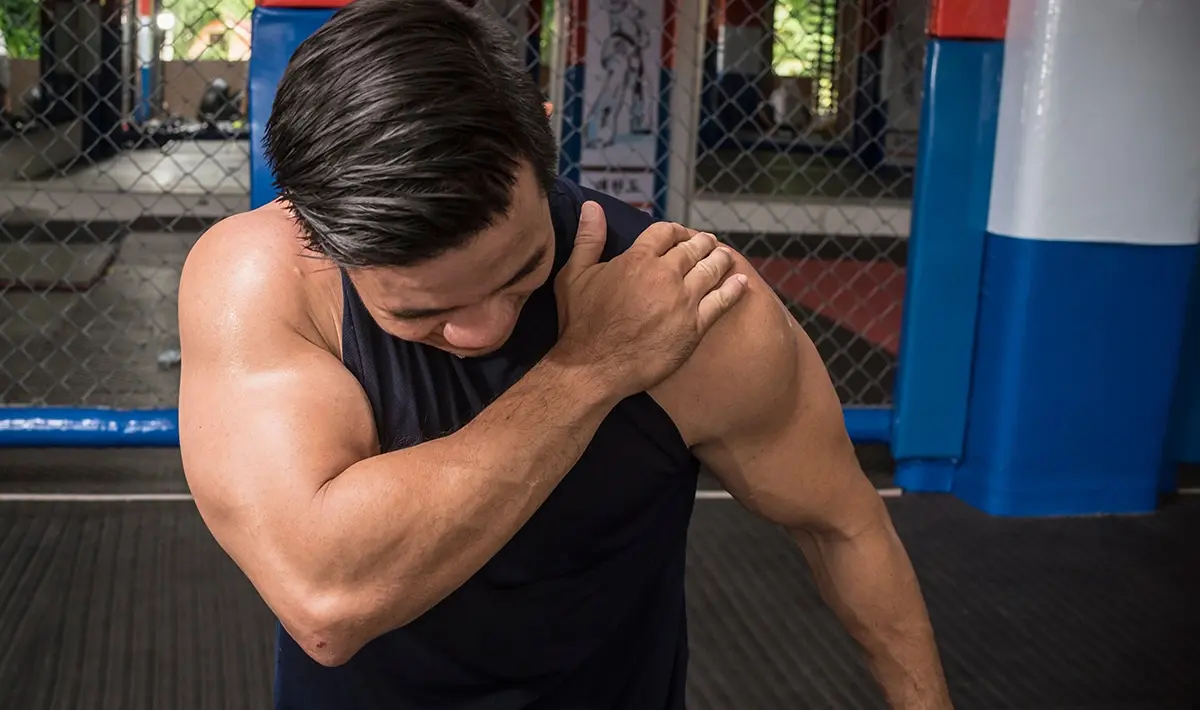
A sharp pain during a throw, a pulling sensation while lifting, or a persistent feeling that the shoulder is unstable can sometimes point to a deeper problem within the joint. A shoulder labrum tear, also known as a labral tear of the shoulder, occurs when the ring of cartilage that lines and stabilises the socket becomes damaged. Because the labrum helps keep the ball of the shoulder securely in place, injury to this structure can lead to pain, weakness and a sense of catching or slipping within the joint.
Labral tears may develop after a fall, heavy lifting, repetitive overhead activity or a previous shoulder dislocation. Understanding the causes, symptoms and treatment options is essential to restoring stability, improving function and preventing further joint damage.
What Is a Shoulder Labrum Tear?
A shoulder labrum tear is an injury to the labrum, a ring of fibrocartilage that surrounds the rim of the shoulder socket, known as the glenoid. The labrum plays a crucial role in stabilising the joint by deepening the socket and helping to keep the head of the upper arm bone securely in place during movement.
When the labrum is torn, the shoulder may lose some of its stability and smooth joint function. This can result in pain, mechanical symptoms such as clicking or catching, and a sensation of looseness or instability. Labral tears may occur from acute trauma, such as a fall or shoulder dislocation, or from repetitive overhead activities that place ongoing stress on the joint.
What Are the Common Symptoms of Labral Tears?
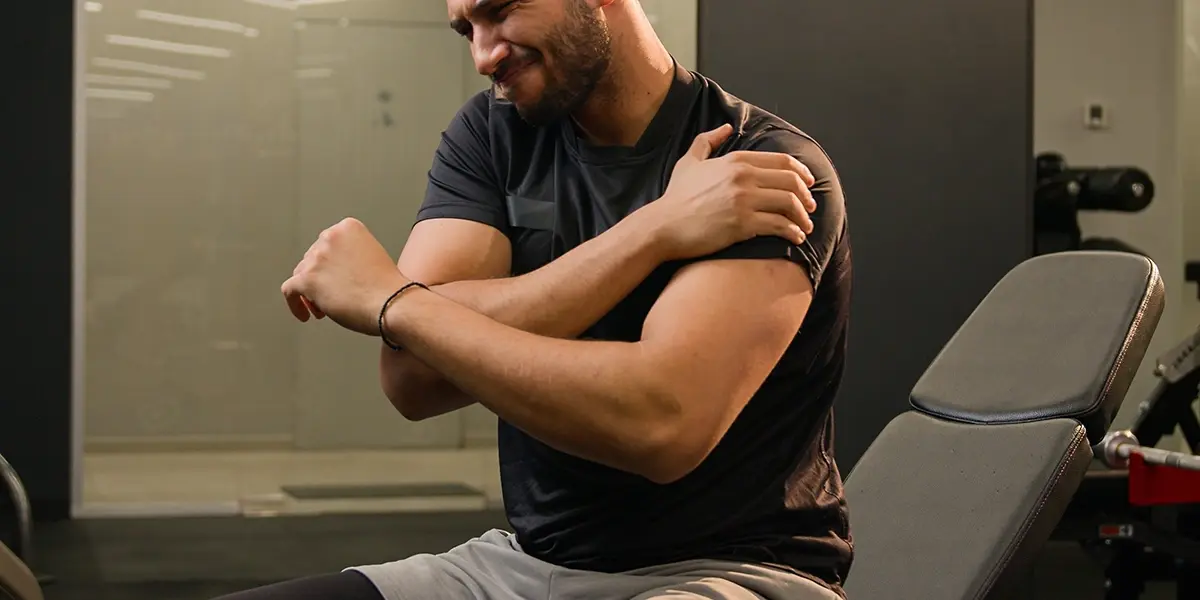
Labral tears can present with a range of symptoms depending on the type and severity of the injury. Early recognition is important to prevent ongoing instability or further joint damage.
Deep Shoulder Pain
Pain is often felt deep within the shoulder joint and may worsen with overhead movements, lifting or throwing activities. Discomfort can increase after repetitive use and may persist despite rest.
Popping, Clicking or Catching Sensation
Some patients experience a popping, clicking or catching feeling when moving the shoulder. These mechanical symptoms may occur when the torn portion of the labrum interferes with smooth joint motion.
Weakness or Feeling Loose
The shoulder may feel loose or unstable, particularly during certain movements. This sense of the joint “giving way” can affect lifting, pushing and overhead activities. Weakness is often related to pain or instability rather than direct muscle damage.
Reduced Range of Motion
Pain or mechanical blockage within the joint may limit certain movements, especially overhead or rotational activities. Stiffness can develop if the injury is not properly managed.
Why It Happens
What Causes Labral Tears?
Labral tears may occur as a result of acute trauma or develop gradually due to repetitive stress on the shoulder joint. Because the labrum stabilises the shoulder socket, forces that overload or destabilise the joint can lead to tearing.
Falls or Direct Impact
Landing on an outstretched arm or sustaining a direct blow to the shoulder can place significant force on the joint, leading to a tear.
Shoulder Dislocation or Subluxation
A previous shoulder dislocation is a common cause of labral injury, particularly in younger individuals. The labrum may be torn when the humeral head is forced out of the socket.
Sudden Traction or Heavy Lifting
Forceful pulling or abrupt loading of the shoulder may strain and tear the labrum.
Repetitive Overhead Motion
Repeated throwing or overhead movements can gradually overload the labrum, particularly in high-demand athletes.
Know Your Risk Profile
What Are the Risk Factors for Labral Tears?
Certain factors increase the likelihood of developing a labral tear by placing repeated stress on the shoulder or reducing joint stability over time.
Age-related Wear
With advancing age, the labrum may gradually lose resilience and become more susceptible to tearing, even with moderate stress.
Previous Shoulder Injuries
If the shoulder has been dislocated or injured before, the labrum can become weaker, making it easier to tear in future incidents.
Joint Hypermobility
Individuals with naturally lax ligaments may have reduced shoulder stability, placing greater strain on the labrum.
High-demand Athletic or Occupational Activity
Regular participation in contact sports or overhead work increases cumulative stress on the shoulder over time.
Understanding the Differences
Types of Labral Tears
Labral tears differ depending on where the tear occurs and how it affects the shoulder.
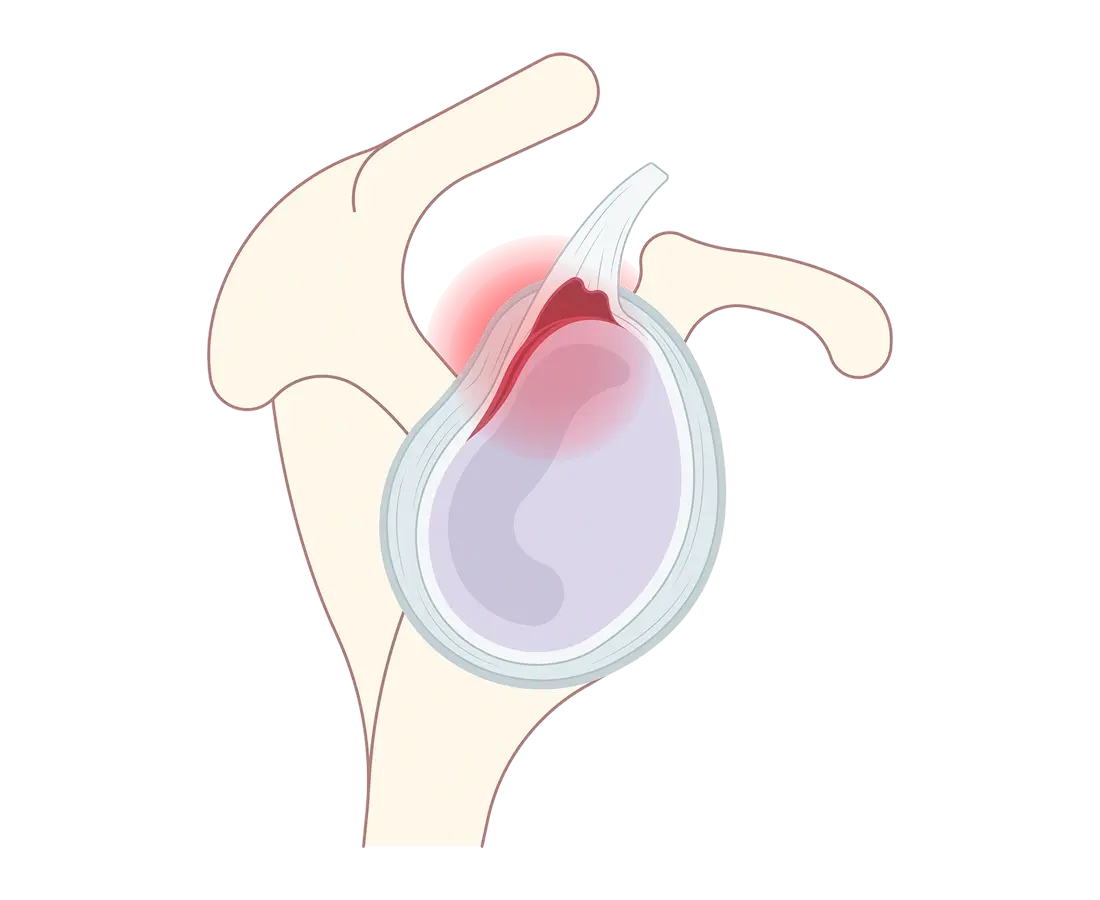
Superior Labrum Anterior and Posterior (SLAP) Tear
The SLAP tear affects the top portion of the labrum where the biceps tendon attaches. This type of tear is commonly seen in throwing athletes and may cause deep shoulder pain, clicking or reduced performance during overhead activity.
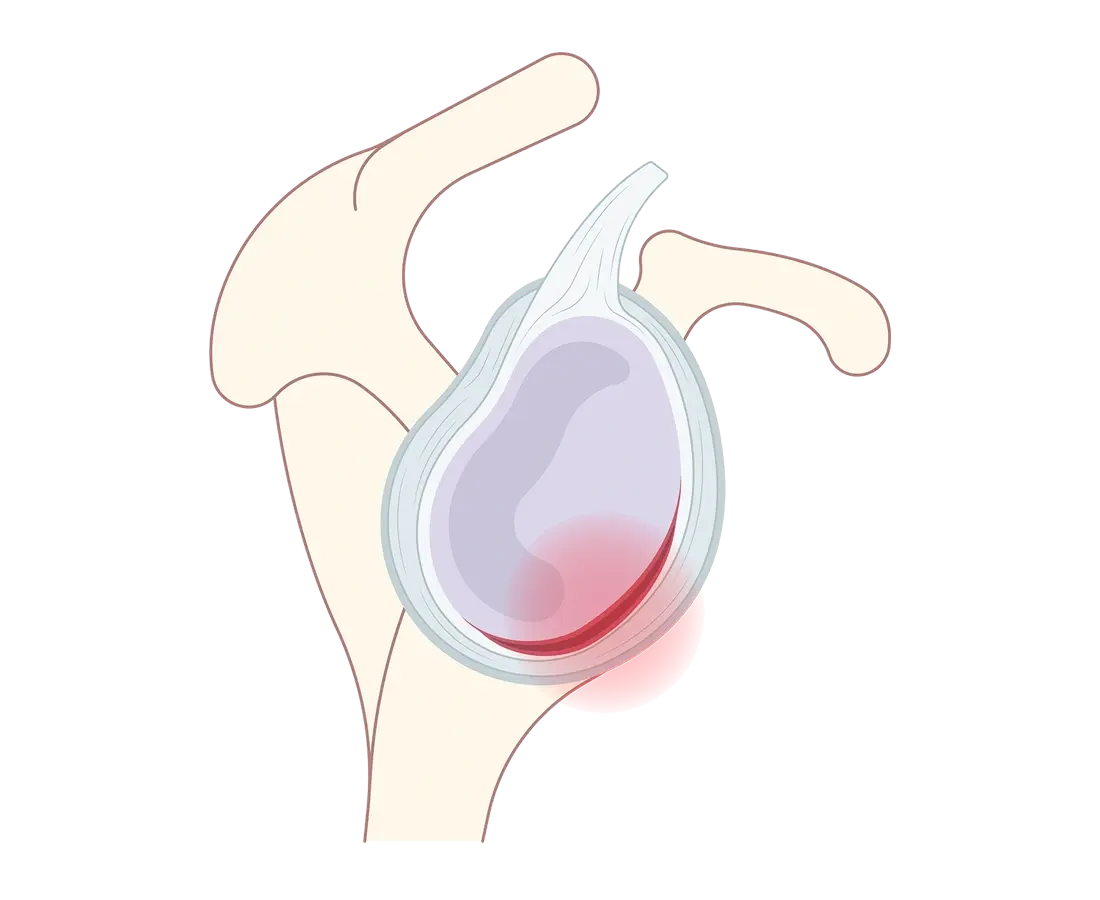
Bankart Tear
A Bankart lesion involves a tear of the lower front portion of the labrum. It typically occurs following a shoulder dislocation and is associated with recurrent instability or a sensation of the shoulder “giving way.”
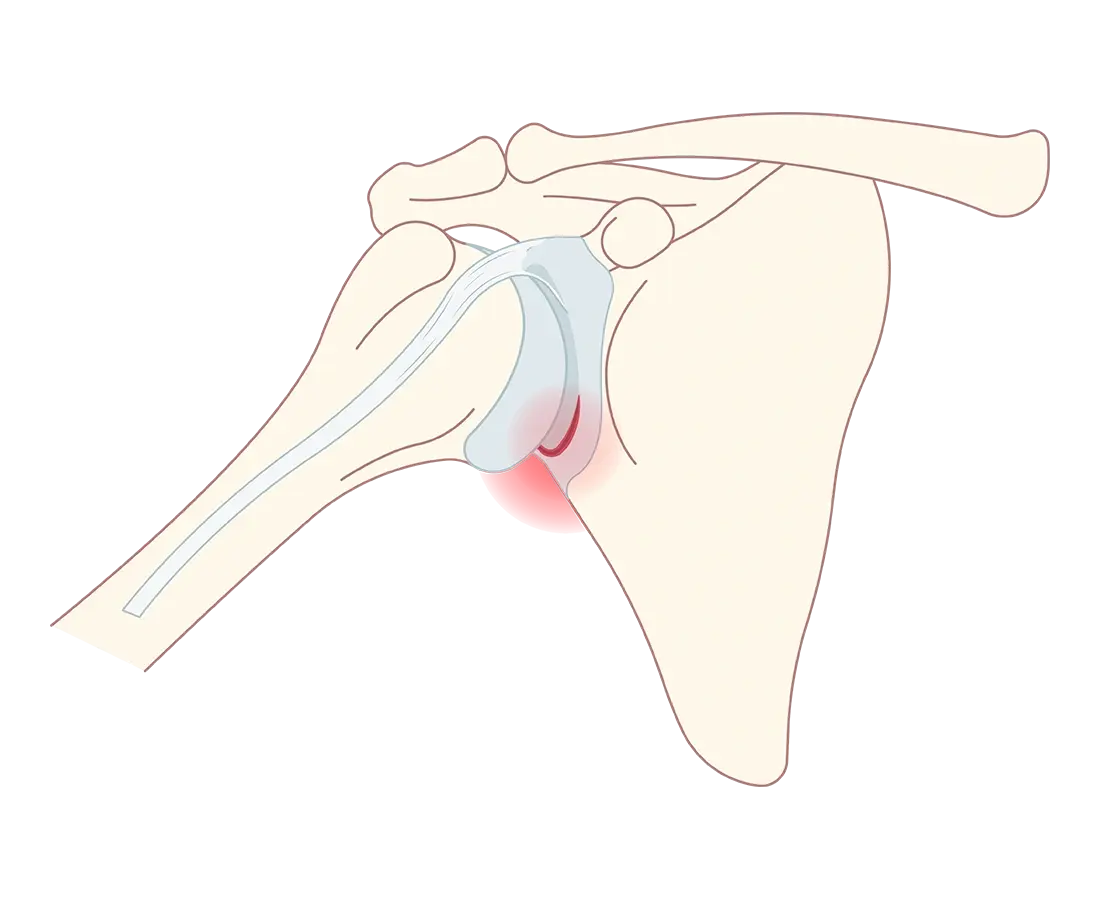
Posterior Labral Tear
This type affects the back portion of the labrum and is less common. It may result from trauma, repetitive pushing movements or posterior instability, and can cause pain during activities such as bench pressing.
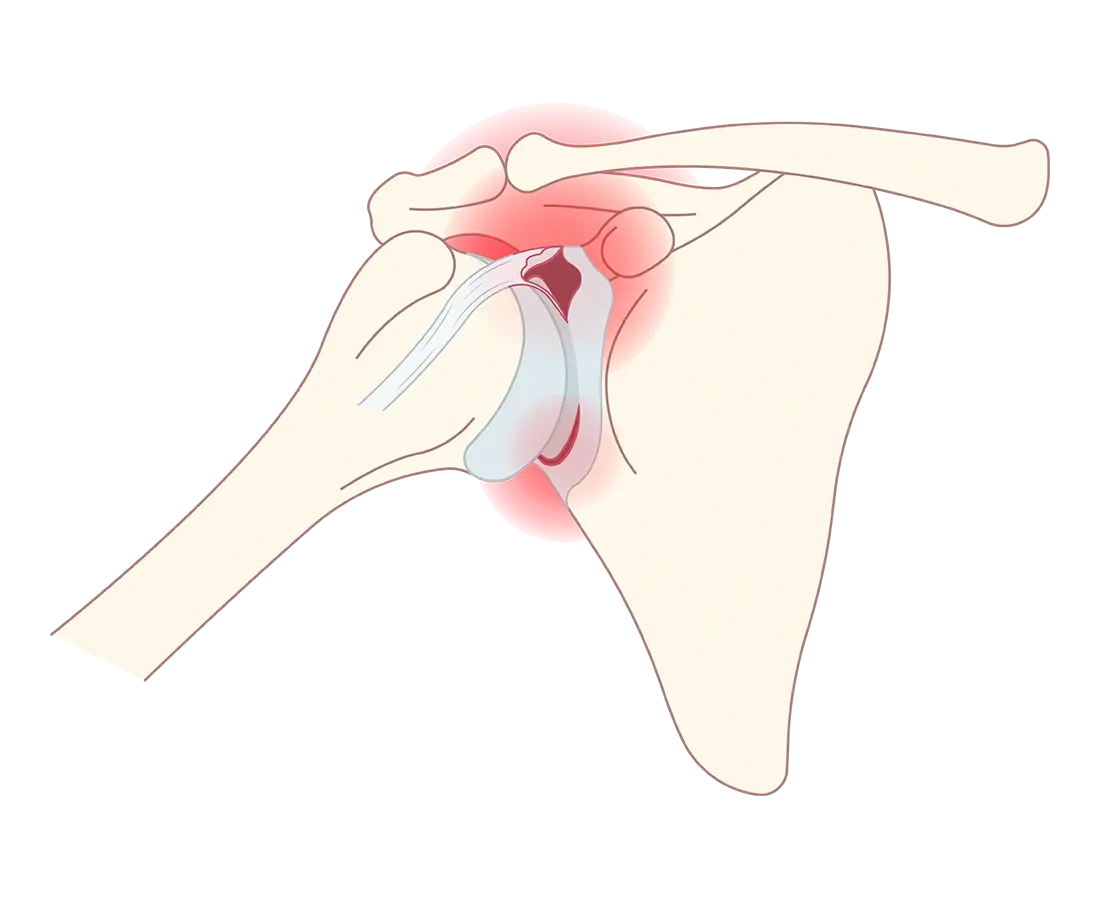
Degenerative Labral Tear
In some individuals, particularly with advancing age, the labrum may gradually wear down and fray over time. Degenerative tears may cause intermittent pain or mechanical symptoms but are sometimes found incidentally on imaging.
Understanding Your Evaluation
How Are Labral Tears Diagnosed?
Diagnosis begins with a detailed medical history and physical examination. Your doctor will assess shoulder movement, strength and stability, and perform specific tests designed to reproduce labral-related symptoms. Imaging studies are used to confirm the diagnosis and evaluate the extent of the injury.
Understanding Your Evaluation
How Are Labral Tears Diagnosed?
Diagnosis begins with a detailed medical history and physical examination. Your doctor will assess shoulder movement, strength and stability, and perform specific tests designed to reproduce labral-related symptoms. Imaging studies are used to confirm the diagnosis and evaluate the extent of the injury.
X-ray
While X-rays do not show the labrum, they are useful for excluding fractures, arthritis or other structural abnormalities that may contribute to shoulder pain.
MRI Scan
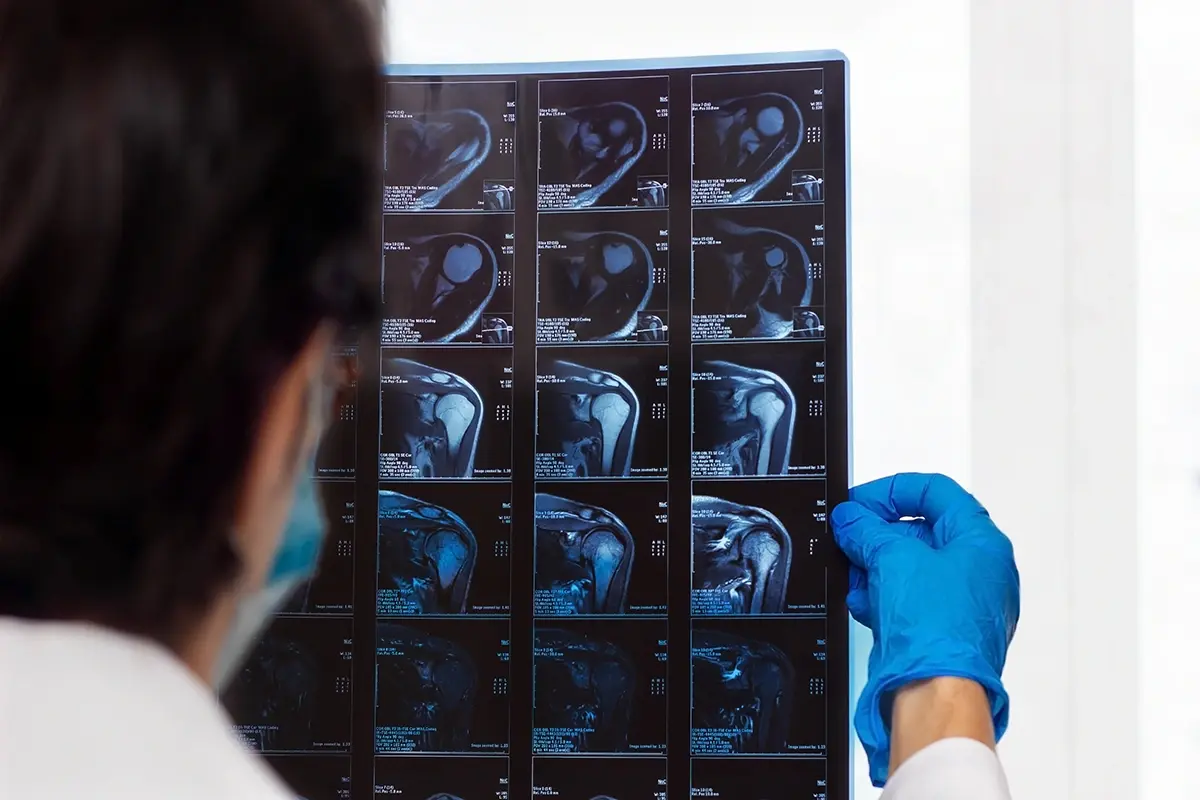
Magnetic resonance imaging, particularly an MRI arthrogram with contrast, provides detailed visualisation of the labrum and surrounding soft tissues. This helps determine the location and severity of the tear.
Arthroscopy
Shoulder arthroscopy is a minimally invasive procedure that allows direct visualisation of the labrum using a small camera inserted into the joint. It is typically performed when surgical treatment is planned and can allow repair of the tear during the same procedure.
Labral Tears Treatments in Singapore
Treatment for labral tears aims to relieve pain, restore shoulder stability and improve function. The choice of treatment depends on the type and severity of the tear, your activity level and how the symptoms affect your daily life.
Non-Surgical Treatment
Activity Modification
Avoiding movements that aggravate symptoms, especially repetitive overhead activities, helps reduce stress on the labrum.
Physiotherapy
Targeted rehabilitation plays a central role in management. A physiotherapist will guide you through exercises that improve shoulder strength, particularly of the rotator cuff and scapular stabilisers, and enhance range of motion while promoting dynamic stability.
Medications and Pain Relief
Oral pain relievers or anti-inflammatory medications may be prescribed to manage pain and inflammation during the early phase of treatment.
Injection Therapy
In some cases, corticosteroid injections around the shoulder may help reduce pain and swelling, allowing more effective participation in physiotherapy.
Surgical Treatment
Surgery is considered when symptoms persist despite non-surgical care, or when structural damage results in ongoing shoulder instability.
Arthroscopic Labral Repair
This is the most common form of shoulder stabilisation surgery for labral tears. Using minimally invasive keyhole techniques, the torn labrum is reattached to the socket with anchors and sutures to restore stability and function.
Debridement
In selected cases with small or frayed tears without significant instability, trimming of damaged labral tissue may be performed to reduce mechanical irritation and relieve symptoms.
Associated Procedures
Depending on the tear pattern and underlying instability, additional procedures such as capsular tightening or biceps tenodesis for SLAP tears involving the biceps anchor may be recommended.
What Is the Recovery Time for a Shoulder Labral Tear?
Recovery time depends on the type and severity of the tear, as well as whether treatment is non-surgical or surgical.
For mild tears managed conservatively, improvement may take several weeks to a few months. Physiotherapy focuses on restoring range of motion, strengthening the rotator cuff and improving shoulder stability. Many patients are able to return to normal daily activities within 6–12 weeks, although high-demand sports may require a longer rehabilitation period.
If surgery is performed, recovery typically follows a structured rehabilitation programme. The shoulder is usually protected in a sling initially, followed by gradual range-of-motion exercises and progressive strengthening. Return to sports or heavy overhead activity may take several months, depending on the procedure performed and individual healing response.
How to Protect Your Shoulder and Reduce the Risk of Tears
A strong and well-cared-for shoulder is less likely to get injured. Simple habits and guided exercises can help keep your shoulder stable and lower the risk of labral tears.
Strengthen Shoulder Muscles
Do regular exercises to keep your shoulder muscles strong. Strong muscles help support the joint and reduce the risk of injury.
Follow Correct Sports Techniques
Make sure to use proper form when playing sports or working out. Avoid sudden or risky movements that can strain your shoulder.
Be Mindful at Home
Take care when walking on stairs, wet floors or uneven surfaces. Simple caution can prevent falls that may damage your shoulder.
Avoid Overexertion
Do not lift heavy objects above your head without support. Avoid sudden twisting or jerking motions that can stress the shoulder.
Complete Recovery Plans
If your shoulder has been injured before, follow your physiotherapy or recovery plan fully. Finishing the exercises lowers the chance of re-injury and keeps your shoulder stable.
Manage Shoulder Labral Tears at HC Orthopaedic Surgery
A shoulder labrum tear can compromise joint stability, disrupt performance and make even routine movements uncomfortable. Whether the injury develops gradually from repetitive strain or follows a traumatic event such as a dislocation, early and appropriate management is key to restoring shoulder control and preventing recurrent instability. With accurate diagnosis, structured rehabilitation and, when necessary, advanced arthroscopic repair, most patients can regain strength, stability and confidence in their shoulder function.
Manage Shoulder Labral Tears at HC Orthopaedic Surgery
A shoulder labrum tear can compromise joint stability, disrupt performance and make even routine movements uncomfortable. Whether the injury develops gradually from repetitive strain or follows a traumatic event such as a dislocation, early and appropriate management is key to restoring shoulder control and preventing recurrent instability. With accurate diagnosis, structured rehabilitation and, when necessary, advanced arthroscopic repair, most patients can regain strength, stability and confidence in their shoulder function.

Our Specialised Team
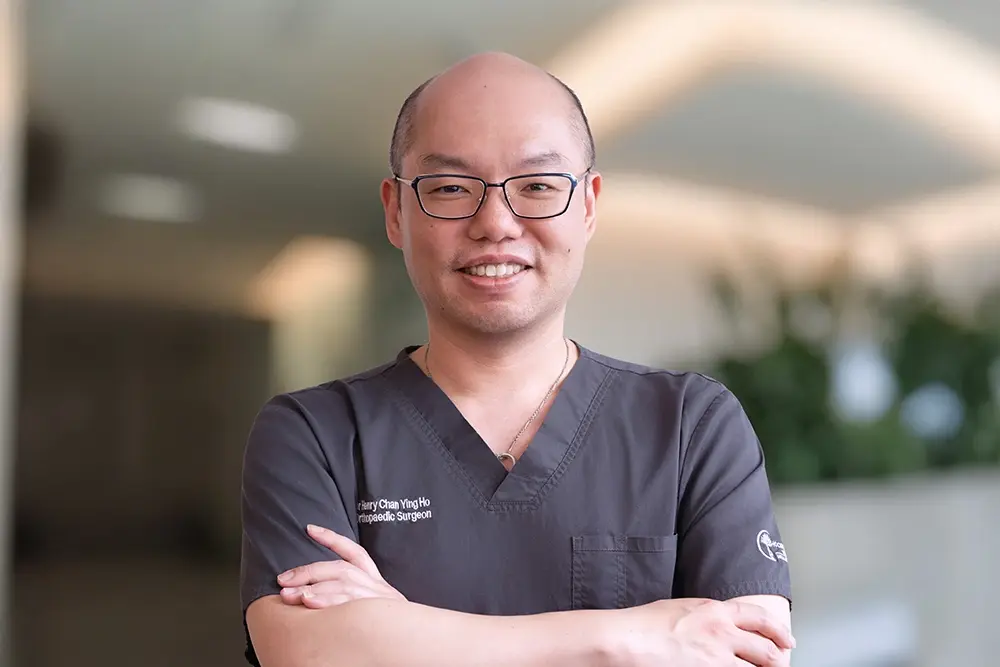
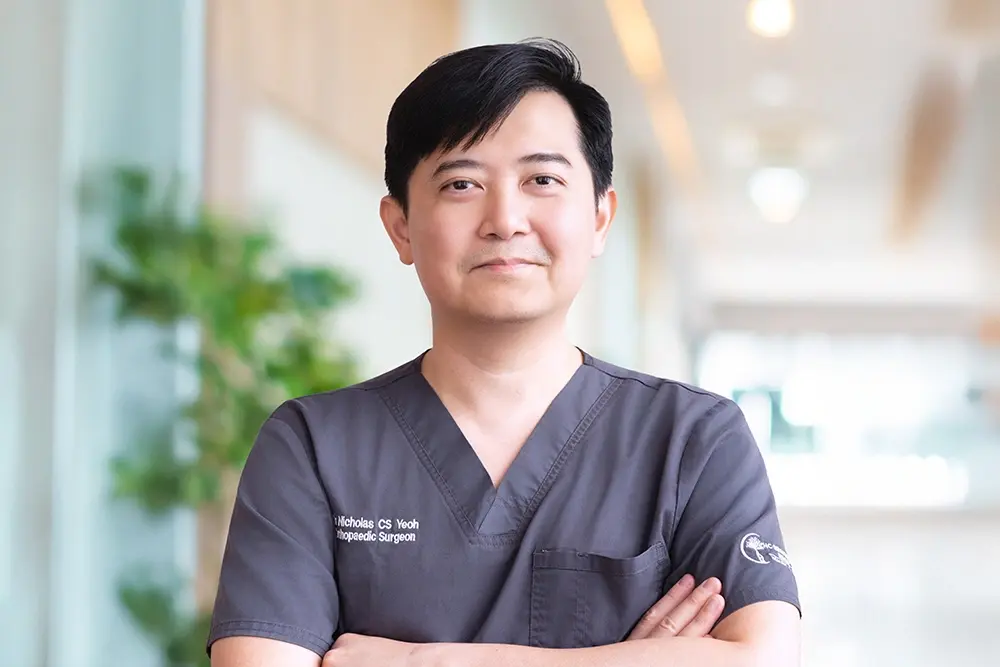
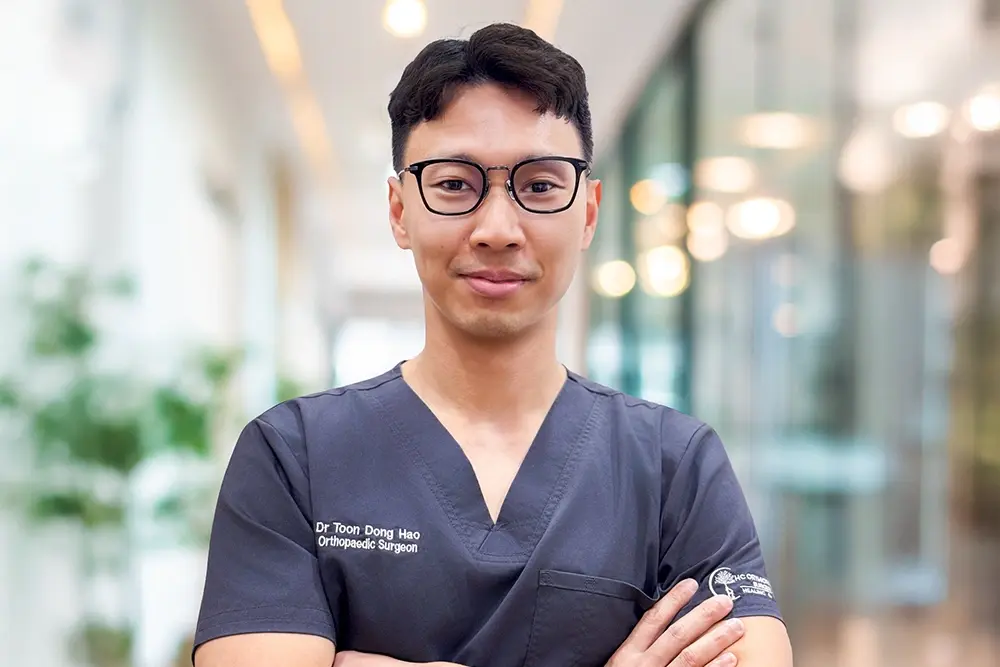
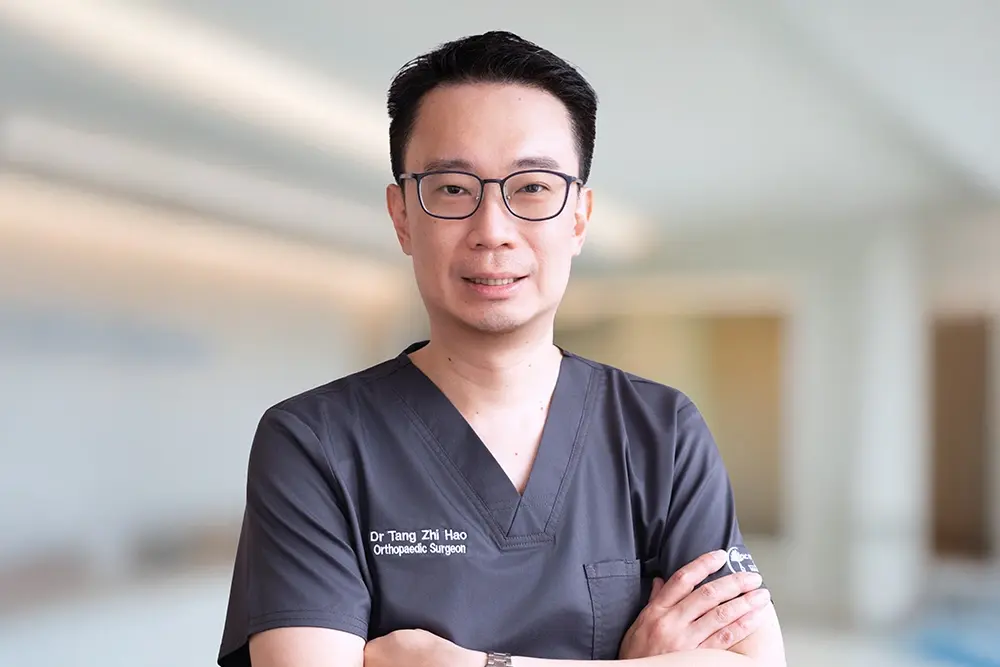
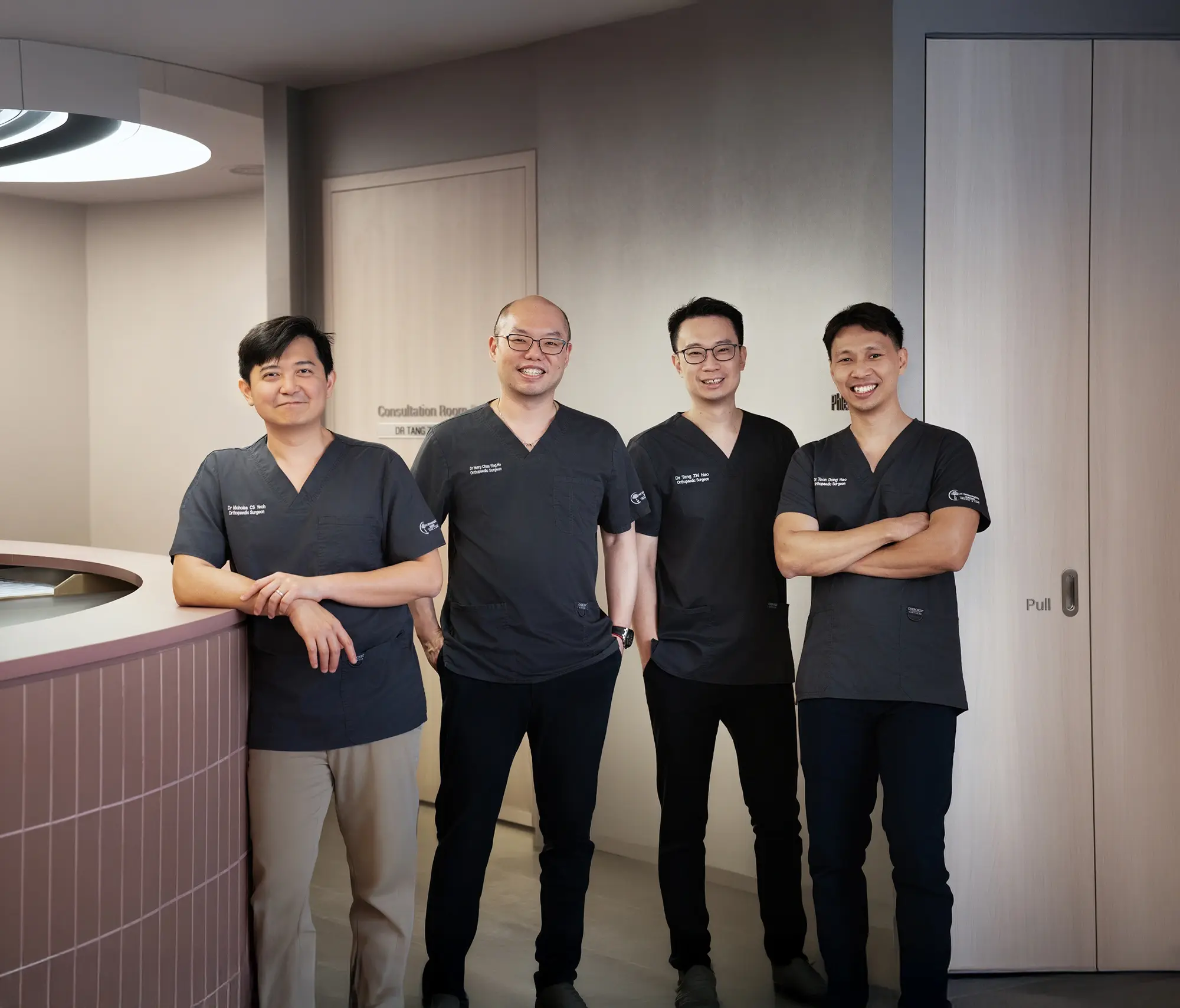
HC Orthopaedic Surgery is led by Dr Henry Chan, Medical Director and senior consultant orthopaedic surgeon, alongside Dr Nicholas Yeoh, Dr Toon Dong Hao and Dr Tang Zhi Hao. The team provides comprehensive assessment and management of labral tears, guided by a structured and evidence-based approach. Having completed a fellowship in Advanced Shoulder and Elbow Surgery in Sydney, Australia, Dr Toon excels in shoulder stabilisation procedures, including advanced arthroscopic labral repair for instability-related tears.
Frequently Asked Questions (FAQs) About Labral Tears
Can labral tears cause long-term problems?
Can a labral tear heal on its own?
Is surgery painful or expensive?
How can I prevent a labral tear from happening again?
Can I continue sports or exercise with a labral tear?
Can a labral tear affect shoulder strength and movement?
Are labral tears common in younger people?
Can a labral tear get worse if ignored?
Can labral tears return after treatment?
Meet Our Specialist Team
Our team comprises Dr Henry Chan, Dr Nicholas Yeoh, Dr Toon Dong Hao, and Dr Tang Zhi Hao — experienced orthopaedic surgeons with subspecialty experience and a patient-centred approach to care.
Dr Henry Chan
Medical Director & Senior Consultant Orthopaedic Surgeon
MBBS (S’pore), MRCS (Edinburgh), MMed (Orthopaedic Surgery), FRCS (Edinburgh)
Dr Henry Chan is an experienced orthopaedic surgeon specialising in joint replacement and complex revision surgery. Trained at the renowned Helios Endo-Klinik in Germany under the MOH HMDP scholarship, he has performed over 1,000 joint replacements and specialises in computer-assisted and robotic joint replacement techniques for precise outcomes.
Dr Nicholas Yeoh
Senior Consultant Orthopaedic Surgeon
MBChB (Edinburgh), MRCS (Edinburgh), MMed (Orthopaedic Surgery), FRCS (Edinburgh)
Dr Nicholas Yeoh is an MOH-accredited orthopaedic specialist and Fellow of the Royal College of Surgeons of Edinburgh. Fellowship-trained in hip and knee reconstruction in Sydney under the MOH HMDP scholarship, he specialises in minimally invasive joint replacement, robotic surgery and advanced techniques that enhance recovery and surgical outcomes.
Dr Toon Dong Hao
Senior Consultant Orthopaedic Surgeon
MBChB (Leeds), MRCS (Edinburgh), MMed (Orthopaedic Surgery), FRCS (Edinburgh)
Dr Toon Dong Hao is a skilled orthopaedic surgeon and Fellow of the Royal College of Surgeons of Edinburgh. Fellowship-trained in Advanced Shoulder and Elbow Surgery in Sydney under the MOH HMDP scholarship, Dr Toon specialises in sports injuries, arthroscopic surgery and complex shoulder, elbow and knee procedures to restore function and mobility.
Dr Tang Zhi Hao
Senior Consultant Orthopaedic Surgeon
MBBS (S’pore), MRCS (Edinburgh), MMed (Orthopaedic Surgery), FRCS (Edinburgh)
Dr Tang Zhi Hao is a fellowship-trained orthopaedic surgeon specialising in foot and ankle conditions. He completed his Foot and Ankle Surgery fellowship at Severance Hospital, Yonsei University Health System in Seoul under Professor Jin Woo Lee. Prior to private practice, he served as Consultant and Deputy Head of Orthopaedics at Khoo Teck Puat Hospital.