
Frozen Shoulder:
Symptoms, Causes and Treatments


The shoulder depends on a coordinated group of muscles and tendons known as the rotator cuff to maintain stability and enable smooth, controlled movement. When this system is disrupted, pain and stiffness can develop. In some cases, however, the problem extends beyond the tendons to the joint capsule, the connective tissue that surrounds and stabilises the shoulder joint.
Frozen shoulder, also known as adhesive capsulitis, occurs when this capsule becomes inflamed and progressively tightens. As the capsule thickens and contracts, movement becomes increasingly restricted in multiple directions. People with frozen shoulder often experience difficulty lifting the arm, reaching overhead or performing routine daily activities such as dressing or grooming. The condition typically develops gradually and can significantly limit upper limb function if not properly managed. Understanding how the shoulder normally moves helps explain why capsular tightening leads to such marked restriction and discomfort.
Why It Happens
What Causes Frozen Shoulder?
Frozen shoulder develops when the shoulder joint capsule becomes inflamed, thickened and progressively tight. In many cases, the exact cause is unknown. However, the condition may arise either spontaneously or following events that affect shoulder movement.
Idiopathic Frozen Shoulder
In a significant number of patients, frozen shoulder occurs without a clear trigger. This is known as idiopathic frozen shoulder and tends to affect individuals between 40 and 60 years of age, with women more commonly affected.
Secondary Frozen Shoulder
Frozen shoulder may also develop after factors that limit shoulder movement or directly affect the joint.
- Prolonged Immobilisation
Keeping the shoulder immobile after a fracture, injury or surgery can lead to capsular tightening over time. Reduced movement increases the risk of stiffness and contracture.
- Shoulder Injury or Surgery
Trauma such as dislocations or fractures, as well as surgical procedures involving the shoulder, may trigger inflammation and scarring during the healing process, resulting in restricted mobility.
Associated Medical Conditions
Certain systemic conditions are strongly associated with frozen shoulder. Individuals with diabetes mellitus are at significantly higher risk, and thyroid disorders have also been linked to increased incidence. These conditions may affect connective tissue health and healing responses within the joint.
Know Your Risk Profile
What Are the Risk Factors for Frozen Shoulders?
Several factors can increase the risk of developing frozen shoulder, including:
Age
People between 40 and 60 are more likely to develop frozen shoulder due to natural changes in connective tissue and joint elasticity.
Gender
Women are slightly more prone to frozen shoulders than men.
Diabetes
Individuals with diabetes have a higher risk, as changes in connective tissue and slower healing can contribute to joint stiffness.
Thyroid Disorders
Both hyperthyroidism and hypothyroidism may increase risk by affecting tissue health and repair.
Previous Shoulder Conditions
A history of shoulder injuries, surgeries or chronic inflammation can make the joint more vulnerable to developing stiffness.
Cardiovascular or Lung Disease
Some people with heart or lung conditions may have an increased risk, possibly due to limited mobility or systemic inflammation.
What Are the Common Symptoms of Frozen Shoulder?
Frozen shoulder typically develops gradually and worsens over time. The symptoms reflect both inflammation and tightening of the joint capsule.
Shoulder Pain
Pain is often the earliest symptom. It may begin as a dull ache and gradually intensify, especially with shoulder movement. Night pain is common and may interfere with sleep, particularly when lying on the affected side. Pain can radiate down the upper arm but usually does not extend below the elbow.
Stiffness
Progressive stiffness is a defining feature of frozen shoulder. Patients often describe the shoulder as feeling tight or stuck. Movements such as reaching overhead, behind the back or across the body become increasingly difficult.
Loss of Range of Motion
Both active and passive movements are restricted. This means that even when someone else attempts to move the shoulder, motion remains limited. External rotation is commonly affected first, followed by abduction and internal rotation.
Functional Limitations
Daily activities may become challenging. Tasks such as dressing, grooming, fastening a seatbelt or lifting objects can be difficult due to pain and reduced mobility. The shoulder may feel weak, although this is usually secondary to pain and stiffness rather than true muscle weakness.
How Does Frozen Shoulder Progress?
Freezing stage
Frozen stage
Thawing stage
Understanding Your Evaluation
How Is Frozen Shoulder Diagnosed?
Frozen shoulder is primarily a clinical diagnosis. A detailed medical history and physical examination are performed to assess symptom progression, pain pattern and the degree of movement restriction. A key feature is the limitation of both active and passive range of motion, particularly external rotation.

Understanding Your Evaluation
How Is Frozen Shoulder Diagnosed?
Frozen shoulder is primarily a clinical diagnosis. A detailed medical history and physical examination are performed to assess symptom progression, pain pattern and the degree of movement restriction. A key feature is the limitation of both active and passive range of motion, particularly external rotation.
Clinical Assessment
During examination, the doctor evaluates shoulder mobility in multiple directions and determines whether stiffness persists even when the joint is moved passively. This helps distinguish frozen shoulder from conditions such as rotator cuff tears, where passive movement is often preserved.
X-rays
X-rays are commonly performed to exclude other causes of shoulder pain, including arthritis, fractures or calcific tendinitis. While X-rays do not show the capsule directly, they help rule out structural abnormalities that may mimic frozen shoulder.
MRI Scans
MRI scans are not routinely required but may be recommended if there is suspicion of associated conditions, such as a rotator cuff tear or other soft tissue pathology. MRI can provide detailed imaging of the soft tissues around the shoulder and support comprehensive evaluation when the diagnosis is uncertain.
Exploring Treatment Options
Frozen Shoulder Treatments in Singapore
Treatment for frozen shoulder aims to relieve pain, restore movement and improve shoulder function. Management depends on the stage of the condition, symptom severity and individual patient factors. In many cases, non-surgical treatment is effective, although selected patients may require procedural intervention.

Non-Surgical Treatments
Non-surgical treatments are usually the first line of management and focus on reducing pain, improving mobility and restoring function. These include:
Pain Management
Oral anti-inflammatory medication or analgesics may be prescribed to reduce pain, particularly during the early inflammatory phase.
Physiotherapy
Targeted physiotherapy plays a central role in treatment. Gentle, supervised stretching and mobility exercises help maintain range of motion and prevent further capsular tightening. Therapy is typically adjusted according to the stage of the condition.
Corticosteroid Injections
Intra-articular corticosteroid injections may be recommended to reduce inflammation and improve pain, especially during the freezing stage. This can facilitate more effective participation in physiotherapy.

Procedural and Surgical Treatments
If symptoms persist despite adequate non-surgical management, further intervention may be considered.
Hydrodilatation
This procedure involves injecting fluid into the joint capsule to stretch it and improve mobility. It may provide symptom relief in selected patients.
Manipulation Under Anaesthesia
This procedure involves controlled mobilisation of the shoulder while the patient is under general anaesthesia. The aim is to stretch and release the tightened capsule to improve range of motion.
Arthroscopic Capsular Release
Also known as arthroscopic surgery for frozen shoulder, this minimally invasive procedure involves carefully releasing the thickened and contracted joint capsule through small incisions using a camera and specialised instruments. Post-operative physiotherapy is essential to preserve improvements in range of motion and support optimal recovery.
Get Relief From Frozen Shoulder at HC Orthopaedic Surgery
Frozen shoulder can be a frustrating and limiting condition, often developing gradually and progressing through distinct stages of pain and stiffness. Although many cases improve with time, timely assessment and appropriate, stage-specific treatment can help reduce discomfort, preserve mobility and prevent prolonged functional impairment. Understanding the causes, risk factors and available treatment options allows patients to make informed decisions about their care and recovery.
Get Relief From Frozen Shoulder at HC Orthopaedic Surgery
Frozen shoulder can be a frustrating and limiting condition, often developing gradually and progressing through distinct stages of pain and stiffness. Although many cases improve with time, timely assessment and appropriate, stage-specific treatment can help reduce discomfort, preserve mobility and prevent prolonged functional impairment. Understanding the causes, risk factors and available treatment options allows patients to make informed decisions about their care and recovery.

Our Specialised Team
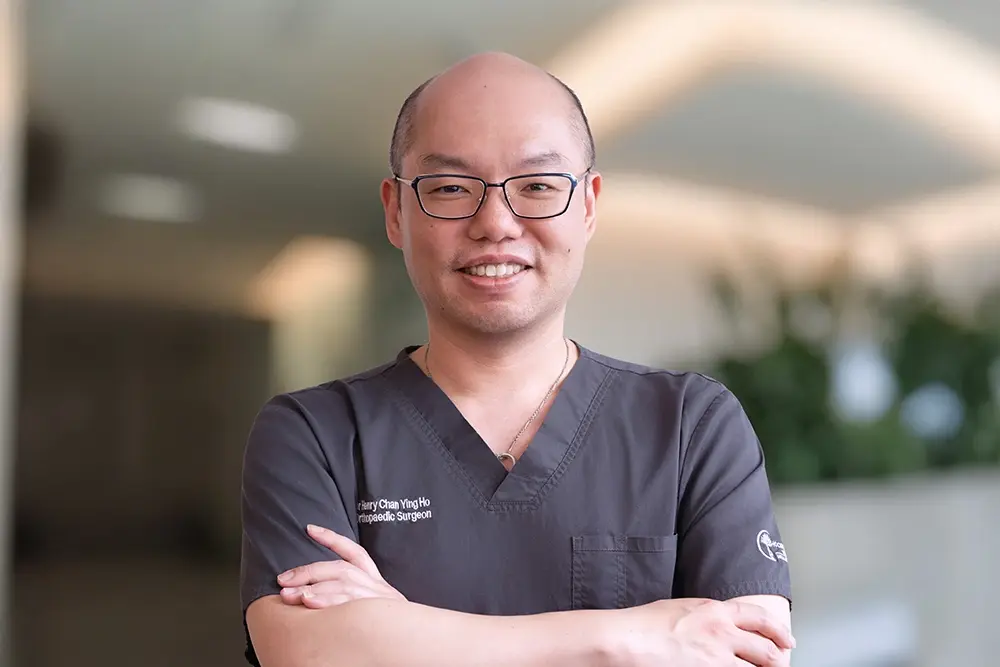
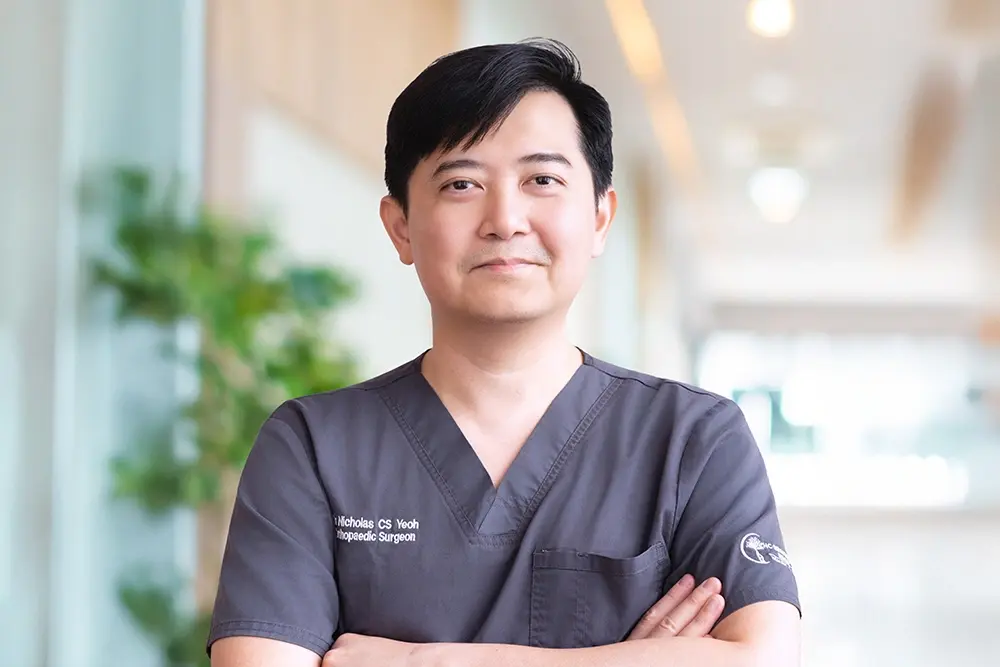
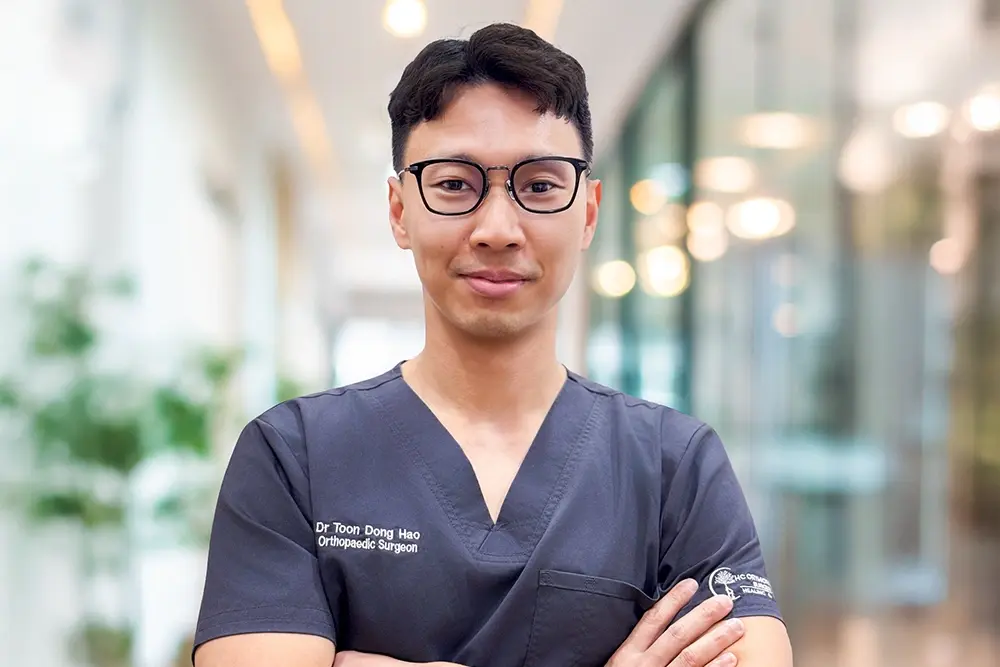
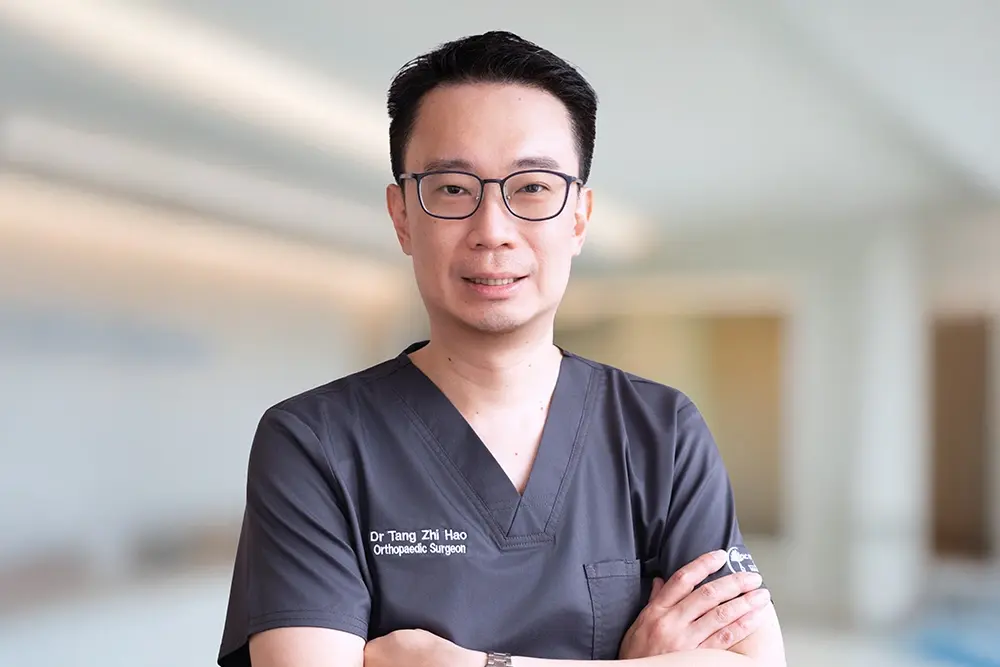
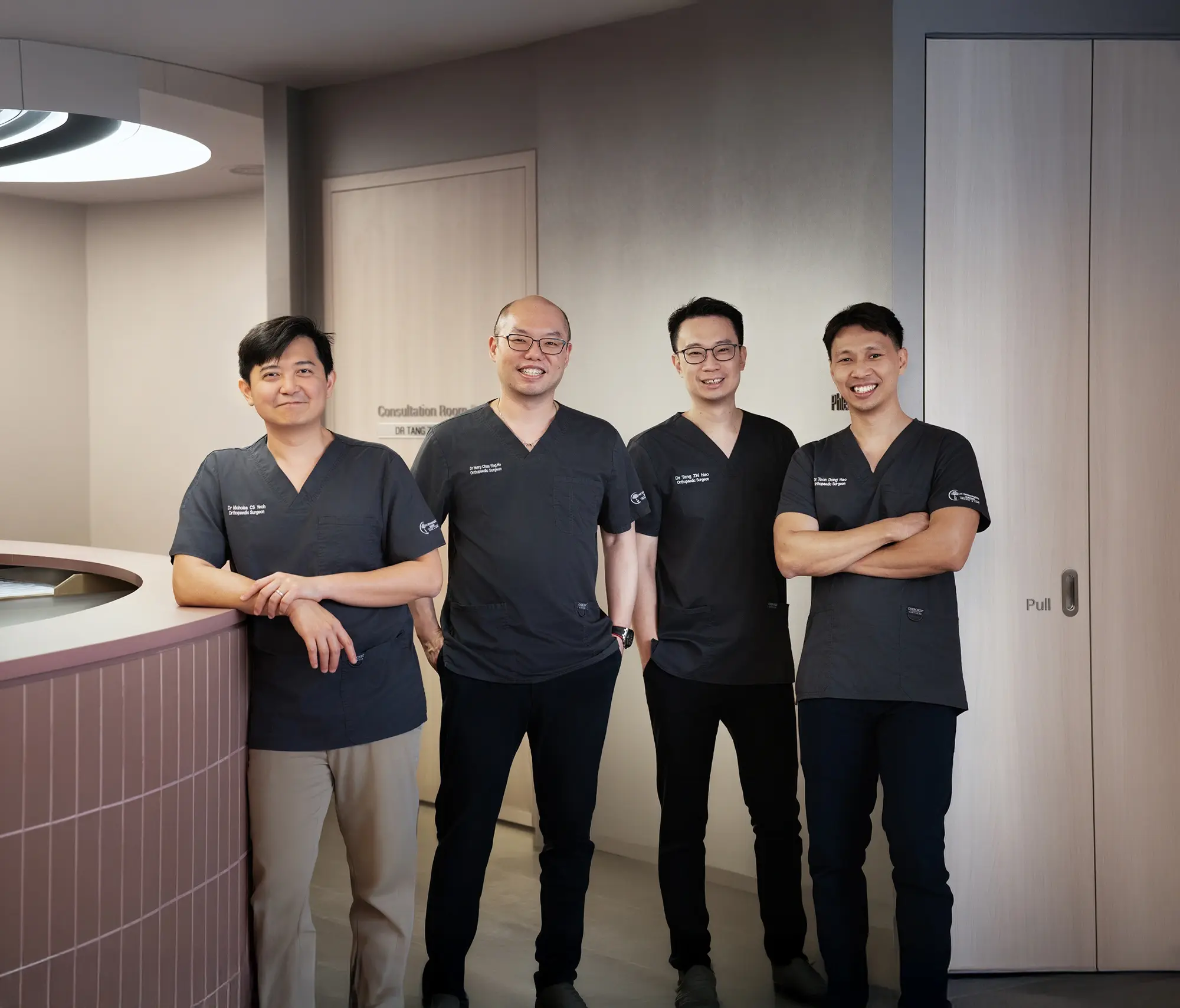
Management at HC Orthopaedic Surgery is led by Dr Henry Chan, Medical Director and senior consultant orthopaedic surgeon, alongside Dr Nicholas Yeoh, Dr Toon Dong Hao and Dr Tang Zhi Hao. With dedicated subspecialty training in shoulder care, Dr Toon completed a fellowship in Advanced Shoulder and Elbow Surgery in Sydney, Australia, and is regularly invited as a speaker and clinical instructor at local and regional courses. His specialised training underpins a focused and evidence-based approach to frozen shoulder care.
Frequently Asked Questions (FAQs) About Frozen Shoulder
What Is Frozen Shoulder?
Can frozen shoulder resolve on its own?
How Long Does Frozen Shoulder Usually Last?
Can frozen shoulder affect both shoulders?
Can frozen shoulder cause long-term problems?
Can frozen shoulder develop in younger adults?
Can frozen shoulder be prevented?
Does frozen shoulder cause constant pain?
Meet Our Specialist Team
Our team comprises Dr Henry Chan, Dr Nicholas Yeoh, Dr Toon Dong Hao, and Dr Tang Zhi Hao — experienced orthopaedic surgeons with subspecialty experience and a patient-centred approach to care.
Dr Henry Chan
Medical Director & Senior Consultant Orthopaedic Surgeon
MBBS (S’pore), MRCS (Edinburgh), MMed (Orthopaedic Surgery), FRCS (Edinburgh)
Dr Henry Chan is an experienced orthopaedic surgeon specialising in joint replacement and complex revision surgery. Trained at the renowned Helios Endo-Klinik in Germany under the MOH HMDP scholarship, he has performed over 1,000 joint replacements and specialises in computer-assisted and robotic joint replacement techniques for precise outcomes.
Dr Nicholas Yeoh
Senior Consultant Orthopaedic Surgeon
MBChB (Edinburgh), MRCS (Edinburgh), MMed (Orthopaedic Surgery), FRCS (Edinburgh)
Dr Nicholas Yeoh is an MOH-accredited orthopaedic specialist and Fellow of the Royal College of Surgeons of Edinburgh. Fellowship-trained in hip and knee reconstruction in Sydney under the MOH HMDP scholarship, he specialises in minimally invasive joint replacement, robotic surgery and advanced techniques that enhance recovery and surgical outcomes.
Dr Toon Dong Hao
Senior Consultant Orthopaedic Surgeon
MBChB (Leeds), MRCS (Edinburgh), MMed (Orthopaedic Surgery), FRCS (Edinburgh)
Dr Toon Dong Hao is a skilled orthopaedic surgeon and Fellow of the Royal College of Surgeons of Edinburgh. Fellowship-trained in Advanced Shoulder and Elbow Surgery in Sydney under the MOH HMDP scholarship, Dr Toon specialises in sports injuries, arthroscopic surgery and complex shoulder, elbow and knee procedures to restore function and mobility.
Dr Tang Zhi Hao
Senior Consultant Orthopaedic Surgeon
MBBS (S’pore), MRCS (Edinburgh), MMed (Orthopaedic Surgery), FRCS (Edinburgh)
Dr Tang Zhi Hao is a fellowship-trained orthopaedic surgeon specialising in foot and ankle conditions. He completed his Foot and Ankle Surgery fellowship at Severance Hospital, Yonsei University Health System in Seoul under Professor Jin Woo Lee. Prior to private practice, he served as Consultant and Deputy Head of Orthopaedics at Khoo Teck Puat Hospital.