
Sports Surgery
in Singapore

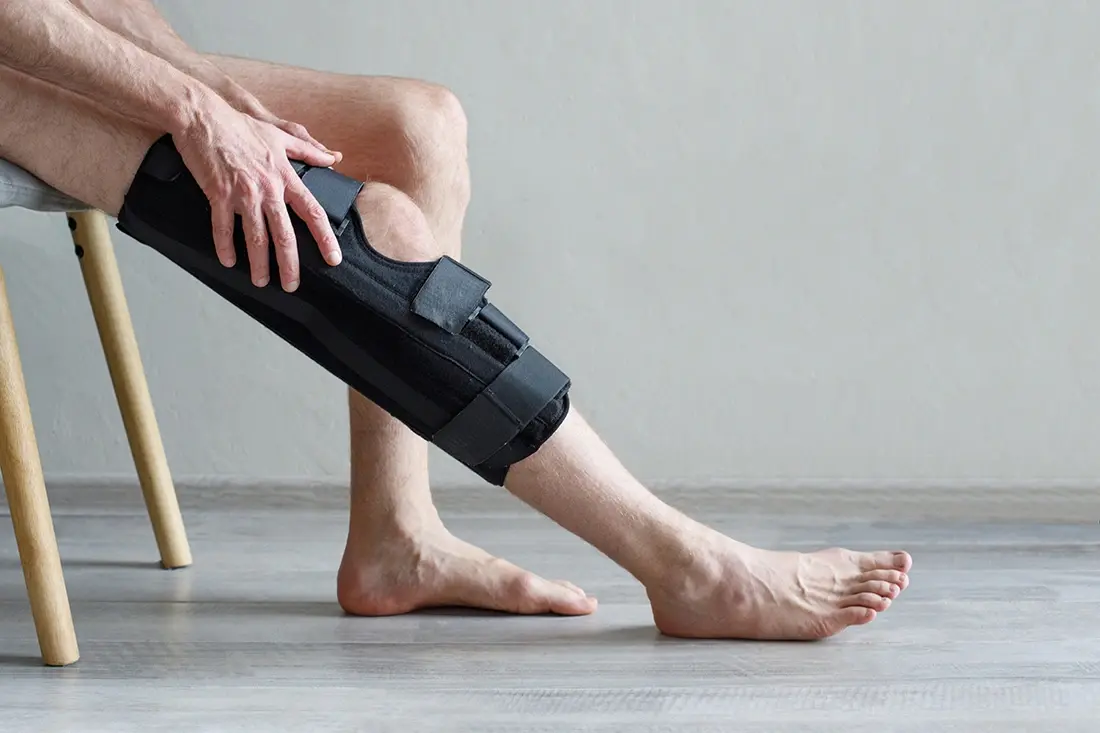
Participating in sports and staying active is a vital part of a healthy lifestyle, but high-impact activities often carry the risk of sudden, traumatic injuries. Whether it is a sharp snap in the knee during a football match, a painful shoulder dislocation during a swim, or chronic tendon pain that refuses to subside, sports injuries can be deeply discouraging.
These functional limitations often prevent you from training, competing, or even enjoying basic recreational movements. When conservative treatments—such as the RICE protocol, anti-inflammatory medications, and specialised physiotherapy—fail to restore the structural integrity needed for high-demand activity, surgical intervention becomes an essential pathway.
Sports surgery is a well-established, evidence-based field of orthopaedics designed to repair and reconstruct damaged ligaments, tendons, and cartilage. Utilising advanced minimally invasive techniques, these procedures are tailored to meet the specific mechanical demands of athletes and active individuals.
What Is Sports Surgery and Who Might Need It?
Sports surgery refers to a group of orthopaedic procedures used to treat injuries affecting the joints, ligaments, tendons and cartilage that commonly occur during sports or physical activity. These procedures are designed to repair damaged structures, restore joint stability and support a safe return to movement and athletic performance.
Many sports injuries can be managed with non-surgical treatments such as physiotherapy, medication, activity modification or supportive bracing. However, surgery may be considered when structural damage to the joint or surrounding tissues prevents normal healing or when symptoms persist despite conservative treatment.
Sports surgery is often recommended for patients with injuries such as:
Ligament injuries
Tears or severe sprains affecting stabilising ligaments in joints such as the knee, ankle or shoulder. A common example is an ACL tear in the knee, which may cause joint instability, especially during pivoting or high-impact activities.
Tendon injuries
Partial or complete tears of tendons that connect muscles to bones, which can affect strength, joint control and movement. One common example is an Achilles tendon rupture, which affects the tendon connecting the calf muscles to the heel and can significantly impair walking, running or jumping.
Cartilage damage
Injury to the smooth cartilage that cushions the joints, which may cause pain, swelling or limited joint movement. A common example is knee cartilage damage, which can occur from sudden twisting injuries or repeated stress during sports activities.
Meniscus Tears
Damage to the cartilage cushion in the knee, known as the meniscus, which can cause pain, swelling, joint locking or instability during activity. A meniscus tear commonly occurs during twisting or pivoting movements in sports.
Shoulder Instability or Labral Tears
Injuries affecting the stabilising structures of the shoulder joint, such as the labrum, which helps keep the joint stable. A labral tear or recurrent shoulder instability may occur after traumatic dislocation or repetitive overhead movements in sports such as tennis, swimming or throwing sports.
The suitability of surgery depends on factors such as the type and severity of the injury, the patient’s activity level and overall health. A thorough clinical assessment allows the orthopaedic specialist to determine whether surgical treatment is appropriate and to develop a treatment plan tailored to the patient’s goals and recovery needs.
What to Expect From Sports Surgery
Sports surgery typically involves careful preparation, a targeted surgical procedure and structured rehabilitation to support healing and restore joint stability and function.
How to Prepare
You may be advised to:
- Temporarily stop certain medications, particularly blood-thinning drugs
- Avoid food and drinks for a specified period before surgery
- Arrange transportation and assistance at home after the procedure
- Prepare your home environment to support safe mobility during recovery
Procedure Overview
During the procedure, the surgeon may:
- Repair or reconstruct torn ligaments, such as the ACL
- Trim or repair damaged cartilage or meniscus tissue
- Reattach or repair injured tendons
- Stabilise joints that are prone to dislocation or instability
- Remove loose fragments of bone or cartilage within the joint
Aftercare and Recovery
Your doctor may recommend:
- Gradual return to movement and weight-bearing activities
- Physiotherapy to rebuild strength, flexibility and coordination
- Pain management and swelling control during the early recovery phase
- Specific activity restrictions to protect the healing tissues
- Follow-up appointments to monitor healing and recovery progress
Treatment Benefits
How Does Sports Surgery Help You Return to Activity?
Sports surgery aims to repair damaged structures, restore joint stability and support a safe return to physical activity. For suitable patients, surgical treatment may offer several potential benefits.
Restored Joint Stability
Repairing or reconstructing damaged ligaments, tendons or cartilage can help restore stability to the affected joint, allowing safer movement during sports and daily activities.
Protection of Joint Health
Addressing structural injuries early may help reduce abnormal stress on the joint and support long-term joint function.
Minimally Invasive Techniques
Many sports procedures are performed using arthroscopic or minimally invasive techniques, which may reduce disruption to surrounding tissues and support recovery.
Return to Physical Activity
By restoring joint function and stability, sports surgery can help patients gradually return to sports, exercise and active lifestyles following appropriate rehabilitation.
Understanding the Risks
Potential Risks and Complications of Sports Surgery
Sports surgery is generally considered safe when performed by an experienced orthopaedic specialist. However, as with any surgical procedure, there are potential risks and complications that patients should understand before undergoing treatment.
Possible risks may include:
Graft Failure or Re-tear
In procedures such as ACL reconstruction, there is a possibility that the repaired or reconstructed ligament may tear again, particularly if the joint is placed under stress before full recovery.
Arthrofibrosis (Joint Stiffness)
Some patients may develop excessive scar tissue around the joint following surgery, which can limit range of motion and may require physiotherapy or additional treatment.
Nerve or Vascular Sensitivity
Temporary numbness or sensitivity around the surgical incision may occur due to irritation of nearby nerves. These symptoms are usually mild and improve with time.
Standard Surgical Risks
General surgical risks may include infection, bleeding or reactions to anaesthesia, although these complications are relatively uncommon.
Cost of Sports Surgery in Singapore
The cost of sports surgery in Singapore can vary depending on several medical and logistical factors. Because every sports injury and treatment plan is different, the overall cost will reflect the complexity of the injury, the surgical technique required and the care needed before and after the procedure.
Key Cost Drivers
Several factors can affect the overall cost of sports surgery in Singapore:

Insurance and Financing
Sports injuries are generally considered "acute" medical conditions and are well-covered by Integrated Shield Plans and private health insurance. Patients may also utilise MediSave and MediShield Life for eligible surgical components. Most sports insurance policies for professional or semi-pro athletes also provide coverage for these essential reconstructions. A detailed cost estimate can be provided after your orthopaedic specialist evaluates your injury and recommends the most appropriate treatment plan.
Return to Sport Safely with HC Orthopaedic Surgery
Sports injuries can interrupt training, competition and the active lifestyle many athletes value. Whether you are a competitive athlete or an active individual, recovering properly from a sports injury is essential to restoring strength, stability and long-term joint health. A thorough assessment helps identify the exact source of injury and ensures that the treatment plan supports both recovery and a safe return to physical activity.
Return to Sport Safely with HC Orthopaedic Surgery
Sports injuries can interrupt training, competition and the active lifestyle many athletes value. Whether you are a competitive athlete or an active individual, recovering properly from a sports injury is essential to restoring strength, stability and long-term joint health. A thorough assessment helps identify the exact source of injury and ensures that the treatment plan supports both recovery and a safe return to physical activity.

Our Specialised Team
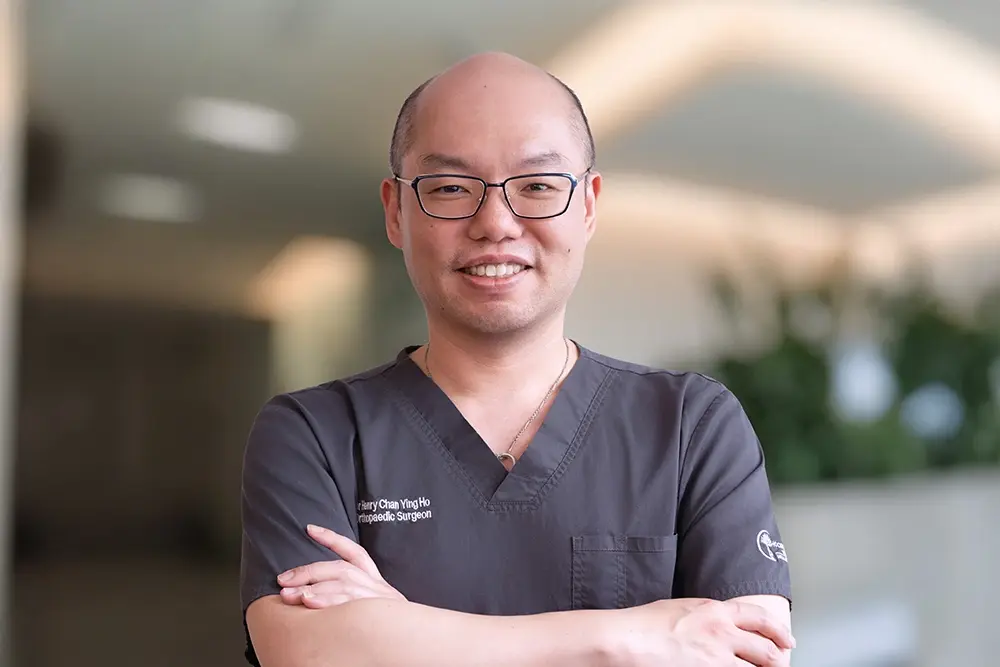
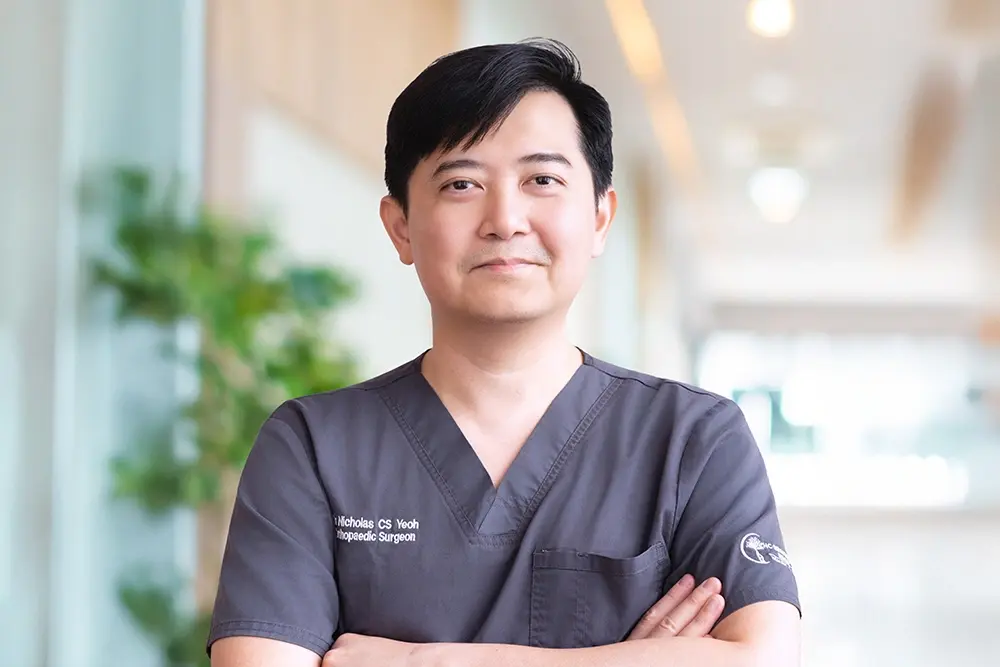
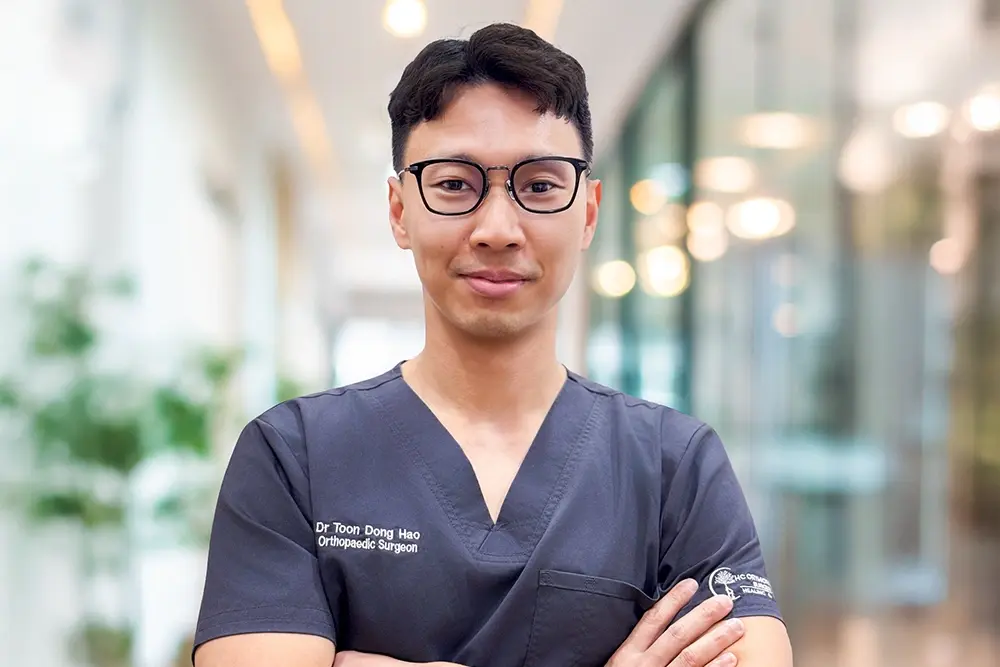
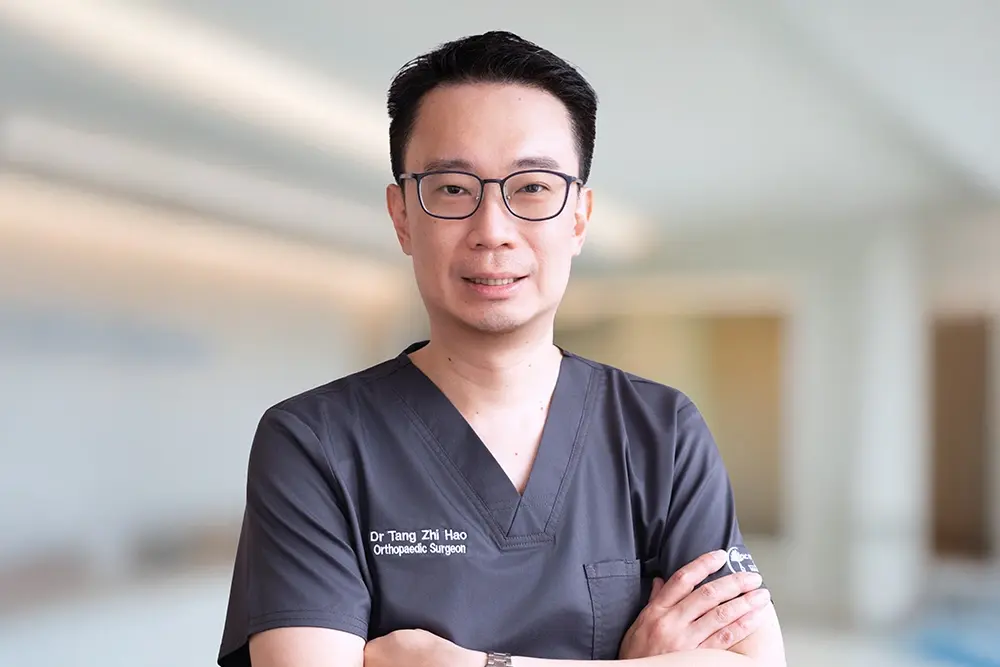
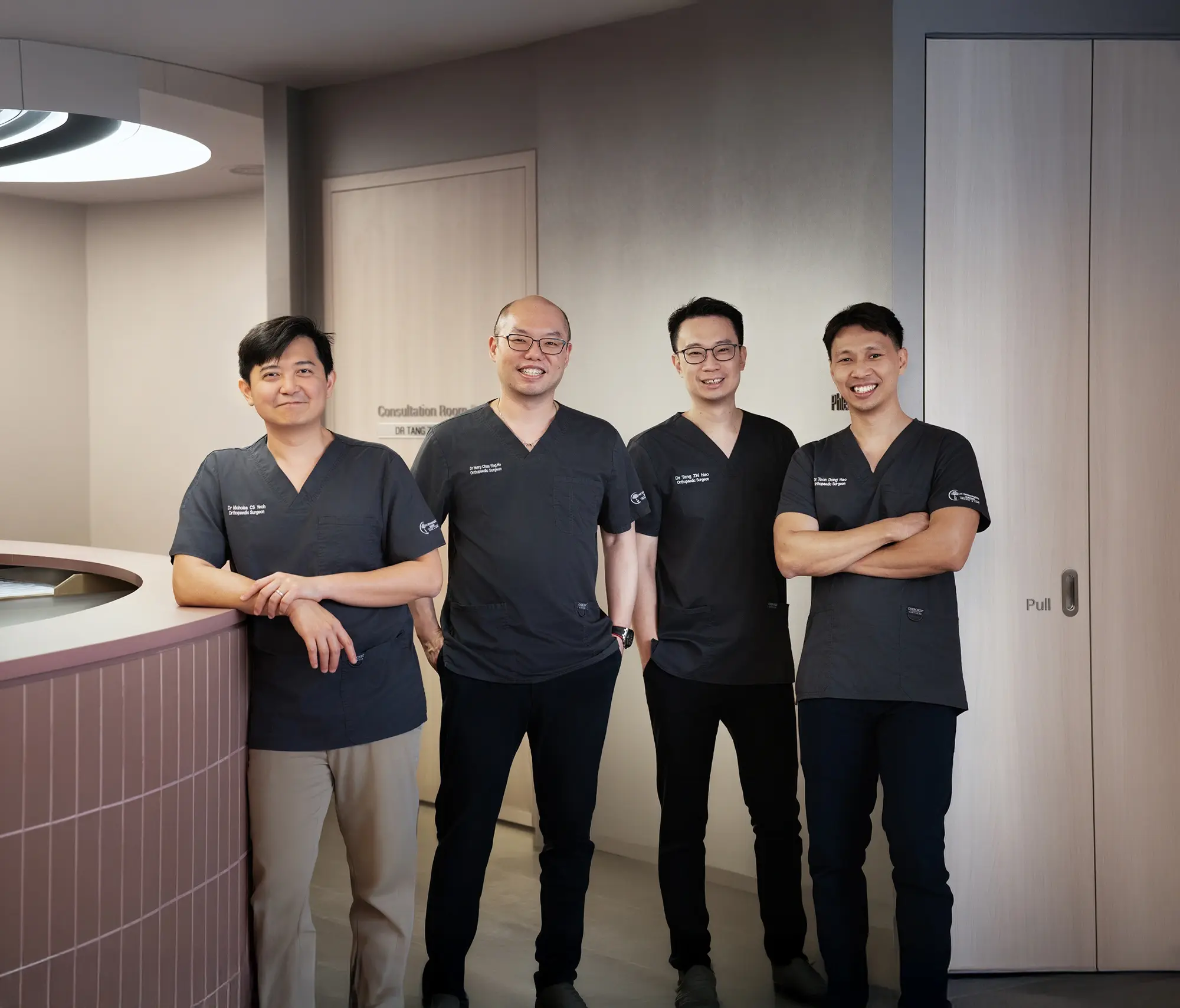
Care at HC Orthopaedic Surgery is led by Dr Henry Chan, Medical Director and senior consultant orthopaedic surgeon, alongside Dr Nicholas Yeoh, Dr Toon Dong Hao and Dr Tang Zhi Hao. Our team has extensive experience managing sports-related injuries across the knee, shoulder, ankle and other joints, using evidence-based techniques to repair damaged structures and restore joint function. Through personalised treatment planning, advanced surgical techniques and structured rehabilitation guidance, we help athletes and active individuals regain confidence in movement and return safely to the activities they enjoy.
Frequently Asked Questions (FAQs) About Sports Surgery
When is sports surgery necessary instead of physiotherapy?
Are most sports surgeries performed using keyhole techniques?
How do surgeons decide which surgical technique to use?
Can sports surgery help prevent future joint problems?
Will surgery help me return to sports safely?
Will I permanently lose range of motion after sports surgery?
How soon can I start running again after sports surgery?
How important is rehabilitation after sports surgery?
Meet Our Specialist Team
Our team comprises Dr Henry Chan, Dr Nicholas Yeoh, Dr Toon Dong Hao, and Dr Tang Zhi Hao — experienced orthopaedic surgeons with subspecialty experience and a patient-centred approach to care.
Dr Henry Chan
Medical Director & Senior Consultant Orthopaedic Surgeon
MBBS (S’pore), MRCS (Edinburgh), MMed (Orthopaedic Surgery), FRCS (Edinburgh)
Dr Henry Chan is an experienced orthopaedic surgeon specialising in joint replacement and complex revision surgery. Trained at the renowned Helios Endo-Klinik in Germany under the MOH HMDP scholarship, he has performed over 1,000 joint replacements and specialises in computer-assisted and robotic joint replacement techniques for precise outcomes.
Dr Nicholas Yeoh
Senior Consultant Orthopaedic Surgeon
MBChB (Edinburgh), MRCS (Edinburgh), MMed (Orthopaedic Surgery), FRCS (Edinburgh)
Dr Nicholas Yeoh is an MOH-accredited orthopaedic specialist and Fellow of the Royal College of Surgeons of Edinburgh. Fellowship-trained in hip and knee reconstruction in Sydney under the MOH HMDP scholarship, he specialises in minimally invasive joint replacement, robotic surgery and advanced techniques that enhance recovery and surgical outcomes.
Dr Toon Dong Hao
Senior Consultant Orthopaedic Surgeon
MBChB (Leeds), MRCS (Edinburgh), MMed (Orthopaedic Surgery), FRCS (Edinburgh)
Dr Toon Dong Hao is a skilled orthopaedic surgeon and Fellow of the Royal College of Surgeons of Edinburgh. Fellowship-trained in Advanced Shoulder and Elbow Surgery in Sydney under the MOH HMDP scholarship, Dr Toon specialises in sports injuries, arthroscopic surgery and complex shoulder, elbow and knee procedures to restore function and mobility.
Dr Tang Zhi Hao
Senior Consultant Orthopaedic Surgeon
MBBS (S’pore), MRCS (Edinburgh), MMed (Orthopaedic Surgery), FRCS (Edinburgh)
Dr Tang Zhi Hao is a fellowship-trained orthopaedic surgeon specialising in foot and ankle conditions. He completed his Foot and Ankle Surgery fellowship at Severance Hospital, Yonsei University Health System in Seoul under Professor Jin Woo Lee. Prior to private practice, he served as Consultant and Deputy Head of Orthopaedics at Khoo Teck Puat Hospital.