
Robotic-assisted Orthopaedic Surgery
in Singapore


Joint pain and mobility problems can make everyday activities such as walking, climbing stairs or exercising increasingly difficult. These symptoms are often caused by conditions such as osteoarthritis, joint degeneration or previous injuries that gradually affect the function and stability of the joint.
In many cases, symptoms improve with non-surgical treatment such as physiotherapy, medication or lifestyle modification. However, when joint damage becomes more advanced and conservative treatments no longer provide adequate relief, surgery may be considered to restore joint function and reduce pain.
Robotic-assisted orthopaedic surgery may be recommended in suitable cases to support greater surgical precision and personalised joint alignment during procedures such as joint replacement. The aim is to improve surgical accuracy, protect surrounding tissues and help patients return safely to their daily activities.
What Is Robotic-assisted Surgery and When Is It Recommended?
Robotic-assisted orthopaedic surgery is an advanced surgical technique that uses computer-guided technology to support greater precision during joint procedures. The robotic system helps surgeons plan the operation based on the patient’s individual anatomy and provides real-time guidance during surgery to assist with accurate positioning and alignment of implants.
Although the procedure is performed by an orthopaedic surgeon, the robotic system acts as a supportive tool that enhances surgical accuracy and consistency. This approach can help surgeons make more precise bone preparations and implant placements while protecting surrounding tissues.
Robotic-assisted surgery can be used in procedures such as partial knee replacement, total knee replacement and total hip replacement, where precise implant positioning and joint alignment are important for long-term function and durability.
It may be recommended for patients who have joint damage that significantly affects mobility and quality of life despite non-surgical treatment.
Common conditions where robotic-assisted surgery may be considered include:
Osteoarthritis
Degeneration of joint cartilage, such as in the hip or knee, that causes pain, stiffness and reduced mobility.
Post-traumatic arthritis
Joint degeneration that develops after previous injuries or fractures affecting the joint surfaces.
Rheumatoid arthritis
An inflammatory joint condition that can lead to progressive joint damage, deformity and loss of function.
Suitability for robotic-assisted surgery depends on factors such as the severity of joint damage, overall health and the type of joint procedure required. An orthopaedic specialist will evaluate each patient carefully to determine whether robotic-assisted techniques are appropriate as part of their treatment plan.
What to Expect From Robotic-Assisted Surgery
Robotic-assisted orthopaedic surgery involves careful pre-operative planning, a technologically guided surgical procedure and structured rehabilitation to support recovery and restore joint function.
How to Prepare
You may be advised to:
- Temporarily stop certain medications, particularly blood-thinning drugs
- Avoid food and drinks for a specified period before surgery
- Arrange transportation and assistance at home after the procedure
- Prepare your home environment to support safe movement during recovery
Procedure Overview
During the procedure:
- The surgeon makes a surgical incision to access the affected joint
- The robotic system provides real-time guidance based on the pre-operative plan
- The surgeon prepares the bone surfaces with high precision
- Artificial joint components are positioned and aligned according to the surgical plan
- The joint is assessed for stability and range of motion before the incision is closed
Aftercare and Recovery
Your doctor may advise you to:
- Begin physiotherapy to improve strength, flexibility and joint movement
- Gradually increase physical activity as the joint heals
- Use prescribed medications to manage pain or inflammation
- Follow specific precautions to protect the joint during recovery
- Attend follow-up appointments to monitor healing and progress
Treatment Benefits
What Are the Benefits of Robotic-assisted Surgery?
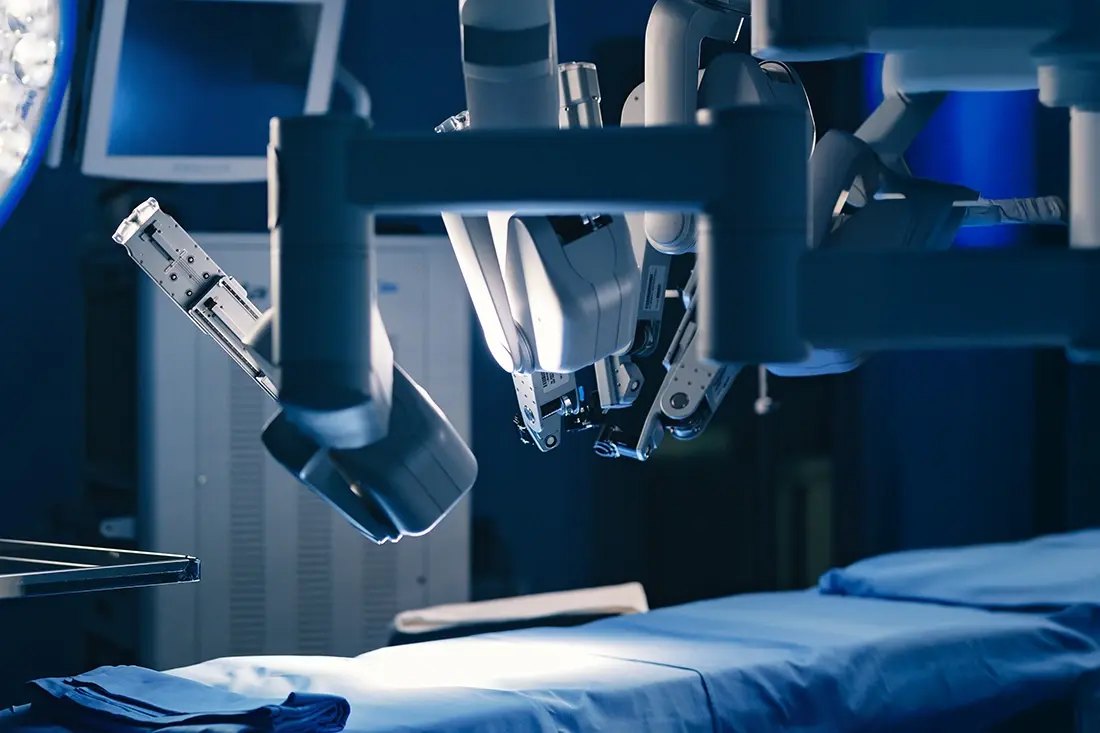
Robotic-assisted orthopaedic surgery combines advanced computer-guided technology with the expertise of the surgeon to support greater precision during joint procedures. By enabling more detailed surgical planning and real-time guidance during the operation, this approach may offer several potential benefits for suitable patients.
Treatment Benefits
What Are the Benefits of Robotic-assisted Surgery?
Robotic-assisted orthopaedic surgery combines advanced computer-guided technology with the expertise of the surgeon to support greater precision during joint procedures. By enabling more detailed surgical planning and real-time guidance during the operation, this approach may offer several potential benefits for suitable patients.
Improved surgical precision
Robotic systems allow surgeons to plan procedures using detailed imaging and three-dimensional models of the joint. This helps guide bone preparation and implant positioning with a high level of accuracy.
More personalised surgical planning
Because the technology maps the patient’s unique anatomy before surgery, the procedure can be planned according to the individual structure and alignment of the joint rather than relying solely on standard measurements.
Better implant alignment
Accurate positioning of joint implants is important for joint function and long-term durability. Robotic assistance helps surgeons align implants more precisely based on the surgical plan.
Protection of surrounding tissues
The technology can help surgeons work within carefully defined boundaries, which may reduce unnecessary disruption to nearby ligaments and soft tissues during the procedure.
Potential for improved joint function
Precise implant placement and balanced joint alignment may support smoother joint movement and improved stability following surgery.
Understanding the Risks
Potential Risks and Complications of Robotic-assisted Surgery
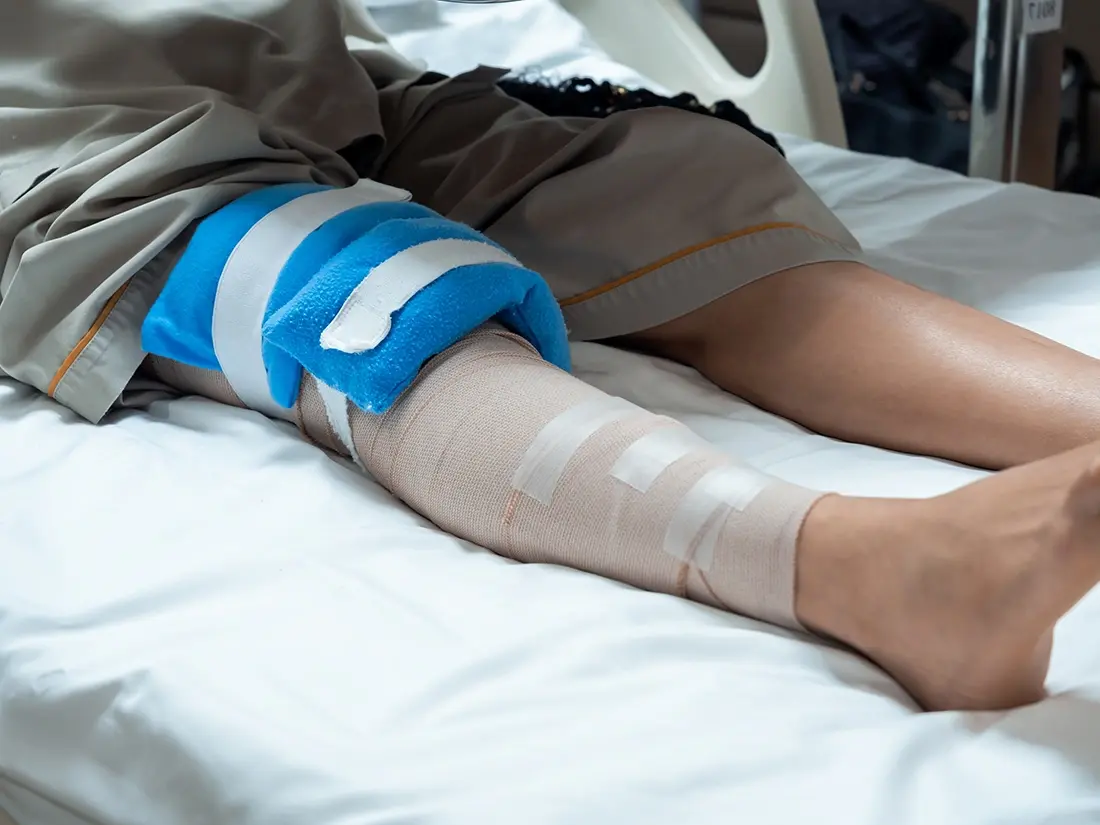
Robotic-assisted orthopaedic surgery is generally considered safe when performed by a trained and experienced surgeon. However, as with any surgical procedure, there are potential risks and complications that patients should understand before undergoing treatment. The use of robotic technology helps support surgical precision but does not eliminate the general risks associated with orthopaedic surgery.
Possible risks may include:
Understanding the Risks
Potential Risks and Complications of Robotic-assisted Surgery
Robotic-assisted orthopaedic surgery is generally considered safe when performed by a trained and experienced surgeon. However, as with any surgical procedure, there are potential risks and complications that patients should understand before undergoing treatment. The use of robotic technology helps support surgical precision but does not eliminate the general risks associated with orthopaedic surgery.
Possible risks may include:
Infection
Although surgical environments are carefully controlled, infections can occasionally occur at the surgical site or around the joint implant.
Bleeding
Minor bleeding may occur during or after surgery. Significant blood loss is uncommon but may require additional management in some cases.
Blood clots
Blood clots may develop in the legs after joint surgery. Preventive measures such as early mobilisation and medication are typically used to reduce this risk.
Nerve or blood vessel injury
Nearby nerves or blood vessels may be irritated or injured during surgery, which may lead to temporary or, in rare cases, persistent symptoms.
Joint stiffness or persistent pain
Some patients may continue to experience stiffness, discomfort or limited range of motion following surgery despite appropriate treatment and rehabilitation.
Implant-related complications
Over time, joint implants may loosen, wear or become misaligned, which may require further treatment or revision surgery.
Cost of Robotic-assisted Orthopaedic Surgery in Singapore
The cost of robotic-assisted orthopaedic surgery in Singapore can vary depending on several clinical and procedural factors. Because each patient’s condition and surgical plan are unique, the total cost will reflect the specific treatment approach and resources required for the procedure.
Key Cost Drivers
Several factors can affect the cost of robotic-assisted orthopaedic surgeries:

Insurance and Financing
Robotic-assisted surgery is increasingly used in joint replacement procedures and may be covered by many Integrated Shield Plans and private health insurance policies when deemed medically necessary. Patients may also utilise MediSave and MediShield Life to offset part of the hospital and surgical costs, depending on eligibility and policy coverage. A detailed cost estimate can be provided after your orthopaedic specialist evaluates your condition and recommends the most appropriate treatment plan.
Explore Advanced Orthopaedic Care at HC Orthopaedic Surgery
Joint degeneration and chronic joint pain can significantly affect mobility, independence and overall quality of life. Because each patient’s anatomy, symptoms and functional goals differ, a thorough clinical evaluation is essential to determine the most appropriate treatment approach. By carefully assessing the extent of joint damage and overall joint alignment, we develop evidence-based treatment plans tailored to each patient’s condition and recovery goals.
Explore Advanced Orthopaedic Care at HC Orthopaedic Surgery
Joint degeneration and chronic joint pain can significantly affect mobility, independence and overall quality of life. Because each patient’s anatomy, symptoms and functional goals differ, a thorough clinical evaluation is essential to determine the most appropriate treatment approach. By carefully assessing the extent of joint damage and overall joint alignment, we develop evidence-based treatment plans tailored to each patient’s condition and recovery goals.

Our Specialised Team
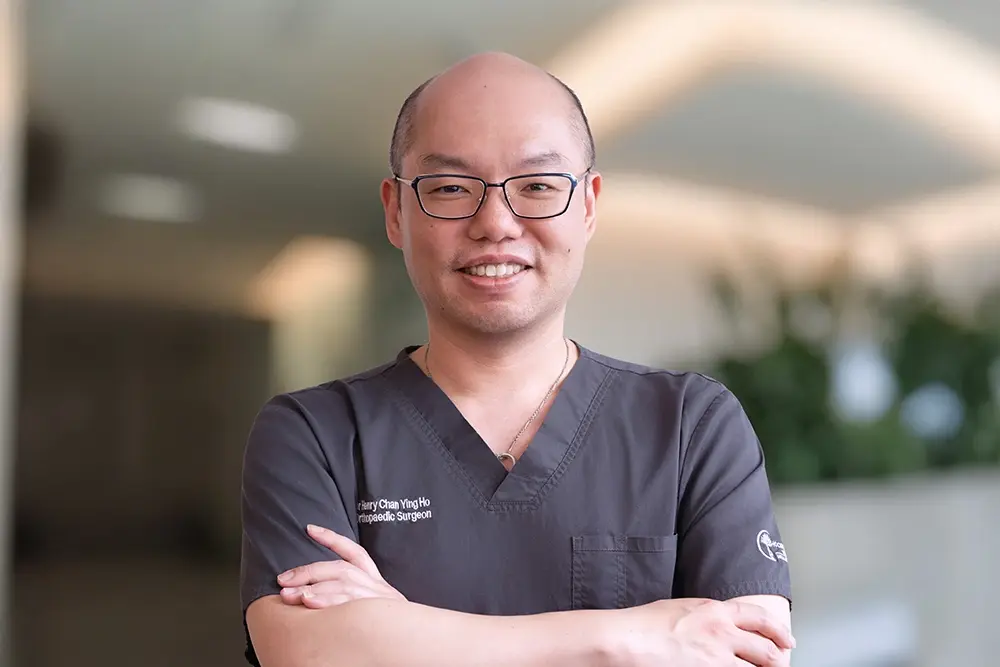
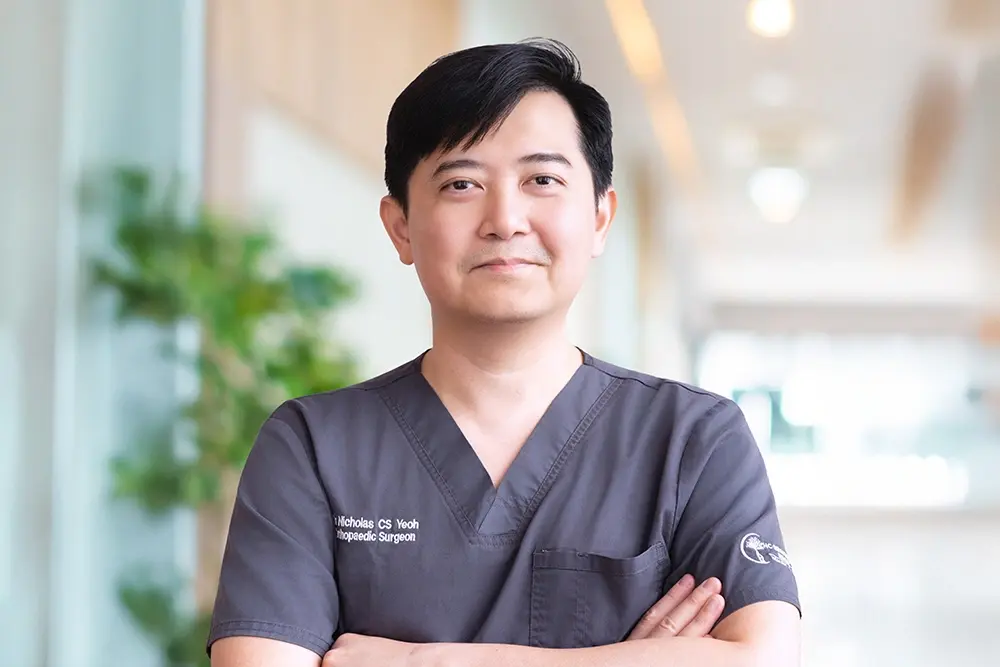
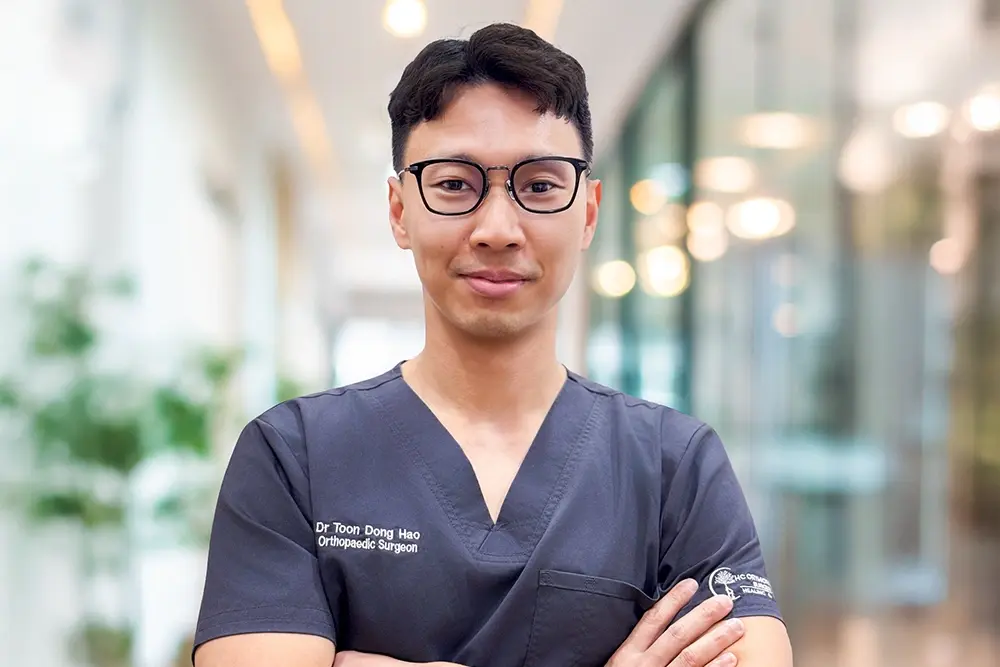
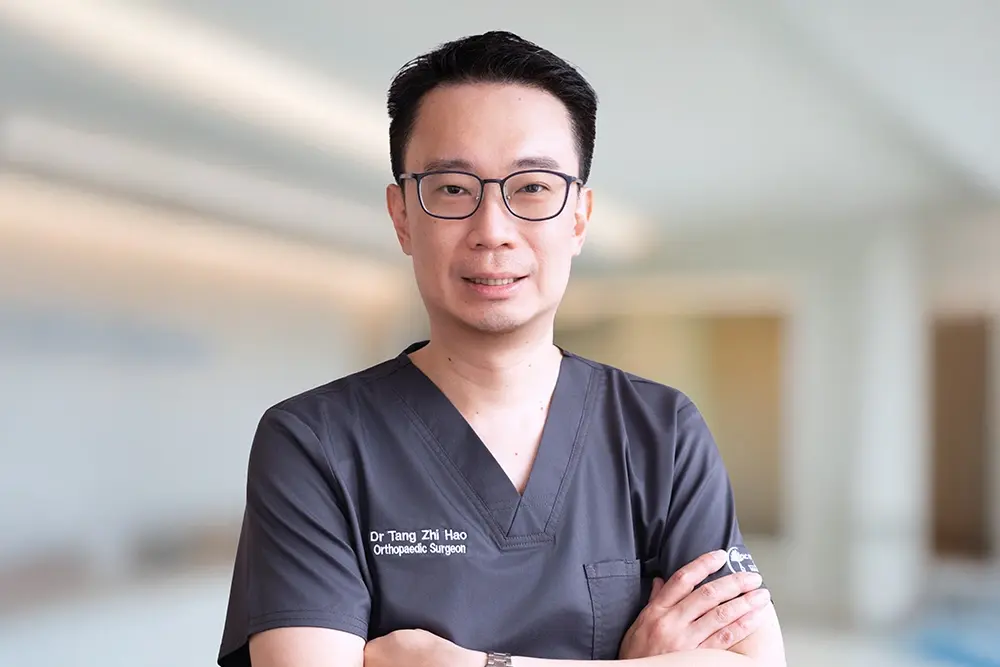
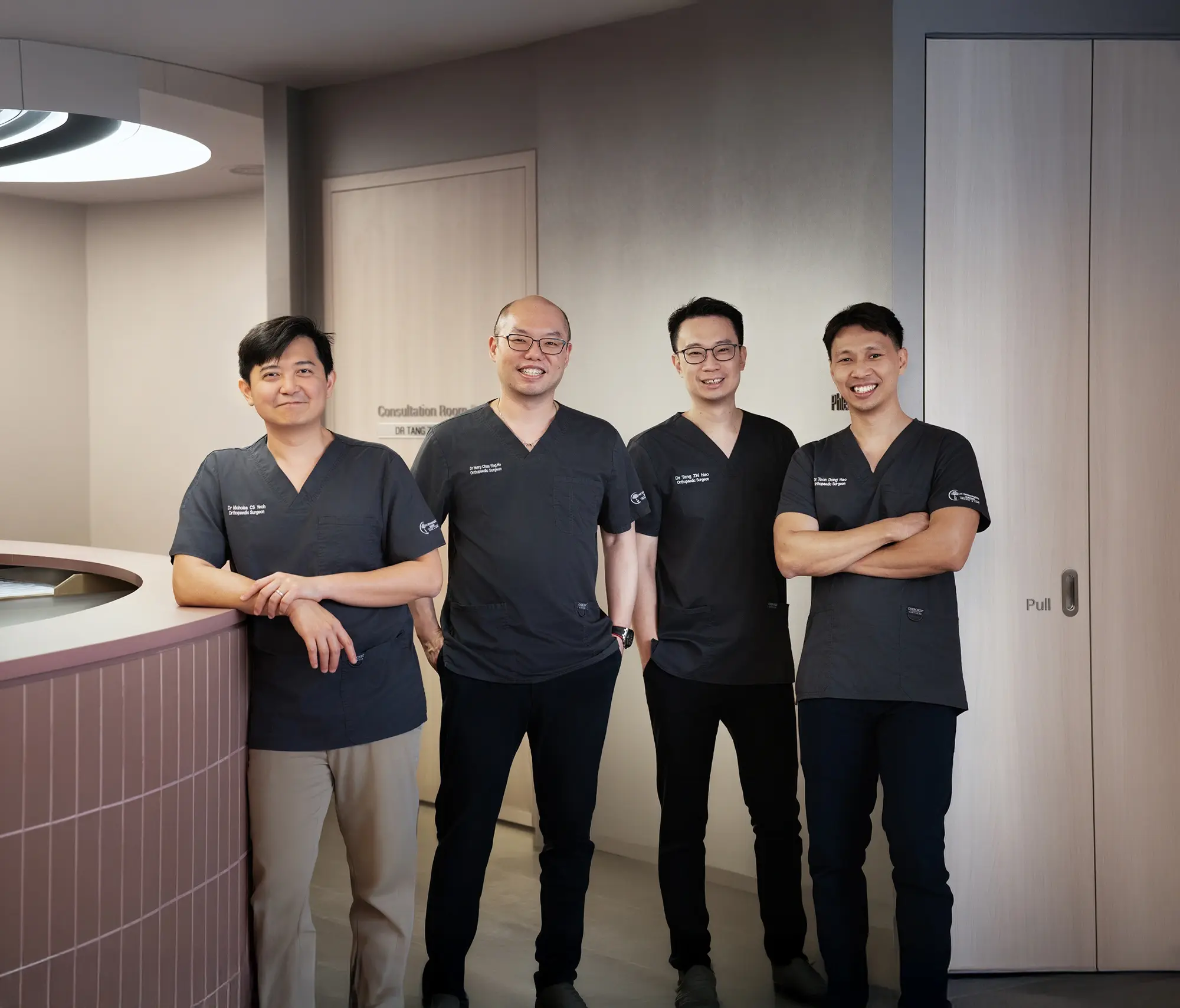
Care at HC Orthopaedic Surgery is led by Dr Henry Chan, Medical Director and senior consultant orthopaedic surgeon trained in robotic-assisted orthopaedic surgery, together with Dr Nicholas Yeoh, Dr Toon Dong Hao and Dr Tang Zhi Hao. With extensive experience in joint conditions and orthopaedic procedures, our team focuses on accurate diagnosis, thoughtful treatment planning and coordinated care throughout the surgical journey. Where appropriate, advanced technologies may be incorporated to support precision during surgery and help patients return safely to daily activities.
Frequently Asked Questions (FAQs) About Robotic-assisted Surgery
Is the robot actually performing the surgery on its own?
Does robotic surgery significantly increase the cost of my procedure?
Are the risks higher because more technology is involved?
How long is the recovery compared to traditional surgery?
Am I too old or too young for robotic-assisted surgery?
Meet Our Specialist Team
Our team comprises Dr Henry Chan, Dr Nicholas Yeoh, Dr Toon Dong Hao, and Dr Tang Zhi Hao — experienced orthopaedic surgeons with subspecialty experience and a patient-centred approach to care.
Dr Henry Chan
Medical Director & Senior Consultant Orthopaedic Surgeon
MBBS (S’pore), MRCS (Edinburgh), MMed (Orthopaedic Surgery), FRCS (Edinburgh)
Dr Henry Chan is an experienced orthopaedic surgeon specialising in joint replacement and complex revision surgery. Trained at the renowned Helios Endo-Klinik in Germany under the MOH HMDP scholarship, he has performed over 1,000 joint replacements and specialises in computer-assisted and robotic joint replacement techniques for precise outcomes.
Dr Nicholas Yeoh
Senior Consultant Orthopaedic Surgeon
MBChB (Edinburgh), MRCS (Edinburgh), MMed (Orthopaedic Surgery), FRCS (Edinburgh)
Dr Nicholas Yeoh is an MOH-accredited orthopaedic specialist and Fellow of the Royal College of Surgeons of Edinburgh. Fellowship-trained in hip and knee reconstruction in Sydney under the MOH HMDP scholarship, he specialises in minimally invasive joint replacement, robotic surgery and advanced techniques that enhance recovery and surgical outcomes.
Dr Toon Dong Hao
Senior Consultant Orthopaedic Surgeon
MBChB (Leeds), MRCS (Edinburgh), MMed (Orthopaedic Surgery), FRCS (Edinburgh)
Dr Toon Dong Hao is a skilled orthopaedic surgeon and Fellow of the Royal College of Surgeons of Edinburgh. Fellowship-trained in Advanced Shoulder and Elbow Surgery in Sydney under the MOH HMDP scholarship, Dr Toon specialises in sports injuries, arthroscopic surgery and complex shoulder, elbow and knee procedures to restore function and mobility.
Dr Tang Zhi Hao
Senior Consultant Orthopaedic Surgeon
MBBS (S’pore), MRCS (Edinburgh), MMed (Orthopaedic Surgery), FRCS (Edinburgh)
Dr Tang Zhi Hao is a fellowship-trained orthopaedic surgeon specialising in foot and ankle conditions. He completed his Foot and Ankle Surgery fellowship at Severance Hospital, Yonsei University Health System in Seoul under Professor Jin Woo Lee. Prior to private practice, he served as Consultant and Deputy Head of Orthopaedics at Khoo Teck Puat Hospital.