
Platelet-rich Plasma (PRP) Injections
in Singapore

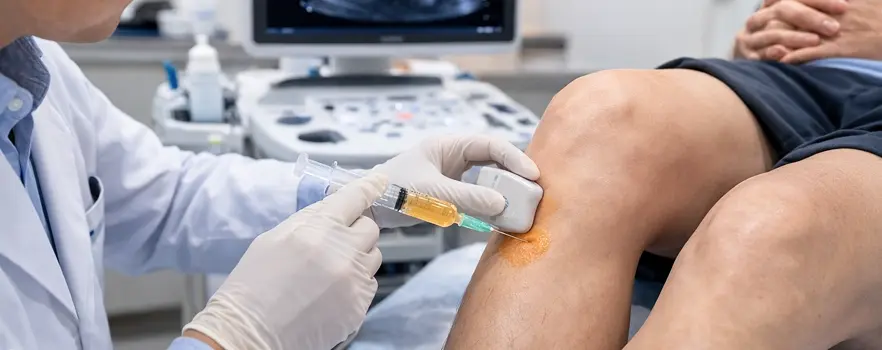
Platelet-rich plasma (PRP) injections are a treatment option often considered by individuals dealing with persistent joint pain, tendon injuries or slow-healing musculoskeletal conditions. In many cases, PRP is explored after conventional treatments such as rest, physiotherapy or medication have not provided sufficient relief, or when patients are looking for non-surgical ways to support recovery.
PRP therapy works by using a concentrated sample of the patient’s own platelets, which contain growth factors that may help support the body’s natural healing processes. As a result, PRP injections are commonly used in orthopaedics for conditions affecting tendons, ligaments and joints, particularly in cases involving sports injuries, overuse conditions or chronic joint pain.
What Are PRP Injections and When Are They Needed?
PRP injections are a regenerative treatment that uses a concentrated portion of a patient’s own blood to support tissue healing. They are approved by the Ministry of Health (MOH) and the Health Sciences Authority (HSA) in Singapore for certain orthopaedic applications, including the non-surgical treatment of acute muscle and ligament injuries such as:
Tennis elbow
Overuse injury causing pain on the outer elbow due to strain of the forearm extensor tendons.
Ligament injuries
Stretching or tearing of ligaments that stabilise these joints.
Golfer’s elbow
Tendon strain on the inner elbow caused by repetitive wrist or forearm movements.
Rotator cuff muscle injuries
Strain or tearing of the shoulder muscles and tendons responsible for arm movement and stability.
Plantar fascia injuries or tears, including plantar fasciitis
Inflammation or damage to the tissue along the bottom of the foot that supports the arch.
Hamstring muscle injuries
Strains or tears of the muscles at the back of the thigh, often from sudden acceleration or overstretching.
Achilles tendon injuries or partial tears
Damage or degeneration of the tendon connecting the calf muscles to the heel.
Quadriceps muscle injuries
Strains or tears of the muscles at the front of the thigh that help straighten the knee.
How PRP Works
How PRP Works
What is Being Injected?
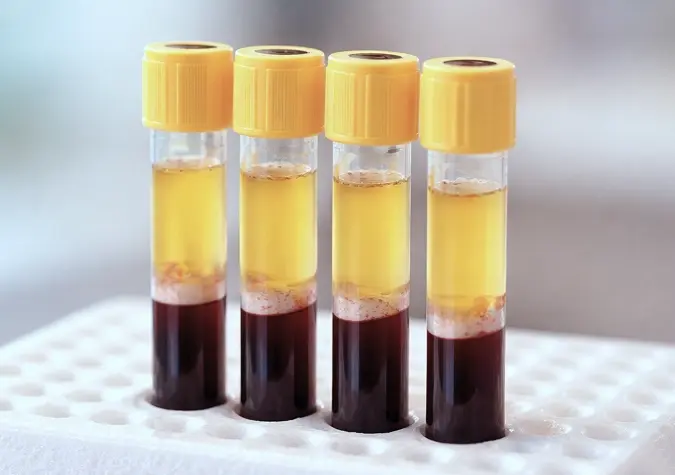
PRP injections use a concentrated portion of your own blood called platelet-rich plasma. Blood contains several components, including plasma, platelets, red blood cells and white blood cells.
Platelets play an important role in the body’s natural healing process. They contain growth factors and proteins that help support tissue repair, reduce inflammation and promote recovery after injury. To prepare PRP, a small amount of blood is first drawn. The sample is then placed in a centrifuge, a specialised machine that spins the blood to separate and concentrate the platelet-rich portion from the other blood components.
The resulting platelet-rich plasma is then carefully injected into the injured or affected area. Because PRP is derived from the patient’s own blood, it is a biological treatment designed to support the body’s natural healing response.
What to Expect From Platelet-rich Plasma (PRP) Injections
How to Prepare
- Avoid anti-inflammatory medications or supplements that can affect platelet function
- Stay well-hydrated prior to the procedure
- Rest the affected area to optimise healing
- Follow any specific fasting or lifestyle instructions provided by the specialist
- Arrange transportation if needed, depending on the treatment site and personal comfort
Procedure Overview
Aftercare and Recovery
- Avoid strenuous activity or heavy lifting for a short period
- Apply ice to the area if needed to reduce discomfort or swelling
- Follow any prescribed physiotherapy or rehabilitation exercises
- Take only recommended pain relief if necessary, avoiding anti-inflammatory medications that may interfere with healing
- Attend follow-up appointments to monitor progress and determine if additional PRP sessions are needed
Treatment Benefits
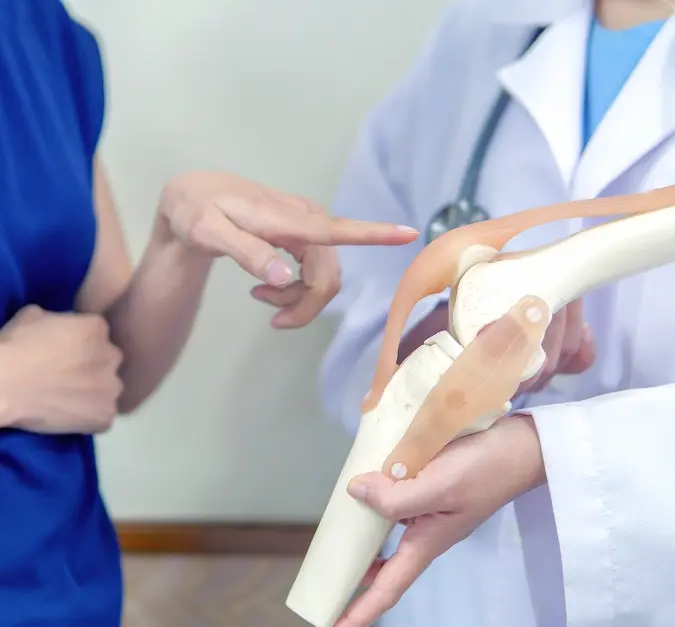
PRP injections may support recovery by harnessing the body’s natural healing processes to repair damaged tissues and regulate inflammation. Potential benefits include:
Treatment Benefits
How PRP Injections Can Help Chronic Tendon and Joint Pain
PRP injections may support recovery by harnessing the body’s natural healing processes to repair damaged tissues and regulate inflammation. Potential benefits include:
- Stimulating tissue repair
by delivering concentrated platelets and growth factors to injured areas
- Reducing pain and inflammation
in tendons, ligaments and joints
- Improving joint mobility and flexibility
as tissues recover
- Supporting recovery from tendon, ligament or muscle injuries
- Providing a minimally invasive alternative
to certain surgical treatments
- Promoting long-term musculoskeletal function
in selected conditions
- Complementing physiotherapy or other treatments
as part of a broader rehabilitation plan
Cost of Platelet-rich Plasma (PRP) Injections in Singapore
During the consultation, the orthopaedic specialist will assess the condition and advise whether PRP injections are appropriate, as well as provide an estimate of the expected costs.
Key Cost Drivers
Professional consultation and procedure fees
Use of imaging guidance
Number of PRP sessions required
Facility or hospital charges

Insurance and Financing
Coverage for PRP injections may vary depending on the insurance policy and treatment indication. Patients are encouraged to check with their clinic and insurance provider regarding available coverage. Eligible patients may be able to use MediSave, MediShield Life, Integrated Shield Plans or private insurance to help manage the costs of PRP injections and related consultations, depending on the procedure and policy terms.
Restoring Mobility with PRP Therapy at HC Orthopaedic Surgery
Platelet-rich plasma (PRP) injections offer a regenerative approach to managing tendon injuries, ligament strain and chronic joint pain by supporting the body’s natural healing processes. When used as part of a carefully planned treatment strategy, PRP therapy may help improve recovery, reduce discomfort and restore mobility, particularly for patients seeking non-surgical options for persistent musculoskeletal conditions.
Restoring Mobility with PRP Therapy at HC Orthopaedic Surgery
Platelet-rich plasma (PRP) injections offer a regenerative approach to managing tendon injuries, ligament strain and chronic joint pain by supporting the body’s natural healing processes. When used as part of a carefully planned treatment strategy, PRP therapy may help improve recovery, reduce discomfort and restore mobility, particularly for patients seeking non-surgical options for persistent musculoskeletal conditions.

Our Specialised Team
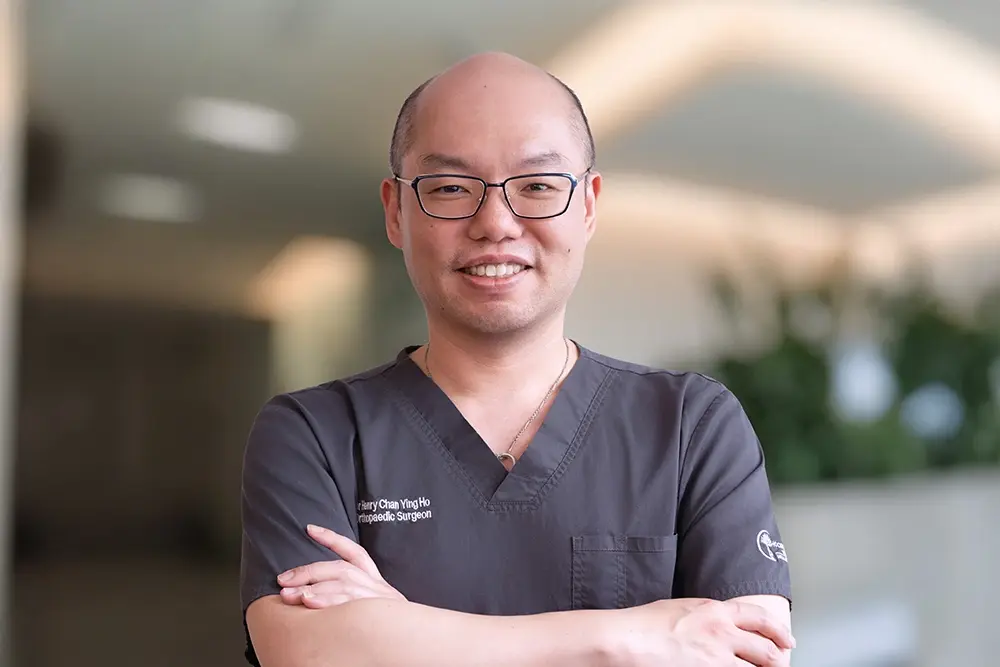
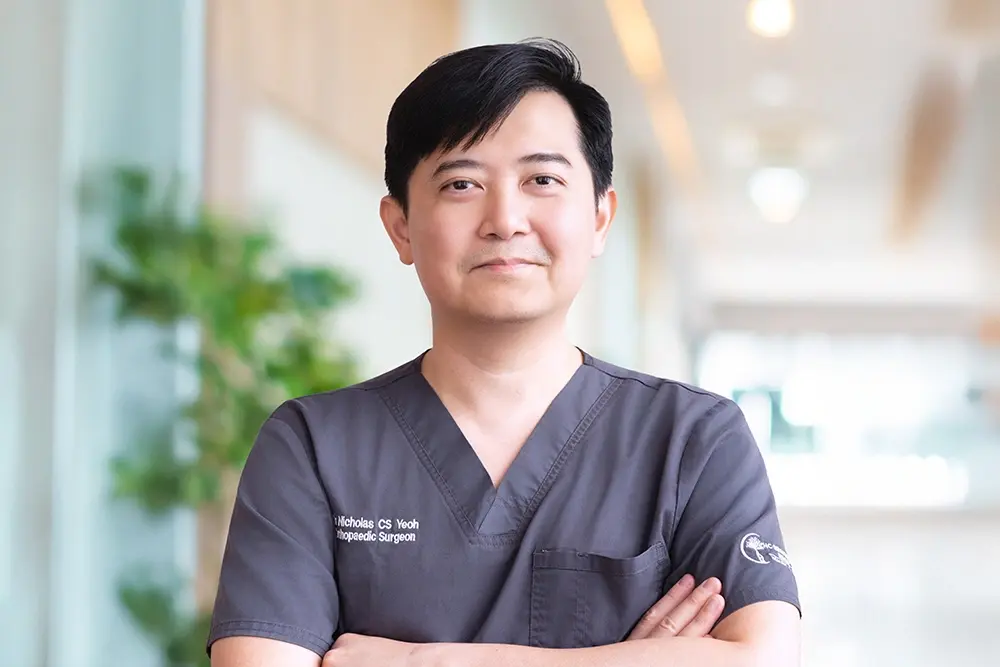
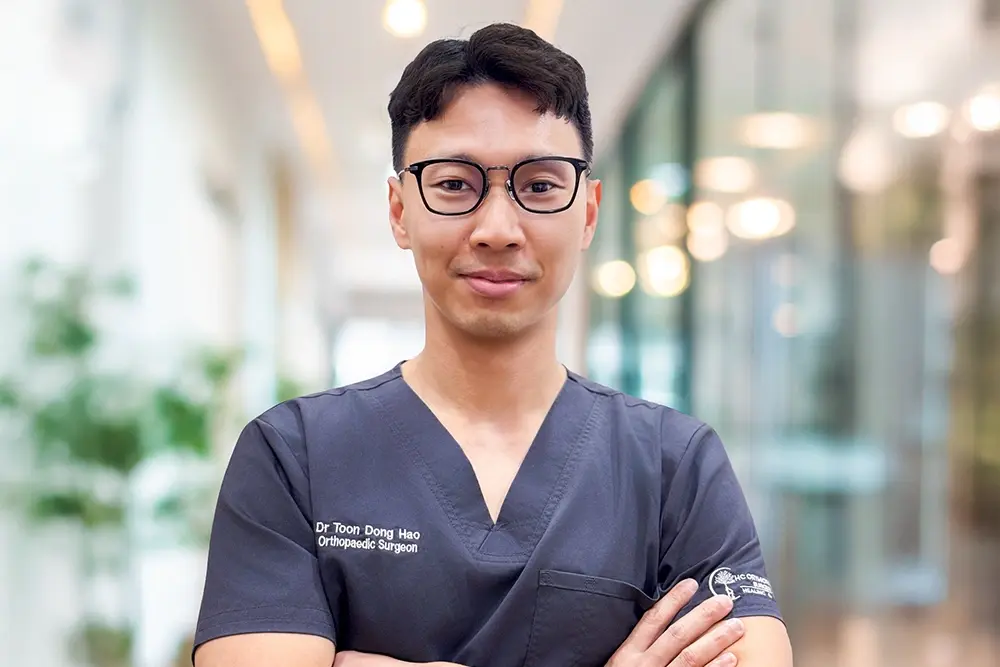
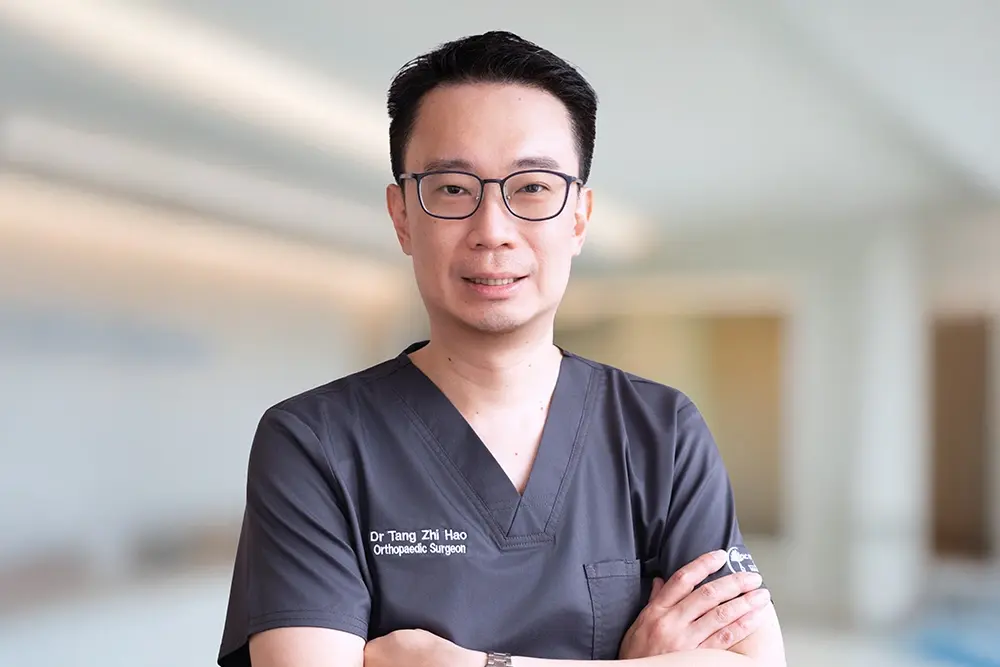
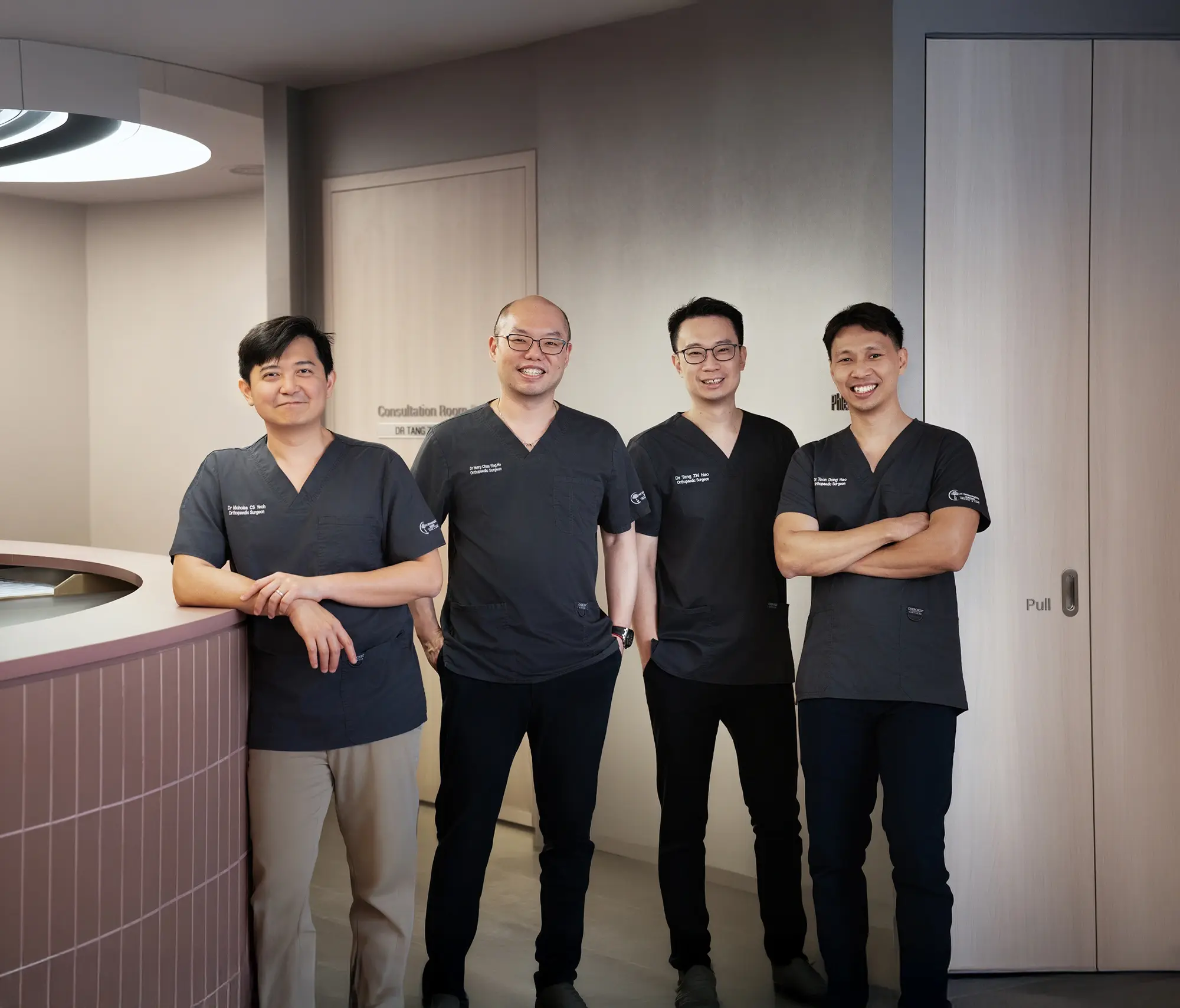
At HC Orthopaedic Surgery, patients considering PRP therapy receive care tailored to their specific condition and recovery goals. The clinic is led by Dr Henry Chan, who works alongside Dr Nicholas Yeoh, Dr Toon Dong Hao and Dr Tang Zhi Hao to provide orthopaedic treatments supported by clinical expertise and modern techniques.
Frequently Asked Questions (FAQs) About Platelet-rich Plasma (PRP) Injections
Is platelet-rich plasma (PRP) the same as steroid (H&L) injections?
Can PRP injections be repeated?
How many PRP sessions are needed?
Can PRP be combined with other treatments?
Is PRP suitable for sports injuries?
How long does the effect of PRP last?
Can PRP replace surgery?
How soon can I return to normal activities after PRP?
Meet Our Specialist Team
Our team comprises Dr Henry Chan, Dr Nicholas Yeoh, Dr Toon Dong Hao, and Dr Tang Zhi Hao — experienced orthopaedic surgeons with subspecialty experience and a patient-centred approach to care.
Dr Henry Chan
Medical Director & Senior Consultant Orthopaedic Surgeon
MBBS (S’pore), MRCS (Edinburgh), MMed (Orthopaedic Surgery), FRCS (Edinburgh)
Dr Henry Chan is an experienced orthopaedic surgeon specialising in joint replacement and complex revision surgery. Trained at the renowned Helios Endo-Klinik in Germany under the MOH HMDP scholarship, he has performed over 1,000 joint replacements and specialises in computer-assisted and robotic joint replacement techniques for precise outcomes.
Dr Nicholas Yeoh
Senior Consultant Orthopaedic Surgeon
MBChB (Edinburgh), MRCS (Edinburgh), MMed (Orthopaedic Surgery), FRCS (Edinburgh)
Dr Nicholas Yeoh is an MOH-accredited orthopaedic specialist and Fellow of the Royal College of Surgeons of Edinburgh. Fellowship-trained in hip and knee reconstruction in Sydney under the MOH HMDP scholarship, he specialises in minimally invasive joint replacement, robotic surgery and advanced techniques that enhance recovery and surgical outcomes.
Dr Toon Dong Hao
Senior Consultant Orthopaedic Surgeon
MBChB (Leeds), MRCS (Edinburgh), MMed (Orthopaedic Surgery), FRCS (Edinburgh)
Dr Toon Dong Hao is a skilled orthopaedic surgeon and Fellow of the Royal College of Surgeons of Edinburgh. Fellowship-trained in Advanced Shoulder and Elbow Surgery in Sydney under the MOH HMDP scholarship, Dr Toon specialises in sports injuries, arthroscopic surgery and complex shoulder, elbow and knee procedures to restore function and mobility.
Dr Tang Zhi Hao
Senior Consultant Orthopaedic Surgeon
MBBS (S’pore), MRCS (Edinburgh), MMed (Orthopaedic Surgery), FRCS (Edinburgh)
Dr Tang Zhi Hao is a fellowship-trained orthopaedic surgeon specialising in foot and ankle conditions. He completed his Foot and Ankle Surgery fellowship at Severance Hospital, Yonsei University Health System in Seoul under Professor Jin Woo Lee. Prior to private practice, he served as Consultant and Deputy Head of Orthopaedics at Khoo Teck Puat Hospital.