
Paediatric Orthopaedics
in Singapore

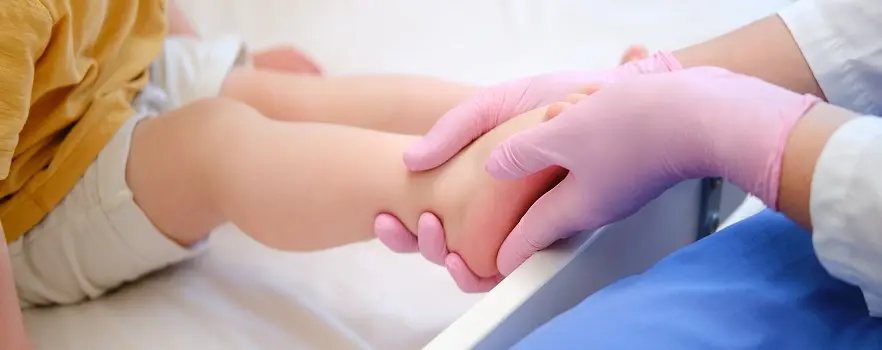
Children are naturally active and constantly growing, which means their bones, joints and muscles are still developing. As a result, injuries, growth-related conditions or differences in limb alignment may sometimes appear during childhood. Parents may notice signs such as persistent pain, difficulty walking, uneven posture or changes in how their child moves during play or sports.
Paediatric orthopaedics focuses on diagnosing and managing musculoskeletal conditions that affect infants, children and adolescents. With timely assessment and appropriate treatment, many childhood orthopaedic issues can be managed effectively while supporting healthy growth and development. Early evaluation can help ensure that a child’s bones and joints develop properly as they grow.
Common Paediatric Injuries that May Require Orthopaedic Care
Children may experience a range of musculoskeletal conditions as their bones and joints grow and develop. Some issues are temporary and improve naturally with time, while others may require monitoring or treatment to support proper growth and function. Paediatric orthopaedic specialists assess these conditions carefully to determine whether observation, therapy or medical intervention is appropriate.
Limb Alignment Conditions
Conditions such as bow legs or knock knees can appear during different stages of a child’s development. In many cases, these alignment differences improve naturally as the child grows. However, persistent or worsening alignment may require evaluation to determine whether treatment is needed.
Growth Plate Injuries
Growth plates are areas of developing tissue near the ends of long bones in children. Injuries to these areas can occur from falls, sports or other trauma. Because growth plates are responsible for bone development, proper diagnosis and management are important to prevent potential growth disturbances.
Developmental Dysplasia of the Hip (DDH)
Developmental dysplasia of the hip occurs when the hip joint does not form properly, causing the ball and socket of the joint to fit loosely or become unstable. Early detection and treatment can help support proper hip development and reduce the risk of long-term joint problems.
Sports-Related Injuries
Active children and adolescents may experience injuries during sports or physical activities, such as ligament sprains, tendon strains or fractures. Prompt assessment helps ensure appropriate treatment and safe return to activity.
Flat Feet
Flat feet are common in young children because the arches of the feet are still developing. Most children outgrow this naturally as the muscles and ligaments strengthen. In some cases, flat feet may cause discomfort, fatigue or difficulty with certain activities, which may require assessment.
Scoliosis
Scoliosis is a spinal condition where the spine develops a sideways curvature, most commonly during periods of rapid growth in adolescence. Depending on the severity of the curve, treatment may range from observation and monitoring to bracing or surgical management.
Paediatric Orthopaedic Care
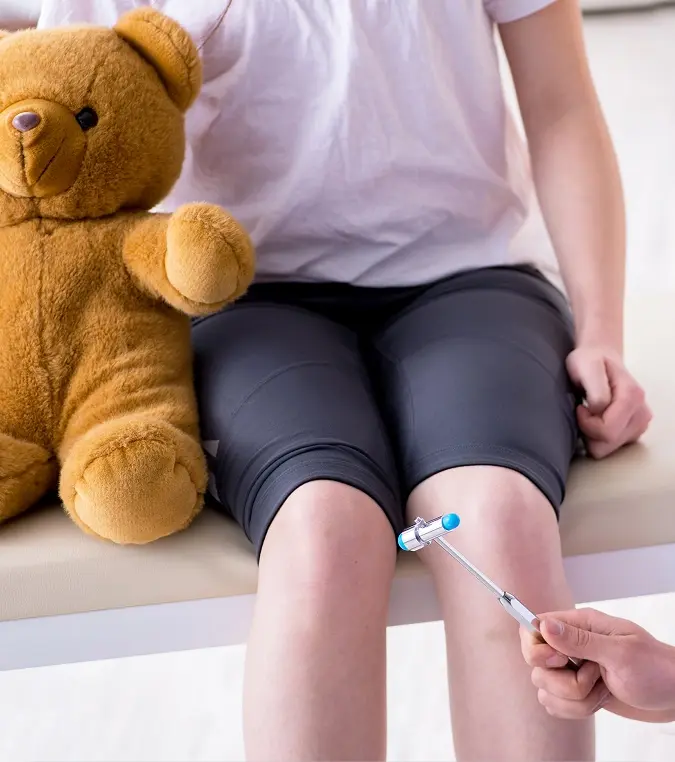
Children’s bones are still developing, which means injuries can present and behave differently from those in adults.
Paediatric Orthopaedic Care
Why Paediatric Injuries Need Special Attention
Children’s bones are still developing, which means injuries can present and behave differently from those in adults.
- Growth plates can be affected
Children’s bones contain growth plates that are responsible for bone growth. If a growth plate is injured, it may affect how the bone grows and, in some cases, lead to limb length differences or deformity.
- Bones are more flexible
Immature bones are more elastic. They may bend without breaking (plastic deformation) or bend and partially break at the same time, known as a greenstick fracture.
- Fractures may be less obvious on X-rays
Children’s bones are not fully calcified, especially in younger children. This means certain areas may not appear clearly on X-rays, and diagnosis may rely on careful assessment and, at times, additional imaging.
- Specialised implants may be required
Because children’s bones are smaller and still growing, standard adult plates, screws or nails may not be suitable. Specialised paediatric implants, such as Titanium Elastic Nails (TENs), are sometimes used when surgical treatment is needed.
What to Expect From Paediatric Orthopaedic Care
Understanding Your Child’s Injury
Choosing the Right Treatment Approach
Supporting Recovery and Healthy Bone Growth
Treatment Benefits
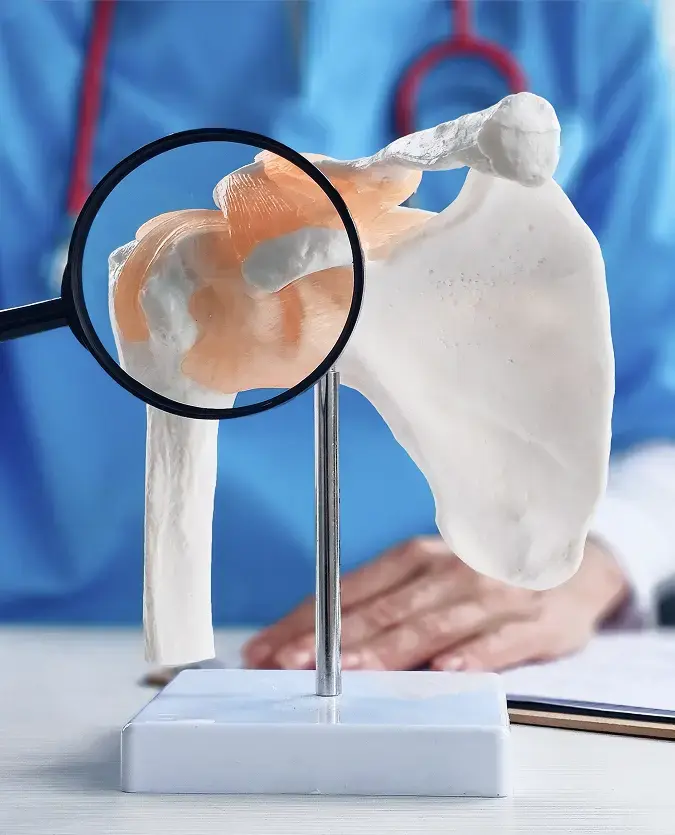
Paediatric orthopaedics focuses on diagnosing and treating bone, joint and muscle conditions in children whose bodies are still developing. Care is tailored to protect growth plates, support proper healing and help children return safely to their normal activities.
Treatment Benefits
How Paediatric Orthopaedics Supports Your Child's Recovery
Paediatric orthopaedics focuses on diagnosing and treating bone, joint and muscle conditions in children whose bodies are still developing. Care is tailored to protect growth plates, support proper healing and help children return safely to their normal activities.
Specialised diagnosis
Careful assessment of bone, joint and muscle conditions in growing children.
Early management of injuries and conditions
Timely treatment helps reduce the risk of growth disturbances or long-term complications.
Treatment tailored to growing bones
Care plans are adapted to the child’s age, stage of development and type of injury.
Support for mobility and physical function
Treatment aims to restore movement, strength and confidence in daily activities.
Lower risk of long-term complications
Proper management helps reduce the likelihood of chronic pain, deformity or disability later in life.
Guidance on returning to normal activities
Advice is provided on when it is safe to resume sports, school and other activities.
Ongoing monitoring of growth and recovery
Follow-up care helps ensure the bones continue to develop normally after treatment.
Cost of Paediatric Orthopaedic Care in Singapore
After evaluating the injury or condition, the orthopaedic surgeon can advise on the recommended treatment plan and provide an estimate of the expected costs.
Key Cost Drivers
Type and complexity of the condition
Choice of treatment
Implant or device costs
Hospital stay and follow-up care
Rehabilitation services

Insurance and Financing
For coverage and payment options for paediatric orthopaedic care, check with your hospital or insurance provider. Patients may be able to use MediSave to pay for approved treatments and hospitalisation costs. Additional support may come from MediShield Life, Integrated Shield Plans or private insurance to help manage fees and related expenses.
Protect Your Child’s Bones and Joints at HC Orthopaedic Surgery
As a parent, it can be difficult to know when a fall, sports injury or complaint of pain may need medical attention. While many childhood injuries heal well, some require careful evaluation to ensure the bones and joints continue to grow and develop properly. Seeking timely orthopaedic care can help clarify the nature of the injury, rule out more serious conditions and guide the most appropriate next steps for your child. With the right approach, most children are able to recover well and return safely to school, sports and their usual activities.
Protect Your Child’s Bones and Joints at HC Orthopaedic Surgery
As a parent, it can be difficult to know when a fall, sports injury or complaint of pain may need medical attention. While many childhood injuries heal well, some require careful evaluation to ensure the bones and joints continue to grow and develop properly. Seeking timely orthopaedic care can help clarify the nature of the injury, rule out more serious conditions and guide the most appropriate next steps for your child. With the right approach, most children are able to recover well and return safely to school, sports and their usual activities.

Our Specialised Team
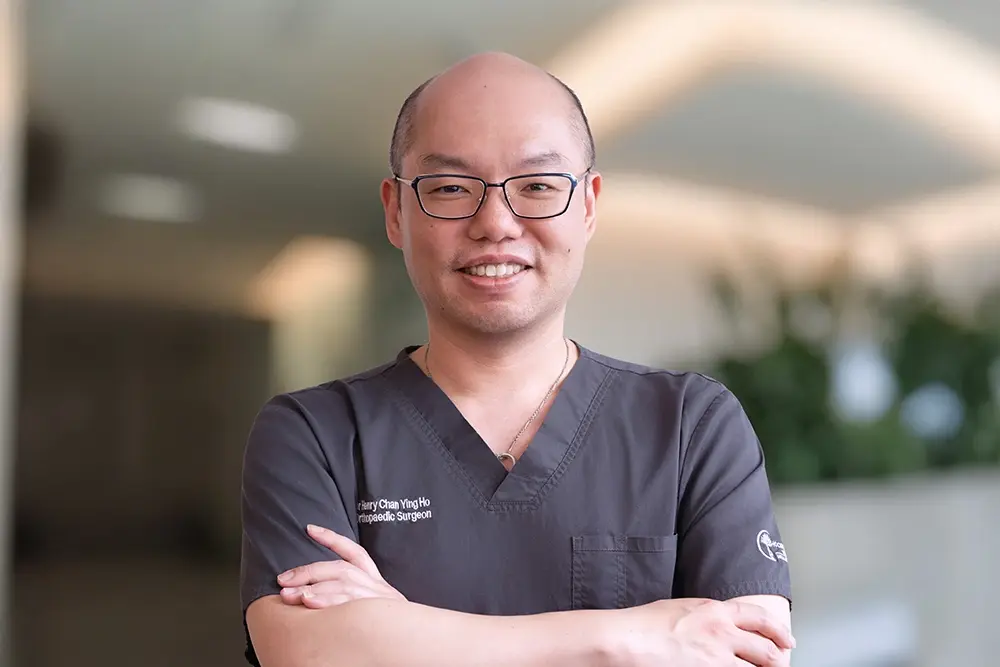
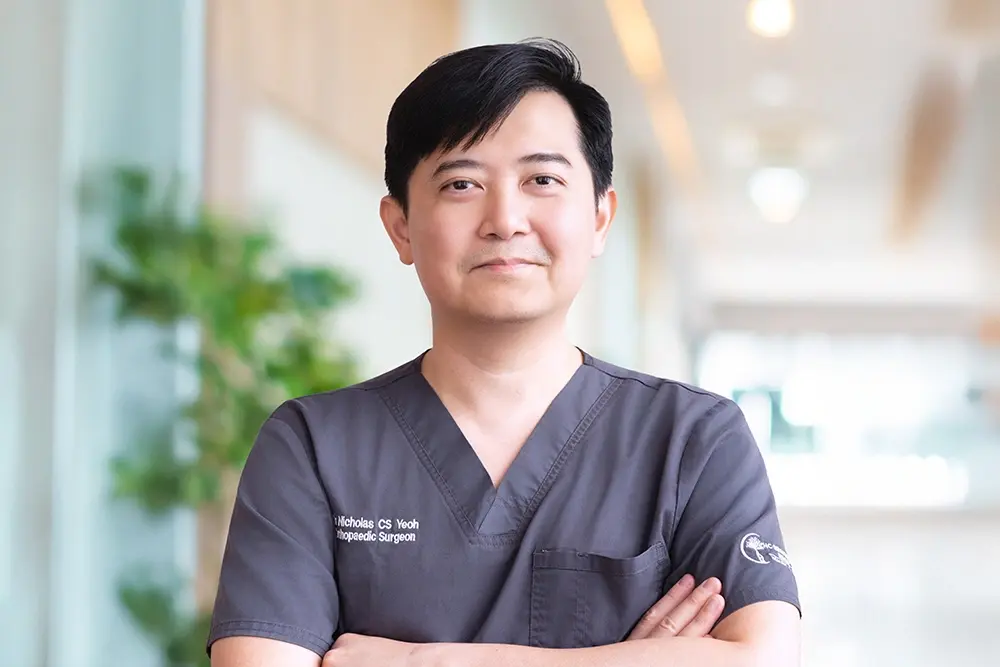
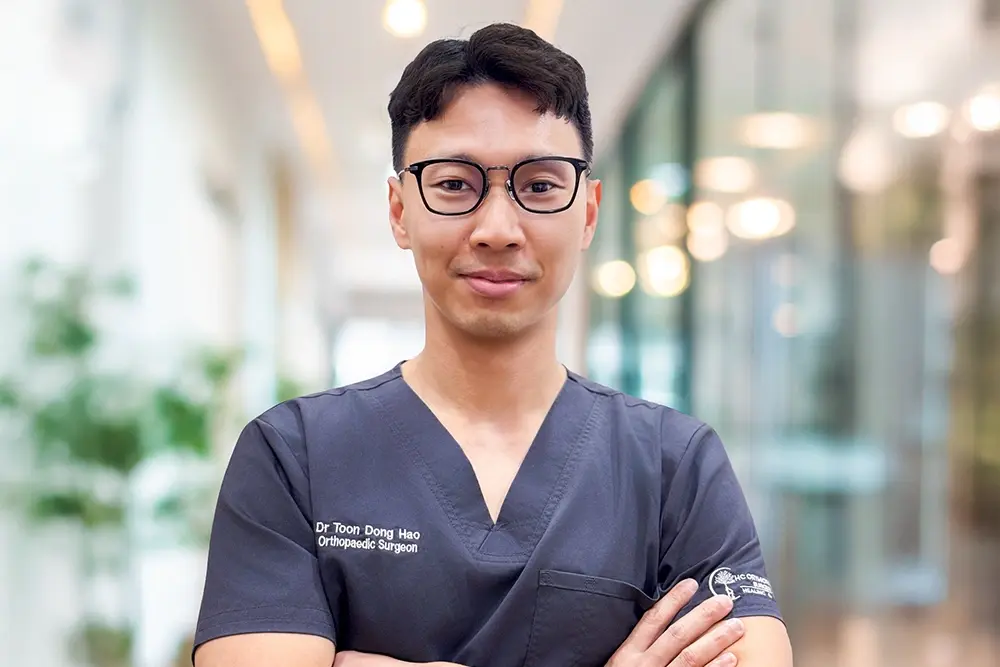
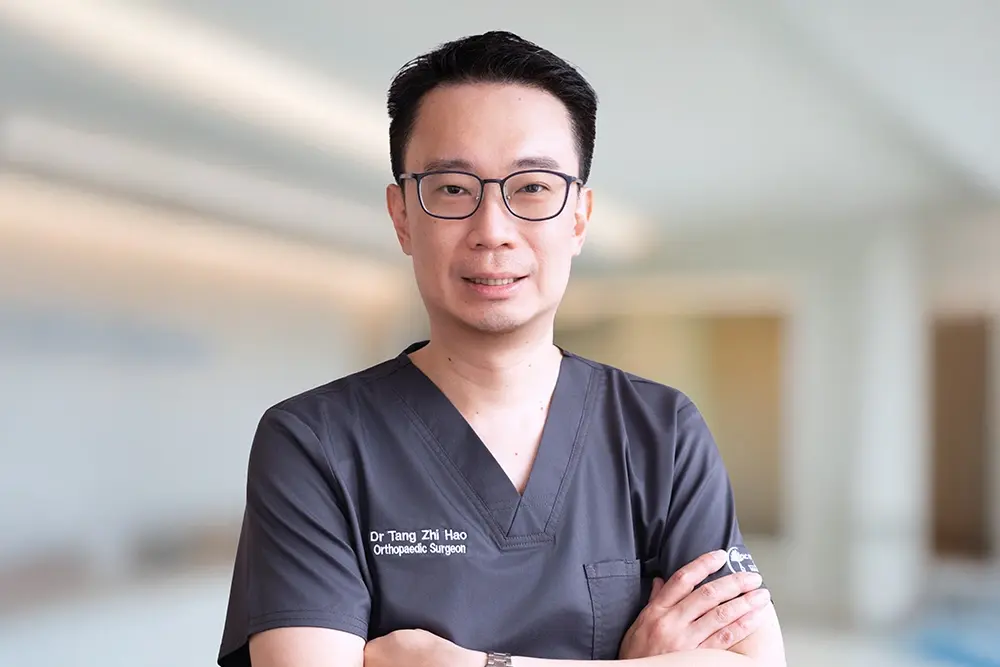
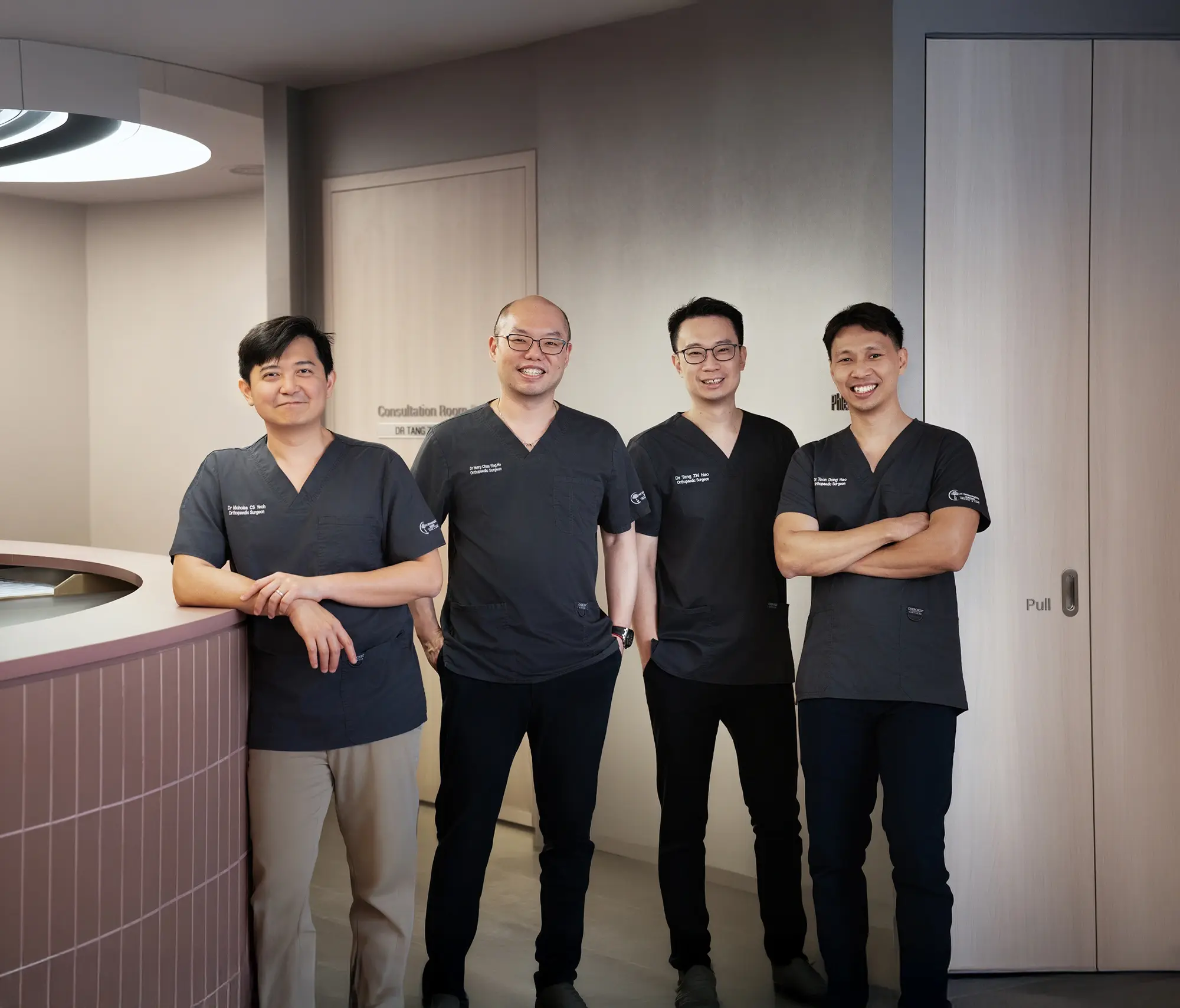
HC Orthopaedic Surgery is led by Dr Henry Chan, who works alongside Dr Nicholas Yeoh, Dr Toon Dong Hao and Dr Tang Zhi Hao. Together, the team provides orthopaedic care tailored to children and adolescents, with careful attention to the unique needs of growing bones and joints. The team also understands that visiting a specialist can feel intimidating for young patients. Consultations are approached with patience and reassurance, helping children feel comfortable while parents receive clear explanations of the diagnosis, treatment options and next steps.
Frequently Asked Questions (FAQs) About Paediatric Orthopaedics
Can paediatric orthopaedics help with congenital conditions?
Can untreated injuries affect a child’s growth?
Are paediatric orthopaedic treatments safe?
How can parents help prevent musculoskeletal injuries in children?
How are fractures in children different from adults?
Can children fully recover from serious injuries?
How long should children avoid activities after treatment?
Can paediatric orthopaedics help with sports injuries?
Meet Our Specialist Team
Our team comprises Dr Henry Chan, Dr Nicholas Yeoh, Dr Toon Dong Hao, and Dr Tang Zhi Hao — experienced orthopaedic surgeons with subspecialty experience and a patient-centred approach to care.
Dr Henry Chan
Medical Director & Senior Consultant Orthopaedic Surgeon
MBBS (S’pore), MRCS (Edinburgh), MMed (Orthopaedic Surgery), FRCS (Edinburgh)
Dr Henry Chan is an experienced orthopaedic surgeon specialising in joint replacement and complex revision surgery. Trained at the renowned Helios Endo-Klinik in Germany under the MOH HMDP scholarship, he has performed over 1,000 joint replacements and specialises in computer-assisted and robotic joint replacement techniques for precise outcomes.
Dr Nicholas Yeoh
Senior Consultant Orthopaedic Surgeon
MBChB (Edinburgh), MRCS (Edinburgh), MMed (Orthopaedic Surgery), FRCS (Edinburgh)
Dr Nicholas Yeoh is an MOH-accredited orthopaedic specialist and Fellow of the Royal College of Surgeons of Edinburgh. Fellowship-trained in hip and knee reconstruction in Sydney under the MOH HMDP scholarship, he specialises in minimally invasive joint replacement, robotic surgery and advanced techniques that enhance recovery and surgical outcomes.
Dr Toon Dong Hao
Senior Consultant Orthopaedic Surgeon
MBChB (Leeds), MRCS (Edinburgh), MMed (Orthopaedic Surgery), FRCS (Edinburgh)
Dr Toon Dong Hao is a skilled orthopaedic surgeon and Fellow of the Royal College of Surgeons of Edinburgh. Fellowship-trained in Advanced Shoulder and Elbow Surgery in Sydney under the MOH HMDP scholarship, Dr Toon specialises in sports injuries, arthroscopic surgery and complex shoulder, elbow and knee procedures to restore function and mobility.
Dr Tang Zhi Hao
Senior Consultant Orthopaedic Surgeon
MBBS (S’pore), MRCS (Edinburgh), MMed (Orthopaedic Surgery), FRCS (Edinburgh)
Dr Tang Zhi Hao is a fellowship-trained orthopaedic surgeon specialising in foot and ankle conditions. He completed his Foot and Ankle Surgery fellowship at Severance Hospital, Yonsei University Health System in Seoul under Professor Jin Woo Lee. Prior to private practice, he served as Consultant and Deputy Head of Orthopaedics at Khoo Teck Puat Hospital.