
Total Knee Replacement Surgery
in Singapore

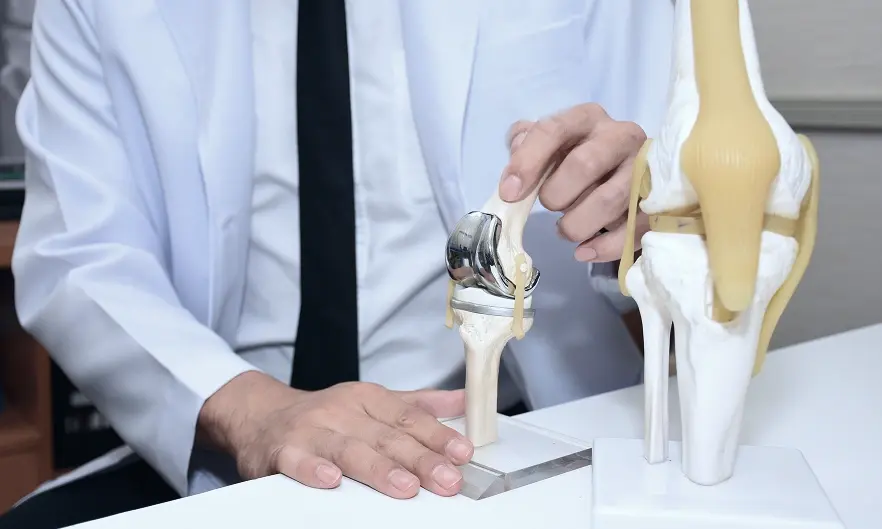
Persistent knee pain can gradually limit mobility, independence and overall quality of life. Simple activities such as walking short distances, climbing stairs or standing for extended periods may become increasingly difficult when the knee joint is severely damaged by arthritis or injury.
When non-surgical treatments such as medication, physiotherapy or injections no longer provide lasting relief, surgical intervention may be considered. Total knee replacement is a well-established orthopaedic procedure designed to help patients regain stability, improve movement and reduce chronic pain.
What Is Total Knee Replacement Surgery
and Who Needs It?
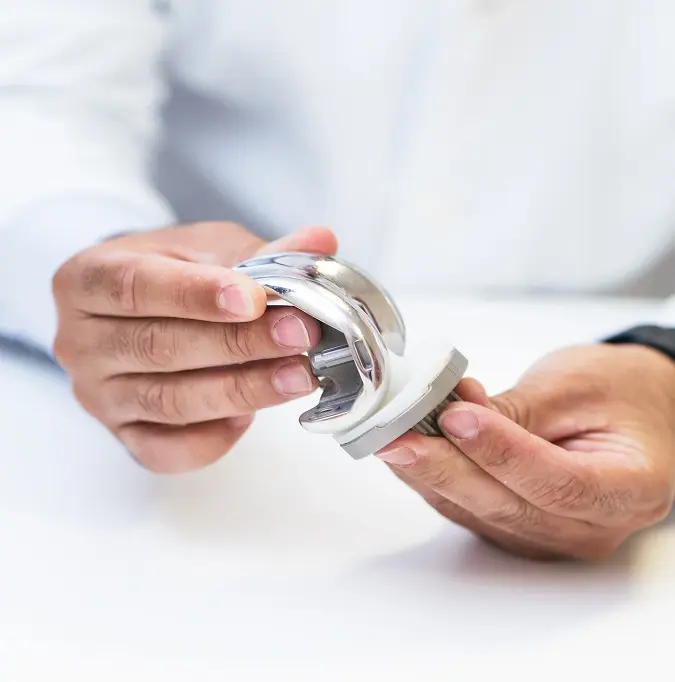
The surgery is most commonly recommended for advanced osteoarthritis, but it may also be performed for inflammatory arthritis, post-traumatic joint damage or significant knee deformity. By resurfacing the joint with durable metal and medical-grade plastic implants, the procedure aims to replicate the smooth movement of a healthy knee.
What to Expect From Total Knee Replacement Surgery
How to Prepare for Total Knee Replacement Surgery
- Optimise existing medical conditions such as diabetes or high blood pressure
- Strengthen the muscles around your knee through guided physiotherapy
- Arrange for assistance at home during the early recovery period
- Stop certain medications if advised by your doctor
- Avoid food and drinks for a specified period before surgery
Total Knee Replacement: Procedure Overview
- An incision is made at the front of the knee to access the joint
- Damaged cartilage and a thin layer of bone are removed from the ends of the femur and tibia
- The bone surfaces are carefully shaped to fit the artificial components
- A metal implant is secured to the femur and another to the tibia
- A medical-grade plastic insert is placed between the metal components to allow smooth movement
- In some cases, the underside of the kneecap is resurfaced
- The incision is then closed and dressed to protect the surgical site
After Surgery: Recovery and Rehabilitation
- Begin gentle, guided exercises to improve range of motion
- Take prescribed pain-relief medication to facilitate movement and participation in rehabilitation
- Gradually increase weight-bearing under the supervision of a physiotherapist
- Attend structured physiotherapy sessions either at home or in a rehabilitation centre
- Use assistive devices such as walking aids during the initial recovery phase
- Attend scheduled follow-up appointments to monitor healing and progress
Arthroplasty Help You?
How Does Total Knee
Arthroplasty Help You?
Knee Replacement Surgeries in Singapore: Total vs Partial
| Total Knee Replacement | Partial Knee Replacement | |
| What It Involves | Replaces all the main joint surfaces — the end of the thigh bone (femur), the top of the shin bone (tibia), and sometimes the underside of the kneecap (patella). | Replaces only the damaged compartment of the knee — usually the inner (medial) or outer (lateral) section — leaving healthy structures intact. |
| When It’s Recommended |
|
|
| Benefits | Addresses damage across the entire joint, restoring alignment and improving stability and function. | Preserves more of your natural bone and ligaments, can feel more like a natural knee, and often involves a smaller incision. |
| Considerations | Involves more extensive surgery and recovery compared to partial replacement, but may offer longer-lasting results when the whole joint is compromised. | It may not be suitable if arthritis affects more than one compartment or if there is widespread damage, and long-term durability can vary depending on activity levels. |
Total Knee Replacement
What It Involves
When It’s Recommended
- Advanced arthritis affecting multiple compartments of the knee
- Severe joint degeneration
- Significant deformity or instability across the whole knee
Benefits
Considerations
Partial Knee Replacement
What It Involves
When It’s Recommended
- Arthritis or damage limited to one compartment
- Stable ligaments and healthy remaining cartilage
- No significant deformity in the rest of the knee
Benefits
Considerations
Advanced Technology for Knee Replacement
3D Technology for Total Knee Replacement
3D printing technology, originally developed for industrial manufacturing, is now used in selected total knee replacement procedures in Singapore to enhance surgical planning and implant positioning. Before surgery, you will undergo a pre-operative CT scan of your lower limb. This captures detailed data about your knee and helps determine the ideal implant size and alignment.
Using this data, customised Patient-Specific Instruments (PSI) are created to match the contours of your knee. After sterilisation, these guides are placed directly onto the bone during surgery to assist with accurate implant positioning. By improving alignment and surgical precision, 3D-assisted planning may contribute to better joint balance and more predictable functional outcomes.
Robotic-assisted Techniques for Knee Replacement Surgery
Robotic‑assisted technology is another tool available for knee replacement surgery in Singapore. In some cases, a semi‑automated robotic arm may be used to assist the surgeon in performing a total knee replacement or partial knee replacement surgery. Before the procedure, you will typically have a pre‑operative CT scan of your lower limb. This scan provides detailed measurements, which are entered into a computer system.
During surgery, this information is combined with your real‑time anatomical landmarks in the operating theatre. Guided by this data, your surgeon uses the robotic arm to help position and fit the implant. The system includes safeguards designed to reduce the likelihood of contact with surrounding nerves and blood vessels.
This technology can be beneficial, particularly for:
- Younger or more active patients, where precise alignment and joint balance are important
- Patients with previous injuries that have resulted in lower limb deformity
- Individuals with complex or unusual anatomy, such as significant bowing of the femur
Because this technique does not require instruments to be inserted into the bone’s medullary canal in certain systems, it may be associated with reduced blood loss in selected cases. The suitability of robotic-assisted surgery depends on individual anatomy, clinical condition and surgeon assessment.
The Cost of Knee Replacement Surgery in Singapore
According to benchmarks set by the Ministry of Health (MOH), it can range between $43,473 and $56,704, inclusive of GST. It varies according to several factors:
Type of Implant Material
Type of Procedure
Hospital Charges
Surgeon’s fees, anaesthetist’s fees, and other specialist costs.

Better Knee Mobility Starts at
HC Orthopaedic Surgery
Choosing to undergo knee replacement surgery is an important decision that should be guided by careful assessment and specialist expertise. A thorough consultation allows you to understand the severity of your condition, explore suitable treatment options and clarify what recovery may involve. With appropriate planning and evidence-based care, surgery can be a meaningful step towards restoring mobility and improving long-term joint function.
Better Knee Mobility Starts at
HC Orthopaedic Surgery
Choosing to undergo knee replacement surgery is an important decision that should be guided by careful assessment and specialist expertise. A thorough consultation allows you to understand the severity of your condition, explore suitable treatment options and clarify what recovery may involve. With appropriate planning and evidence-based care, surgery can be a meaningful step towards restoring mobility and improving long-term joint function.

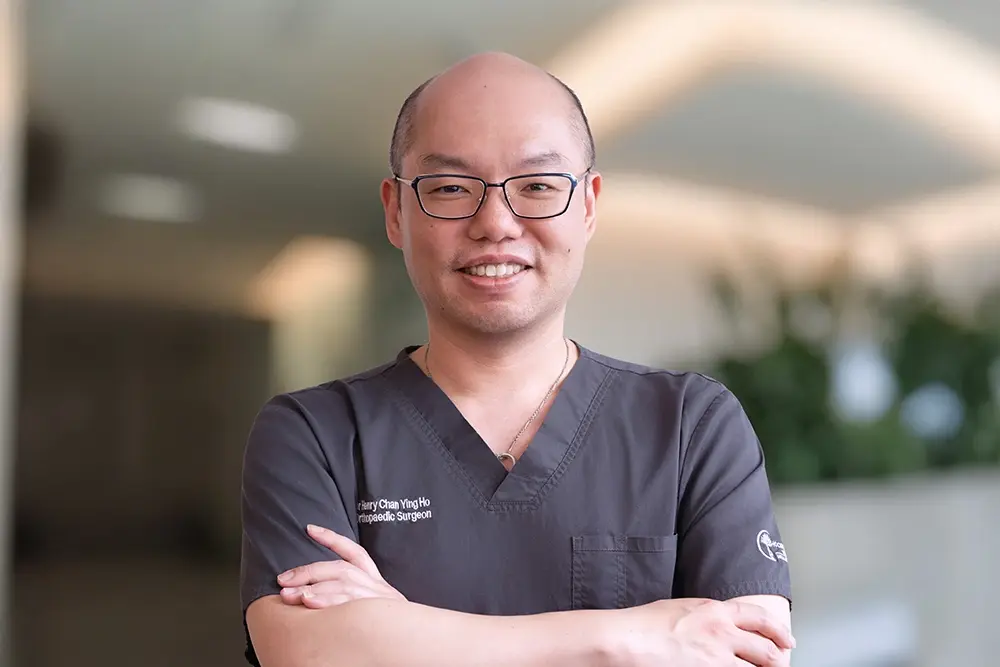
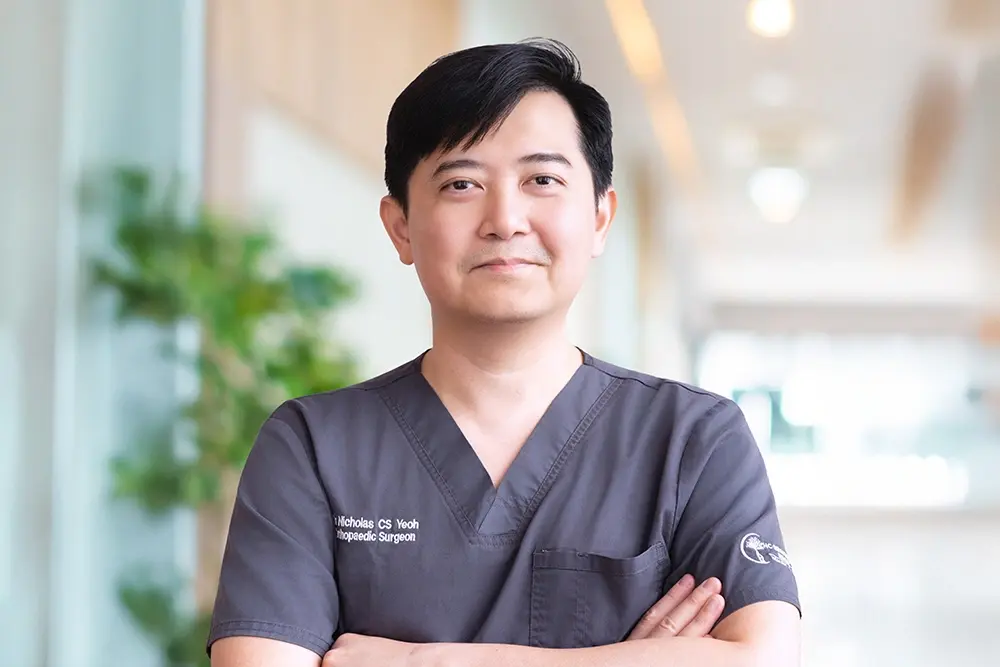
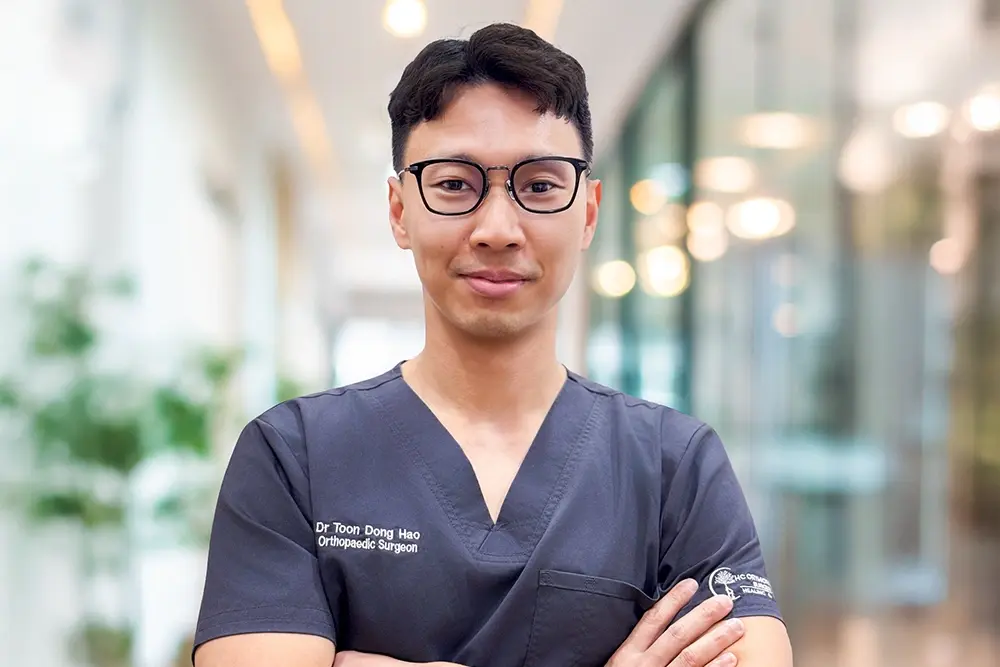
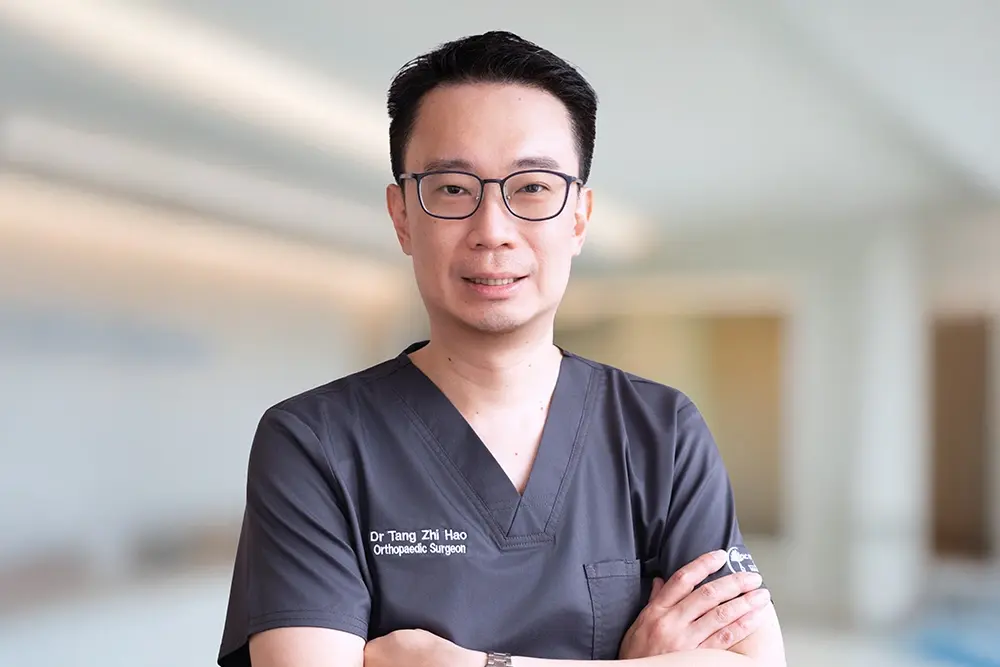
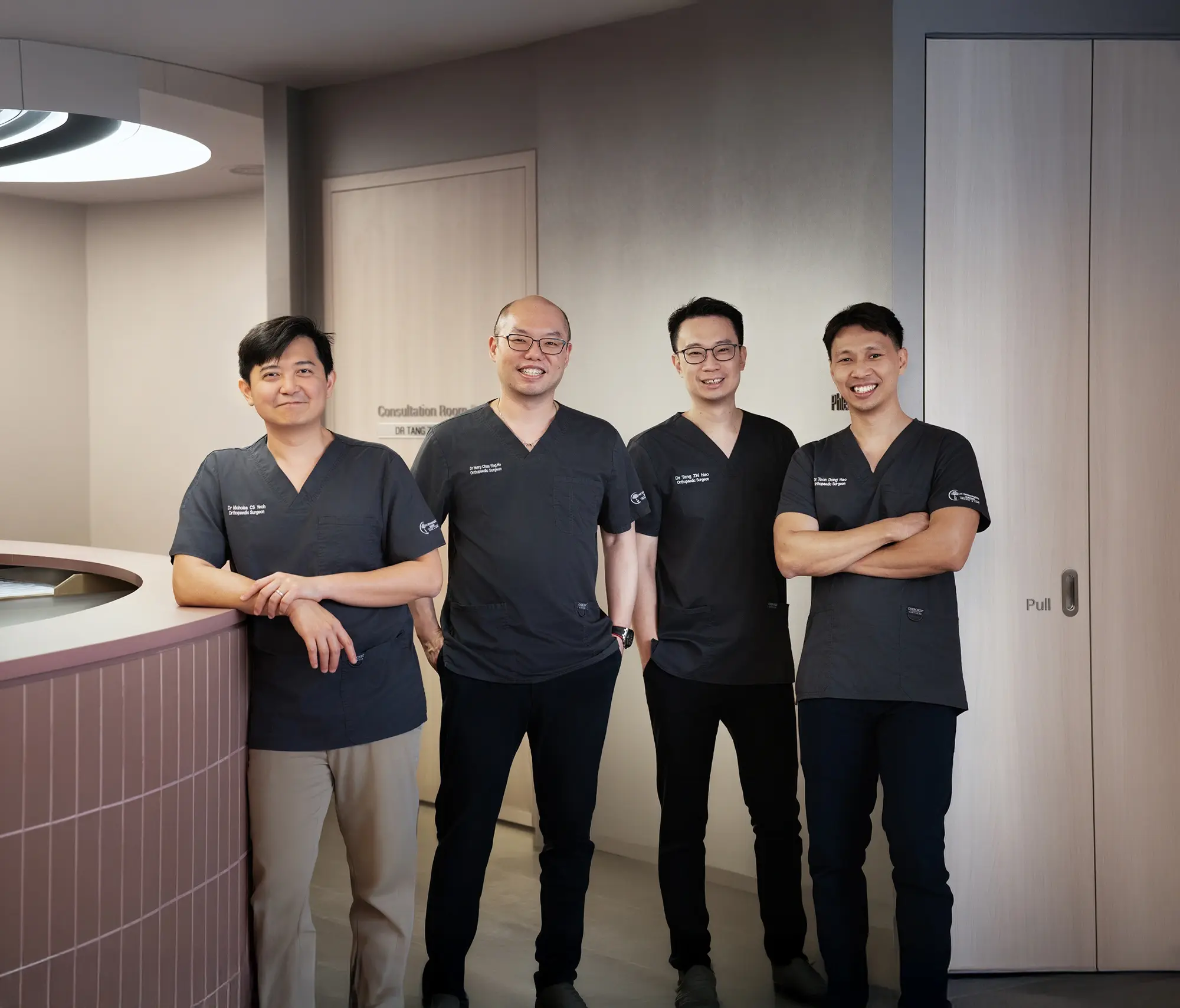
At HC Orthopaedic Surgery, comprehensive care for elderly fractures is led by Dr Henry Chan, Medical Director and senior consultant orthopaedic surgeon, together with Dr Nicholas Yeoh, Dr Toon Dong Hao and Dr Tang Zhi Hao. Our team provides thorough assessment, individualised fracture management and structured bone health optimisation tailored to each patient’s medical condition and functional goals.
FAQs About Total Knee Replacement Surgery
What is the average recovery time for total knee replacement?
How long can a knee replacement last?
How long does it take to walk after a full knee replacement?
What are the potential risks and complications of total knee replacement?
How do I know if I need a partial or total replacement?
Is knee replacement surgery covered by insurance in Singapore?
What is knee replacement revision surgery, and why might it be needed?
Meet Our Specialist Team
Our team comprises Dr Henry Chan, Dr Nicholas Yeoh, Dr Toon Dong Hao, and Dr Tang Zhi Hao — experienced orthopaedic surgeons with subspecialty experience and a patient-centred approach to care.
Dr Henry Chan
Medical Director & Senior Consultant Orthopaedic Surgeon
MBBS (S’pore), MRCS (Edinburgh), MMed (Orthopaedic Surgery), FRCS (Edinburgh)
Dr Henry Chan is an experienced orthopaedic surgeon specialising in joint replacement and complex revision surgery. Trained at the renowned Helios Endo-Klinik in Germany under the MOH HMDP scholarship, he has performed over 1,000 joint replacements and specialises in computer-assisted and robotic joint replacement techniques for precise outcomes.
Dr Nicholas Yeoh
Senior Consultant Orthopaedic Surgeon
MBChB (Edinburgh), MRCS (Edinburgh), MMed (Orthopaedic Surgery), FRCS (Edinburgh)
Dr Nicholas Yeoh is an MOH-accredited orthopaedic specialist and Fellow of the Royal College of Surgeons of Edinburgh. Fellowship-trained in hip and knee reconstruction in Sydney under the MOH HMDP scholarship, he specialises in minimally invasive joint replacement, robotic surgery and advanced techniques that enhance recovery and surgical outcomes.
Dr Toon Dong Hao
Senior Consultant Orthopaedic Surgeon
MBChB (Leeds), MRCS (Edinburgh), MMed (Orthopaedic Surgery), FRCS (Edinburgh)
Dr Toon Dong Hao is a skilled orthopaedic surgeon and Fellow of the Royal College of Surgeons of Edinburgh. Fellowship-trained in Advanced Shoulder and Elbow Surgery in Sydney under the MOH HMDP scholarship, Dr Toon specialises in sports injuries, arthroscopic surgery and complex shoulder, elbow and knee procedures to restore function and mobility.
Dr Tang Zhi Hao
Senior Consultant Orthopaedic Surgeon
MBBS (S’pore), MRCS (Edinburgh), MMed (Orthopaedic Surgery), FRCS (Edinburgh)
Dr Tang Zhi Hao is a fellowship-trained orthopaedic surgeon specialising in foot and ankle conditions. He completed his Foot and Ankle Surgery fellowship at Severance Hospital, Yonsei University Health System in Seoul under Professor Jin Woo Lee. Prior to private practice, he served as Consultant and Deputy Head of Orthopaedics at Khoo Teck Puat Hospital.