
Patellofemoral Pain Syndrome
(Runner's Knee)

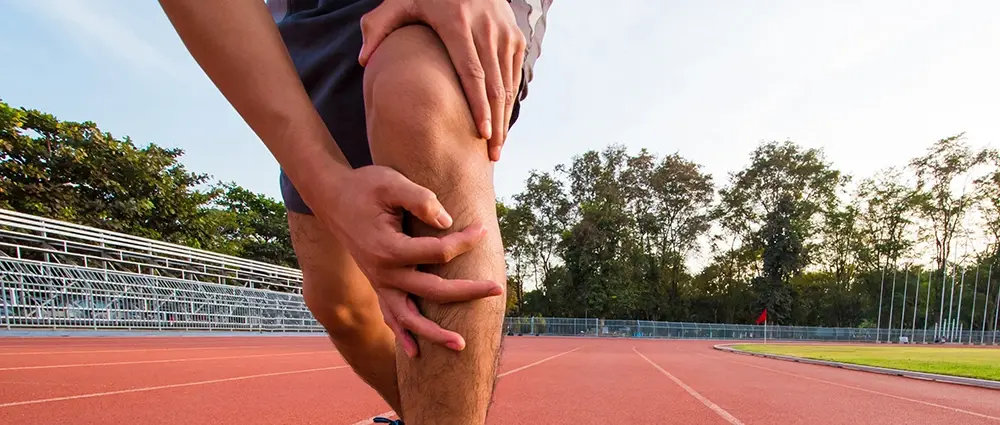
A persistent ache at the front of the knee can sometimes appear without a clear injury. You might feel discomfort while climbing stairs, squatting, running or even after sitting for a long time with your knees bent, such as during a long drive or at your desk. Over time, this pain may make physical activity or everyday movements increasingly uncomfortable.
One possible cause of these symptoms is patellofemoral pain syndrome (PFPS), commonly known as runner’s knee. This condition occurs when the kneecap does not move smoothly within the groove of the thigh bone, leading to irritation of the surrounding tissues. Patellofemoral pain syndrome often develops from repetitive stress on the knee, muscle imbalances or biomechanical factors that affect how the joint moves during activity. Understanding the causes, symptoms and treatment options can help guide appropriate care and recovery.
What Are the Signs and Symptoms of Runner’s Knee?
Symptoms of runner’s knee often develop gradually and may become more noticeable during activities that place repeated stress on the knee joint.
Pain Around or Behind the Kneecap
A dull, aching pain is commonly felt around or behind the kneecap, particularly during movements that load the knee.
Pain During Knee-Bending Activities
Discomfort may worsen during activities such as running, squatting, climbing stairs or walking downhill.
Pain After Prolonged Sitting
Many people experience knee pain after sitting for extended periods with the knees bent, such as during long drives or desk work.
Grinding or Popping Sensation
Some individuals notice a grinding, clicking or popping sensation in the knee when bending or straightening the leg.
Tenderness Around the Kneecap
The area around the kneecap may feel tender when pressed, particularly along the edges of the patella. This discomfort may become more noticeable after physical activity or prolonged knee bending.
Mild Swelling After Activity
Swelling may occur after exercise due to irritation around the kneecap, which can contribute to stiffness and discomfort.
At HC Orthopaedic Surgery, our knee specialists provide careful assessment and tailored treatment plans to address runner’s knee and help patients return comfortably to their daily activities.
Why It Happens
What Causes Runner’s Knee?
Runner’s knee often develops due to repeated stress on the kneecap or changes in how it moves within its groove. In many cases, several factors combine to irritate the tissues around the patella and cause pain.
Overuse and Sudden Increase in Activity
Repeated bending of the knee during running, jumping or squatting can irritate the structures around the kneecap. A sudden increase in training intensity or frequency can also overload the joint and trigger symptoms.
Patellar Malalignment or Biomechanical Issues
If the kneecap does not move smoothly within its groove, it can place uneven pressure on the joint surface. Flat feet, inward rolling of the feet or differences in lower limb alignment between the hip, knee and ankle may increase stress on the patella and lead to pain.
Muscle Weakness Affecting Patellar Tracking
Weakness in the hip or thigh muscles can affect how the kneecap moves within its groove during activity. Poor control of knee alignment may increase pressure on the patellofemoral joint and contribute to irritation.
Tight Muscles Around the Knee
Tight quadriceps, hamstrings, calf muscles or the iliotibial (IT) band can affect how the kneecap tracks during movement. Reduced flexibility may increase pressure on the patellofemoral joint and contribute to discomfort.
Know Your Risk Profile
What Are the Risk Factors for Runner’s Knee?
Certain individuals may have a higher likelihood of developing runner’s knee, particularly when activities place repeated stress on the kneecap. Risk often relates to activity level, muscle balance and individual biomechanics.
Age and Sex Factors
Runner’s knee is commonly seen in teenagers and young adults, and occurs more frequently in women, possibly due to differences in lower limb alignment and muscle control.
Repetitive Knee-loading Activities
Sports or occupations that involve frequent running, jumping, squatting or cycling can increase stress on the patellofemoral joint and raise the risk of runner’s knee.
Muscle Imbalance or Tightness
Weak hip or thigh muscles, as well as tight quadriceps or hamstrings, can affect kneecap tracking and increase pressure within the joint.
Previous Knee Injury
Past injuries involving the knee, hip or ankle may alter joint mechanics and increase stress on the patellofemoral joint during movement.
Excess Body Weight
Carrying excess body weight can increase the load placed on the knee joint during everyday activities, which may raise the risk of developing runner’s knee.
Understanding Your Evaluation
How Is Runner’s Knee Diagnosed?
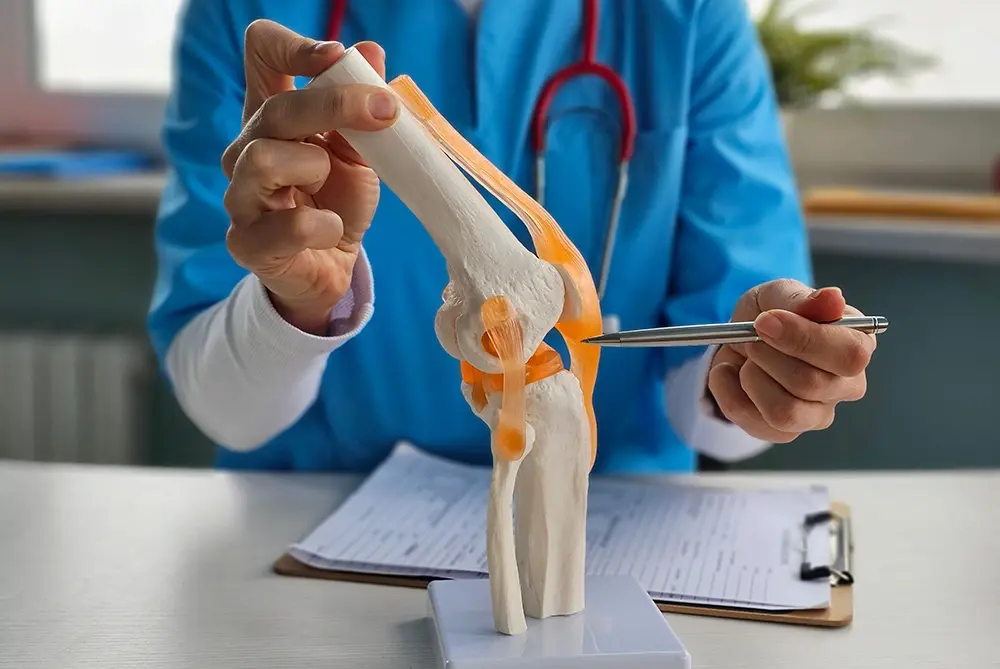
Diagnosing runner’s knee begins with a careful evaluation to determine whether the pain originates from the patellofemoral joint or another structure in the knee. Your specialist will review your symptoms, discuss your activity level and examine the knee to identify factors that may be contributing to the pain. If further evaluation is needed, imaging tests may be recommended to rule out other knee conditions.
Understanding Your Evaluation
How Is Runner’s Knee Diagnosed?
Diagnosing runner’s knee begins with a careful evaluation to determine whether the pain originates from the patellofemoral joint or another structure in the knee. Your specialist will review your symptoms, discuss your activity level and examine the knee to identify factors that may be contributing to the pain. If further evaluation is needed, imaging tests may be recommended to rule out other knee conditions.
Physical Examination
During the examination, your doctor will assess knee alignment, kneecap movement and areas of tenderness around the joint. You may be asked to perform movements such as squatting, walking or bending the knee to help evaluate how the patella tracks during activity.
X-ray
X-rays help assess the alignment of the kneecap and rule out bone abnormalities, fractures or signs of arthritis that could cause similar symptoms.
MRI
An MRI provides detailed images of the soft tissues around the knee, including cartilage, ligaments and tendons. It may be used to identify cartilage irritation or other injuries contributing to knee pain.
Exploring Treatment Options
Runner’s Knee Treatments in Singapore
Treatment for runner’s knee focuses on relieving pain, reducing stress on the kneecap and improving how the knee moves during activity. In most cases, symptoms can improve with non-surgical treatments that address the underlying causes of irritation around the patellofemoral joint.

Activity Modification and Rest
Reducing activities that repeatedly stress the knee, such as running, jumping or squatting, allows the irritated tissues around the kneecap time to recover. Temporary adjustments to training or daily activities can help prevent further strain on the joint.

Physiotherapy and Strengthening Exercises
Physiotherapy plays an important role in treating runner’s knee. Targeted exercises help strengthen the quadriceps, hip and core muscles, which support proper kneecap tracking and reduce pressure on the patellofemoral joint.

Anti-inflammatory Medication
Your doctor may recommend anti-inflammatory medication to help reduce swelling and relieve knee pain. These medications are typically used together with rehabilitation exercises and activity adjustments.

Supportive Bracing or Taping
In some cases, knee bracing or taping techniques may be recommended to improve kneecap alignment and reduce stress on the joint during movement.

Footwear or Orthotic Support
If flat feet or abnormal foot mechanics contribute to runner’s knee, supportive footwear or orthotic inserts may help improve lower limb alignment and reduce stress on the knee.

Surgical Treatment
Surgery is rarely required for runner’s knee. However, if symptoms persist despite conservative treatment, knee arthroscopy may be considered to address underlying structural issues affecting the kneecap.
How to Prevent Runner’s Knee
While runner’s knee cannot always be avoided, certain habits and training practices may help reduce stress on the kneecap and lower the risk of developing symptoms.
Strengthen the Muscles Supporting the Knee
Building strength in the quadriceps, hamstrings, hips and core helps stabilise the knee joint and support proper kneecap movement during activity.
Improve Flexibility
Regular stretching of the quadriceps, hamstrings, calf muscles and iliotibial (IT) band may help reduce tightness that can affect kneecap tracking.
Increase Training Gradually
Sudden increases in running distance, speed or intensity can overload the knee joint. Gradually progressing training allows the body time to adapt and reduces strain on the patellofemoral joint.
Practise Proper Movement Techniques
Maintaining good form when running, jumping or squatting can help reduce unnecessary stress on the knees. Training programmes that focus on proper landing and knee alignment may lower injury risk.
Wear Supportive Footwear
Using well-fitted shoes designed for your activity can improve lower limb alignment and reduce stress transmitted to the knees during movement.
Allow Adequate Rest and Recovery
Taking rest days between intense workouts helps prevent overuse and allows muscles and joints to recover, reducing the risk of irritation around the kneecap.
Get Relief From Runner’s Knee at HC Orthopaedic Surgery
Runner’s knee can gradually interfere with exercise, work and everyday movement if left unaddressed. Understanding the symptoms, possible causes and available treatment options is an important step towards managing the condition and protecting long-term knee health. With appropriate care and rehabilitation, many patients are able to reduce pain, improve knee stability and return to their regular activities with greater comfort and confidence.
Get Relief From Runner’s Knee at HC Orthopaedic Surgery
Runner’s knee can gradually interfere with exercise, work and everyday movement if left unaddressed. Understanding the symptoms, possible causes and available treatment options is an important step towards managing the condition and protecting long-term knee health. With appropriate care and rehabilitation, many patients are able to reduce pain, improve knee stability and return to their regular activities with greater comfort and confidence.

Our Specialised Team
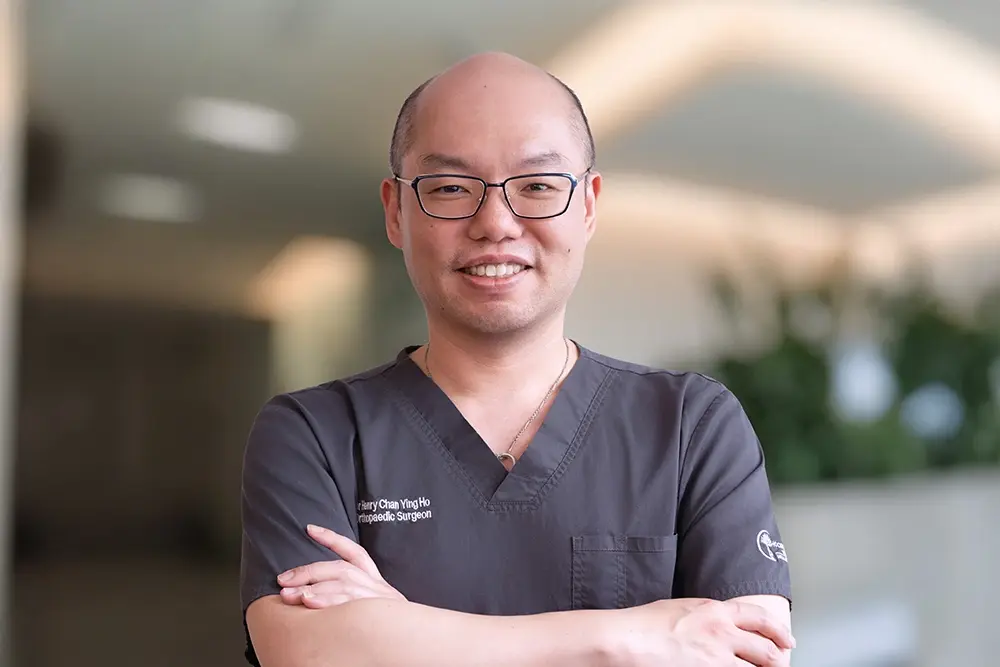
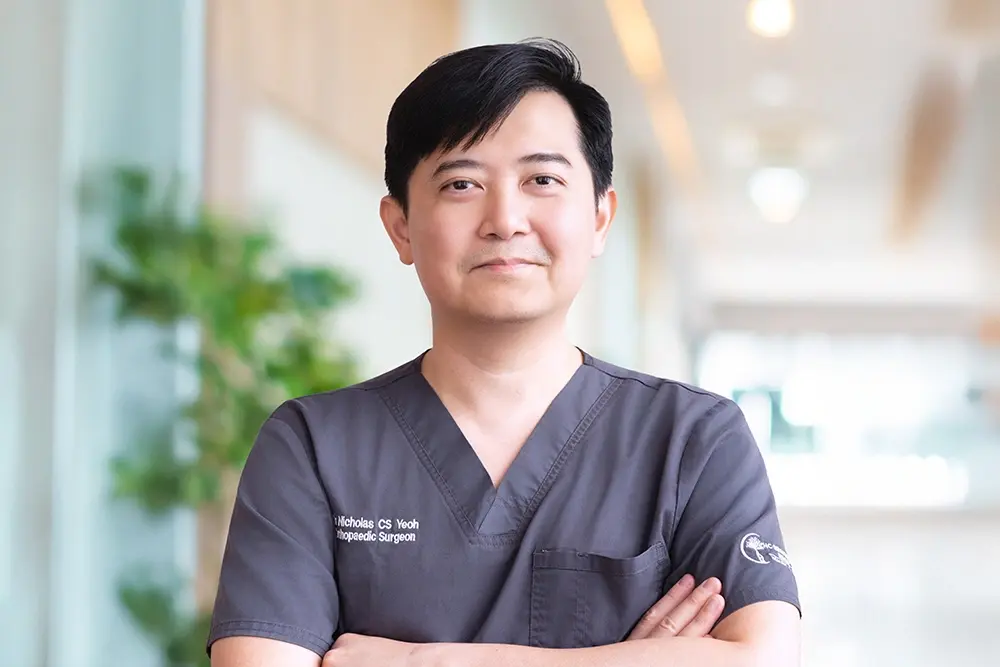
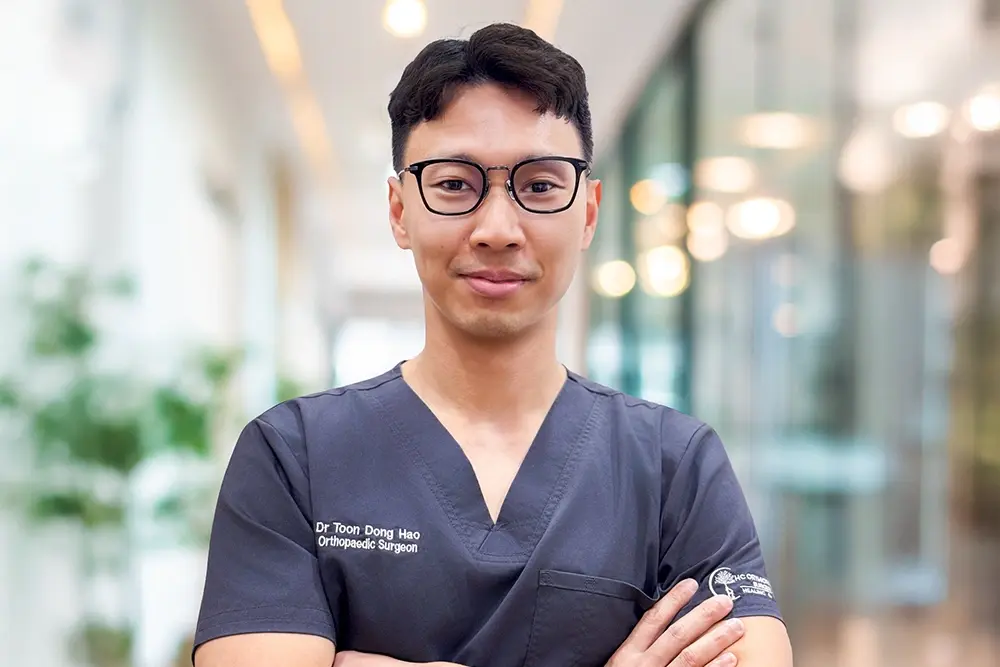
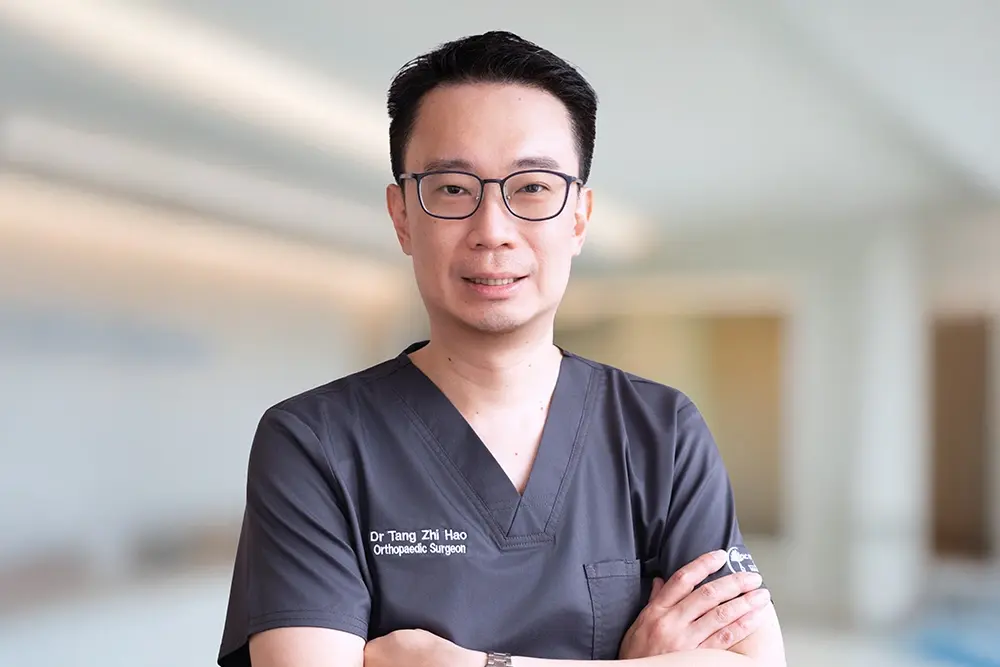
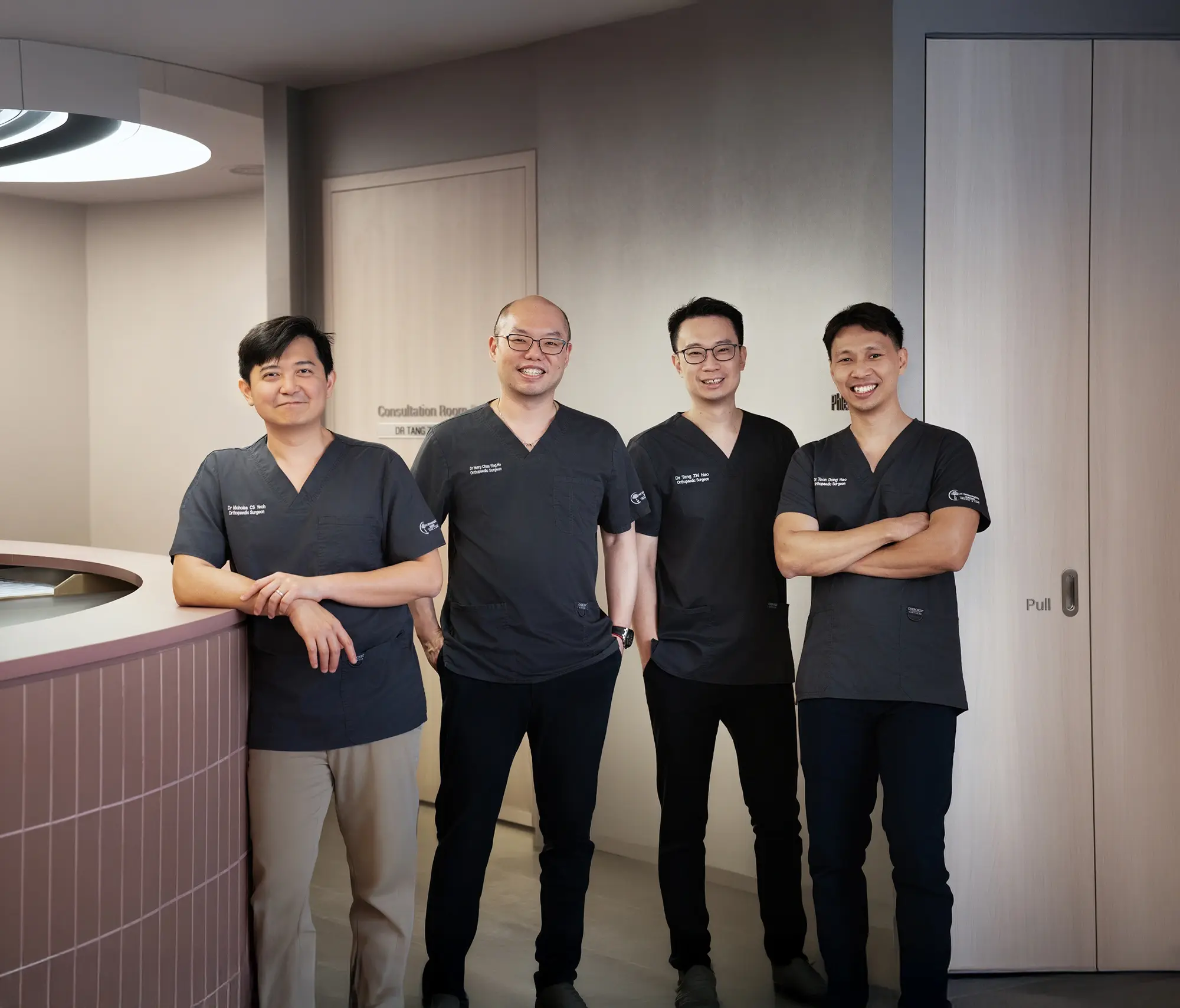
At HC Orthopaedic Surgery, patients with runner’s knee receive comprehensive care focused on relieving pain and restoring healthy knee movement. The practice is led by Dr Henry Chan, alongside Dr Nicholas Yeoh, Dr Toon Dong Hao and Dr Tang Zhi Hao, who collectively bring extensive orthopaedic expertise in managing knee and lower limb conditions. Through careful assessment and personalised treatment plans, our team helps patients return safely to their usual activities.
Frequently Asked Questions (FAQs) About Patelloformal Pain Syndrome
What does patellofemoral pain syndrome (PFPS) feel like?
How long does runner’s knee take to heal?
When should I see a doctor for runner’s knee?
Can I continue playing sports with runner’s knee?
What happens if runner’s knee is left untreated?
Is walking good for runner’s knee?
Meet Our Specialist Team
Our team comprises Dr Henry Chan, Dr Nicholas Yeoh, Dr Toon Dong Hao, and Dr Tang Zhi Hao — experienced orthopaedic surgeons with subspecialty experience and a patient-centred approach to care.
Dr Henry Chan
Medical Director & Senior Consultant Orthopaedic Surgeon
MBBS (S’pore), MRCS (Edinburgh), MMed (Orthopaedic Surgery), FRCS (Edinburgh)
Dr Henry Chan is an experienced orthopaedic surgeon specialising in joint replacement and complex revision surgery. Trained at the renowned Helios Endo-Klinik in Germany under the MOH HMDP scholarship, he has performed over 1,000 joint replacements and specialises in computer-assisted and robotic joint replacement techniques for precise outcomes.
Dr Nicholas Yeoh
Senior Consultant Orthopaedic Surgeon
MBChB (Edinburgh), MRCS (Edinburgh), MMed (Orthopaedic Surgery), FRCS (Edinburgh)
Dr Nicholas Yeoh is an MOH-accredited orthopaedic specialist and Fellow of the Royal College of Surgeons of Edinburgh. Fellowship-trained in hip and knee reconstruction in Sydney under the MOH HMDP scholarship, he specialises in minimally invasive joint replacement, robotic surgery and advanced techniques that enhance recovery and surgical outcomes.
Dr Toon Dong Hao
Senior Consultant Orthopaedic Surgeon
MBChB (Leeds), MRCS (Edinburgh), MMed (Orthopaedic Surgery), FRCS (Edinburgh)
Dr Toon Dong Hao is a skilled orthopaedic surgeon and Fellow of the Royal College of Surgeons of Edinburgh. Fellowship-trained in Advanced Shoulder and Elbow Surgery in Sydney under the MOH HMDP scholarship, Dr Toon specialises in sports injuries, arthroscopic surgery and complex shoulder, elbow and knee procedures to restore function and mobility.
Dr Tang Zhi Hao
Senior Consultant Orthopaedic Surgeon
MBBS (S’pore), MRCS (Edinburgh), MMed (Orthopaedic Surgery), FRCS (Edinburgh)
Dr Tang Zhi Hao is a fellowship-trained orthopaedic surgeon specialising in foot and ankle conditions. He completed his Foot and Ankle Surgery fellowship at Severance Hospital, Yonsei University Health System in Seoul under Professor Jin Woo Lee. Prior to private practice, he served as Consultant and Deputy Head of Orthopaedics at Khoo Teck Puat Hospital.