
Partial Knee Replacement
in Singapore

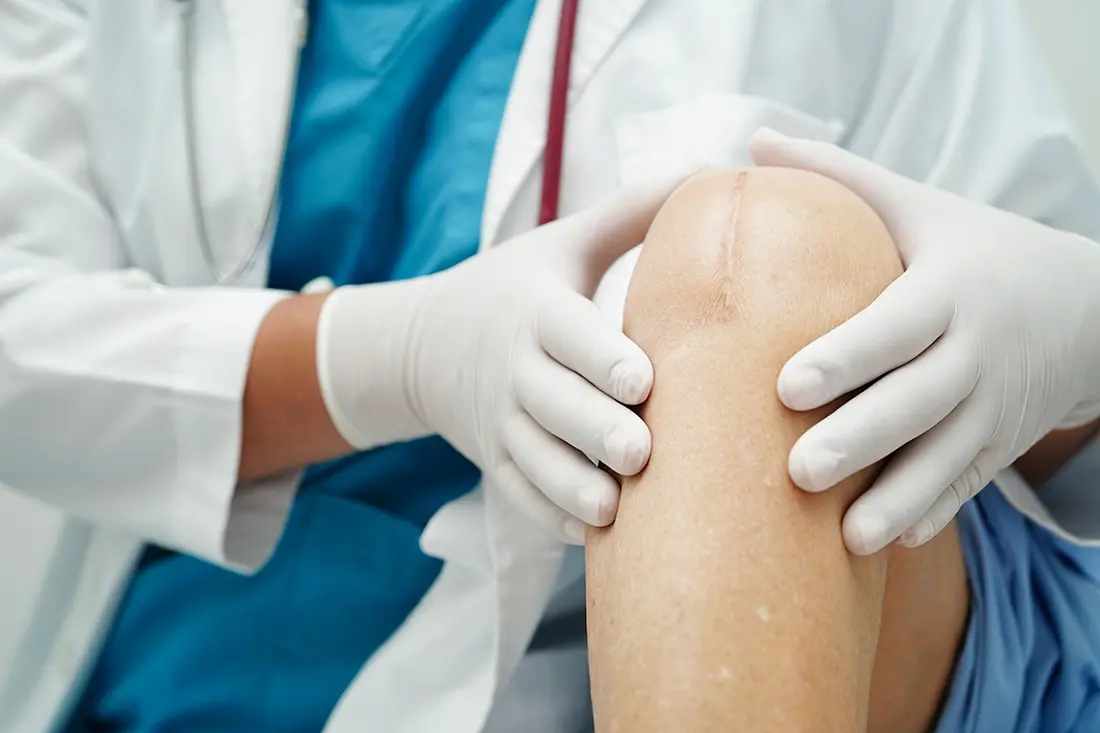
Partial knee replacement may be recommended when knee pain begins to interfere with everyday activities such as walking, climbing stairs or standing for long periods. You might notice that certain movements cause discomfort on one side of the knee, or that the joint feels stiff and less stable than it used to. Over time, this pain can make simple tasks more challenging and reduce overall mobility.
In some cases, knee damage affects only one part of the joint rather than the entire knee. When this occurs, a partial knee replacement may be an appropriate treatment option. Instead of replacing the entire joint, the procedure focuses on resurfacing the damaged compartment while preserving the healthy bone, cartilage and ligaments around it.
Joint Anatomy
Basic Anatomy of the Knee Joint
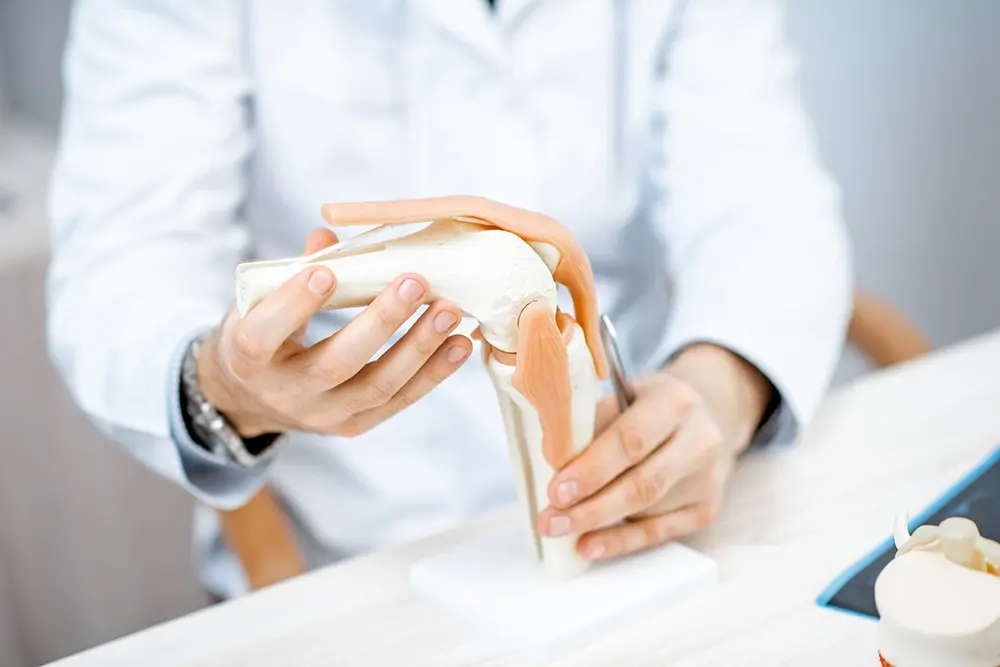
Your knee is a complex hinge joint made up of three compartments:
Joint Anatomy
Basic Anatomy of the Knee Joint
Your knee is a complex hinge joint made up of three compartments:
- Lateral Compartment
Located on the outer side of the knee, this compartment connects the thigh bone (femur) to the shin bone (tibia).
- Medial Compartment
Found on the inner side of the knee, it also connects the femur and tibia. This compartment is commonly affected by osteoarthritis and is the most frequent site treated during partial knee replacement surgery.
- Patellofemoral Compartment
Situated at the front of the knee, this is where the thigh bone meets the kneecap (patella).
Each compartment is lined with cartilage, a smooth and protective tissue that cushions the bones and allows the knee to move smoothly. When cartilage gradually wears away, the bones may begin to rub against each other, leading to pain, stiffness and reduced mobility. If the damage is limited to one or two compartments, a partial knee replacement may be considered instead of a total knee replacement.
What is a Partial Knee Replacement and Who Needs It?
Partial knee replacement surgery, also known as unicompartmental knee arthroplasty, replaces only the damaged section of the knee joint with an artificial implant while preserving the healthy parts of the joint. The goal of the procedure is to relieve pain, improve knee function and maintain more natural joint movement when arthritis is limited to a single compartment of the knee.
The knee joint is made up of three compartments: the medial (inner), lateral (outer) and patellofemoral (front) compartments. In some patients, arthritis affects only one of these areas while the surrounding cartilage, ligaments and bone remain healthy. By resurfacing only the damaged compartment with durable metal and medical-grade plastic components, partial knee replacement targets the source of pain while preserving the rest of the natural joint.
Partial knee replacement is typically considered when knee damage is limited to one part of the joint but still causes persistent symptoms that affect daily activities.
You may be a suitable candidate if you:
- Have early to moderate arthritis confined to the inner or outer compartment of the knee
- Still have stable knee ligaments and relatively good joint movement
- Notice stiffness or discomfort that interferes with walking, climbing stairs or other daily activities
- Have not experienced sufficient improvement despite medication, physiotherapy or other non-surgical treatments
- Experience persistent knee pain that is mainly localised to one side of the joint
In the earlier stages of knee arthritis, conservative treatments such as physiotherapy, medication, injections and activity modification may help control symptoms. However, when these approaches no longer provide adequate relief and pain continues to limit mobility or quality of life, partial knee replacement may be considered after careful orthopaedic assessment.
If knee pain is affecting your mobility or daily activities, a personalised assessment with our knee specialists at HC Orthopaedic Surgery can help determine whether partial knee replacement or other treatments may be suitable.
What to Expect From Partial Knee Replacement Surgery
Understanding each stage of the process can help you prepare both physically and mentally for surgery. From pre-operative planning to rehabilitation, partial knee replacement follows a structured treatment pathway designed to support safe recovery and restore knee function while preserving as much of the natural joint as possible.
How to Prepare for Partial Knee Replacement Surgery
- Optimise existing medical conditions such as diabetes or high blood pressure
- Strengthen the muscles around your knee through guided physiotherapy
- Arrange for assistance at home during the early recovery period
- Stop certain medications if advised by your doctor
- Avoid food and drinks for a specified period before surgery
Partial Knee Replacement: Procedure Overview
- A small incision is made at the front of the knee to access the joint
- The damaged cartilage and a thin layer of bone are removed from the affected compartment of the knee
- The bone surfaces are carefully shaped to fit the artificial components
- A metal implant is secured to the femur and another to the tibia within the damaged compartment
- A medical-grade plastic insert is placed between the metal components to allow smooth movement
- Healthy cartilage, bone and ligaments in the unaffected compartments are preserved
- The incision is then closed and dressed to protect the surgical site
After Surgery: Recovery and Rehabilitation
- Follow your physiotherapy plan: Attend scheduled sessions and perform daily home exercises to strengthen the knee and improve flexibility.
- Keep moving safely: Walk short distances regularly and use walking aids if recommended until your doctor advises otherwise.
- Support healing through nutrition: Maintain a balanced diet with adequate protein, vegetables and calcium-rich foods to aid recovery.
- Manage pain and swelling: Take medication as prescribed, apply ice packs when needed and elevate your leg while resting.
- Monitor your recovery: Track improvements in mobility and report unusual symptoms such as severe pain, swelling or fever.
Treatment Benefits
How Can Partial Knee Replacement Improve Knee Function?
Partial knee replacement can help by:
- Relieving persistent knee pain caused by arthritis in one compartment of the knee
- Preserving healthy bone, cartilage and ligaments for more natural joint movement
- Improving knee stability and range of motion during daily activities
- Allowing faster recovery compared to total knee replacement in suitable patients
- Supporting better mobility for walking, climbing stairs and routine movement
For many patients in Singapore, partial knee replacement offers an effective way to restore knee function and return to daily activities with greater comfort and confidence.
Understanding the Risks
Potential Risks and Complications of Partial Knee Replacement
As with any surgical procedure, partial knee replacement carries potential risks. Your surgeon will discuss these with you in detail and take appropriate steps to minimise them.
Although complications are uncommon, possible risks include:
- Infection
- Bleeding or blood clots
- Knee stiffness or reduced range of motion
- Persistent pain after surgery
- Implant wear, loosening or movement over time
- Progression of arthritis in other parts of the knee
- Need for revision surgery or conversion to total knee replacement
Careful surgical planning, proper post-operative care and adherence to a structured rehabilitation programme help reduce these risks. Regular follow-up appointments allow your doctor to monitor recovery and address any concerns promptly, supporting a safe and steady return to activity.
Cost of Partial Knee Replacement in Singapore
The cost of partial knee replacement in Singapore can vary depending on several factors related to the procedure, hospital setting and individual patient needs. Understanding these factors can help patients plan for the procedure and explore available financing options.
Key factors that may influence the overall cost include:

Insurance and Financial
Patients in Singapore may also be eligible to use MediSave, MediShield Life or Integrated Shield Plans to help offset certain medical expenses, depending on their insurance coverage and eligibility. Your orthopaedic specialist can provide a more detailed cost estimate during consultation based on your condition, treatment plan and hospital choice.
Regain Knee Mobility at HC Orthopaedic Surgery
Partial knee replacement can be an effective treatment when arthritis affects only one part of the knee joint but continues to cause persistent pain and limitations in daily activities. By targeting the damaged compartment while preserving healthy structures, the procedure aims to relieve discomfort, restore smoother joint movement and support a more natural-feeling knee. With careful surgical planning, structured rehabilitation and appropriate patient selection, many individuals are able to regain mobility and return to everyday routines with greater comfort and confidence.
Regain Knee Mobility at HC Orthopaedic Surgery
Partial knee replacement can be an effective treatment when arthritis affects only one part of the knee joint but continues to cause persistent pain and limitations in daily activities. By targeting the damaged compartment while preserving healthy structures, the procedure aims to relieve discomfort, restore smoother joint movement and support a more natural-feeling knee. With careful surgical planning, structured rehabilitation and appropriate patient selection, many individuals are able to regain mobility and return to everyday routines with greater comfort and confidence.

Our Specialised Team
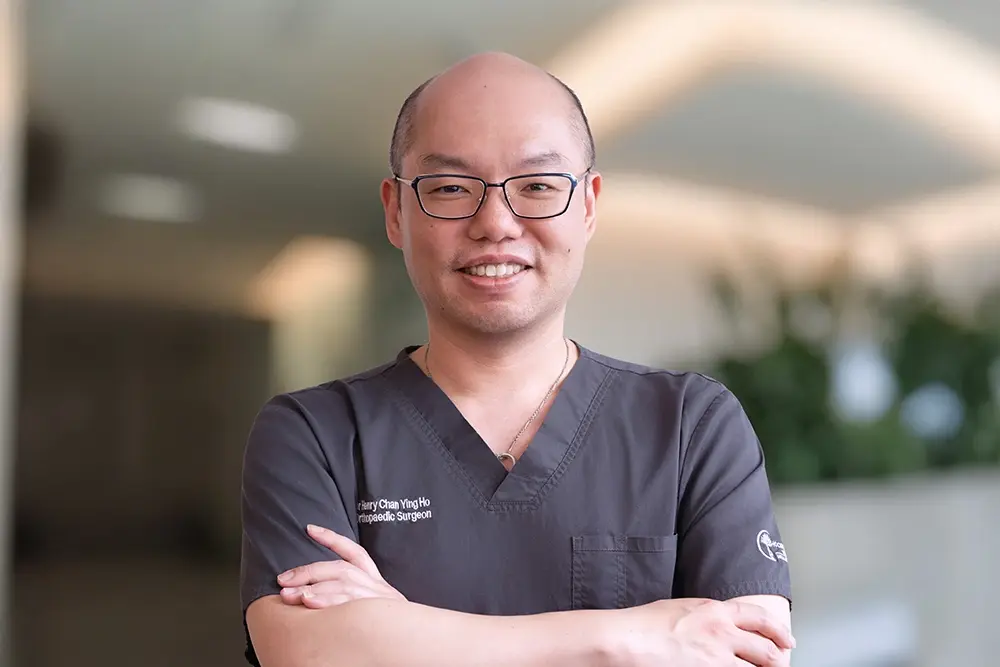
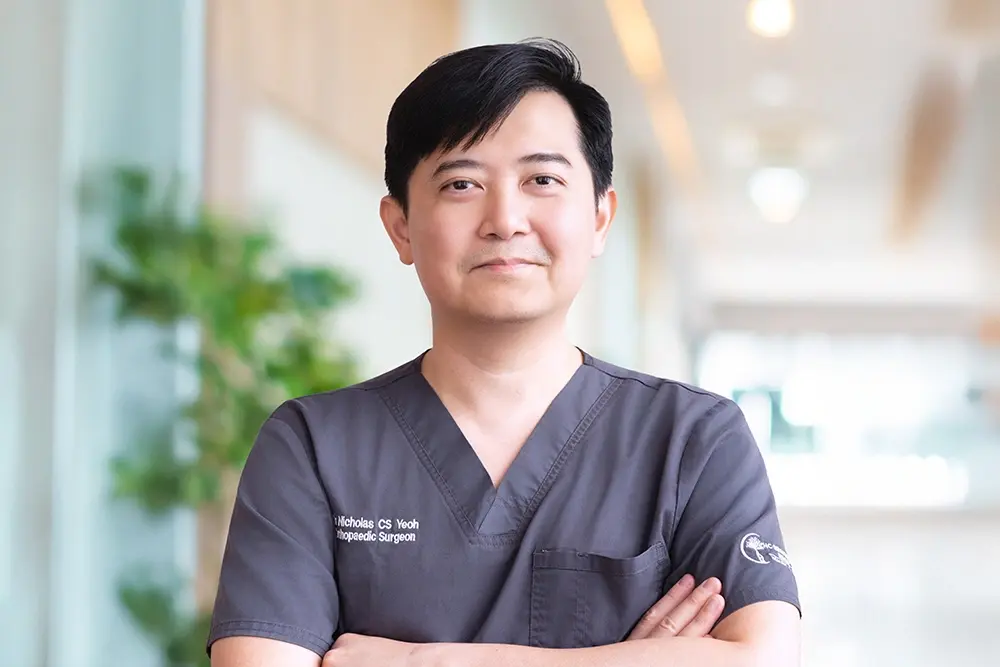
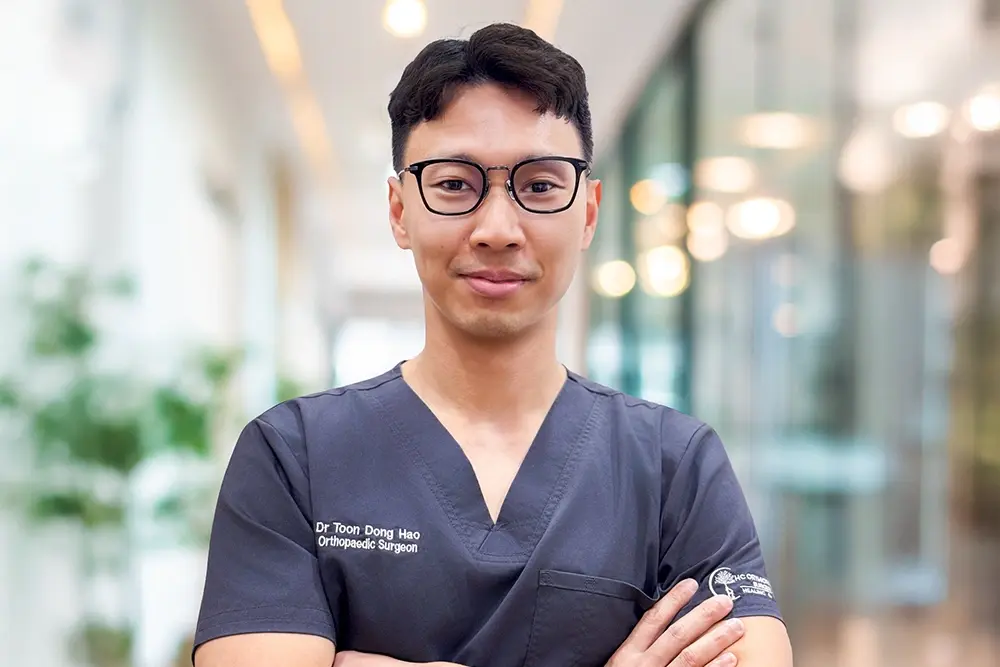
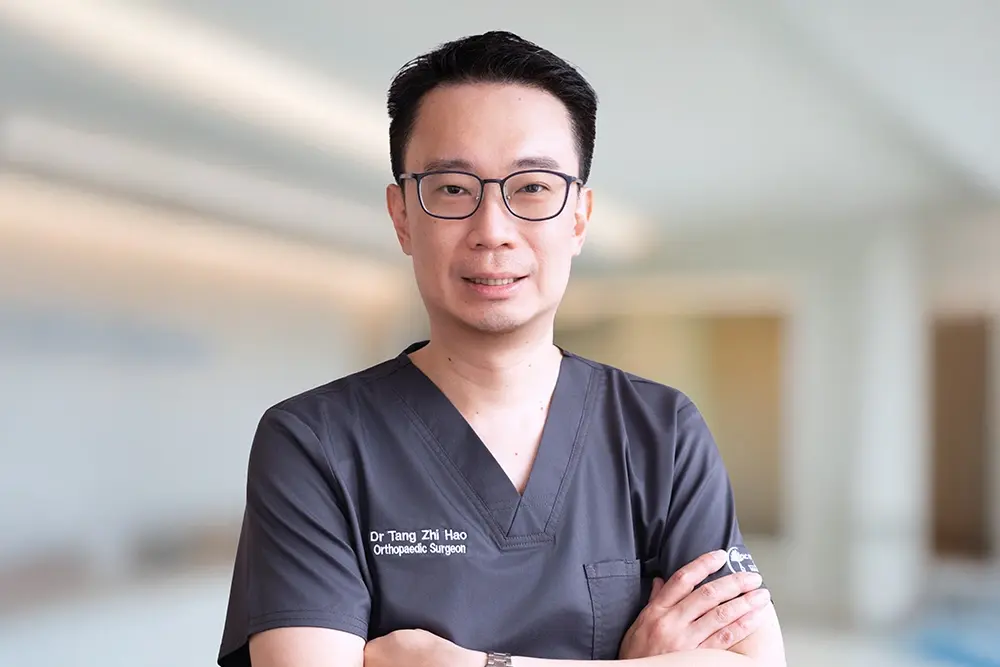
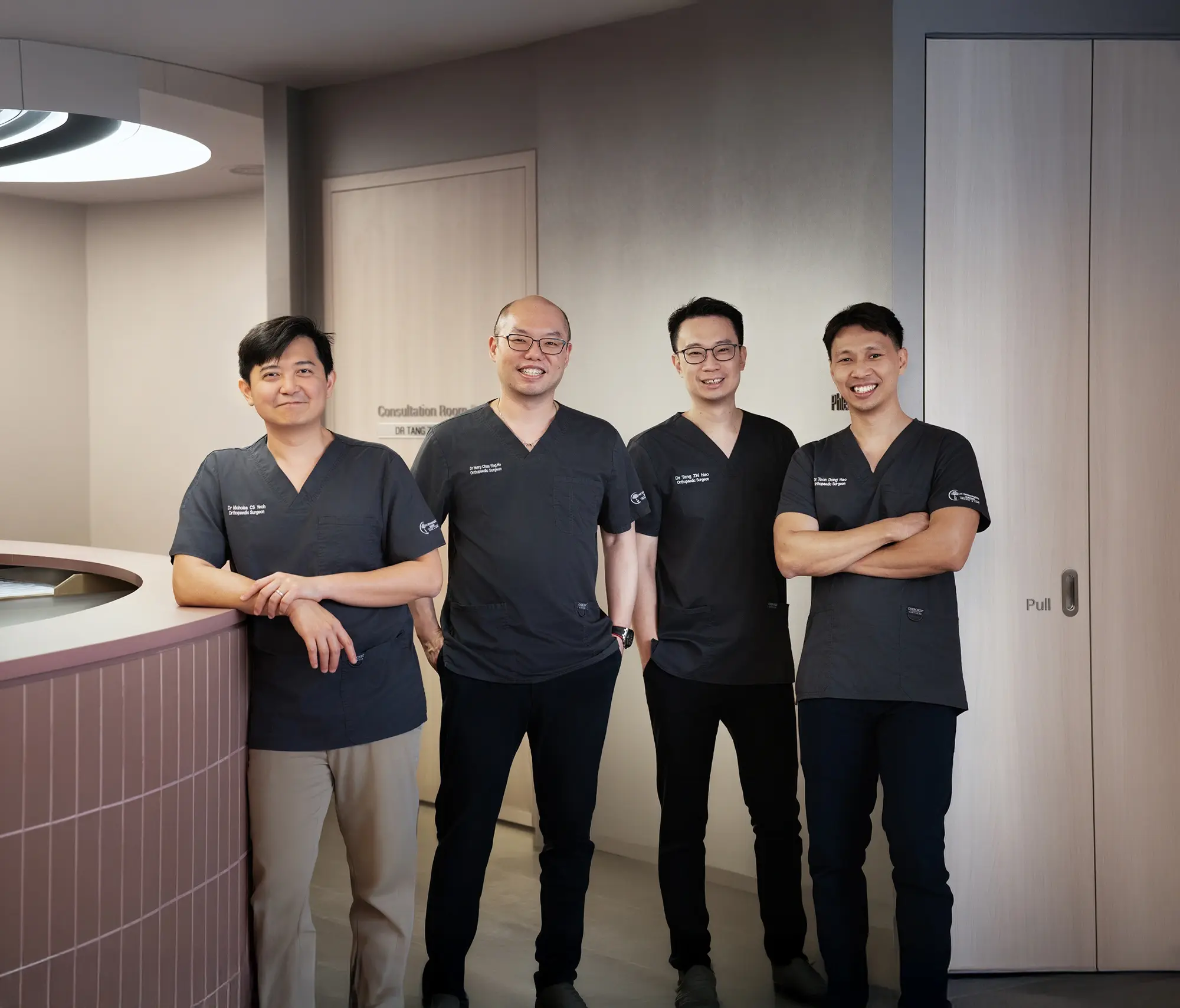
At HC Orthopaedic Surgery, patients receive comprehensive care for knee arthritis and partial knee replacement. Dr Henry Chan is an experienced orthopaedic surgeon who specialises in knee conditions and joint replacement procedures. Dr Nicholas Yeoh focuses on advanced hip and knee reconstruction, including partial knee replacement techniques. The orthopaedic team also includes Dr Toon Dong Hao and Dr Tang Zhi Hao, who provide personalised care across a range of joint conditions.
Frequently Asked Questions (FAQs) About Partial Knee Replacement
What conditions typically lead to the need for partial knee replacement?
How does partial knee replacement differ from total knee replacement?
How do surgeons determine if partial knee replacement is suitable?
How does Singapore’s healthcare system ensure the success of partial knee replacement procedures?
Who is an ideal candidate for partial knee replacement?
How long does a partial knee replacement implant last?
Will partial knee replacement relieve pain completely?
Can arthritis spread after partial knee replacement?
Will I be able to return to sports after partial knee replacement?
Meet Our Specialist Team
Our team comprises Dr Henry Chan, Dr Nicholas Yeoh, Dr Toon Dong Hao, and Dr Tang Zhi Hao — experienced orthopaedic surgeons with subspecialty experience and a patient-centred approach to care.
Dr Henry Chan
Medical Director & Senior Consultant Orthopaedic Surgeon
MBBS (S’pore), MRCS (Edinburgh), MMed (Orthopaedic Surgery), FRCS (Edinburgh)
Dr Henry Chan is an experienced orthopaedic surgeon specialising in joint replacement and complex revision surgery. Trained at the renowned Helios Endo-Klinik in Germany under the MOH HMDP scholarship, he has performed over 1,000 joint replacements and specialises in computer-assisted and robotic joint replacement techniques for precise outcomes.
Dr Nicholas Yeoh
Senior Consultant Orthopaedic Surgeon
MBChB (Edinburgh), MRCS (Edinburgh), MMed (Orthopaedic Surgery), FRCS (Edinburgh)
Dr Nicholas Yeoh is an MOH-accredited orthopaedic specialist and Fellow of the Royal College of Surgeons of Edinburgh. Fellowship-trained in hip and knee reconstruction in Sydney under the MOH HMDP scholarship, he specialises in minimally invasive joint replacement, robotic surgery and advanced techniques that enhance recovery and surgical outcomes.
Dr Toon Dong Hao
Senior Consultant Orthopaedic Surgeon
MBChB (Leeds), MRCS (Edinburgh), MMed (Orthopaedic Surgery), FRCS (Edinburgh)
Dr Toon Dong Hao is a skilled orthopaedic surgeon and Fellow of the Royal College of Surgeons of Edinburgh. Fellowship-trained in Advanced Shoulder and Elbow Surgery in Sydney under the MOH HMDP scholarship, Dr Toon specialises in sports injuries, arthroscopic surgery and complex shoulder, elbow and knee procedures to restore function and mobility.
Dr Tang Zhi Hao
Senior Consultant Orthopaedic Surgeon
MBBS (S’pore), MRCS (Edinburgh), MMed (Orthopaedic Surgery), FRCS (Edinburgh)
Dr Tang Zhi Hao is a fellowship-trained orthopaedic surgeon specialising in foot and ankle conditions. He completed his Foot and Ankle Surgery fellowship at Severance Hospital, Yonsei University Health System in Seoul under Professor Jin Woo Lee. Prior to private practice, he served as Consultant and Deputy Head of Orthopaedics at Khoo Teck Puat Hospital.