
Meniscus Repair & Replacement
in Singapore

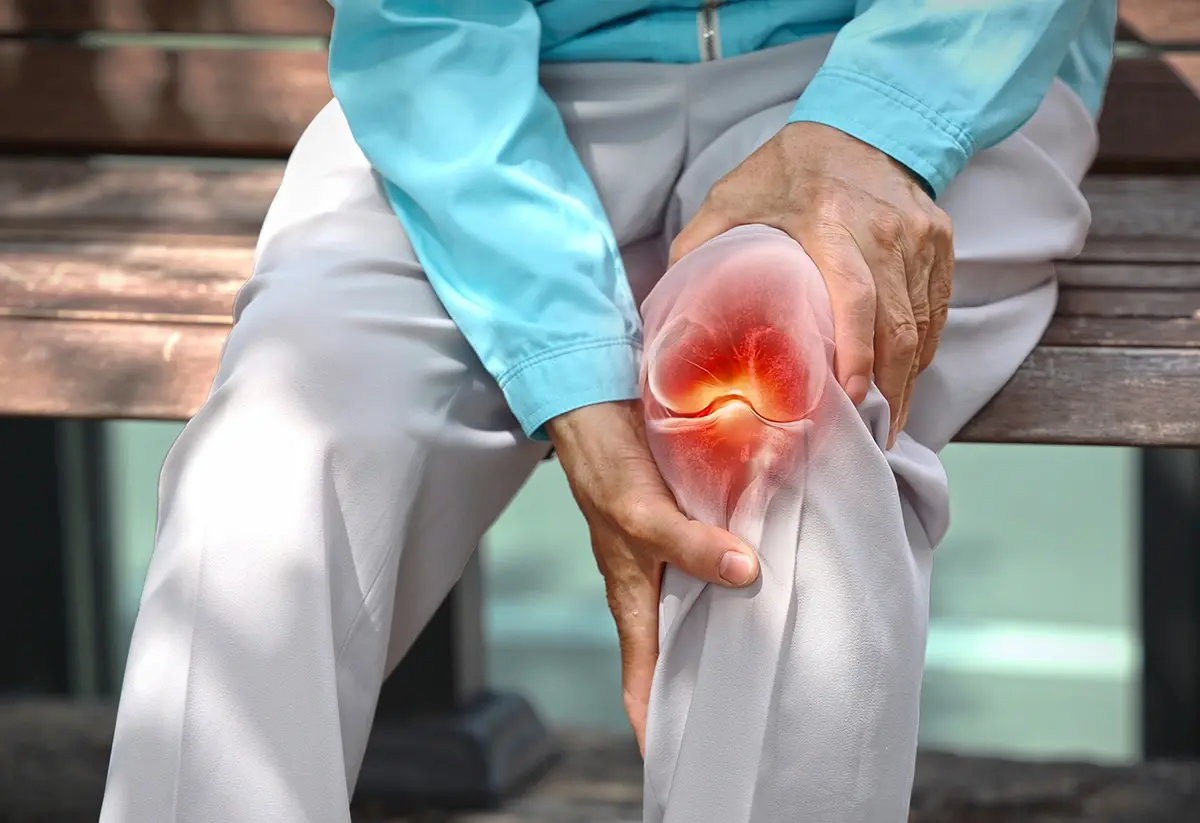
Persistent knee pain, locking or swelling from a meniscus tear may indicate that surgical treatment is required. When symptoms do not improve with physiotherapy or activity modification, meniscus repair or meniscus replacement may be considered to restore joint function and protect long-term knee health.
Meniscus repair aims to preserve and stabilise the natural cartilage whenever possible, as maintaining the meniscus plays a critical role in shock absorption and joint protection. In cases where the tissue is too damaged to repair, meniscus replacement may be performed to restore cushioning within the knee.
Choosing the appropriate procedure depends on the type of tear, tissue quality, age, activity level and overall joint condition. A thorough evaluation helps determine the most suitable surgical approach to relieve symptoms and support durable knee function.
Understanding the Condition
What Is a Meniscus Tear and Its Common Symptoms?
A meniscus tear occurs when the cartilage in the knee is damaged. This often happens as a sports injury during activities that involve twisting, pivoting or sudden changes in direction. In older adults, tears may also develop gradually due to age-related degeneration or minor movements that place stress on already weakened cartilage.
Depending on the size and pattern of the tear, symptoms may include:
Understanding the Condition
What Is a Meniscus Tear and Its Common Symptoms?
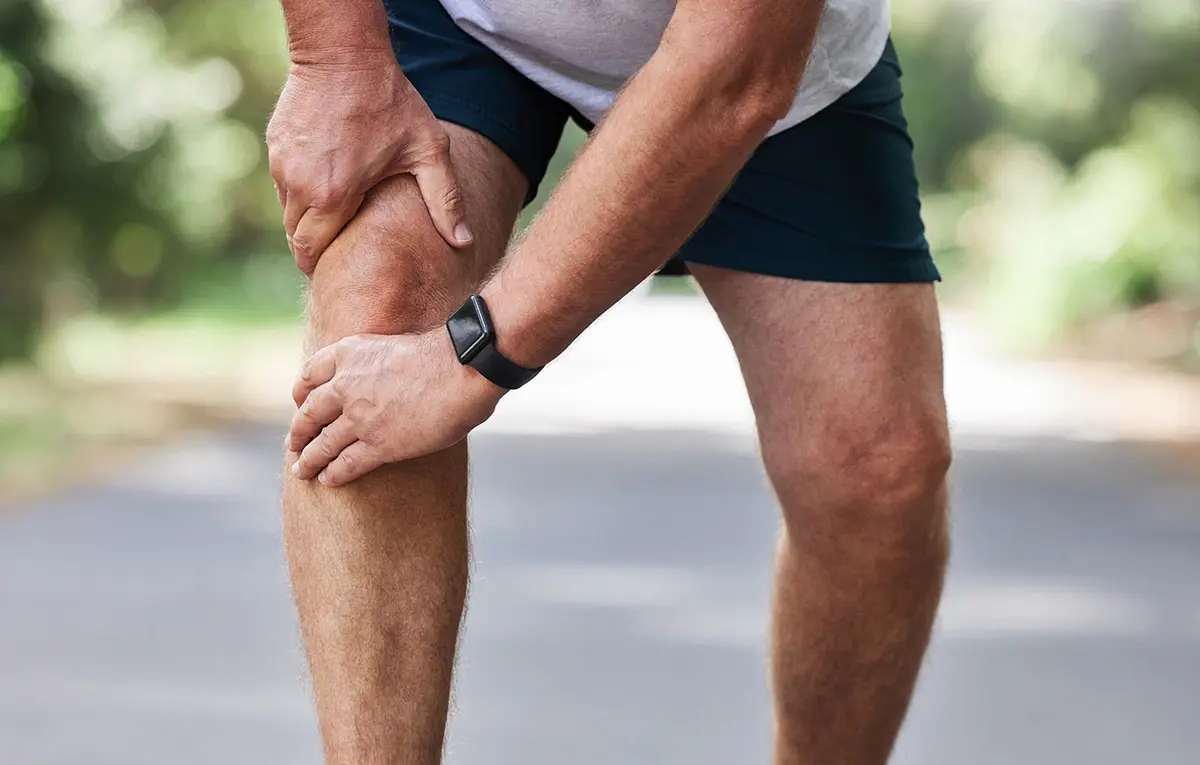
A meniscus tear occurs when the cartilage in the knee is damaged. This often happens as a sports injury during activities that involve twisting, pivoting or sudden changes in direction. In older adults, tears may also develop gradually due to age-related degeneration or minor movements that place stress on already weakened cartilage.
Depending on the size and pattern of the tear, symptoms may include:
- Pain along the inner or outer side of the knee
- Swelling that develops over several hours or days
- Locking, catching or a sensation of the knee getting stuck
- Difficulty fully bending or straightening the knee
- Stiffness or discomfort during squatting or climbing stairs
Some meniscus tears improve with physiotherapy and activity modification. However, larger or more complex tears may require surgical treatment, particularly if symptoms persist or mechanical locking occurs.
At HC Orthopaedic Surgery, our knee specialists will assess your meniscus injury and recommend a personalised treatment plan based on your needs.
When Surgery Is Recommended
Who Needs Meniscus Repair and Meniscus Replacement?
What Is Meniscus Repair and Who Is Suitable?
Meniscus repair is a surgical procedure that aims to preserve and stitch together a torn meniscus, allowing the cartilage to heal naturally. Unlike partial removal of damaged tissue, repair focuses on maintaining as much of the native meniscus as possible to protect long-term knee function.
Repair is generally recommended when the tear occurs in a region with sufficient blood supply, as this improves healing potential. It is more commonly considered in:- Younger or active individuals
- Patients with recent traumatic tears
- Tears located in the outer vascular zone of the meniscus
- Patients undergoing concurrent procedures, such as ACL reconstruction
Not all tears are suitable for repair. Complex, degenerative or poorly vascularised tears may not heal reliably even if stitched.
What Is Meniscus Replacement and Who Is Suitable?
Meniscus replacement may be considered when the native meniscus is severely damaged, previously removed or unsuitable for repair. The procedure restores cushioning within the knee using donor graft tissue or a meniscal implant, depending on individual suitability.
Replacement is typically considered in:- Patients with significant meniscus loss
- Individuals with persistent pain after prior meniscus surgery
- Patients with relatively preserved joint alignment and limited cartilage wear
A thorough assessment helps determine whether repair or replacement offers the most appropriate and durable solution for your condition.
Treatment Benefits
How Does a Meniscus Repair or Replacement Help You?
Meniscus repair and replacement aim to relieve pain, restore smoother knee movement and improve overall joint stability. By preserving or restoring the meniscus, the procedure helps the knee absorb shock more effectively and distribute load evenly across the joint surface.
This protection is important in reducing further cartilage wear, which may contribute to long-term degenerative changes. In suitable patients, restoring meniscal function supports more stable movement and reduces mechanical symptoms such as catching or locking.
For active individuals, surgery may allow a gradual return to sports and higher-demand activities under guided rehabilitation. For older adults, it can improve comfort during walking, climbing stairs and other daily tasks, supporting mobility and independence.
Overall, the goal is not only symptom relief, but also long-term joint preservation.
What to Expect From a Meniscus Repair or Replacement
Meniscus repair and meniscus replacement are surgical procedures performed to relieve pain, restore knee function and protect long-term joint health. Understanding the preparation process, what happens during surgery and what recovery involves can help you feel prepared and confident about the next steps.
How to Prepare
Procedure Overview
Aftercare and Recovery
Understanding the Risks
Potential Risks of a Meniscus Repair or Replacement
Meniscus repair and replacement are commonly performed procedures with established safety profiles. As with any surgery, however, there are potential risks. Your surgeon will explain these in detail and take appropriate measures to minimise them.
General surgical risks include infection, bleeding, blood clots and temporary nerve irritation. Specific complications may include:
Understanding the Risks
Potential Risks of a Meniscus Repair or Replacement
Meniscus repair and replacement are commonly performed procedures with established safety profiles. As with any surgery, however, there are potential risks. Your surgeon will explain these in detail and take appropriate measures to minimise them.
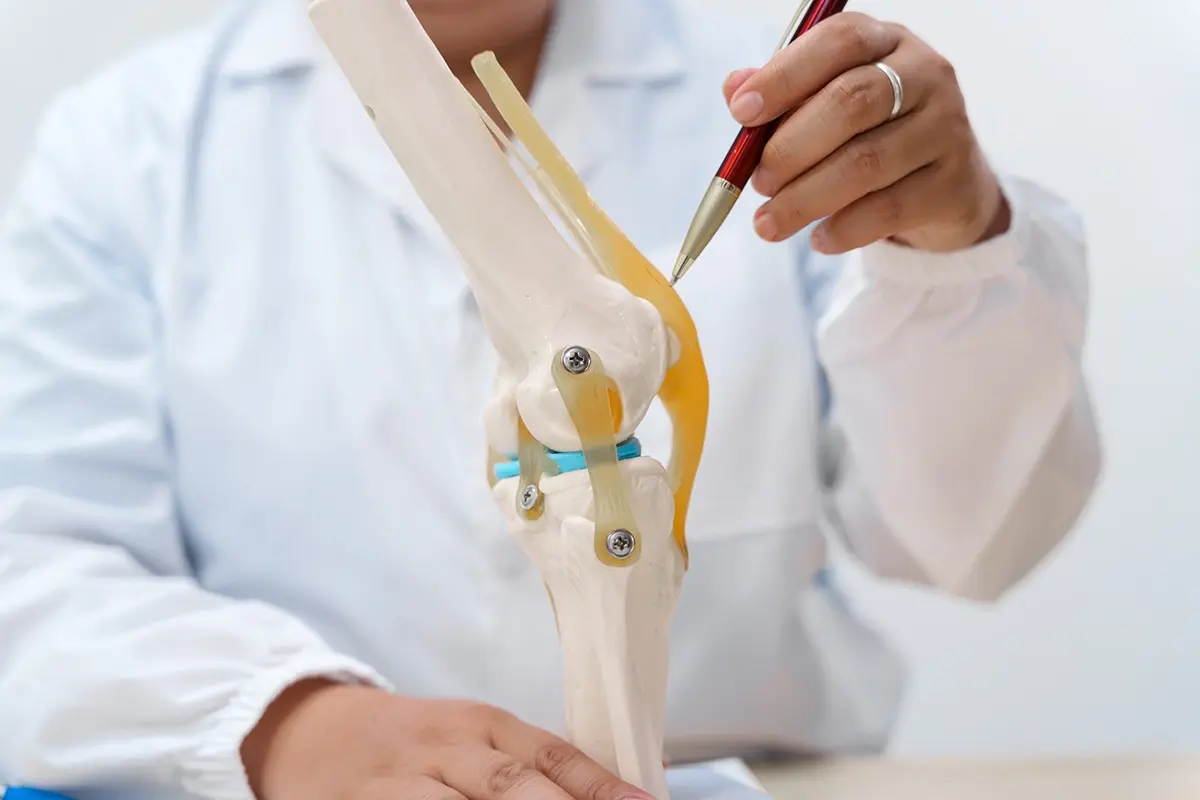
General surgical risks include infection, bleeding, blood clots and temporary nerve irritation. Specific complications may include:
- Infection
- Bleeding or blood clots
- Knee stiffness or reduced range of motion
- Persistent instability or graft failure
- Temporary numbness around the incision site
- Discomfort at the graft harvest site
Careful patient selection, precise surgical technique and adherence to a structured rehabilitation programme significantly reduce these risks. Regular follow-up allows recovery to be monitored closely and any concerns to be addressed promptly.
Cost of Meniscus Repair & Replacement in Singapore
The cost of meniscus repair or meniscus replacement in Singapore varies based on several factors. The overall bill depends on the complexity of the tear, the type of procedure performed and the hospital setting in which the surgery takes place.
Key Cost Factors
Several elements may affect the total cost of surgery:
Because each meniscus injury differs in pattern and severity, a personalised evaluation is necessary to provide an accurate estimate.

Insurance and Financial Support
Many patients rely on MediSave, MediShield Life, Integrated Shield Plans or private insurance to help manage the cost of surgery. Claimable amounts depend on prevailing withdrawal limits and individual policy coverage.
Our clinic team can provide a detailed cost breakdown after consultation and assist with financial counselling and insurance documentation to help you plan your treatment with clarity.
Advanced Meniscus Repair & Replacement at HC Orthopaedic Surgery
Meniscus repair and replacement are procedures designed not only to relieve pain, but also to preserve knee function and protect long-term joint health. When performed with careful surgical planning and supported by structured rehabilitation, these treatments can restore smoother movement, improve stability and support a safe return to daily activities or sports.
Advanced Meniscus Repair & Replacement at HC Orthopaedic Surgery
Meniscus repair and replacement are procedures designed not only to relieve pain, but also to preserve knee function and protect long-term joint health. When performed with careful surgical planning and supported by structured rehabilitation, these treatments can restore smoother movement, improve stability and support a safe return to daily activities or sports.

Our Specialised Team
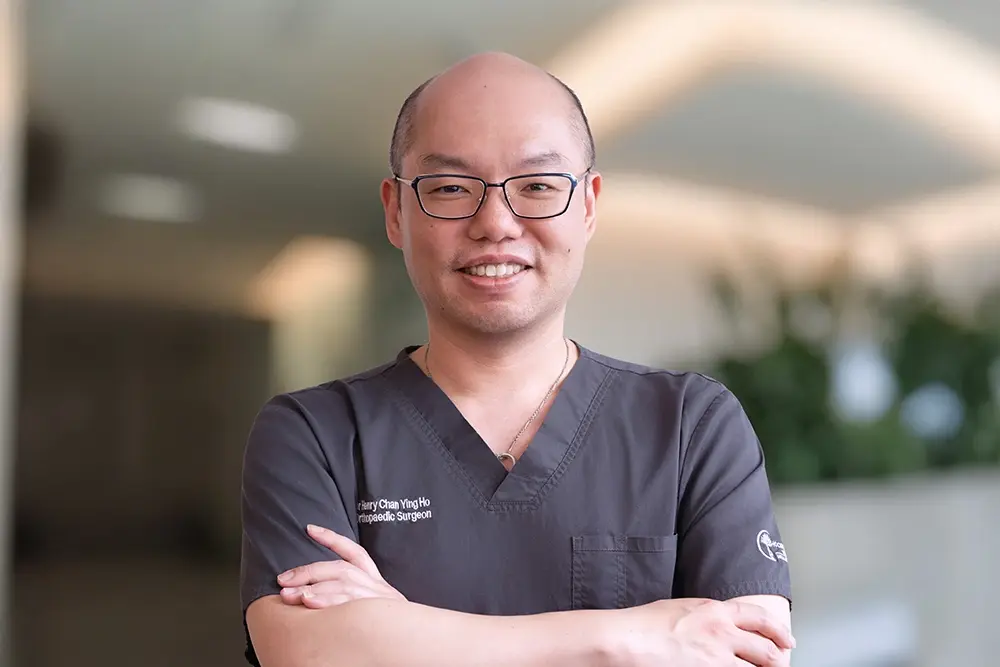
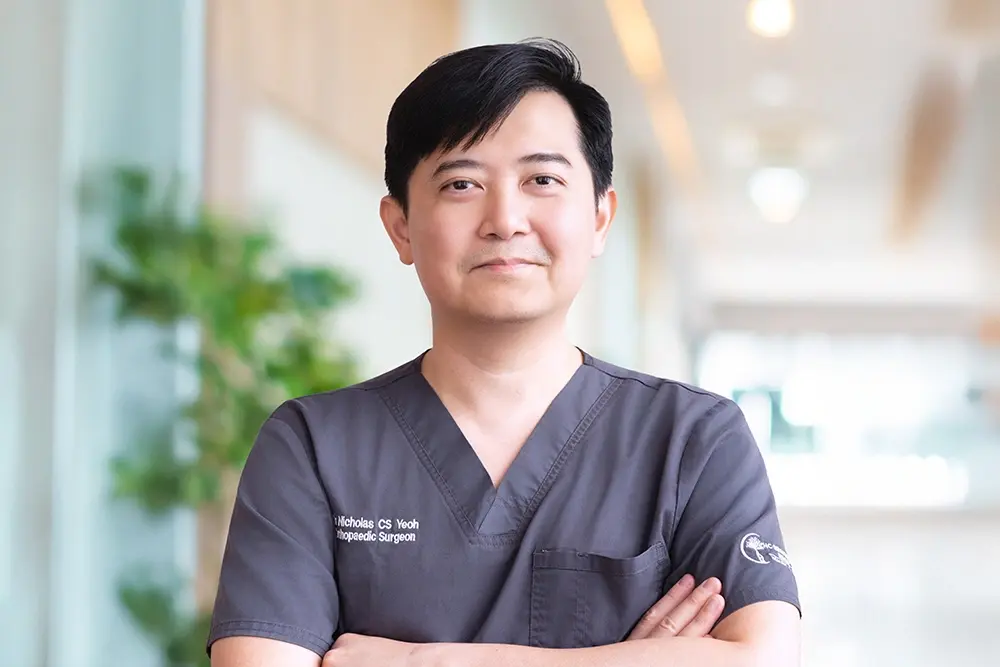
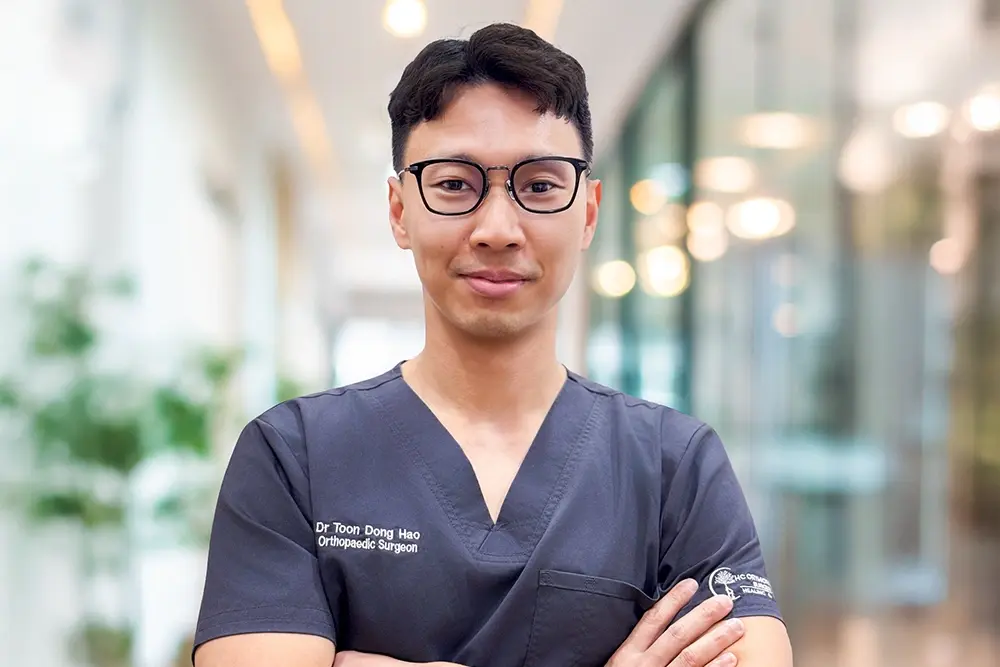
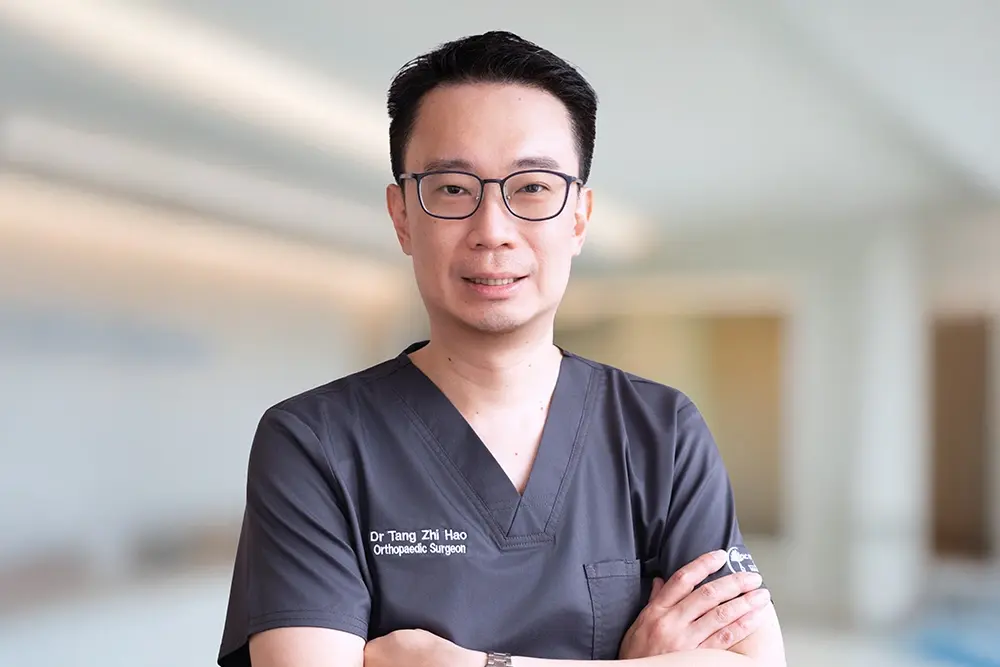
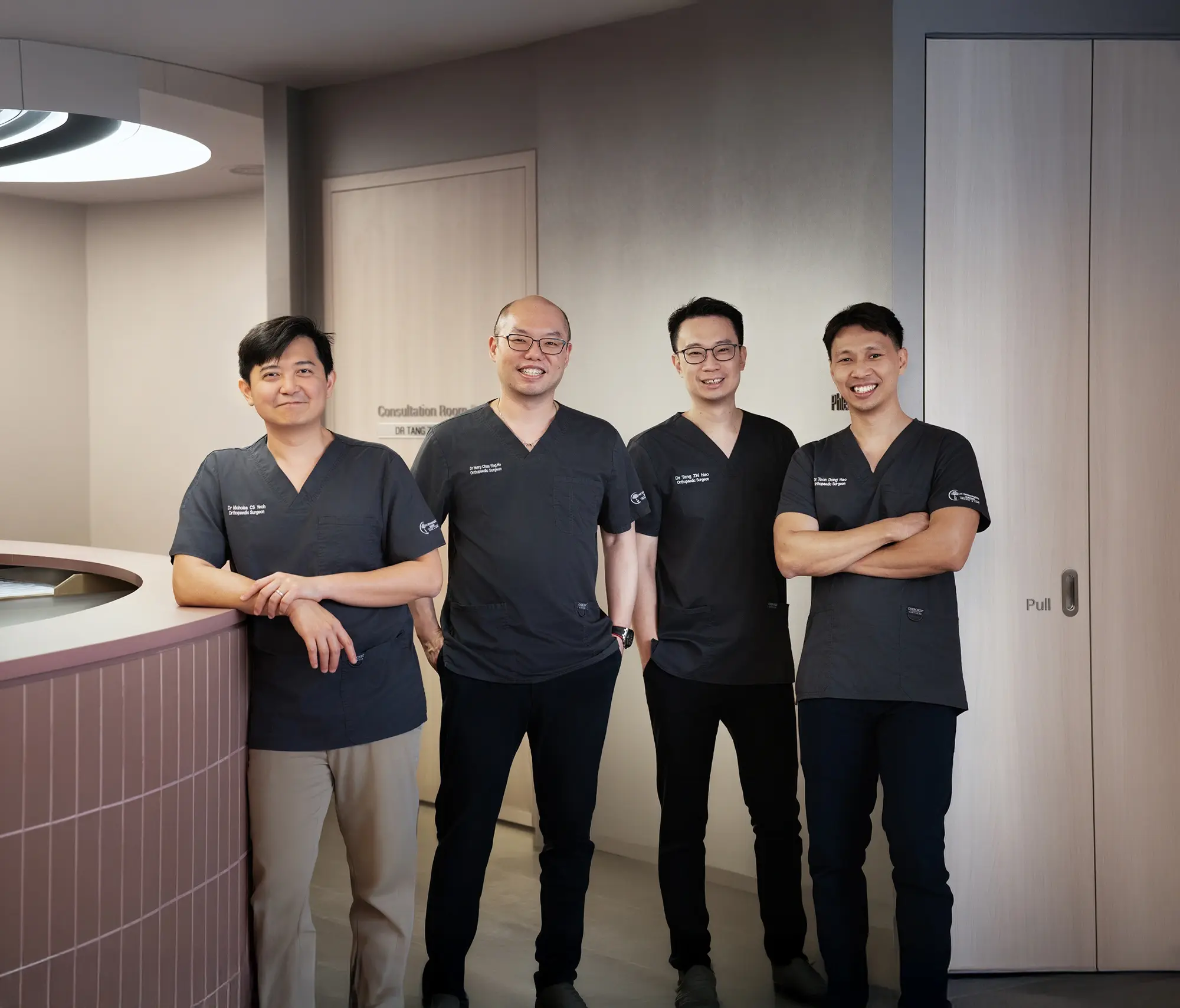
At HC Orthopaedic Surgery, we provide comprehensive evaluation and personalised surgical management for meniscus injuries using advanced arthroscopic techniques. The practice is led by Dr Henry Chan, together with Dr Nicholas Yeoh, Dr Toon Dong Hao and Dr Tang Zhi Hao, who offer evidence-based meniscus repair or replacement tailored to your tear pattern, activity level and long-term goals.
Frequently Asked Questions (FAQs) About Meniscus Repair & Replacement
Can older adults benefit from meniscus repair or replacement?
Will I need physiotherapy after meniscus repair or replacement?
How long does it take to recover after meniscus repair?
Can I resume sports after meniscus replacement?
How long will the meniscus repair or replacement last?
What factors determine whether meniscus repair or replacement is recommended?
The decision depends on several factors, including:
- Location and size of the meniscus tear
- Quality of the remaining meniscus tissue
- Patient’s age, activity level and overall knee health
- Presence of associated knee injuries, such as ligament damage or cartilage loss
Meet Our Specialist Team
Our team comprises Dr Henry Chan, Dr Nicholas Yeoh, Dr Toon Dong Hao, and Dr Tang Zhi Hao — experienced orthopaedic surgeons with subspecialty experience and a patient-centred approach to care.
Dr Henry Chan
Medical Director & Senior Consultant Orthopaedic Surgeon
MBBS (S’pore), MRCS (Edinburgh), MMed (Orthopaedic Surgery), FRCS (Edinburgh)
Dr Henry Chan is an experienced orthopaedic surgeon specialising in joint replacement and complex revision surgery. Trained at the renowned Helios Endo-Klinik in Germany under the MOH HMDP scholarship, he has performed over 1,000 joint replacements and specialises in computer-assisted and robotic joint replacement techniques for precise outcomes.
Dr Nicholas Yeoh
Senior Consultant Orthopaedic Surgeon
MBChB (Edinburgh), MRCS (Edinburgh), MMed (Orthopaedic Surgery), FRCS (Edinburgh)
Dr Nicholas Yeoh is an MOH-accredited orthopaedic specialist and Fellow of the Royal College of Surgeons of Edinburgh. Fellowship-trained in hip and knee reconstruction in Sydney under the MOH HMDP scholarship, he specialises in minimally invasive joint replacement, robotic surgery and advanced techniques that enhance recovery and surgical outcomes.
Dr Toon Dong Hao
Senior Consultant Orthopaedic Surgeon
MBChB (Leeds), MRCS (Edinburgh), MMed (Orthopaedic Surgery), FRCS (Edinburgh)
Dr Toon Dong Hao is a skilled orthopaedic surgeon and Fellow of the Royal College of Surgeons of Edinburgh. Fellowship-trained in Advanced Shoulder and Elbow Surgery in Sydney under the MOH HMDP scholarship, Dr Toon specialises in sports injuries, arthroscopic surgery and complex shoulder, elbow and knee procedures to restore function and mobility.
Dr Tang Zhi Hao
Senior Consultant Orthopaedic Surgeon
MBBS (S’pore), MRCS (Edinburgh), MMed (Orthopaedic Surgery), FRCS (Edinburgh)
Dr Tang Zhi Hao is a fellowship-trained orthopaedic surgeon specialising in foot and ankle conditions. He completed his Foot and Ankle Surgery fellowship at Severance Hospital, Yonsei University Health System in Seoul under Professor Jin Woo Lee. Prior to private practice, he served as Consultant and Deputy Head of Orthopaedics at Khoo Teck Puat Hospital.