
Sports Injuries & Knee Pain

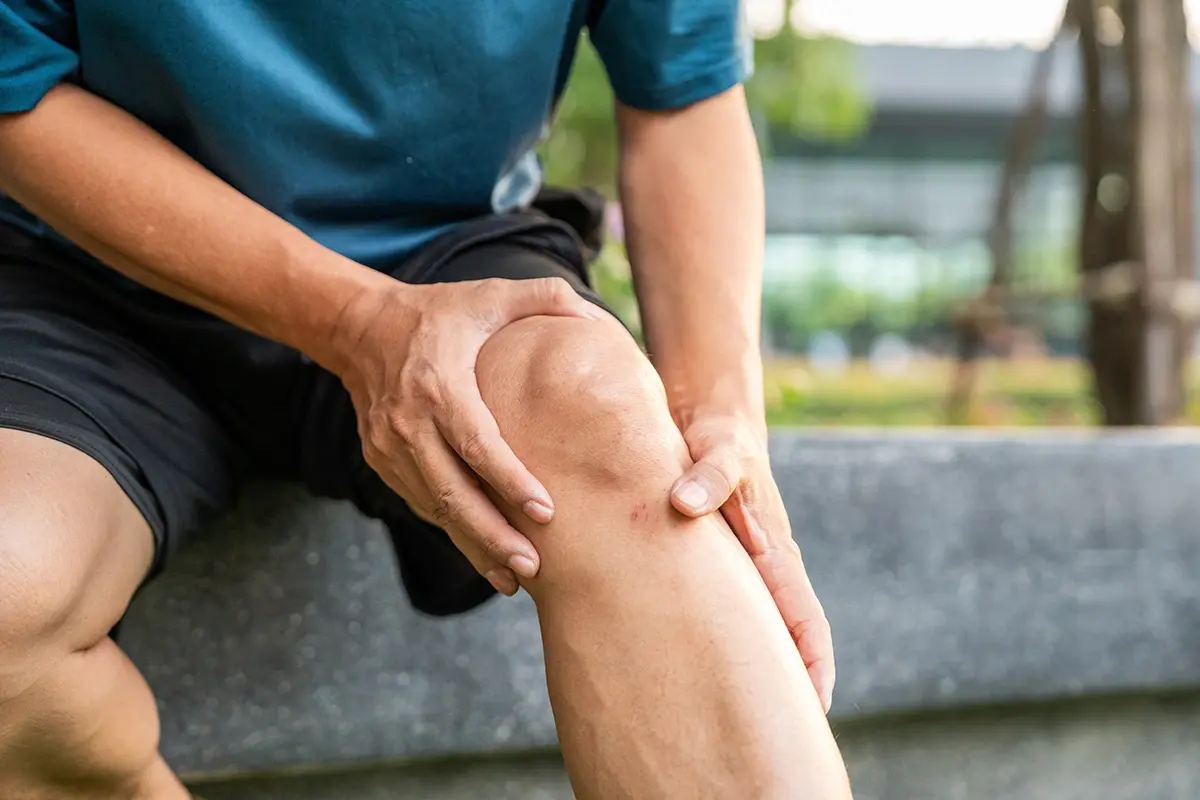
The knee is one of the most complex and heavily used joints in the body. It supports body weight, absorbs impact and enables smooth movement during walking, running, jumping and changes in direction. Because it must provide both stability and flexibility, it is particularly susceptible to injury, especially in individuals who participate in sports or lead physically active lifestyles.
Knee injuries may occur suddenly during pivoting, landing or direct impact. They may also develop gradually due to repetitive loading over time. Common conditions include anterior cruciate ligament injuries, meniscal tears, cartilage damage and tendon inflammation. Persistent knee pain can affect balance, coordination and strength, which may increase the likelihood of further joint damage if not properly treated.
A thorough clinical assessment and accurate diagnosis are essential to determine the underlying cause of symptoms. Early and structured management helps relieve pain, restore stability and protect the long-term health of the joint. With appropriate treatment, many patients are able to return safely to work, sport and daily activities.
What Are the Common Symptoms of Knee Sports Injuries?
Knee sports injuries often present with a range of symptoms that can vary in severity depending on the specific structures involved.
Persistent pain
Pain is usually the primary symptom and may occur during activity, when changing direction or at rest. It can be sharp or dull and may limit your ability to perform daily tasks or participate in sports.
Unusual Swelling
Swelling often develops soon after the injury due to inflammation or fluid accumulation within the joint. It can restrict movement and cause a feeling of tightness in the knee.
Instability
A sensation of the knee giving way or buckling is common, especially with ACL tears. Instability can increase the risk of further injuries if not addressed promptly.
Locking or Catching
Mechanical symptoms such as locking, catching or clicking may indicate a meniscus tear or cartilage injury. These can make it difficult to fully bend or straighten the knee.
Why It Happens
What Causes Knee Pain in Sports?
There are many different causes of knee pain, and understanding them helps in prevention and informs treatment decisions.
Common causes that we usually observe include:
Sudden Twisting or Pivoting
Rapid changes in direction during sports can overstretch or tear ligaments such as the ACL, or damage the meniscus, leading to pain, instability and swelling.
Direct Impact
A fall, collision or blow to the knee can injure ligaments, cartilage or meniscus, causing immediate pain, swelling and functional limitations.
Overuse
Repeated stress from running, jumping or high-intensity training can lead to gradual wear of cartilage or meniscus, resulting in pain and stiffness over time.
Age-related Degeneration
As cartilage and meniscus naturally wear with age, the knee becomes more susceptible to tears and chondral injuries, especially in active individuals.
Know Your Risk Profile
What Are the Risk Factors for Knee Pain?
Certain factors increase the likelihood of sustaining knee injuries during sports or physical activity.
High-impact Sports
Activities such as football, basketball and rugby involve sudden stops, jumps and pivots that increase the risk of ligament, meniscus and cartilage injuries.
Previous Knee Injuries
A history of ACL or meniscus injury can make the knee more vulnerable to reinjury due to residual weakness or instability.
Muscle Imbalances
Weak or imbalanced quadriceps, hamstrings or core muscles can place extra strain on the knee joint, increasing the risk of ligament or cartilage damage.
Poor Technique or Equipment
Incorrect training techniques, footwear or uneven playing surfaces can contribute to knee injuries by altering biomechanics and joint loading.
Common Knee Pain Conditions in Sports
Sports-related knee pain can arise from injury to ligaments, cartilage, tendons or the joint surface. Each structure plays a specific role in knee stability and movement, and accurate diagnosis is essential for effective treatment.
Anterior Cruciate Ligament (ACL) Tear
The anterior cruciate ligament is a key stabilising structure of the knee, particularly during pivoting, cutting and sudden directional changes. ACL injuries commonly occur during twisting movements or awkward landings. Patients often report a popping sensation at the time of injury, followed by rapid swelling and a feeling of instability. Many are unable to continue the activity. Clinical examination and MRI imaging are typically used to confirm the diagnosis.
Meniscus Tear
The medial and lateral menisci act as shock absorbers and stabilisers within the knee joint. Meniscus tears may occur during twisting injuries or as a result of repetitive stress. Symptoms can include pain along the joint line, recurrent swelling, catching sensations or mechanical locking. Larger tears, such as bucket-handle tears, may physically block knee movement. Treatment depends on the tear pattern, location and patient factors, with options ranging from rehabilitation to arthroscopic repair.
Medial Collateral Ligament (MCL) and Other Ligament Injuries
Ligaments on the inner and outer sides of the knee provide stability against sideways forces. These structures can be injured during contact sports or direct impact. Mild to moderate ligament injuries are often managed non-surgically with bracing and physiotherapy. More severe or combined ligament injuries may require surgical reconstruction.
Patellofemoral Pain Syndrome (Runner’s Knee)
This condition causes pain around or behind the kneecap, particularly during running, climbing stairs or prolonged sitting. It is often related to muscle imbalance, overuse or alignment issues. Early management focuses on strengthening exercises, movement correction and activity modification.
Patellar Tendinitis (Jumper’s Knee)
Patellar tendinitis is an overuse injury affecting the tendon that connects the kneecap to the shinbone. It is common in sports involving frequent jumping or sprinting. Patients typically experience pain at the front of the knee that worsens with activity. Treatment usually involves structured rehabilitation and load management.
Iliotibial Band Syndrome (ITBS)
This overuse condition causes pain along the outer side of the knee, particularly in runners and cyclists. It results from irritation of the iliotibial band as it passes over the outer knee. Management focuses on stretching, strengthening and correction of training mechanics.
Cartilage Injury
Articular cartilage lines the surfaces of the knee joint and allows smooth movement. Damage may occur during trauma or alongside ligament injuries. Cartilage defects can cause persistent pain, swelling and mechanical symptoms. If significant, they may increase the risk of early osteoarthritis. Treatment depends on the size and depth of the defect.
Patella Fracture
A fracture of the kneecap usually results from a direct fall or impact. It may cause severe pain, swelling and difficulty straightening the knee. Depending on the fracture pattern, treatment may involve immobilisation or surgical fixation to restore joint alignment.
Patellar Instability and Kneecap Dislocation
Patellar instability occurs when the kneecap shifts out of its normal groove, sometimes resulting in partial or complete dislocation. This condition is more common in younger and active individuals. Symptoms include sudden pain, swelling and a feeling of the knee giving way. Recurrent instability may increase the risk of cartilage damage and may require specialist evaluation.
Knee Dislocation
A true knee dislocation occurs when the thighbone and shinbone lose alignment. This is a rare but serious injury that can damage ligaments, blood vessels and nerves. It requires urgent medical attention and specialist management.
Knee Bursitis
Bursitis refers to inflammation of the small fluid-filled sacs that cushion the knee joint. It is common in sports or occupations involving repeated kneeling or direct pressure. Symptoms include localised swelling and tenderness. Treatment typically involves rest, medication and occasionally aspiration or injection.
Understanding Your Evaluation
How Is Knee Pain Diagnosed?
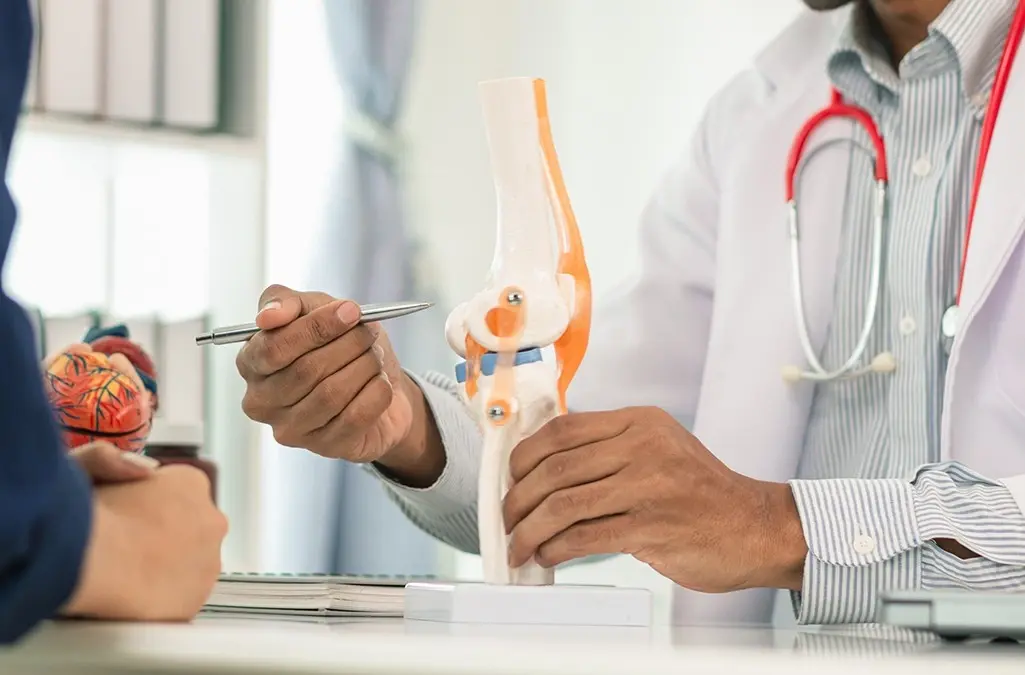
Diagnosis begins with a detailed review of your medical history and a physical examination. We may recommend further tests to confirm the extent and type of injury.
Understanding Your Evaluation
How Is Knee Pain Diagnosed?
Diagnosis begins with a detailed review of your medical history and a physical examination. We may recommend further tests to confirm the extent and type of injury.
MRI Scan
Provides detailed imaging of soft tissues including ligaments, meniscus and cartilage, helping to identify tears or defects.
X-ray
Useful for detecting bone fractures, joint alignment issues or degenerative changes that may accompany ligament or cartilage injuries.
Ultrasound
Can assess ligament and tendon injuries, as well as fluid accumulation, although it is less detailed than MRI for internal structures.
Diagnostic Arthroscopy
A minimally invasive procedure that allows direct visualisation of the knee joint, often used to confirm injury type and guide treatment.
Sports Injuries and Knee Pain Treatments in Singapore
Treatment is designed to the type and severity of the injury, your activity level and overall health.
Non-Surgical Approach
Most cases of golfer’s elbow improve with structured non-surgical management.
RICE Therapy
In the initial phase after an injury, measures to reduce swelling and protect the joint are important. This may include RICE therapy—rest, ice application, compression and elevation— along with short-term activity modification.
Medication and Injection Therapy
Short courses of anti-inflammatory medication may help manage pain. In selected cases, targeted injections such as corticosteroids or hyaluronic acid (viscosupplementation) may be used to address joint inflammation or mechanical irritation.
Physiotherapy and Rehabilitation
Structured exercises to strengthen supporting muscles, improve stability and restore range of motion. Often used as first-line management or post-surgery.
Surgical Approach
Arthroscopic Meniscus Surgery
Minimally invasive arthroscopy is commonly performed to treat meniscus tears. Where possible, the meniscus is repaired to preserve joint function. In cases where repair is not feasible, partial meniscectomy may be performed to relieve symptoms while maintaining as much healthy tissue as possible.
Ligament Reconstruction
For patients with symptomatic ligament injuries, particularly anterior cruciate ligament tears, reconstruction may be recommended to restore knee stability. The torn ligament is reconstructed using a tendon graft to allow a safe return to pivoting sports and physically demanding activities.
Cartilage Procedures
Focal cartilage defects may be addressed arthroscopically to stabilise damaged surfaces or stimulate repair in selected patients. The goal is to reduce symptoms and preserve long-term joint integrity.
Manage Sports Injuries & Knee Pain at HC Orthopaedic Surgery
Knee sports injuries can affect your daily comfort, mobility and ability to participate in physical activities. Thorough clinical assessment is essential to understand the severity of your injury and the underlying structures involved. Evidence-based and individualised management plans can help restore function, reduce pain and support long-term joint health.
Manage Sports Injuries & Knee Pain at HC Orthopaedic Surgery
Knee sports injuries can affect your daily comfort, mobility and ability to participate in physical activities. Thorough clinical assessment is essential to understand the severity of your injury and the underlying structures involved. Evidence-based and individualised management plans can help restore function, reduce pain and support long-term joint health.

Our Specialised Team
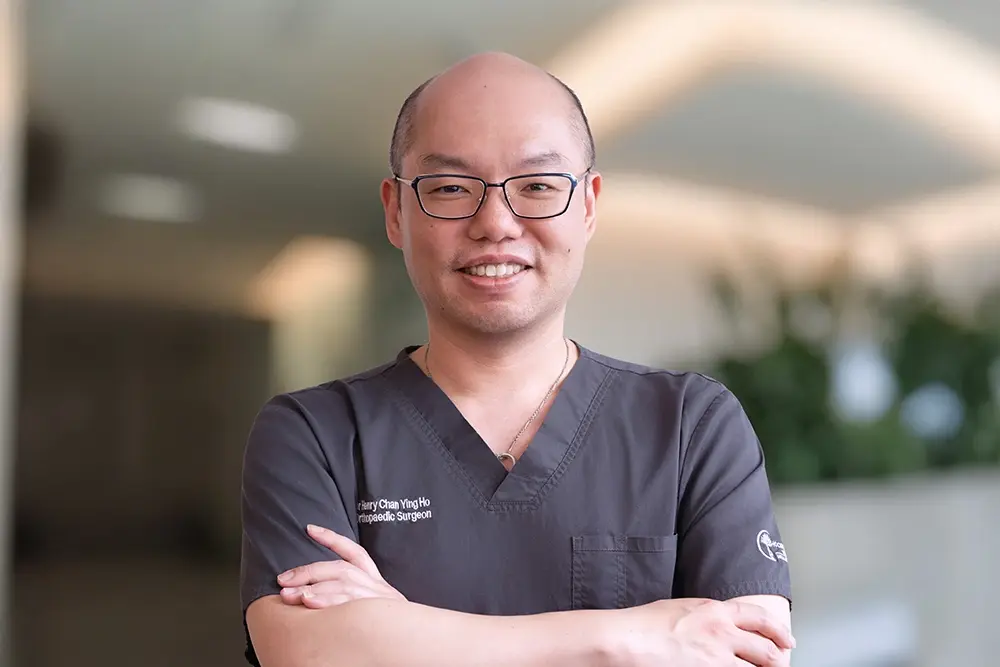
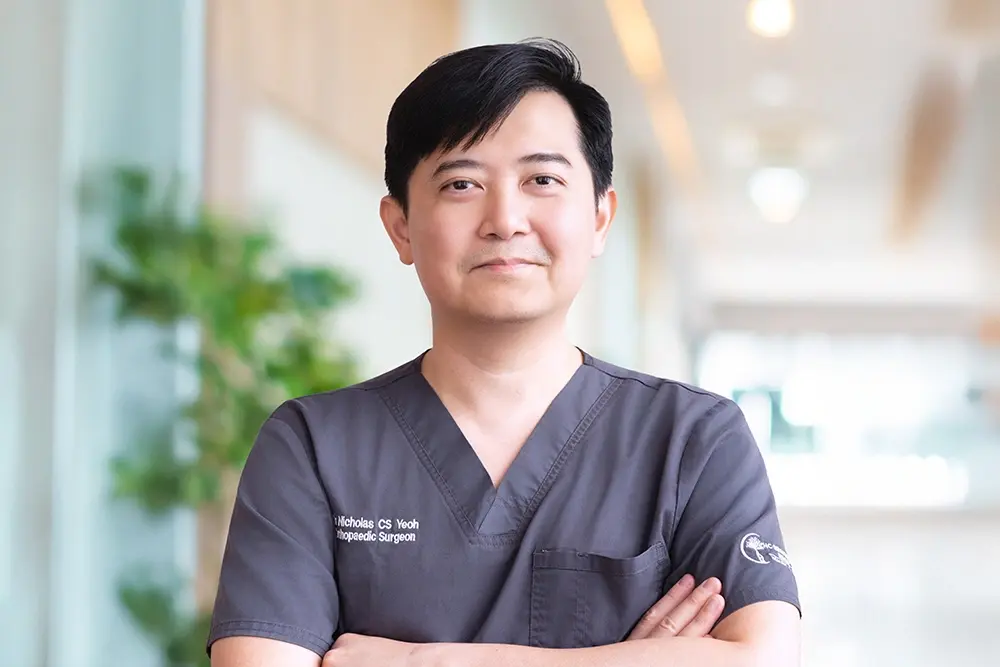
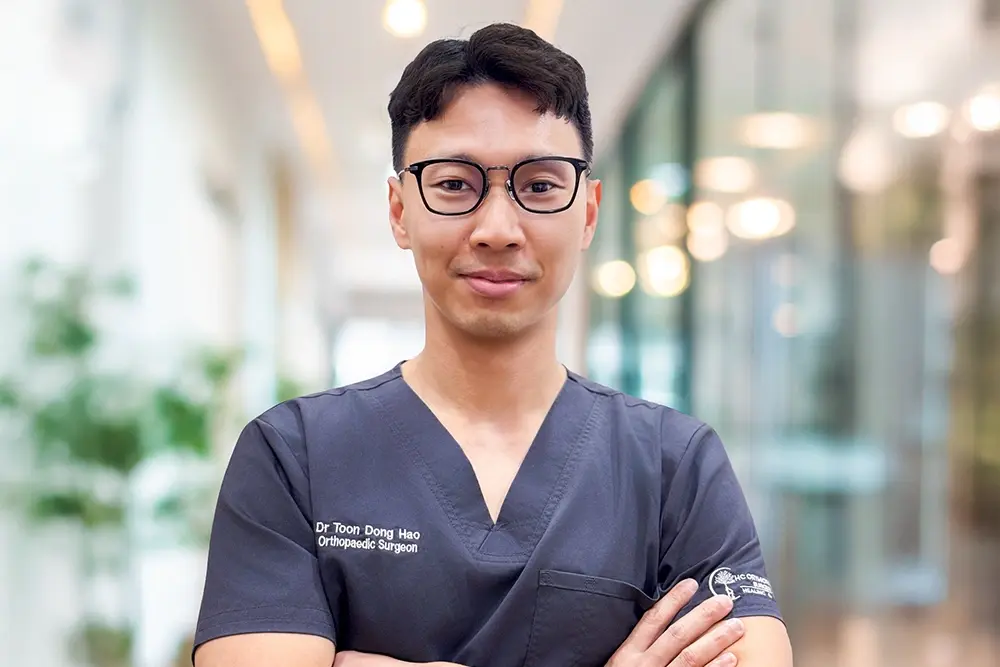
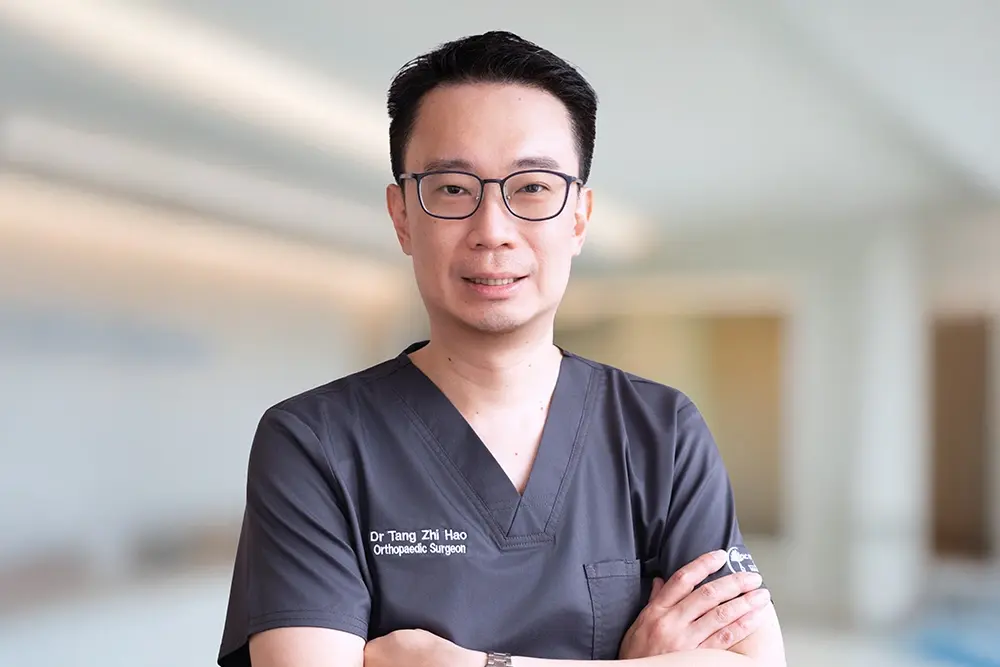
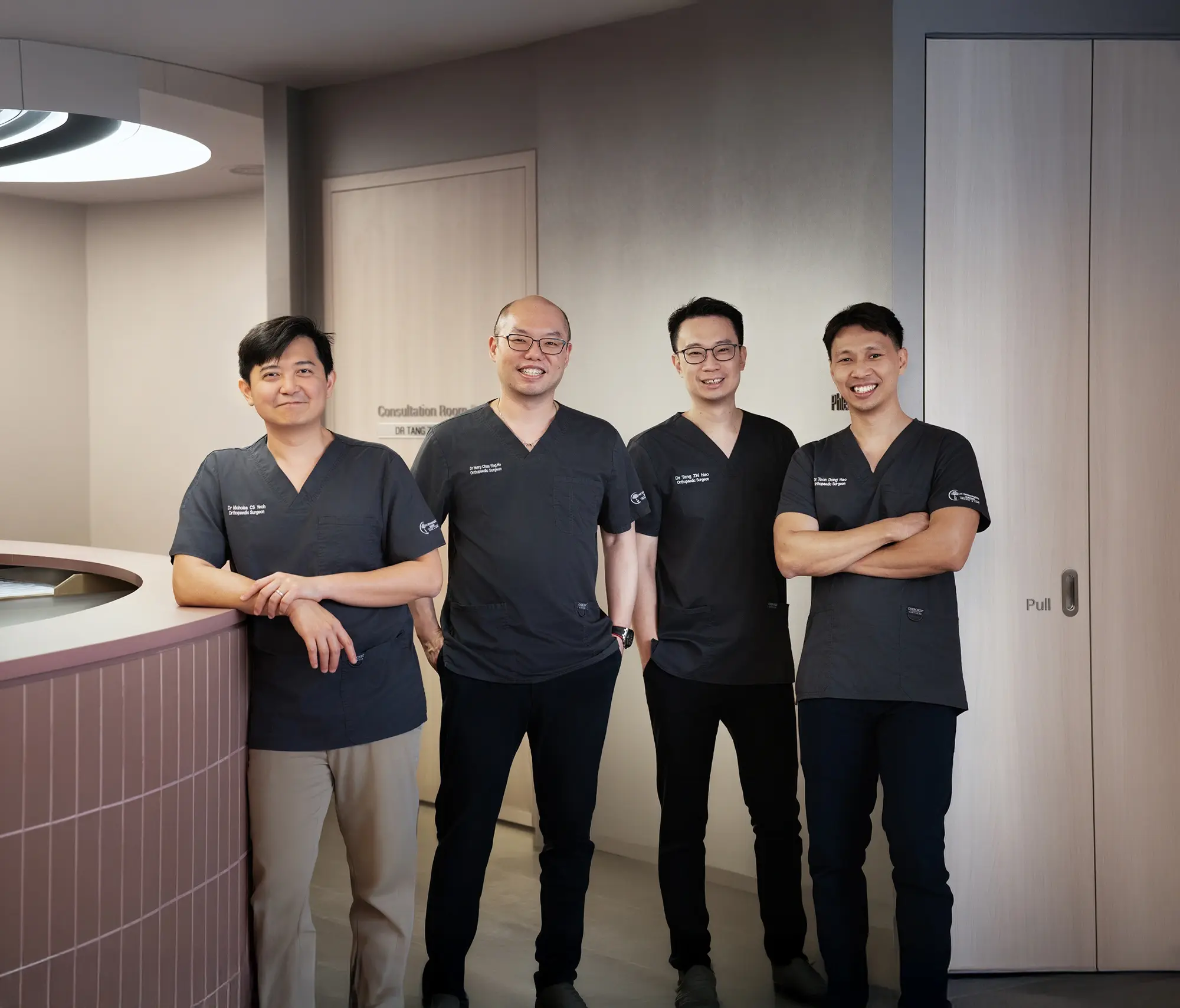
At HC Orthopaedic Surgery, your care is led by an experienced team comprising Dr Henry Chan, Medical Director and Senior Consultant Orthopaedic Surgeon, together with Dr Nicholas Yeoh, Dr Toon Dong Hao and Dr Tang Zhi Hao. We provide comprehensive assessment and personalised treatment plans for sports injuries and knee pain, tailored to your condition, activity level and recovery goals.
Frequently Asked Questions (FAQs) About Sports Injuries & Knee Pain
Can sports activity be resumed after an ACL reconstruction?
How long does it take for a meniscus tear to heal after arthroscopy?
What is the difference between chondral injury and osteoarthritis?
When should I see a doctor for knee pain after a sports injury?
How can I reduce the risk of knee injuries during sports?
Will knee injuries increase my risk of developing osteoarthritis later in life?
Is surgery always required for a meniscus tear?
Can a cartilage injury heal on its own?
Meet Our Specialist Team
Our team comprises Dr Henry Chan, Dr Nicholas Yeoh, Dr Toon Dong Hao, and Dr Tang Zhi Hao — experienced orthopaedic surgeons with subspecialty experience and a patient-centred approach to care.
Dr Henry Chan
Medical Director & Senior Consultant Orthopaedic Surgeon
MBBS (S’pore), MRCS (Edinburgh), MMed (Orthopaedic Surgery), FRCS (Edinburgh)
Dr Henry Chan is an experienced orthopaedic surgeon specialising in joint replacement and complex revision surgery. Trained at the renowned Helios Endo-Klinik in Germany under the MOH HMDP scholarship, he has performed over 1,000 joint replacements and specialises in computer-assisted and robotic joint replacement techniques for precise outcomes.
Dr Nicholas Yeoh
Senior Consultant Orthopaedic Surgeon
MBChB (Edinburgh), MRCS (Edinburgh), MMed (Orthopaedic Surgery), FRCS (Edinburgh)
Dr Nicholas Yeoh is an MOH-accredited orthopaedic specialist and Fellow of the Royal College of Surgeons of Edinburgh. Fellowship-trained in hip and knee reconstruction in Sydney under the MOH HMDP scholarship, he specialises in minimally invasive joint replacement, robotic surgery and advanced techniques that enhance recovery and surgical outcomes.
Dr Toon Dong Hao
Senior Consultant Orthopaedic Surgeon
MBChB (Leeds), MRCS (Edinburgh), MMed (Orthopaedic Surgery), FRCS (Edinburgh)
Dr Toon Dong Hao is a skilled orthopaedic surgeon and Fellow of the Royal College of Surgeons of Edinburgh. Fellowship-trained in Advanced Shoulder and Elbow Surgery in Sydney under the MOH HMDP scholarship, Dr Toon specialises in sports injuries, arthroscopic surgery and complex shoulder, elbow and knee procedures to restore function and mobility.
Dr Tang Zhi Hao
Senior Consultant Orthopaedic Surgeon
MBBS (S’pore), MRCS (Edinburgh), MMed (Orthopaedic Surgery), FRCS (Edinburgh)
Dr Tang Zhi Hao is a fellowship-trained orthopaedic surgeon specialising in foot and ankle conditions. He completed his Foot and Ankle Surgery fellowship at Severance Hospital, Yonsei University Health System in Seoul under Professor Jin Woo Lee. Prior to private practice, he served as Consultant and Deputy Head of Orthopaedics at Khoo Teck Puat Hospital.