
Knee Osteoarthritis:
Symptoms, Causes, and Treatments in Singapore


You may not remember exactly when it began. Perhaps it was a knee that felt tight after a long day out, or discomfort that lingered longer than usual after exercise. Gradually, movements that once felt effortless such as climbing stairs, kneeling or standing for extended periods may start to require more thought and effort.
When knee discomfort becomes persistent rather than occasional, it may signal more than simple strain. Knee osteoarthritis is a degenerative joint condition in which the cartilage that cushions the knee gradually wears down. As this protective surface thins, the joint loses its smooth glide, leading to pain, stiffness, swelling and reduced flexibility.
Although the condition develops over time, it does not mean activity must steadily decline. With early evaluation and appropriate management, symptoms can be controlled and joint function preserved, helping you stay mobile and independent for longer.
What Are the Common Symptoms of Osteoarthritis?
Osteoarthritis symptoms tend to develop gradually and may worsen over time. In the early stages, discomfort may only occur after activity. As the condition progresses, symptoms can become more frequent and begin to affect everyday movements.
- Knee Pain
Pain is typically felt within the joint and may worsen with walking, climbing stairs, squatting or standing for prolonged periods. It may improve with rest in the earlier stages but can become more persistent as cartilage loss advances.
- Stiffness
Stiffness is often most noticeable after periods of inactivity, such as first thing in the morning or after sitting for some time. While it usually eases with movement, it may return after prolonged activity.
- Swelling
Mild swelling can occur due to inflammation within the joint. Some patients may also notice warmth around the knee during flare-ups.
- Reduced Range of Motion
As cartilage wears down and joint surfaces become irregular, bending and straightening the knee may become more difficult. Tasks such as kneeling or fully squatting can feel restricted.
- Grinding or Clicking Sensation
Some individuals experience a grinding, crackling or clicking sensation when moving the knee. This occurs when roughened joint surfaces move against each other.
Why It Happens
What Causes Knee Osteoarthritis?
Knee osteoarthritis develops when long-term mechanical stress or structural changes place uneven load on the joint, accelerating cartilage breakdown.
Previous Knee Injuries
Ligament tears, meniscus injuries or fractures can permanently alter joint mechanics. Even after recovery, abnormal load distribution may speed up degeneration.
Repetitive Mechanical Stress
Occupations or sports that involve frequent squatting, kneeling, heavy lifting or high-impact movements increase cumulative strain on the knee.
Joint Malalignment
Structural differences such as bow legs or knock knees shift pressure unevenly across the joint, leading to earlier cartilage wear in specific areas.
Know Your Risk Profile
What Are the Risk Factors For Osteoarthritis?
Certain factors increase the likelihood of developing knee osteoarthritis by making the joint more vulnerable to degeneration over time.
Ageing
The risk increases with age as cartilage becomes less resilient and the body’s repair capacity declines.
Excess Body Weight
Additional body weight increases load transmitted through the knee with each step, placing greater stress on the joint.
Genetic Predisposition
A family history of osteoarthritis may influence cartilage durability and joint structure.
Muscle Weakness or Physical Inactivity
Reduced strength around the knee can decrease joint stability and increase mechanical stress.
Understanding Your Evaluation
How Is Osteoarthritis Diagnosed?
Osteoarthritis is diagnosed through a combination of clinical assessment and imaging studies. The goal is to confirm cartilage degeneration, assess its severity and rule out other causes of knee pain such as ligament injuries or inflammatory joint conditions.
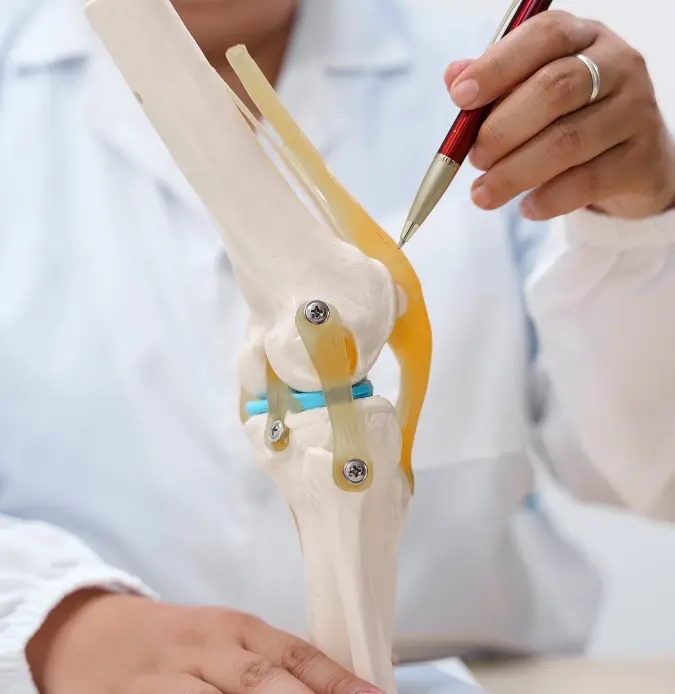
Understanding Your Evaluation
How Is Osteoarthritis Diagnosed?
Osteoarthritis is diagnosed through a combination of clinical assessment and imaging studies. The goal is to confirm cartilage degeneration, assess its severity and rule out other causes of knee pain such as ligament injuries or inflammatory joint conditions.
Clinical Examination
Your orthopaedic specialist will evaluate knee alignment, swelling, tenderness and range of motion. They may assess joint stability, listen for grinding sensations during movement and observe your walking pattern. A detailed medical history helps identify prior injuries or risk factors that may contribute to degeneration.
X-rays
X-rays are the primary imaging tool used to diagnose knee osteoarthritis. They can reveal joint space narrowing, bone spurs and changes in bone structure that indicate cartilage loss. The degree of these changes helps determine the stage of the condition.
MRI Scan
An MRI may be recommended if symptoms are disproportionate to X-ray findings or if other joint injuries are suspected. MRI provides detailed visualisation of cartilage, menisci, ligaments and surrounding soft tissues.
Exploring Treatment Options
Osteoarthritis Treatments in Singapore
Treatment for knee osteoarthritis aims to relieve pain, improve joint function and maintain mobility. The approach is tailored to the severity of symptoms, lifestyle needs and individual goals, combining non-surgical measures with targeted interventions when needed.

Physiotherapy and Exercise
Structured physiotherapy focuses on strengthening the muscles around the knee, improving flexibility and enhancing balance. A tailored exercise plan can reduce pain and support long-term joint stability.

Pain Relief Medications
Nonsteroidal anti-inflammatory drugs (NSAIDs) and other pain relievers may be used to manage discomfort. Your specialist will guide the safest choice based on your overall health and medical history.

Injections
Corticosteroid injections may help reduce inflammation, while viscosupplementation (hyaluronic acid) can improve lubrication in selected patients. These are often used for moderate symptoms or when pain limits activity.

Arthroscopic Procedures
Minimally invasive arthroscopy may be considered to address specific joint issues such as loose fragments or mechanical problems contributing to symptoms. It is not typically used to treat cartilage wear itself.

Bone and Joint Preservation Techniques
Certain procedures, such as osteotomy, can realign the knee to redistribute load and delay the progression of osteoarthritis, particularly in younger, active patients.

Knee Replacement Surgery
For advanced osteoarthritis with significant pain and functional limitations, surgical options include partial knee replacement or total knee replacement. These procedures replace damaged joint surfaces with prosthetic implants to restore function and relieve pain.
Tailored Knee Osteoarthritis Care at HC Orthopaedic Surgery
Knee osteoarthritis often unfolds in patterns rather than sudden events. You might notice stiffness after sitting, discomfort on uneven ground or a growing awareness that certain movements require more thought than they once did. These shifts can be gradual, yet they influence how you walk, exercise and move through daily life. Early assessment helps clarify the stage of joint wear and opens up appropriate options before limitations become more pronounced.
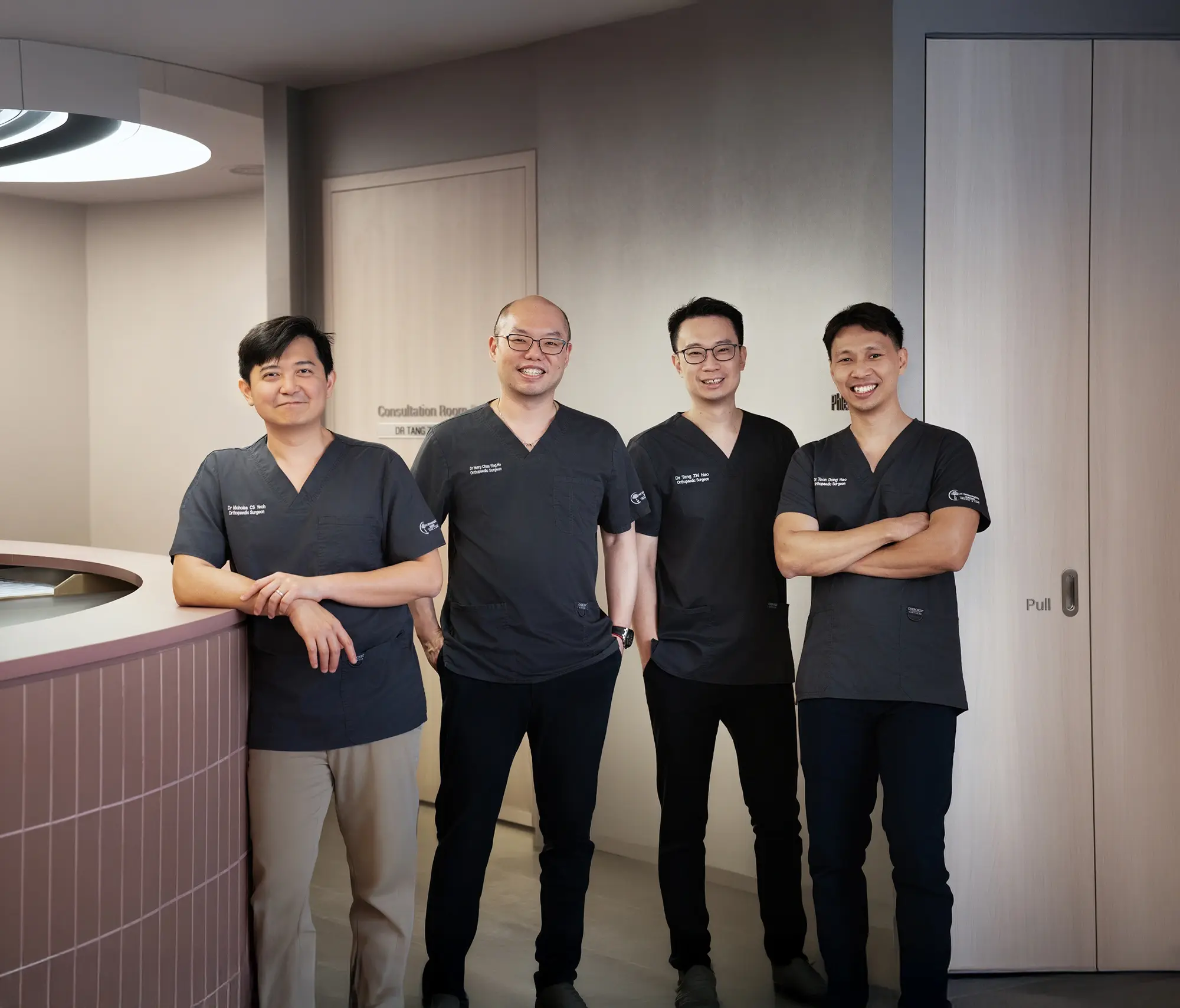
Tailored Knee Osteoarthritis Care at HC Orthopaedic Surgery
Knee osteoarthritis often unfolds in patterns rather than sudden events. You might notice stiffness after sitting, discomfort on uneven ground or a growing awareness that certain movements require more thought than they once did. These shifts can be gradual, yet they influence how you walk, exercise and move through daily life. Early assessment helps clarify the stage of joint wear and opens up appropriate options before limitations become more pronounced.

Our Specialised Team
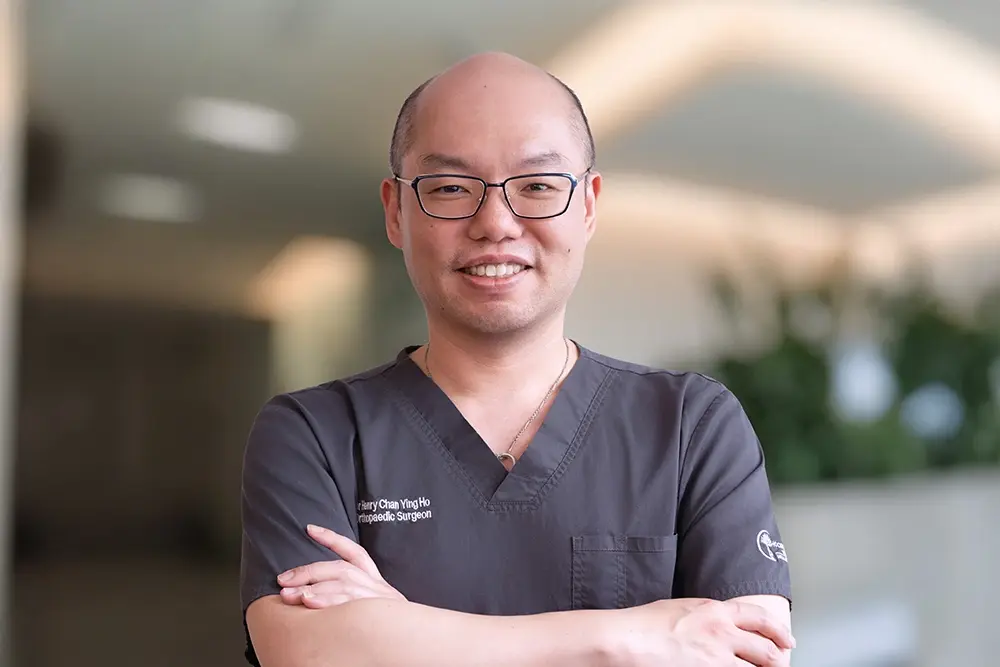
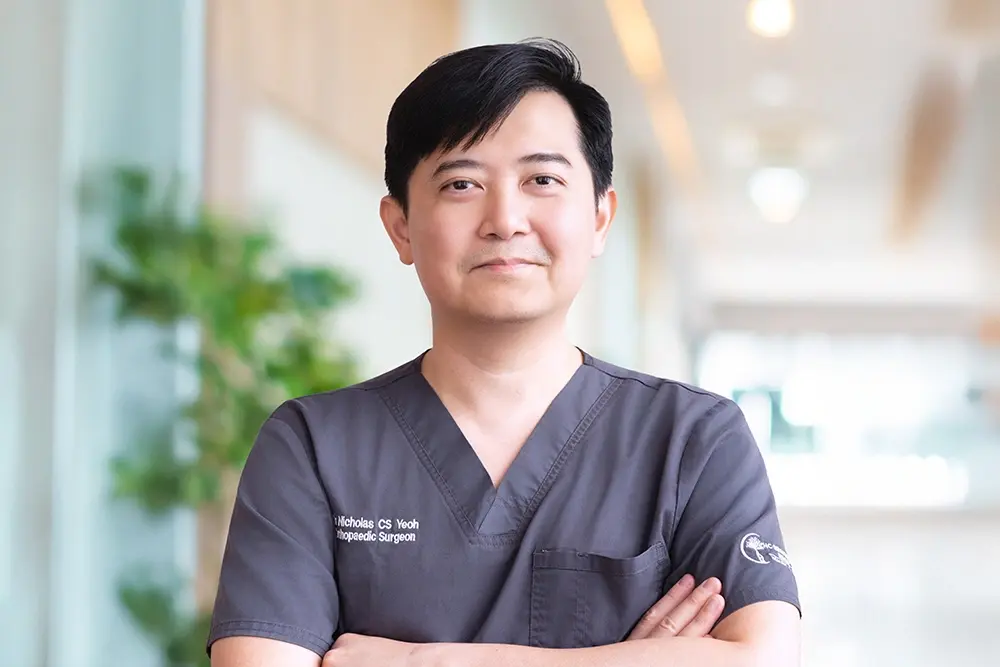
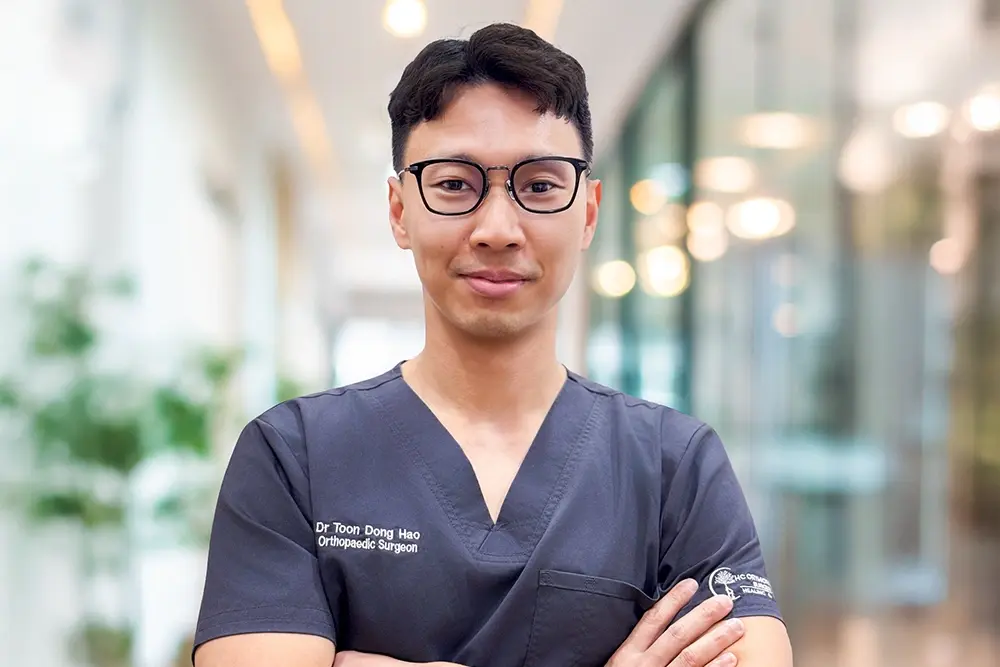
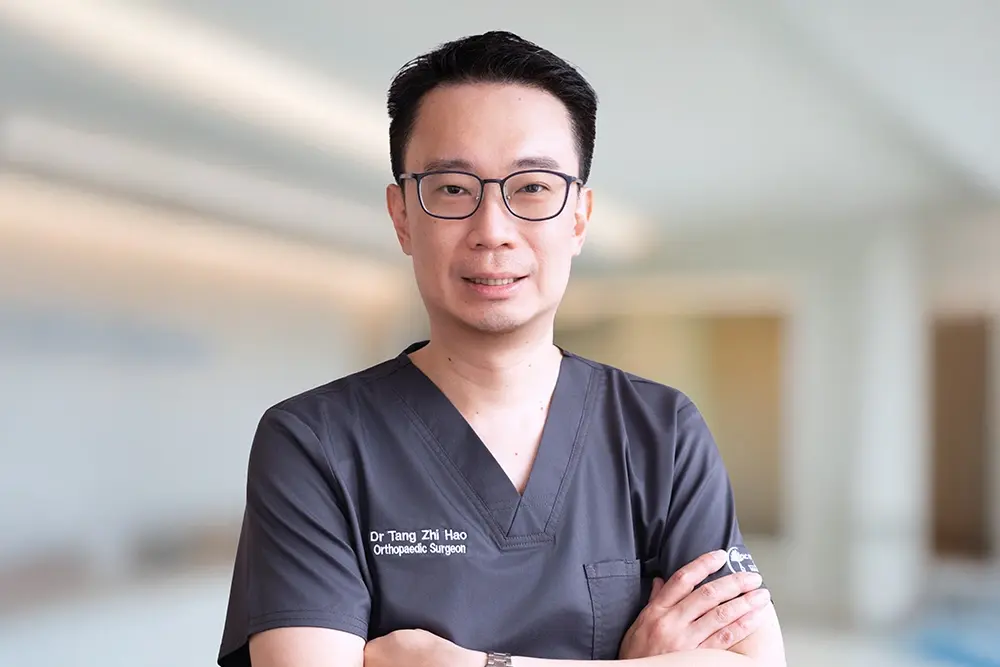
At HC Orthopaedic Surgery, patients receive personalised care guided by evidence-based principles. The team is led by Dr Henry Chan, who previously headed the Joint Replacement Unit at Tan Tock Seng Hospital and has performed more than 1,000 joint replacements, with a special interest in robot-assisted surgery. He works alongside Dr Nicholas Yeoh, who completed advanced fellowship training in hip and knee reconstruction at the North Sydney Orthopaedic and Sports Medicine Centre at Mater Hospital in Sydney, as well as Dr Toon Dong Hao and Dr Tang Zhi Hao. Together, the specialists provide comprehensive, stage-appropriate care for knee osteoarthritis, from joint-preserving strategies to advanced reconstructive solutions where indicated.
Frequently Asked Questions (FAQs) About Osteoarthritis
Are there specific exercises recommended for osteoarthritis management?
When should I see a specialist for knee osteoarthritis?
How do I know if my knee osteoarthritis is severe?
When is knee replacement considered for osteoarthritis?
Can osteoarthritis worsen without treatment?
Is computer-assisted knee replacement more accurate?
Can weather affect osteoarthritis symptoms?
Can osteoarthritis develop in younger individuals?
Meet Our Specialist Team
Our team comprises Dr Henry Chan, Dr Nicholas Yeoh, Dr Toon Dong Hao, and Dr Tang Zhi Hao — experienced orthopaedic surgeons with subspecialty experience and a patient-centred approach to care.
Dr Henry Chan
Medical Director & Senior Consultant Orthopaedic Surgeon
MBBS (S’pore), MRCS (Edinburgh), MMed (Orthopaedic Surgery), FRCS (Edinburgh)
Dr Henry Chan is an experienced orthopaedic surgeon specialising in joint replacement and complex revision surgery. Trained at the renowned Helios Endo-Klinik in Germany under the MOH HMDP scholarship, he has performed over 1,000 joint replacements and specialises in computer-assisted and robotic joint replacement techniques for precise outcomes.
Dr Nicholas Yeoh
Senior Consultant Orthopaedic Surgeon
MBChB (Edinburgh), MRCS (Edinburgh), MMed (Orthopaedic Surgery), FRCS (Edinburgh)
Dr Nicholas Yeoh is an MOH-accredited orthopaedic specialist and Fellow of the Royal College of Surgeons of Edinburgh. Fellowship-trained in hip and knee reconstruction in Sydney under the MOH HMDP scholarship, he specialises in minimally invasive joint replacement, robotic surgery and advanced techniques that enhance recovery and surgical outcomes.
Dr Toon Dong Hao
Senior Consultant Orthopaedic Surgeon
MBChB (Leeds), MRCS (Edinburgh), MMed (Orthopaedic Surgery), FRCS (Edinburgh)
Dr Toon Dong Hao is a skilled orthopaedic surgeon and Fellow of the Royal College of Surgeons of Edinburgh. Fellowship-trained in Advanced Shoulder and Elbow Surgery in Sydney under the MOH HMDP scholarship, Dr Toon specialises in sports injuries, arthroscopic surgery and complex shoulder, elbow and knee procedures to restore function and mobility.
Dr Tang Zhi Hao
Senior Consultant Orthopaedic Surgeon
MBBS (S’pore), MRCS (Edinburgh), MMed (Orthopaedic Surgery), FRCS (Edinburgh)
Dr Tang Zhi Hao is a fellowship-trained orthopaedic surgeon specialising in foot and ankle conditions. He completed his Foot and Ankle Surgery fellowship at Severance Hospital, Yonsei University Health System in Seoul under Professor Jin Woo Lee. Prior to private practice, he served as Consultant and Deputy Head of Orthopaedics at Khoo Teck Puat Hospital.