
Knee Cartilage Injuries:
Symptoms, Causes and Treatments





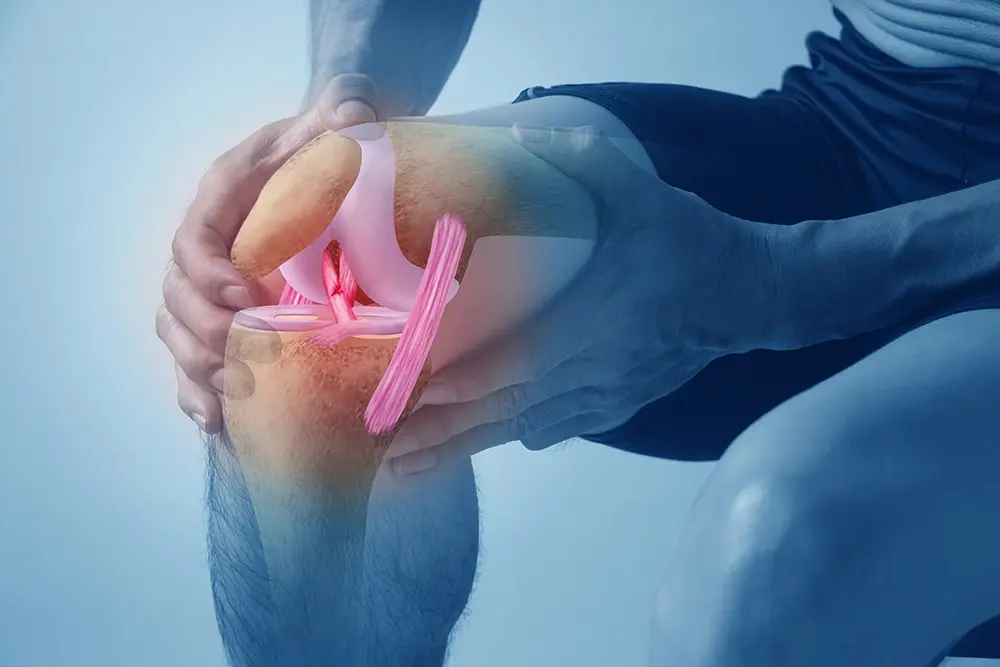
A knee injury does not always involve a fracture or ligament tear. In some cases, the pain may come from damage to the cartilage that cushions and protects the joint. You might notice discomfort during walking, swelling after activity or a sensation that the knee catches, locks or feels less stable than usual. Over time, these symptoms can make everyday movements such as climbing stairs, squatting or exercising increasingly difficult.
One possible cause is a knee cartilage injury. Cartilage is the smooth, protective tissue that covers the ends of bones within the joint, allowing them to glide smoothly during movement. When this tissue becomes damaged due to injury, repetitive stress or gradual wear, it can lead to pain, swelling and reduced joint function. Understanding the symptoms, causes and treatment options for knee cartilage injuries can help guide timely care and support recovery.
What Are the Signs and Symptoms of Knee Cartilage Injuries?
Knee cartilage injuries can cause pain, swelling and mechanical symptoms that affect how smoothly the joint moves. The exact symptoms may vary depending on the location and extent of cartilage damage.
Knee Pain During Movement
Pain is commonly felt within the knee joint and may worsen during activities that place pressure on the knee, such as squatting, climbing stairs or standing for long periods.
Swelling in the Knee
Swelling may occur due to inflammation or fluid build-up within the joint. This may appear soon after an injury or develop gradually with ongoing cartilage irritation.
Knee Stiffness
Some people experience stiffness or reduced flexibility in the knee, which can make it difficult to fully bend or straighten the joint.
Locking or Catching Sensation
The knee may occasionally feel as though it catches or becomes momentarily stuck during movement. This can happen when loose cartilage fragments interfere with normal joint motion.
Grinding or Clicking Sensation
Damage to the cartilage surface can cause the joint to move less smoothly, sometimes producing grinding, clicking or crackling sensations during knee movement.
Reduced Knee Stability During Activity
In some cases, cartilage damage may make the knee feel weaker or less reliable during weight-bearing activities, particularly when walking, climbing stairs or exercising.
If you are experiencing symptoms of a knee cartilage injury, our knee specialists at HC Orthopaedic Surgery can assess your condition and recommend appropriate treatment to support your recovery and knee health.
Why It Happens
What Causes Knee Cartilage Injuries?
Knee cartilage injuries can occur due to sudden trauma, repetitive stress on the joint or gradual wear of the cartilage over time. Common causes include:
Trauma or Injury
Sudden twisting movements, direct impacts or falls can damage the cartilage in the knee. These injuries are often seen during sports or accidents that place force on the joint.
Repetitive Stress on the Knee
Repeated bending, jumping or high-impact activities can gradually strain the cartilage. Over time, this repeated pressure may lead to irritation or damage.
Age-related Wear and Tear
As people age, knee cartilage naturally becomes thinner and less resilient. This can make the joint more vulnerable to injury or degeneration.
Knee Osteoarthritis
Degenerative joint conditions such as knee osteoarthritis can gradually break down cartilage within the knee, leading to pain, stiffness and reduced joint function.
Joint Alignment Issues
Structural differences in the knee or lower limb alignment may cause uneven pressure within the joint. Over time, this uneven loading can contribute to cartilage damage.
Know Your Risk Profile
What Are the Risk Factors for Knee Cartilage Injuries?
Certain factors may increase the likelihood of developing knee cartilage injuries, particularly when the knee joint is exposed to repeated stress or previous injury.
Age
Cartilage gradually loses its elasticity with age, which may make it more susceptible to wear and injury over time.
Participation in High-impact Sports
Sports such as football, basketball and running place significant stress on the knee joint and can increase the risk of cartilage damage.
Weak Muscles Around the Knee
Weakness in the quadriceps, hamstrings or hip muscles may reduce joint support and increase pressure on the knee cartilage.
Occupational Strain
Jobs that require frequent kneeling, squatting or heavy lifting can place ongoing stress on the knee joint.
Previous Knee Injuries
Prior ligament, meniscus or knee injuries can alter joint mechanics and increase the likelihood of cartilage damage.
Family History of Joint Conditions
Genetic factors may predispose some individuals to joint problems or earlier cartilage degeneration.
Excess Body Weight
Carrying excess body weight increases the load placed on the knee joint during everyday activities, which may accelerate cartilage wear.
What Are the Severity Grades of Knee Cartilage Injuries?
Knee cartilage injuries are often classified into grades based on the extent of damage to the cartilage surface. The grading helps doctors determine the severity of the injury and guide appropriate treatment.
Grade 1 (Cartilage Softening)
Grade 2 (Surface Damage)
Grade 3 (Deep Cartilage Damage)
Grade 4 (Full-thickness Cartilage Loss)
Understanding Your Evaluation
How Are Knee Cartilage Injuries Diagnosed?
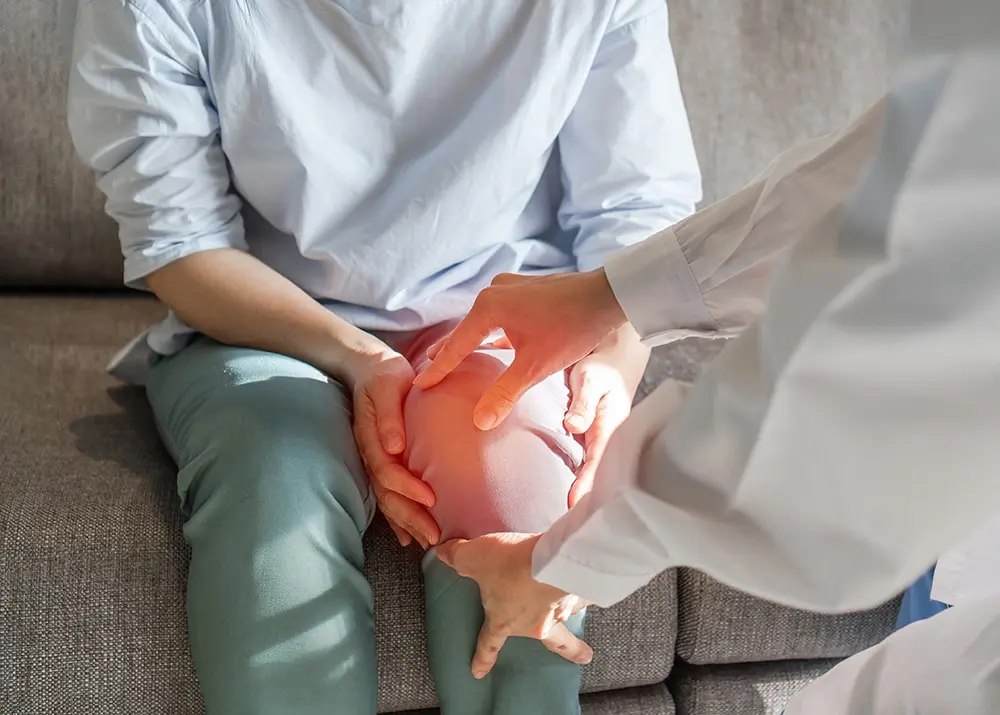
Diagnosing a knee cartilage injury begins with a careful clinical evaluation to understand the source of knee pain and assess the condition of the joint. Your orthopaedic specialist will review your symptoms, discuss how the injury occurred and examine the knee for swelling, tenderness and limitations in movement. If a cartilage injury is suspected, further tests may be recommended to confirm the diagnosis and evaluate the extent of damage.
Understanding Your Evaluation
How Are Knee Cartilage Injuries Diagnosed?
Diagnosing a knee cartilage injury begins with a careful clinical evaluation to understand the source of knee pain and assess the condition of the joint. Your orthopaedic specialist will review your symptoms, discuss how the injury occurred and examine the knee for swelling, tenderness and limitations in movement. If a cartilage injury is suspected, further tests may be recommended to confirm the diagnosis and evaluate the extent of damage.
Physical Examination
During the examination, your doctor will assess knee alignment, joint stability and range of motion. Certain movements or pressure applied to specific areas of the knee may help identify whether cartilage damage is contributing to the symptoms.
X-ray
X-rays do not show cartilage directly, but they help rule out fractures, bone abnormalities or signs of arthritis that may be causing knee pain.
MRI
An MRI scan provides detailed images of the knee’s soft tissues, including cartilage, ligaments and menisci. It is commonly used to confirm cartilage injuries and determine the severity and location of the damage.
Arthroscopy
In some cases, knee arthroscopy may be used to examine the joint more closely. This minimally invasive procedure allows the specialist to view the cartilage directly using a small camera inserted into the knee joint.
Knee Cartilage Injury Treatments in Singapore
Treatment for knee cartilage injuries aims to relieve pain, improve joint function and protect the remaining cartilage. The appropriate treatment approach depends on factors such as the severity of the injury, the location of the cartilage damage and the patient’s activity level. In many cases, symptoms can be managed with non-surgical treatments, while more significant injuries may require targeted procedures.
Conservative Treatments
Rest and Activity Modification
Reducing activities that place excessive stress on the knee can help minimise irritation and allow the joint to recover.
Physiotherapy
Targeted exercises strengthen the muscles surrounding the knee, improving joint stability and reducing pressure on the damaged cartilage.
Medications
Non-steroidal anti-inflammatory drugs (NSAIDs) may be used to relieve pain and reduce inflammation.
Injection Therapies
In selected cases, injections may be considered to help manage symptoms. Corticosteroid injections may reduce inflammation, while hyaluronic acid injections may improve joint lubrication in certain conditions.
Bracing or Taping
Knee braces or taping techniques may provide additional joint support and help reduce strain on the cartilage during movement.
Surgical Treatments
Arthroscopic Debridement
This minimally invasive procedure removes loose cartilage fragments and smooths damaged cartilage surfaces to improve joint movement.
Microfracture Surgery
Tiny holes are created in the underlying bone to stimulate the growth of new fibrocartilage that can help fill cartilage defects.
Cartilage Repair and Restoration
Advanced techniques such as autologous chondrocyte implantation (ACI) may be used in selected patients to repair focal cartilage defects.
Osteochondral Grafting
Healthy cartilage and bone may be transplanted to replace damaged areas of cartilage in the knee.
Joint Realignment Surgery (Osteotomy)
In some cases, surgical realignment of the bones around the knee can shift weight away from the damaged cartilage and reduce joint stress.
Knee Replacement Surgery
For severe joint degeneration where cartilage damage is extensive, partial or total knee replacement may be considered to restore joint function.
Get Relief From Knee Cartilage Injuries at HC Orthopaedic Surgery
Knee cartilage injuries can gradually affect how comfortably the joint moves, making activities such as walking, climbing stairs or exercising increasingly difficult. Because cartilage damage does not always cause obvious symptoms at first, the condition may worsen over time if the underlying issue is not addressed. Seeking timely evaluation and appropriate treatment can help manage symptoms, protect the joint and support a return to everyday activities.

Get Relief From Knee Cartilage Injuries at HC Orthopaedic Surgery
Knee cartilage injuries can gradually affect how comfortably the joint moves, making activities such as walking, climbing stairs or exercising increasingly difficult. Because cartilage damage does not always cause obvious symptoms at first, the condition may worsen over time if the underlying issue is not addressed. Seeking timely evaluation and appropriate treatment can help manage symptoms, protect the joint and support a return to everyday activities.

Our Specialised Team
At HC Orthopaedic Surgery, patients with knee cartilage injuries receive comprehensive care tailored to the severity and nature of their condition. The practice is led by Dr Henry Chan, alongside Dr Nicholas Yeoh, Dr Toon Dong Hao and Dr Tang Zhi Hao, who collectively bring extensive orthopaedic expertise in managing knee and lower limb conditions. Our team works closely with each patient to develop personalised treatment plans that support recovery and long-term knee health.
Frequently Asked Questions (FAQs) About Knee Cartilage Injuries
Can knee cartilage injuries heal on their own?
How long does it take to recover from a cartilage injury?
Can cartilage regrow naturally?
Can cartilage injuries lead to arthritis?
When is surgery needed for knee cartilage injuries?
Meet Our Specialist Team
Our team comprises Dr Henry Chan, Dr Nicholas Yeoh, Dr Toon Dong Hao, and Dr Tang Zhi Hao — experienced orthopaedic surgeons with subspecialty experience and a patient-centred approach to care.
Dr Henry Chan
Medical Director & Senior Consultant Orthopaedic Surgeon
MBBS (S’pore), MRCS (Edinburgh), MMed (Orthopaedic Surgery), FRCS (Edinburgh)
Dr Henry Chan is an experienced orthopaedic surgeon specialising in joint replacement and complex revision surgery. Trained at the renowned Helios Endo-Klinik in Germany under the MOH HMDP scholarship, he has performed over 1,000 joint replacements and specialises in computer-assisted and robotic joint replacement techniques for precise outcomes.
Dr Nicholas Yeoh
Senior Consultant Orthopaedic Surgeon
MBChB (Edinburgh), MRCS (Edinburgh), MMed (Orthopaedic Surgery), FRCS (Edinburgh)
Dr Nicholas Yeoh is an MOH-accredited orthopaedic specialist and Fellow of the Royal College of Surgeons of Edinburgh. Fellowship-trained in hip and knee reconstruction in Sydney under the MOH HMDP scholarship, he specialises in minimally invasive joint replacement, robotic surgery and advanced techniques that enhance recovery and surgical outcomes.
Dr Toon Dong Hao
Senior Consultant Orthopaedic Surgeon
MBChB (Leeds), MRCS (Edinburgh), MMed (Orthopaedic Surgery), FRCS (Edinburgh)
Dr Toon Dong Hao is a skilled orthopaedic surgeon and Fellow of the Royal College of Surgeons of Edinburgh. Fellowship-trained in Advanced Shoulder and Elbow Surgery in Sydney under the MOH HMDP scholarship, Dr Toon specialises in sports injuries, arthroscopic surgery and complex shoulder, elbow and knee procedures to restore function and mobility.
Dr Tang Zhi Hao
Senior Consultant Orthopaedic Surgeon
MBBS (S’pore), MRCS (Edinburgh), MMed (Orthopaedic Surgery), FRCS (Edinburgh)
Dr Tang Zhi Hao is a fellowship-trained orthopaedic surgeon specialising in foot and ankle conditions. He completed his Foot and Ankle Surgery fellowship at Severance Hospital, Yonsei University Health System in Seoul under Professor Jin Woo Lee. Prior to private practice, he served as Consultant and Deputy Head of Orthopaedics at Khoo Teck Puat Hospital.