
Knee Arthroscopy
in Singapore

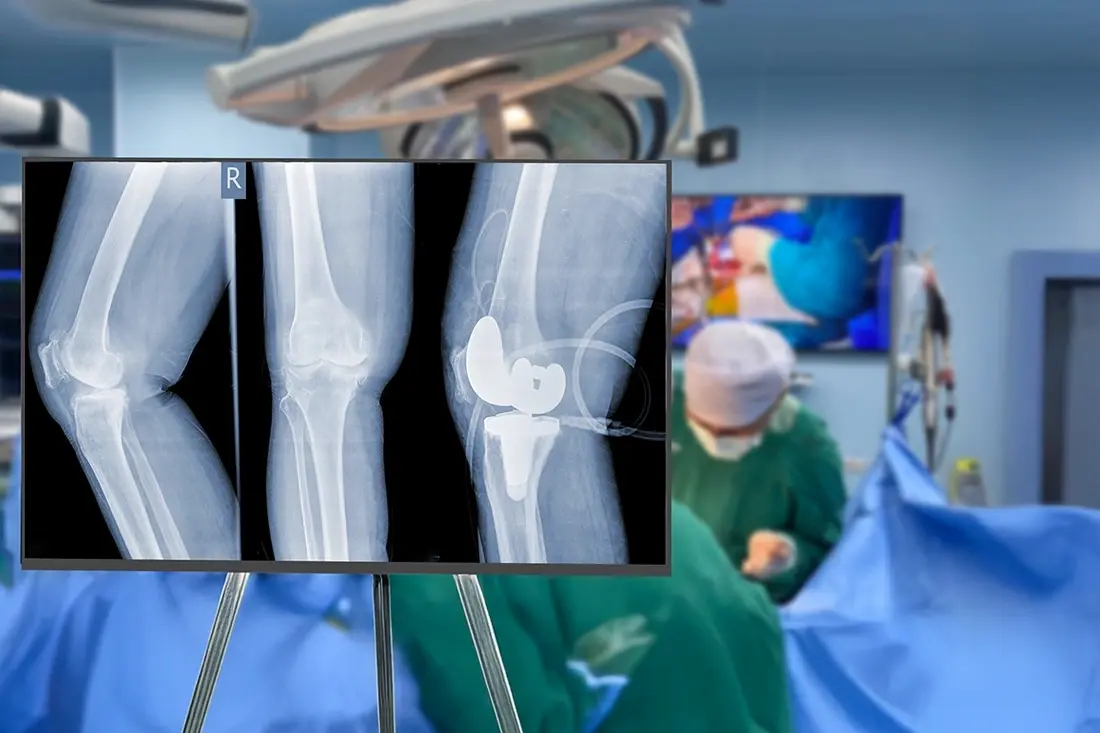
Knee pain, swelling or stiffness can make everyday activities such as walking, climbing stairs or exercising uncomfortable. Some people may also experience symptoms such as catching, locking or instability in the knee, which can interfere with movement and limit physical activity.
When these symptoms persist despite rest, physiotherapy or medication, further evaluation may be needed to identify the underlying cause. In some cases, knee arthroscopy may be recommended to assess and treat problems within the knee joint, helping patients relieve pain and restore mobility so they can return to their daily activities more comfortably.
Understanding Your Evaluation
What Is Knee Arthroscopy and Who Needs It?
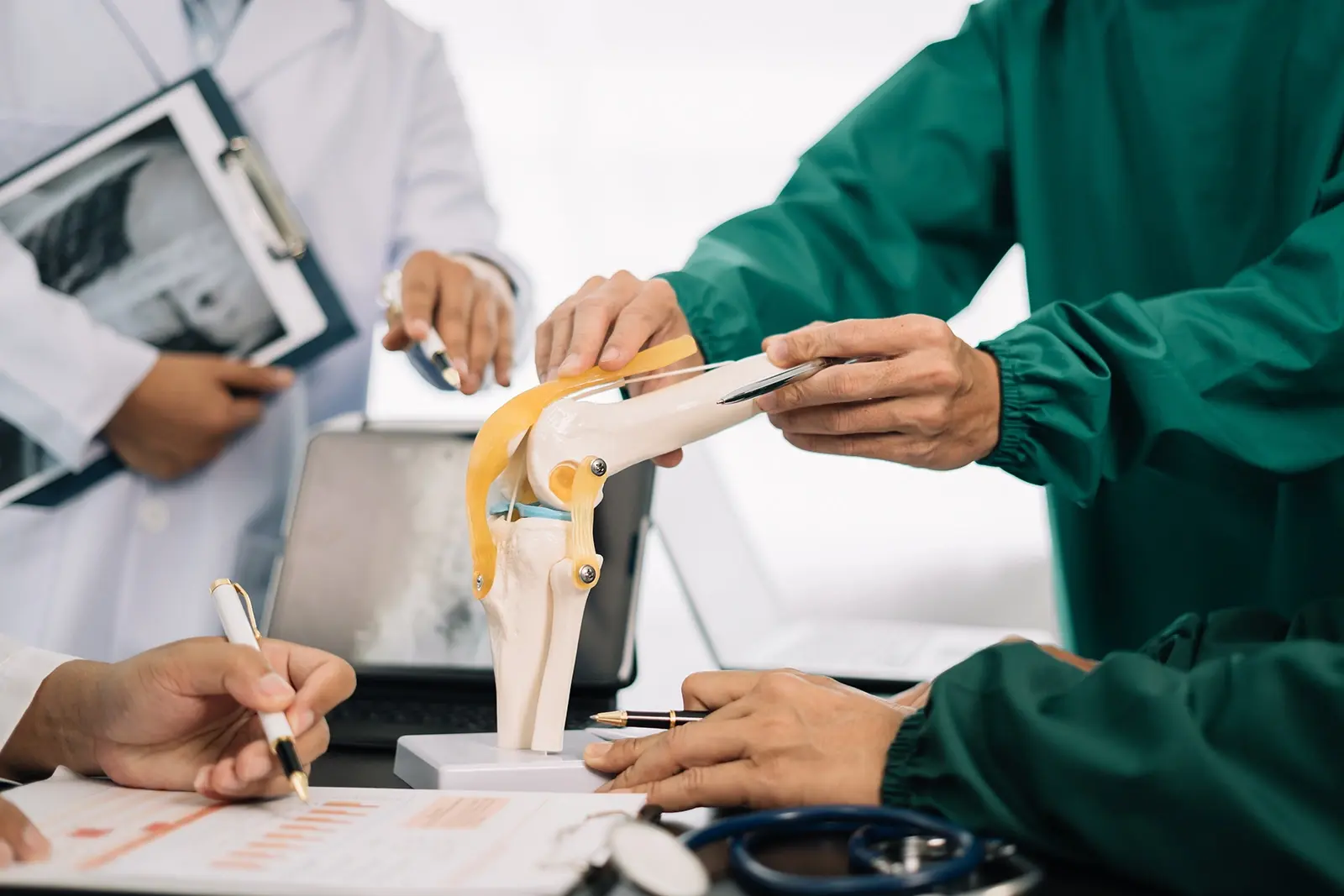
Knee arthroscopy, also known as arthroscopic knee surgery, is a minimally invasive procedure that allows doctors to examine and treat problems inside the knee joint using a small camera and specialised instruments inserted through tiny incisions.The camera provides a clear view of the joint structures, enabling surgeons to diagnose conditions and perform precise repairs without the larger incisions required in traditional open surgery.
Knee arthroscopy is typically recommended when persistent knee symptoms are caused by structural problems within the joint and have not improved with conservative treatments such as rest, physiotherapy or medication.
You may be a suitable candidate for knee arthroscopy if you:
Understanding Your Evaluation
What Is Knee Arthroscopy and Who Needs It?
Knee arthroscopy, also known as arthroscopic knee surgery, is a minimally invasive procedure that allows doctors to examine and treat problems inside the knee joint using a small camera and specialised instruments inserted through tiny incisions.The camera provides a clear view of the joint structures, enabling surgeons to diagnose conditions and perform precise repairs without the larger incisions required in traditional open surgery.
Knee arthroscopy is typically recommended when persistent knee symptoms are caused by structural problems within the joint and have not improved with conservative treatments such as rest, physiotherapy or medication.
You may be a suitable candidate for knee arthroscopy if you:
- Have a meniscus tear that causes pain, swelling or locking of the knee
- Experience persistent knee swelling or stiffness that does not respond to non-surgical treatment
- Have cartilage damage that leads to catching, grinding or discomfort during movement
- Have loose fragments of bone or cartilage within the knee joint
- Have certain ligament injuries that require surgical repair or reconstruction
When imaging tests such as X-rays or MRI scans confirm a treatable condition inside the knee, arthroscopic surgery may help relieve symptoms, improve joint function and support a return to daily activities.
Do not let knee issues hold you back any longer. Consult our knee specialists at HC Orthopaedic Surgery for personalised treatment plans and evidence-based care.
What to Expect From Knee Arthroscopy
Knee arthroscopy typically involves careful pre-operative planning, minimally invasive surgical treatment and a structured rehabilitation programme to support healing and restore knee function.
Preparing for Knee Arthroscopy
- Optimise existing medical conditions such as diabetes or high blood pressure
- Temporarily stop certain medications if recommended by your doctor
- Avoid eating or drinking for a specified period before surgery
- Arrange for assistance at home during the early recovery phase
Knee Arthroscopy: Procedure Overview
- Small incisions are made around the knee joint
- A thin camera called an arthroscope is inserted to provide a clear view of the joint
- Specialised surgical instruments are introduced through additional small incisions
- Damaged tissue, torn cartilage or loose fragments may be removed or repaired
- The joint is carefully examined to identify and address any underlying problems
- The small incisions are closed and dressed to protect the surgical site
Recovery and Rehabilitation
- Gradual weight-bearing depending on the procedure performed
- Physiotherapy exercises to restore knee strength and flexibility
- Pain-relief medication to manage discomfort during recovery
- Temporary use of walking aids if needed
- Follow-up appointments to monitor healing and rehabilitation progress
How Does Knee Arthroscopy Help You Improve Knee Function?
Arthroscopic knee surgery is designed not only to treat problems inside the knee but also to restore joint function, reduce pain and help patients return to everyday activities. This minimally invasive procedure offers several benefits, including:
Reduces Knee Pain
Arthroscopy allows surgeons to trim torn cartilage, remove loose fragments or smooth damaged surfaces within the joint. This can help relieve swelling and make walking, bending or climbing stairs more comfortable.
Restores Knee Function
Repairing damaged structures or removing loose fragments improves the knee’s ability to bend, straighten and support weight during daily activities.
Helps Prevent Further Joint Damage
Addressing injuries early can reduce ongoing irritation inside the joint and slow degenerative changes such as cartilage wear or meniscus deterioration.
Supports Faster Recovery
Because the procedure uses small incisions and causes minimal disruption to surrounding tissues, patients often experience less post-operative discomfort and a quicker return to activity compared to traditional open surgery.
Knee arthroscopy is especially effective for patients with localised meniscus tears, minor ligament injuries or cartilage damage that has not responded to non-surgical treatment.
Know Your Risk Profile
Potential Risks and Complications of Knee Arthroscopy
As with any surgical procedure, knee arthroscopy carries certain risks. Your orthopaedic surgeon will discuss these with you before the procedure and take appropriate precautions to minimise complications.
Although knee arthroscopy is generally considered safe, possible risks may include:
Know Your Risk Profile
Potential Risks and Complications of Knee Arthroscopy
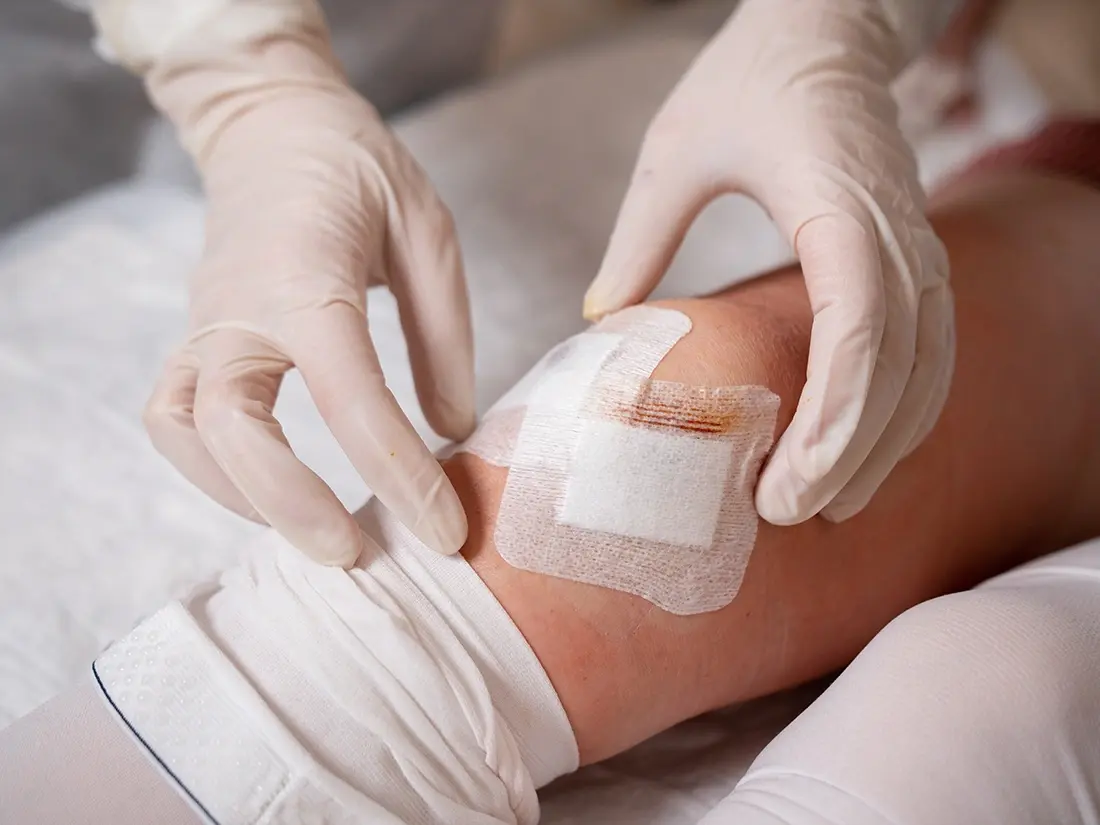
As with any surgical procedure, knee arthroscopy carries certain risks. Your orthopaedic surgeon will discuss these with you before the procedure and take appropriate precautions to minimise complications.
Although knee arthroscopy is generally considered safe, possible risks may include:
- Infection at the incision sites or within the knee joint
- Bleeding or blood clots, particularly in the legs
- Knee stiffness or swelling during the recovery period
- Persistent pain if the underlying condition does not fully resolve
- Damage to surrounding structures, such as cartilage, ligaments or nerves
- Fluid accumulation within the knee joint after surgery
Careful surgical technique, proper post-operative care and adherence to rehabilitation instructions help reduce these risks. Regular follow-up appointments allow your doctor to monitor recovery and address any concerns promptly.
Cost of Knee Arthroscopy in Singapore
The cost of knee arthroscopy in Singapore can vary depending on several factors related to the procedure, hospital setting and the patient’s individual condition. These factors influence the overall cost of treatment and recovery.
Key Cost Drivers
Key factors that may influence the overall cost of knee arthroscopy include:

Insurance and Financing
Patients in Singapore may also be able to use MediSave, MediShield Life or Integrated Shield Plans to help offset certain medical expenses, depending on eligibility and insurance coverage. During your consultation, your orthopaedic specialist can provide a more personalised estimate based on your condition and treatment plan.
Restoring Proper Knee Function at HC Orthopaedic Surgery
Persistent knee pain, swelling or instability can gradually limit mobility and affect daily activities if left untreated. Early evaluation allows doctors to identify the underlying cause of knee symptoms and recommend appropriate treatment before the condition worsens. When conservative treatments no longer provide sufficient relief, minimally invasive procedures such as knee arthroscopy may help address the source of the problem, improve joint function and support a smoother return to activity.
Restoring Proper Knee Function at HC Orthopaedic Surgery
Persistent knee pain, swelling or instability can gradually limit mobility and affect daily activities if left untreated. Early evaluation allows doctors to identify the underlying cause of knee symptoms and recommend appropriate treatment before the condition worsens. When conservative treatments no longer provide sufficient relief, minimally invasive procedures such as knee arthroscopy may help address the source of the problem, improve joint function and support a smoother return to activity.

Our Specialised Team
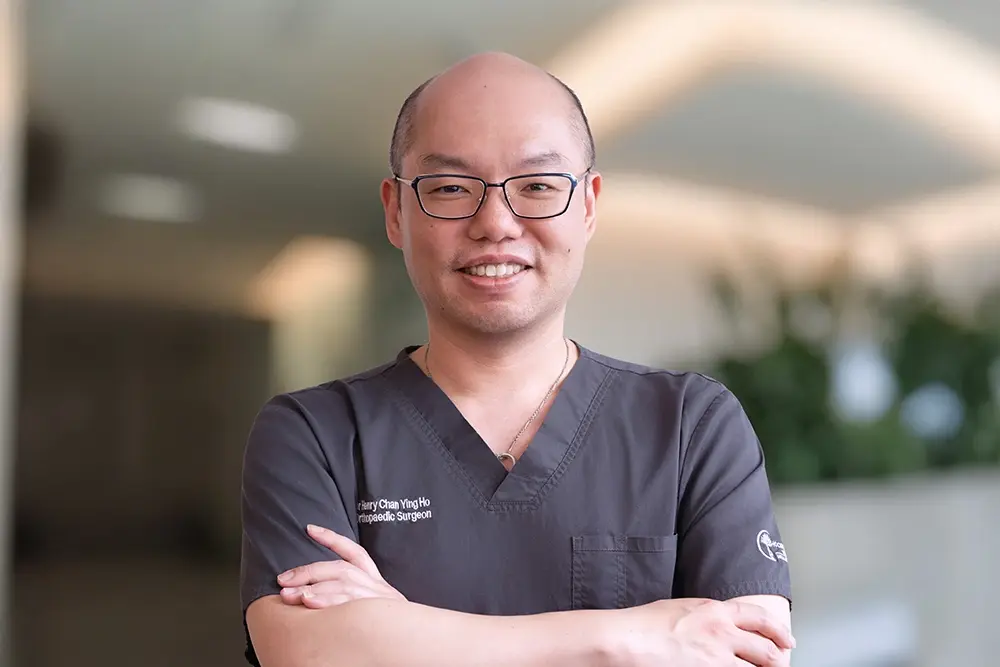
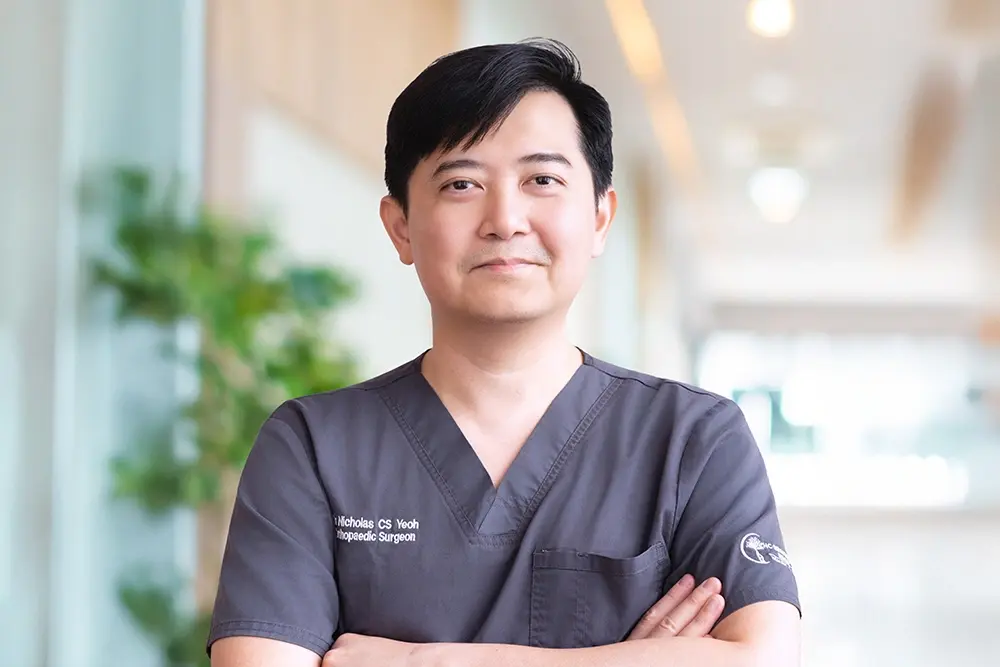
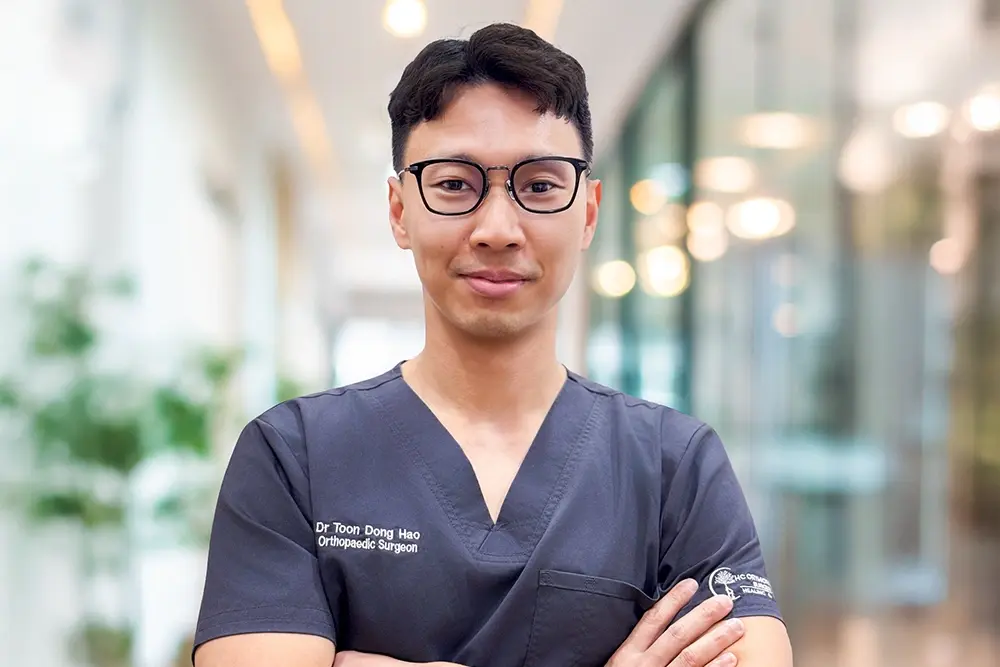
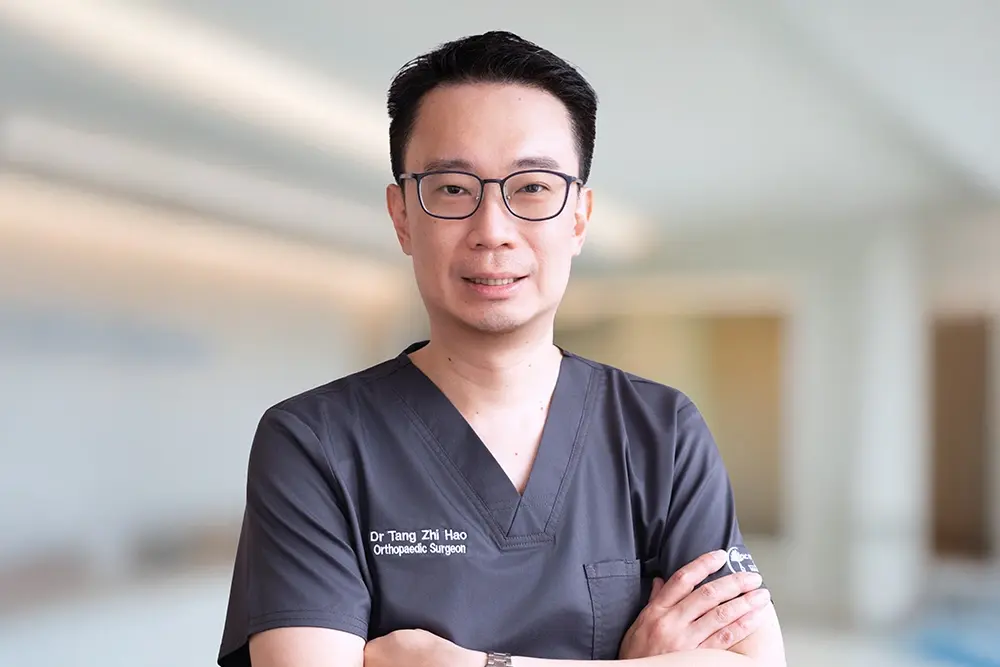
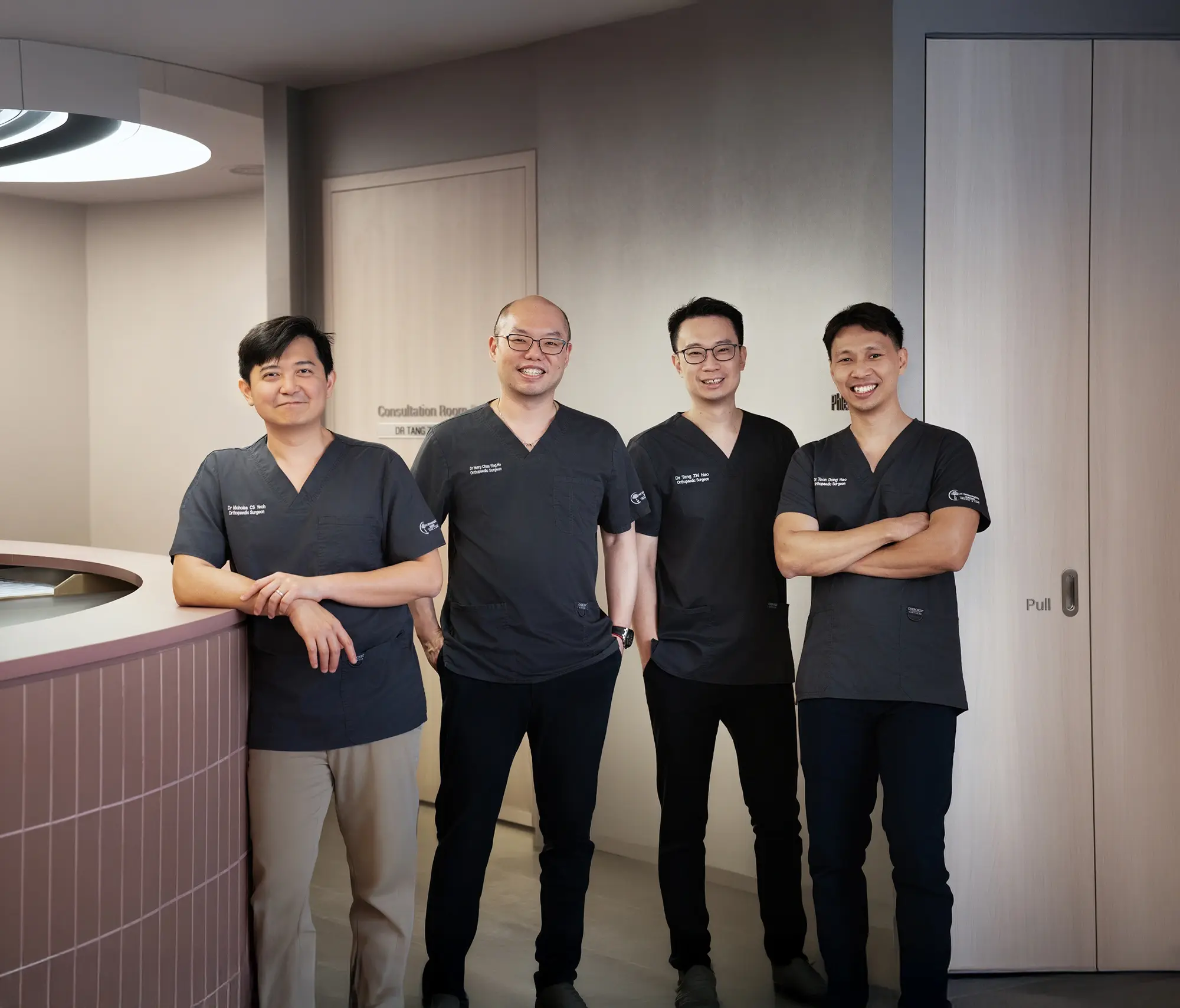
At HC Orthopaedic Surgery, patients receive personalised care for knee conditions ranging from meniscus injuries to cartilage damage. Dr Henry Chan is an experienced orthopaedic surgeon with a strong focus on knee conditions and joint preservation procedures. Dr Nicholas Yeoh specialises in advanced hip and knee reconstruction, including arthroscopic treatment for knee injuries. The orthopaedic team also includes Dr Toon Dong Hao and Dr Tang Zhi Hao, who provide comprehensive care for a wide range of joint conditions.
Frequently Asked Questions (FAQs) About Knee Arthroscopy
Will I need to stay overnight after knee arthroscopy?
How soon can I walk after a knee arthroscopy?
When can I return to work after knee arthroscopy?
Will physiotherapy be necessary after knee arthroscopy?
What conditions typically require knee arthroscopy?
Is knee arthroscopy painful?
Can knee arthroscopy prevent arthritis?
Who is not suitable for knee arthroscopy?
How long will the results of knee arthroscopy last?
Meet Our Specialist Team
Our team comprises Dr Henry Chan, Dr Nicholas Yeoh, Dr Toon Dong Hao, and Dr Tang Zhi Hao — experienced orthopaedic surgeons with subspecialty experience and a patient-centred approach to care.
Dr Henry Chan
Medical Director & Senior Consultant Orthopaedic Surgeon
MBBS (S’pore), MRCS (Edinburgh), MMed (Orthopaedic Surgery), FRCS (Edinburgh)
Dr Henry Chan is an experienced orthopaedic surgeon specialising in joint replacement and complex revision surgery. Trained at the renowned Helios Endo-Klinik in Germany under the MOH HMDP scholarship, he has performed over 1,000 joint replacements and specialises in computer-assisted and robotic joint replacement techniques for precise outcomes.
Dr Nicholas Yeoh
Senior Consultant Orthopaedic Surgeon
MBChB (Edinburgh), MRCS (Edinburgh), MMed (Orthopaedic Surgery), FRCS (Edinburgh)
Dr Nicholas Yeoh is an MOH-accredited orthopaedic specialist and Fellow of the Royal College of Surgeons of Edinburgh. Fellowship-trained in hip and knee reconstruction in Sydney under the MOH HMDP scholarship, he specialises in minimally invasive joint replacement, robotic surgery and advanced techniques that enhance recovery and surgical outcomes.
Dr Toon Dong Hao
Senior Consultant Orthopaedic Surgeon
MBChB (Leeds), MRCS (Edinburgh), MMed (Orthopaedic Surgery), FRCS (Edinburgh)
Dr Toon Dong Hao is a skilled orthopaedic surgeon and Fellow of the Royal College of Surgeons of Edinburgh. Fellowship-trained in Advanced Shoulder and Elbow Surgery in Sydney under the MOH HMDP scholarship, Dr Toon specialises in sports injuries, arthroscopic surgery and complex shoulder, elbow and knee procedures to restore function and mobility.
Dr Tang Zhi Hao
Senior Consultant Orthopaedic Surgeon
MBBS (S’pore), MRCS (Edinburgh), MMed (Orthopaedic Surgery), FRCS (Edinburgh)
Dr Tang Zhi Hao is a fellowship-trained orthopaedic surgeon specialising in foot and ankle conditions. He completed his Foot and Ankle Surgery fellowship at Severance Hospital, Yonsei University Health System in Seoul under Professor Jin Woo Lee. Prior to private practice, he served as Consultant and Deputy Head of Orthopaedics at Khoo Teck Puat Hospital.