
ACL Tear:
Symptoms, Causes and Treatments in Singapore

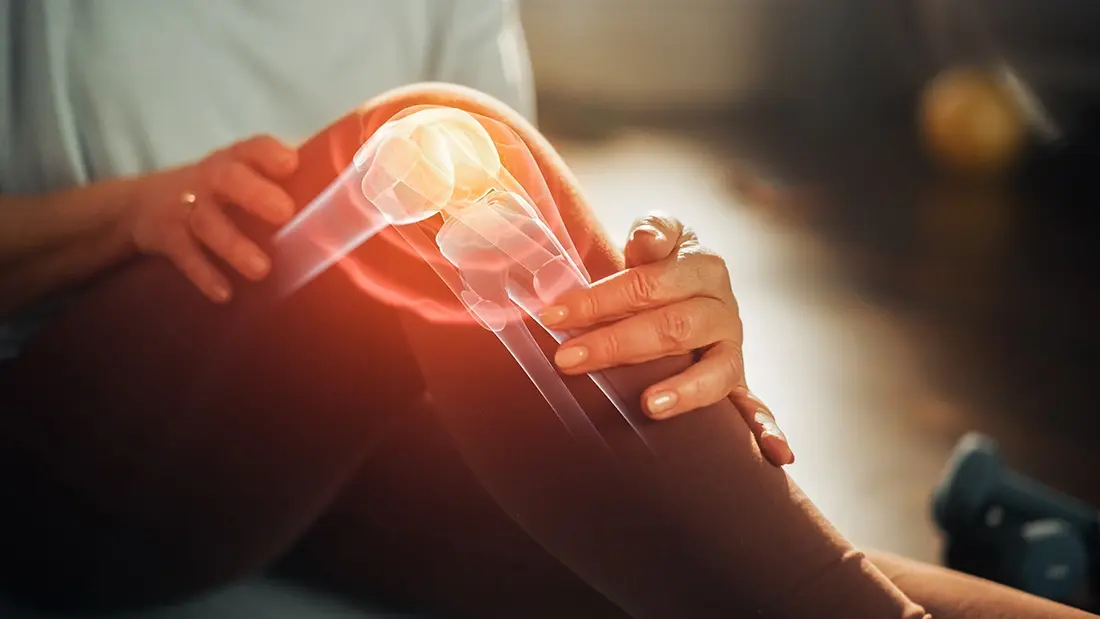
You may notice a sudden “pop” in your knee during sports, followed by pain, swelling and difficulty bearing weight. For many people, this injury occurs during movements that involve sudden stops, rapid changes in direction or awkward landings from a jump. As the knee becomes unstable, everyday activities such as walking, climbing stairs or returning to sports can become challenging.
One possible cause of these symptoms is an anterior cruciate ligament (ACL) tear, a common knee injury that affects the ligament responsible for stabilising the joint. ACL tears frequently occur during high-impact sports or sudden twisting movements, but they can also result from accidents or falls. Understanding the symptoms, causes and treatment options for an ACL tear can help you seek timely medical care and make informed decisions about recovery.
What Are the Signs and Symptoms of an ACL Tear?
Common symptoms of an ACL tear often appear suddenly after a sports injury or twisting movement, and may affect knee stability and mobility.
Sudden “Pop” Sound or Sensation
Some people report hearing or feeling a “pop” in the knee at the moment the ligament tears, often followed by immediate discomfort.
Rapid Knee Swelling
Swelling may develop quickly, often within a few hours, due to bleeding inside the knee joint after the injury.
Knee Pain and Tenderness
Pain may occur around the knee, particularly when attempting to walk, bend the joint or place weight on the affected leg.
Reduced Range of Motion
An ACL tear can make it difficult to fully bend or straighten the knee, often due to swelling, pain or joint irritation.
Knee Instability or “Giving Way”
A common symptom is a feeling that the knee is unstable or may “give way”, especially during turning, pivoting or weight-bearing movements.
At HC Orthopaedic Surgery, our knee specialists conduct a comprehensive assessment to accurately diagnose ACL injuries and develop personalised treatment plans to restore knee stability and function.
Why It Happens
What Causes ACL Tears?
ACL tears commonly occur during sports or physical activities that place sudden stress on the knee joint.
Sudden Stops or Changes in Direction
Rapid deceleration or cutting movements can place significant strain on the ACL, particularly when the foot is firmly planted.
Pivoting on a Planted Foot
Twisting the body while the foot remains planted can place excessive rotational stress on the knee, increasing the risk of an ACL tear.
Direct Impact on the Knee
A collision or blow to the knee may force it into an unnatural position, increasing the risk of ligament injury.
Landing From a Jump
Landing awkwardly from a jump, particularly with the knee collapsing inward, can place excessive strain on the ACL.
Know Your Risk Profile
What Are the Risk Factors for ACL Tears?
Certain factors may increase the likelihood of sustaining an ACL tear, particularly during sports or high-impact activities.
Female Sex
Women experience ACL injuries more frequently than men. This may be related to differences in pelvic anatomy, muscle activation patterns and hormonal influences.
Previous ACL Injury
A prior ACL tear increases the risk of sustaining another ligament injury in the same or opposite knee.
Participation in High-Risk Sports
Sports such as football, basketball and gymnastics involve sudden stops, jumping and rapid changes in direction that place stress on the ACL.
Improper Equipment or Footwear
Wearing ill-fitting shoes or using poorly adjusted sports equipment, such as ski bindings, can increase injury risk.
Poor Conditioning
Weak muscles around the knee and reduced core or lower limb strength can increase strain on the ligament during movement.
Faulty Movement Patterns
Allowing the knees to collapse inward during squatting, landing or pivoting movements can increase pressure on the ACL.
Understanding the Differences
What Are the Severity Grades of an ACL Tear?
ACL tears are commonly classified into three grades based on the severity of ligament damage and the level of knee instability.
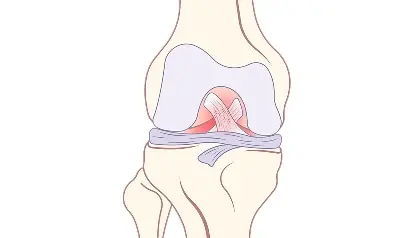
Grade 1 – Mild Injury
The ACL is stretched and may sustain minor fibre damage, but it remains intact and continues to provide stability to the knee joint. Patients may experience mild swelling or discomfort, but the knee usually remains stable and can often recover with rest and rehabilitation.
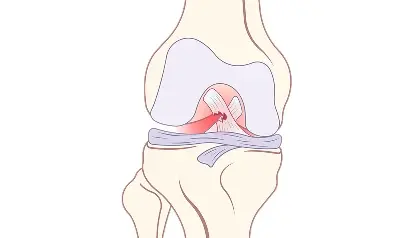
Grade 2 – Partial Tear
The ligament is stretched and partially torn, which can make the knee feel loose and reduce its ability to maintain full stability. Symptoms may include pain, swelling and occasional instability during movement, and treatment may involve physiotherapy or bracing depending on the severity.
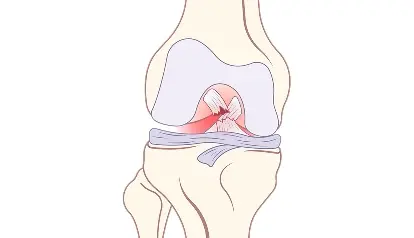
Grade 3 – Complete Tear
The ACL is completely torn and can no longer stabilise the knee. This often leads to significant knee instability, particularly during turning or pivoting movements, and surgical reconstruction may be recommended for individuals who wish to return to sports or high-demand activities.
Understanding Your Evaluation
How Are ACL Tears Diagnosed?
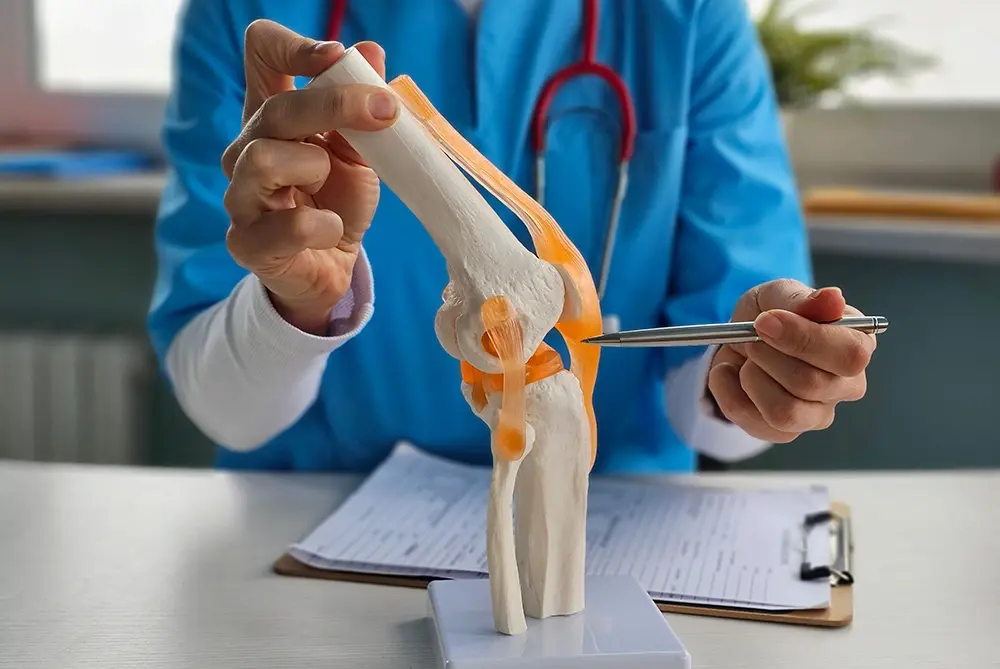
Diagnosing an ACL tear begins with a careful clinical assessment to determine the extent of knee injury and identify any associated damage to surrounding structures. Your specialist will review your medical history, ask about how the injury occurred and examine the knee for signs of swelling, instability and limited movement.
Understanding Your Evaluation
How Are ACL Tears Diagnosed?
Diagnosing an ACL tear begins with a careful clinical assessment to determine the extent of knee injury and identify any associated damage to surrounding structures. Your specialist will review your medical history, ask about how the injury occurred and examine the knee for signs of swelling, instability and limited movement.
Physical Examination
During the examination, your doctor will perform specific knee stability tests, such as the Lachman test or anterior drawer test, to assess whether the ACL is functioning properly. These tests help determine if the ligament has been stretched, partially torn or completely ruptured.
MRI Scan
An MRI provides detailed images of the knee’s soft tissues, including ligaments, tendons and cartilage. It is commonly used to confirm an ACL tear and detect related injuries such as meniscus damage or other ligament injuries.
X-ray
While X-rays cannot visualise ligaments, they help rule out fractures or bone injuries that may occur alongside an ACL tear.
Exploring Treatment Options
ACL Tear Treatments in Singapore
Treatment for an ACL tear aims to restore knee stability, reduce pain and allow patients to return safely to their normal activities or sports. The appropriate treatment approach depends on several factors, including the severity of the tear, the patient’s activity level and the presence of other knee injuries.
Rest and Activity Modification
In the early stages after an ACL injury, reducing activities that place stress on the knee can help control swelling and prevent further damage. Temporary modifications to daily activities may allow the knee to stabilise while further evaluation is performed.
Physiotherapy and Rehabilitation
Structured physiotherapy plays an important role in strengthening the muscles around the knee, particularly the quadriceps and hamstrings. Strengthening these muscles helps support the joint, improve stability and restore range of motion during recovery.
Knee Bracing
A knee brace may be recommended to provide additional support and stability during movement. Bracing can help protect the knee while rehabilitation exercises are being carried out.
ACL Reconstruction Surgery
For patients with significant instability, complete ACL tears or those who wish to return to high-demand sports, ACL reconstruction surgery may be recommended. This procedure involves replacing the torn ligament with a graft to restore stability to the knee joint.
Post-Surgical Rehabilitation
After ACL reconstruction, a structured rehabilitation programme is essential to regain strength, flexibility and full knee function. Physiotherapy helps guide patients through a gradual return to normal activities and sports.
How to Prevent ACL Tears
While not all ACL injuries can be prevented, certain measures may help reduce the risk, particularly for individuals who participate in sports or activities that involve jumping, pivoting or sudden changes in direction.
Strengthen the Muscles Around the Knee
Building strength in the quadriceps, hamstrings and hip muscles helps support the knee joint and improve overall stability. Strong surrounding muscles can reduce the strain placed on the ACL during movement.
Practise Proper Movement Techniques
Learning safe techniques for jumping, landing and pivoting can help minimise excessive stress on the knee. Sports training programmes often focus on maintaining proper knee alignment during these movements.
Improve Balance and Neuromuscular Control
Exercises that enhance balance, coordination and body awareness can help the muscles respond more effectively to sudden movements, reducing the likelihood of knee injury.
Use Appropriate Footwear and Equipment
Wearing well-fitting shoes designed for your sport and ensuring equipment such as ski bindings is properly adjusted can help reduce unnecessary strain on the knee.
Gradually Increase Training Intensity
Sudden increases in training intensity or duration may increase the risk of injury. Gradually progressing activity levels allows the muscles and joints to adapt safely.
Allow Adequate Rest and Recovery
Taking rest days and avoiding overtraining can help prevent fatigue, which may otherwise increase the risk of poor movement mechanics and injury.
Get Relief From ACL Tears at HC Orthopaedic Surgery
ACL tears can significantly affect knee stability, mobility and overall activity levels, particularly for individuals who participate in sports or physically demanding routines. Recognising the symptoms early and understanding the potential causes, risk factors and treatment options can help ensure timely medical evaluation. With appropriate diagnosis and a structured treatment plan, many patients are able to restore knee function, regain confidence in movement and safely return to their usual activities.
Get Relief From ACL Tears at HC Orthopaedic Surgery
ACL tears can significantly affect knee stability, mobility and overall activity levels, particularly for individuals who participate in sports or physically demanding routines. Recognising the symptoms early and understanding the potential causes, risk factors and treatment options can help ensure timely medical evaluation. With appropriate diagnosis and a structured treatment plan, many patients are able to restore knee function, regain confidence in movement and safely return to their usual activities.

Our Specialised Team
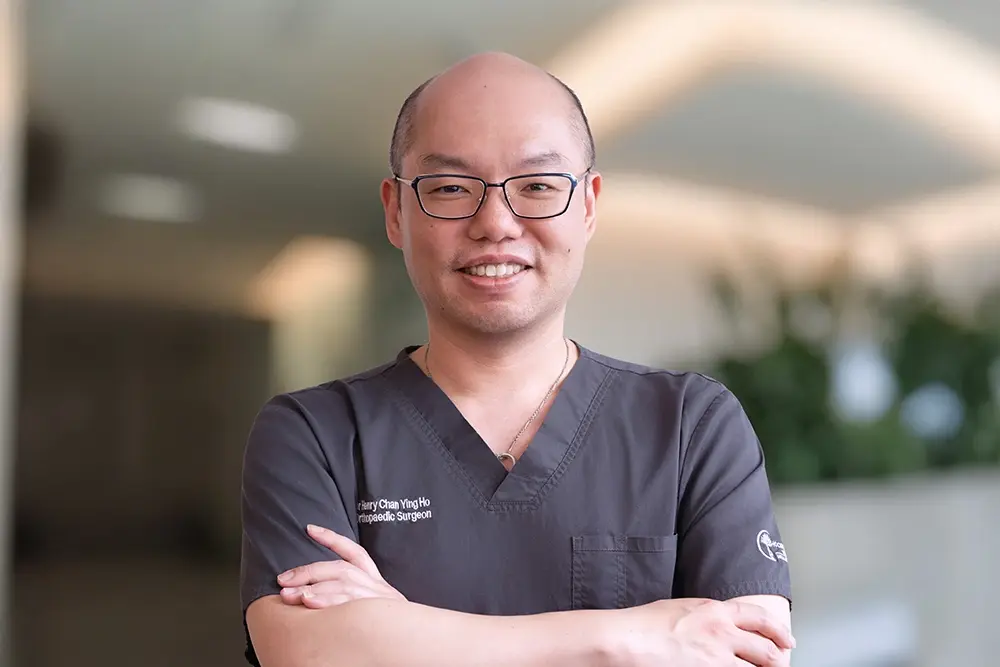
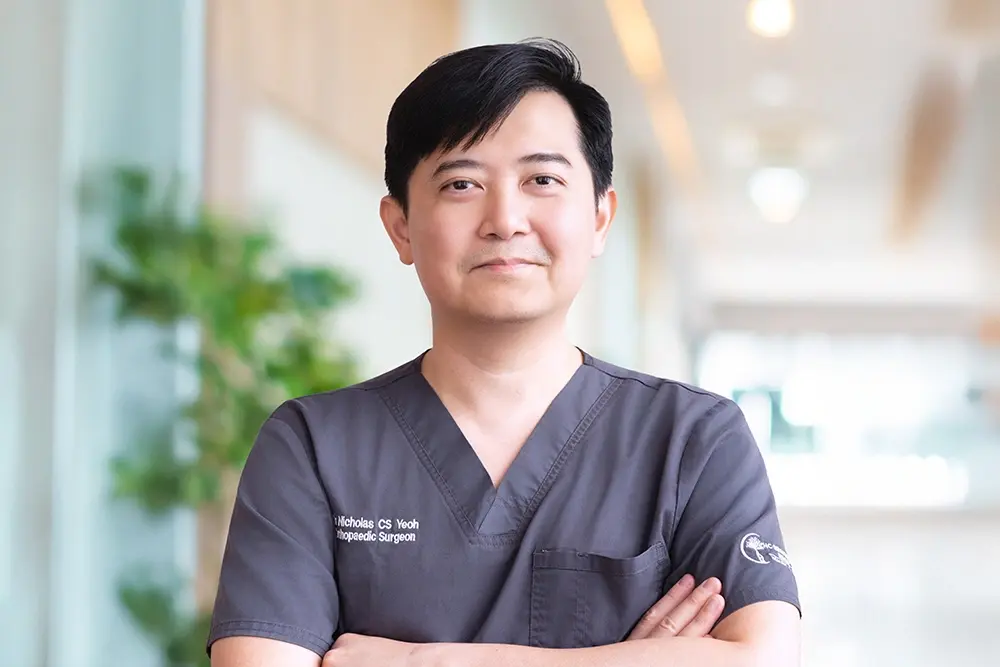
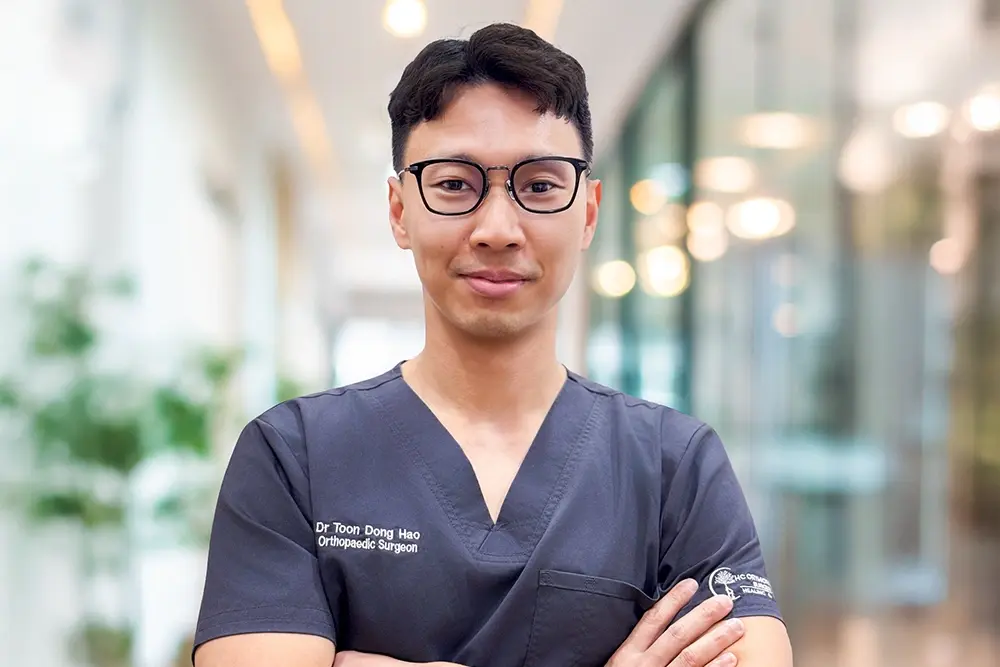
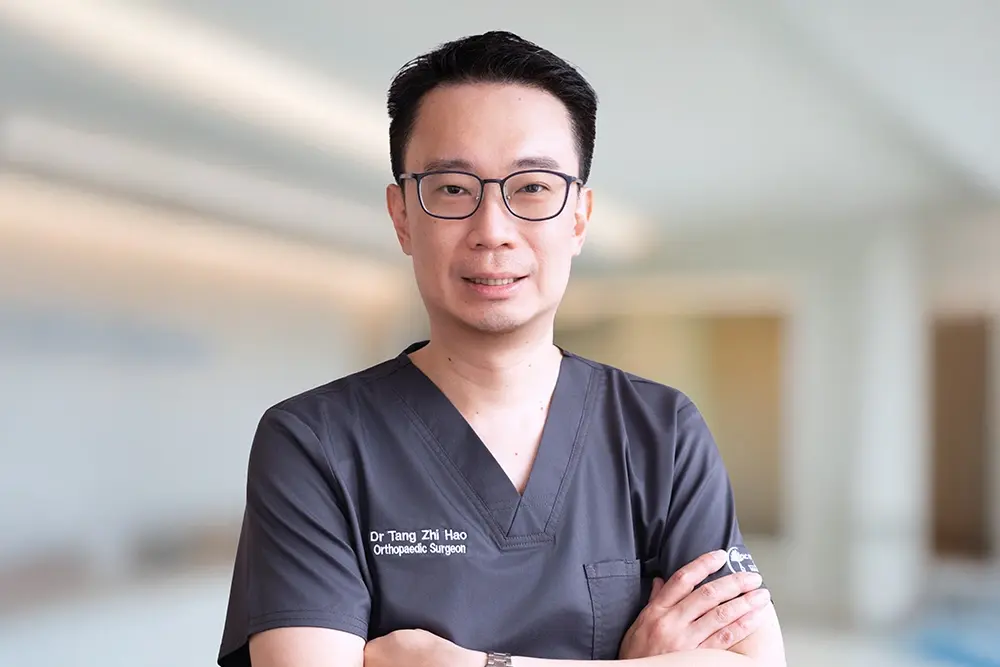
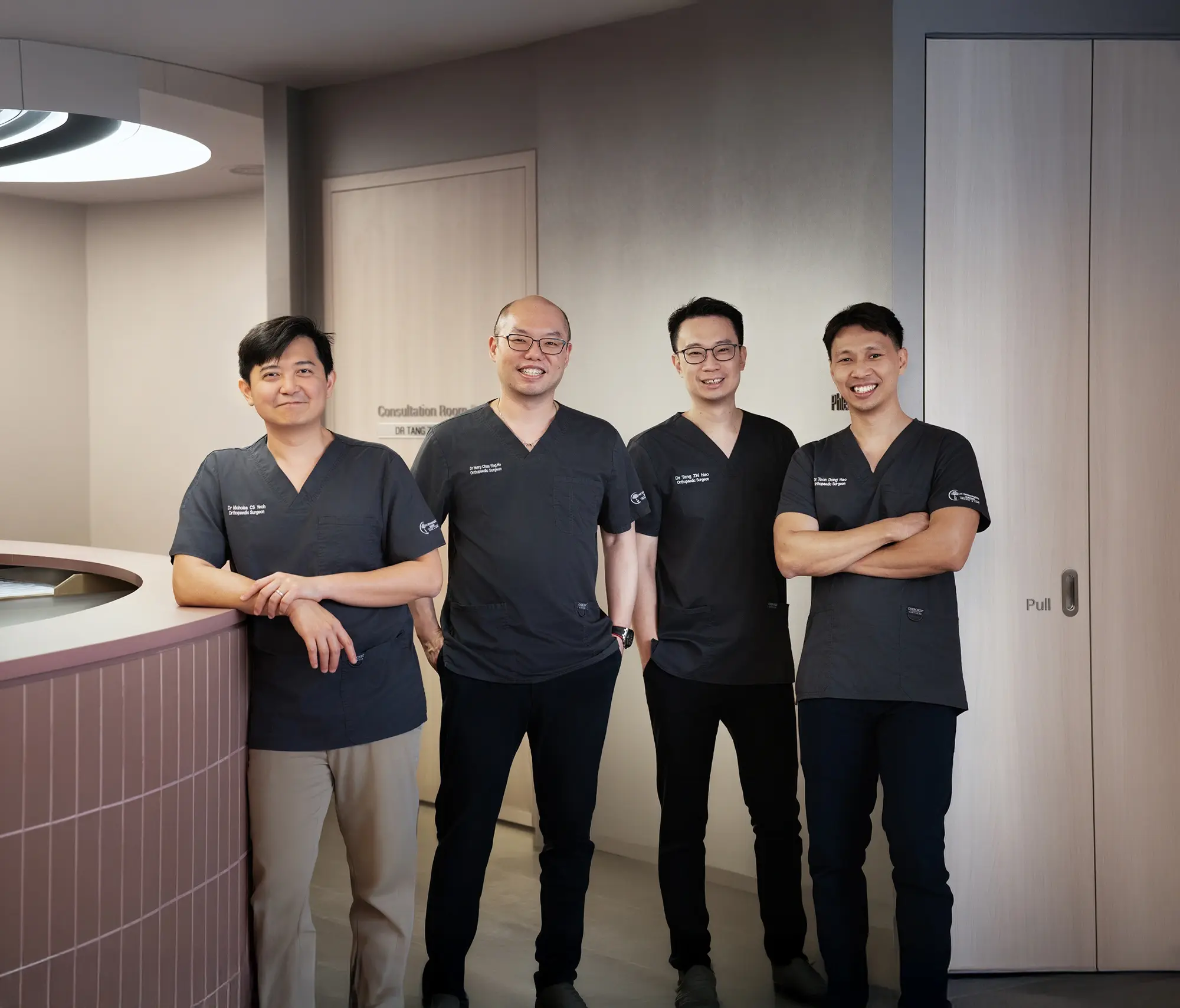
At HC Orthopaedic Surgery, patients with ACL tears receive comprehensive care focused on accurately diagnosing ligament injuries and recommending appropriate treatment to restore knee stability and function. The practice is led by Dr Henry Chan, alongside Dr Nicholas Yeoh, Dr Toon Dong Hao and Dr Tang Zhi Hao, who collectively bring extensive orthopaedic expertise to managing knee and lower limb conditions. In particular, Dr Yeoh has a special interest in knee surgery and provides targeted care for patients with ACL injuries and other knee ligament conditions.
Frequently Asked Questions (FAQs) About ACL Tears
Can an ACL tear heal on its own?
How long does recovery take after an ACL tear?
Can I walk with a torn ACL?
Can an ACL tear happen again?
Can I return to sports after an ACL injury?
Is ACL surgery painful?
Will I regain full function after ACL surgery?
What are the long-term effects of an untreated ACL tear?
Meet Our Specialist Team
Our team comprises Dr Henry Chan, Dr Nicholas Yeoh, Dr Toon Dong Hao, and Dr Tang Zhi Hao — experienced orthopaedic surgeons with subspecialty experience and a patient-centred approach to care.
Dr Henry Chan
Medical Director & Senior Consultant Orthopaedic Surgeon
MBBS (S’pore), MRCS (Edinburgh), MMed (Orthopaedic Surgery), FRCS (Edinburgh)
Dr Henry Chan is an experienced orthopaedic surgeon specialising in joint replacement and complex revision surgery. Trained at the renowned Helios Endo-Klinik in Germany under the MOH HMDP scholarship, he has performed over 1,000 joint replacements and specialises in computer-assisted and robotic joint replacement techniques for precise outcomes.
Dr Nicholas Yeoh
Senior Consultant Orthopaedic Surgeon
MBChB (Edinburgh), MRCS (Edinburgh), MMed (Orthopaedic Surgery), FRCS (Edinburgh)
Dr Nicholas Yeoh is an MOH-accredited orthopaedic specialist and Fellow of the Royal College of Surgeons of Edinburgh. Fellowship-trained in hip and knee reconstruction in Sydney under the MOH HMDP scholarship, he specialises in minimally invasive joint replacement, robotic surgery and advanced techniques that enhance recovery and surgical outcomes.
Dr Toon Dong Hao
Senior Consultant Orthopaedic Surgeon
MBChB (Leeds), MRCS (Edinburgh), MMed (Orthopaedic Surgery), FRCS (Edinburgh)
Dr Toon Dong Hao is a skilled orthopaedic surgeon and Fellow of the Royal College of Surgeons of Edinburgh. Fellowship-trained in Advanced Shoulder and Elbow Surgery in Sydney under the MOH HMDP scholarship, Dr Toon specialises in sports injuries, arthroscopic surgery and complex shoulder, elbow and knee procedures to restore function and mobility.
Dr Tang Zhi Hao
Senior Consultant Orthopaedic Surgeon
MBBS (S’pore), MRCS (Edinburgh), MMed (Orthopaedic Surgery), FRCS (Edinburgh)
Dr Tang Zhi Hao is a fellowship-trained orthopaedic surgeon specialising in foot and ankle conditions. He completed his Foot and Ankle Surgery fellowship at Severance Hospital, Yonsei University Health System in Seoul under Professor Jin Woo Lee. Prior to private practice, he served as Consultant and Deputy Head of Orthopaedics at Khoo Teck Puat Hospital.