
ACL Reconstruction Surgery
in Singapore

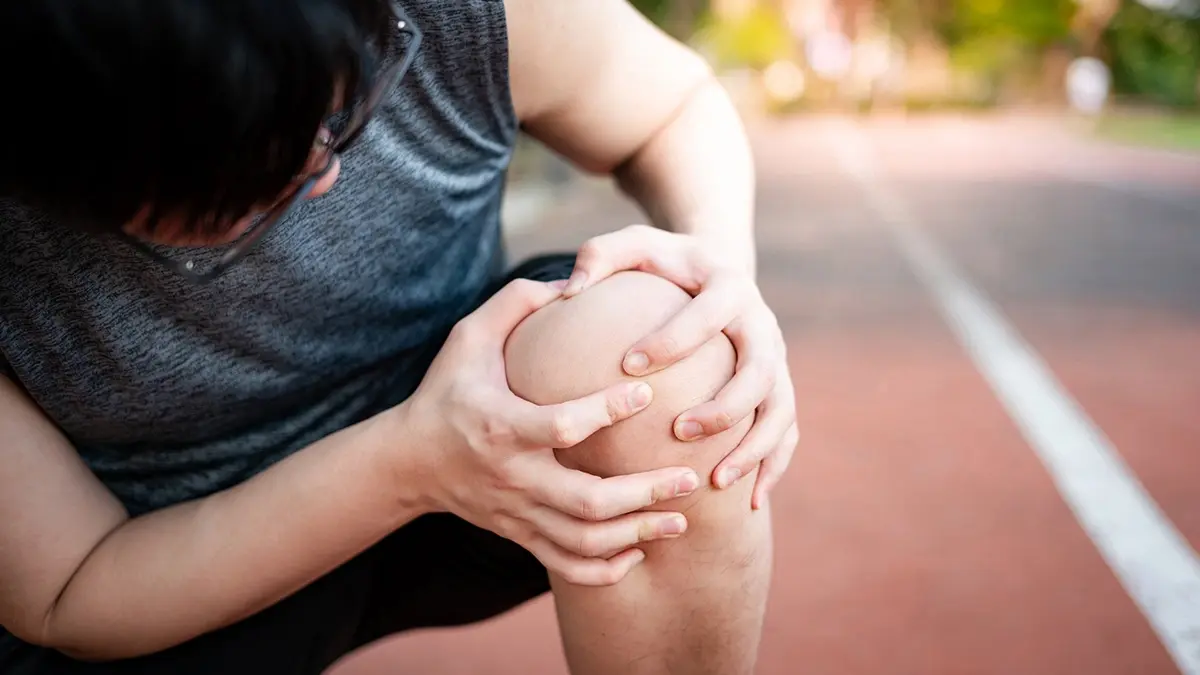
A torn anterior cruciate ligament can feel like a sudden stop to an active life. Whether the injury happened during football, netball, or a simple misstep, the pain, swelling and instability can make even daily movements uncertain. If you have been told that you may need ACL reconstruction surgery, you are likely weighing concerns about recovery time, costs and whether you will return to the activities you enjoy.
ACL reconstruction is a procedure to restore stability to a knee with a complete or functionally significant ligament tear. For many people, especially those who wish to return to pivoting sports or physically demanding work, surgery may be recommended after a careful assessment. Others may be exploring this option because their knee continues to give way despite physiotherapy and bracing. Understanding what ACL reconstruction involves, who it is suitable for and what recovery looks like can help you make a confident, informed decision.
Understanding ACL Tear
What Is an ACL Tear and Its Common Symptoms?

Understanding ACL Tear
What Is an ACL Tear and Its Common Symptoms?
ACL tears are a common type of sports injury, particularly in activities that involve sudden twists, pivots or rapid changes in direction. If you injured your knee during sports, such as football, basketball or combat sports, the ACL may be affected. These injuries often occur when you land awkwardly from a jump, stop abruptly, change direction quickly or experience a direct collision. Depending on the force involved, the ligament may be partially or completely torn.
Many people report hearing or feeling a distinct popping sensation at the moment of injury. This is usually followed by immediate pain and swelling. Over the next few hours, you may notice:
- Knee pain and swelling that persist beyond 48 hours
- Difficulty fully bending or straightening the knee
- Tenderness along the joint line
- Discomfort or limping when walking
- A feeling of instability, as if the knee may give way or buckle
If these symptoms persist, a proper evaluation from our knee specialists at HC Orthopaedic Surgery can assess whether non-surgical care or ACL reconstruction surgery is appropriate.
Why It Happens
What Is ACL Reconstruction Surgery and Who Needs It?
Not everyone with an ACL tear requires surgery. Non-operative treatment, including physiotherapy, activity modification and bracing, may be appropriate for individuals who do not participate in pivoting sports and do not experience significant knee instability in daily life.
However, ACL reconstruction surgery is often considered for:
- Athletes involved in football, basketball, netball, rugby or racquet sports
- Individuals whose work requires climbing, pivoting or heavy manual activity
- Patients who experience repeated episodes of the knee giving way
- Younger patients with associated injuries, such as meniscal tears
The decision to proceed with surgery depends on your activity level, symptoms, associated injuries and long-term goals. A personalised assessment helps determine whether reconstruction is necessary to restore stability and reduce the risk of further knee damage.
Treatment Benefits
How Does ACL Reconstruction Surgery Help You?
The primary aim of ACL reconstruction is to restore stability to the knee. For many patients, this reduces episodes of giving way and allows safer participation in sports or physically demanding work.
By stabilising the joint, surgery may reduce the risk of secondary damage to the meniscus and articular cartilage. Recurrent instability can contribute to further injury, chronic pain and earlier degenerative changes if left untreated.
Successful reconstruction, combined with structured rehabilitation, helps restore strength, coordination and confidence in movement. Many patients are able to return to their usual activities with greater stability and reduced fear of the knee buckling, improving overall function and quality of life.
What to Expect From ACL Reconstruction Surgery
ACL reconstruction surgery is performed to restore stability to a knee with a torn anterior cruciate ligament.
How to Prepare
Procedure Overview
ACL reconstruction is typically performed arthroscopically using small incisions and a camera to guide the procedure. The torn ligament is replaced with a graft, which may be taken from your own tendon, such as the hamstring or patellar tendon, or from a donor graft where appropriate.
The graft is secured within the knee joint to restore stability. The procedure usually takes one to two hours and is commonly done under general or regional anaesthesia.
Aftercare and Recovery
Know Your Risk Profile
Potential Risks of ACL Reconstruction Surgery
Know Your Risk Profile
Potential Risks of ACL Reconstruction Surgery
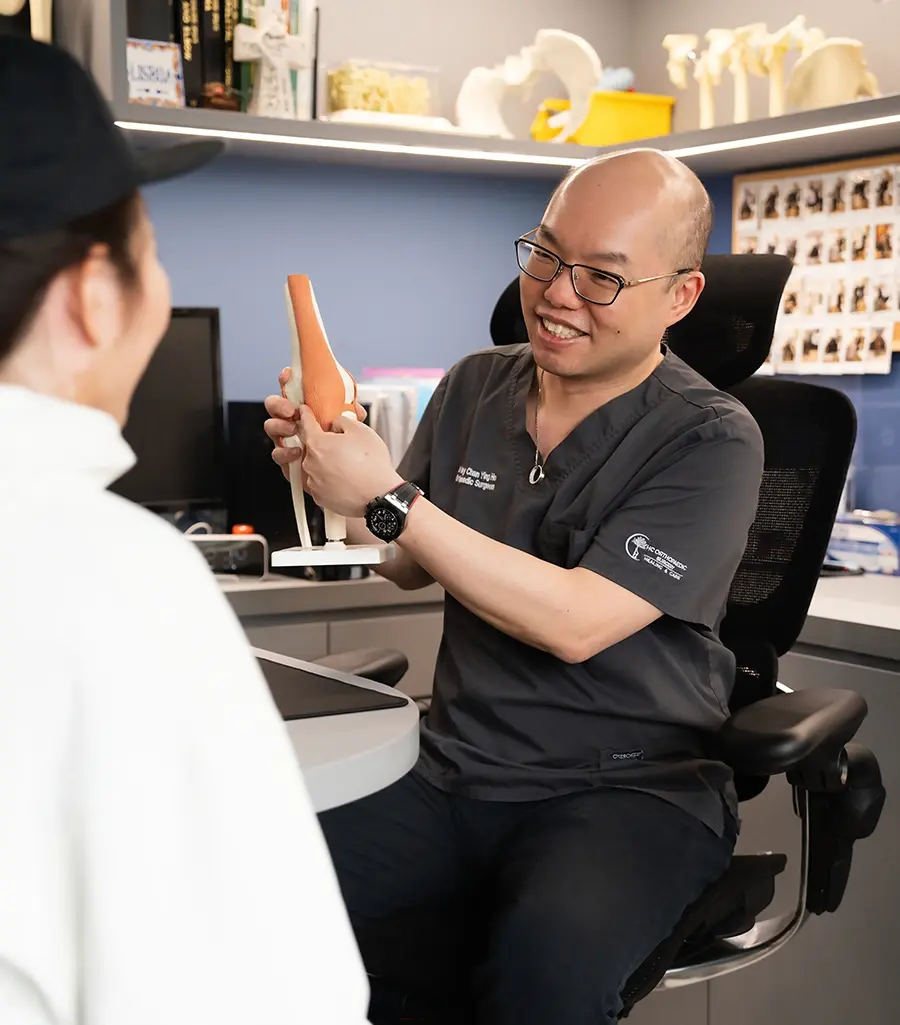
As with any surgical procedure, ACL reconstruction carries potential risks. Your surgeon will discuss these with you in detail and take appropriate steps to minimise them.
Although complications are uncommon, possible risks include:
- Infection
- Bleeding or blood clots
- Knee stiffness or reduced range of motion
- Persistent instability or graft failure
- Temporary numbness around the incision site
- Discomfort at the graft harvest site
Careful surgical technique, proper post-operative care and adherence to a structured rehabilitation programme significantly reduce these risks. Close follow-up allows any concerns to be addressed promptly, supporting a safe and steady recovery.
How Much Does ACL Reconstruction Surgery Cost in Singapore?
Key Cost Factors

Insurance and Financing
Many patients utilise MediSave, MediShield Life, Integrated Shield Plans and private insurance to offset hospital and surgical expenses. MediSave may be used for approved portions of the procedure, subject to prevailing withdrawal limits, while MediShield Life and Integrated Shield Plans may provide additional coverage depending on your policy terms. Our clinic team can assist with financial counselling and the necessary documentation to facilitate claims.
Advanced ACL Reconstruction at HC Orthopaedic Surgery
ACL reconstruction surgery is designed to restore stability, protect long-term joint health and help you return to the activities that matter to you. With proper surgical technique and structured rehabilitation, many patients regain confidence in movement and resume an active lifestyle. If you have been advised to consider ACL reconstruction, a detailed consultation can help you understand your options, expected recovery and personalised treatment plan.
Advanced ACL Reconstruction at HC Orthopaedic Surgery
ACL reconstruction surgery is designed to restore stability, protect long-term joint health and help you return to the activities that matter to you. With proper surgical technique and structured rehabilitation, many patients regain confidence in movement and resume an active lifestyle. If you have been advised to consider ACL reconstruction, a detailed consultation can help you understand your options, expected recovery and personalised treatment plan.

Our Specialised Team
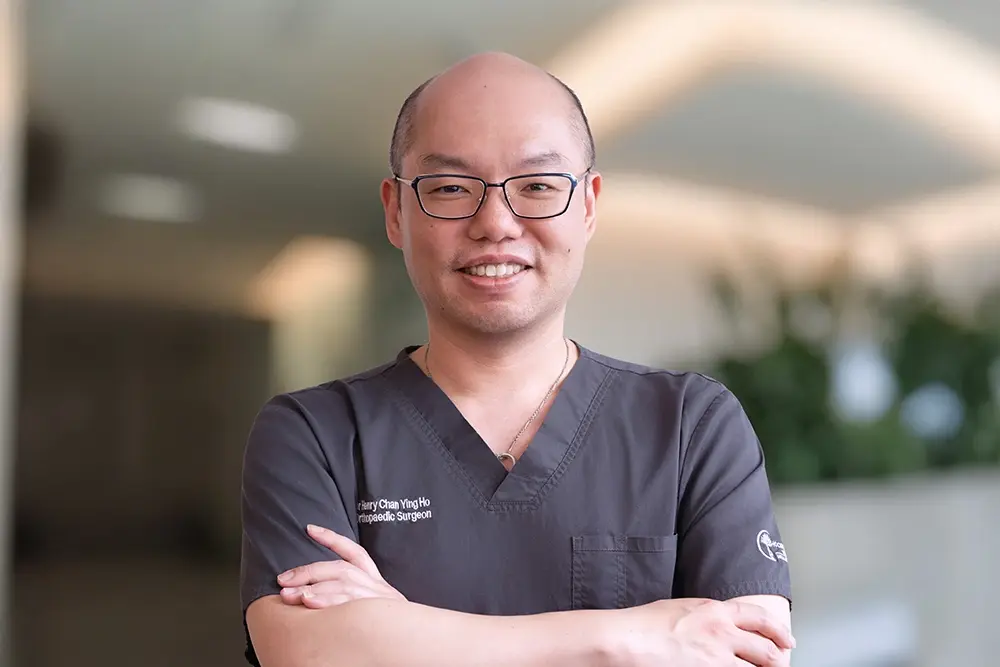
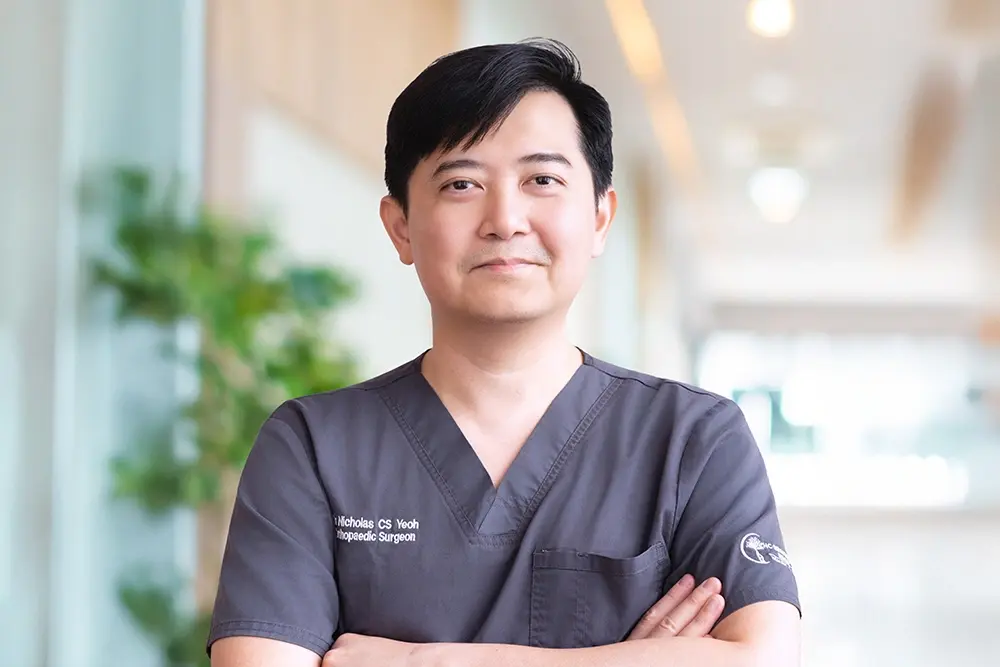
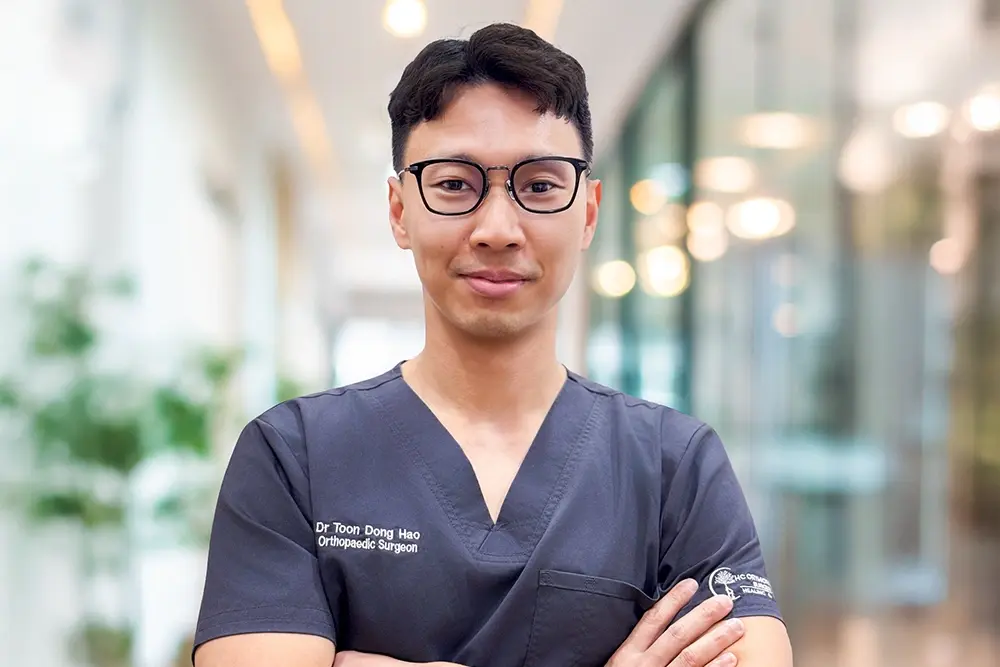
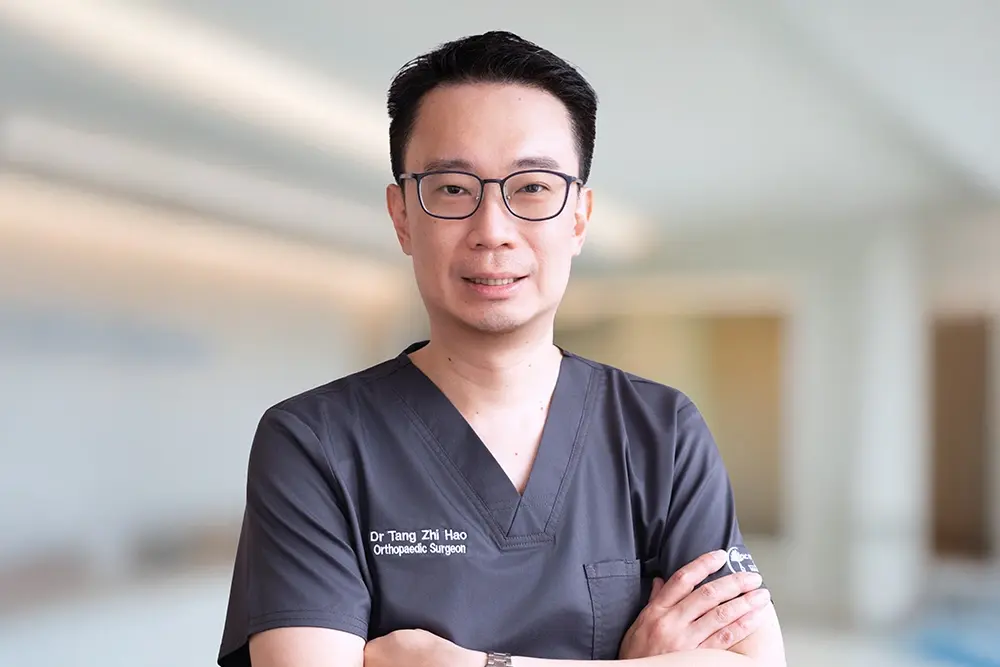
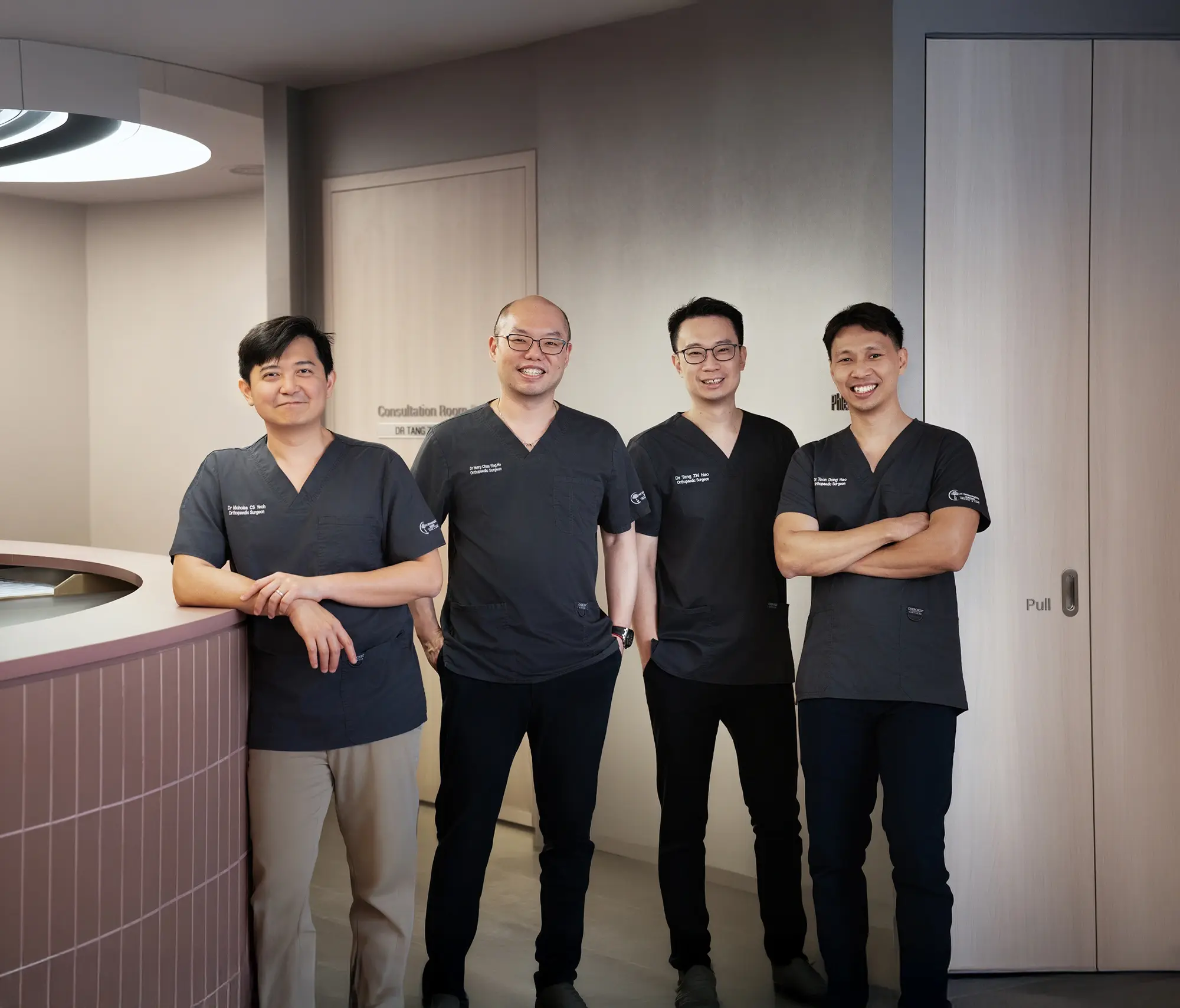
At HC Orthopaedic Surgery, our ACL surgeons provide comprehensive assessment and personalised ACL reconstruction surgery tailored to your condition and activity goals. The practice is led by Dr Henry Chan, together with Dr Nicholas Yeoh, Dr Toon Dong Hao and Dr Tang Zhi Hao, who have experience in managing ACL tears and performing ligament reconstruction procedures tailored to each patient’s activity level and recovery goals.
Frequently Asked Questions (FAQs) About ACL Reconstruction Surgery
Why is ACL reconstruction surgery necessary?
What happens during ACL reconstruction surgery?
What types of grafts are used in ACL reconstruction surgery?
How long does it take to recover from ACL reconstruction surgery?
Will I be able to return to sports after ACL reconstruction surgery?
How do I know if I am suitable for ACL reconstruction?
Meet Our Specialist Team
Our team comprises Dr Henry Chan, Dr Nicholas Yeoh, Dr Toon Dong Hao, and Dr Tang Zhi Hao — experienced orthopaedic surgeons with subspecialty experience and a patient-centred approach to care.
Dr Henry Chan
Medical Director & Senior Consultant Orthopaedic Surgeon
MBBS (S’pore), MRCS (Edinburgh), MMed (Orthopaedic Surgery), FRCS (Edinburgh)
Dr Henry Chan is an experienced orthopaedic surgeon specialising in joint replacement and complex revision surgery. Trained at the renowned Helios Endo-Klinik in Germany under the MOH HMDP scholarship, he has performed over 1,000 joint replacements and specialises in computer-assisted and robotic joint replacement techniques for precise outcomes.
Dr Nicholas Yeoh
Senior Consultant Orthopaedic Surgeon
MBChB (Edinburgh), MRCS (Edinburgh), MMed (Orthopaedic Surgery), FRCS (Edinburgh)
Dr Nicholas Yeoh is an MOH-accredited orthopaedic specialist and Fellow of the Royal College of Surgeons of Edinburgh. Fellowship-trained in hip and knee reconstruction in Sydney under the MOH HMDP scholarship, he specialises in minimally invasive joint replacement, robotic surgery and advanced techniques that enhance recovery and surgical outcomes.
Dr Toon Dong Hao
Senior Consultant Orthopaedic Surgeon
MBChB (Leeds), MRCS (Edinburgh), MMed (Orthopaedic Surgery), FRCS (Edinburgh)
Dr Toon Dong Hao is a skilled orthopaedic surgeon and Fellow of the Royal College of Surgeons of Edinburgh. Fellowship-trained in Advanced Shoulder and Elbow Surgery in Sydney under the MOH HMDP scholarship, Dr Toon specialises in sports injuries, arthroscopic surgery and complex shoulder, elbow and knee procedures to restore function and mobility.
Dr Tang Zhi Hao
Senior Consultant Orthopaedic Surgeon
MBBS (S’pore), MRCS (Edinburgh), MMed (Orthopaedic Surgery), FRCS (Edinburgh)
Dr Tang Zhi Hao is a fellowship-trained orthopaedic surgeon specialising in foot and ankle conditions. He completed his Foot and Ankle Surgery fellowship at Severance Hospital, Yonsei University Health System in Seoul under Professor Jin Woo Lee. Prior to private practice, he served as Consultant and Deputy Head of Orthopaedics at Khoo Teck Puat Hospital.