
Partial Hip Replacement Surgery
in Singapore

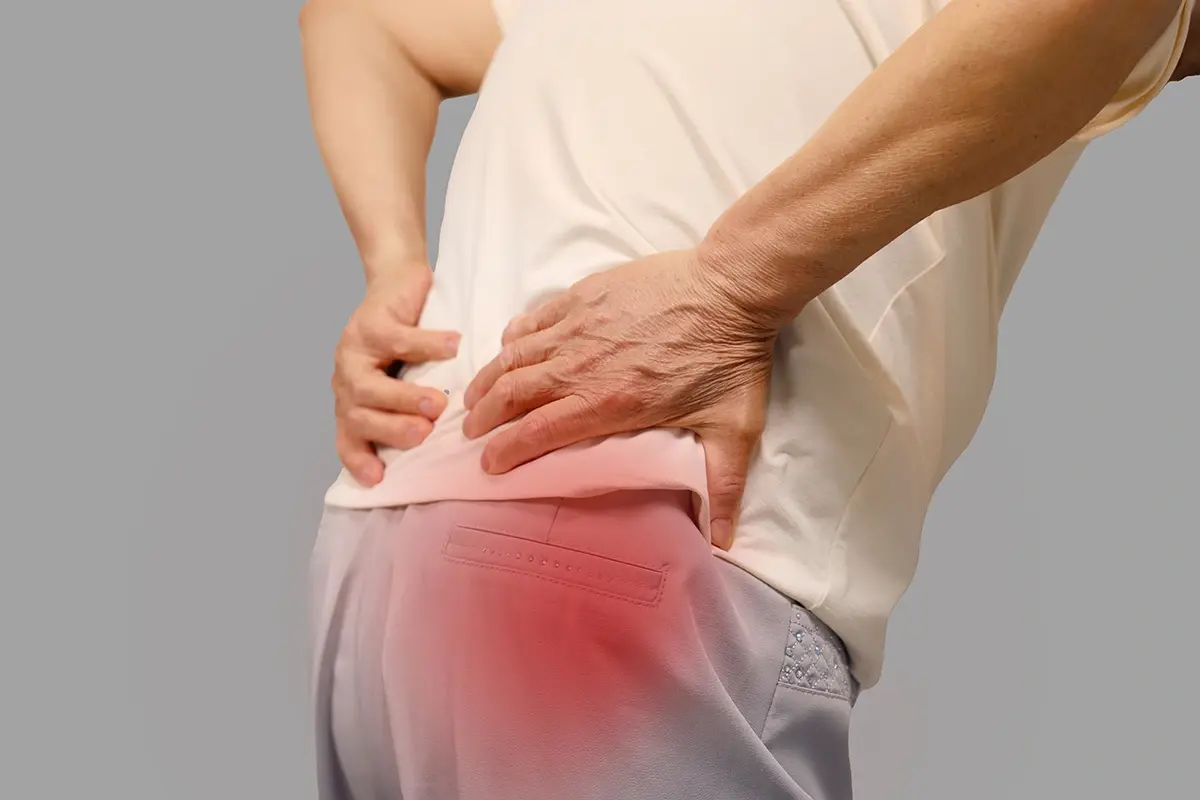
A severe hip fracture or damage limited to the femoral head can significantly affect your ability to stand, walk and perform daily activities. In some cases, only part of the hip joint is damaged, making partial hip replacement surgery a suitable treatment option.
Partial hip replacement surgery involves replacing only the damaged ball portion of the hip joint while preserving the natural socket. Understanding when partial hip replacement is appropriate, how it differs from total hip replacement and what recovery involves can help you make an informed decision about restoring mobility and stability.
Understanding the Procedure
What Is Partial Hip Replacement Surgery?
Partial hip replacement surgery, also known as hemiarthroplasty, involves replacing the femoral head, which is the ball component of the hip joint, while leaving the natural acetabular socket intact.
Unlike total hip replacement, which replaces both the ball and socket, partial hip replacement is typically recommended when damage is confined to the femoral head and the socket remains healthy. It is most commonly performed for displaced hip fractures, particularly in older adults.
By preserving the natural socket, the procedure reduces surgical time and may be appropriate in selected patients where full joint resurfacing is not required.
When Surgery Is Recommended
When Is Partial Hip Replacement Surgery Recommended?
Partial hip replacement is most commonly considered in the following situations:
- Certain hip fractures, particularly femoral neck fractures
- Avascular necrosis confined to the femoral head
- Joint damage limited to the ball of the hip, with the socket cartilage preserved
- Older patients or those with lower functional demands
- Patients with significant medical comorbidities where a shorter surgical time may be beneficial
The decision depends on fracture pattern, bone quality, age, mobility level and overall health status. A thorough clinical evaluation and imaging assessment help determine whether partial hip replacement is appropriate or whether total hip replacement would provide better long-term joint function.
At HC Orthopaedic Surgery, our hip specialists provide comprehensive evaluation and personalised treatment planning to determine whether partial hip replacement is the most suitable option for your condition.
Understanding the Components
What Are the Components of a Partial Hip Replacement?
Understanding the Components
What Are the Components of a Partial Hip Replacement?
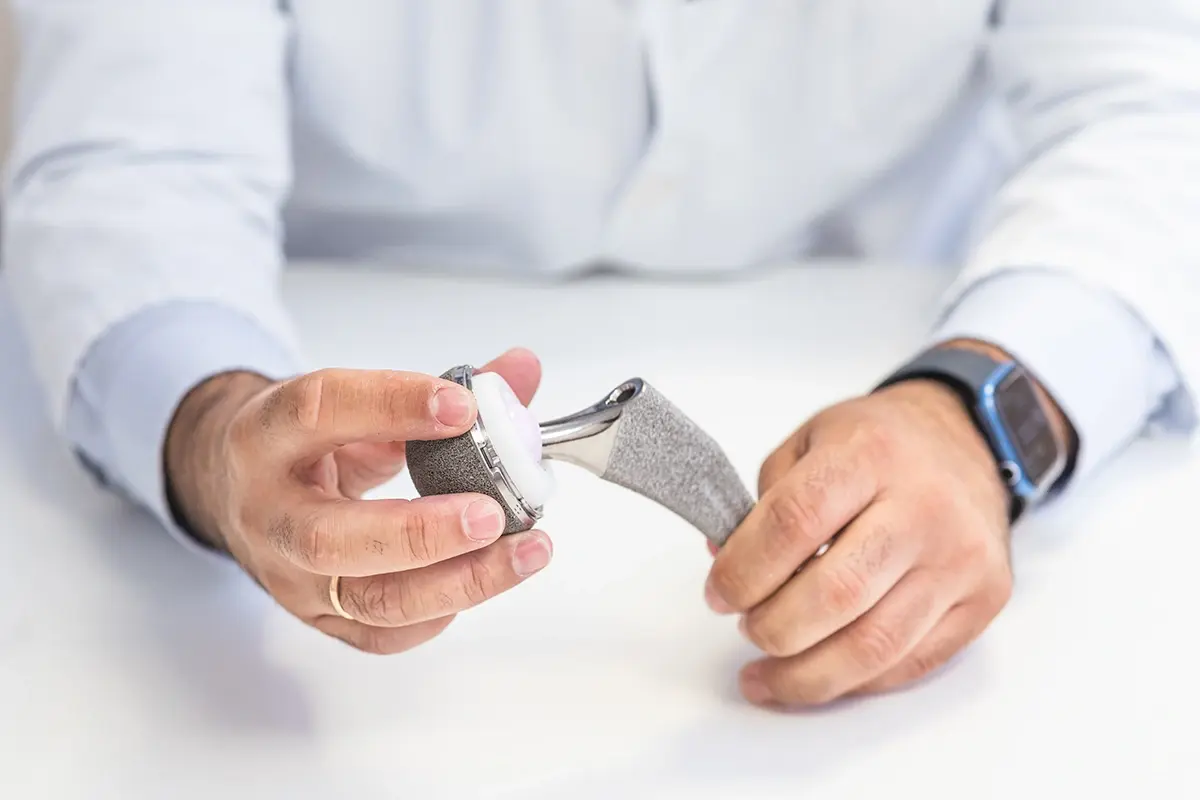
In partial hip replacement, only the femoral side of the joint is replaced.
The procedure typically includes:
- Femoral stem: A metal component inserted into the thigh bone to provide structural support.
- Femoral head prosthesis: A metal or bipolar component that replaces the natural femoral head and articulates with the existing socket.
Because the natural acetabulum is preserved, no acetabular cup or liner is inserted. The goal is to restore stability while maintaining as much native joint structure as possible.
What to Expect From Partial Hip Replacement Surgery
Partial hip replacement is designed to restore stability and enable early mobilisation after selected hip injuries.
How to Prepare
- Staying as active as symptoms allow
- Performing gentle strengthening exercises for the thigh and hip muscles
- Maintaining a balanced diet to support healing
Procedure Overview
Post-Surgical Recovery
Recovery After Partial Hip Replacement Surgery in Singapore
Because partial hip replacement is often performed following a hip fracture, rehabilitation focuses not only on restoring hip movement but also on improving balance, rebuilding confidence and reducing fall risk. Early mobilisation plays an important role in preventing complications such as muscle weakness and reduced mobility.
What to Expect During Recovery
First few days
Patients are usually encouraged to begin sitting, standing and walking with assistance soon after surgery under physiotherapy supervision.
First few weeks
Walking aids such as crutches or a walker may be required. The focus is on regaining balance and rebuilding hip strength.
First few months
As healing progresses, mobility improves and walking distance increases. Rehabilitation targets muscle strengthening and safe return to daily activities.
Early Precautions
Patients may be advised to avoid:
- Deep hip bending
- Twisting movements
- Sudden directional changes
- Heavy lifting
Specific precautions depend on surgical approach and individual risk factors.
Preparing for a Safe Return Home
- Arrange frequently used items within easy reach
- Use supportive seating with armrests
- Remove tripping hazards
- Arrange follow-up appointments and physiotherapy
Regular follow-up ensures implant stability and recovery progress are monitored.
Treatment Benefits
How Partial Hip Replacement Restores Mobility and Stability?
Partial hip replacement aims to relieve pain from fracture-related damage and restore the ability to stand and walk safely.
Following recovery and rehabilitation, many patients experience:

Treatment Benefits
How Partial Hip Replacement Restores Mobility and Stability?
Partial hip replacement aims to relieve pain from fracture-related damage and restore the ability to stand and walk safely.
Following recovery and rehabilitation, many patients experience:
Improved weight-bearing ability
Greater hip stability
Reduced pain during movement
Safer transfers from sitting to standing
Improved confidence in walking
The procedure is commonly used to enable early mobilisation after hip fractures, helping reduce complications associated with prolonged immobility.
Understanding the Risks
Potential Risks and Complications of Partial Hip Replacement
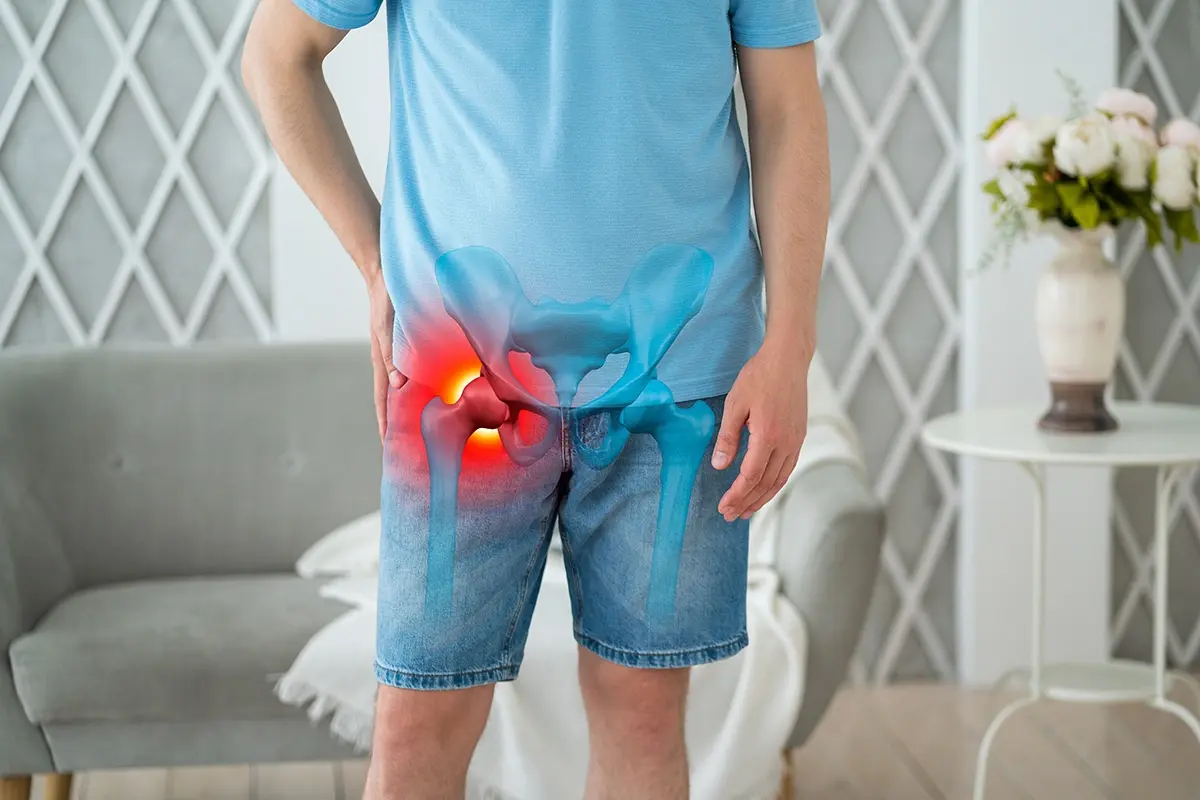
Partial hip replacement is a commonly performed procedure and serious complications are uncommon. However, as with any surgery, risks cannot be completely eliminated. Your surgical team will take appropriate precautions to minimise these risks and monitor you closely during recovery.
Possible complications include:
Understanding the Risks
Potential Risks and Complications of Partial Hip Replacement
Partial hip replacement is a commonly performed procedure and serious complications are uncommon. However, as with any surgery, risks cannot be completely eliminated. Your surgical team will take appropriate precautions to minimise these risks and monitor you closely during recovery.
Possible complications include:
- Infection
Infection may occur in the wound or around the implant. Mild infections may respond to antibiotics, while more severe cases may require additional surgery.
- Blood Clots
Clots can form in the legs after surgery. Doctors reduce this risk with medication, compression stockings and early mobilisation exercises.
- Dislocation
The artificial ball may move out of the socket, particularly in the early months after surgery. Some cases can be managed without further surgery, though persistent instability may require revision.
- Leg Length Difference
A small difference in leg length may be noticed after surgery as the surgeon balances joint stability and alignment.
- Implant Loosening or Wear
Over time, the prosthesis may loosen or wear out, which can cause pain and may require revision surgery.
- Other Rare Complications
These may include nerve or blood vessel injury, stiffness or fracture around the implant.
Cost of Partial Hip Replacement Surgery in Singapore
The cost of partial hip replacement surgery in Singapore varies depending on several clinical and logistical factors. The overall cost will depend on the complexity of your condition, the hospital setting and the specifics of your surgical plan.
Key Cost Drivers
Implant Type
Surgical Complexity
Hospital Charges
Professional Fees
Post-operative Care

Insurance and Financing
Costs may be partially offset through MediSave, MediShield Life and Integrated Shield Plans, depending on your coverage. During your consultation, a personalised cost estimate and financial counselling will be provided to help you understand your options and expected out-of-pocket expenses.
Restore Stability with Partial Hip Replacement at Our Clinic
Partial hip replacement is commonly performed to treat selected hip fractures and femoral head conditions, with the goal of relieving pain, restoring stability and enabling early mobilisation. With appropriate surgical planning and structured rehabilitation, many patients regain independence and return to daily activities safely.
Restore Stability with Partial Hip Replacement at Our Clinic
Partial hip replacement is commonly performed to treat selected hip fractures and femoral head conditions, with the goal of relieving pain, restoring stability and enabling early mobilisation. With appropriate surgical planning and structured rehabilitation, many patients regain independence and return to daily activities safely.

Our Specialised Team
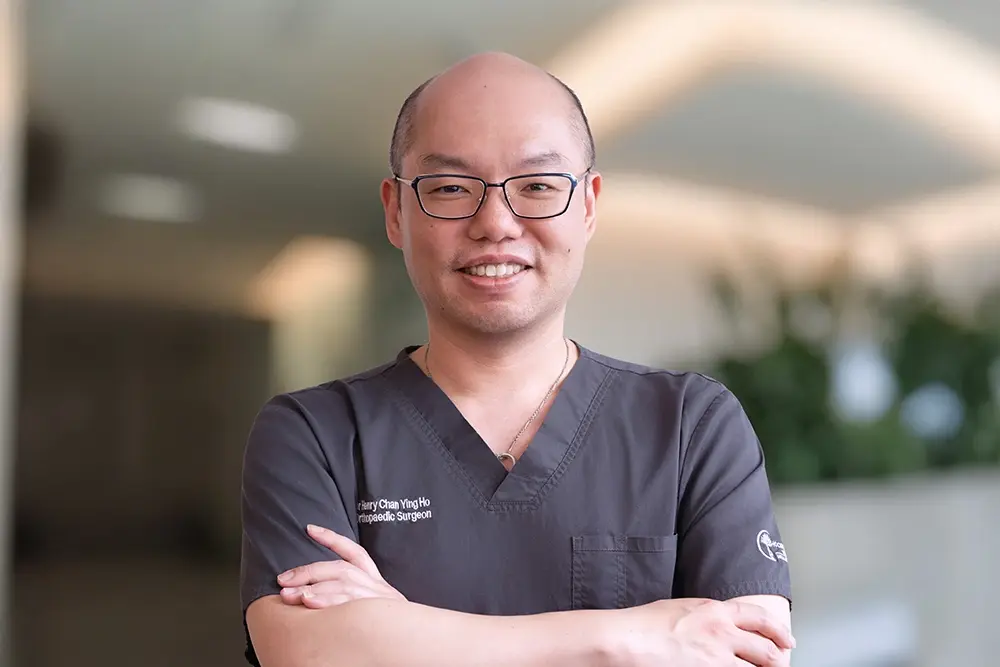
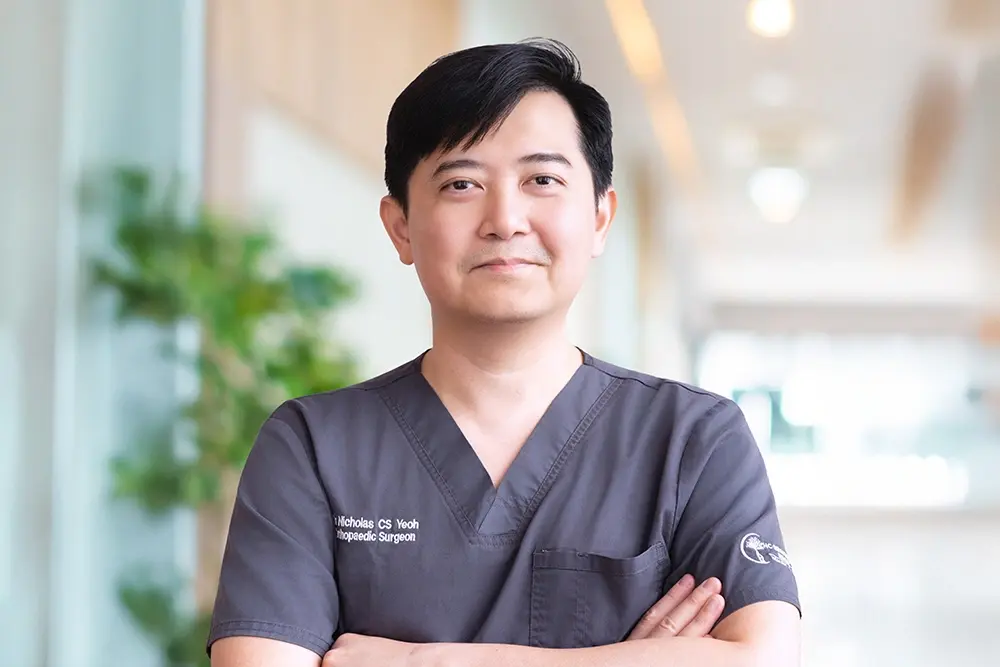
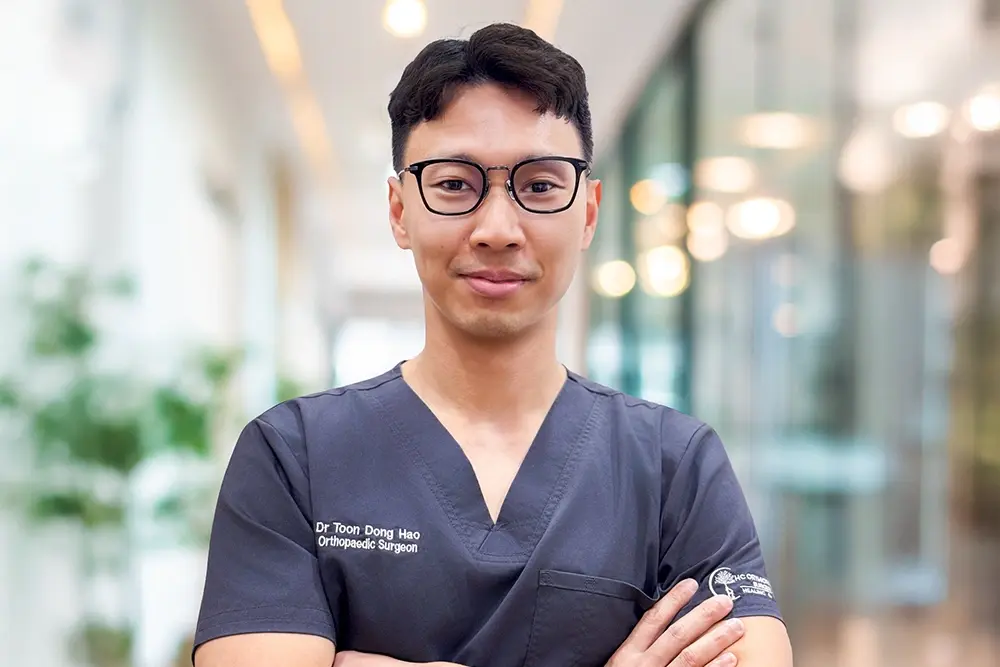
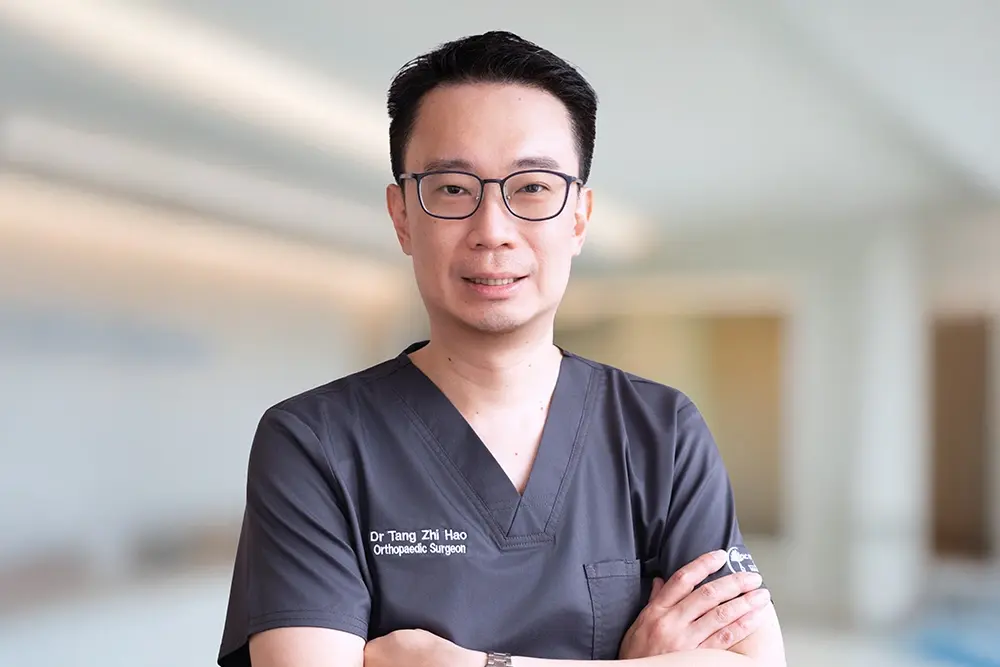
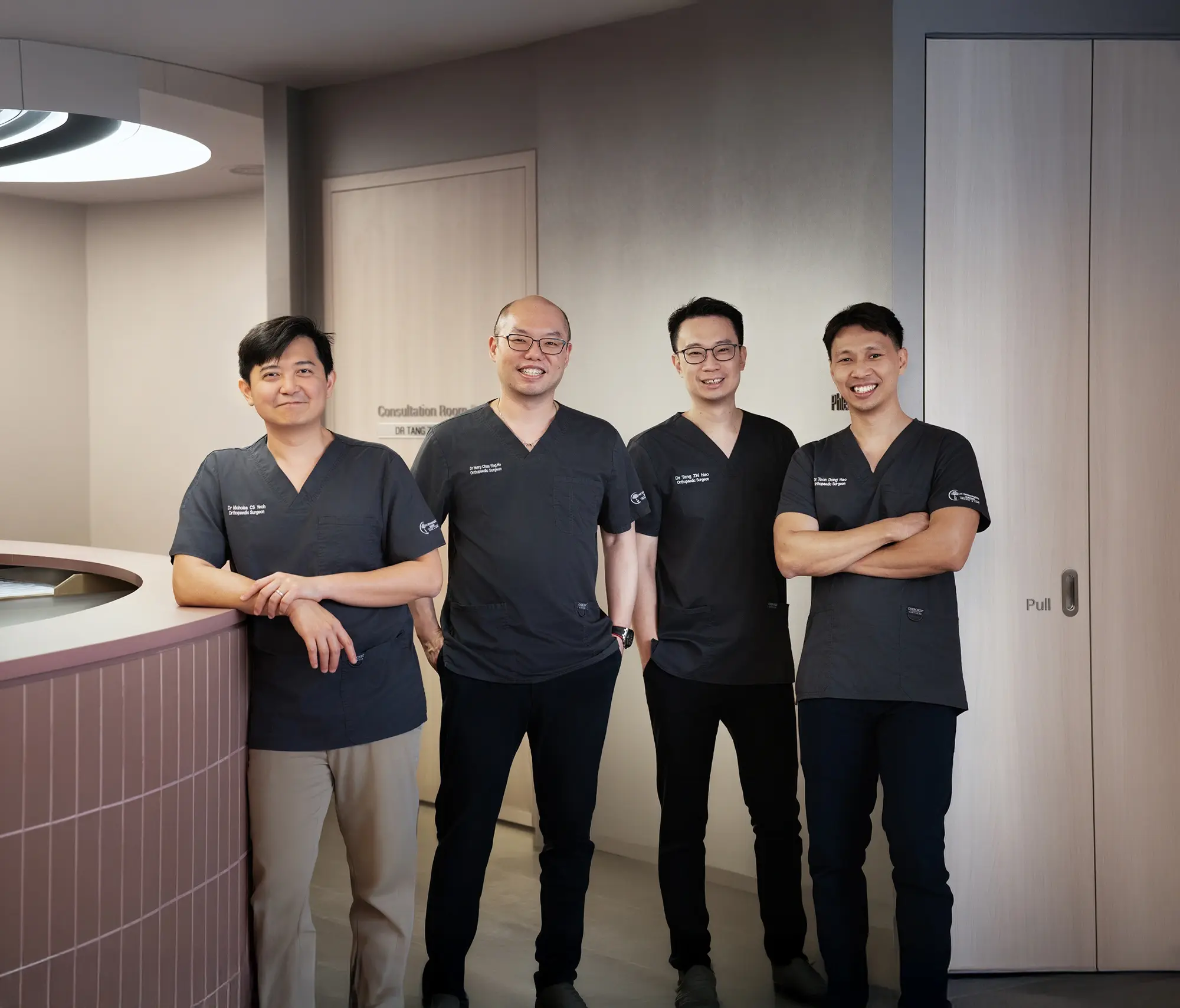
At HC Orthopaedic Surgery, patients undergoing partial hip replacement receive comprehensive assessment, meticulous surgical planning and structured rehabilitation designed to support safe healing and sustained joint function. The practice is headed by Dr Henry Chan and supported by Dr Nicholas Yeoh, Dr Toon Dong Hao and Dr Tang Zhi Hao.
Frequently Asked Questions (FAQs) About Partial Hip Replacement
How long does a partial hip replacement last?
When will I be able to walk again?
What is the difference between partial and total hip replacement?
How long is the recovery period?
How soon after surgery can I resume driving?
What factors determine if I need hip replacement surgery?
How should I sleep after surgery?
When can I fly after partial hip replacement?
Meet Our Specialist Team
Our team comprises Dr Henry Chan, Dr Nicholas Yeoh, Dr Toon Dong Hao, and Dr Tang Zhi Hao — experienced orthopaedic surgeons with subspecialty experience and a patient-centred approach to care.
Dr Henry Chan
Medical Director & Senior Consultant Orthopaedic Surgeon
MBBS (S’pore), MRCS (Edinburgh), MMed (Orthopaedic Surgery), FRCS (Edinburgh)
Dr Henry Chan is an experienced orthopaedic surgeon specialising in joint replacement and complex revision surgery. Trained at the renowned Helios Endo-Klinik in Germany under the MOH HMDP scholarship, he has performed over 1,000 joint replacements and specialises in computer-assisted and robotic joint replacement techniques for precise outcomes.
Dr Nicholas Yeoh
Senior Consultant Orthopaedic Surgeon
MBChB (Edinburgh), MRCS (Edinburgh), MMed (Orthopaedic Surgery), FRCS (Edinburgh)
Dr Nicholas Yeoh is an MOH-accredited orthopaedic specialist and Fellow of the Royal College of Surgeons of Edinburgh. Fellowship-trained in hip and knee reconstruction in Sydney under the MOH HMDP scholarship, he specialises in minimally invasive joint replacement, robotic surgery and advanced techniques that enhance recovery and surgical outcomes.
Dr Toon Dong Hao
Senior Consultant Orthopaedic Surgeon
MBChB (Leeds), MRCS (Edinburgh), MMed (Orthopaedic Surgery), FRCS (Edinburgh)
Dr Toon Dong Hao is a skilled orthopaedic surgeon and Fellow of the Royal College of Surgeons of Edinburgh. Fellowship-trained in Advanced Shoulder and Elbow Surgery in Sydney under the MOH HMDP scholarship, Dr Toon specialises in sports injuries, arthroscopic surgery and complex shoulder, elbow and knee procedures to restore function and mobility.
Dr Tang Zhi Hao
Senior Consultant Orthopaedic Surgeon
MBBS (S’pore), MRCS (Edinburgh), MMed (Orthopaedic Surgery), FRCS (Edinburgh)
Dr Tang Zhi Hao is a fellowship-trained orthopaedic surgeon specialising in foot and ankle conditions. He completed his Foot and Ankle Surgery fellowship at Severance Hospital, Yonsei University Health System in Seoul under Professor Jin Woo Lee. Prior to private practice, he served as Consultant and Deputy Head of Orthopaedics at Khoo Teck Puat Hospital.